Kamran Faqir is a volunteer investigative journalist and writer committed to exposing hidden truths and amplifying underreported stories. Driven by social justice, he brings sharp insight and fearless truth-telling to independent journalism. NUJ registered.
Listen to this article
Help support our mission, donate today and be the change. Every contribution goes directly toward driving real impact for the cause we believe in.
Article Date Published:
Article Date Modified:
7 minutes
Views:78
No knives were found in the Operation Advance sweep, so the case for the tactic rests on what else it achieves.
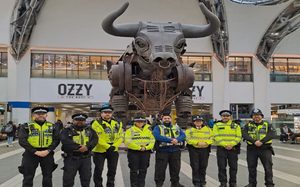
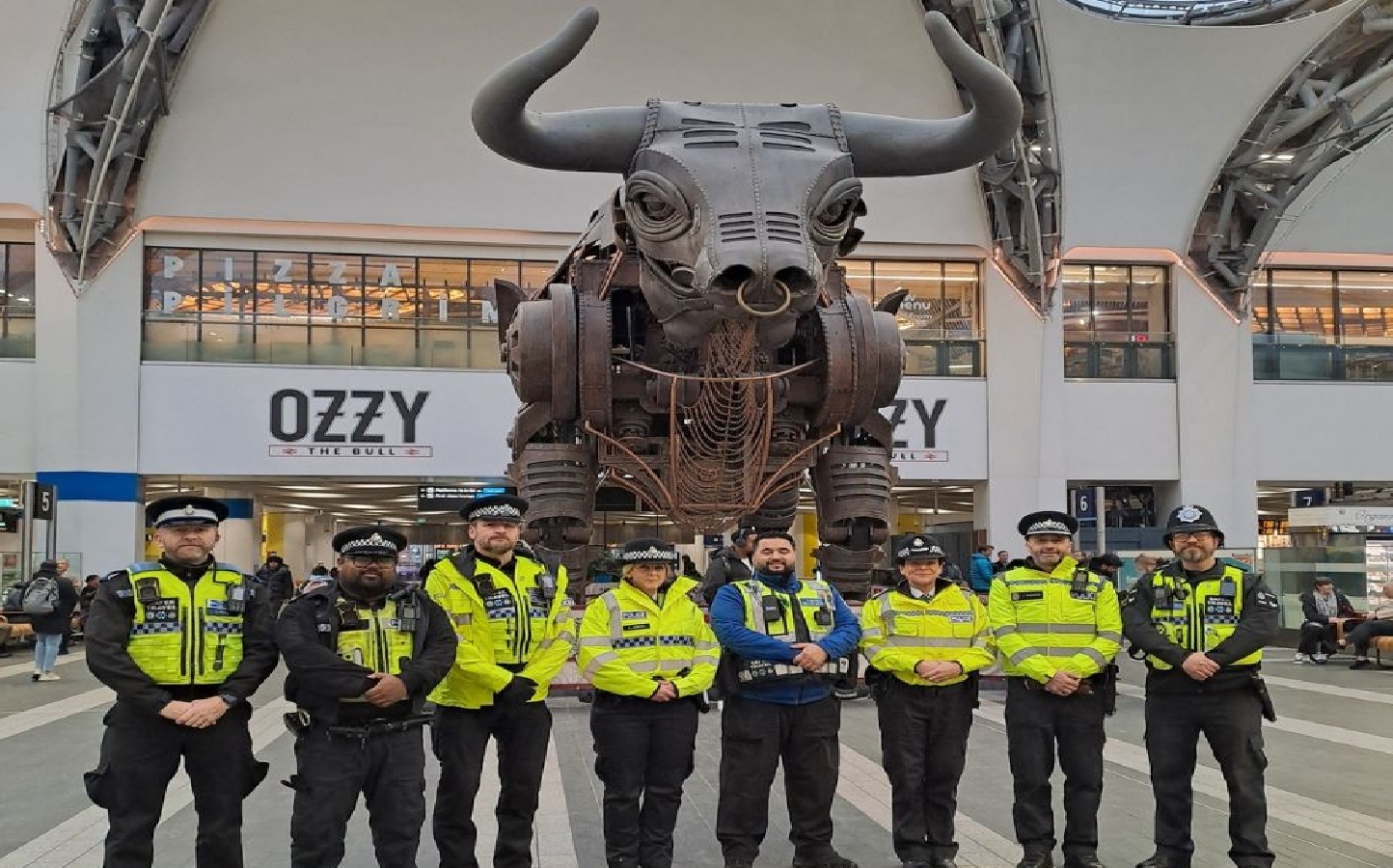
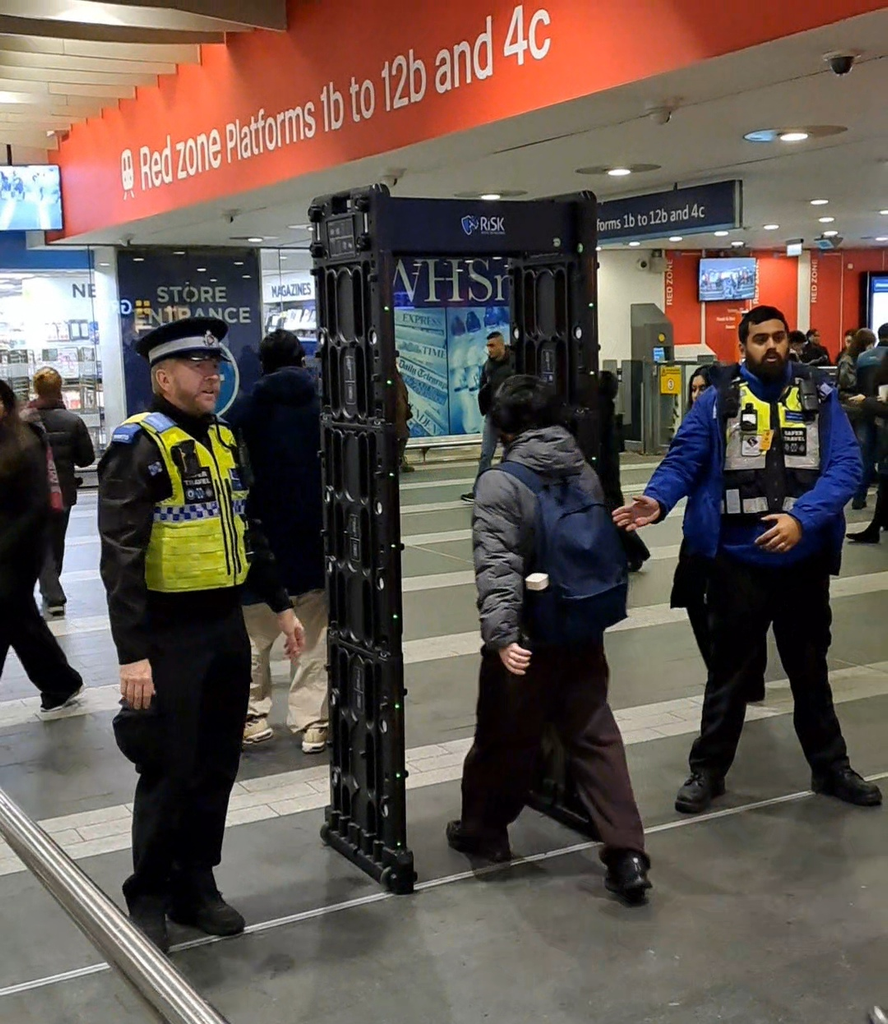
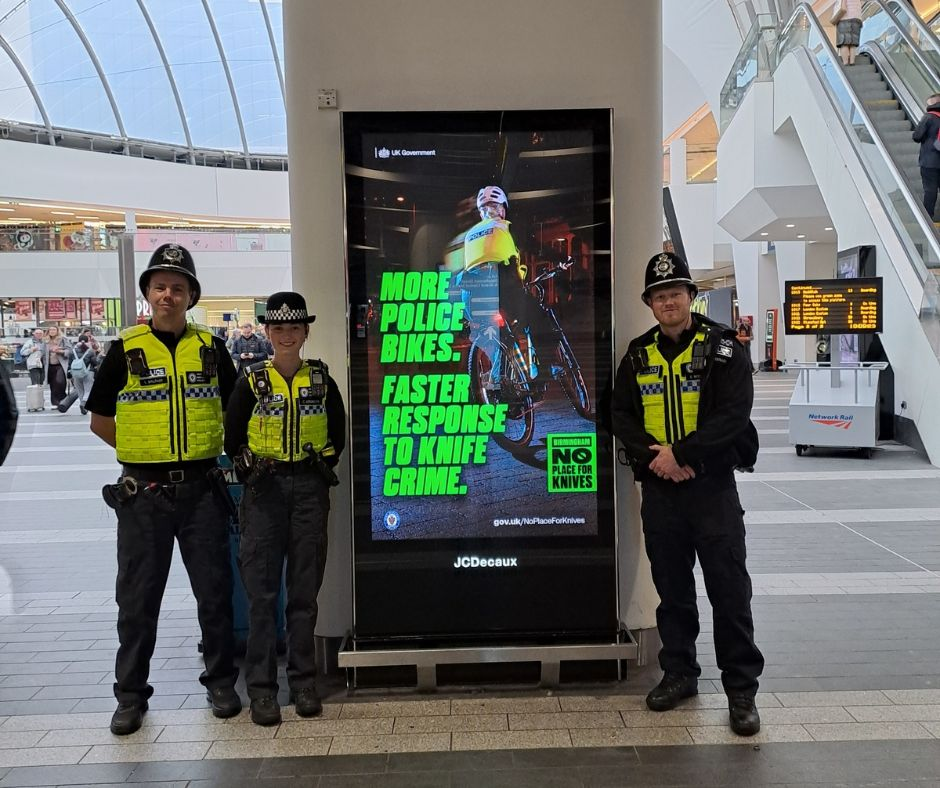
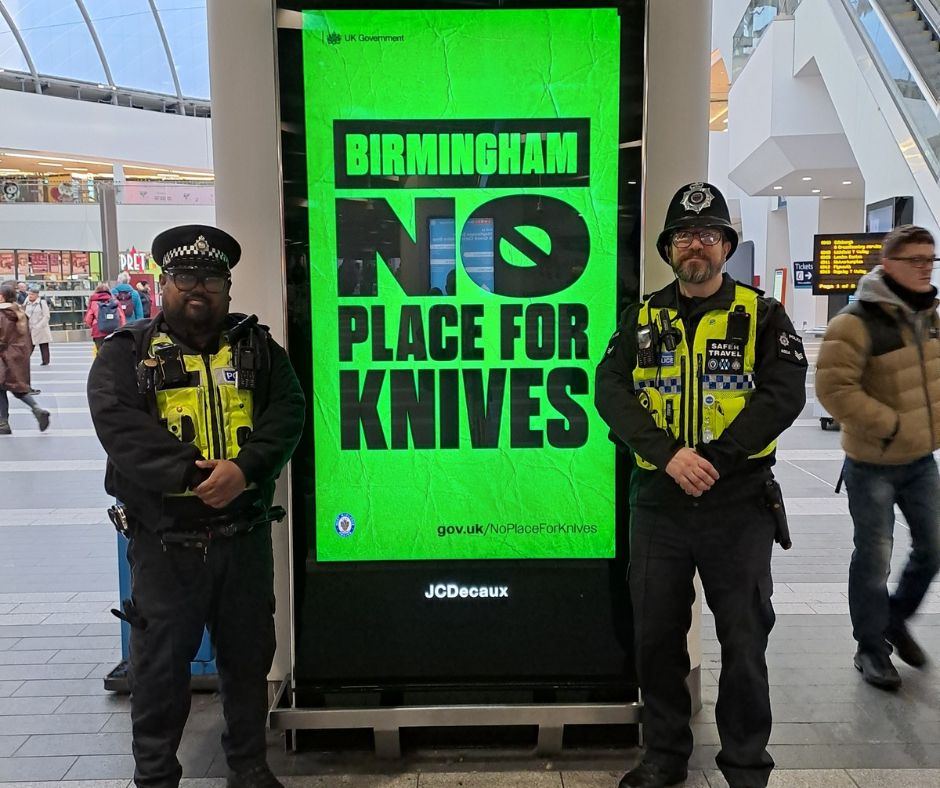
Hundreds of commuters walked through a knife arch at Birmingham New Street on Tuesday 17 November. Digital billboards around the concourse carried the Home Office’s “No Place for Knives” message. West Midlands Police later reported that no blades were found.
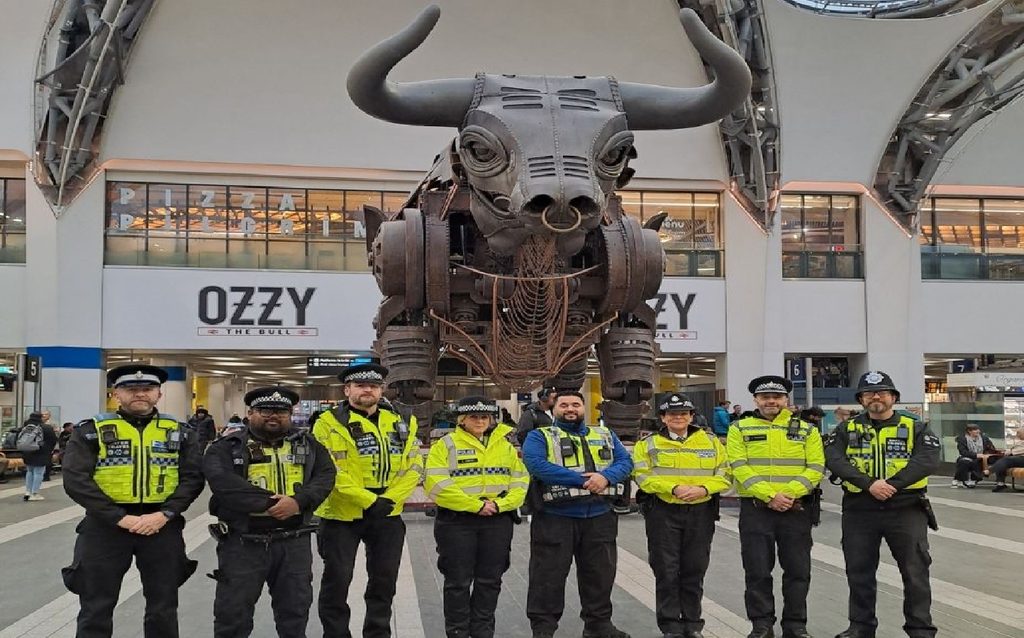
The operation was part of Operation Advance, a force-wide day of action. It brought together neighbourhood teams with Roads Policing, Drones, Firearms, the Mounted Unit, Dogs and Operational Support. In the morning, officers from Birmingham, Safer Travel, Network Rail and British Transport Police ran the arch and held a “Time to Talk” event on knife crime. Elsewhere, officers worked with Midlands Metro on fare evasion and anti-social behaviour.
What Officials Said
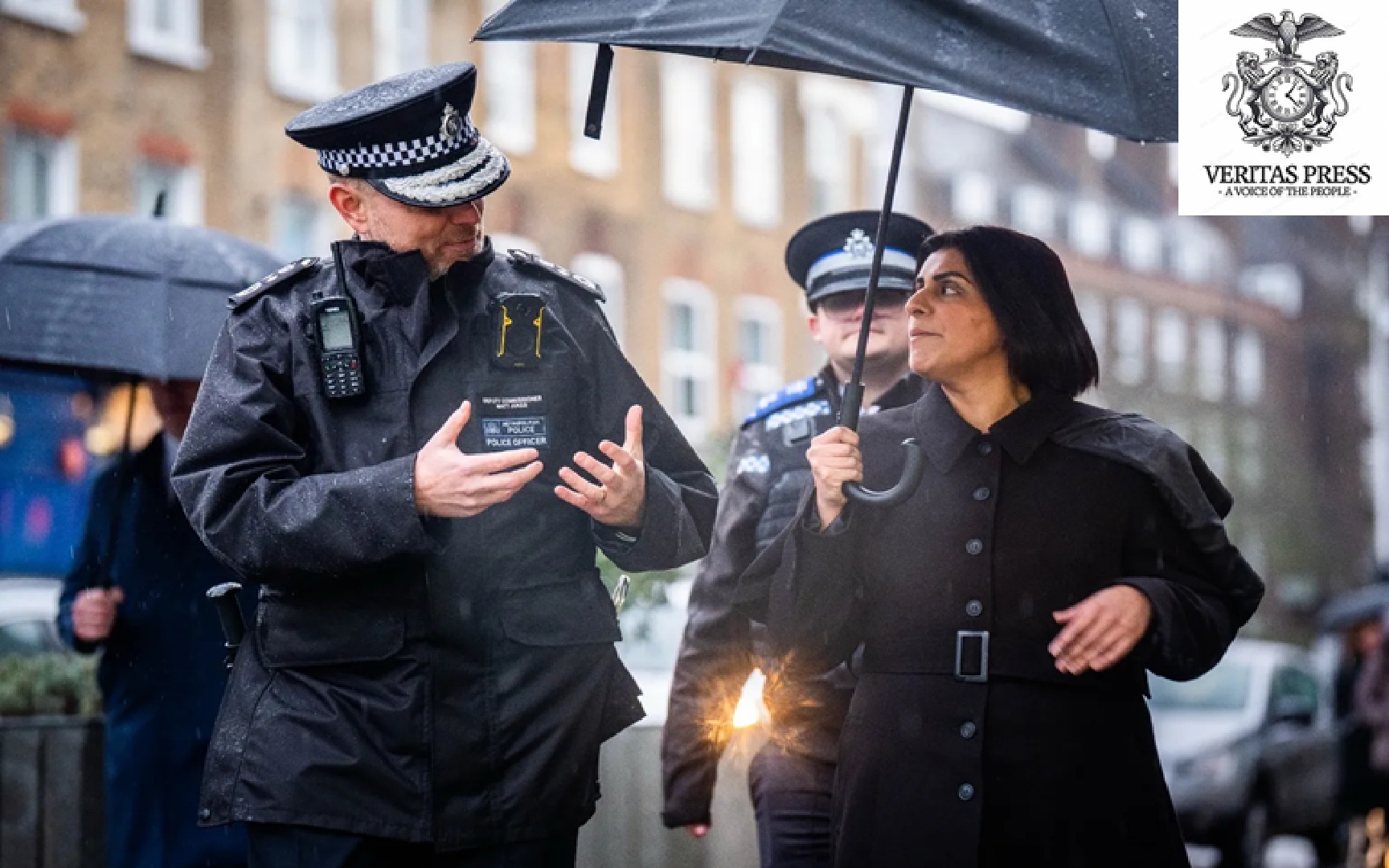
Deputy Chief Constable Jen Mattison visited the arch and framed it as reassurance. She said Operation Advance gives the force “a greater visible presence” and hoped the public would “feel safer” seeing it. Policing and Crime Minister Sarah Jones said there is “no place for knives” on the streets. She also repeated the government’s pledge to halve knife crime within a decade, combining “tough enforcement with prevention and early intervention”.
The operation sits alongside national Operation Sceptre, a week of action that includes more arches, warrants, school workshops, weapon sweeps and test purchasing. The force’s Project Guardian teams also work year-round on taking weapons off the streets. A force spokesperson said continued policing presence is vital “to keep it that way”. They urged anyone who knows someone carrying a knife to contact Crimestoppers anonymously on 0800 555 111.
The Numbers Behind The Arch
The force’s own figures are better than they were. Figures presented to the Police and Crime Commissioner’s accountability board showed knife crime offences fell 25.1 per cent, from 5,268 to 3,946, in the year to March 2026. Separately, ONS data showed 4,116 offences in the year to September 2025, down 18% on the previous year, even as recorded homicides in the region edged up. That caveat matters, because a fall in recorded offences is not the same as a fall in the most serious harm.
Earlier operations show the pattern. During one Sceptre week, 29 people were arrested and 70 knives seized, with arches placed at New Street and on the ramp by Grand Central. More recently, a week-long crackdown ending in December 2025 recovered 23 weapons and led to 80 arrests. A day with no finds is therefore not unusual for an arch. Deterrence and visibility are the stated aim, and they are hard to measure.
The Critique: What Do Arches Prove?
Arches are voluntary to walk through, but officers can use existing powers to search anyone they have reasonable grounds to suspect. That makes the arch a funnel for engagement as much as a detector. It also raises the question of who ends up searched.
The evidence on effectiveness is thin. A February 2026 review of school arches found UK evaluation research is limited, and that arches should not be judged as a standalone intervention. The review links knife carrying to factors such as peer pressure, trauma and exploitation. In the Black Country, Dudley Academies Trust spent about £50,000 on nine arches and calls them proportionate. Some education figures say there is limited evidence on effectiveness, and that arches may reassure without addressing root causes. Leaders at the trust stress there has been no history of knife incidents in their schools.
Disproportionality is the sharper concern. At a recent Police and Crime Panel meeting, figures showed black people in the West Midlands were 3.5 times more likely to be stopped and searched than white people, up from 3.1 times in 2024, with use of force also rising to 2.3 times. Commissioner Simon Foster pointed to community scrutiny panels and new accountability panels for young people. Rising disparity alongside more visible tactics is the tension scrutiny bodies will want answered.
The police voice on the other side is blunt. The West Midlands Police Federation has long argued officers lack confidence using their powers. Its chair Rich Cooke has spoken of a “crisis of confidence” about stop and search, driven by fear of complaints. The Federation has also criticised new Serious Violence Reduction Orders as too soft, since many suspects are juveniles who fall outside the powers.
Enforcement Versus Prevention
Youth charities and experts say enforcement alone will not hold the gains. Commentary on the national picture points to estimates of more than £900 million in cuts to youth services, and to London’s approach of placing youth workers in custody suites. That is context from national reporting, not a finding about Birmingham. It does explain why “Time to Talk” events and the Violence Reduction Partnership matter as much as the arch itself.
What We Don’t Yet Know
Whether commuters, shopkeepers or young people at New Street felt safer or more profiled. I found no published reaction from them, so any vox-pop quotes need to come from your own reporting.
Statements from activists and community groups on Tuesday’s operation. I found none, and I haven’t invented any.
Whether the ethnicity of those stopped or searched at the arch will be published.
How the force measures success when the headline result is zero.
Local campaigners and youth organisations should be approached for comment before publication, as should the force on search data from the day.
If you know someone who is carrying a knife but do not want to report to the police, you can call Crimestoppers and report 100% anonymously on 0800 555 11.
Veritas Press Investigative Analysis Independent journalism examining global affairs, power, diplomacy, and accountability.
Source:Veritas Press C.I.C. | Multi-News Agencies
Help Support Our Work
Readers who believe that truth still matters have power over popular information. When just a few more people step up to support this work, it means more lies exposed, more corruption uncovered, and more accountability where it’s long overdue.
Help Protect Independent Journalism, Which Is Currently Under Attack.
If you believe journalism should serve the public, not the powerful, and you’re able to help, becoming a regular DONOR or a PAID SUBSCRIBER truly makes a difference.
DONATION APPEAL: If you found this reporting valuable, please consider supporting independent journalism.
Your support fuels our fearless, truth-driven journalism. In unity, we endeavour to amplify marginalised voices and champion justice, irrespective of geographical location. We operate independently, with no financial backing from billionaires; our readers support us.
But it’s also extremely important. One of Veritas Press’s greatest assets is its reader-funded model.
1. Reader funding means we can cover what we like. We’re not beholden to the political whims of a billionaire owner. We are a small, independent and impartial organisation. No one can tell us what not to say or what not to report.
2. Reader funding means we don’t have to chase clicks and traffic. We’re not desperately seeking your attention for its own sake; we pursue the stories that our editorial team deems important and believes are worthy of your time.
3. Reader Funding: enables us to keep our website and other social media channels open, allowing as many people as possible to access quality journalism from around the world, particularly those in places where the free press is under threat.
We know not everyone can afford to pay for news, but if you’ve been meaning to support us, now’s the time.
Your donation goes a long way. It helps us:
Keep the lights on and sustain our day-to-day operations
Hire new, talented, independent reporters
Launch real-time live debates, community-focused shows, and on-the-ground reporting
Cover the issues that matter most to our communities, in real time, with depth and integrity
Without your support, independent voices like ours will be silenced.
Furthermore, we have plans to expand our work, but we can’t do it without your support. Every contribution, no matter the size, helps us stay independent and build a truly people-powered media platform.
If you believe in journalism that informs, empowers, and reflects the communities we serve, please donate today.
You Can Make Direct Bank Transfer Donations To
Bank Name: Bank Of Scotland
Account Name: Veritas Press C.I.C.
Sort code: 80-22-60
Account Number: 27540469
IBAN #: GB18-BOFS-6027-5404-69
Donate Online
Submission
For the safe submission of documentation, testimonies, or exclusive investigative reports from anywhere in the world, please use the following contact details for our Investigations Desk: mailto:enquiries@veritaspress.co.uk or mailto:editor@veritaspress.co.uk.
SEATTLE, TEHRAN — The U.S. Department of Homeland Security (DHS) will allow Iran’s national football team to enter the country 48 hours before their critical World Cup match against Egypt on Friday, a modest concession in a tournament where Team Melli’s travel conditions have sparked claims of oppression and competitive disadvantage.