







Author:
Byline: Investigative Desk
Help support our mission, donate today and be the change. Every contribution goes directly toward driving real impact for the cause we believe in.
As Israeli jets bomb a Syrian air base over alleged Turkish deployment plans, Ankara, Washington and Damascus are scrambling to prevent a direct Israel-NATO confrontation. But critics across the region say the strike was never just about security; it was about maps, sovereignty and an expansionist project Israel refuses to name.
The Sound That Changed The Middle East
Israel awoke to a changed Middle Eastern reality on September 30, 2015. Russian fighter planes streaked through the skies over Homs, carrying out Moscow’s first combat sorties in the region since the end of the Cold War. President Vladimir Putin had arrived to save Russia’s key Middle Eastern ally, Syria’s then-president Bashar al-Assad, from collapse.
Nine days earlier, on September 21, Prime Minister Benjamin Netanyahu, armed with what Israeli intelligence had gathered about Russia’s plans, flew to Moscow on a lightning visit.
Turkish Defense Ministry called on Israel to end ‘reckless attacks’ on Syria and comply with international law, saying Ankara would continue supporting Damascus in rebuilding its infrastructure and military capacity under the ‘one army’ principle
In an unusual arrangement for a foreign trip, he was accompanied not by the press corps but by then-IDF chief of staff Gadi Eisenkot and then-head of Military Intelligence Herzi Halevi.
There, in the Kremlin’s ornate halls, Netanyahu and Putin discussed establishing what would become one of the most consequential, if quiet, diplomatic arrangements of the modern Middle East: a deconfliction mechanism to prevent Israeli and Russian pilots from accidentally confronting each other over Syrian skies.
By 2015, Jerusalem had already approved scores of attacks against Hezbollah and Iran’s efforts to build a launchpad against Israel. The mechanism worked for nearly a decade, surviving multiple regional crises, countless Israeli strikes, and forces led by the current Syrian president, Ahmed al-Sharaa, who overthrew the shifting tides of the Syrian civil war in December 2024.
Now, in August 2026, as Israeli jets struck the Abu al-Duhur air base in Idlib province, allegedly to prevent a Turkish deployment, the question haunting Israeli strategic planners is whether the deconfliction mechanism Netanyahu established with Putin can be replicated with Erdogan’s Turkey.
The answer, according to diplomats, military analysts, and regional officials interviewed for this investigation, is far from certain. And the deeper accusation now being levelled by Ankara, Damascus and voices across the Arab world is that Israel does not actually want deconfliction at all. It wants a free hand to redraw the map.
How Israel And Russia Avoided A Confrontation For Years
The Israel-Russia deconfliction mechanism worked largely because both sides reached an informal understanding: each had interests in Syria. Israel would not interfere with Russia’s, and Russia would allow Israel to protect its own.
Those interests were clear. Russia wanted to preserve its regional foothold by keeping Assad in power. Israel wanted to prevent Iran and Hezbollah from entrenching themselves in Syria. Moscow would not interfere with Israel’s actions as long as they did not threaten Assad’s rule, and Israel would not target his regime as long as Jerusalem retained freedom of action against Iran and Hezbollah.
Put another way, the understanding was: “You take care of your business, I’ll take care of mine, and we need not clash as long as we remain within our respective spheres.”
And it worked. Israel carried out hundreds of attacks in Syria as part of its Campaign Between the Wars without directly confronting or seriously harming Russia’s extensive military presence there. The hotline between Tel Aviv and Moscow’s Hmeimim air base became a model of pragmatic coexistence between two powers with divergent interests but aligned incentives to avoid accidental conflict.
“Putin operated in Syria with the cold calculation of a global strategist,” explained a former senior Israeli defence official who was involved in the early negotiations, speaking on condition of anonymity due to the sensitivity of the matter. “He had no ideological stake in the Arab-Israeli conflict. Moscow viewed the Levant as a chessboard, pieces to be moved to secure Mediterranean ports, preserve an allied regime, and poke a finger in Washington’s eye. When Israeli jets entered Syrian airspace, Putin viewed it pragmatically: as long as Russian assets were not hit and Assad was not endangered, Israel’s war against Iranian proxies was none of his business.”
That strategic coldness, that absence of ideological entanglement, is precisely what made the arrangement viable. And it is precisely what makes the current situation with Turkey so dangerous.
The Strike At Abu Al-Duhur
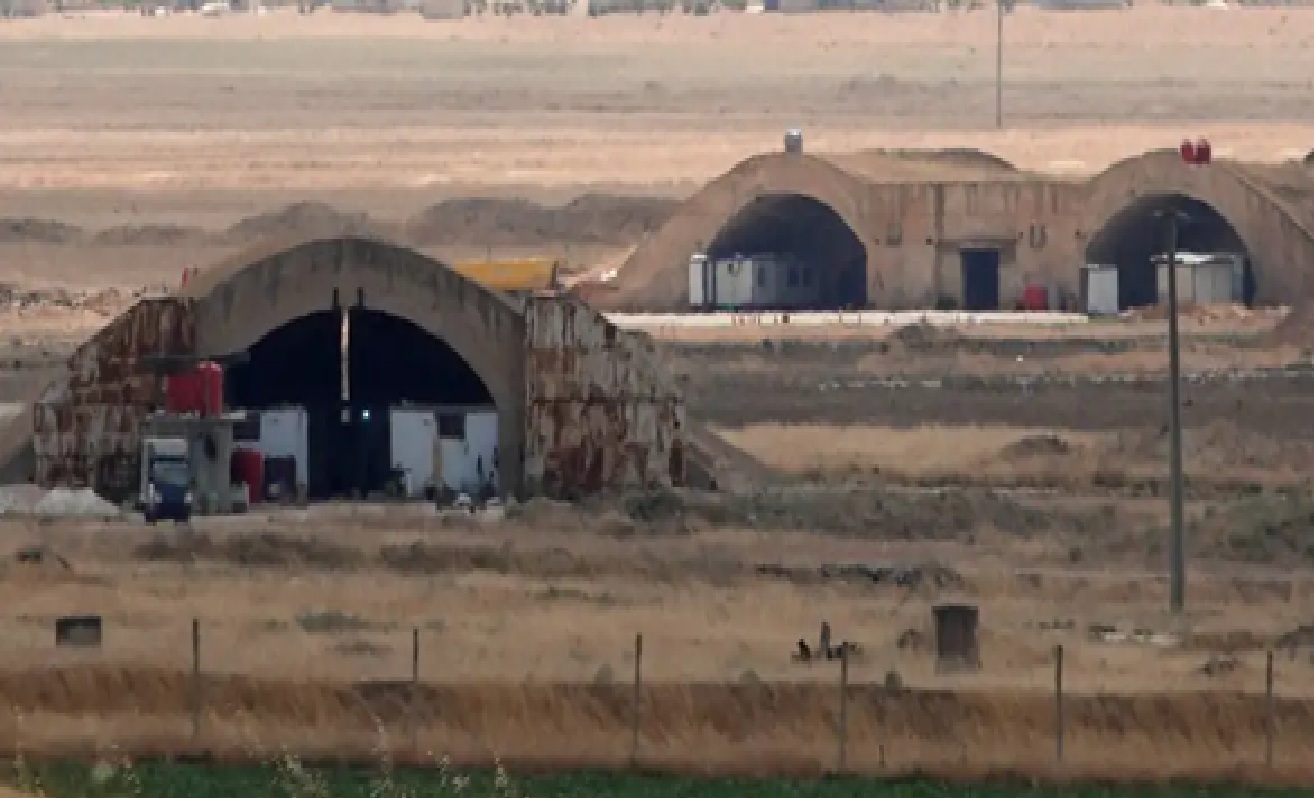
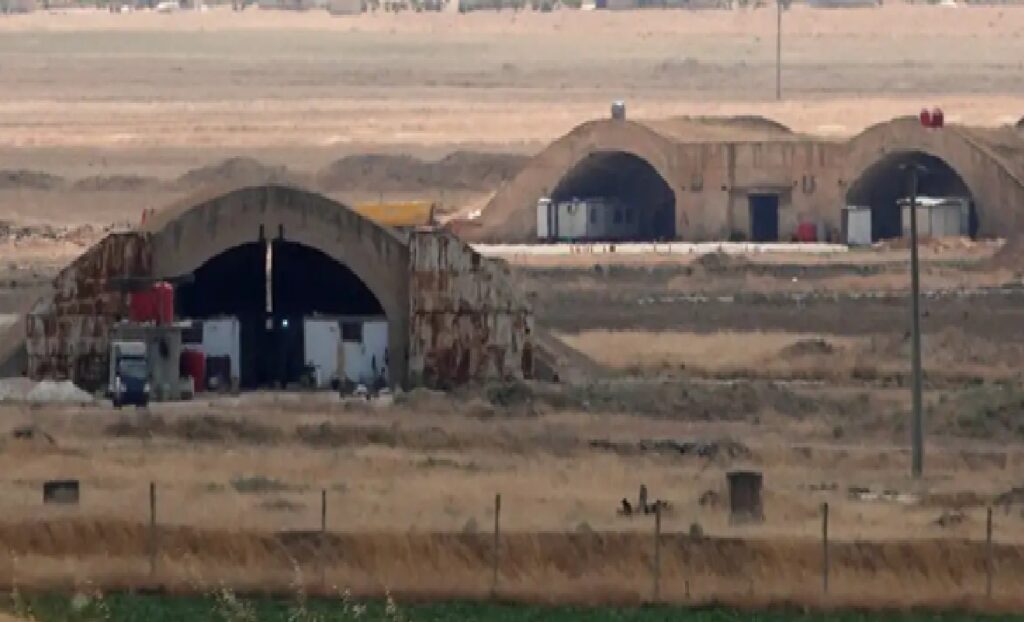
On Tuesday, August 18, 2026, Israeli aircraft struck the runway and storage facilities at the Abu al-Duhur air base in Idlib province, some 60 kilometres from the Turkish border. The base, dormant as a dedicated military airfield since 2013, had changed hands multiple times during Syria’s 14-year civil war. But Israeli intelligence believed it was being prepared for something new: Turkish forces.
According to foreign media reports, a military delegation from Turkey had visited the site just hours before the attack. Syrian officials later acknowledged the visit but insisted it was part of “ongoing military cooperation in the areas of training and the exchange of expertise,” not preparation for a permanent deployment.
Netanyahu discussed the reason for the strike in a video clip released on Wednesday. “We will not tolerate a Turkish military buildup extending southward. We conveyed that in every possible way.”
“Now we saw that Turkey intended to establish itself at an air base farther south, close to Aleppo, and we sent a message,” he continued. “How shall I put that message? ‘Don’t.'”
The prime minister said that although they had received the original message, “apparently they didn’t hear it,” so Israel took action to make sure the Turks “understood it better.”
On Tuesday, the Prime Minister’s Office posted on X/Twitter that Israel and Syria had agreed to a security status quo that Damascus was on the verge of breaching by permitting Turkish troops to deploy at Abu al-Duhur. Israel warned Syria that such a deployment would pose a threat, the post said, but Syria ignored those warnings.
Israel, it continued, “will not tolerate threats to its security and would welcome a return to the status quo.”
But the statement revealed something more significant than a single strike: that some kind of modus vivendi had been established between Jerusalem and Damascus regarding what would and would not be tolerated. In Israel’s view, moving Turkish troops, and possibly sophisticated radar and air defence systems, into the Abu al-Duhur air base violated those understandings.
The attack carried two messages: one to Syria, warning it to respect the previous understandings; and one to Turkey, clarifying that Israel has red lines.
Competing Narratives, Missing Hotlines
Syria and Turkey dispute Israel’s account. Syrian Foreign Minister Asaad al-Shaibani told Axios that there were no plans for a Turkish base or permanent Turkish troop presence at Abu al-Duhur. “There was no intention to establish a Turkish base there, nor to establish a permanent Turkish military presence or deploy Turkish forces at the site,” he said, adding that the largely empty base was not yet operational and was being restored so that it could be used by the Syrian Air Force.
He acknowledged that Turkish military officers had visited the site in the days before Israel’s strike, but stressed it was for “ongoing military cooperation in the areas of training and the exchange of expertise.”
Syrian officials told Middle East Eye that a Turkish technical team had been tasked with repairing the runway and control tower, and that there was no military presence at the base. “The last team tasked with reconstructing the base was there two days beforehand,” one official said. “Turkey doesn’t take over every base.”
But perhaps the most revealing detail to emerge in the aftermath of the strike concerns the existing hotline between Israel and Turkey. Turkish officials told MEE that Israel had not used the hotline established between the two countries last year to prevent military accidents.
“It is clear that they wanted to intimidate Ankara,” one Turkish official said on condition of anonymity. “They are playing with fire.”
A Turkish source familiar with the operational readiness of the Turkish armed forces said Ankara had radar capabilities that could monitor Israeli aerial activity as far away as Jordan and had not been caught off guard by the strikes. The source speculated that US officials may also have warned Turkey of the impending attack.
For residents near the base, the strike was a terrifying rupture in an already fragile landscape. A farmer from a village close to Abu al-Duhur, who asked not to be named for fear of reprisals, described the moment of impact to Middle East Eye: “We heard the jets before dawn. Then eight explosions. We didn’t know if it was the beginning of a bigger war.”
No casualties were reported at the base, but the psychological impact was immediate. “People are afraid that if Turkey and Israel fight, Syria will burn again,” the farmer said.
Washington Steps In, Belatedly
The strike triggered a response from US Ambassador to Turkey Tom Barrack, who is also Washington’s special envoy for Syria and Iraq. Barrack initially called the strike “an unnecessary escalation that does not advance regional stability.”
The next day, in an interview with The Jerusalem Post, he stressed the need to establish a deconfliction mechanism quickly.
“Turkish forces were not aware that the Israeli aircraft were en route to that specific Syrian base, nor of their intended purpose, and therefore could potentially have been inclined to scramble their own jets in the belief that they themselves were under attack,” he said.
Barrack told Reuters that the strikes “carried a real risk of rapid escalation into a direct military confrontation between Israel and Turkey as well as Syria.”
The envoy’s candour was striking. A US official publicly acknowledging that a strike by one American ally could have triggered a military confrontation with another American ally, a NATO member, no less, represented an extraordinary admission of the fragility of the situation.
Barrack said there was no “inherent obstacle” preventing Syria, Israel, and Turkey from maintaining open lines of communication. “Diplomatic discourse is the best prevention to kinetic interactions,” he said in diplomates.
In plain English: talk to one another through a hotline, not through fighter jets, whereby messages can be misunderstood, leading to potentially tragic consequences.
According to Barrack, the US already facilitates an information-sharing and dialogue mechanism among the parties. “What is required is a more robust architecture with greater resources committed to it. Investing in such mechanisms is far less costly than relying on kinetic means of communication that can run into the hundreds of millions of dollars,” he said, referring to military force.
US Ambassador to Israel Mike Huckabee said Thursday that Washington is setting up “a de-escalation process.” “It’s being established, and it’s in place, but it needs to be refined and make sure that it’s really going to work and that everybody’s a willing participant,” he said. “I feel like we’re there.”
But asked whether Washington was concerned that Israeli actions risked an Israeli-Turkish confrontation, Huckabee said: “I don’t think it’s come to that. I don’t think we’re even close to that.”
That assessment stands in stark contrast to Barrack’s earlier warning, and it underscores the complex position the United States finds itself in, juggling relationships with two critical allies whose interests are increasingly in conflict.
The Erdogan Difference
Can the kind of deconfliction mechanism Netanyahu established with Putin be replicated with Erdogan’s Turkey? On paper, the logic holds. Both sides have a compelling interest in avoiding an accidental war.
But there are enormous differences between Putin’s Russia in 2015 and Erdogan’s Turkey in 2026.
Putin did not enter Syria to harm Israel. He came to preserve Russian interests: saving Assad, maintaining Moscow’s Mediterranean foothold, demonstrating Russia’s global standing, and preventing Islamist forces from taking control of Syria and potentially feeding jihadist threats in Russia’s own North Caucasus region.
Erdogan’s immediate interest in entrenching Turkey in Syria may likewise not be to attack Israel. He wants to secure Turkey’s southern border, curb Kurdish power, shape the new Syrian state, expand Ankara’s regional influence, and make billions rebuilding the country’s infrastructure.
But unlike Putin, Erdogan has ideological and historical ambitions that place Turkey on a collision course with Israel.
When Interior Minister Mustafa Ciftci spoke in June about “liberating” Jerusalem and becoming its governor, declaring that Damascus, Aleppo, and Nagorno-Karabakh had been “liberated,” and that Jerusalem would be liberated one day, the difference between Russia’s and Turkey’s attitudes toward Israel becomes clear.
Erdogan’s Turkey views Syria as its immediate backyard. Ankara’s worldview is shaped by Muslim Brotherhood sympathies and Neo-Ottoman ambitions inherently hostile to Israel. While Putin was content to preserve Russia’s coastal enclave around Tartus and Latakia and keep Assad in power, Erdogan views himself as the principal patron and protector of al-Sharaa’s new Syrian state.
“For Erdogan, quietly signing a live-and-let-live airspace agreement with Jerusalem cuts against his ideology and the image he has cultivated as Israel’s strident and uncompromising opponent,” explained a Western diplomat familiar with the negotiations, speaking on condition of anonymity.
This is not merely a matter of rhetoric. Turkey hosts Hamas’s political leadership. It spearheads diplomatic moves against Israel at every international forum. Erdogan has spent nearly two decades spewing virulently anti-Israel rhetoric, positioning himself as the champion of the Palestinian cause and the leader of the Sunni Muslim world.
The recent defence pact with Saudi Arabia and Pakistan, two major Sunni powers, one of them nuclear-armed, represents the latest and most significant expression of Ankara’s growing strategic reach. The “Mecca Accords,” as they have been dubbed, have sent shockwaves through Israel’s security establishment.
“Turkey also recently signed a mutual-defence pact with Saudi Arabia and Pakistan,” noted an Israeli security source. “A country whose leaders speak that way and whose regional ambitions are expanding is not one Israel wants building up militarily anywhere near its borders.”
Why Abu Al-Duhur Matters: The Iran Route And The Radar Problem
But there is more to the Abu al-Duhur strike than ideological hostility. The airbase, while not near Israel’s border, is reportedly near a route Israeli aircraft could use to fly to Iran. Israel does not want hostile radar and air defence systems compromising its air superiority and freedom of action.
This is the crucial operational detail that transforms the strike from a symbolic warning to a strategic necessity in Israeli eyes. If Turkey deploys advanced radar systems, particularly the long-range early warning radars that Ankara has been developing indigenously, at air bases in northern Syria, it could dramatically expand Turkey’s ability to monitor Israeli air activity across the region.
The base is located approximately 70 kilometres east of the Turkish border, deep in what has become Turkey’s sphere of influence in Syria. Turkish air defence systems deployed there could potentially track Israeli aircraft transiting toward Iran, sharing that information with hostile actors.
For Israel, this is an existential concern. The freedom of action to strike Iranian nuclear facilities if necessary, the “military option” that has underpinned Israeli strategic doctrine for decades, depends on the ability to penetrate hostile airspace undetected. Turkish radar coverage extending southward into Syria represents a direct threat to that capability.
“A potential Turkish presence at Abu al-Duhur would not alter the aerial balance, as some Israeli officials have claimed, because the base is already very close to the Turkish border,” Syrian officials argued to MEE. But this misses the point: it is not the location of the base itself that concerns Israel, but the systems that could be deployed there and the precedent that would be set.
The Election Factor
It is impossible to separate the timing of the strike from Israeli domestic politics. Netanyahu has recently portrayed Turkish President Erdogan and New York Mayor Zohran Mamdani as enemies of Israel in his election campaign materials. Opinion polls currently indicate Netanyahu may lose the October 27 election, his security credentials still shaken by the Hamas-led attacks of 2023.
Two Ankara insiders with ties to the Turkish government, speaking anonymously, suggested the strikes were intended not only as an election stunt but also to undermine the credibility of Turkish support for Syria.
“The Mecca Accords with Pakistan and Saudi Arabia, which Israel has presented as a new Sunni axis, put Netanyahu in a difficult position domestically,” one of the insiders said. “So Israel is basically saying: We don’t care about the new security architecture being built by Turkey, and we will continue to strike wherever and whenever we want.”
The Turkish presidency’s communications office offered a similar assessment, saying Netanyahu intended to continue his expansionist and destabilising regional policies “ahead of elections in Israel.”
But dismissing the strike as mere electioneering would be a mistake. The pattern of Israeli military activity in Syria, 1,722 verified and reduplicated records of strikes between January 2025 and August 2026, according to data compiled from Telegram reports and the Armed Conflict Location & Event Data Project, suggests a sustained campaign that has not let up since the fall of Assad.
What has changed is not the frequency of Israeli strikes, but their targets. Under Assad, Israeli strikes focused on Iranian and Hezbollah assets. Under al-Sharaa, the target set has expanded to include Syrian military infrastructure and, now, potentially Turkish deployment sites.
This represents a fundamental shift in Israel’s approach to Syria. The Assad-era campaign was about preventing weapons transfers and proxy entrenchment. The post-Assad campaign is about shaping the future of Syria itself, ensuring that whatever government emerges in Damascus is weak enough not to threaten Israel, and that Turkey does not succeed in building it into a formidable military ally.
The ‘Greater Israel’ Accusation And The NATO Dimension
To Ankara and a growing number of regional actors, the Abu al-Duhur strike was never simply about radar or air routes. It was about maps.
Since al-Sharaa took power, Israel has not only bombed Syrian military infrastructure. It has also occupied Syrian territory beyond the old disengagement line, including the Syrian side of Mount Hermon and villages in Quneitra province, and declared a “security zone” in southern Syria that extends beyond the 1974 ceasefire arrangements. Israeli forces have struck former Syrian army bases, airfields, and coastal defence positions, effectively disarming the new state before it can consolidate.
For critics, this is not self-defence. It is an expansionist project.
“Israel’s actions in Syria cannot be separated from what is happening in Gaza and the West Bank,” said a Damascus-based political analyst who asked not to be named. “The same forces that speak of resettling Gaza, that refuse to commit to a Palestinian state, are now carving out zones in Syria. Abu al-Duhur is part of a larger map.”
The term “Greater Israel”, once confined to the rhetoric of militant groups and fringe ideologues, has moved into mainstream regional discourse. Turkish officials, Arab diplomats, and some Western analysts now use it to describe what they see as a coordinated effort to keep all of Israel’s neighbours weak, divided, and unable to challenge its military dominance.
In this narrative, the bombing of Abu al-Duhur was not about preventing a Turkish radar deployment. It was about preventing the emergence of a strong, sovereign Syria that could resist Israeli pressure. It was about sending a message that no outside power, not even a NATO member, can protect Syria from Israeli attacks.
That last point is crucial. By striking a base where Turkish military advisors had recently been present, and by doing so without using the existing hotline, Israel effectively told Ankara: Your NATO membership does not protect you here. In the words of one Turkish official: “They are playing with fire.”
From Ankara’s perspective, Israel is not merely defending itself against a hostile neighbour. It is deliberately attacking the interests of a NATO partner and, by extension, testing the cohesion of the alliance itself.
Legal scholars note that Turkish forces in Syria are not on NATO territory, and a direct Israeli strike on Turkish soldiers would not automatically trigger Article 5. But the political implications would be enormous. “This is the first time a non-NATO state has deliberately bombed a base linked to a NATO member’s overseas operations in such a manner,” said a former NATO defence planner, speaking anonymously. “It forces Washington to choose between an ally with legal treaty obligations and an ally with overwhelming domestic political support.”
That choice, the planner warned, is not one Washington wants to make. And it is precisely that reluctance that Israel may count on.
International Law, Activists, And Local Voices
Human rights organisations and international legal analysts have been harshly critical of Israel’s campaign in Syria.
“Bombing a country’s airport runway because you don’t like who may visit is not self-defence; it is aggression,” said a professor of international law at a European university, who asked not to be named because of the politically charged nature of the debate. “Under Article 51 of the UN Charter, there must be an actual or imminent armed attack. A potential future deployment of an ally’s forces on sovereign Syrian territory, with the consent of the Syrian government, does not meet that threshold.”
Amnesty International has warned that Israeli attacks on Syrian infrastructure “risk collective punishment” and “cannot be justified under international humanitarian law.” The organisation has called for an independent investigation into repeated Israeli strikes on Syrian military and civilian facilities.
Local activists in Idlib describe a population caught between fear of Israeli jets and anxiety about being dragged into a regional conflict. “We are not Israel’s enemies,” said a civil society worker in Idlib who asked not to be identified. “We are just trying to rebuild. But every time there is progress — a repaired road, a functioning airport, Israel bombs it. It is as if they want Syria to remain broken.”
Syrian Foreign Minister al-Shaibani echoed that sentiment in his Axios interview. “There was no legitimate justification for the bombing,” he said. “Syria remains open to negotiations with Israel on de-escalation, but any future deal must address the security concerns on both sides and respect Syrian sovereignty.”
He added that Syria and Israel had made significant progress toward a security agreement during a year of US-mediated talks, but that Israel later backed away from commitments. The Israeli government has not publicly disputed that account.
For its part, the Turkish Defence Ministry on Thursday issued an unusually pointed statement: “It is essential for the peace and stability of both Syria and the region that Israel ceases such reckless attacks and complies with the requirements of international law.” Rear Adm. Zeki Aktürk, the ministry’s spokesperson, stated that people should not view Israel’s military interventions against neighbouring countries as normal or acceptable.
Aktürk called on the international community to take “more concrete and effective measures” in response to Israeli actions that Türkiye says threaten regional peace and stability.
The Road Ahead
The stakes could not be higher. A direct military confrontation between Israel and Turkey would be catastrophic, not just for the two countries involved but for the entire region and for NATO, given Turkey’s membership in the alliance.
The 2015 incident in which Ankara shot down a Russian fighter jet offers a cautionary tale. That incident, which occurred at the height of Russian-Turkish tensions over Syria, brought the two powers to the brink of war and required months of diplomatic effort to defuse.
A similar incident between Israel and Turkey could unfold even more dangerously, given the ideological dimensions of the conflict and the absence of the kind of shared strategic calculus that eventually brought Russia and Turkey back from the brink.
Turkish insiders warned of exactly this scenario. “Israel may have elections, but Turkey also has elections in 2028. These tensions could deepen and lead to a repeat of the 2015 incident in which Ankara shot down a Russian fighter jet,” one insider warned.
The insider added that the attack could also have been an attempt to send a direct message to Erdogan, who over the weekend revealed that he was planning to visit Damascus later this year, his first visit since the fall of Assad.
“It is a way of telling Erdogan that they won’t let him feel comfortable in Syria,” the insider said.
Israel’s message through the Abu al-Duhur strike was clear: We will not tolerate a Turkish military buildup extending southward. We will act to prevent it, with or without warning, regardless of the consequences.
Turkey’s response, through its defence ministry, was equally firm: Stop attacking our ally. Stop treating our presence as a threat. Respect Syria’s sovereignty.
Syria’s foreign minister sought to leave the door open for diplomacy. “Syria remained open to negotiations with Israel on de-escalation,” al-Shaibani said. “But any future deal must address the security concerns on both sides and respect Syrian sovereignty.”
The coming weeks will reveal whether the United States can succeed in building the “more robust architecture” that Barrack called for, a mechanism that can prevent the kind of miscalculation that nearly occurred on Tuesday, when Turkish jets might have scrambled to intercept Israeli aircraft they did not know were conducting a strike.
For now, the hotline between Israel and Turkey remains unused, the deconfliction mechanism incomplete, and the risk of escalation real.
The Israel-Russia model worked because both sides understood that their interests, while divergent, did not require confrontation. The Israel-Turkey dynamic is different. The interests at stake are more fundamental, the ideological dimensions more pronounced, and the margin for error smaller.
In September 2015, Israel demonstrated the diplomatic agility needed to share Syrian skies with a distant global power. In August 2026, it faces a far more difficult test: sharing the Syrian arena with a hostile regional power, Israel, whose malevolent ambitions are growing, whose rhetoric is escalating, and whose military capabilities are expanding.
The question is not whether Washington can establish a deconfliction mechanism, Washington clearly commits to making that happen. The question is whether it can hold. And behind that question lies an even more uncomfortable one: whether Israel, by choosing to send messages through fighter jets instead of hotlines, is not trying to avoid a war with Turkey at all, but preparing the ground for one.
Veritas Press Investigative Analysis
Independent journalism examining global affairs, power, diplomacy, and accountability.
Source: Veritas Press C.I.C. | Multi-News Agencies
APPEAL: Help Support Our Work By Donating
Readers who believe that truth still matters have power over popular information. When just a few more people step up to support this work, it means more lies exposed, more corruption uncovered, and more accountability where it’s long overdue.
Help Protect Independent Journalism, Which Is Currently Under Attack.
If you believe journalism should serve the public, not the powerful, and you’re able to help, becoming a regular DONOR or a PAID SUBSCRIBER truly makes a difference.
DONATION APPEAL: If you found this reporting valuable, please consider supporting independent journalism.
Your support fuels our fearless, truth-driven journalism. In unity, we endeavour to amplify marginalised voices and champion justice, irrespective of geographical location. We operate independently, with no financial backing from billionaires; our readers support us.
But it’s also extremely important. One of Veritas Press’s greatest assets is its reader-funded model.
1. Reader funding means we can cover what we like. We’re not beholden to the political whims of a billionaire owner. We are a small, independent and impartial organisation. No one can tell us what not to say or what not to report.
2. Reader funding means we don’t have to chase clicks and traffic. We’re not desperately seeking your attention for its own sake; we pursue the stories that our editorial team deems important and believes are worthy of your time.
3. Reader Funding: enables us to keep our website and other social media channels open, allowing as many people as possible to access quality journalism from around the world, particularly those in places where the free press is under threat.
We know not everyone can afford to pay for news, but if you’ve been meaning to support us, now’s the time.
Your donation goes a long way. It helps us:
- Keep the lights on and sustain our day-to-day operations
- Hire new, talented, independent reporters
- Launch real-time live debates, community-focused shows, and on-the-ground reporting
- Cover the issues that matter most to our communities, in real time, with depth and integrity
Without your support, independent voices like ours will be silenced.
Furthermore, we have plans to expand our work, but we can’t do it without your support. Every contribution, no matter the size, helps us stay independent and build a truly people-powered media platform.
If you believe in journalism that informs, empowers, and reflects the communities we serve, please donate today.
Submissions:
For the secure submission of documentation, testimonies, or exclusive investigative reports from any global location, please utilise the following contact details for our Investigations Desk: mailto:enquiries@veritaspress.co.uk or mailto:editor@veritaspress.co.uk

NEWCASTLE UPON TYNE — Health authorities have confirmed two separate cases of Hepatitis A among
Serbian Orthodox leader’s unprecedented intervention exposes the systematic erosion of Christianity’s oldest continuous community, and
GENEVA — A United Nations fact-finding mission has concluded there are “reasonable grounds to believe”
Iran’s GDP is projected to contract by 5.4 to 6.1% in 2026, its worst performance
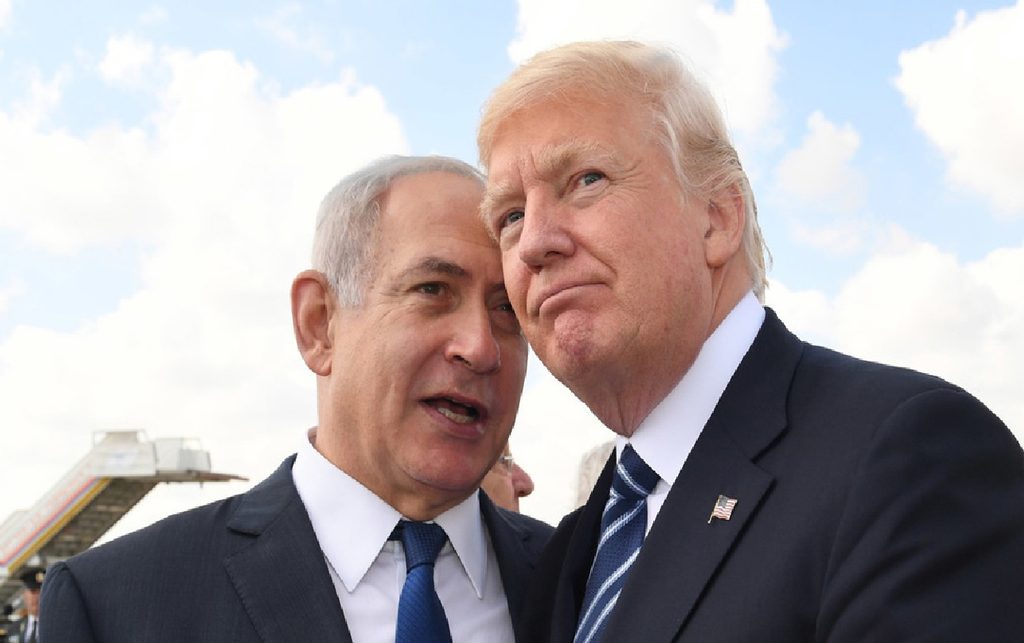
The Trump administration is preparing a $2.8 billion weapons package for Israel containing 40,000 2,000-pound

Film alleges mass civilian deaths are routinely built into military decisions amid Israel’s genocidal war
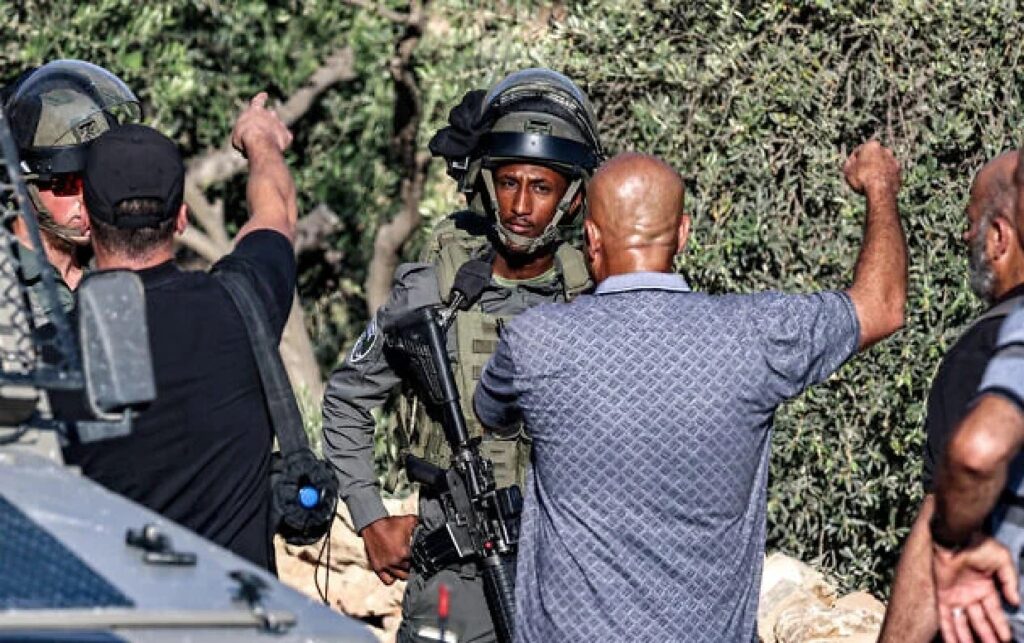
The Israeli rights group says violence, displacement, economic strangulation, and settlement expansion form part of

Houthi forces have captured the historic Red Sea port of Mocha and are advancing on
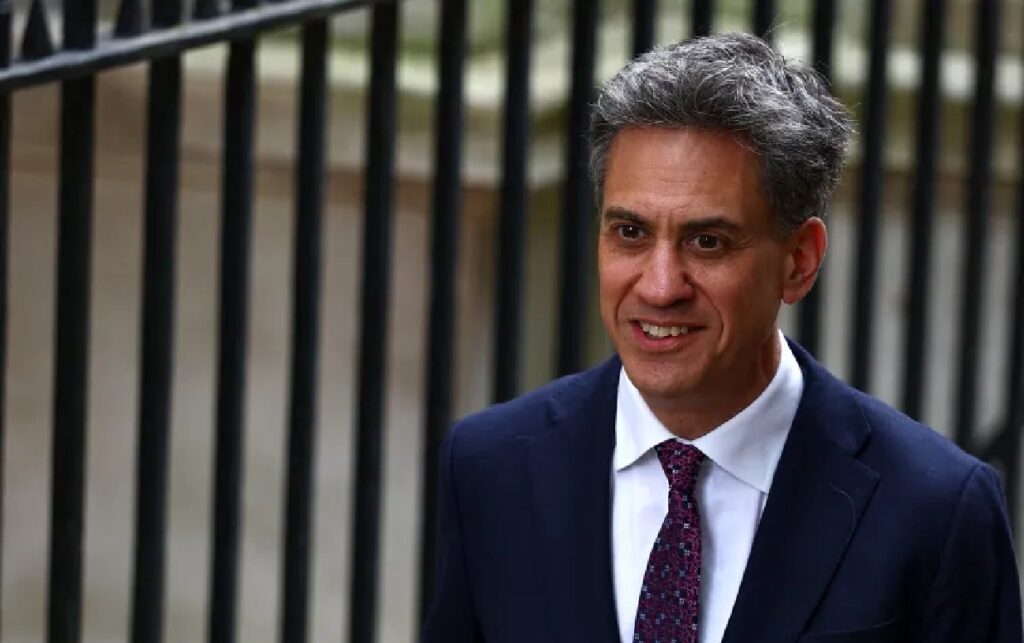
London’s historic sanctions against Israeli settlements mark a watershed moment in UK foreign policy, but
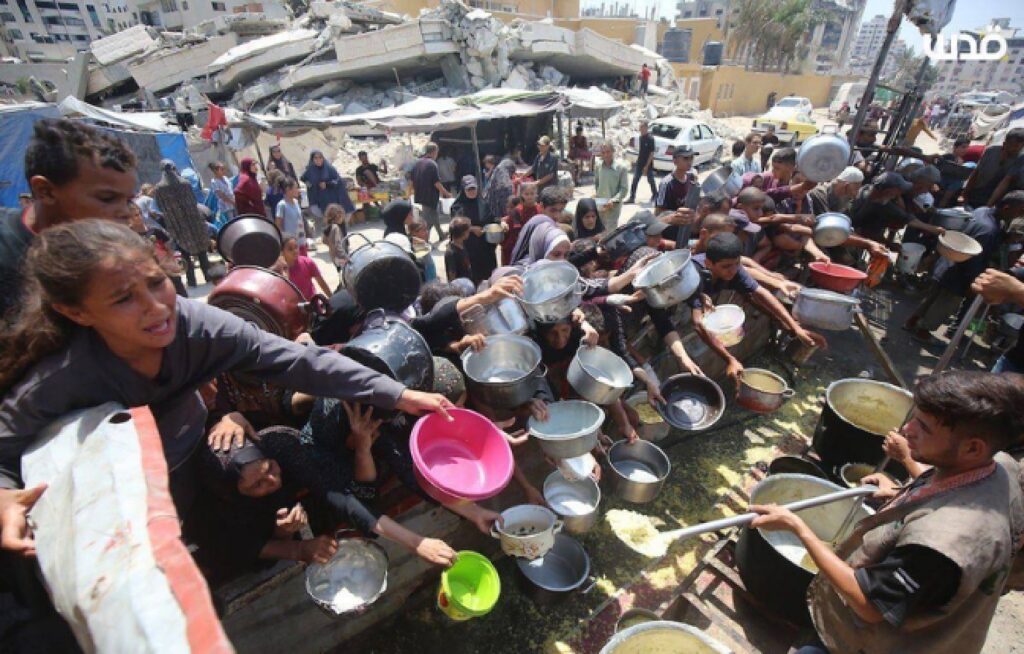
With 95% of Gaza’s population now wholly dependent on aid and more than 90% stripped



















Honestly, it’s really good
So,I like it
I like this
An Engaging Blog Post
WOW,Very wonderful
The content is really great
I AM BACK AGAIN