Kamran Faqir is a volunteer investigative journalist and writer committed to exposing hidden truths and amplifying underreported stories. Driven by social justice, he brings sharp insight and fearless truth-telling to independent journalism. NUJ registered.
Article Date Published:
Article Date Modified:
13 minutes
Views:257
Listen to this article
Help support our mission, donate today and be the change. Every contribution goes directly toward driving real impact for the cause we believe in.
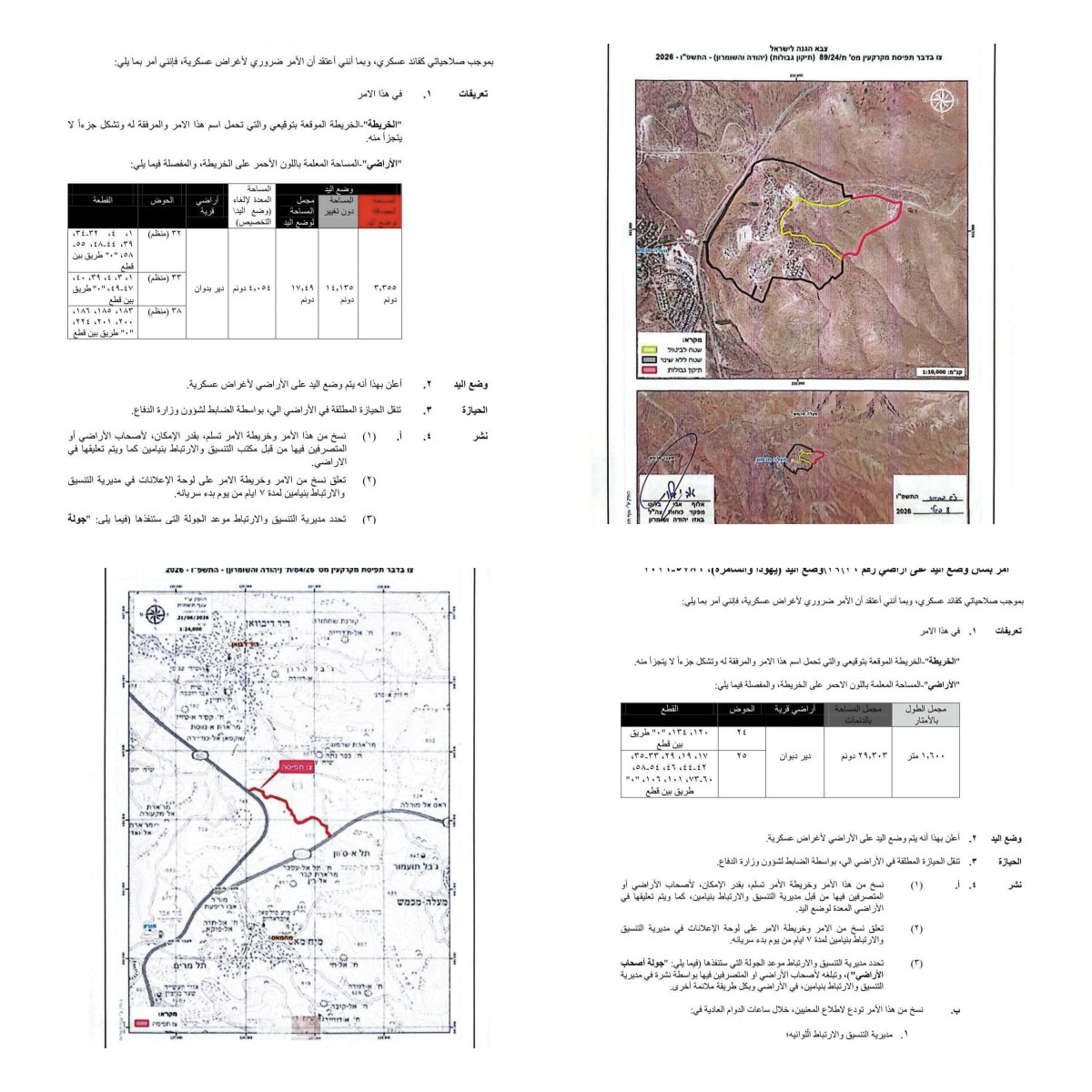
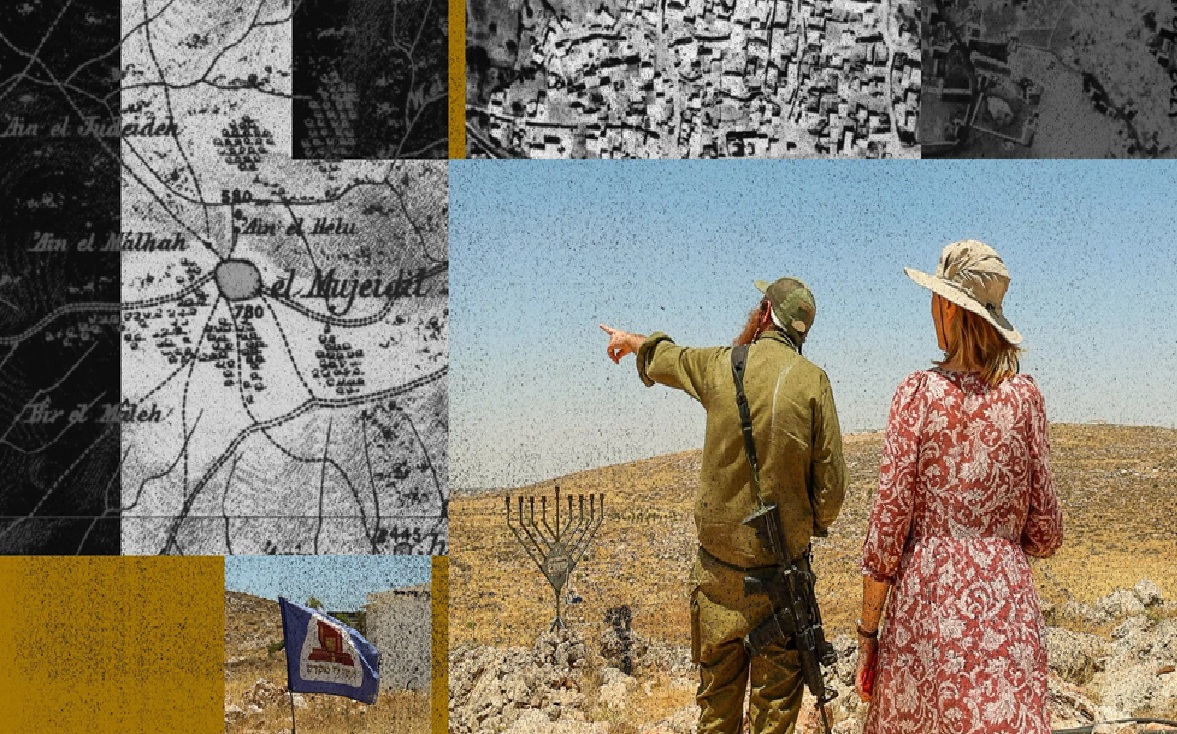
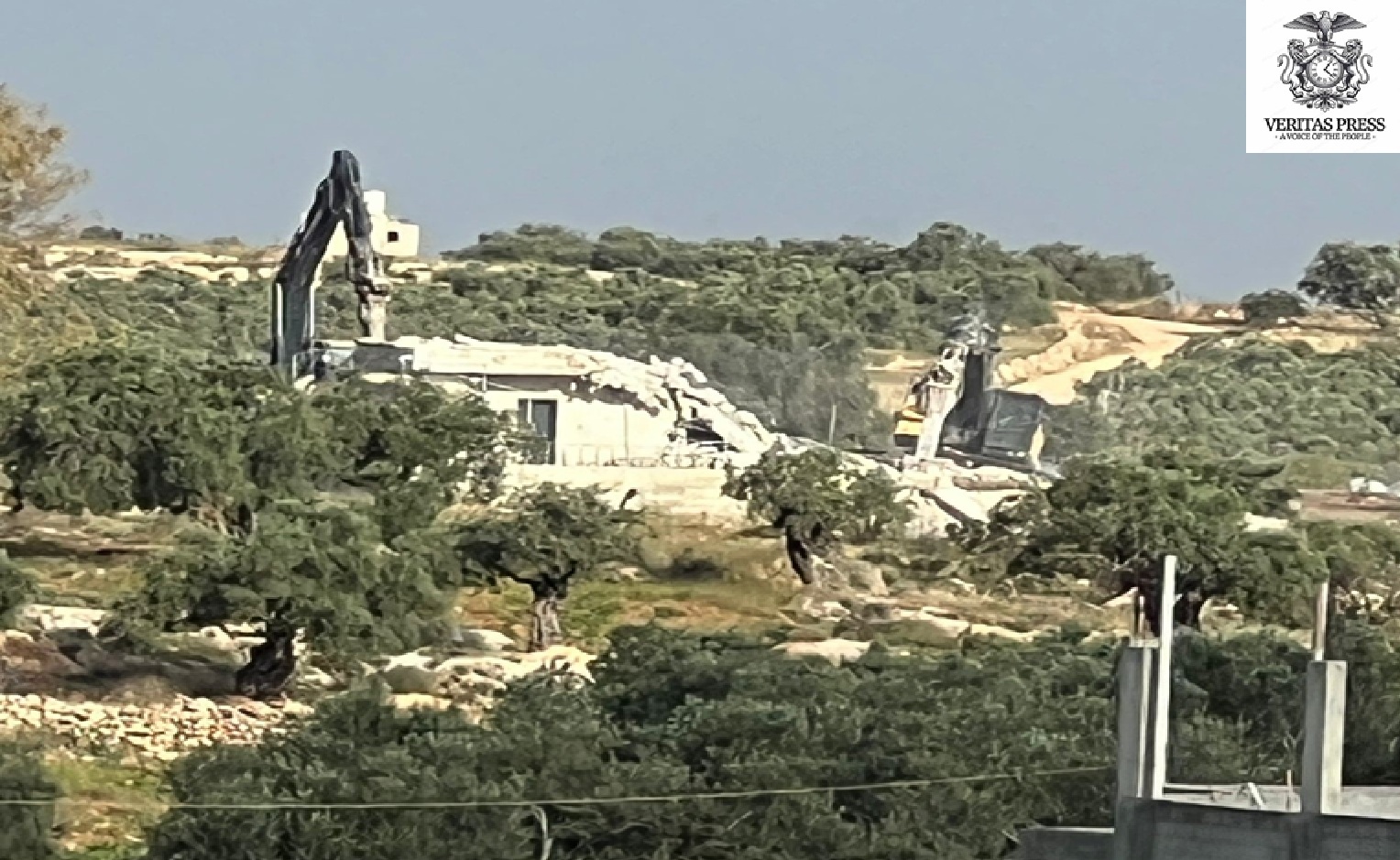
RAMALLAH, West Bank — July 27, 2026 — The notice arrived without warning, a terse military order delivered to the municipality of Deir Dibwan, a town of some 7,000 people east of Ramallah. Its language was cold and bureaucratic, but its meaning was unmistakable: the Israeli military was seizing privately owned Palestinian land to carve a new road through the hills, a road that local officials and anti-settlement watchdogs say will serve not the declared purpose of security, but the relentless expansion of nearby Israeli settlements.
The Deir Dibwan orders, two separate military decrees received Monday, are merely the latest in an escalating campaign of land confiscations that has sped up dramatically through the first half of 2026. Together with a parallel seizure of nearly 500 dunams (123 acres) in the northern Jordan Valley and a surge of illegal settlement outposts, eight erected in just three days following a deadly confrontation near Nablus, the developments paint a picture of a coordinated Israeli strategy to reshape the occupied West Bank irreversibly, exploiting the language of security to entrench permanent civilian control.
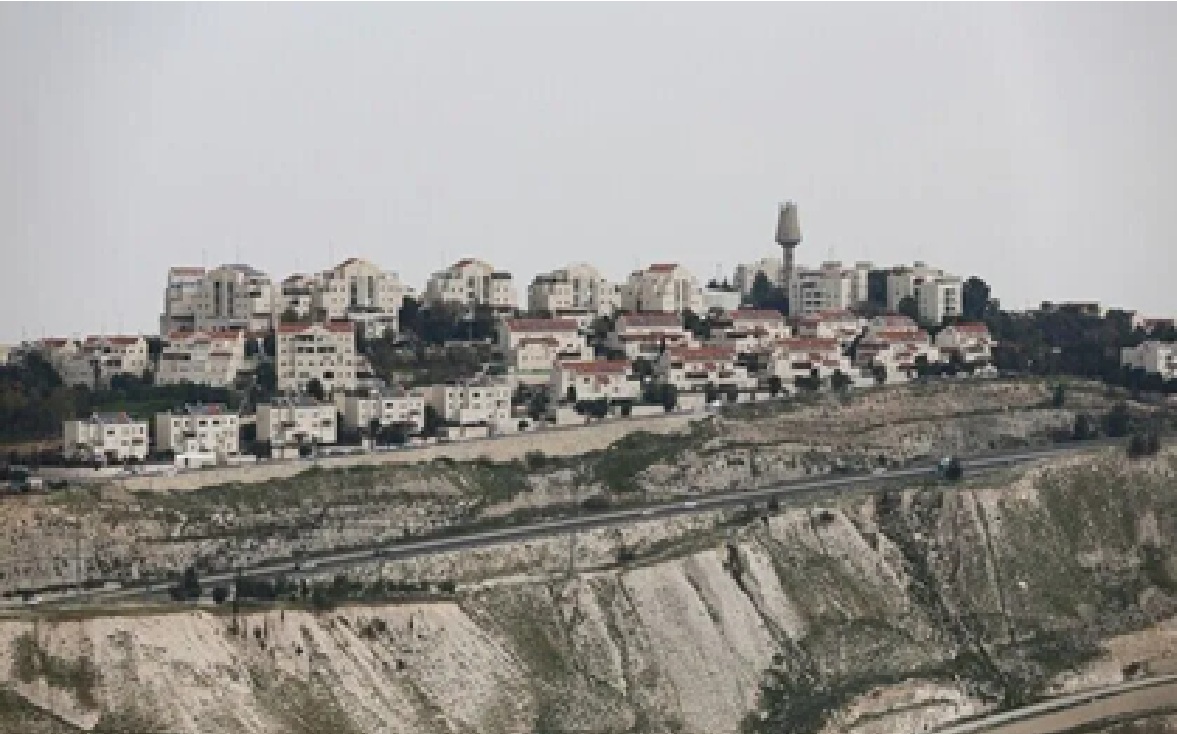
West Bank settlements
“These are not isolated incidents,” said Ghassan Daghlas, a field researcher who tracks settlement activity for the Palestinian Authority’s Colonisation and Wall Resistance Commission. “We are witnessing a systematic, pre-planned operation to sever Palestinian geographical continuity. Every ‘military road’ they build today becomes the spine of a new settlement bloc tomorrow.”
The Deir Dibwan Orders: A Seven-Day Deadline
The Deir Dibwan municipality said in a statement that its technical teams were scrambling to identify the affected plots and notify their owners, who have just seven days from the date of notification to lodge legal objections, a near-impossible timeframe for farmers who may not receive the Hebrew-language military documents in time, or who lack the resources to hire Israeli-licensed lawyers to petition the High Court of Justice.
“We are talking about people who inherited this land from their grandfathers,” said Mayor Hassan Hussein, speaking by phone as his staff pored over cadastral maps. “They grow olives, they graze sheep. Now the army tells them: your land is needed for a ‘military road.’ But we know these roads. They connect settlements to bypass roads. They cut us off from our own villages. What military purpose does that serve?”
The orders, issued under the British-era Defence (Emergency) Regulations of 1945, cite “military necessity.” However, an investigation by the Israeli human rights group Kerem Navot, which specialises in land issues, has repeatedly shown that such orders routinely lead to roads that are used primarily, and often exclusively, by settlers. Once a road is paved and security infrastructure installed, the military permanently designates it, blocking or severely restricting Palestinian access.
Israeli military orders authorising the seizure of Palestinian land and the construction of a military road affecting several land parcels in the town. Pic From WAFA News Agency
“The seven-day objection window is a joke, a legal fiction designed to produce a veneer of due process,” said Suhad Bishara, a lawyer with Adalah, the Legal Centre for Arab Minority Rights in Israel, who has challenged military land seizures in court. “By the time a landowner understands what’s happening, finds an attorney, and files a petition, the bulldozers are often already on the ground. The courts rarely grant interim injunctions against the military on security grounds. It’s a closed loop.”
The Tubas Seizure: A 10-Kilometre Corridor
Simultaneously, the Colonisation and Wall Resistance Commission confirmed Monday that Israeli authorities had seized 498 dunams of land in the Tubas governorate, specifically in and around the village of Tayasir, in the northern Jordan Valley. The orders, set to remain in effect until the end of 2028, authorise the construction of a “security and military road” approximately 10 kilometres (6.2 miles) long.
The commission’s statement was blunt: “The seizure orders impose a wide zone of military control over the area and threaten to deprive Palestinians of access to their land.”
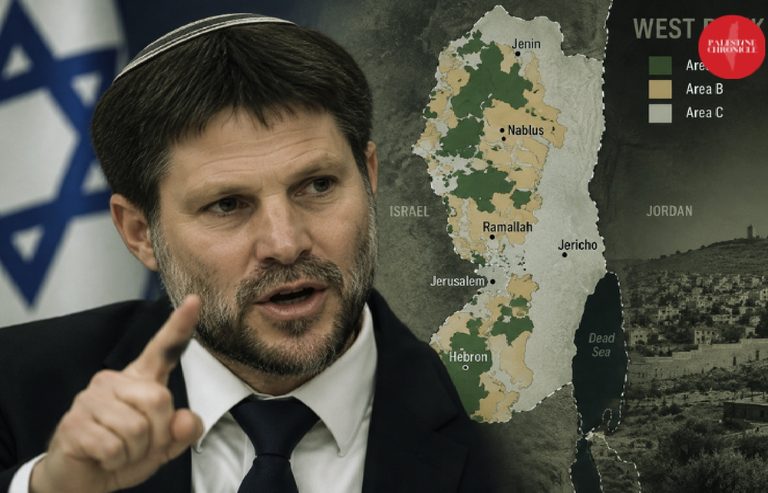
Tayasir lies in Area C, the roughly 60% of the West Bank under full Israeli military and civil control per the Oslo Accords. Over the past decade, the Jordan Valley has been a focal point of settlement expansion, with Israeli government ministers openly declaring their intention to annex it. A network of military firing zones, nature reserves, and settlement access roads has already rendered vast swaths of the valley off-limits to Palestinian herding and agriculture.
Fadi Jumaa, a farmer from Tayasir, said his family had not yet received individual notification. “I heard from the municipality. They say my plot is inside the zone,” he said, his voice strained. “That land feeds six families. If they take it, what are we supposed to do? Go to the city and live in a refugee camp? This is our life.”
The commission noted that during the first six months of 2026, Israeli authorities issued dozens of military orders targeting hundreds of dunums, creating what it described as an expanding archipelago of buffer zones, military roads, and settlement-supporting infrastructure.
‘Price Tag’ By Another Name: Eight Outposts In Three Days
The land seizures coincide with a dramatic outbreak of settlement outpost construction following Friday’s deadly violence in the village of Tell, south of Nablus. On Friday, Israeli settlers, backed by military forces, raided the village in what Palestinian officials described as a reprisal attack. Israeli settlers killed four Palestinians, including two teenagers. Israeli sources reported that the confrontation resulted in the deaths of two Israelis.
Within hours, settlers began establishing unauthorised outposts. Israel’s Army Radio reported Monday that eight outposts have been erected since Friday, and the army erected two of them in the preceding 24 hours alone. Settlers placed one outpost in Area B, which is technically under Palestinian civil control but under Israeli security control, between the Palestinian village of Deir Istiya and the illegal settlement of Emmanuel. The second rose in Area C, west of Deir Ballut.
Israeli law treats even unauthorised outposts with remarkable leniency. Often consisting of little more than a few mobile homes, a generator, and a makeshift water connection, they are retroactively legalised by the government through a process that human rights groups decry as a fig leaf for de facto annexation. Once an outpost is established, the military protects it, and Palestinians can no longer access the surrounding land, which effectively becomes a closed military zone.
“This is the playbook,” said Dror Etkes, the founder of Kerem Navot. “You have an attack, and within hours settlers rush to create ‘facts on the ground.’ The army stands by, often actively assists, and the government later claims it’s too complicated to evacuate because of ‘security sensitivities.’ It’s a classic act of state-sponsored land theft.”
The Israeli military, in a statement quoted by Army Radio, said the decision to evacuate the outposts “will be made according to the assessment of the situation and the directives of the political leadership”, language that critics say signals a green light for their permanence. Historically, people rarely dismantle such outposts, and even when they do, the process can drag on for years through endless legal appeals and political manoeuvring.
A Legal And Political Vacuum:
International law is unambiguous. Article 49 of the Fourth Geneva Convention prohibits an occupying power from transferring parts of its own civilian population into the territory it occupies. The United Nations Security Council, in Resolution 2334 (2016), reaffirmed that Israeli settlements constitute a “flagrant violation under international law” and a “major obstacle” to a two-state solution. The International Court of Justice’s advisory opinion of July 2024 declared the occupation itself unlawful and called for its rapid end.
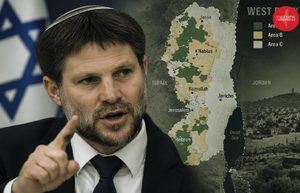
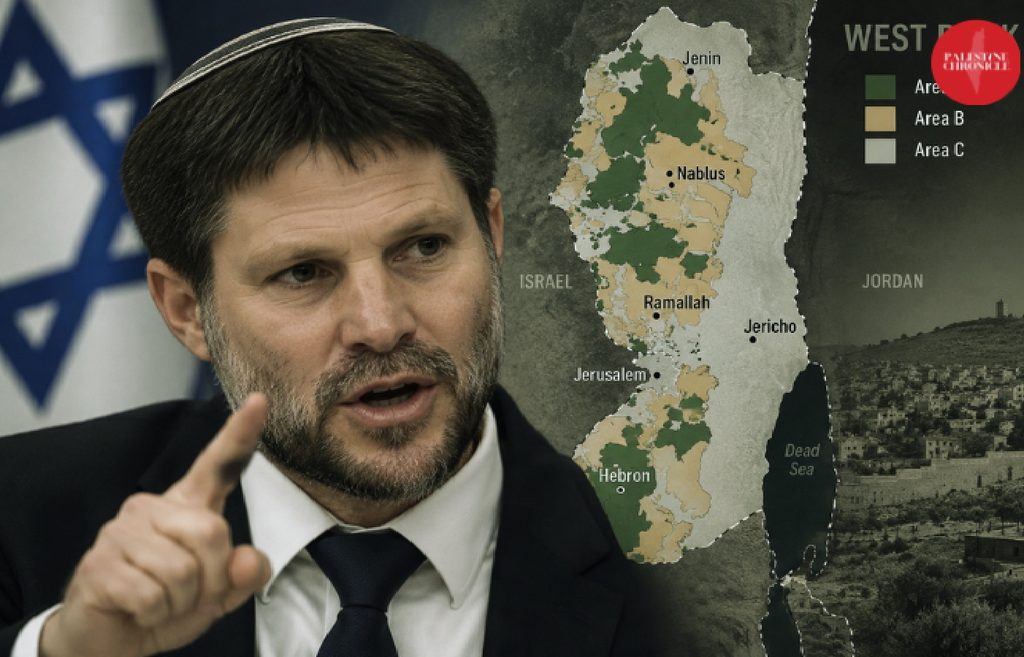
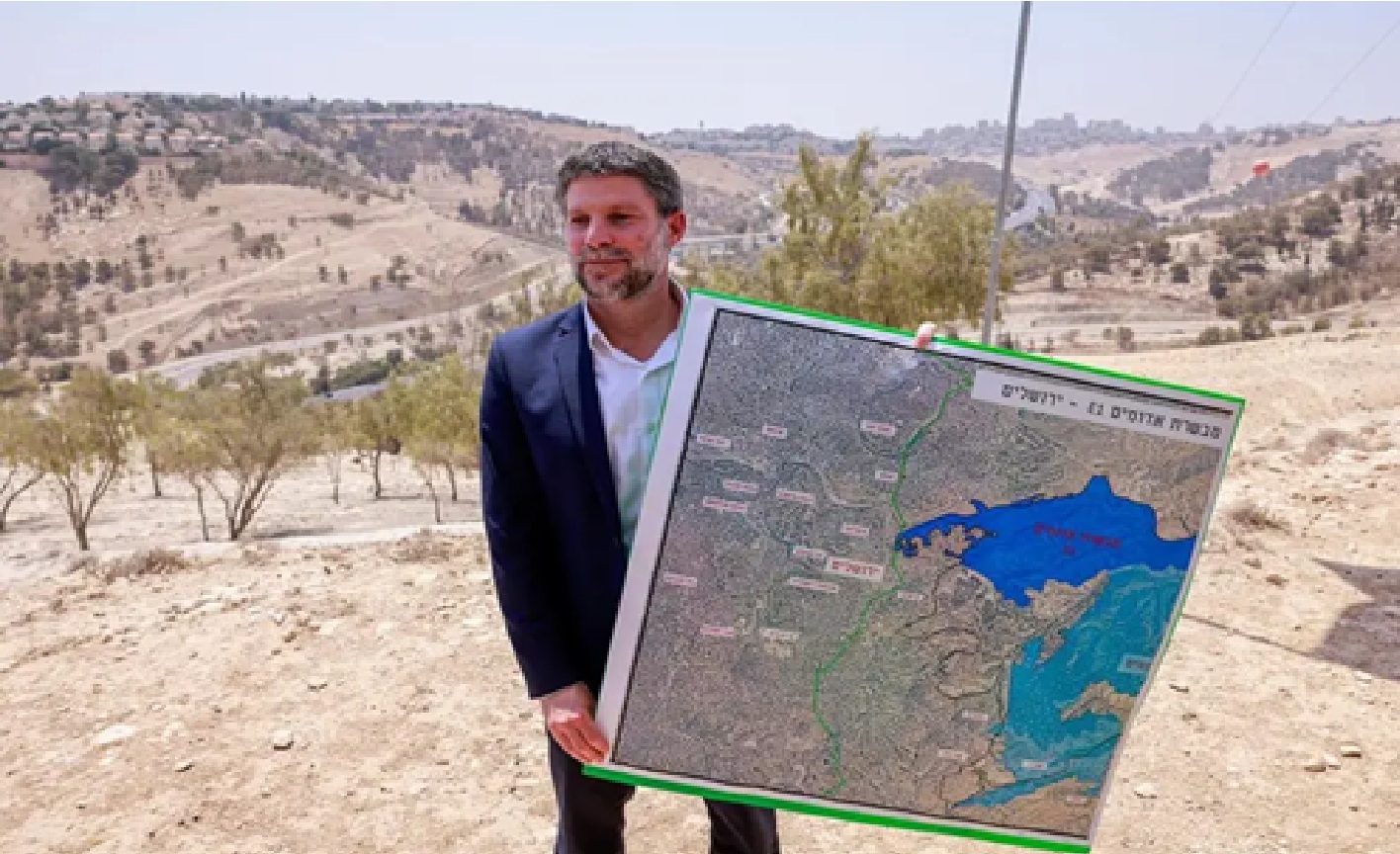
Yet the trajectory in 2026 points in the opposite direction. The current Israeli government, the most right-wing in the nation’s history, includes senior ministers who are settlers themselves and who have publicly called for the annexation of the entire West Bank. Finance Minister Bezalel Smotrich, who also holds significant authority within the Defence Ministry over civilian affairs in the occupied territory, has overseen a massive acceleration of settlement planning and the legalisation of outposts.
“What we are seeing is not just a continuation of the status quo, but a qualitative shift,” said Michael Lynk, the former UN Special Rapporteur on the situation of human rights in the Palestinian territories occupied since 1967. “The combination of military orders, settler violence, and outpost construction is designed to make the occupation irreversible. It’s creeping annexation, and it’s happening in plain sight while the international community issues empty statements and takes no meaningful action.”
The United States, historically Israel’s most important ally, has issued periodic expressions of concern. A State Department spokesperson, responding to Monday’s reports, said the administration was “deeply troubled by the continued expansion of settlements and outposts” and called on “all parties to refrain from steps that undermine the viability of a two-state solution.” But such language has become ritualised, and the Biden administration’s successor has shown little appetite for tangible pressure.
The Human Toll:
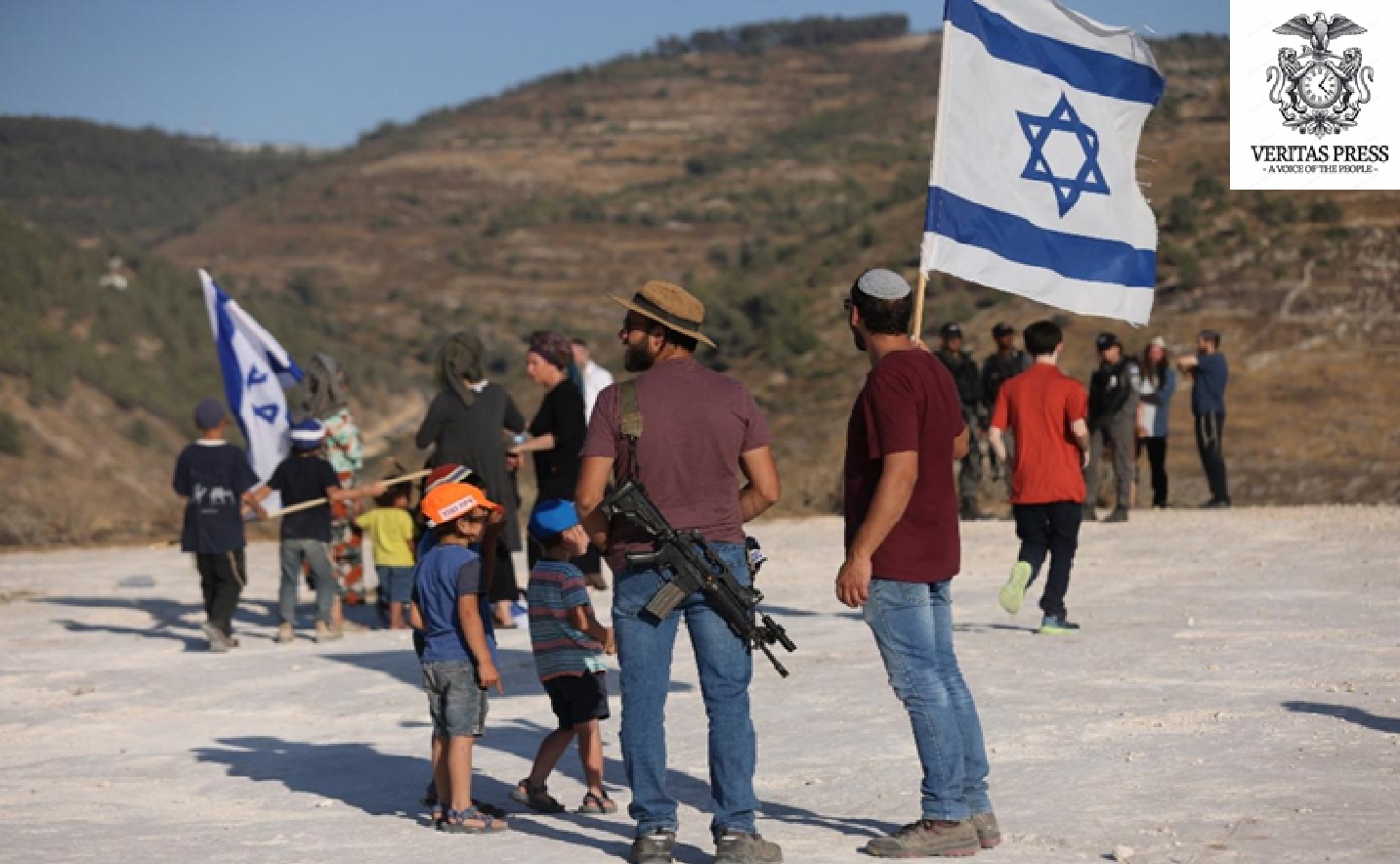
Behind the statistics and the legal arguments lie the lives of ordinary Palestinians. In Deir Dibwan, residents watched Monday as settlers from the nearby Rimonim and Ma’ale Mikhmas settlements, emboldened by the military orders, moved to fence off additional tracts of land on the town’s eastern flank, according to local witnesses.
“They came with a bulldozer and a military jeep,” said Umm Nasser, a 54-year-old farmer who was harvesting za’atar with her daughters when they were ordered to leave. “The soldier said it’s a closed area now. My daughter started crying. I told her, ‘Don’t cry in front of them.’ But my heart is broken.”
The Palestinian Ministry of Health reported that at least 1,182 Palestinians died in the West Bank since October 2023, marking the highest death toll since the Second Intifada. Thousands more Palestinians have been detained, many under administrative detention without charge or trial. Settler violence has surged, with attacks on Palestinian villages, olive groves, and water resources documented by the UN Office for the Coordination of Humanitarian Affairs at levels never before recorded.
“The settlers understand the political moment,” said Hanan Ashrawi, the veteran Palestinian legislator and activist. “They see a government that protects them, an army that facilitates them, and a world that looks the other way. So they push, and push, and push. Every day, the map changes a little more. There will come a point when you cannot see Palestine on the map at all.”
Looking Ahead:
The coming weeks will test whether the legal machinery can offer any brake. The Deir Dibwan municipality, with support from the Colonisation and Wall Resistance Commission and Palestinian human rights organisations, is preparing urgent petitions. But history offers little optimism. The Israeli Supreme Court, sitting as the High Court of Justice, has rarely overturned a military seizure order on security grounds, accepting the state’s arguments about military necessity at face value.
“The court has effectively written itself out of the equation when it comes to land confiscation in the occupied territories,” Etkes said. “The state says ‘security,’ and the judges nod. It’s a deeply cynical legal culture.”
For the international community, the question is whether these accelerating land grabs will finally prompt more than words. The European Union, which has long discussed differentiating between Israel proper and its settlements in trade and labelling, has yet to take decisive steps. The Arab states that normalised relations with Israel under the Abraham Accords have issued muted criticisms but have not suspended cooperation. The UN Security Council remains paralysed by the United States’ veto power.
On the ground, though, the reality shifts inexorably. Every new road, every new outpost, every newly sealed-off hilltop, reduces the space left for any future Palestinian state. The “military” label is wearing dangerously thin.
“They call it a military road,” said Mayor Hussein of Deir Dibwan, with bitter resignation. “But who is it fighting? The olives? The stones? No. It is fighting the idea of Palestine. And they are winning.”
Veritas Press Investigative Analysis Independent journalism examining global affairs, power, diplomacy and accountability.
Source:Veritas Press C.I.C. | Multi-News Agencies
Help Support Our Work By Donating
Readers who believe that truth still matters have power over popular information. When just a few more people step up to support this work, it means more lies exposed, more corruption uncovered, and more accountability where it’s long overdue.
Help Protect Independent Journalism, Which Is Currently Under Attack.
If you believe journalism should serve the public, not the powerful, and you’re able to help, becoming a regular DONOR or a PAID SUBSCRIBER truly makes a difference.
DONATION APPEAL: If you found this reporting valuable, please consider supporting independent journalism.
Your support fuels our fearless, truth-driven journalism. In unity, we endeavour to amplify marginalised voices and champion justice, irrespective of geographical location. We operate independently, with no financial backing from billionaires; our readers support us.
But it’s also extremely important. One of Veritas Press’s greatest assets is its reader-funded model.
1. Reader funding means we can cover what we like. We’re not beholden to the political whims of a billionaire owner. We are a small, independent and impartial organisation. No one can tell us what not to say or what not to report.
2. Reader funding means we don’t have to chase clicks and traffic. We’re not desperately seeking your attention for its own sake; we pursue the stories that our editorial team deems important and believes are worthy of your time.
3. Reader Funding: enables us to keep our website and other social media channels open, allowing as many people as possible to access quality journalism from around the world, particularly those in places where the free press is under threat.
We know not everyone can afford to pay for news, but if you’ve been meaning to support us, now’s the time.
Your donation goes a long way. It helps us:
Keep the lights on and sustain our day-to-day operations
Hire new, talented, independent reporters
Launch real-time live debates, community-focused shows, and on-the-ground reporting
Cover the issues that matter most to our communities, in real time, with depth and integrity
Without your support, independent voices like ours will be silenced.
Further, we have plans to expand our work, but we can’t do it without your support. Every contribution, no matter the size, helps us stay independent and build a truly people-powered media platform.
If you believe in journalism that informs, empowers, and reflects the communities we serve, please donate today.
Kamran Faqir is a volunteer investigative journalist and writer committed to exposing hidden truths and amplifying underreported stories. Driven by social justice, he brings sharp insight and fearless truth-telling to independent journalism. NUJ registered.
SEATTLE, TEHRAN — The U.S. Department of Homeland Security (DHS) will allow Iran’s national football team to enter the country 48 hours before their critical World Cup match against Egypt on Friday, a modest concession in a tournament where Team Melli’s travel conditions have sparked claims of oppression and competitive disadvantage.


































6cr7s5