Kamran Faqir is a volunteer investigative journalist and writer committed to exposing hidden truths and amplifying underreported stories. Driven by social justice, he brings sharp insight and fearless truth-telling to independent journalism. NUJ registered.
Listen to this article
Help support our mission, donate today and be the change. Every contribution goes directly toward driving real impact for the cause we believe in.
Article Date Published:
Article Date Modified:
14 minutes
Views:182
A New Phase Of Escalation In The Nine-Year Conflict
In a dramatic escalation of cross-border hostilities, Yemen’s Armed Forces have announced a series of high-profile military operations deep inside Saudi Arabia, targeting strategic oil infrastructure and civilian airports, marking what analysts describe as a significant shift in the trajectory of the nine-year conflict.
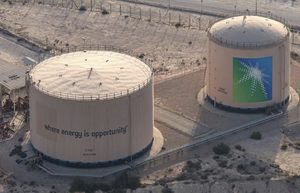
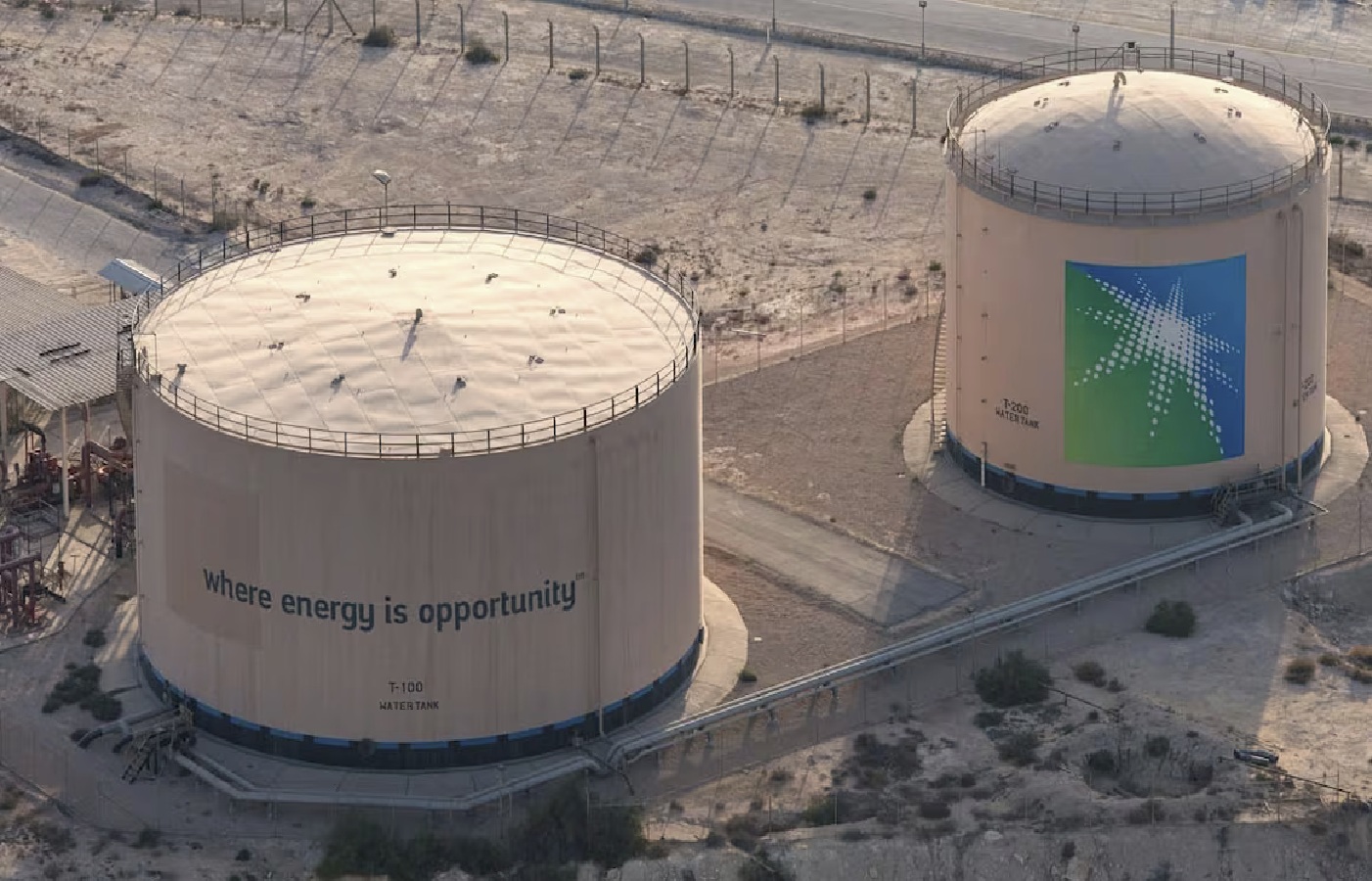
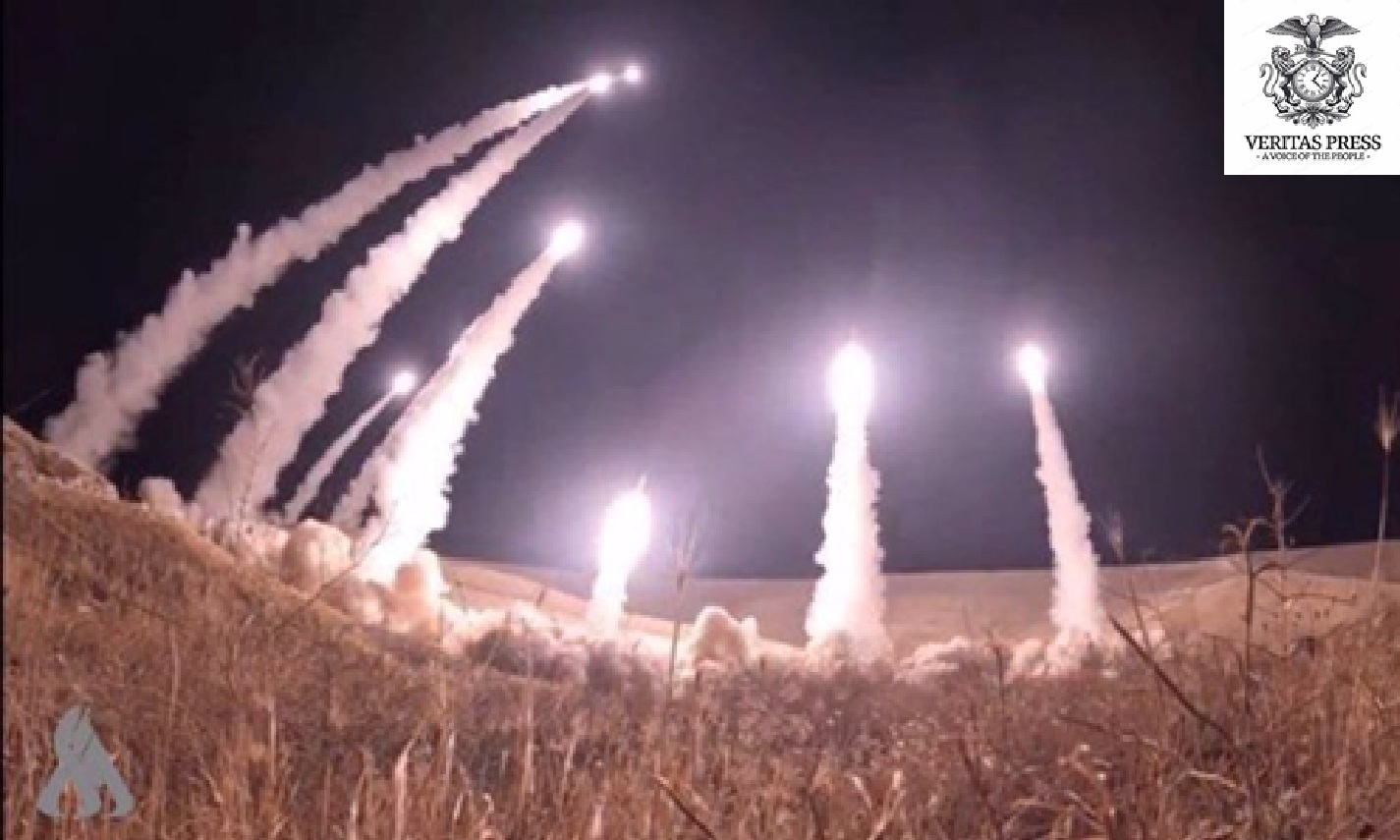
Brigadier General Yahya Saree, spokesman for the Yemeni Armed Forces, issued a statement on Wednesday declaring that the operation targeted “Aramco in Dhahran, in the Eastern Province, King Khalid International Airport, and the Aramco refinery in Riyadh.” The strikes, he said, were “carried out using a large number of ballistic missiles, cruise missiles, and drones” and “were precise,” causing “destruction and fires at the targeted sites.”
The operation, according to Saree, was retaliation for Saudi-led coalition attacks on Sana’a and other Yemeni governorates. He claimed that Saudi Arabia has carried out 2,281 air and missile attacks in recent weeks, committing “dozens of crimes” against the Yemeni people.
“The Yemeni Armed Forces affirm that their operations deep inside Saudi Arabia will continue in the coming days, targeting Saudi enemy airports and oil facilities, and that the consequences for the enemy will be severe,” Saree stated, adding a stark warning to international airlines, civilians, and airport personnel to “immediately evacuate the sites, which have become legitimate targets.”
Conflicting Accounts And Regional Media Reports
The announcement triggered immediate regional and international reactions. Several Arab media outlets reported hearing explosions in Riyadh, while Saudi Arabia’s Civil Defence confirmed that early-warning sirens sounded in the capital and in Al-Kharj. Reuters reported a warning of a potential aerial threat in Riyadh.
A spokesperson for the Saudi-led coalition acknowledged a Yemeni missile attack on the capital, identifying the projectile as a ballistic missile but claiming it was intercepted. Saudi authorities later reported that debris from two cruise missiles intercepted over Riyadh injured four people and damaged 15 homes.
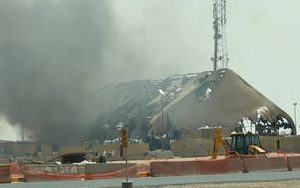
Earlier on Wednesday, Saudi Arabia’s energy ministry confirmed that an Aramco administrative building in eastern Saudi Arabia was targeted, triggering a fire. The kingdom’s General Authority of Civil Aviation (GACA) also confirmed that King Khalid International Airport had come under attack, following a previous missile strike on Saturday that killed 12 people and injured over 300 others.
In a statement released early Sunday, GACA said the fatalities included four Saudi citizens, as well as nationals of Bangladesh, Palestine, the United States, Egypt, Jordan, Syria, and Sudan, a grim testament to the international dimensions of the escalating conflict.
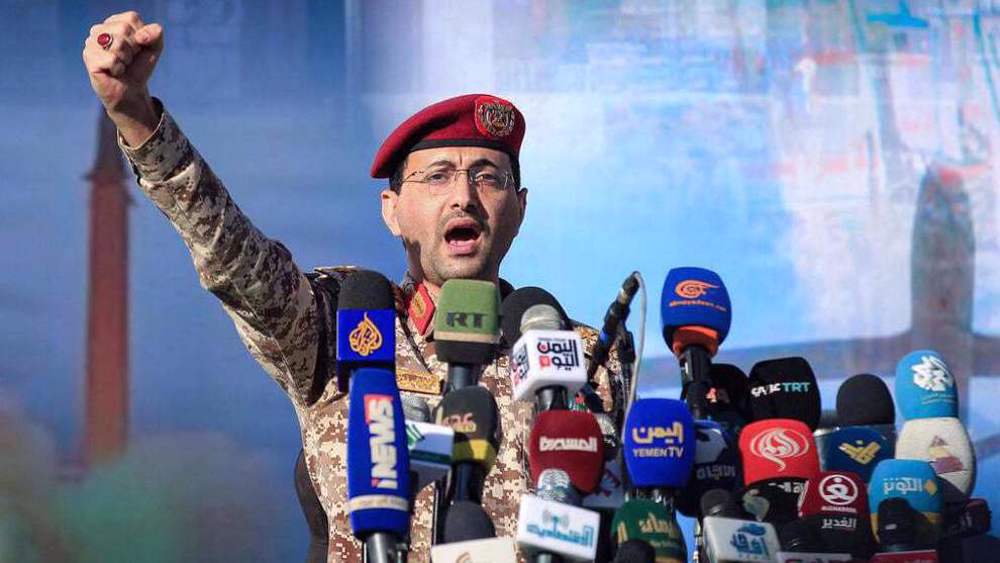
Spokesman for the Yemeni military, Brigadier General Yahya Saree (Photo via social media)
A War Of Attrition And Deterrence
The latest escalation follows a series of Saudi-led coalition strikes on Tuesday targeting the Yemen Petroleum Company’s Al-Sabaha fuel storage and distribution facility west of Sana’a, as well as fuel facilities in the Red Sea province of Hodeidah. In response, Yemen’s Armed Forces launched what Saree described as “four special military operations over the preceding 24 hours.”
According to the Yemeni military spokesman, the first operation targeted King Khalid International Airport in three waves, “disrupting air traffic and forcing the airport to shut down completely.” The second and third operations targeted Aramco’s Shuqdam gas facility and Tanajib oil facility in Saudi Arabia’s Eastern Province, allegedly resulting in fires. The fourth operation targeted King Fahd International Airport in Dammam.
Saree also announced a separate operation against gatherings of what he described as “Saudi enemy mercenaries” in the Ras Al-Ara and Al-Saqiya areas, involving six ballistic missiles and two drones that reportedly left “dozens dead or wounded.”
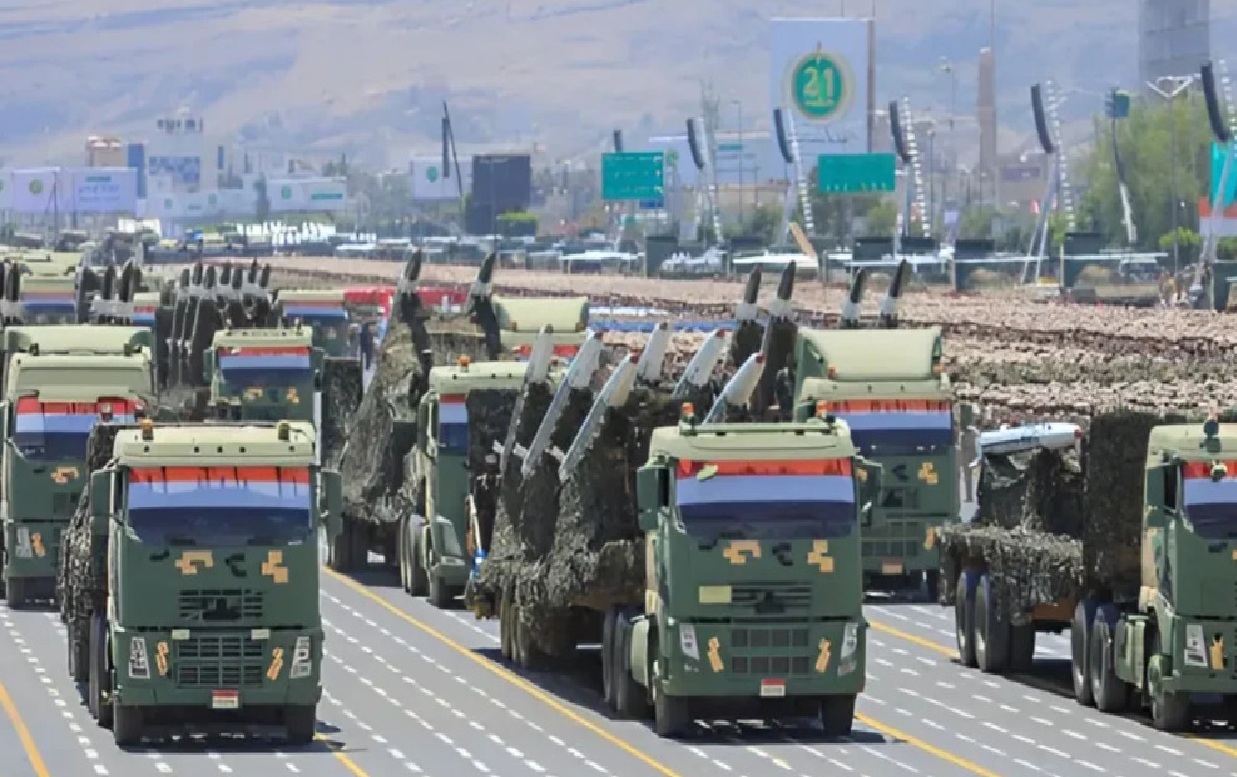
The spokesman further claimed that Yemeni forces had confronted several Saudi fighter jets using domestically manufactured surface-to-air missiles, forcing the aircraft to withdraw, a claim that, if verified, would represent a significant advancement in Yemen’s indigenous military capabilities.
The “Blockade For Blockade” Strategy
The latest escalation began after Saudi Arabia bombed Sana’a’s international airport in July. The Yemeni Armed Forces responded by enforcing a “blockade for blockade” policy and declaring an embargo on Saudi shipping in the Red Sea. Yemeni forces have since expanded their presence along the western coast and around the strategic Bab al-Mandeb Strait, reclaiming areas previously held by Saudi-backed forces.
“We will continue to uphold the equation of ‘siege for siege’ and ‘escalation for escalation,’ and target the Saudi enemy’s military build-ups until the aggression stops and the siege on our dear country is lifted,” Saree declared.
This strategy, according to regional analysts, represents a calculated attempt to impose costs on Saudi Arabia for its continued blockade and military campaign, which has devastated Yemen’s economy and infrastructure since 2015.
A Humanitarian Catastrophe Unfolds
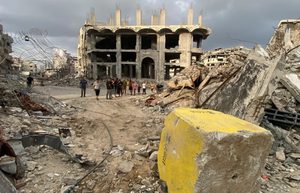
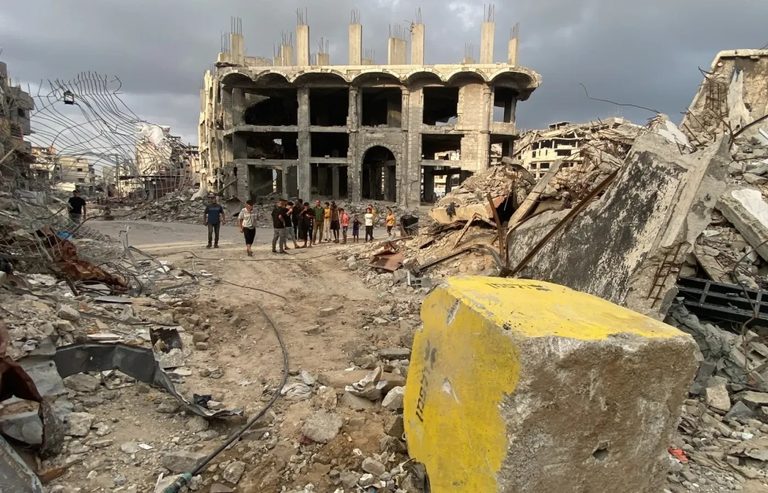
The human toll of the renewed fighting has been catastrophic. Hospitals and health centres across Yemen are overwhelmed by an unprecedented surge in casualties, with front-line facilities in Marib, Taiz, and the Red Sea Coast facing the heaviest burden.
The International Committee of the Red Cross (ICRC) reported that some front-line health centres recorded over 700 admissions in a single week, with mass-casualty influxes becoming increasingly frequent.
“Trauma care staff are under enormous pressure,” said Feras Abusamra, the Red Cross’s health coordinator. “Only a small proportion of Yemen’s functioning health facilities can provide comprehensive trauma care, while front-line hospitals are receiving large numbers of wounded people with limited supplies of surgical materials, anaesthesia, oxygen, and medicines.”
Health workers are being forced to treat emergency cases while continuing to provide essential care for mothers, children, and patients with chronic diseases, Abusamra added.
Over 200,000 people have been displaced from their homes since the recent escalation, according to the UN’s International Organisation for Migration. More than a decade of conflict, economic hardship, displacement, and disease outbreaks has left Yemen’s health services with limited capacity to cope with the latest surge in medical needs.
The Geopolitical Context: A War That Never Ended
Yemen has been mired in conflict since late 2014, when the Houthi movement, also known as Ansarullah, seized Sana’a and much of northern Yemen. A Saudi-led coalition intervened in March 2015 in support of the internationally recognised Yemeni government, imposing a blockade and launching a sweeping military offensive backed by military, political, and logistical support from the United States and several Western countries.
The war has claimed the lives of hundreds of thousands of Yemenis, according to UN estimates, while Saudi Arabia has failed to achieve its main objective of reinstating its favoured officials in Yemen, who had fled the country amid political uncertainty.
Major hostilities had largely subsided following a UN-brokered truce in 2022, before the latest fighting led to a sharp escalation in ground battles and cross-border missile, drone, and air attacks.
International Reactions And The Silence Of The West
The international response to the latest escalation has been notably muted, particularly from Western capitals that have historically provided diplomatic cover and military support to Saudi Arabia. The United States, which has provided intelligence sharing and logistical support to the Saudi-led coalition, has not issued a substantive statement on the recent strikes on Saudi civilian infrastructure.
Human rights organisations have expressed alarm at the targeting of civilian airports, with Amnesty International and Human Rights Watch calling for restraint from all parties. However, the selective outrage that has characterised international responses to the conflict, condemning Houthi strikes while downplaying or ignoring Saudi-led coalition attacks that have killed thousands of Yemeni civilians, has been a persistent source of grievance in the region.
“The world cannot continue to apply a double standard when it comes to Yemen,” said a Sana’a-based humanitarian worker, speaking on condition of anonymity for security reasons. “When Saudi Arabia bombs our airports, our hospitals, our weddings, there is silence. When we retaliate, suddenly there is concern about civilian infrastructure.”
A Conflict Without End
As night falls over Sana’a and Riyadh, the sounds of air raid sirens and explosions have become a grim soundtrack to a conflict that has been forgotten by much of the world but continues to claim lives and destroy futures.
The people of Yemen, who have endured years of blockade, bombardment, and humanitarian catastrophe, find themselves once again on the front lines of a war that shows no signs of ending. The people of Saudi Arabia, long insulated from the horrors of the conflict, are now experiencing the fear and uncertainty that Yemenis have known for nearly a decade.
Whether this escalation will finally force a reckoning, or simply deepen the cycle of violence, remains to be seen. But one thing is clear: the war in Yemen is no longer a distant conflict on the periphery of the Middle East. It has become a regional crisis with global implications, and its resolution will require a level of diplomatic engagement and moral clarity that has been conspicuously absent from the international community’s response thus far.
As Brigadier General Yahya Saree’s words echo across the region, “we will continue… until the aggression stops and the siege on our dear country is lifted”, the world must decide whether it will continue to watch from the sidelines as Yemen burns, or whether it will finally take meaningful action to end a war that has already claimed far too many lives.
A War Of Narratives And Double Standards
The international response to the latest escalation has been muted, particularly from Western capitals that have historically provided diplomatic cover and military support to Saudi Arabia. The United States, which has provided intelligence sharing and logistical support to the Saudi-led coalition, has not issued a substantive statement on the recent strikes on Saudi civilian infrastructure.
Human rights organisations have expressed alarm at the targeting of civilian airports, calling for restraint from all parties. But critics say the outrage is selective.
“When Saudi Arabia bombs our airports, our hospitals, our weddings, there is silence,” Sana’a resident said. “When we retaliate, suddenly there is concern about civilian infrastructure.”
The Houthi movement has vowed that Yemen’s armed forces will continue intensifying operations deep inside Saudi territory, maintaining the equation of “blockade for blockade and escalation for escalation” until the aggression against Yemen ends and the blockade is lifted.
Saudi Arabia, for its part, has vowed a “firm response” to the attacks on its airports and oil facilities, raising the spectre of further escalation.
The Path Forward: Escalation Or Negotiation?
As the conflict enters a dangerous new phase, with both sides demonstrating an increased willingness to target strategic infrastructure deep inside enemy territory, the prospects for a negotiated settlement appear increasingly remote.
Regional analysts warn that the conflict could draw in neighbouring states and disrupt global energy supplies. The targeting of Aramco facilities, the crown jewel of Saudi Arabia’s oil industry, represents a red line for Riyadh, which has historically responded to such attacks with massive retaliation.
“The Houthis are demonstrating that they have the capability and the will to impose costs on Saudi Arabia that go far beyond the battlefield in Yemen,” a Middle East security analyst said. “The question is whether Saudi Arabia will respond with restraint and pursue a negotiated settlement, or whether it will double down on a military approach that has already failed for nine years.”
As night falls over Sana’a and Riyadh, the sounds of air raid sirens and explosions have become a grim soundtrack to a conflict that has been forgotten by much of the world but continues to claim lives and destroy futures.
The people of Yemen, who have endured years of blockade, bombardment, and humanitarian catastrophe, find themselves once again on the front lines of a war that shows no signs of ending. The people of Saudi Arabia, long insulated from the horrors of the conflict, are now experiencing the fear and uncertainty that Yemenis have known for nearly a decade. And working families in Europe and North America are paying the price at the pump and in the supermarket, while the corporations that profit from chaos count their blessings.
Whether this escalation will finally force a reckoning, or simply deepen the cycle of violence and profiteering, remains to be seen. But one thing is clear: the war in Yemen is no longer a distant conflict on the periphery of the Middle East. It has become a regional crisis with global implications, and its resolution will require a level of diplomatic engagement and moral clarity that has been conspicuously absent from the international community’s response thus far.
As Brigadier General Yahya Saree’s words echo across the region, “we will continue… until the aggression stops and the siege on our dear country is lifted”, the world must decide whether it will continue to watch from the sidelines as Yemen burns, or whether it will finally take meaningful action to end a war that has already claimed far too many lives.
Veritas Press Investigative Analysis Independent journalism examining global affairs, power, diplomacy, and accountability.
Source:Veritas Press C.I.C. | Multi-News Agencies
Help Support Our Work
Readers who believe that truth still matters have power over popular information. When just a few more people step up to support this work, it means more lies exposed, more corruption uncovered, and more accountability where it’s long overdue.
Help Protect Independent Journalism, Which Is Currently Under Attack.
If you believe journalism should serve the public, not the powerful, and you’re able to help, becoming a regular DONOR or a PAID SUBSCRIBER truly makes a difference.
DONATION APPEAL: If you found this reporting valuable, please consider supporting independent journalism.
Your support fuels our fearless, truth-driven journalism. In unity, we endeavour to amplify marginalised voices and champion justice, irrespective of geographical location. We operate independently, with no financial backing from billionaires; our readers support us.
But it’s also extremely important. One of Veritas Press’s greatest assets is its reader-funded model.
1. Reader funding means we can cover what we like. We’re not beholden to the political whims of a billionaire owner. We are a small, independent and impartial organisation. No one can tell us what not to say or what not to report.
2. Reader funding means we don’t have to chase clicks and traffic. We’re not desperately seeking your attention for its own sake; we pursue the stories that our editorial team deems important and believes are worthy of your time.
3. Reader Funding: enables us to keep our website and other social media channels open, allowing as many people as possible to access quality journalism from around the world, particularly those in places where the free press is under threat.
We know not everyone can afford to pay for news, but if you’ve been meaning to support us, now’s the time.
Your donation goes a long way. It helps us:
Keep the lights on and sustain our day-to-day operations
Hire new, talented, independent reporters
Launch real-time live debates, community-focused shows, and on-the-ground reporting
Cover the issues that matter most to our communities, in real time, with depth and integrity
Without your support, independent voices like ours will be silenced.
Furthermore, we have plans to expand our work, but we can’t do it without your support. Every contribution, no matter the size, helps us stay independent and build a truly people-powered media platform.
If you believe in journalism that informs, empowers, and reflects the communities we serve, please donate today.
SEATTLE, TEHRAN — The U.S. Department of Homeland Security (DHS) will allow Iran’s national football team to enter the country 48 hours before their critical World Cup match against Egypt on Friday, a modest concession in a tournament where Team Melli’s travel conditions have sparked claims of oppression and competitive disadvantage.