Kamran Faqir is a volunteer investigative journalist and writer committed to exposing hidden truths and amplifying underreported stories. Driven by social justice, he brings sharp insight and fearless truth-telling to independent journalism. NUJ registered.
Article Date Published:
Article Date Modified:
14 minutes
Views:249
Listen to this article
Help support our mission, donate today and be the change. Every contribution goes directly toward driving real impact for the cause we believe in.
At least 28 dead. Highways severed. Pilgrimages halted. Entire villages swept away. As the debris settles across the western Himalayas, an investigation reveals that the tragedy was not a random act of nature, but a compound disaster decades in the making — fuelled by a warming atmosphere, fractured geology, and a brutal arithmetic of unplanned development.
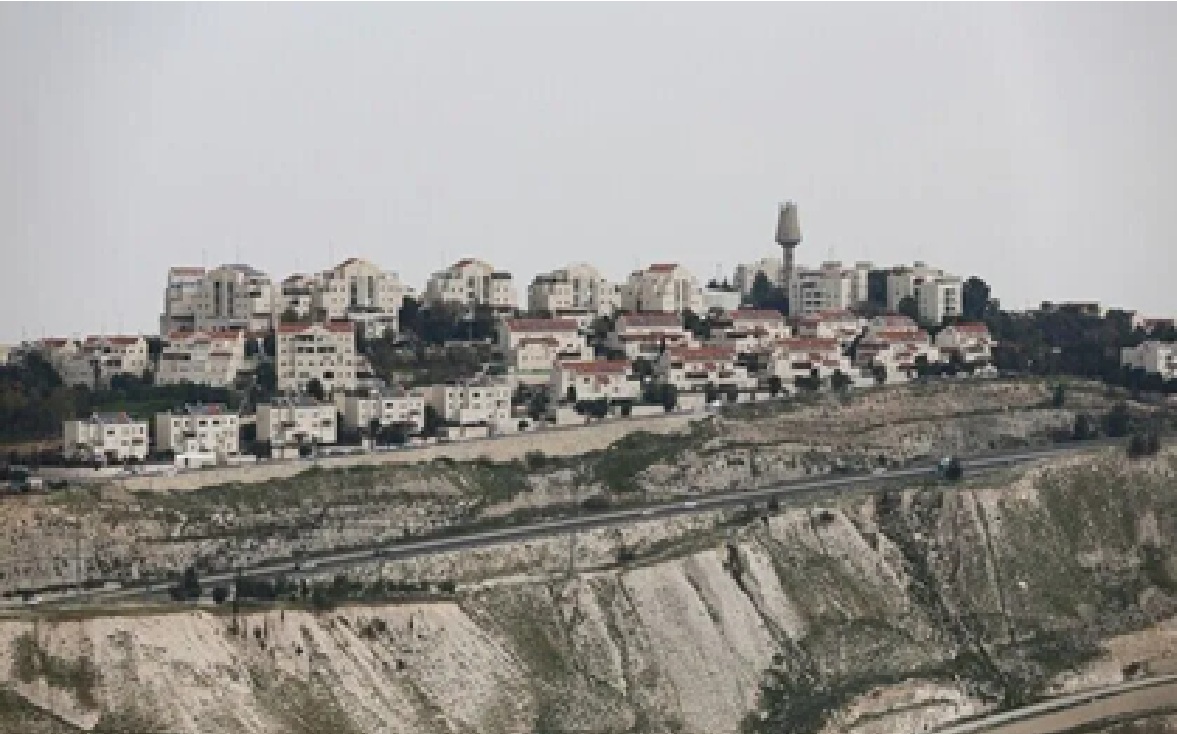
Jammu and Kashmir experiences devastating flash floods and landslides due to prolonged monsoon
SRINAGAR, JULY 27, 2026 — For three relentless weeks, the skies over Jammu and Kashmir tore open with a fury that has become terrifyingly routine. The monsoon finally paused long enough for the mountains to release their grip on the clouds, and the scale of destruction became obvious: at least 28 people died, dozens sustained injuries, roads turned into scree, and a landscape that once offered sanctuary transformed into a cascade of mud, rock and raging water.
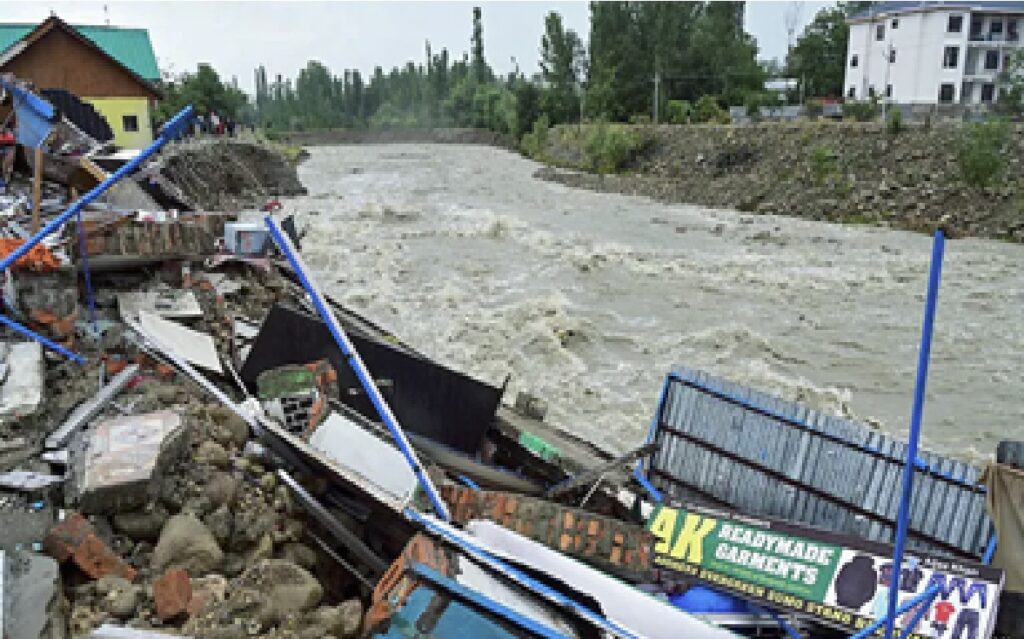
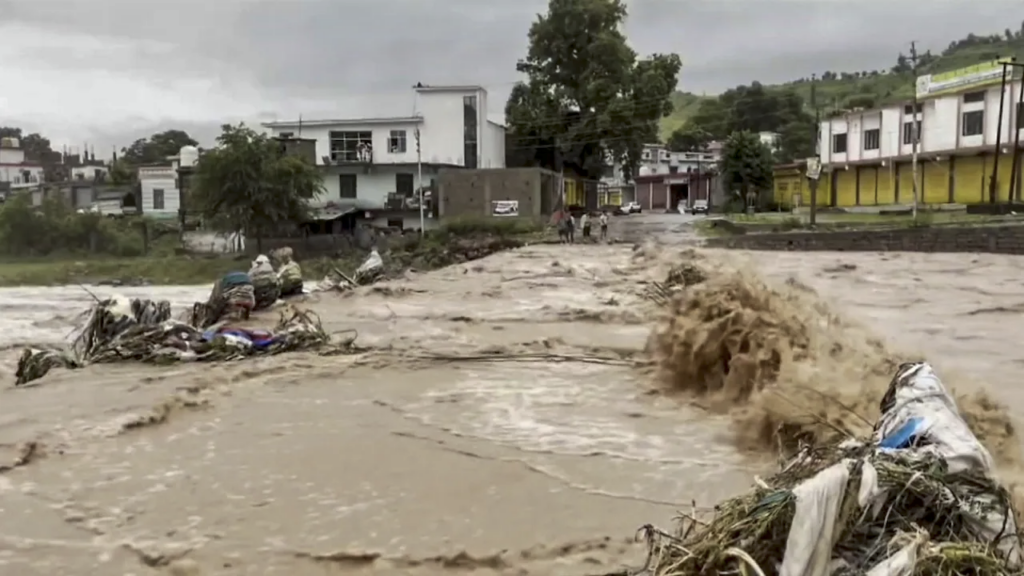
In the border districts of Poonch and Rajouri, walls of debris obliterated entire hamlets. A boulder sheared off a cliff on the strategic Jammu–Srinagar National Highway, crushing a passenger vehicle and killing two occupants. Floodwaters swept away a minor boy in Bandipora and swallowed the family grocery store of Bashir Ahmad in Beerwah. “I built that shop over twenty years, brick by brick,” Ahmad, 45, told this correspondent, standing before a gash in the earth where Nallah Sukhnag had burst its banks. “In twenty minutes, the river took everything.”
What happened in July 2026 was not just a monsoon that got out of control. A months-long investigation, drawing on meteorological analysis, geological assessments, official reports and the testimonies of survivors, scientists and activists, reveals that the disaster was a premeditated collision between a rapidly destabilising climate and a development model that has treated the fragile Himalayan ecosystem as expendable. As a recent editorial in a Srinagar-based daily warned, “What were once considered occasional natural calamities are now turning into a recurring pattern.”
1. Three Weeks That Reshaped The Map:
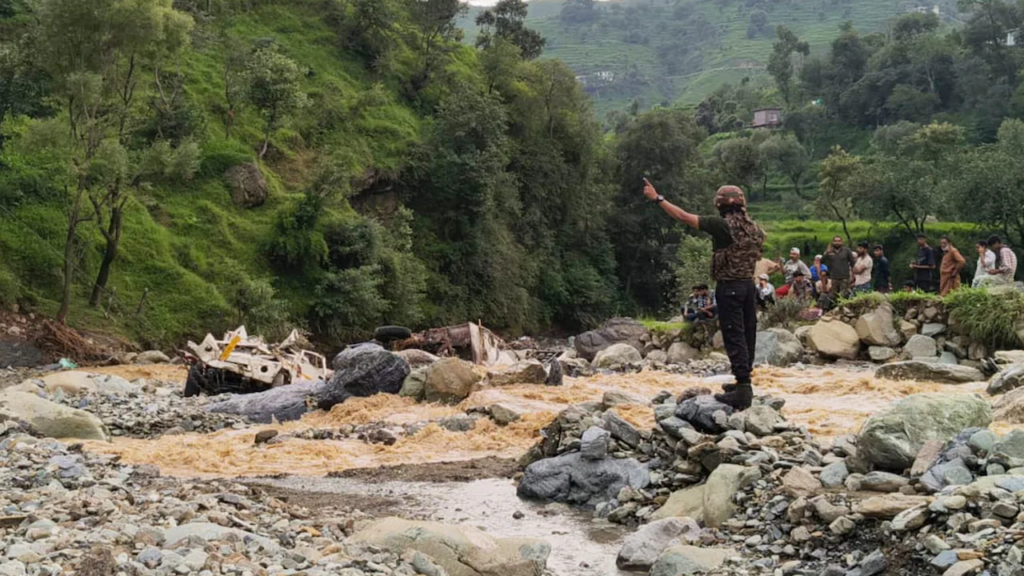
The meteorological onslaught began in early July. Within the first fortnight, the union territory recorded an astonishing 15 to 16 cloudbursts, hyper-localised, violent downpours that dump months of rain in hours. The worst of them struck Boniyar in Baramulla, Doda’s Bhalessa valley, and the remote Gurez-Tulail mountains, unleashing debris flows and flash floods with almost no warning. “We saw a black wall of water coming down the ravine,” recalled Ghulam Hassan, a shepherd in Tulail. “There was no siren, no time. We just ran uphill with our children.”
Photo Credit: PTI
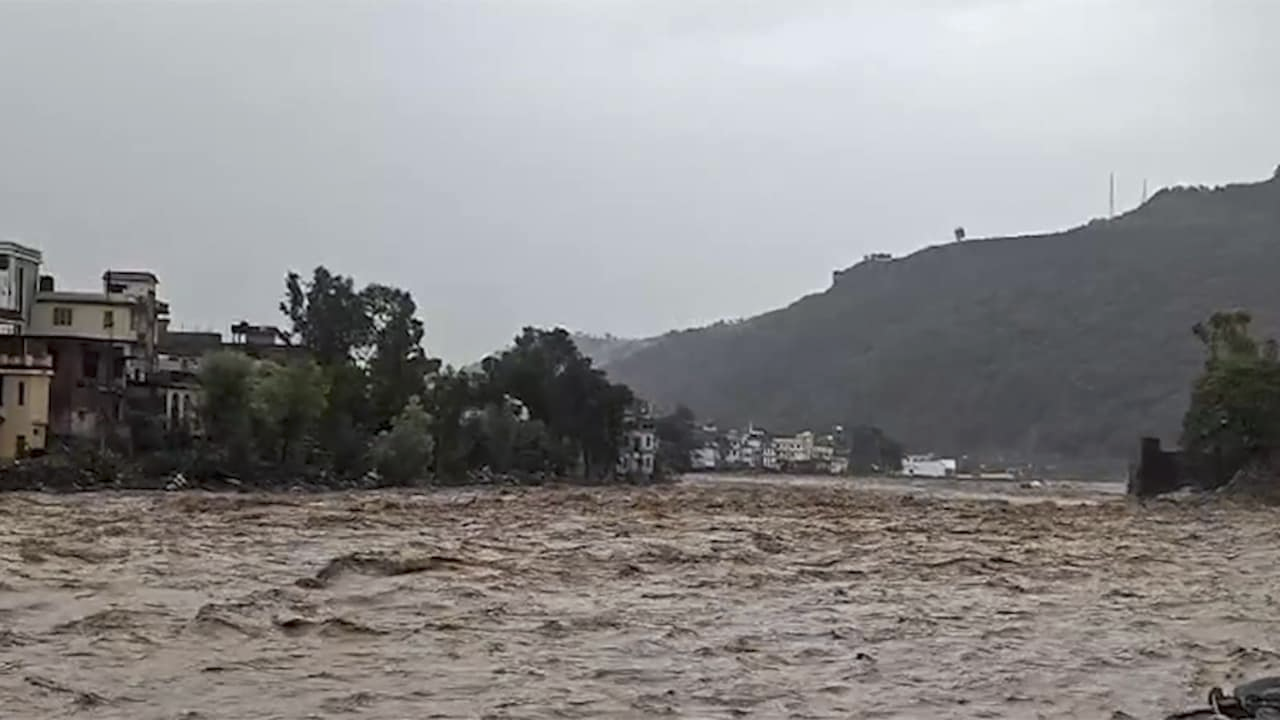
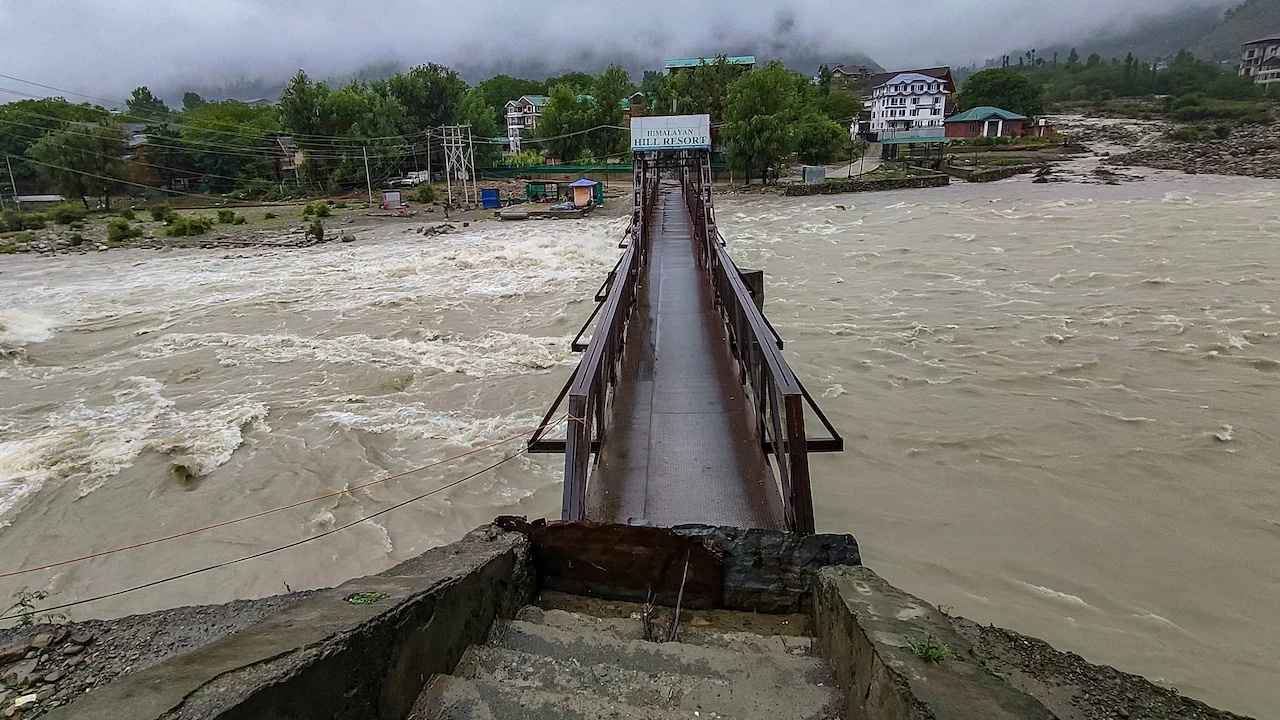
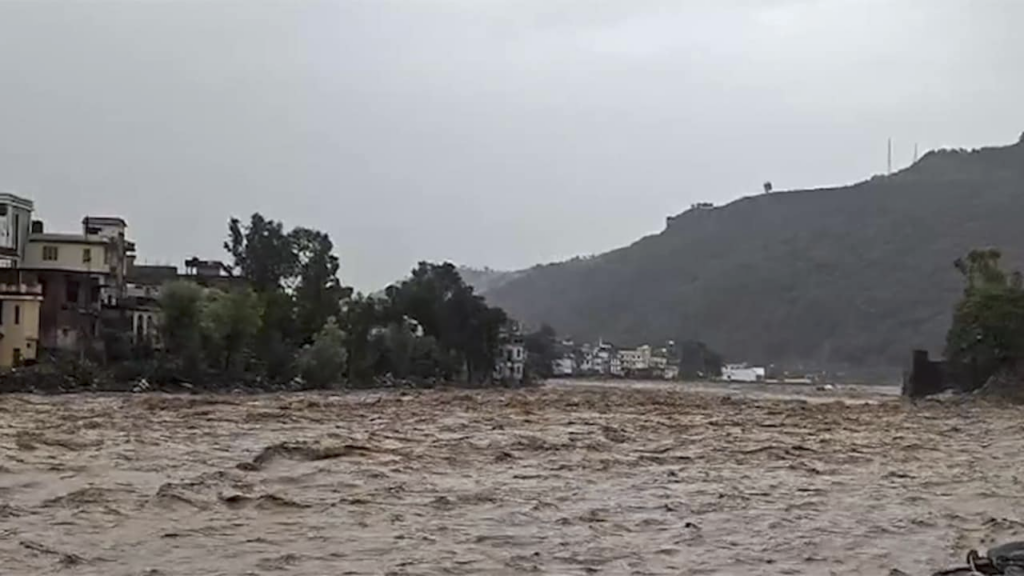
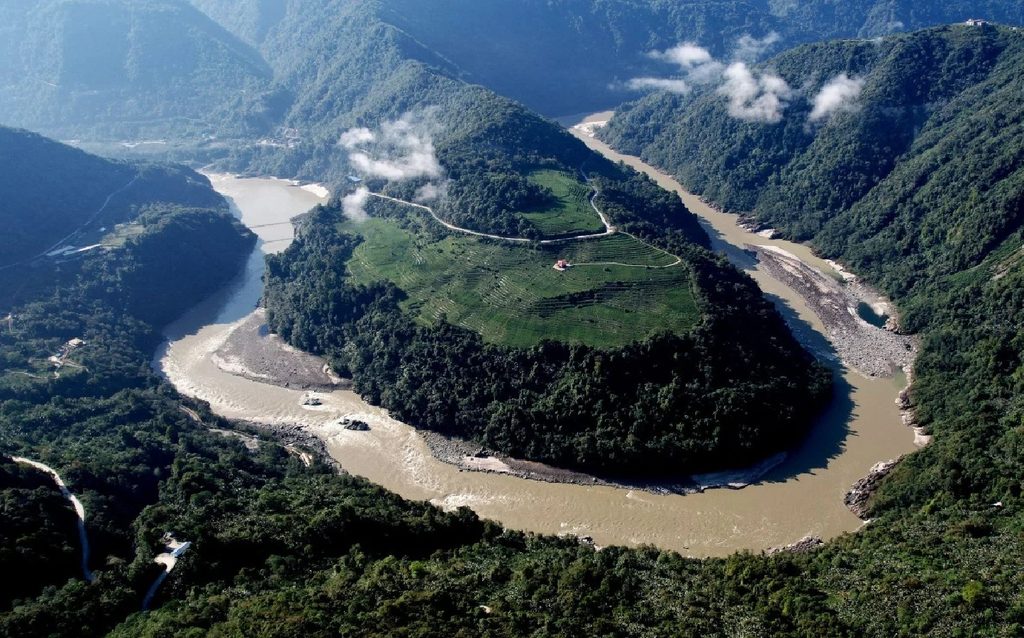
By mid-July, the cumulative rainfall had saturated catchments to the breaking point. The Chenab, Tawi, Darhali, Khandli, and Sukhtoh rivers swelled beyond danger levels within hours. After the catastrophic floods of September 2014, the Sukhnag nallah in Budgam reached its highest level, destroying a diversion bridge in Beerwah and cutting off road access for days. The 250-kilometre Jammu–Srinagar National Highway, the Valley’s only all-weather surface link to the rest of India, became a shooting gallery of rockfalls in Ramban district, stranding thousands and choking the supply of food and fuel.
Authorities suspended the annual Shri Amarnath Ji Yatra, a pillar of the regional economy and faith, for nearly a week because landslides chewed up the walking tracks. While the shorter Baltal route was painstakingly reopened, the traditional Pahalgam route remains closed pending safety assessments, a metaphor for a land where the old paths are becoming impassable.
Power grids collapsed in dozens of villages. Drinking water pipelines snapped. The government deployed the State and National Disaster Response Force (SDRF, NDRF), but locals in many cut-off valleys had to dig through rubble with their bare hands.
2. The Meteorology Of Mayhem: A Compound Event
To understand why the July 2026 rains were so lethal, one must first discard the idea of a simple downpour. Professor Ankit Agarwal, a hydrologist at IIT-Roorkee, insists that we must view the disaster as a “compound hydro-meteorological event”, not merely “three consecutive days of rain”.
“The present synoptic setting includes active monsoon conditions and a western disturbance over Jammu,” Agarwal explains. “When such systems overlap, monsoon moisture can be transported deep into the western Himalaya and converted into intense rainfall through atmospheric convergence and strong orographic lifting.” In plain language, a stream of water vapour from the Arabian Sea collided with a pulse of cool, westerly winds, and the Pir Panjal peaks acted as a wedge, forcing the mixture to rise, condense and explode.
But the volume of that moisture has been fundamentally altered by a warming world. Professor Anuradha Sharma, a geographer at the University of Jammu, connects the dots: “Due to global warming, the air holds more moisture, increasing the intensity of rainfall. Historically, monsoon moisture used to be shed on the outer ranges. Now, moisture travels further into inner valleys and even into Ladakh. That is why we are seeing more summer rain and more cloudbursts.” A warmer atmosphere can hold roughly 7% more moisture for every degree Celsius of warming, a well-established thermodynamic law that is now writing itself onto the Himalayan landscape in blood.
3. The Terrain’s Cruel Arithmetic: Soil, Slope And Saturation
Falling water becomes a disaster only when the ground can no longer absorb it. J&K’s physical geography acts as an accelerant. “The Western Himalaya has rugged terrain and steep slopes,” Sharma notes. “When percolation doesn’t happen, flash floods occur, and the steep terrain triggers landslides, mudslides and shooting stones, causing rivers to rise above danger marks within a few hours.”
Crucially, the damage does not require a single apocalyptic cloudburst. Professor Agarwal highlights the hidden threat of saturation memory: “The persistence of rainfall is equally important. After repeated wet spells, soils, slopes, and small mountain catchments progressively lose their capacity to absorb or safely convey additional water. Even a subsequent moderate-to-heavy spell can generate rapid runoff, landslides, debris flows and cascading damage to roads, bridges, electricity and communication networks.”
In effect, the mountain slopes of July 2026 were already sopping wet sponges by the time the killer storms arrived. Every fresh deluge slid instantly into the river channels, carrying topsoil, boulders, and trees with it.
Photo Credit: IANS
4. Fractured Earth: Geology Set To Fail
Beneath the soil lies a deeper fragility. Much of Jammu and Kashmir rests on the tectonically active, geologically young rocks of the Himalayan orogeny. Professor Mohammad Yousuf, a senior geologist with the Geological Survey of India stationed in Srinagar, explained to this investigator that faults, joints, and micro-cracks riddle the mountains. “These are not solid granitic blocks. They are heavily fractured sedimentary and low-grade metamorphic rocks. When heavy rain infiltrates the cracks, pore-water pressure builds up rapidly, drastically reducing the shear strength of the slope. Entire hillsides can then detach along these planes of weakness.”
Adding a sinister dimension is the region’s seismicity. Minor earthquakes, imperceptible to humans, regularly generate microscopic fissures in the bedrock. Rainwater seeps into these subterranean channels, destabilising the mountains from the inside out, a phenomenon geologists call “progressive failure” that can remain hidden until a final, catastrophic trigger.
5. The Climate Crystal Ball: Melting Ice, Unstable Slopes
If geology provides the powder keg, the climate crisis is lighting the fuse at higher altitudes. Glaciers across the Karakoram and Pir Panjal, often called the “water towers of Asia”, are retreating at an accelerating pace. A 2025 study by the Divecha Centre for Climate Change confirmed that the meltwater is creating thousands of fragile moraine-dammed lakes. A sudden cloudburst or a serac collapse can breach these natural dams, sending glacial lake outburst floods (GLOFs) cascading down valleys with no prior warning.
Simultaneously, as the freezing line creeps upwards, warm rain increasingly falls on snowpack rather than snow falling as flakes. This rain-on-snow effect rapidly melts the existing snow, producing runoff volumes far greater than the rainfall alone could generate. “We are witnessing a fundamental shift in the hydrological regime,” said Dr. Shakil Romshoo, a prominent Kashmiri glaciologist, in a recent interview. “The glaciers are losing mass, the snowline is rising, and the precipitation pattern is shifting from snow to liquid. All these factors converge to amplify flood peaks in the monsoon season.”
6. Human Hands In The Himalayan Wreckage
Rain, rock and meltwater provide the physical ingredients, but the scale of the human toll is overwhelmingly a product of human choices. Across the region, infrastructure is being carved into unstable slopes with scant regard for retaining structures or bio-engineering. The widening of highways and construction of rail tunnels necessitate deep vertical cuts into hillsides, exposing loose overburden and removing the toe support that keeps slopes stable. When these cuts become saturated, they fail.
Nadeem Qadri, an environmental lawyer and activist based in Srinagar, was scathing in his assessment. “Kashmir’s entire hydrological defence system has been dismantled in one generation. Activists say that Kashmir’s entire hydrological defence system has been dismantled in one generation. Floodplains are being sold as residential plots. We have concreted over the very landscape that used to protect us, and then we act surprised when the water arrives at our doorsteps.”
Historically, spill channels and marshes of the Jhelum basin could absorb monsoon surges, flattening the flood hydrograph. Their transformation into commercial zones forces all runoff into narrow, choked river channels, causing embankments to overflow rapidly. On the slopes, the relentless removal of forest cover, whether for timber, agriculture or construction, eliminates the canopy that intercepts rain and the root networks that bind the soil. A denuded watershed delivers water downstream in a violent, unattenuated pulse.
A recent editorial in a Srinagar daily captured the recklessness vividly: “Large-scale construction projects, road expansions and tunnel development often involve extensive excavation and the use of heavy machinery, disturbing the geological stability of mountains. The ecological fragility of regions such as the Trikuta Hills demands careful planning and scientific assessment before undertaking major infrastructure projects.”
Photo Credit: PTI
7. Living On The Edge: The Map Of Vulnerability
Evidence of exposure appears on the demographic map. Professor Sharma underscores the scale: “Many villages are built on river embankments and nallah banks. The Darhali embankment collapsed in Rajouri. Shops near the Sukhnag embankment in Beerwah were swept away. At least 654 vulnerable villages with 7.22 lakh people have been identified as at risk. Rajouri, Poonch, Reasi, Jammu, Baramulla, Budgam, Doda are the prime risk zones.”
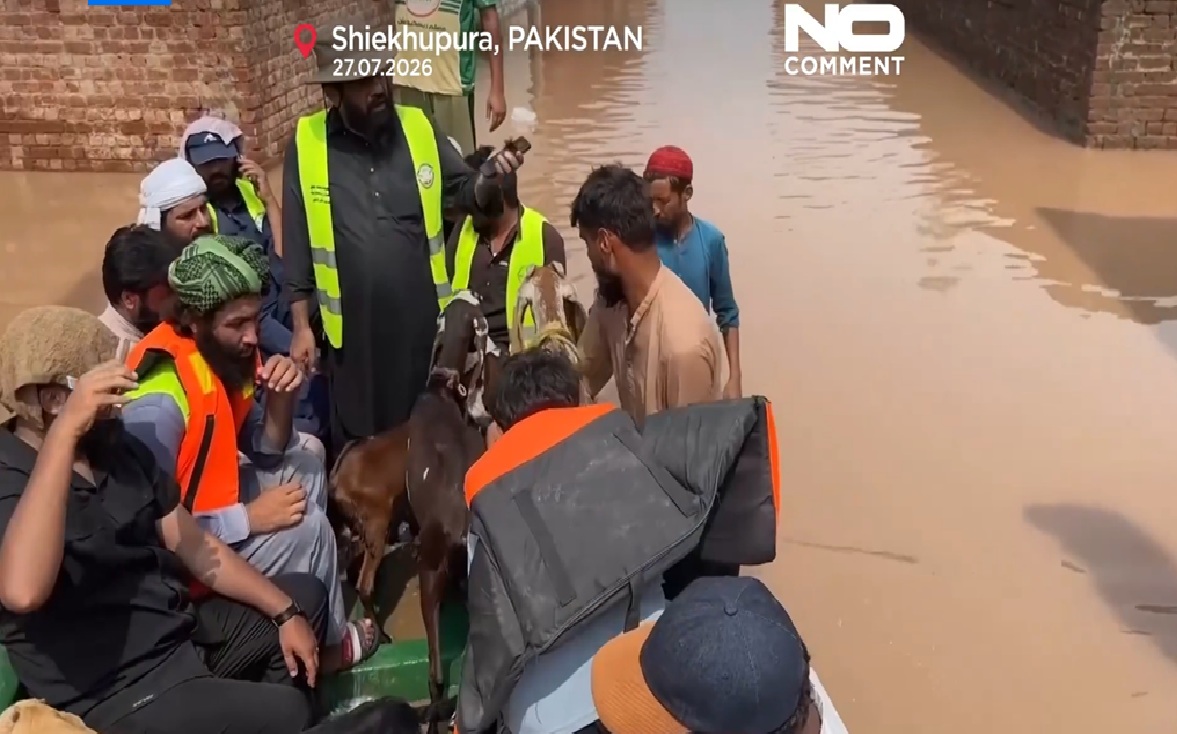
Among those 7.22 lakh people is Mohammad Rafiq, a farmer from Darhali whose mud-brick home collapsed when the embankment failed. “The government built that embankment twenty years ago and said we were safe. We trusted that,” Rafiq said, cradling a rescued goat. “Now they tell us it was a danger zone. Where were they before the rains came?” His question echoes through the Chenab Valley: early warnings are of little use when authorities allow settlements to take root where destruction is predictable.
8. The Warning Deficit: Beyond Rainfall Totals
The India Meteorological Department issued repeated advisories of “heavy to extremely heavy rainfall” and warned of flash floods and landslides. Yet the old language of rainfall in centimetres is no longer enough. Professor Agarwal argues forcefully for a paradigm shift: “This highlights the need to move beyond rainfall-total warnings towards catchment-scale, impact-based forecasting that combines antecedent wetness, atmospheric moisture transport, terrain and infrastructure exposure.”
That means a forecast should not just say “100 mm of rain expected”, but “this catchment is 85% saturated from last week’s rain; an additional 50 mm will probably trigger a debris flow that could sever road X and threaten villages Y and Z within three hours.” Such a system requires dense networks of soil-moisture sensors, real-time river gauges, high-resolution radar, and a communication chain that reaches the last shepherd on the mountain. At present, the infrastructure and institutional coordination for impact-based forecasting remains aspirational.
9. Nature’s Reckoning
Climate disasters do not strike equally. Poor and rural communities bear the greatest burden: subsistence farmers lose their only harvest, daily wage labourers lose their jobs, and families are left with the psychological wreckage of a home that washes away overnight. Tourism, which supports tens of thousands of families, shudders every time a highway blocks or a cloudburst makes international headlines.
The human cost is not fully captured by the tally of 28 dead. It lives in the students unable to attend school, the women walking miles for drinking water, and the quiet trauma of children who now fear the sound of rain. As one local commentator wrote in the aftermath, “The mountains of Jammu and Kashmir are speaking through these disasters; the real question is whether we are willing to listen.”
Photo Credit: PTI
The geological and climatic forces at play cannot be reversed in a decade. Environmental sanity, as the cornerstone of development, can blunt the worst of the damage. That means legally protecting and restoring the wetlands that remain, enforcing strict slope and floodplain zoning, mandating slope-stabilisation measures in every road project, and investing in a dense, community-based early warning network. It means accepting that some settlements may need to be relocated, with dignity and full compensation, out of the path of rivers that are growing more violent each year.
The July 2026 floods were not an aberration. They were a dress rehearsal for a future that, under business-as-usual emissions and construction, will arrive with increasing frequency. The choice now is between a managed retreat from the edge of disaster or a deepening entanglement with the forces we have set in motion. The mountains have delivered their message. The next one may not arrive as a warning but as a final, thunderous verdict.
Veritas Press Investigative Analysis Independent journalism examining global affairs, power, diplomacy and accountability.
Source:Veritas Press C.I.C. | Multi-News Agencies
Help Support Our Work By Donating
Readers who believe that truth still matters have power over popular information. When just a few more people step up to support this work, it means more lies exposed, more corruption uncovered, and more accountability where it’s long overdue.
Help Protect Independent Journalism, Which Is Currently Under Attack.
If you believe journalism should serve the public, not the powerful, and you’re able to help, becoming a regular DONOR or a PAID SUBSCRIBER truly makes a difference.
DONATION APPEAL: If you found this reporting valuable, please consider supporting independent journalism.
Your support fuels our fearless, truth-driven journalism. In unity, we endeavour to amplify marginalised voices and champion justice, irrespective of geographical location. We operate independently, with no financial backing from billionaires; our readers support us.
But it’s also extremely important. One of Veritas Press’s greatest assets is its reader-funded model.
1. Reader funding means we can cover what we like. We’re not beholden to the political whims of a billionaire owner. We are a small, independent and impartial organisation. No one can tell us what not to say or what not to report.
2. Reader funding means we don’t have to chase clicks and traffic. We’re not desperately seeking your attention for its own sake; we pursue the stories that our editorial team deems important and believes are worthy of your time.
3. Reader Funding: enables us to keep our website and other social media channels open, allowing as many people as possible to access quality journalism from around the world, particularly those in places where the free press is under threat.
We know not everyone can afford to pay for news, but if you’ve been meaning to support us, now’s the time.
Your donation goes a long way. It helps us:
Keep the lights on and sustain our day-to-day operations
Hire new, talented, independent reporters
Launch real-time live debates, community-focused shows, and on-the-ground reporting
Cover the issues that matter most to our communities, in real time, with depth and integrity
Without your support, independent voices like ours will be silenced.
Further, we have plans to expand our work, but we can’t do it without your support. Every contribution, no matter the size, helps us stay independent and build a truly people-powered media platform.
If you believe in journalism that informs, empowers, and reflects the communities we serve, please donate today.
Kamran Faqir is a volunteer investigative journalist and writer committed to exposing hidden truths and amplifying underreported stories. Driven by social justice, he brings sharp insight and fearless truth-telling to independent journalism. NUJ registered.
SEATTLE, TEHRAN — The U.S. Department of Homeland Security (DHS) will allow Iran’s national football team to enter the country 48 hours before their critical World Cup match against Egypt on Friday, a modest concession in a tournament where Team Melli’s travel conditions have sparked claims of oppression and competitive disadvantage.