Kamran Faqir is a volunteer investigative journalist and writer committed to exposing hidden truths and amplifying underreported stories. Driven by social justice, he brings sharp insight and fearless truth-telling to independent journalism. NUJ registered.
Listen to this article
Help support our mission, donate today and be the change. Every contribution goes directly toward driving real impact for the cause we believe in.
Article Date Published:
Article Date Modified:
15 minutes
Views:115
Brussels Reset or Brexit Return? Downing Street calls it a done deal, but the SPS, emissions-trading and youth-mobility agreements remain confined to an unresolved tuition-fees row, leaving Burnham’s “reset” conditional, legally reversible and far from the decisive Brexit return he promised.
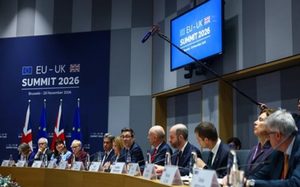
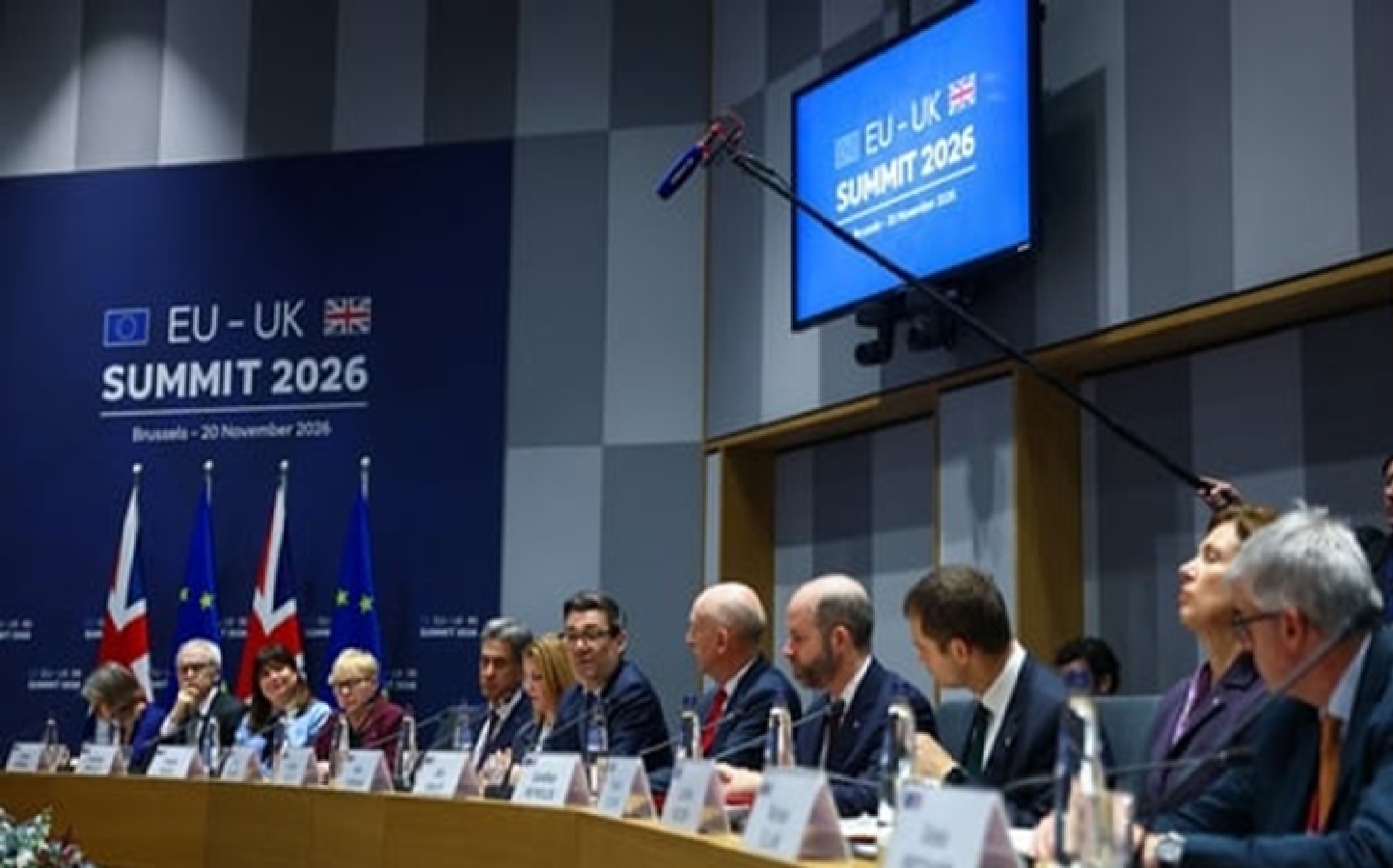
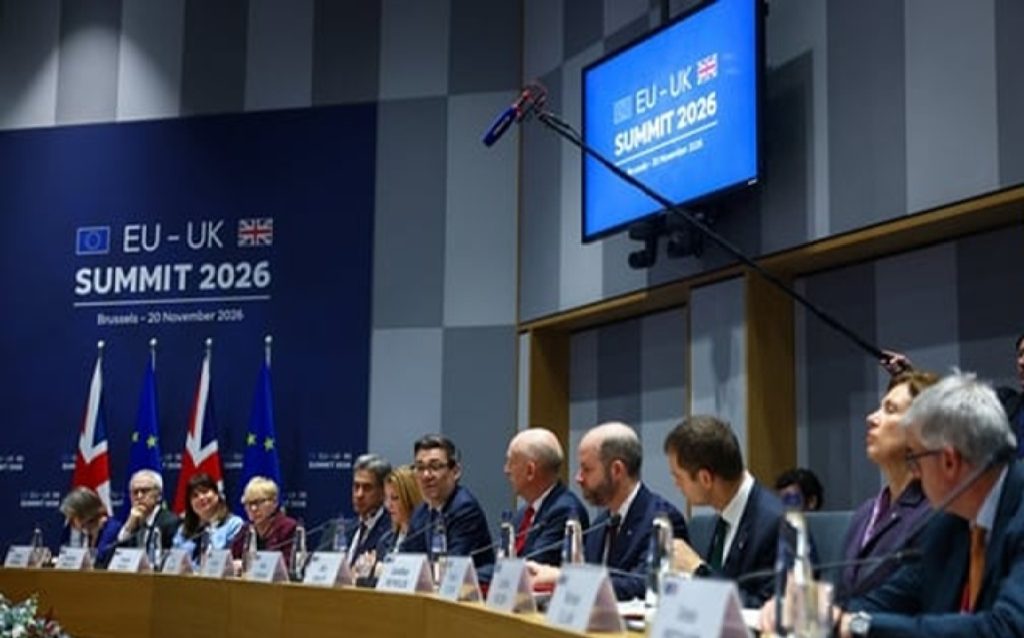
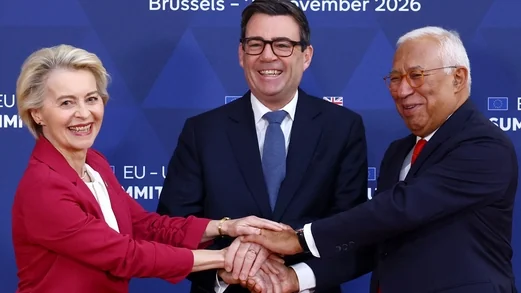
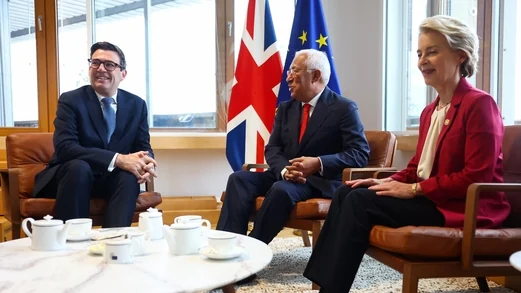
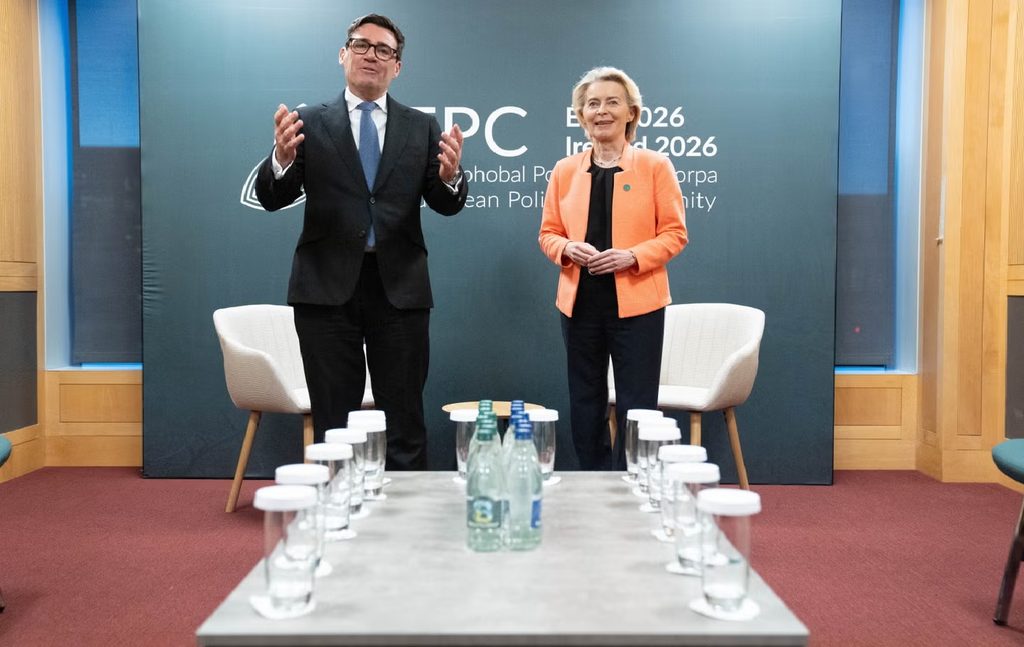
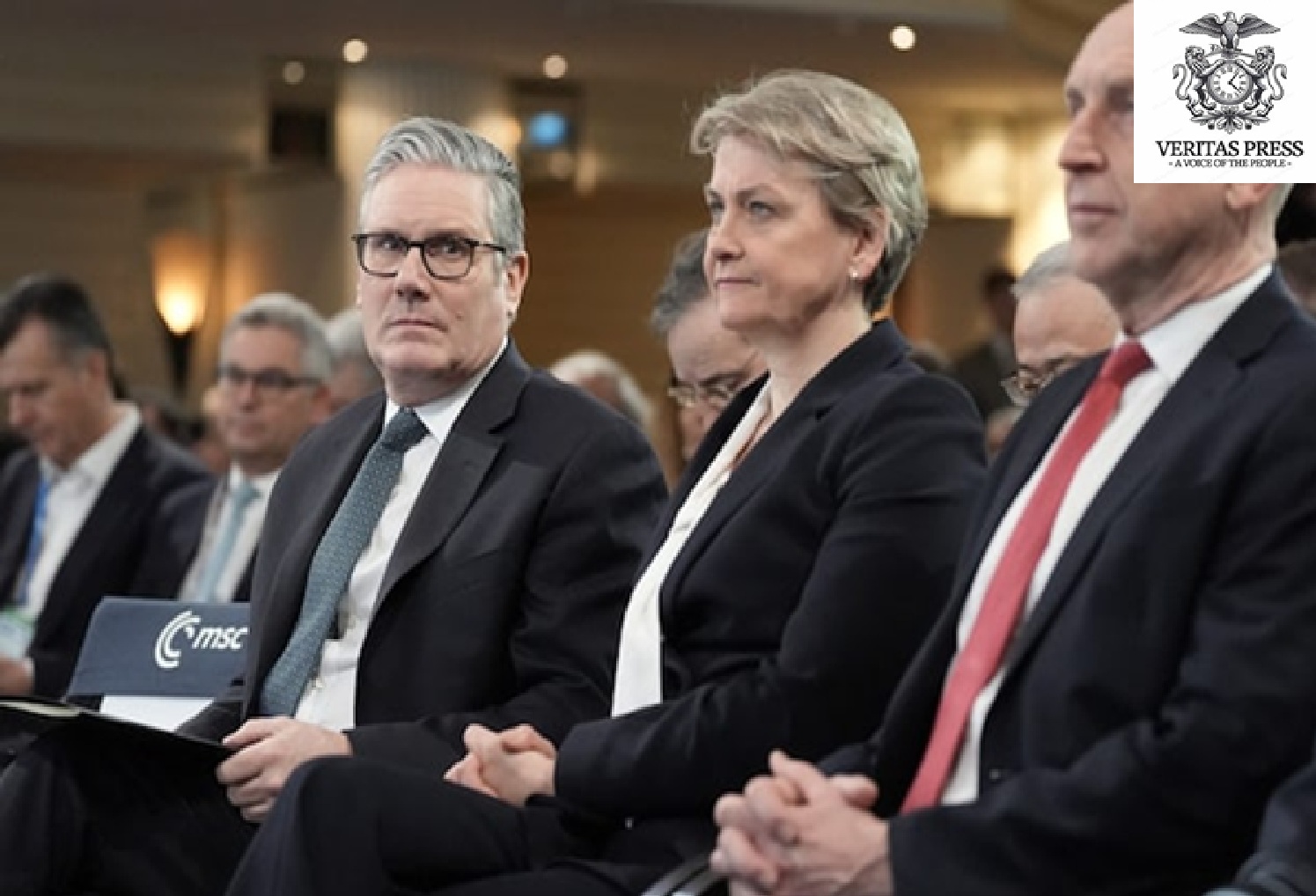
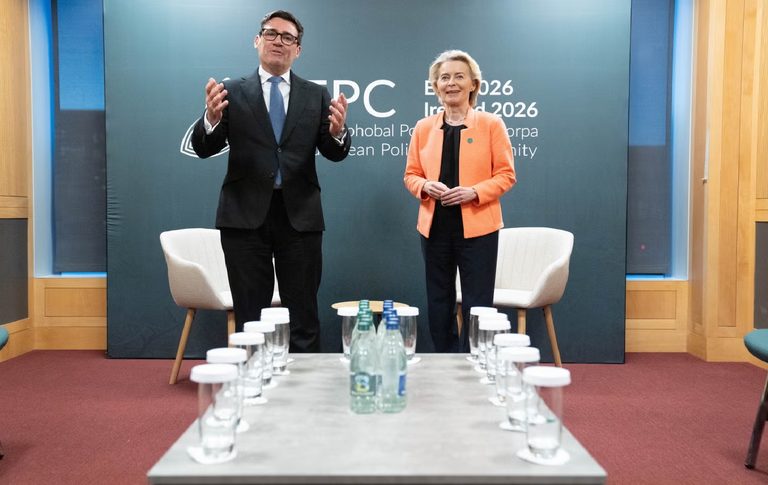
BRUSSELS — For a few brief hours on Friday, Downing Street believed it had pulled off the political impossible. A British Prime Minister, barely a year into the job, had walked into the European Council building, shaken hands with Ursula von der Leyen and António Costa, and declared that the long, bitter post-Brexit divorce was finally giving way to a pragmatic reset. “The deal is done, negotiations have concluded,” a No 10 spokesperson insisted, less than an hour after Andy Burnham’s arrival. The carefully stage-managed choreography, the three-way handshake, the tea before the leaders’ meeting, the promise of a joint statement, was designed to project control, competence, and closure.
But within hours, that narrative began to fray at the edges, revealing a far more fragile and conditional reality. What Downing Street presented as a conclusive victory is, in fact, a deal held hostage by an unresolved row over university tuition fees, a deal whose implementation is legally and politically contingent on a future agreement that may never come, and a deal that, according to economists, industry bodies, and even its own cheerleaders, delivers far less than the headline rhetoric suggests.
This is the anatomy of a “reset” that is neither fully reset nor fully done.
The Three Pillars, And The Fault Line Beneath Them
The agreements finalised in Brussels cover three interlinked areas: a sanitary and phytosanitary (SPS) deal to ease food and agricultural trade, a linkage of the UK and EU emissions trading systems (ETS), and a youth mobility scheme allowing up to 100,000 young Europeans and Britons to live, work, and study on each other’s territory each year. On paper, these are substantial achievements. The UK government claims the SPS deal alone could add up to £5.1 billion a year to the economy by cutting the border friction that has throttled food exports since 2021. Linking the carbon markets would, according to industry bodies, create a larger, more integrated system that supports cleaner electricity trade and avoids unnecessary costs for the energy sector. The youth mobility scheme, while capped and time-limited, represents a symbolic reopening of a door that Brexit slammed shut.
Yet the entire package is tethered to a single, unresolved question: will EU students studying in the UK be charged the same tuition fees as British undergraduates? The EU has demanded “equal treatment,” which would mean slashing fees for EU students from as much as £38,000 a year to the domestic rate of £9,970, a prospect the UK Treasury and universities have fiercely resisted. The two sides have given themselves six months to reach an agreement. But here is where the Downing Street spin collapses under scrutiny.
UK officials pushed back hard against the suggestion that the three flagship deals could be jeopardised by the tuition fees disagreement. “They are completely separate,” one official insisted, arguing that even if no fee agreement were reached by March 2028, when the new food and agriculture arrangements are due to come into force, the SPS deal would still be implemented.
But the EU’s legal architecture tells a different story. As Politico reported, the EU’s process for adopting the agreements requires the consent of member states. “So if they don’t want to adopt the agreements until talks on fees are done, that is a problem”. An internal EU statement, seen by The Telegraph, was even more explicit: “The Council agrees that adoption of the Council Decisions on signing of the ETS, SPS and YES agreements will not precede the conclusions of the negotiations on the supplementing agreement providing for equal treatment on tuition fees”. In other words, the “deal is done” only in the sense that the text has been agreed. Its legal force is contingent on a second deal that does not yet exist. A senior EU official confirmed: “We have not yet reached an agreement on tuition fees, and we have given ourselves six months to reach that agreement, and that we envisage being able to sign the several agreements in parallel”. The official rejected the “hostage” framing, but the mechanism is precisely that: the Council has made one agreement conditional on another.
Downing Street’s insistence that the deals are “completely separate” is therefore not a description of the legal reality; it is a political communication strategy designed to shield the Prime Minister from the appearance of having been ambushed in Brussels, a fate that has befallen British leaders from Theresa May in Salzburg to David Cameron before her. The EU, as one diplomat put it, “took a very hard line” and played “serious hardball”. Burnham won the handshake and the press conference. Brussels retained the leverage.
Northern Ireland: The Mirage Of The “End Of The Irish Sea Border”
The most consequential element of the SPS agreement is its impact on Northern Ireland. Since Brexit, the region has effectively remained inside the EU’s single market for goods, necessitating checks on products arriving from Great Britain, the so-called “Irish Sea border” that unionists have decried as a constitutional affront. The new SPS deal will abolish most of these checks, a development that Downing Street and its allies will undoubtedly present as a historic dismantling of the border.
But Dr Esmond Birnie, Senior Economist at Ulster University’s Business School, warns that this narrative is “far too simplistic”. While GB-based farmers and food processors will gain access to the EU Single Market, their Northern Irish counterparts already had it under the Windsor Framework, they will now have to operate under the full range of costly EU regulations, which Birnie argues “represent a drag on UK productivity growth”. More critically, a customs frontier in the Irish Sea will persist. “To get rid of that friction either the UK/Burnham will have to re-join the EU customs area or adopt an alternative method of managing Northern Ireland’s trading arrangements,” Birnie explains. The SPS deal softens the border; it does not erase it.
Reaction in Northern Ireland has divided along familiar lines. DUP leader Gavin Robinson criticised the mooted agreement for demonstrating a “lack of ambition” on the part of the UK government. Stormont’s Agriculture Minister, Andrew Muir, welcomed the prospect of a deal but described Brexit itself as a “failure” that had left an “effective Irish Sea trade border” in the first place. For businesses, the relief is real but partial. Food Drink Ireland, the Ibec group representing the Irish food and drink sector, called the SPS agreement “a significant step forward for agri-food trade,” citing reduced administrative burdens and smoother movement of goods. But the group’s director, Paul Kelly, framed the welcome within a context of “increasing global uncertainty,” a tacit acknowledgement that the deal mitigates harm rather than unlocks transformation.
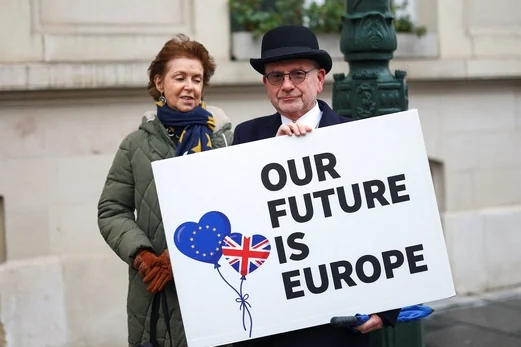
People stand outside the official residence of the British ambassador to Belgium with a placard in support of the EU/UK relations in Brussels.
Energy And Emissions: A Win For Industry, A Question For Households
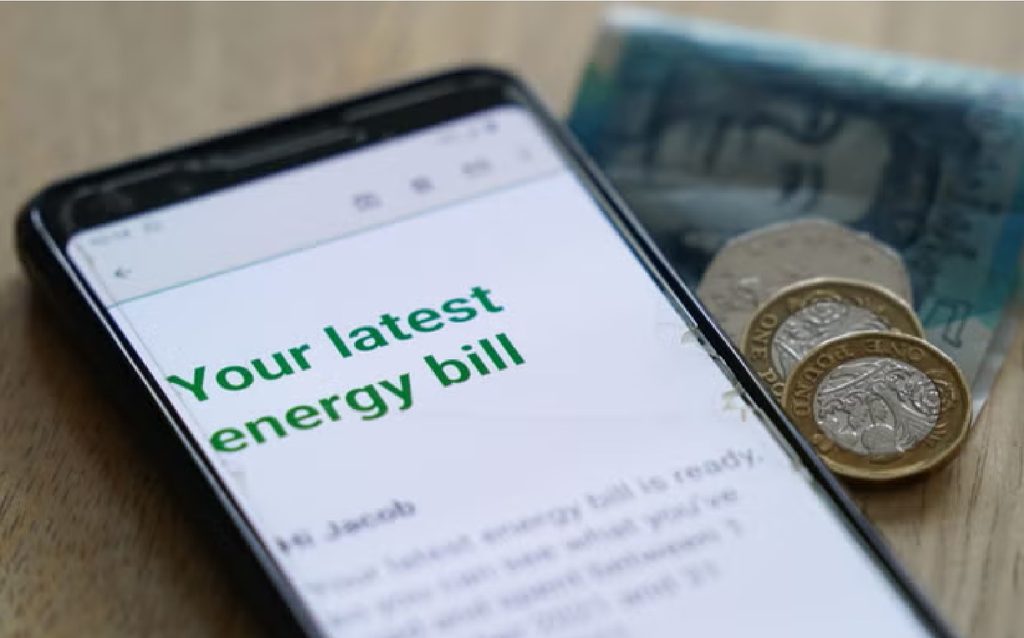
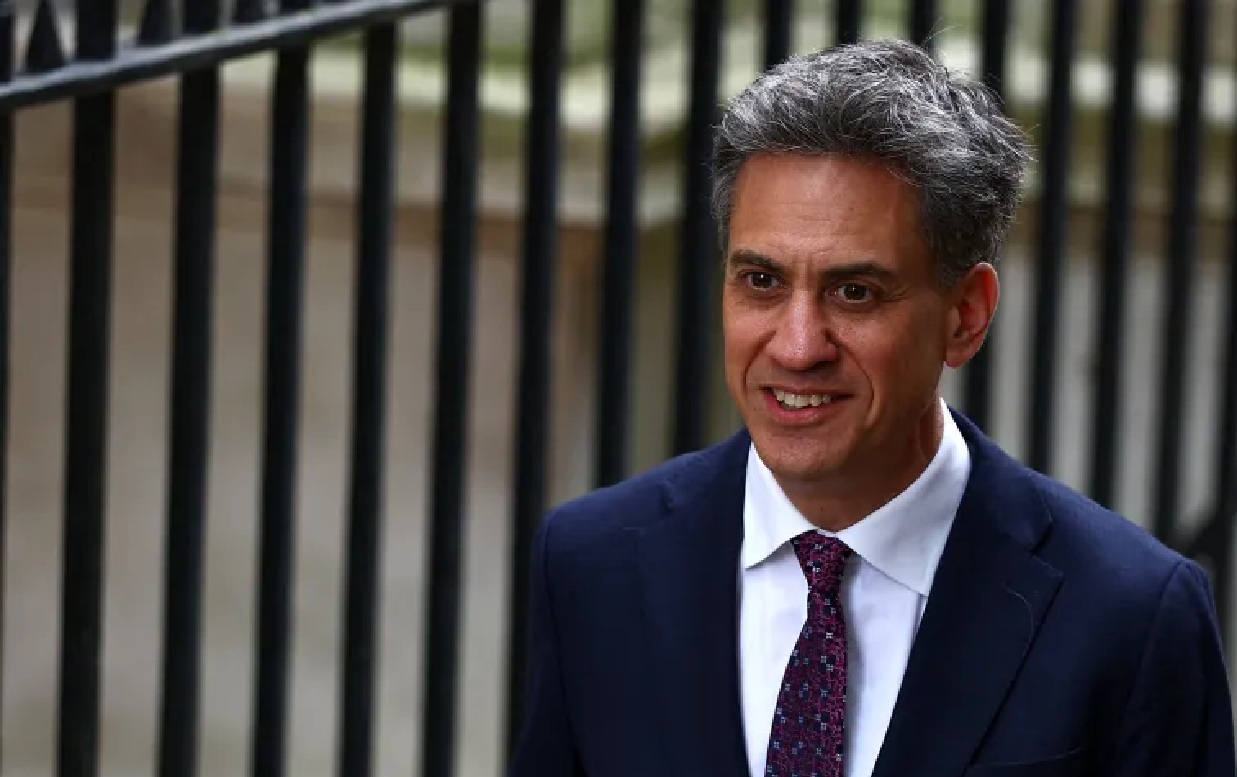
The ETS linkage has been championed by the renewable energy industry as a logical and economically beneficial step. WindEurope and RenewableUK, joined by more than 40 major companies, argued that linking the carbon markets would “make it easier and cheaper to trade clean electricity, helping to reduce costs for households and businesses”. Energy UK has estimated that coupling electricity markets would cut costs by £120–370 million per year. Rejoining the EU ETS, according to government assessments, could add 0.1% to GDP and allow exporters to avoid up to £800 million in carbon border adjustment mechanism (CBAM) costs by 2030.
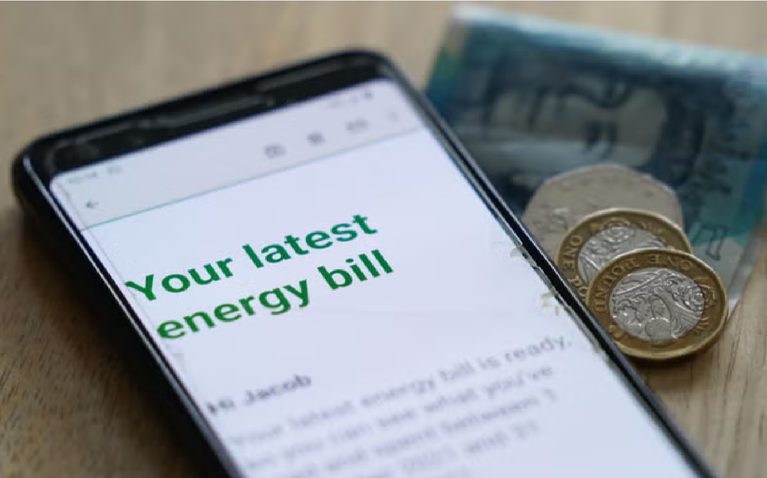
Yet the politics of the ETS linkage are far from settled. Conservative leader Kemi Badenoch has warned that the reset “will link Britain’s carbon-pricing with Europe’s and cost households more than £230 a year”. The exact figure is contested, former Conservative MP Nick Timothy has put the additional cost at £112 per year, but the direction of the critique is clear: closer alignment means higher carbon prices for British consumers and businesses. The right-wing Prosperity Institute has described the proposals as “particularly deranged,” arguing that joining the EU ETS would increase carbon prices by around 30%.
The government’s counter-argument rests on the distinction between household bills and industrial competitiveness. By linking the ETS, British exporters avoid paying CBAM charges on goods sold into the EU, a saving that disproportionately benefits energy-intensive industries. But the consumer-facing benefits are less direct and more dependent on the completion of a separate electricity market integration agreement, a deal that was conspicuously absent from Friday’s announcement. The UK had hoped to include re-integration with the EU’s electricity market in the summit package, but this was not possible within the timeframe. Government assessments suggest that a combined electricity market could cut wholesale electricity costs in Northern Ireland by up to 20%, but that prize remains deferred.
Youth Mobility: A Symbolic Opening With Unresolved Terms
The youth mobility scheme is, on its face, the most tangible and popular element of the reset. It will allow up to 100,000 young people from the EU to travel, work, and study in the UK each year, with a reciprocal number of Britons able to do the same on the continent. The cap represents a significant increase from the current arrangements, which allow 50,000–80,000 young people annually. For a generation of Britons who have seen their opportunities to live and work in Europe drastically curtailed, the scheme is a modest but meaningful reopening.
But the details reveal the limits of the ambition. The UK has insisted on time limits, a cap on numbers, and a ban on participants claiming benefits, conditions that the EU initially resisted. The scheme is a far cry from the freedom of movement that existed before Brexit, and it does nothing for the millions of older Britons who lost their automatic right to work, retire, or own property in EU member states. The political symbolism, however, is potent. Stella Creasy, the Labour MP who chairs the Labour Movement for Europe, welcomed the deal as a “first step towards escaping the madness of hard Brexit,” but insisted it must not be the last. Writing with Bernd Lange, the chair of the European Parliament’s international trade committee, Creasy argued that “step-by-step improvements in the EU-UK relationship are welcome, but they alone will not meet the scale of the challenges we all face”.
The Politics Of The “Reset”: A Coalition Of The Uneasy
The domestic political coalition behind Burnham’s reset is fragile and fractious. On the pro-European left, figures like Creasy and former deputy prime minister David Lammy have pushed for a far more ambitious relationship, including a Swiss-style single market arrangement or even a commitment to eventual rejoin. On the Eurosceptic right, Badenoch has framed the deal as a surrender that will make Britain a “rule-taker run by EU courts,” warning that it hands the EU control over “our money, laws and borders”. Shadow Cabinet Office minister Mike Wood accused Downing Street of being a “docile negotiating partner,” claiming the government had “arrived in Brussels without a plan, without a compass”.
Burnham’s own position is carefully calibrated. He has ruled out major changes before the next election, and the 2024 Labour manifesto committed the party to staying out of the EU, the single market, the customs union, and freedom of movement. Yet he has also floated the possibility of rejoining the EU in the longer term, a move that has opened a divide within his own cabinet and alarmed Red Wall MPs. The “reset” is thus a triangulation: ambitious enough to satisfy pro-Europeans that the damage of Brexit is being repaired, cautious enough to avoid triggering a full-scale internal war, and conditional enough to allow Brussels to retain leverage over the final terms.
The Verdict: A Deal Done, But Not A Deal Delivered
The most revealing moment of the Brussels summit was not the handshake or the joint statement. It was the quiet, technical admission buried in the EU’s legal caveat: the agreements “will not precede the conclusions of the negotiations” on tuition fees. Downing Street can insist that “the deal is done” as many times as it likes, but the architecture of the agreement tells a different story. The SPS deal, the ETS linkage, and the youth mobility scheme are all hostages to a future negotiation that EU diplomats themselves concede may be unrealistic to conclude within six months. “A bit short,” one diplomat said of the timeline.
In the meantime, British businesses will continue to grapple with the paperwork and costs that the SPS deal is meant to eliminate. Northern Ireland will still have a customs frontier in the Irish Sea. Households will wait for the electricity market integration that might one day lower their bills. And young people will have a new opportunity to work and travel in Europe, provided, of course, that the tuition fees row is resolved and the legal processes in each member state run their course.
The reset is real, but it is a reset on Brussels’ terms: incremental, conditional, and legally reversible. Burnham has secured the optics of a historic breakthrough. Whether he has secured the substance is a question that will not be answered in a joint statement, but in the tedious, uncertain, and politically perilous negotiations that lie ahead. The deal, as one EU official put it, must “come into force in a balanced way”. In the lexicon of Brussels, “balanced” rarely means “favourable to the British Prime Minister.”
Veritas Press Investigative Analysis Independent journalism examining global affairs, power, diplomacy, and accountability.
Source:Veritas Press C.I.C. | Multi-News Agencies
Help Support Our Work
Readers who believe that truth still matters have power over popular information. When just a few more people step up to support this work, it means more lies exposed, more corruption uncovered, and more accountability where it’s long overdue.
Help Protect Independent Journalism, Which Is Currently Under Attack.
If you believe journalism should serve the public, not the powerful, and you’re able to help, becoming a regular DONOR or a PAID SUBSCRIBER truly makes a difference.
DONATION APPEAL: If you found this reporting valuable, please consider supporting independent journalism.
Your support fuels our fearless, truth-driven journalism. In unity, we endeavour to amplify marginalised voices and champion justice, irrespective of geographical location. We operate independently, with no financial backing from billionaires; our readers support us.
But it’s also extremely important. One of Veritas Press’s greatest assets is its reader-funded model.
1. Reader funding means we can cover what we like. We’re not beholden to the political whims of a billionaire owner. We are a small, independent and impartial organisation. No one can tell us what not to say or what not to report.
2. Reader funding means we don’t have to chase clicks and traffic. We’re not desperately seeking your attention for its own sake; we pursue the stories that our editorial team deems important and believes are worthy of your time.
3. Reader Funding: enables us to keep our website and other social media channels open, allowing as many people as possible to access quality journalism from around the world, particularly those in places where the free press is under threat.
We know not everyone can afford to pay for news, but if you’ve been meaning to support us, now’s the time.
Your donation goes a long way. It helps us:
Keep the lights on and sustain our day-to-day operations
Hire new, talented, independent reporters
Launch real-time live debates, community-focused shows, and on-the-ground reporting
Cover the issues that matter most to our communities, in real time, with depth and integrity
Without your support, independent voices like ours will be silenced.
Furthermore, we have plans to expand our work, but we can’t do it without your support. Every contribution, no matter the size, helps us stay independent and build a truly people-powered media platform.
If you believe in journalism that informs, empowers, and reflects the communities we serve, please donate today.
You Can Make Direct Bank Transfer Donations To
Bank Name: Bank Of Scotland
Account Name: Veritas Press C.I.C.
Sort code: 80-22-60
Account Number: 27540469
IBAN #: GB18-BOFS-6027-5404-69
Donate Online
Submissions
For the safe submission of documentation, testimonies, or exclusive investigative reports from anywhere in the world, please use the following contact details for our Investigations Desk: mailto:enquiries@veritaspress.co.uk or mailto:editor@veritaspress.co.uk.
SEATTLE, TEHRAN — The U.S. Department of Homeland Security (DHS) will allow Iran’s national football team to enter the country 48 hours before their critical World Cup match against Egypt on Friday, a modest concession in a tournament where Team Melli’s travel conditions have sparked claims of oppression and competitive disadvantage.