Kamran Faqir is a volunteer investigative journalist and writer committed to exposing hidden truths and amplifying underreported stories. Driven by social justice, he brings sharp insight and fearless truth-telling to independent journalism. NUJ registered.
Listen to this article
Help support our mission, donate today and be the change. Every contribution goes directly toward driving real impact for the cause we believe in.
Article Date Published:
Article Date Modified:
13 minutes
Views:232
Iran’s Parliament speaker warns that any potential enemy attack will trigger an “unpredictable” military and strategic response, saying the Islamic Republic is prepared to confront any new aggression and will not limit its response to geographical boundaries.
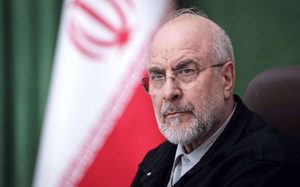
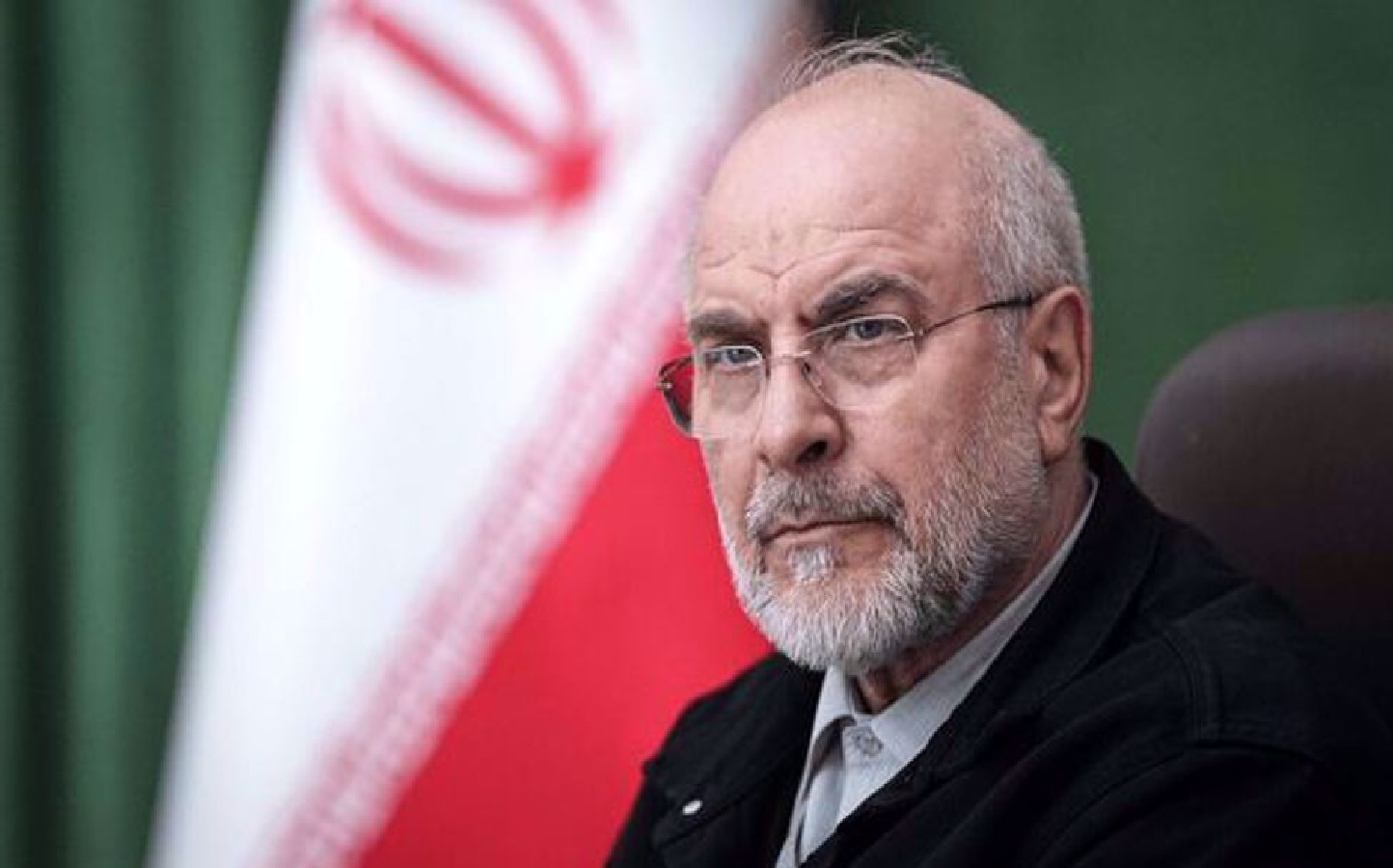
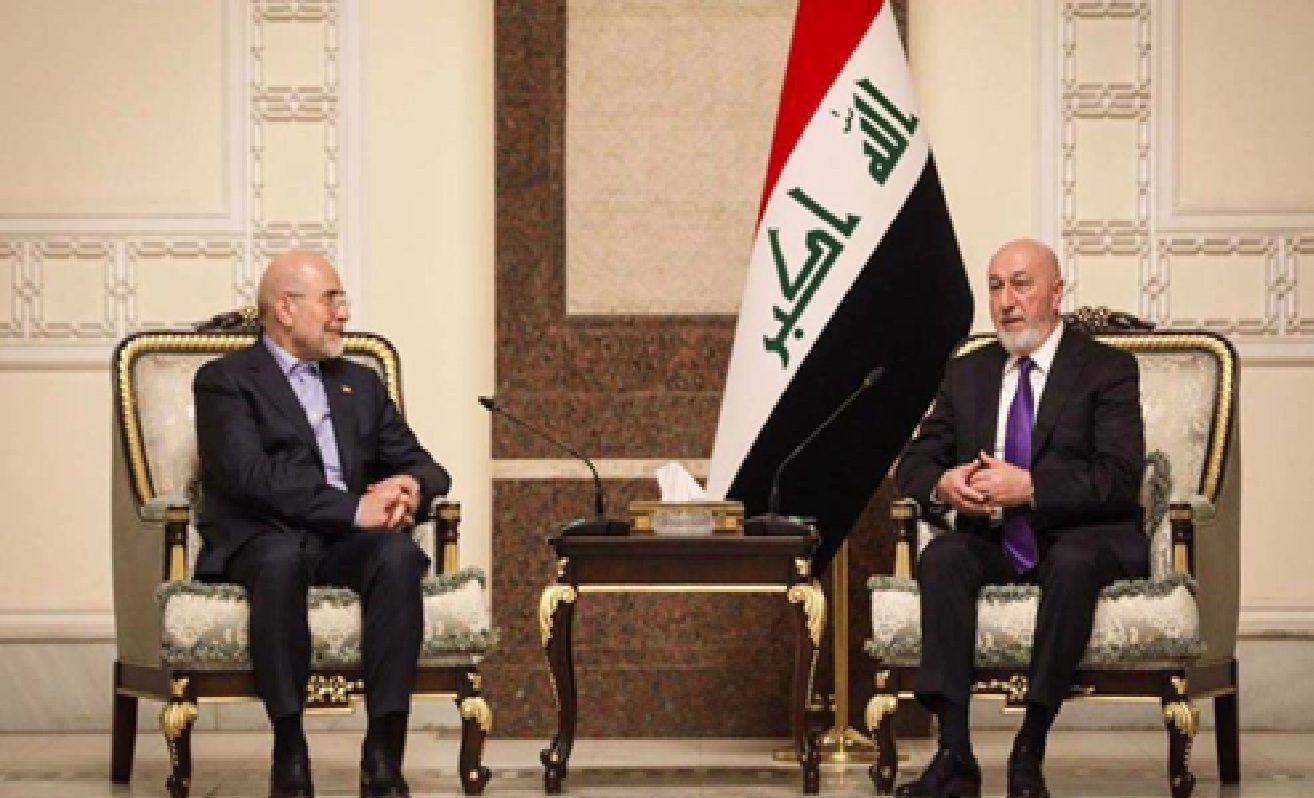
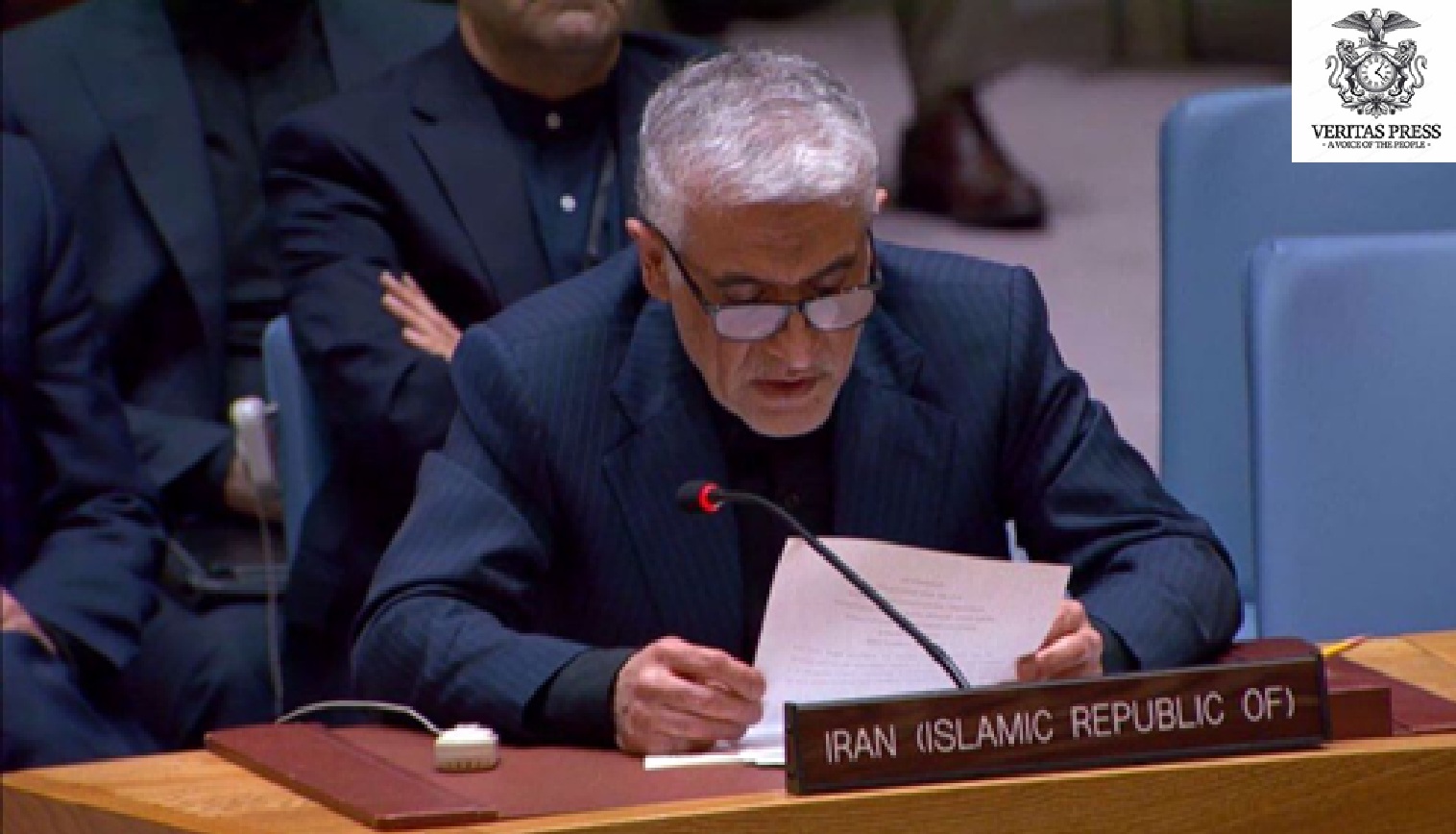
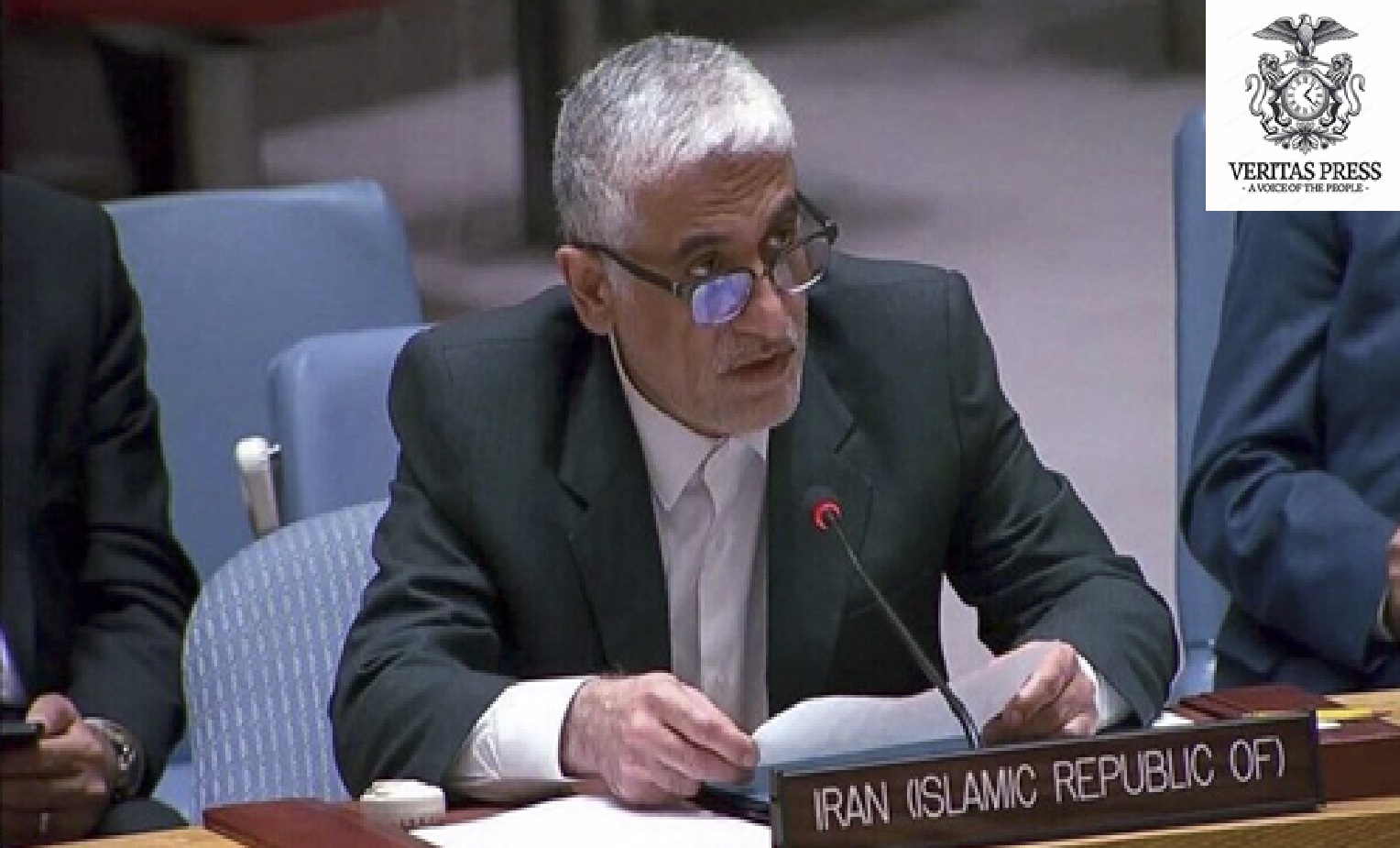
TEHRAN, Nov. 3, 2026 — Iran’s Parliament Speaker Mohammad Bagher Qalibaf stood before an open session of the Majlis on Tuesday and issued a warning that was at once a military doctrine and a political performance: any enemy miscalculation would meet a response “unpredictable” in method, scale, and geography. The armed forces, he declared, were at their “highest level of defensive readiness,” and the “ball is now in America’s court to prevent war”.
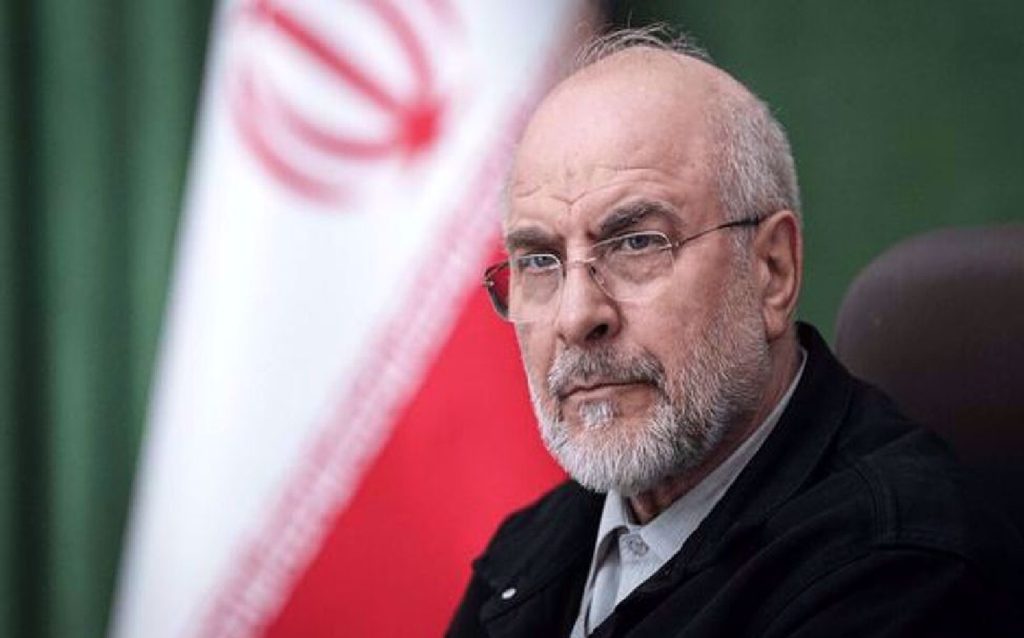
Iran’s Parliament Speaker Mohammad Baqer Qalibaf
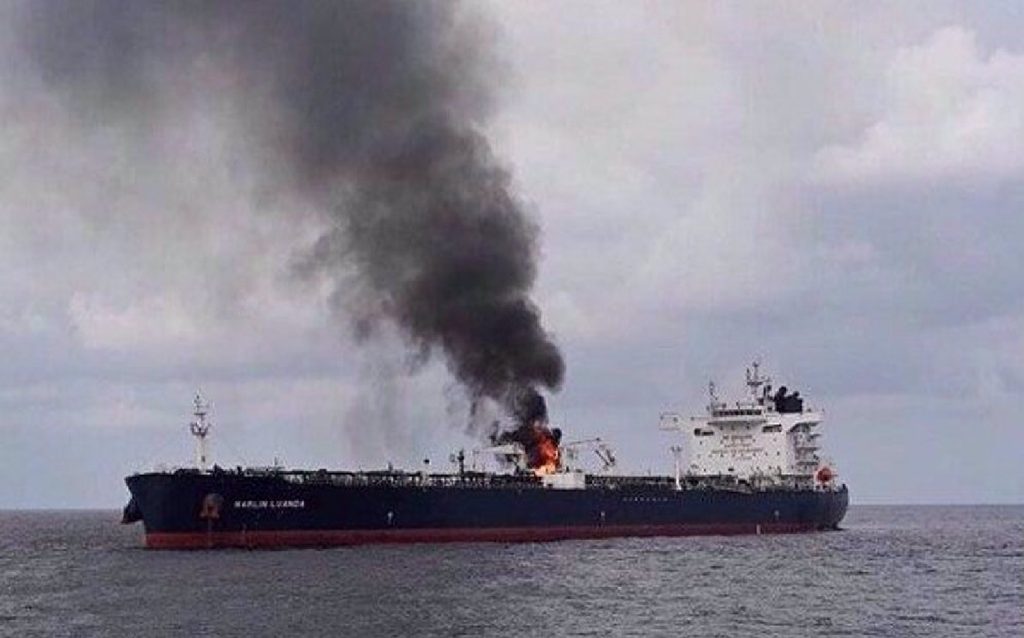
The speech, delivered on the eve of the annual National Day of Combating Global Arrogance, was calibrated for multiple audiences. To Washington, it signalled that eight months after the February 28 joint U.S.-Israeli strikes and the ensuing closure of the Strait of Hormuz, Tehran would not capitulate under blockade. To regional capitals, it was a reminder that Iran’s “finger is on the trigger” while simultaneously offering a “firm and rational” diplomatic track. And to a domestic population battered by inflation, border paralysis, and intensifying repression, it was an appeal to national cohesion as the “strongest weapon” and “most effective means of deterrence”.
Yet an investigative reading of Qalibaf’s remarks, and the conditions under which they were delivered, reveals a more complicated picture than the official narrative of unyielding resistance. The “unpredictable response” doctrine rests on a military strategy personally defined by Supreme Leader Ayatollah Mojtaba Khamenei, relayed to senior commanders in the days before the speech. It is a strategy born not of strength alone, but of a war that has devastated Iran’s economy, silenced its independent press, and left its citizens “with no room to breathe,” in the words of Nobel laureate Narges Mohammadi.
The War That Reshaped The Region, And Iran’s Calculus
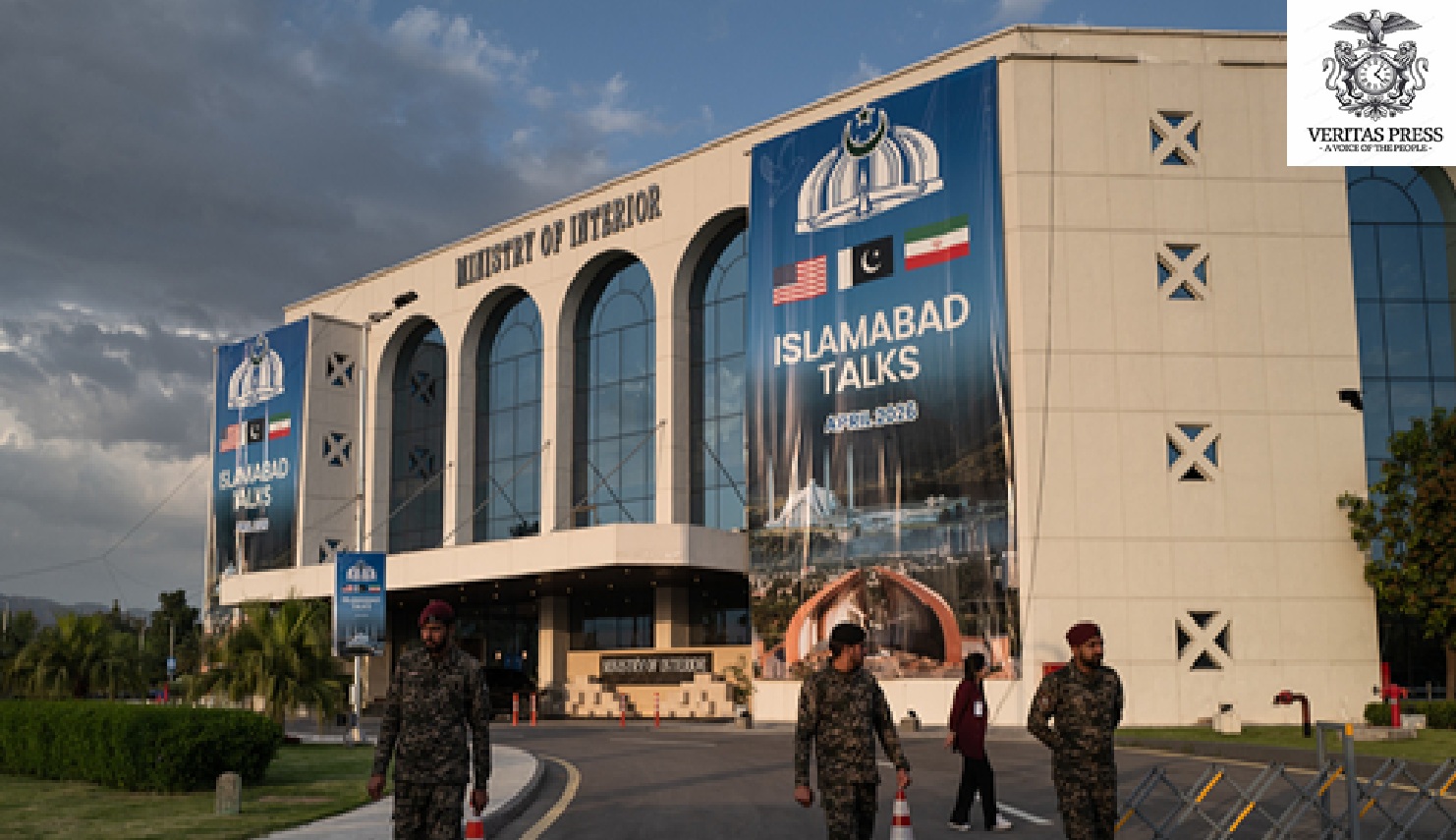
The February 28 attack was a joint U.S.-Israeli operation that Israeli Defence Minister Israel Katz described as a “preemptive strike” aimed at “eliminating” the Iranian threat. Iran retaliated with waves of missiles and drones toward Israel and U.S. interests, and within weeks, Tehran had closed the Strait of Hormuz, through which a fifth of global oil passes. A ceasefire took effect on April 8 through Pakistani mediation, but talks in Islamabad collapsed. Since April 13, the U.S. has enforced a naval blockade on Iranian maritime traffic; a subsequent framework deal reached in Islamabad in June was, in Qalibaf’s own telling, structured in two stages precisely because Tehran anticipated Washington would not honour its commitments.
The human cost has been staggering. Amnesty International’s preliminary investigation pointed to U.S. responsibility for a strike on a girls’ school in Minab that killed nearly 170 students and staff, with Human Rights Watch and independent analysts concurring that the evidence was consistent with a U.S.-launched missile. More than 200 organisations, including Amnesty and Human Rights Watch, issued a joint letter condemning then-President Donald Trump’s threat that “a whole civilisation will die tonight” if his demands were unmet. The war has also expanded beyond the Middle East: Qalibaf’s warning that any response would disregard “geographical limitations” aligns with earlier Iranian military statements that U.S. aggression would “spread war beyond West Asia”.
Diplomacy As A Pressure Valve, Not A Path To Peace
The “firm and rational response” Qalibaf referenced is a revised seven-stage proposal that Foreign Ministry spokesman Esmaeil Baqaei said could be implemented within two days. Its terms are precise: the U.S. must end its naval blockade, lift new sanctions, release frozen Iranian assets, and waive restrictions on Iranian oil sales before Iran would reopen the Strait of Hormuz and discuss the nuclear file. Trump rejected the original seven-step plan in September, and Qatari-mediated talks in early November ended without a breakthrough.
The two-day timeline is less a diplomatic breakthrough than a pressure tactic. “The ball is now in the U.S. court,” Baqaei said, but he also acknowledged that “there is currently no trust between Tehran and Washington,” accusing the U.S. of repeatedly undermining agreements. Iranian sources told The Express Tribune that a new U.S. attack was still considered more likely than a deal. Meanwhile, China and Russia both spoke out against renewed military action, with Beijing’s Foreign Minister Wang Yi calling for “political solutions rather than resorting to arms again”. The diplomatic track, in other words, is being kept alive not because either side believes in it, but because the alternative, a resumption of full-scale war, carries unacceptable risks for both.
The Domestic Front: Cohesion As A Euphemism For Control
Qalibaf’s emphasis on “national cohesion” as Iran’s “strongest weapon” deserves scrutiny. In April, he claimed that seven million Iranians had volunteered to defend the country, a figure whose provenance remains unclear but which was amplified through state media and SMS campaigns; the Basij militia, according to the Associated Press, began recruiting children as young as twelve. Yet the same reporting found that in Tehran, ordinary citizens were not clamouring for war but worrying about the destruction of power plants and civilian infrastructure. The official mobilisation narrative and the popular anxiety it is meant to suppress coexist in the same sentence.
The economic reality is equally stark. Israel’s Makor Rishon reported in late October that Iranians’ purchasing power had collapsed by 90% and food prices had surged by 128%, with families forced to buy meat on credit. The Iranian International Transport Association said 3,700 trucks were queued at the Turkish border, with waits of up to twenty days; food inflation had reached 128% the previous month. Qalibaf himself acknowledged the crisis in the economic portion of Tuesday’s speech, calling for urgent market oversight and parliamentary action on the “week-long queues” of export and import trucks at border crossings, warning that the delays were damaging Iran’s export markets and commercial credibility. The speaker who promised an “unpredictable” response to foreign enemies was, in the same breath, pleading with domestic regulators to address the predictable failure of the border economy.
The Information War: A Silenced Press And A Manufactured Narrative
No critical analysis of Qalibaf’s speech is complete without accounting for the conditions under which it was reported. Since the January 2026 nationwide protests and the February 28 attacks, nearly all independent media in Iran have ceased operations or been restricted to state-approved information. An internet blackout, reinstated four weeks before the International Federation of Journalists’ March report, has made independent reporting from inside the country nearly impossible. At least nineteen journalists remain detained, including photojournalist Yalda Moaiery, sentenced in absentia to fifteen years for photographing the U.S.-Israeli offensive. Reporters Without Borders ranks Iran 177th out of 180 countries for press freedom.
The speeches, the warnings, the “unpredictable response” doctrine, all of it circulates through a media ecosystem in which dissenting voices have been criminalised, and foreign reporting is treated as espionage. When Qalibaf declares that “the era of excessive demands is over,” the claim is delivered to a domestic audience that has been systematically deprived of alternative sources of information about the war’s costs, the state of the negotiations, and the true extent of the military’s readiness. The “national cohesion” he invokes is not a spontaneous popular sentiment but a condition that has been enforced through censorship, detention, and the threat of prosecution.
A Doctrine Of Uncertainty, Built On A Foundation Of Fragility
The strategic logic of “unpredictable response” is, in one sense, coherent: a weaker power facing a stronger adversary benefits from ambiguity about the scope and nature of its retaliation. By refusing to specify what it would do or where, Iran hopes to raise the cost of any U.S. miscalculation beyond what Washington is willing to bear. The doctrine also serves a domestic political function, projecting resolve at a moment when the regime’s economic mismanagement and repressive apparatus are generating quiet, persistent discontent.
But the doctrine is also a confession. A state that possesses robust, overwhelming deterrent capabilities does not need to promise an “unpredictable” response; it can afford to be predictable. The emphasis on unpredictability, on the destruction of “material and non-material assets,” on a response unbound by “geographical limitations” all of this signals a leadership that believes its conventional deterrence has been degraded and that its survival depends on the threat of escalation it may not fully control. The war that began on February 28 has not ended; it has merely entered a phase in which Tehran is trying to convert the threat of renewed violence into diplomatic leverage while managing a home front that is buckling under the weight of sanctions, blockade, and its own authoritarian habits.
The ball may be in America’s court, as Qalibaf said. But the court itself, the diplomatic, economic, and informational terrain on which this confrontation is being played, has been shaped by eight months of war that have left Iran’s people paying “an extremely heavy price,” in Mohammadi’s words, while its leaders speak of cohesion, readiness, and an unpredictable future they may not be able to deliver.
The “unpredictable response” doctrine Qalibaf unveiled in the Majlis is best understood not as a confident assertion of military strength but as a strategic confession. A state that possessed overwhelming, reliable deterrent power would have no need to promise that its retaliation would be “unpredictable,” unbounded by geography, and aimed at the enemy’s “material and non-material assets.” Such language is the currency of a leadership that believes its conventional deterrence has been degraded and that its survival now depends on the threat of escalation it may not fully control. The war that began on February 28 has not ended; it has merely entered a phase in which Tehran is attempting to convert the spectre of renewed violence into diplomatic leverage while managing a home front that is buckling under the combined weight of sanctions, blockade, and its own authoritarian habits.
That home front is where the rhetoric collides with reality. Qalibaf’s appeal to “national cohesion” as Iran’s “strongest weapon” is not a description of organic solidarity but a euphemism for control. The seven million volunteers he claims have rallied to the flag exist in a media environment ranked 177th out of 180 for press freedom, where independent outlets have been shuttered, at least nineteen journalists remain detained, and an internet blackout has made independent reporting from inside the country nearly impossible. Nobel laureate Narges Mohammadi, speaking from Evin Prison, described a population with “no room to breathe”, a population that, according to field reports, is less concerned with the geopolitics of the Strait of Hormuz than with the destruction of power plants and the collapse of purchasing power. The speaker who warned Washington of a “new battlefield” was, in the same session, pleading with domestic regulators to address week-long queues of trucks at border crossings and food inflation that has reached 128%. The “era of excessive demands” may be over for America, but for Iranian families, the era of buying meat on credit has just begun.
The diplomatic track Qalibaf described, a revised seven-stage proposal implementable within two days, is similarly double-edged. It is kept alive not because either side believes in it, but because the alternative carries unacceptable risks. The two-day timeline is a pressure tactic, not a peace plan; the “firm and rational response” is a demand for sanctions relief and asset releases that Washington has repeatedly rejected. The ball may be in America’s court, as Qalibaf said, but the court itself, the diplomatic, economic, and informational terrain on which this confrontation is being played, has been shaped by eight months of war that have left Iran’s people paying an extremely heavy price while its leaders speak of cohesion, readiness, and an unpredictable future they may not be able to deliver. The greatest unpredictability in this crisis may not be Iran’s military response to a U.S. miscalculation, but whether a regime that has silenced its critics, rationed its citizens’ access to information, and staked its legitimacy on external confrontation can manage the internal fractures that its own war rhetoric has helped to deepen.
Veritas Press Investigative Analysis Independent journalism examining global affairs, power, diplomacy, and accountability.
Source:Veritas Press C.I.C. | Multi-News Agencies
Help Support Our Work
Readers who believe that truth still matters have power over popular information. When just a few more people step up to support this work, it means more lies exposed, more corruption uncovered, and more accountability where it’s long overdue.
Help Protect Independent Journalism, Which Is Currently Under Attack.
If you believe journalism should serve the public, not the powerful, and you’re able to help, becoming a regular DONOR or a PAID SUBSCRIBER truly makes a difference.
DONATION APPEAL: If you found this reporting valuable, please consider supporting independent journalism.
Your support fuels our fearless, truth-driven journalism. In unity, we endeavour to amplify marginalised voices and champion justice, irrespective of geographical location. We operate independently, with no financial backing from billionaires; our readers support us.
But it’s also extremely important. One of Veritas Press’s greatest assets is its reader-funded model.
1. Reader funding means we can cover what we like. We’re not beholden to the political whims of a billionaire owner. We are a small, independent and impartial organisation. No one can tell us what not to say or what not to report.
2. Reader funding means we don’t have to chase clicks and traffic. We’re not desperately seeking your attention for its own sake; we pursue the stories that our editorial team deems important and believes are worthy of your time.
3. Reader Funding: enables us to keep our website and other social media channels open, allowing as many people as possible to access quality journalism from around the world, particularly those in places where the free press is under threat.
We know not everyone can afford to pay for news, but if you’ve been meaning to support us, now’s the time.
Your donation goes a long way. It helps us:
Keep the lights on and sustain our day-to-day operations
Hire new, talented, independent reporters
Launch real-time live debates, community-focused shows, and on-the-ground reporting
Cover the issues that matter most to our communities, in real time, with depth and integrity
Without your support, independent voices like ours will be silenced.
Furthermore, we have plans to expand our work, but we can’t do it without your support. Every contribution, no matter the size, helps us stay independent and build a truly people-powered media platform.
If you believe in journalism that informs, empowers, and reflects the communities we serve, please donate today.
Submissions
For the safe submission of documentation, testimonies, or exclusive investigative reports from anywhere in the world, please use the following contact details for our Investigations Desk: mailto:enquiries@veritaspress.co.uk or mailto:editor@veritaspress.co.uk.
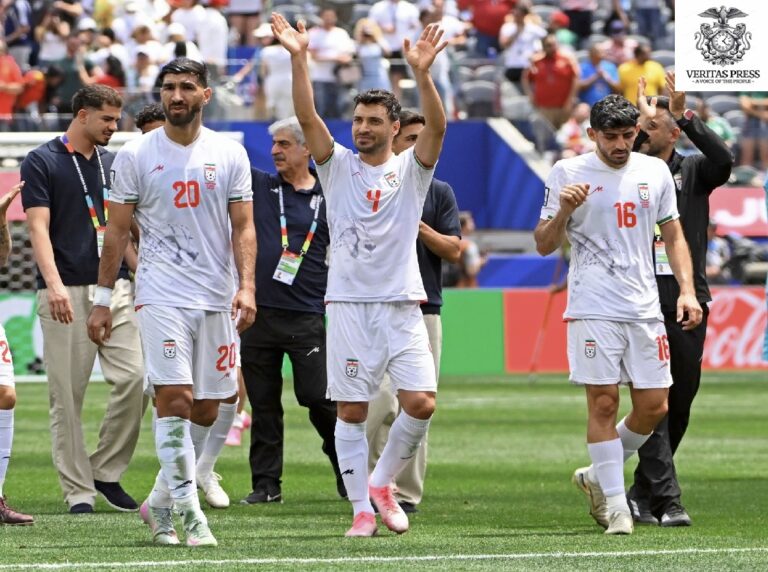
SEATTLE, TEHRAN — The U.S. Department of Homeland Security (DHS) will allow Iran’s national football team to enter the country 48 hours before their critical World Cup match against Egypt on Friday, a modest concession in a tournament where Team Melli’s travel conditions have sparked claims of oppression and competitive disadvantage.