Kamran Faqir is a volunteer investigative journalist and writer committed to exposing hidden truths and amplifying underreported stories. Driven by social justice, he brings sharp insight and fearless truth-telling to independent journalism. NUJ registered.
Listen to this article
Help support our mission, donate today and be the change. Every contribution goes directly toward driving real impact for the cause we believe in.
Article Date Published:
Article Date Modified:
17 minutes
Views:100
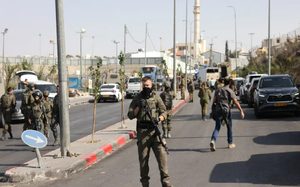
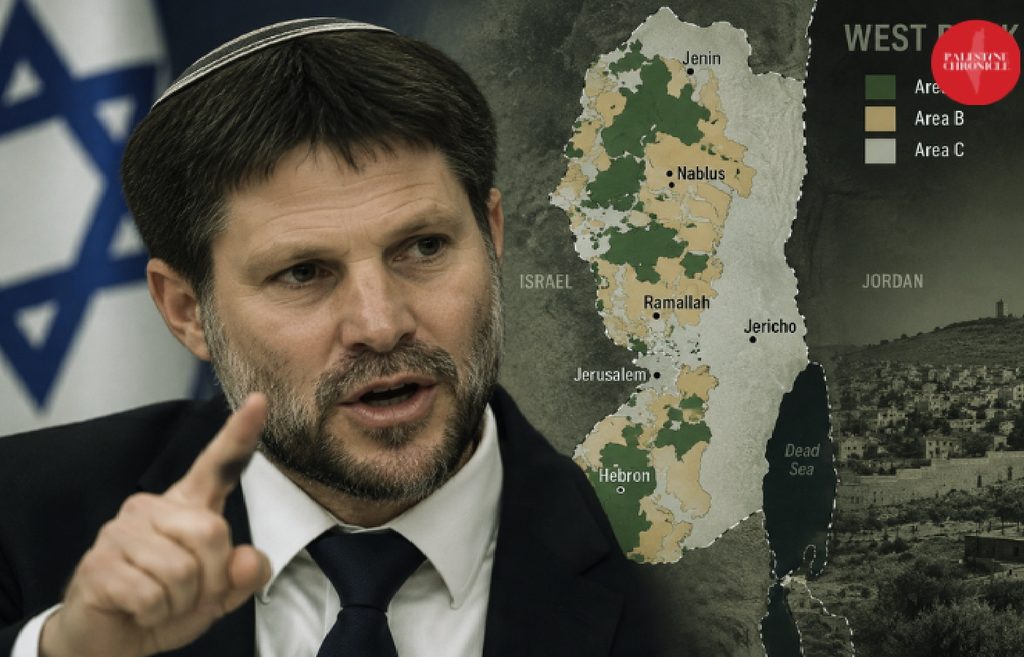
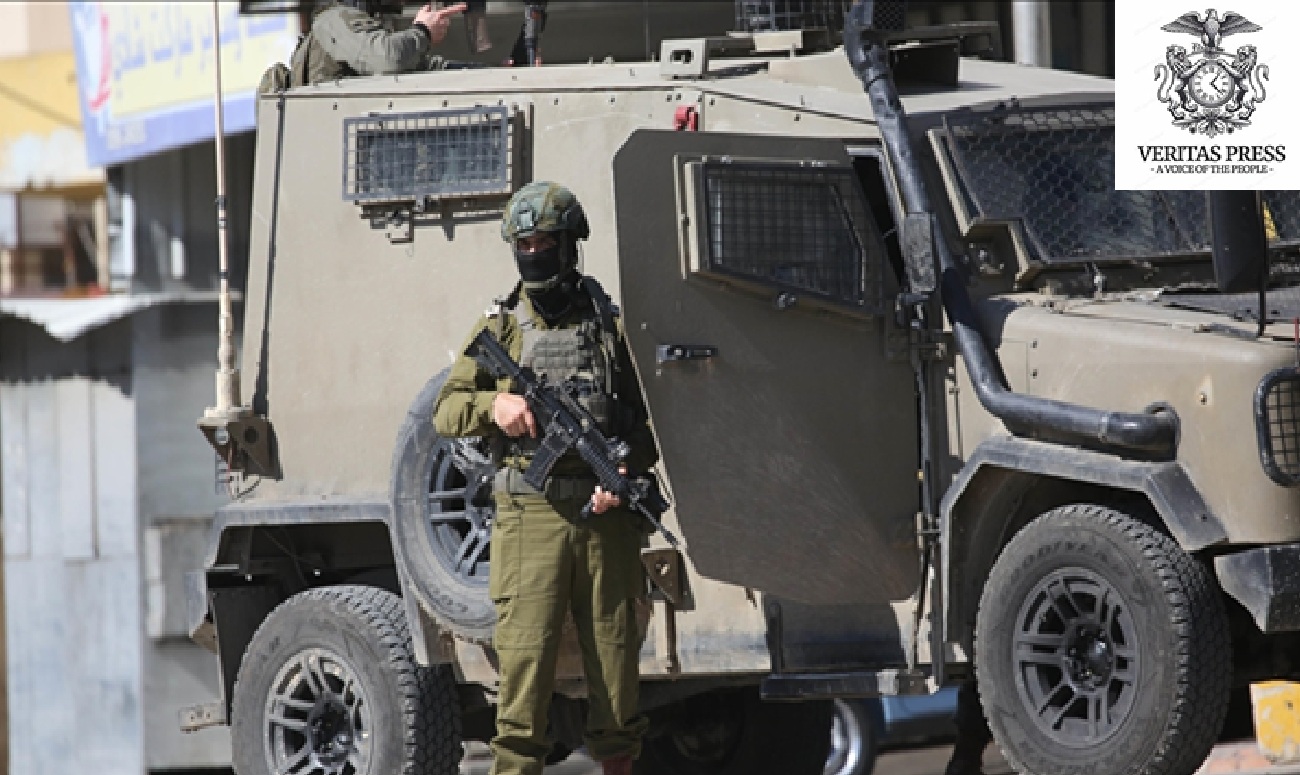
Israeli occupation forces demolished a Palestinian home in Qalqilya and seized residential properties in Al-Bireh and Burin, converting them into military barracks, as illegal Israeli settlers attacked homes, fired at vehicles and burned Palestinian vehicles across the occupied West Bank. The raids took place as Israelis voted in parliamentary elections Tuesday, following days of intensified military raids and restrictions across the territory.
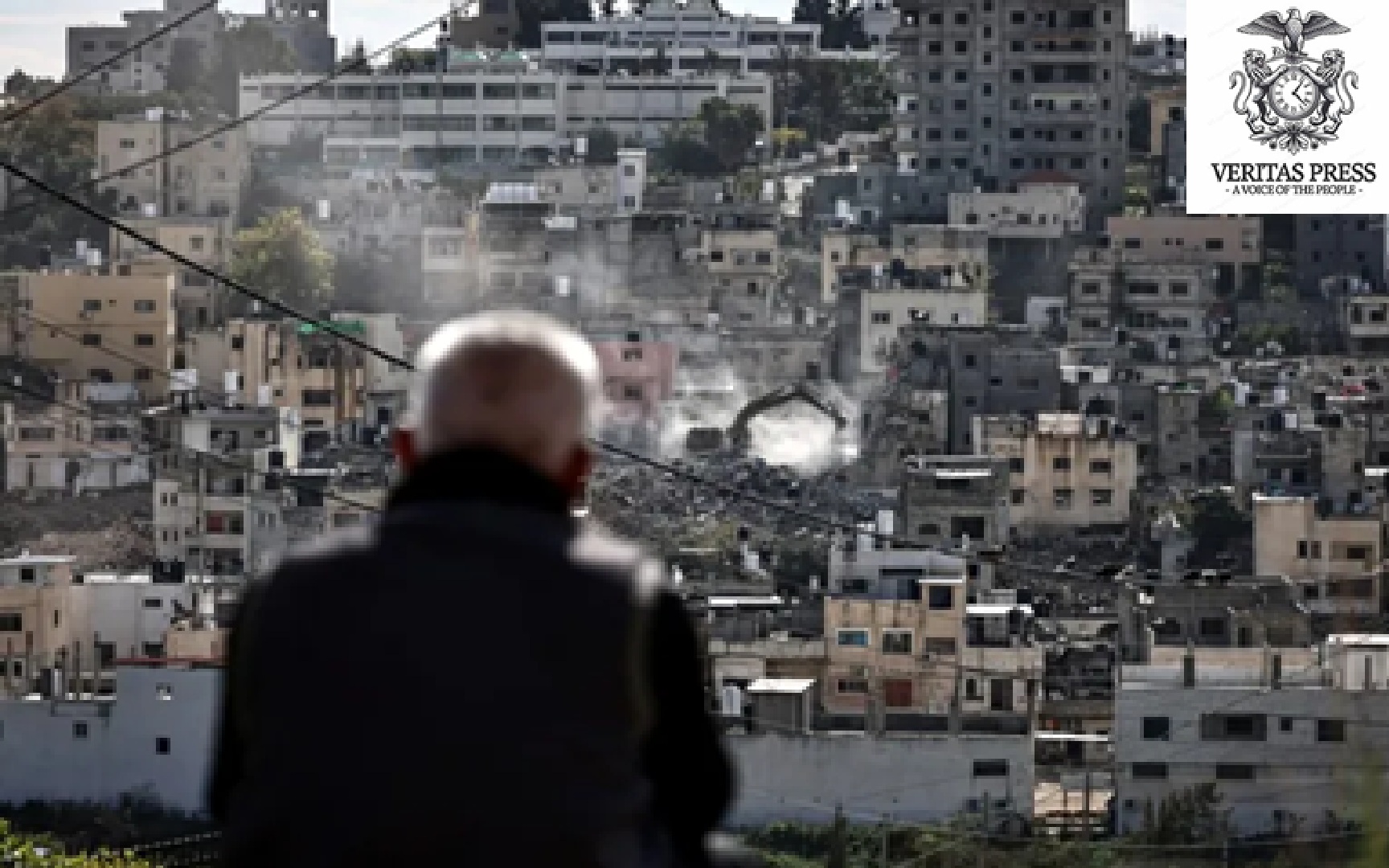
In Qalqilya’s Al-Naqqar neighbourhood, Israeli occupation forces demolished the Shihab family home, reducing it to rubble, according to Al Jazeera’s reporting. Troops also raided Azzun, east of Qalqilya, alongside incursions into Qaffin and Attil, north of Tulkarm, where they entered a Palestinian home.
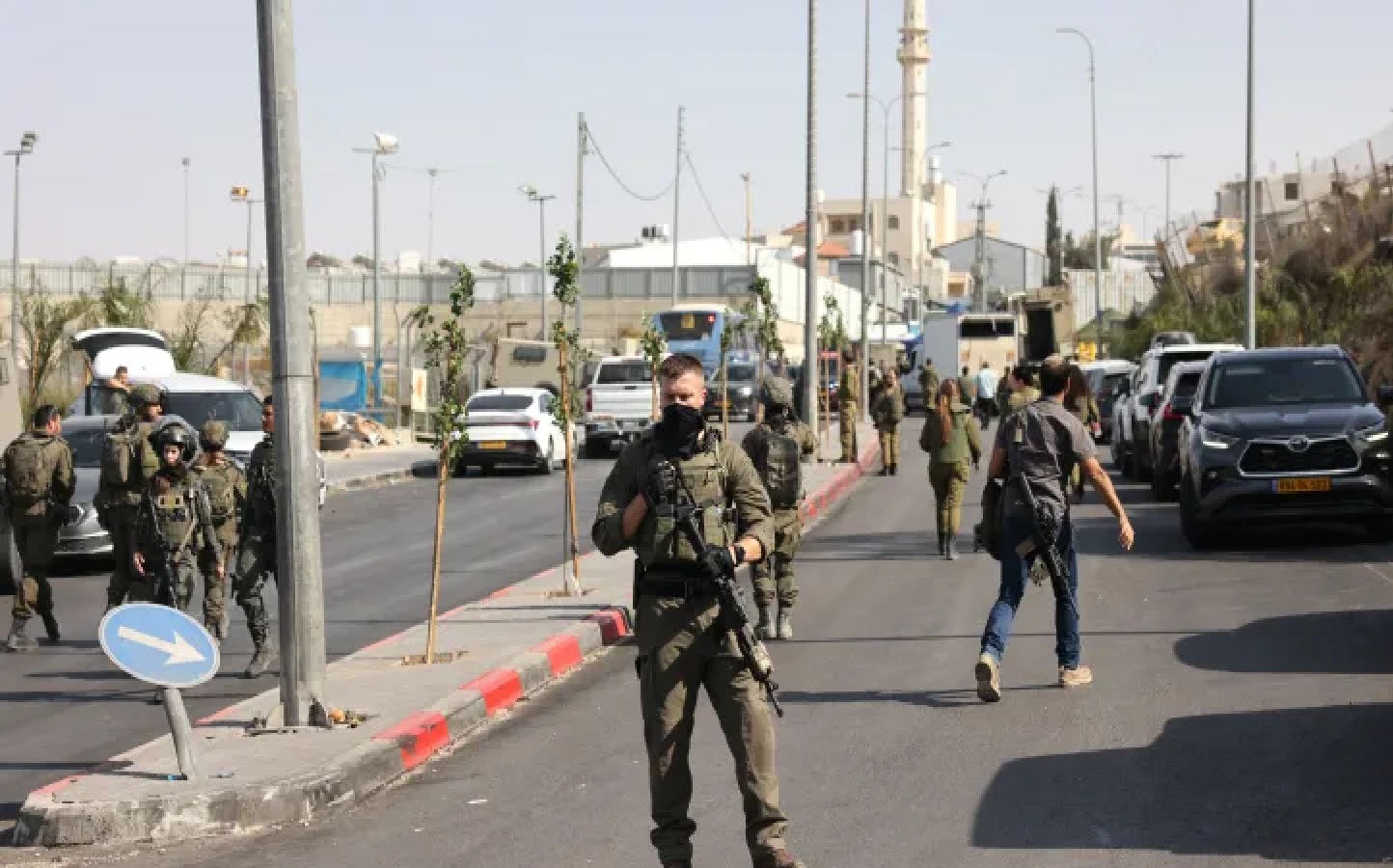
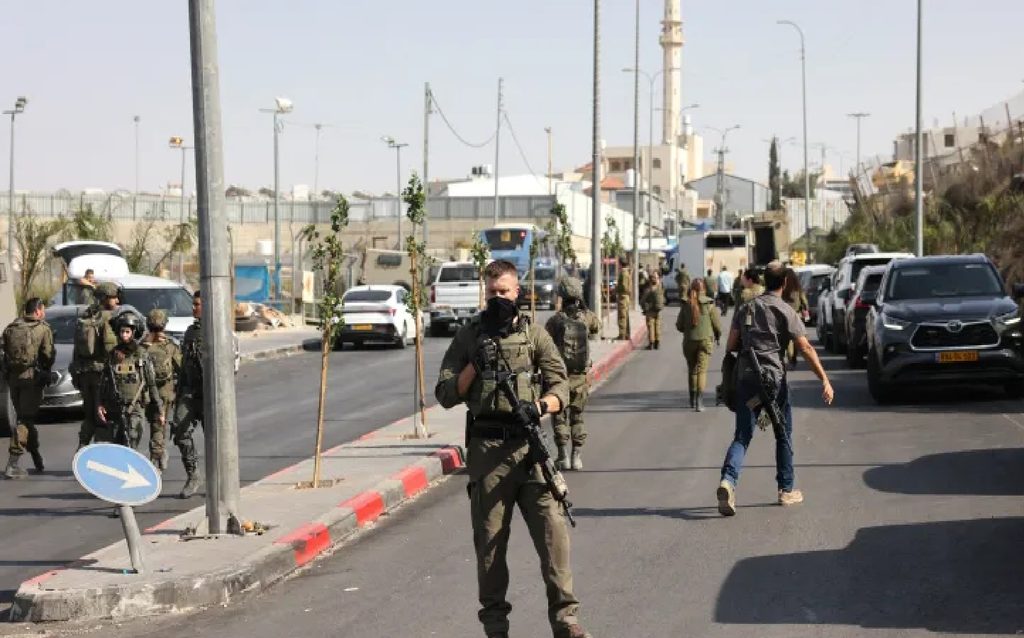
In Al-Bireh, Israeli occupation forces took over the home of Muhammad Ali Hamida near the DCO checkpoint and converted it into a military barracks, Al Jazeera reported. Four residents were detained inside, and their phones were confiscated from approximately 3 a.m. Another residential building was converted into a military barracks in Burin, south of Nablus.
Israeli forces also raided homes and carried out arrests in Qaryut, Awarta, Azmut, Salem, Tell and Sarra. Troops demolished memorials to Palestinians killed by Israeli forces in Rujeib, Madama and Azmut.
The demolitions and seizures are not isolated incidents. Taken together with the wider reporting from Hebron, Nablus, Jenin, Salfit and Ramallah, they describe a system in which demolitions, property seizures, settler attacks, mass arrests and movement restrictions reinforce one another. A home is destroyed in Qalqilya; a home is seized in Al-Bireh; a building is converted into barracks in Burin; families are displaced in Hebron; roads are closed; checkpoints multiply. Each measure has its own immediate rationale, but the cumulative effect is the fragmentation of Palestinian communities and the expansion of Israeli control over land and civilian space.
Israeli occupation forces demolished the Shihab family home in Qalqilya’s Al-Naqqar neighbourhood and converted Palestinian properties in Burin and Al-Bireh into military barracks, according to Al Jazeera.
Four residents were detained inside the Hamida home in Al-Bireh and their phones confiscated from about 3 a.m.
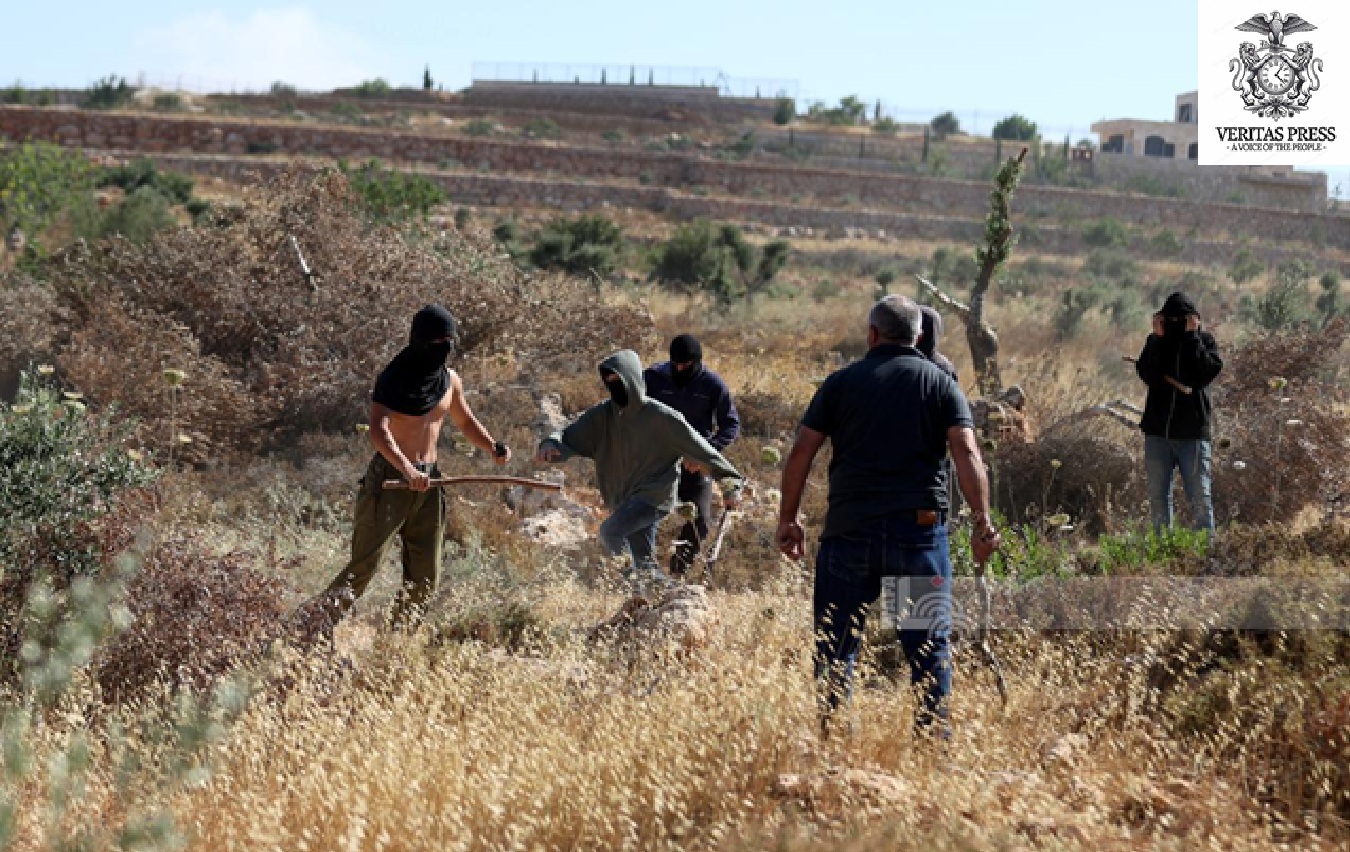
Illegal settlers attacked a home in Beita’s Jabal Al-Arma area, fired live ammunition toward vehicles and injured a young man in an attempted vehicle-ramming; settlers also burned a vehicle near Awarta and attacked Umm Safa, burning vehicles and painting hostile slogans, Al Jazeera reported.
Raids and arrests extended across the occupied West Bank, including Jenin, Salfit, Hebron and occupied Jerusalem, where Israeli forces fired tear gas in Al-Issawiya.
The attacks took place as Israelis voted in parliamentary elections Tuesday, following days of intensified military raids and restrictions across the occupied West Bank.
In Hebron, Wafa reported that Israeli forces used Palestinian homes as barracks and observation posts; Al Jazeera reported that 200 families were displaced from the al-Jalda neighbourhood.
The Israeli army said it raided 400 sites in the West Bank and detained dozens of Palestinians; Wafa reported that 13 Palestinians, including six children, were injured in attacks and raids.
Settler Attacks And The Election Context
Illegal Israeli Jewish settlers attacked a Palestinian home in Beita’s Jabal Al-Arma area, south of Nablus, and fired live ammunition toward vehicles as residents confronted them, according to Al Jazeera. A young man was injured in an attempted vehicle ramming during the attack.
In a separate incident, illegal settlers set fire to a Palestinian vehicle near Awarta. Further south, illegal settlers attacked Umm Safa, northwest of Ramallah, burning vehicles and painting hostile slogans. Israeli occupation forces simultaneously raided homes in Al-Mughayyir, northeast of Ramallah.
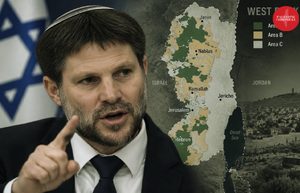
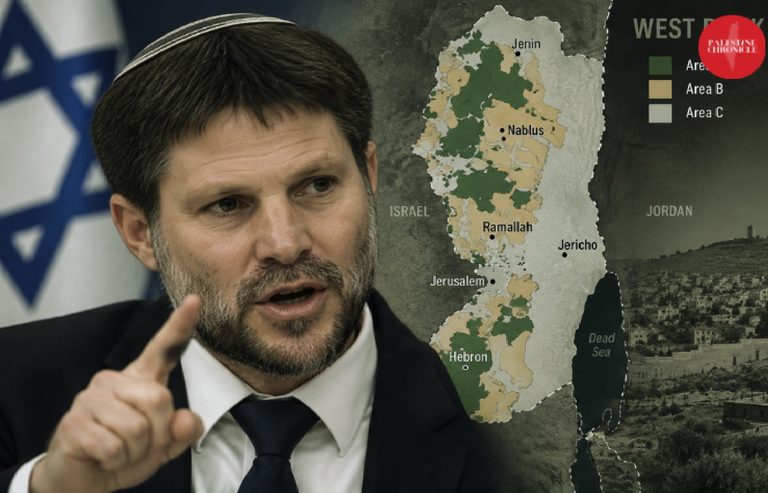
The attacks took place as Israelis voted in parliamentary elections Tuesday, following days of intensified military raids and restrictions across the occupied West Bank. The timing is politically significant. Far-right National Security Minister Itamar Ben-Gvir responded to the killing of two Israeli soldiers by calling for Israel to take full control of the West Bank, where the Israeli government has been encouraging settlement construction. All Israeli settlements, including the Telem settlement, are illegal under international law.
The reporting does not establish direct coordination between settlers and soldiers in every incident, but it does show that settler attacks and military raids occurred concurrently in multiple locations, including Beita, Awarta, Umm Safa and Al-Mughayyir. That concurrency is central to the investigative question: how settler violence and military restriction operate together to displace Palestinians and alter facts on the ground.
Raids And Arrests Across The West Bank
In Jenin governorate, Israeli occupation forces entered Arraba, Anin, Jaba, Mithlon and Qabatiya, searching Palestinian homes. Occupation troops arrested Muhammad Luqman Rabay’a during the raid on Mithlon. A large incursion into Qabatiya included raids on several homes.
In Salfit governorate, Israeli occupation forces entered Al-Zawiya and established a checkpoint.
Further south, occupation forces stormed the Al-Ja’bari neighbourhood and southern parts of Hebron, conducting raids that damaged property. Three young men were detained after being assaulted during an incursion into Ain Deir Baha. Troops also raided the home of Muhammad Al-Ja’ba, who was killed by Israeli forces, in Dura’s Karisa neighbourhood, alongside homes belonging to released prisoners. Additional military reinforcements were deployed toward Tafuh, west of Hebron.
In occupied Jerusalem, Israeli occupation forces fired tear gas during a raid on Al-Issawiya.
Hebron: Homes As Barracks, Families Displaced
The raids in Hebron form part of a broader military operation that has displaced hundreds of families and turned civilian homes into military positions. Israeli forces turned Palestinian homes into barracks and observation posts after forcing residents to leave the city on Saturday, the second day of a military operation in the southern occupied West Bank, Wafa reported, citing sources. Troops took over homes in the Khallat Manna and Dahiyat al-Zaytoun areas of southern Hebron to be used as barracks, and forced residents from homes in other neighbourhoods and used the properties as observation posts.
Al Jazeera’s Nour Odeh, reporting from Birzeit in the occupied West Bank, described “a very tough night” for residents of the al-Jalda neighbourhood in Hebron, where 200 families were forcibly displaced from their homes. “They carried small bags of clothes with them but did not have time to take any other belongings,” Odeh said. “The municipality of Hebron has set up temporary shelters, but it remains unclear how long the families will be displaced.”
The Israeli army said late Friday that its operation in Hebron would last “for several days,” but Palestinians fear it could continue much longer. Odeh said Israeli Prime Minister Benjamin Netanyahu’s pledge to replicate what he described as the successful model in Tulkarem and Jenin refugee camps has led to fears of months of displacement and the possible loss of homes to large-scale demolitions.
Israeli bulldozers demolished a three-storey building in Hebron, with families given five minutes to collect their belongings. Israeli forces also ordered hundreds of Palestinian families to forcibly evacuate their homes in the Ein Deir Bahha area of Hebron and its surroundings. Israeli troops surrounded the home of one of the suspects in the shooting attack that killed two Israeli soldiers in Hebron.
Near Bethlehem, Israeli forces blocked dirt roads leading to the town of Tuqu and fired tear gas and stun grenades toward Palestinian vehicles travelling along rough alternative routes, Wafa reported, citing Palestinian security sources. The agency said ongoing closures across Bethlehem and surrounding towns and villages left Palestinians depending on unpaved roads to travel between communities. Israeli forces sealed off Hebron and nearby Halhul on Friday after two Palestinians attacked an Israeli checkpoint. Two Israeli soldiers were killed and three others wounded, while Israeli forces killed both attackers, according to Israeli figures.
Lockdown: Nearly 1,000 Checkpoints And “A Small Prison”
The lockdown followed Netanyahu’s announcement of a full closure of the occupied West Bank after the attack that killed two Israeli soldiers. Al Jazeera correspondents reported that at least 15 towns in the north were targeted on Saturday, including Nablus, Jenin, Tubas and Qalqilya. In the southern occupied West Bank, clashes broke out Saturday morning between Israelis and Palestinians in the Dura area of Hebron, Israel’s Walla news outlet reported.
In Nablus, Israeli forces carried out arrests and raided Palestinian homes in the villages of Jalud and Qaryut. Arrests were also reported in Arrabeh and Burqin, near Jenin, while Israeli forces entered Tubas and the nearby town of Aqqaba. Further east, Israeli forces entered Jericho and the nearby Aqabat Jabr refugee camp.
“Across the wider occupied West Bank, villages and towns are completely isolated because roads and checkpoints between Palestinian communities have been closed,” Odeh said. With the lockdown, nearly 1,000 checkpoints and gates across the West Bank will be closed, affecting millions of Palestinians.
The Palestinian Authority warned of the danger of the “ongoing Israeli escalation” and called on the “international community to intervene urgently.” Hamas said in a statement that the “campaigns and escalations carried out by the occupation and its criminal settlers against our people will only fuel further outrage.”
Mustafa Barghouti, secretary-general of the Palestinian National Initiative party, said incitement from far-right Israeli ministers is making the situation worse. The closure turns every city and village into “a small prison,” with checkpoints and gates blocking healthcare, the economy and education, he told Al Jazeera. He warned that collective punishment “will lead to explosions.”
Investigative Analysis: The Pattern Is The Story
The reporting, taken together, describes more than a series of disconnected raids. It describes a system in which demolitions, property seizures, settler attacks, mass arrests and movement restrictions reinforce one another. The use of Palestinian homes as barracks and observation posts is particularly significant. It turns civilian neighbourhoods into military infrastructure, exposes residents to greater risk and makes displacement harder to reverse. The fact that families were given five minutes to collect belongings in some cases, and that 200 families were displaced from al-Jalda, underscores the coercive speed of the operation.
Under international humanitarian law, parties to a conflict must distinguish between civilians and civilian objects, and forced displacement and collective punishment are prohibited. The reporting does not explain the specific legal basis for the Qalqilya demolition or the Al-Bireh and Burin seizures. An investigative follow-up would need demolition orders, military requisition notices, court records, hospital records for the injured, and testimony from the Shihab family, the four residents detained in Al-Bireh, and families displaced from al-Jalda and Ein Deir Bahha.
The Israeli army said it raided 400 sites in the West Bank and detained dozens of Palestinians. Wafa reported that 13 Palestinians, including six children, were injured in attacks and raids by Israeli forces. Those figures should be independently verified and updated, but they point to the scale of the operation and its impact on civilians.
Media, Verification And What Remains Unanswered
This reconstruction relies on reporting from Al Jazeera, Wafa, Walla and Israeli military statements. Direct quotes are limited to those in the source material, including Odeh, Barghouti, the Palestinian Authority, Hamas, Netanyahu and Ben-Gvir. Some claims, such as the specific reason for the Qalqilya demolition, the legal basis for the Al-Bireh and Burin seizures, and the exact number of displaced families, were not fully explained in the source reporting. An investigative follow-up should seek demolition orders, military requisition notices, court records, hospital records for the injured, and testimony from the Shihab family, the four residents detained in Al-Bireh, and families displaced from al-Jalda and Ein Deir Bahha.
What the reporting does make clear is that the lockdown and raids have created a climate of fear and isolation. “Villages and towns are completely isolated,” Odeh said. Barghouti warned that collective punishment “will lead to explosions.” The Palestinian Authority called for urgent international intervention. Hamas said the escalation “will only fuel further outrage.” These statements are not neutral commentary; they are part of the political struggle over how the world understands what is happening in the West Bank. But they also point to a concrete reality: nearly 1,000 checkpoints and gates, displaced families, demolished homes, burned vehicles and detained residents.
The story of the West Bank raids is therefore not only a security story. It is a story about land, displacement, legal impunity and the architecture of control. And in the accounts of families given minutes to leave their homes, it is also a story about the human cost of a lockdown that turns cities and villages into what one Palestinian leader called “a small prison.”
Conclusion: The Architecture Of Displacement
The evidence assembled here does not describe a series of isolated raids. It describes a system. A home is demolished in Qalqilya. A home is seized in Al-Bireh. A building is converted into barracks in Burin. Families are displaced from al-Jalda and Ein Deir Bahha. Roads are closed. Checkpoints multiply. Settlers burn vehicles in Beita, Awarta and Umm Safa while soldiers raid Al-Mughayyir. Each measure has its own immediate pretext, a demolition order, a military necessity, a security incident, but the cumulative effect is unmistakable: the fragmentation of Palestinian communities, the transfer of civilian space into military infrastructure, and the expansion of Israeli control over land and lives.
What makes this pattern investigative is not the individual incident but the concurrence. Settler attacks and military raids did not happen in separate universes. They happened simultaneously, in multiple locations, on the same day, as Israelis voted. The reporting does not prove coordination in every case. But it does establish that settler violence and military restriction operate in the same political atmosphere, reinforce the same fears, and produce the same result: Palestinians leave their homes, their land is seized, and the space available to them shrinks. This represents the framework of forced displacement coupled with government-approved terrorism. It does not require a single order. It requires impunity, speed and the absence of accountability.
The pattern also supports the charge made by Palestinian officials and activists that “the whole demolition [sic] is systematic and sanctioned by the Zionist regime.” That phrase is a political characterisation, not a legal finding, and it should be attributed and tested against evidence, demolition orders, requisition notices, court records and military statements, rather than adopted as neutral journalistic language. But the reporting does show why that charge carries force: demolitions, seizures and displacement are not random. They recur across locations, follow similar methods, and are carried out by state forces or tolerated by them.
The legal questions are not peripheral. Under international humanitarian law, forced displacement and collective punishment are prohibited. The use of civilian homes as barracks and observation posts blurs the distinction between civilians and combatants and exposes residents to greater risk. The demolition of the Shihab home and the seizure of the Hamida home raise basic questions: What was the legal basis? Was there a demolition order? Was there a requisition notice? Were the four detainees in Al-Bireh given access to lawyers? Were their phones confiscated lawfully? The supplied reporting does not answer these questions. That silence is itself a finding. It reflects the asymmetry of information in the West Bank, Palestinians are displaced in minutes, but the legal paperwork that justifies it is rarely produced for public scrutiny.
The timing is equally telling. The raids and lockdown came as Israelis voted, after far-right ministers called for full Israeli control of the West Bank. The reporting does not establish that the operation was timed to influence the election, but it does show that escalation was politically useful to those who advocate permanent control. The fact that nearly 1,000 checkpoints and gates can be closed, that 15 towns can be raided in a single day, and that 200 families can be displaced from one neighbourhood in one night, these are not signs of a security emergency. They are signs of a system that is prepared, resourced and willing to impose collective punishment on millions of people.
The international community’s response, or lack of it, completes the picture. The Palestinian Authority called for urgent intervention. Hamas warned of further outrage. Barghouti warned that collective punishment “will lead to explosions.” These are political statements, but they point to a concrete reality: a lockdown that turns cities and villages into what one Palestinian leader called “a small prison” is not sustainable. It does not produce security. It produces anger, isolation and the conditions for more violence. And it does so while the world watches in silence, issues hollow statements, and does not act.
The story of Palestine, the West Bank, and the OPT raids is thus more than just a security narrative, filled with complex historical echoes. It is a story about land theft, legal impunity, displacement, genocide, ethnic-cleansing, political calculation and the architecture of control. It is a story about families given five minutes to collect their belongings, about homes turned into barracks, about vehicles burned while soldiers raid nearby villages. And it is a story about the gap between what is reported and what can be verified, a gap that journalists, investigators and international bodies must close before the next demolition order is signed, the next family is displaced, and the next “small prison” is built.
Veritas Press Investigative Analysis Independent journalism examining global affairs, power, diplomacy, and accountability.
Source:Veritas Press C.I.C. | Multi-News Agencies
Help Support Our Work
Readers who believe that truth still matters have power over popular information. When just a few more people step up to support this work, it means more lies exposed, more corruption uncovered, and more accountability where it’s long overdue.
Help Protect Independent Journalism, Which Is Currently Under Attack.
If you believe journalism should serve the public, not the powerful, and you’re able to help, becoming a regular DONOR or a PAID SUBSCRIBER truly makes a difference.
DONATION APPEAL: If you found this reporting valuable, please consider supporting independent journalism.
Your support fuels our fearless, truth-driven journalism. In unity, we endeavour to amplify marginalised voices and champion justice, irrespective of geographical location. We operate independently, with no financial backing from billionaires; our readers support us.
But it’s also extremely important. One of Veritas Press’s greatest assets is its reader-funded model.
1. Reader funding means we can cover what we like. We’re not beholden to the political whims of a billionaire owner. We are a small, independent and impartial organisation. No one can tell us what not to say or what not to report.
2. Reader funding means we don’t have to chase clicks and traffic. We’re not desperately seeking your attention for its own sake; we pursue the stories that our editorial team deems important and believes are worthy of your time.
3. Reader Funding: enables us to keep our website and other social media channels open, allowing as many people as possible to access quality journalism from around the world, particularly those in places where the free press is under threat.
We know not everyone can afford to pay for news, but if you’ve been meaning to support us, now’s the time.
Your donation goes a long way. It helps us:
Keep the lights on and sustain our day-to-day operations
Hire new, talented, independent reporters
Launch real-time live debates, community-focused shows, and on-the-ground reporting
Cover the issues that matter most to our communities, in real time, with depth and integrity
Without your support, independent voices like ours will be silenced.
Furthermore, we have plans to expand our work, but we can’t do it without your support. Every contribution, no matter the size, helps us stay independent and build a truly people-powered media platform.
If you believe in journalism that informs, empowers, and reflects the communities we serve, please donate today.
Submissons
For the safe submission of documentation, testimonies, or exclusive investigative reports from anywhere in the world, please use the following contact details for our Investigations Desk: mailto:enquiries@veritaspress.co.uk or mailto:editor@veritaspress.co.uk.
SEATTLE, TEHRAN — The U.S. Department of Homeland Security (DHS) will allow Iran’s national football team to enter the country 48 hours before their critical World Cup match against Egypt on Friday, a modest concession in a tournament where Team Melli’s travel conditions have sparked claims of oppression and competitive disadvantage.