




Author:
Byline: Investigative Desk
Help support our mission, donate today and be the change. Every contribution goes directly toward driving real impact for the cause we believe in.
As Israeli warplanes, artillery, and white phosphorus shells pound the Ali al-Taher heights and civilians are killed in Ansar and Deir ez-Zahrani, the June truce is revealed as a thin cover for creeping occupation. Netanyahu’s unilateral “Yellow Line” is quietly redrawing Lebanon’s southern border, Hezbollah’s drones are testing Israel’s deterrent, and a Lebanese government caught between disarmament demands and Israeli violations faces a US-brokered framework already hollowed out by its own contradictions.
BEIRUT / NABATIEH — The olive groves and limestone ridges of the Nabatieh Governorate have become the epicentre of a dangerous new phase in the conflict between Israel and Hezbollah, one characterised not by the thunder of a full-scale war, but by the creeping, systematic violence of a “post-ceasefire” reality that is testing the limits of a US-brokered framework and threatening to collapse Lebanon back into chaos.
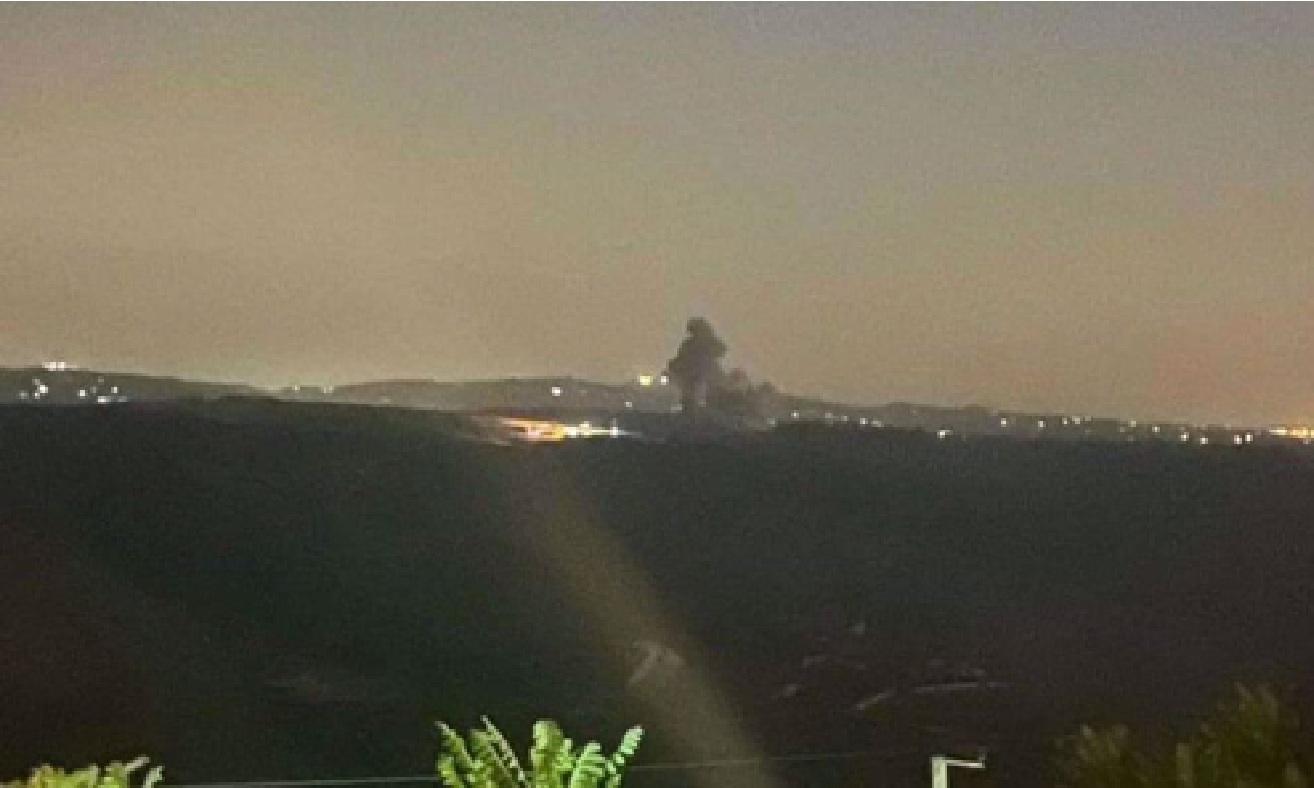
In the pre-dawn darkness of Saturday morning, as the muezzins of Nabatieh al-Fawqa prepared for the first call to prayer, the sky above the strategic Ali al-Taher Ridge ignited. According to reports from Al Mayadeen and corroborated by local residents, Israeli warplanes struck the area between Ali al-Taher and al-Dabsha, while artillery units unleashed a barrage that included phosphorus shells, a weapon whose use in civilian areas is prohibited under international humanitarian law when employed for anything other than smoke screening, and which causes horrific, deep-burning injuries.
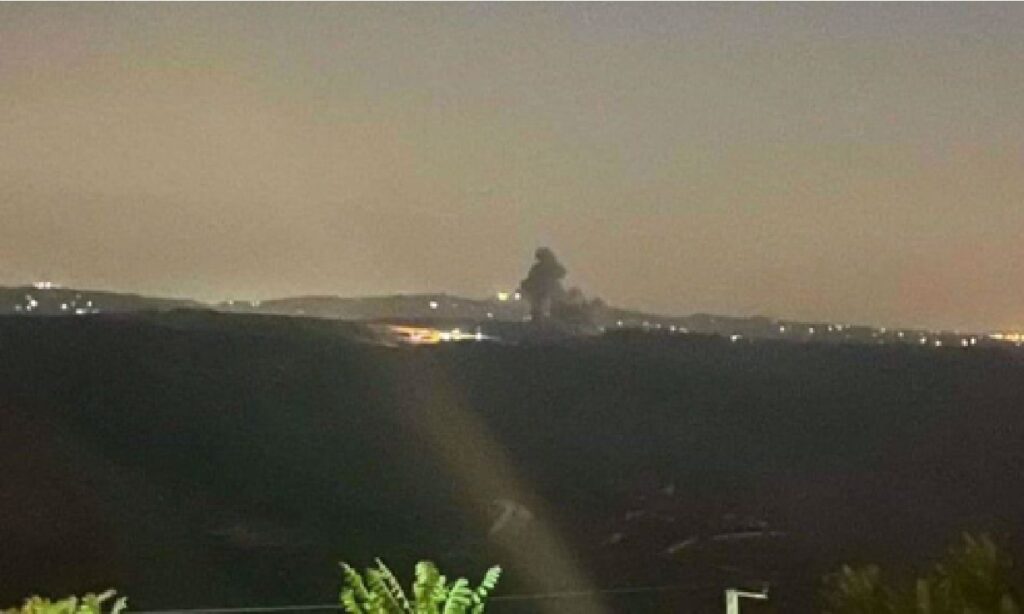
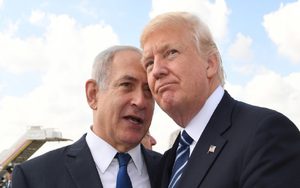
The official narrative from Tel Aviv, delivered through a rare English-language statement from Prime Minister Benjamin Netanyahu’s office, framed the strikes as a proportionate response to a Hezbollah drone attack that wounded three soldiers from the elite Yahalom combat engineering unit. “Hezbollah violated the ceasefire in Lebanon by attacking our soldiers in the security zone,” the statement read. “The IDF responded by striking the Hezbollah terror headquarters which ordered the attack. Only later did the IDF learn that Hezbollah deliberately put civilians in that military compound.”
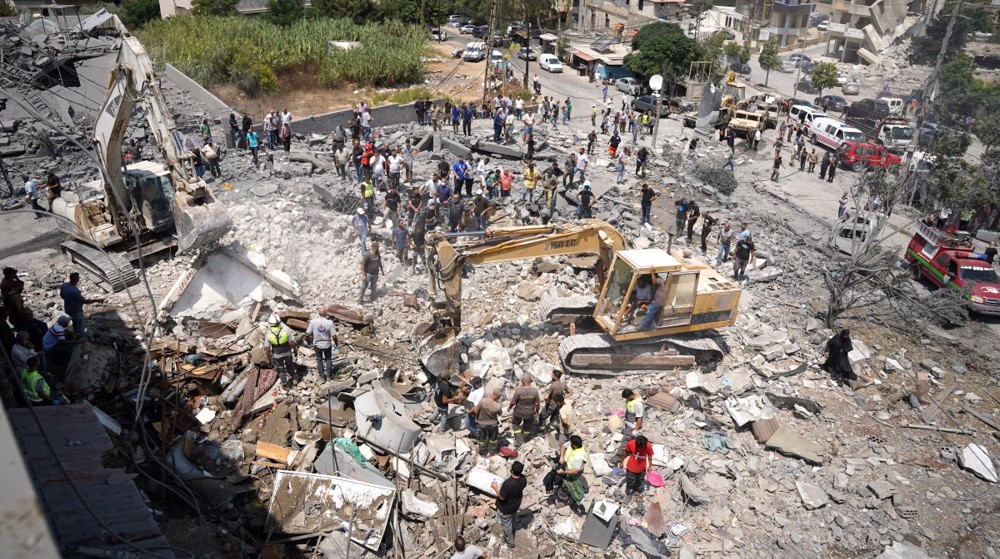
It is a chilling admission, buried within a justification: the Israeli military acknowledged it killed women and children, at least 11 people in total, including three children, because it attacked a building it believed was a military target, only to discover afterwards that it housed families.
But for the residents of Ansar, Deir ez-Zahrani, and the villages scattered across the Nabatieh district, the Israeli account is not a tragic miscalculation; it is a war crime dressed in the language of self-defence. And for Hezbollah, it is a provocation that demands an answer.
The Anatomy Of A “Massacre”
The strike on Ansar was the deadliest single attack in Lebanon since the June agreements that were supposed to usher in a new era of stability. The Lebanese Ministry of Health reported seven killed in Ansar, including three children, and four more in Deir ez-Zahrani. Al Jazeera’s Ali Hashem, reporting from the scene, described a community shattered by the belief that it was safe. “This is an area seen by people as safe,” Hashem said, “but an air attack has now hit.” The fear, he added, was spreading as rapidly as the Israeli demolitions continued across the border region.
Lebanese President Joseph Aoun did not mince words. The attacks, he said, sent “a clear message” about the negotiation process itself. They represented “repeated violations of the framework agreement, the work of the military coordination group, and international laws protecting civilians.” Parliament Speaker Nabih Berri, the ageing Shiite powerbroker who has been a key interlocutor in past negotiations, called it a “massacre” and the continuation of a “war aimed at extermination.”
Hezbollah’s response was swift, defiant, and politically calculated. The group condemned the “brutal massacre” and issued a statement that was less a threat of immediate retaliation than a direct challenge to the Lebanese state itself. The movement urged the Lebanese government to abandon what it called “humiliating” direct negotiations and to stop relying on US mediation, arguing that Washington’s true allegiance lies with Israel. “The Israeli enemy must understand well that its assaults, its transgressions, and its attempts to impose a fait accompli cannot continue, and will be met with what they deserve,” the statement warned.
The subtext was clear: Hezbollah, which was not a party to the June framework agreement, is positioning itself as the true defender of Lebanese sovereignty against both Israeli aggression and a Lebanese government it views as complicit in its own disarmament. It is a narrative that resonates deeply in the Shiite south, where the Lebanese Armed Forces are seen as unable, or unwilling, to protect the population from Israeli incursions.
The “Yellow Line”: A Unilateral Redrawing Of Borders
At the heart of this escalation lies a concept that has received little international scrutiny but is fundamental to understanding Israel’s strategy: the “Yellow Line.”
When Netanyahu accused Hezbollah of attacking Israeli forces “inside the Yellow Line,” he was not referring to an internationally recognised border. The Yellow Line is a term used by the Israeli military to describe its self-declared security zone inside Lebanese territory, a de-facto occupation that Defence Minister Israel Katz quantified on Thursday when he stated Israeli forces control approximately 700 square kilometres of Lebanon, or roughly 7% of the country.
This is the unspoken reality of the post-June framework: while the agreement calls for a phased Israeli withdrawal and the deployment of the Lebanese army, the Israeli military has continued to operate, demolish homes, and conduct strikes across a vast swath of southern Lebanon, invoking a “Yellow Line” that exists only on Israeli maps. The result is a slow-motion annexation, a land grab conducted under the cover of “security operations” and “counter-terrorism.”
Katz’s statement on Sunday morning, “No score on any front will remain unsettled. We will forcefully defend our soldiers and citizens”, was a declaration of intent. But it was his earlier quantification of the occupation that revealed the strategic objective. 7% of Lebanon is not a buffer zone; it is a bargaining chip, a territorial asset to be traded away in negotiations for Hezbollah’s full disarmament, or held in perpetuity if those negotiations fail.
The Framework’s Fatal Flaw: Negotiating With A Ghost
The June framework agreement rests on a fundamental paradox. The agreement requires Hezbollah to disarm, yet Hezbollah did not participate in its creation and rejects the core idea of disarmament. The Lebanese government, led by Prime Minister Nawaf Salam and President Aoun, is expected to implement a provision it has no power to enforce, while simultaneously being pressured to abandon its own sovereignty in the face of Israeli attacks.
Salam’s response to the Ansar massacre was measured but pointed. He rejected Israel’s account of the strikes as “extremely dangerous” and insisted that responsibility for dealing with any military infrastructure on Lebanese territory, “if it exists,” rests exclusively with the Lebanese state. But the conditional clause, “if it exists”, revealed the delicate dance the Lebanese government must perform: it cannot acknowledge Hezbollah’s military infrastructure without admitting its own failure to control the group, yet it cannot ignore Israeli violations without abdicating its sovereign responsibility.
Hezbollah’s leader, Naim Qassem, was less diplomatic. In a speech on Friday, he directly attacked the Lebanese authorities, accusing them of pressuring the army while Israeli attacks continue. “How can you accept this ongoing humiliation of the Lebanese army, exposing it to bombardment and Israeli pressures, instead of acting as its protectors?” he demanded.
The question cuts to the heart of Lebanon’s political dysfunction. The Lebanese Armed Forces, historically one of the few institutions capable of transcending sectarian divisions, finds itself in an impossible position: expected to deploy to the south and enforce a disarmament it cannot achieve, while being targeted by the very state it is supposed to be cooperating with.
The Drone War: A New Front Emerges
The Ali al-Taher Ridge has become a proving ground for a new kind of asymmetric warfare. The Hezbollah drone that wounded the three Yahalom soldiers was, according to Israeli Army Radio, the third of its kind launched toward the mountain range in recent weeks. Previous drones had been used for intelligence and reconnaissance; this one was armed with explosives and successfully penetrated Israeli defences.
The targeting of the Yahalom unit, the elite combat engineering corps responsible for tunnel detection and demolition, was no accident. It was a message: Hezbollah knows where Israeli forces are operating, knows their vulnerabilities, and is willing to strike at the heart of Israel’s military infrastructure in the south.
Israeli media reported heavy clashes and intense gunfire around the heights as Hezbollah fighters attempted to prevent Israeli forces from advancing. The IDF confirmed that among those killed in Saturday’s retaliatory strikes were Ali Muhammad Fakhr al-Din, a senior commander in Hezbollah’s Badr regional division, and Ali Samir Al-Haj Hassan, a battalion commander in the elite Radwan Force. The Israeli military framed these killings as a significant blow to Hezbollah’s operational capabilities in the north. Hezbollah, for its part, has not confirmed the deaths.
But the drone attacks represent something more than tactical warfare. They are a demonstration of Hezbollah’s evolving capabilities and its willingness to use them despite the ceasefire. The group is testing Israel’s defences, gathering intelligence, and preparing for the possibility of a wider confrontation. Each drone that penetrates Israeli airspace is a humiliation for the IDF, a reminder that despite its overwhelming military superiority, it remains vulnerable to a determined adversary.
The Diplomatic Vacuum And The “Rome Talks”
The US plans to hold the next round of negotiations in Rome early next month. But the events of the past week have thrown the entire process into doubt.
Lebanese officials have condemned the Israeli strikes as a violation of the framework agreement and a threat to the negotiation process. President Aoun’s statement that the attacks sent “a clear message” about the talks widely suggested that Lebanon might suspend its participation.
Israeli officials, meanwhile, are urging Lebanon to stay at the table. Ambassador Yechiel Leiter, who heads Israel’s negotiating team, warned that if the Lebanese government uses the incident as a pretext to delay talks, “it would hand a tactical victory to the enemies of peace. Derailing the talks is precisely what Hezbollah is trying to achieve.”
But this framing ignores a central reality: the Israeli strikes are themselves derailing the talks. The Lebanese government cannot continue to negotiate under fire, with its citizens being killed and its territory being occupied. The credibility of the Lebanese state is at stake. If it continues to participate in talks while Israel violates the framework with impunity, it risks being seen as complicit in the occupation. If it withdraws, it hands Hezbollah a political victory and risks plunging the country back into open conflict.
Netanyahu’s spokesman, Doron Spielman, offered a characteristically blunt assessment: “We believe in the agreement. We very much hope that the Lebanese Armed Forces are going to be able to step into the foray, and together we’re going to remove Hezbollah from the picture.”
It is a statement that reveals the fundamental contradiction at the heart of Israeli policy. Israel claims to support the Lebanese Armed Forces, yet continues to strike areas where the army is supposed to be deploying. It calls for Hezbollah’s disarmament, yet provides the group with every justification to keep its weapons. It speaks of peace, yet acts in ways that make peace impossible.
The Phosphorus Question: A War Crime Ignored
The reports of phosphorus shelling in the Ali al-Taher Heights have received remarkably little attention from Western media or human rights organisations. This is not surprising, the use of white phosphorus by the Israeli military has a long and documented history, from Gaza to Lebanon, and has rarely resulted in meaningful international accountability.
White phosphorus is not banned under international law, but its use in areas with civilian populations is prohibited under Protocol III of the Convention on Certain Conventional Weapons, to which Israel is a signatory. When used as a weapon, it causes horrific burns that can burn through to the bone, and its effects are particularly devastating on children.
The Israeli military has consistently maintained that its use of white phosphorus is limited to smoke screening and illumination. But the reports from Nabatieh, coming from multiple independent sources, suggest a more aggressive deployment. The phosphorus shells were reportedly fired at the mountainous area of Ali al-Taher, an area where Hezbollah fighters were reportedly attempting to prevent Israeli forces from advancing.
The use of phosphorus in this context raises serious questions about Israel’s adherence to international humanitarian law. If the shells were being used to target enemy fighters in a wooded or mountainous area, they could potentially be justified as a legitimate military tactic. But the indiscriminate nature of white phosphorus, its tendency to spread over a wide area and cause severe burns to anyone in its path, makes it highly problematic for use in any area where civilians might be present.
The Human Cost: A Region Traumatised
Beneath the strategic calculations and diplomatic posturing lies a human tragedy that rarely makes headlines. The 11 people killed in Ansar and Deir ez-Zahrani were not combatants. They were families, men, women, and children, who had the misfortune of living in a building that Israeli intelligence had identified as a Hezbollah headquarters.
The Israeli military has acknowledged that the building was used by Hezbollah to “command its activities in the area,” but has also confirmed that women and children were among the dead. The implication is clear: Hezbollah was using civilians as human shields. But the legal and moral responsibility for the deaths lies with the party that pulled the trigger.
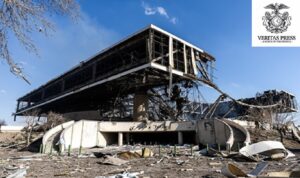
The demolitions continue across the border region, with entire villages being reduced to rubble. Al Jazeera’s Hashem reported that some areas have suffered extensive destruction, including damage to graveyards and historic sites. This is not a targeted counter-terrorism operation; it is a systematic campaign of destruction designed to make large swaths of southern Lebanon uninhabitable, creating a buffer zone that extends far beyond any legitimate security requirement.
The residents of these villages, many of whom have already been displaced multiple times over the past year, face a future of permanent exile. Their homes are gone, their livelihoods destroyed, and their land occupied by a foreign army that shows no signs of leaving.
The Regional Context: A War On Multiple Fronts
One cannot understand the escalation in Lebanon in isolation from the broader regional context. Israel is currently engaged in active military operations in Gaza, the West Bank, and Lebanon, with periodic strikes reported in Syria. The Netanyahu government has made clear its intention to reshape the region’s security architecture, dismantling the “axis of resistance” that includes Hezbollah, Hamas, and their Iranian backers.
But the war in Gaza has not achieved its objectives. Hamas remains undefeated, hostages have not been returned, and the international community has increasingly condemned Israel’s conduct. The war has also placed an enormous strain on Israel’s military, economy, and international standing.
In this context, the escalation in Lebanon takes on a different meaning. It is not simply a response to Hezbollah provocations; it is an attempt to open a new front, to achieve in Lebanon what could not be achieved in Gaza, and to create a new reality on the ground that can be presented as a victory.
The problem is that Hezbollah, unlike Hamas, has the capacity to respond in ways that could inflict significant damage on Israel. The drone attacks are just the beginning. Hezbollah’s fighters, battle-hardened from years of fighting in Syria, possess an arsenal of rockets and missiles capable of reaching deep into Israeli territory. A full-scale war with Hezbollah would be a catastrophic undertaking, one that would dwarf the current conflict in Gaza.
The American Role: Enabling Impunity
The United States has positioned itself as the mediator in the Lebanon crisis, brokering the framework agreement and pushing for direct negotiations between Israel and Lebanon. But the events of the past week have exposed the limits of American influence and the fundamental asymmetry of the US approach.
The framework agreement calls for Hezbollah’s disarmament and the gradual withdrawal of Israeli forces. But while the United States has pressed Lebanon to implement the disarmament provisions, it has shown little willingness to pressure Israel to comply with the withdrawal requirements. The result is a one-sided agreement that imposes obligations on Lebanon while allowing Israel to continue its operations with impunity.
When Israel killed 11 people in Ansar, the Biden administration, in its final months, offered no public condemnation. There was no call for restraint, no demand for accountability, no recognition that the strikes constituted a violation of the very agreement that the United States had helped to negotiate. Instead, there was silence.
This silence speaks volumes. It tells Hezbollah that the United States cannot be trusted as a neutral mediator. It tells the Lebanese government that its sovereignty is not a priority. And it tells the Israeli government that it can continue to act with impunity, secure in the knowledge that its most important ally will not hold it accountable.
Hezbollah’s call for the Lebanese government to abandon US mediation is not simply propaganda; it is a rational response to the reality of American policy. The United States has consistently sided with Israel in every dispute and has shown no willingness to use its considerable leverage to force Israel to comply with international law.
The Road Ahead: Escalation Or Exhaustion?
The coming weeks will be critical. The next round of negotiations in Rome is scheduled to take place in early next month, but it is unclear whether the talks will proceed. Hezbollah has vowed to respond to the “massacre” in Ansar, and its drone attacks on the Ali al-Taher Ridge suggest a willingness to escalate.
At the same time, Israel appears determined to press its advantage, using its military superiority to reshape the situation on the ground before any negotiations can resume. Defence Minister Katz’s threat to “settle scores” on all fronts suggests a government that is prepared for further escalation, not de-escalation, with a view towards destabilising the region and seizing full control.
The Lebanese government finds itself caught between a rock and a hard place. If it continues to negotiate under fire, it risks losing whatever legitimacy it has left. If it withdraws from talks, it hands Hezbollah a political victory and risks provoking further Israeli aggression.
The residents of southern Lebanon, meanwhile, can only watch and wait, hoping that the next strike does not hit their home, their village, their family. They have seen this before: the 2006 war, the 1982 invasion, the long years of occupation. They know that in this conflict, they are the ones who pay the price.
The Ali al-Taher Ridge will likely see more fighting in the days ahead. The “Yellow Line” will continue to expand, regardless of what is said in Rome or Washington or Tel Aviv. And the people of southern Lebanon will continue to die, caught between a resistance movement that claims to defend them and an occupying army that views them as collateral damage.
This is the reality of the “peace process” in the Middle East: a never-ending cycle of violence, in which ceasefires are merely pauses between massacres, and negotiations are simply opportunities to prepare for the next round of fighting. The question is not whether the violence will escalate, but how far, and at what cost.
A Final Note On Accountability
The report of phosphorus shelling in the Ali al-Taher Heights should be investigated by international human rights organisations. The killing of civilians in Ansar and Deir ez-Zahrani should be documented and submitted to the International Criminal Court. The systematic demolition of villages in southern Lebanon should be condemned as a war crime.
But accountability requires political will, and political will is precisely what is lacking. The United States will not pressure Israel. The international community will not intervene. The Lebanese government is too weak to act. And Hezbollah, whatever its rhetoric, is a non-state actor that operates outside the framework of international law.
The people of southern Lebanon are alone, as they have always been. They will bury their dead, rebuild their homes, and wait for the next round of violence. And the world will continue to watch, wring its hands, and do nothing.
The “Yellow Line” is not a line on a map. It is a line between the world as it is and the world as it should be, a line that Israel and the international community have chosen to erase.
Veritas Press Investigative Analysis
Independent journalism examining global affairs, power, diplomacy and accountability.
Source: Veritas Press C.I.C. | Multi-News Agencies
APPEAL: Help Support Our Work By Donating
Readers who believe that truth still matters have power over popular information. When just a few more people step up to support this work, it means more lies exposed, more corruption uncovered, and more accountability where it’s long overdue.
Help Protect Independent Journalism, Which Is Currently Under Attack.
If you believe journalism should serve the public, not the powerful, and you’re able to help, becoming a regular DONOR or a PAID SUBSCRIBER truly makes a difference.
DONATION APPEAL: If you found this reporting valuable, please consider supporting independent journalism.
Your support fuels our fearless, truth-driven journalism. In unity, we endeavour to amplify marginalised voices and champion justice, irrespective of geographical location. We operate independently, with no financial backing from billionaires; our readers support us.
But it’s also extremely important. One of Veritas Press’s greatest assets is its reader-funded model.
1. Reader funding means we can cover what we like. We’re not beholden to the political whims of a billionaire owner. We are a small, independent and impartial organisation. No one can tell us what not to say or what not to report.
2. Reader funding means we don’t have to chase clicks and traffic. We’re not desperately seeking your attention for its own sake; we pursue the stories that our editorial team deems important and believes are worthy of your time.
3. Reader Funding: enables us to keep our website and other social media channels open, allowing as many people as possible to access quality journalism from around the world, particularly those in places where the free press is under threat.
We know not everyone can afford to pay for news, but if you’ve been meaning to support us, now’s the time.
Your donation goes a long way. It helps us:
- Keep the lights on and sustain our day-to-day operations
- Hire new, talented, independent reporters
- Launch real-time live debates, community-focused shows, and on-the-ground reporting
- Cover the issues that matter most to our communities, in real time, with depth and integrity
Without your support, independent voices like ours will be silenced.
Furthermore, we have plans to expand our work, but we can’t do it without your support. Every contribution, no matter the size, helps us stay independent and build a truly people-powered media platform.
If you believe in journalism that informs, empowers, and reflects the communities we serve, please donate today.
Submissions:
For the secure submission of documentation, testimonies, or exclusive investigative reports from any global location, please utilise the following contact details for our Investigations Desk: mailto:enquiries@veritaspress.co.uk or mailto:editor@veritaspress.co.uk
GENEVA — A United Nations fact-finding mission has concluded there are “reasonable grounds to believe”
Iran’s GDP is projected to contract by 5.4 to 6.1% in 2026, its worst performance
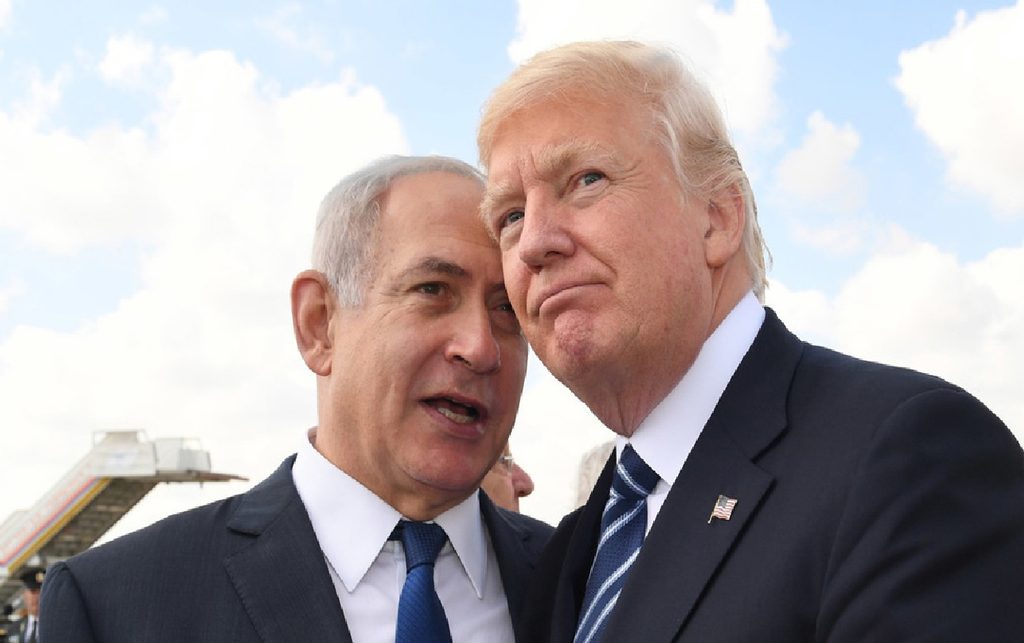
The Trump administration is preparing a $2.8 billion weapons package for Israel containing 40,000 2,000-pound

Film alleges mass civilian deaths are routinely built into military decisions amid Israel’s genocidal war
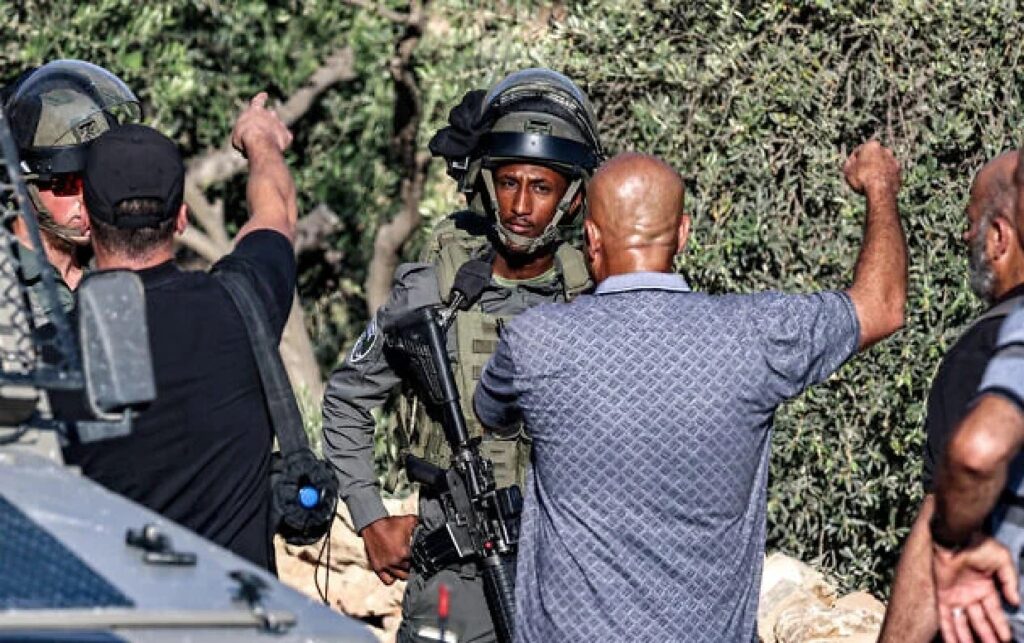
The Israeli rights group says violence, displacement, economic strangulation, and settlement expansion form part of

Houthi forces have captured the historic Red Sea port of Mocha and are advancing on
London’s historic sanctions against Israeli settlements mark a watershed moment in UK foreign policy, but
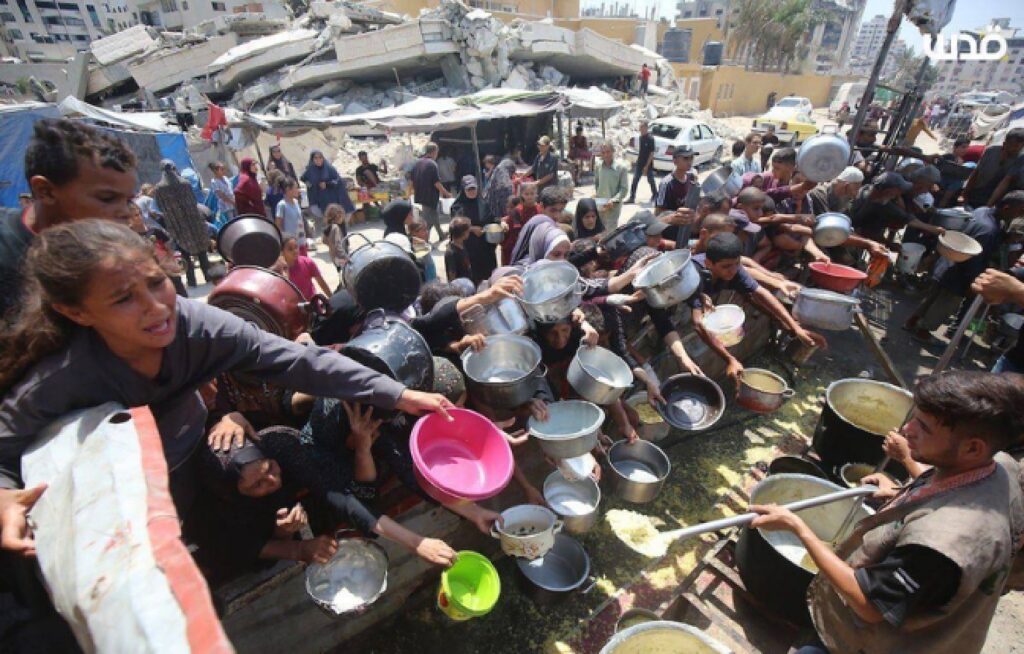
With 95% of Gaza’s population now wholly dependent on aid and more than 90% stripped
India calls for Kashmir and Ladakh to appear only on its official map after a
ISLAMABAD – In the high-stakes political theatre of Pakistan, the battleground has shifted from the