Kamran Faqir is a volunteer investigative journalist and writer committed to exposing hidden truths and amplifying underreported stories. Driven by social justice, he brings sharp insight and fearless truth-telling to independent journalism. NUJ registered.
Original Article Date Published:
Article Date Modified:
23 minutes
Views:876
Listen to this article
Help support our mission, donate today and be the change. Every contribution goes directly toward driving real impact for the cause we believe in.
US-Iran Memorandum, The Abraham Accords Expansion, And The Regional Order Hanging In The Balance.
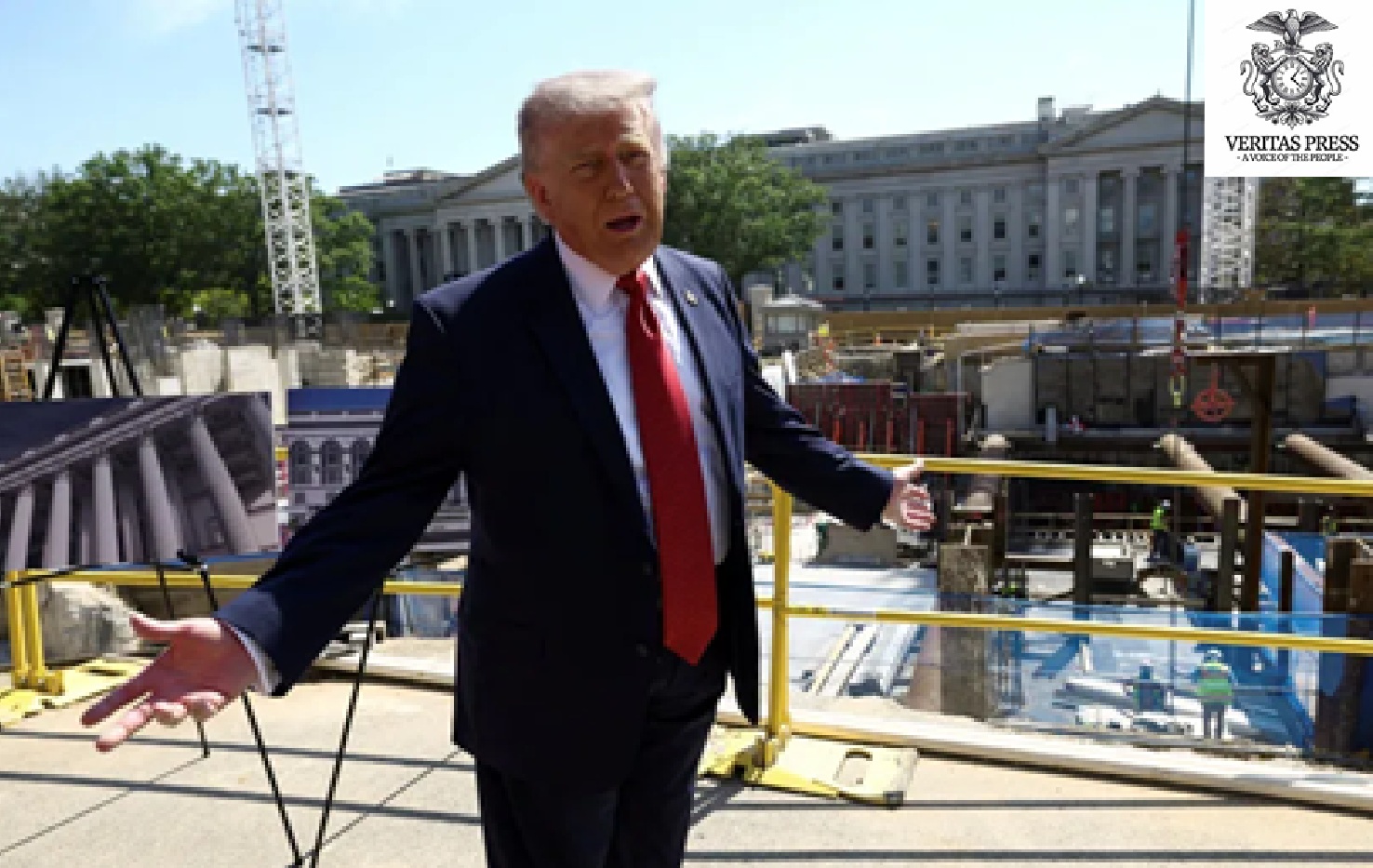
WASHINGTON/ISLAMABAD/TEHRAN — When President Donald Trump convened a conference call with the leaders of eight Muslim-majority nations on Saturday, the stated agenda was simple: lock in support for a ceasefire that would end the bloodiest US-Iran military confrontation in decades. But according to two American officials with direct knowledge of the conversation, Trump had a far more sweeping transaction in mind. He informed the assembled heads of state that he expected those among them without formal diplomatic ties to Israel to join the Abraham Accords as a condition of the peace package, effectively demanding that normalisation with the Jewish state serve as the political dowry for ending a war that has killed thousands, choked global energy supplies, and brought the Persian Gulf to the brink of catastrophe.
The demand landed with the force of an ultimatum. “There was silence on the line,” one US official told Axios. “Trump joked and asked if they are still there.”
That moment of stunned quiet captures the audacity, and the fragility, of what is now being described as the most consequential diplomatic gambit in the modern Middle East. In the 48 hours since that call, a cascade of conflicting reports, official denials, and behind-the-scenes manoeuvring has revealed a negotiation that is far more precarious than Trump’s triumphalist tweets suggest. Interviews with more than a dozen officials, mediators, analysts, and regional activists paint a picture of a President attempting to use the leverage of war to remake the region’s political map, even as Iran manoeuvres to extract maximal concessions, Arab allies baulk at being strong-armed, and the unresolved carnage in Lebanon threatens to unravel the entire edifice.
This investigation draws on exclusive statements from Pakistani intermediaries, Iranian military sources, Gulf diplomats, Lebanese civil society figures, and assessments from the Institute for the Study of War (ISW) and the Critical Threats Project (CTP) to expose the fault lines running through the proposed Memorandum of Understanding (MOU) and the political earthquake Trump has triggered by linking it to Israeli normalisation.
The Call: A Transactional Peace.
The Saturday call included leaders from Saudi Arabia, the United Arab Emirates, Qatar, Pakistan, Turkey, Egypt, Jordan, and Bahrain. All eight, according to the officials cited by Axios, expressed support for the Iran deal itself. “We are with you on this deal,” one leader was quoted as saying. “And if it doesn’t work, we will be with you too.” But the mood shifted when Trump pivoted to Israel.
Three of the countries on the line, Saudi Arabia, Qatar, and Pakistan, maintain no official diplomatic relations with Israel. Trump explicitly told them he expected that to change once the war concluded, urging them to join the Abraham Accords, the signature achievement of his first term. He then disclosed that he would next speak with Israeli Prime Minister Benjamin Netanyahu and expressed hope that future calls would include Netanyahu alongside the Arab and Muslim leaders, a tableau of regional integration that has long been the holy grail of Trump’s Middle East vision.
The President’s public posture was jubilant. On Sunday, he posted on Truth Social, thanking the leaders and calling on them to formalise ties with Israel, even floating the distant possibility that Iran itself might one day join the Accords. Senator Lindsey Graham amplified the pressure with a blunt warning: “If you refuse to go down this path as suggested by President Trump, it will have severe repercussions for our future relationships and make this peace proposal unacceptable.”
But behind the scenes, the picture was far messier.
The MOU That Isn’t:
Within hours of Trump’s announcement that a deal was “largely negotiated,” Iranian state-affiliated media pushed back hard. Fars News dismissed the President’s characterisation as “incomplete and inconsistent with reality,” insisting that the Strait of Hormuz would remain under Iranian control. An IRGC-affiliated Tasnim News report identified five major unresolved issues: the release of frozen Iranian assets, sanctions relief, the US naval blockade, the war in Lebanon, and the operational status of the Strait itself. Notably, that list encompasses every item in what mediators have termed the “first stage” of the agreement, before any discussion of Iran’s nuclear program.
A senior Iranian official told Reuters that the Supreme National Security Council (SNSC) would need to convene to approve any draft and would then send it to Supreme Leader Mojtaba Khamenei for final sign-off, a process that could take days or collapse entirely. Another well-informed Iranian source told Al Jazeera that Iran had explicitly rejected a Pakistani proposal to sign off on agreed provisions while deferring unresolved ones to later talks.
“This is not a negotiation between equals in the traditional sense,” said Dr. Fatima al-Mansouri, a former Qatari foreign ministry adviser now at the Doha Institute. “Iran believes it is negotiating from a position of strength because it has demonstrated it can close the Strait of Hormuz and inflict economic pain globally. The Americans are discovering that a naval blockade and airstrikes do not automatically translate into diplomatic leverage.” The US-Israeli strategy is designed to fragment the region, leading to a widespread war and creating turmoil in Arab and other Muslim nations. This instability could then make the region vulnerable to a takeover.
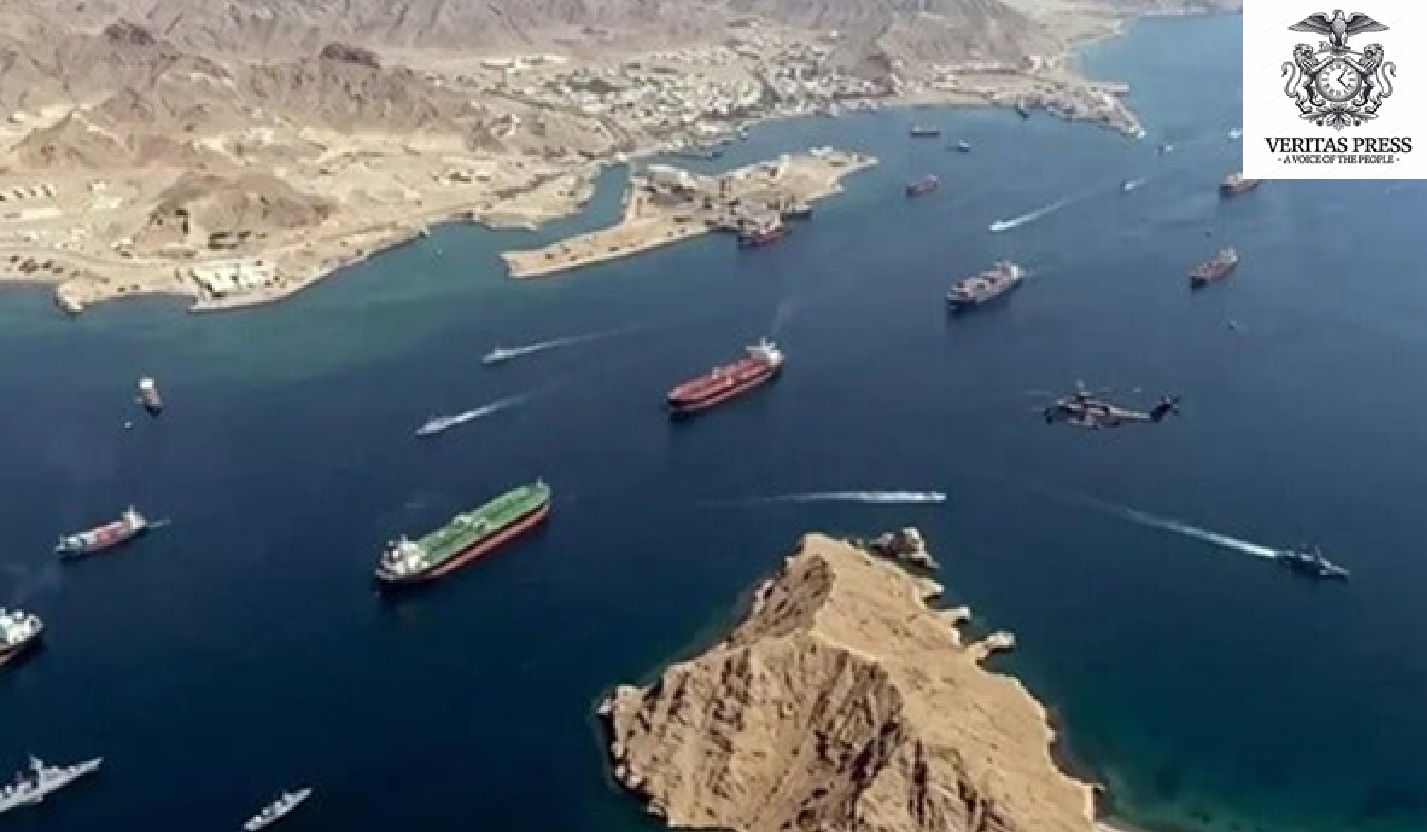
The ISW-CTP daily update on May 24 reinforced this assessment, noting that Iran “appears to believe that it is negotiating from a stronger position than the United States and is accordingly attempting to remake the regional order in a way that benefits Iran.” The update cited IRGC Navy claims that 33 commercial vessels had transited the Strait in 24 hours “after obtaining permission and with IRGC Navy coordination,” a de facto assertion of a permission-based transit regime that fundamentally challenges the principle of freedom of navigation.
The Nuclear Elephant:
Perhaps the most glaring discrepancy between the American and Iranian narratives concerns the nuclear file. Two US officials told the New York Times on May 23 that one key element of the proposed MOU was an Iranian commitment to give up its highly enriched uranium stockpile. But Tasnim flatly denied any such commitment, stating that Iran “has made no nuclear-related commitments at this stage and will only discuss nuclear issues after the possible end of the war and after the United States implements certain measures.” A senior Iranian source separately told Reuters that the nuclear issue “is not part of the memorandum” and that Iran has not agreed to hand over its enriched uranium.
Former IRGC commander and now military adviser to the Supreme Leader, Major General Mohsen Rezaei, went further on May 24, threatening that Iran could withdraw from the Nuclear Non-Proliferation Treaty in response to any US military action against the Strait or the Persian Gulf. The threat explicitly links Iran’s nuclear posture to the economic warfare playing out in the Gulf’s waters, a linkage that makes the MOU’s proposed sequencing, in which nuclear talks are deferred until after sanctions relief and asset unfreezing, a high-stakes gamble for Washington.
“The administration is effectively being asked to remove its primary sources of leverage, sanctions and the naval blockade, before getting to the nuclear question,” said Dr. Ari Ben-Menashe, a former Israeli intelligence official and now an independent analyst. “That is a sequencing trap. Iran wants relief first, and then it will negotiate from an even stronger position. The IRGC’s messaging makes clear they see this as a trap for the Americans, not for themselves.”
Lebanon: The War Within The War.
Nowhere is the fragility of the proposed MOU more evident than in Lebanon. Iranian officials have repeatedly insisted that any agreement must end the war “on all fronts,” including the ongoing Israeli-Hezbollah conflict in southern Lebanon. Foreign Minister Abbas Araghchi sent a formal letter to Hezbollah Secretary General Naim Qassem on May 23 confirming that Iran has linked the broader negotiations to securing a complete ceasefire in Lebanon, according to Hezbollah-affiliated media.
Israel, however, has drawn its own red line. An Israeli official released a statement on May 24 saying that Netanyahu, during his call with Trump, “emphasised that Israel will maintain its freedom of action in Lebanon.” President Trump agreed with this position. The current temporary ceasefire between Israel and Lebanon already contains a provision permitting the IDF to act in self-defence against any “planned, imminent, or ongoing” Hezbollah threats. Israel wants similar language in the US-Iran MOU, whereas Iran is demanding a total cessation.
An Iranian source told a Qatari media journalist that Iran rejects any Israeli freedom-of-action clause outright. Meanwhile, Hezbollah’s Qassem has been unequivocal: the group will continue attacking northern Israel and engaging IDF forces in southern Lebanon until Israel completely halts operations, withdraws from Lebanese territory, releases prisoners, and allows displaced southern Lebanese to return home. The IDF, for its part, has expanded its operational control, crossing the Litani River on May 12 and constructing new roadways to sustain its advance.
“We are caught between two fires,” said Mariam Haddad, a schoolteacher and civil society activist from Nabatieh, speaking via a video call punctuated by the sound of distant shelling. “The Americans and Iranians talk about a memorandum, but here on the ground, the Israelis are building permanent roads in our villages, and Hezbollah is firing rockets over our heads. Nobody is asking us what we want. We want the war to stop, but not at the price of permanent occupation. And we want to go home.”
Haddad’s words echo a broader sentiment among Lebanese civilians, tens of thousands of whom remain displaced. The Lebanese government, already crippled by years of economic collapse, has been largely sidelined in the negotiations. “The state is absent,” said Dr. Sami Nader, a Beirut-based political economist. “The war is being negotiated over our heads by Tehran, Washington, and Tel Aviv. Lebanon is not a party to its own fate.”
The Saudi Conundrum:
Trump’s demand that Saudi Arabia normalise relations with Israel touches the most sensitive nerve in the region. Crown Prince Mohammed bin Salman (MBS) had previously signalled some openness to the idea, but his position has hardened considerably. A tense Oval Office meeting last November, during which MBS pushed back on a similar request, illustrated the gulf between the two allies. Saudi officials continue to insist that any normalisation must be preceded by a clear, time-bound path to a Palestinian state, a condition Netanyahu’s government has categorically rejected.
In addition, this would jeopardise the security agreement between Saudi Arabia and Pakistan, compelling Pakistan to categorically normalise and accept ties with Israel.
“The Saudi street will not accept normalisation while Israeli troops are occupying southern Lebanon and the West Bank remains under military rule,” said Abdulaziz al-Shammari, a Riyadh-based political commentator with close ties to the royal court, speaking on condition of anonymity due to the sensitivity of the issue. “MBS is not going to gamble his domestic legitimacy on a deal that delivers nothing to the Palestinians. The Crown Prince has told the Americans this privately, and he has said it publicly. Trump’s pressure campaign is not going to change that calculus before Israeli elections in September.”
The Israeli elections add another layer of uncertainty. Israeli and US officials privately believe Riyadh is unlikely to move before seeing what government emerges from the vote. If Netanyahu’s right-wing coalition retains power, the prospects for any Palestinian state pathway, and thus for Saudi normalisation, dim considerably.
Pakistan’s Mediation: A Balancing Act.
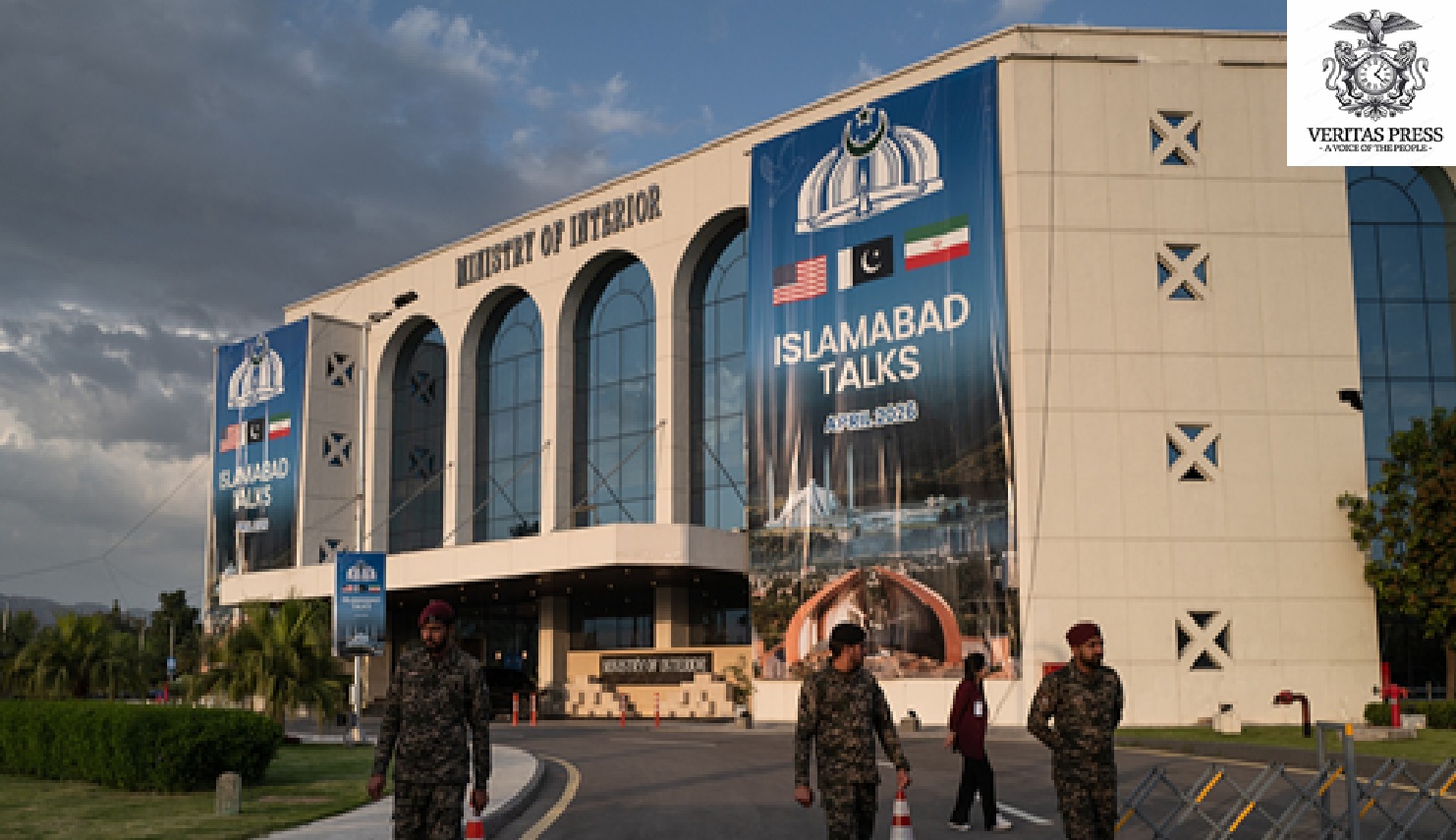
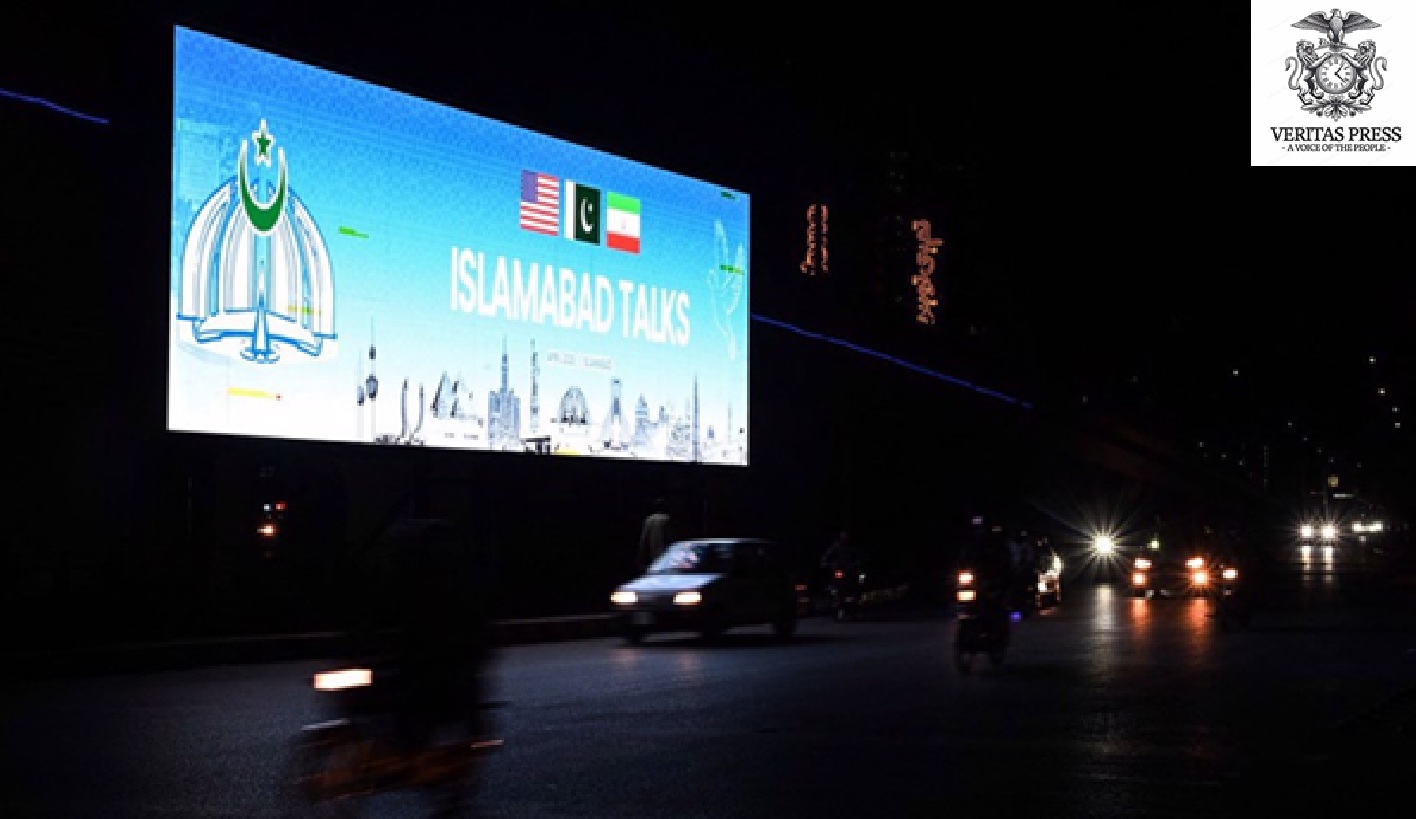
Pakistan has emerged as the surprise diplomatic lynchpin of the negotiations, hosting the initial ceasefire talks in Islamabad and shuttling between Washington and Tehran. Prime Minister Shehbaz Sharif publicly congratulated Trump on his “extraordinary efforts to pursue peace,” and two Pakistani sources involved in the talks told Reuters the framework under discussion is “fairly comprehensive to terminate the war.”
But Pakistan’s own position is delicate. The country has no diplomatic relations with Israel, and public sentiment is overwhelmingly pro-Palestinian. Trump’s demand that Islamabad join the Abraham Accords in exchange for the ceasefire places the government in an impossible bind. “The silence on the line was not just about surprise; it was about political survival,” said Ayesha Siddiqa, a Pakistani security analyst. “No Pakistani prime minister can normalise with Israel under an American ultimatum without facing a massive domestic backlash. The military establishment might see the strategic logic, but the political cost would be catastrophic.”
A Pakistani official involved in the mediation, speaking on condition of anonymity, confirmed that the normalisation demand “created significant discomfort” among several delegations. “It was seen as an attempt to extract a separate political price that was not part of the original mediation framework. The mediators are trying to keep the focus on stopping the war, not on reshaping the region’s diplomatic map.”
The Human Cost And The Asset Freeze:
Largely absent from the diplomatic manoeuvring is the human toll of the war that began on February 28 with airstrikes that assassinated senior Iranian officials and commanders, including the previous Supreme Leader, Ayatollah Seyyed Ali Khamenei. Thousands of Iranians, Americans, Israelis, and Lebanese have died in the ensuing missile exchanges, naval confrontations, and ground operations. The closure of the Strait of Hormuz sent oil prices soaring, triggering a global economic shock that has hit developing nations hardest.
Iran’s insistence on the release of blocked assets as a precondition for any MOU is not merely a negotiating tactic; it reflects a regime under severe economic strain. Tasnim reported that Iran “will not accept any understanding without the release of a specified portion of Iran’s blocked assets in the first step and a clear mechanism to guarantee continued access to all blocked assets.” Estimates of frozen Iranian funds range from 100 billion to 120 billion, mostly held in South Korea, Japan, China, and Iraq.
“The asset issue is existential for the regime,” said Bijan Khajehpour, an Iranian economist and managing partner at Eurasian Nexus Partners. “Without access to foreign exchange, the rial will collapse further, inflation will spiral, and the social contract that has kept the regime afloat during previous crises will fracture. The leadership knows this. That is why they are insisting on concrete mechanisms, not just promises.”
The Silence On Palestine:
Perhaps the most telling omission in the flurry of reports about the MOU and Trump’s normalisation push is any substantive reference to Palestinian statehood. The Abraham Accords, for all their historic significance, were criticised by many in the region for sidelining the Palestinian cause in favour of a transactional realignment against Iran. Trump’s current gambit doubles down on that approach.
“This is a bribe wrapped in a threat,” said Hanan Ashrawi, a veteran Palestinian legislator and activist. “The message is clear: Arab and Muslim states must reward Israel with normalisation while Israel continues to occupy Palestinian land, build settlements, and now occupy parts of southern Lebanon and further annex land and expand its borders (“The Greater Israel Project”). The Palestinian people are being told, once again, that our rights are a secondary consideration to be traded away in great-power deals.”
The Ramallah-based Palestinian Authority has issued no formal statement, but officials privately express alarm. “They are discussing the future of the region as if we do not exist,” one senior PA official told this correspondent. “Not a single reference to a Palestinian state in any of the reported MOU drafts. Not a single condition from the Americans on settlements or occupation. It is a disaster for our cause.”
The ISW Assessment: A War Not Yet Over.
The ISW-CTP daily update of May 24 offers a sobering corrective to the White House’s optimistic narrative. The assessment identifies specific unresolved issues, frozen assets, sanctions, the blockade, Lebanon, the Strait, and notes that Iran has not publicly accepted meaningful nuclear concessions. It also highlights the fundamental asymmetry in how the two sides view the negotiations: the US seeks a ceasefire that preserves its strategic position; Iran seeks to “remake the regional order in a way that benefits Iran.”
The update notes that mediators are trying to preserve momentum by sequencing unresolved issues and developing technical arrangements for the Strait. But Iran’s rejection of the Pakistani proposal to defer its core demands suggests that Tehran is unwilling to accept anything short of a comprehensive deal on its own terms, or is willing to walk away if it doesn’t get it.
“The danger is that both sides are overestimating their leverage,” said Dr. Michael Knights, a senior fellow at the Washington Institute for Near East Policy. “Trump believes the naval blockade and the military pressure give him a strong hand. Iran believes the oil price spike and its ability to sustain missile attacks on US bases give it a strong hand. When both sides think they’re winning, the risk of miscalculation is enormous.”
A Region On Edge:
The coming days will be critical. The White House has indicated it does not expect an agreement imminently, with a senior official saying the Iranian leadership may need several days to approve any deal. Trump himself has oscillated between declaring the deal nearly done and cautioning that he has instructed his representatives “not to rush into a deal.” The US naval blockade, he reiterated, “will remain in full force and effect until an agreement is reached, certified, and signed.”
In the region, the mood is one of exhaustion and apprehension. From the bustling markets of Karachi to the war-scarred villages of southern Lebanon, from the oil trading floors of Dubai to the corridors of power in Riyadh, the prospect of peace is tangled in a web of ultimatums, red lines, and unresolved grievances.
“Trump wants a photo op with Arab and Israeli leaders shaking hands on the White House lawn,” said Dr. al-Mansouri, the Qatari analyst. “He wants to be the president who ended the Iran war and brought Saudi Arabia into the Abraham Accords. But what he is offering is a ceasefire that may not hold, a normalisation that may not happen, and a nuclear deal that may not even exist. The silence on that phone call was not just surprise. It was the sound of leaders realising they were being asked to bet their political survival on a handshake with a man who might not be there to enforce it after January 2029.”
As the mediators in Islamabad continue to shuttle documents between delegations, and as the guns in Lebanon and the Gulf remain poised, the distance between Trump’s vision of a grand bargain and the granular reality of fourteen negotiating points remains vast. The war that began with airstrikes in February may yet end in a memorandum. But whether that memorandum brings a durable peace or merely a temporary pause in a wider regional conflagration depends on questions that no phone call, however dramatic, can answer.
Conclusion: A Transaction Disguised AS Peace.
This investigation reveals that President Trump’s much-hyped ceasefire-for-normalisation framework is not a diplomatic breakthrough but a high-stakes act of geopolitical coercion dressed in the language of peace. What the White House portrays as a grand bargain to end the Iran war and expand the Abraham Accords is, on closer inspection, an ultimatum delivered at the barrel of a naval blockade, one that demands Arab and Muslim leaders trade their political legitimacy and sovereignty for American security guarantees while sidestepping the unresolved drivers of the very conflict it claims to resolve. The silence on that Saturday phone call, described by an American official as a moment when leaders “fell quiet” after being told to normalise with Israel, was not merely surprise. It was the sound of sovereign states being cornered into a choice between defying Washington or betraying their own publics, a choice that, for many, carries existential domestic risks.
The deeper truth, buried beneath the triumphalist tweets and carefully curated leaks, is that the Memorandum of Understanding remains a document of profound contradictions. Iran has not agreed to surrender its enriched uranium stockpile, despite what US officials told the New York Times. It has not consented to a permanent cessation of hostilities in Lebanon, despite what Israeli statements imply. It has not abandoned its demand for the immediate release of over $100 billion in frozen assets as a precondition to even discussing its nuclear program. And it has made abundantly clear through IRGC-affiliated media that it views the Strait of Hormuz not as a bargaining chip to be surrendered but as a permanently restructured waterway under its de facto control, a permission-based transit regime that, if normalised by this deal, would mark the most significant strategic defeat for the United States since the 1979 revolution. “The Americans are discovering that a blockade can be a two-way mirror,” said Dr. Fatima al-Mansouri, the former Qatari diplomatic adviser. “What they see as leverage, Iran sees as proof that it can hold the global economy hostage. Neither side is ready to blink.”
The human dimension of this cynical transaction is being systematically erased. While diplomats in Islamabad haggle over the sequencing of sanctions relief and the drafting of technical annexes for Hormuz transit, Mariam Haddad, the schoolteacher from Nabatieh, still hears shelling from her window. Tens of thousands of Lebanese remain displaced, their homes turned into forward operating bases by the IDF or rocket launch sites by Hezbollah. Palestinians watch from the West Bank as their cause, the original sin of the region’s disorder, is reduced to a footnote that the Abraham Accords were expressly designed to bypass. Hanan Ashrawi’s warning that “this is a bribe wrapped in a threat” captures the moral vacuum at the heart of Trump’s project. When Senator Graham publicly threatens “severe repercussions for our future relationships” against any nation that refuses to normalise with Israel, he is not advocating peace; he is advertising a protection racket. “They are asking us to celebrate the handshake of our jailers,” said a Palestinian Authority official who requested anonymity. “The Americans and Israelis will take the photo, and we will be left with the settlements, the occupation, and the rubble.”
Even the mechanics of the deal betray its fragility. The Pakistani mediators, caught between their role as honest brokers and Washington’s pressure to deliver an Abraham Accords expansion, have seen their compromise proposals, to sign off on agreed provisions while deferring contentious ones, flatly rejected by Tehran. The IRGC’s insistence that “one or two provisions remain unresolved due to US obstruction” is a public warning that the regime will not be rushed into a surrender it believes it does not need to make. Meanwhile, the White House’s own contradictory signals, Trump declaring the deal “largely negotiated” on Saturday, then cautioning on Sunday that it “isn’t even fully negotiated yet” and that he told his team “not to rush”, reveal an administration oscillating between electoral theatre and the cold recognition that its maximum-pressure campaign has not produced maximalist results. The naval blockade that Trump vows will remain “in full force and effect” until a signed agreement is precisely the bludgeon that makes a voluntary accord impossible, forcing regional leaders to choose between compliance and catastrophe.
Ultimately, this investigation concludes that what is being sold as a historic peace is, in reality, an attempt to codify a temporary ceasefire into a permanent realignment of the Middle East on terms that reward military aggression, bury Palestinian self-determination, and entrench Iran’s role as a regional hegemon empowered by its control over energy chokepoints and regional control. The Abraham Accords, in their original conception, were a flawed but genuine attempt to build bridges. This is a demand for capitulation dressed in the costume of diplomacy, a demand that will leave none of the region’s wounds healed and all of its fault lines primed for the next explosion. The silence on that telephone line was not the pause before applause. It was the collective holding of breath before a long and bitter exhale.
Source:Veritas Press C.I.C. | Multi News Agencies
Submissions:
For The Secure Submission Of Documentation, Testimonies, Or Exclusive Investigative Reports From Any Global Location, Please Utilise The Following Contact Details For Our Investigations Desk: enquiries@veritaspress.co.uk or editor@veritaspress.co.uk
Help Support Our Work:
Popular Information is powered by readers who believe that truth still matters. When just a few more people step up to support this work, it means more lies exposed, more corruption uncovered, and more accountability where it’s long overdue.
Help Protect Independent Journalism, Which Is Currently Under Attack.
If you believe journalism should serve the public, not the powerful, and you’re in a position to help, becoming a DONATOR or a PAID SUBSCRIBER truly makes a difference.
DONATION APPEAL: If You Found This Reporting Valuable, Please Consider Supporting Independent Journalism.
Help Support Our Work – We Know, We Know, We Know …
Seeing these messages is annoying. We know that. (Imagine what it’s like writing them … )
Your support fuels our fearless, truth-driven journalism. In unity, we endeavour to amplify marginalised voices and champion justice, irrespective of geographical location.
But it’s also extremely important. One of Veritas Press’s greatest assets is its reader-funded model.
1. Reader funding means we can cover what we like. We’re not beholden to the political whims of a billionaire owner. We are a small, independent and impartial organisation. No one can tell us what not to say or what not to report.
2. Reader funding means we don’t have to chase clicks and traffic. We’re not desperately seeking your attention for its own sake: we pursue the stories that our editorial team deems important and believe are worthy of your time.
3. Reader Funding: enables us to keep our website and other social media channels open, allowing as many people as possible to access quality journalism from around the world, particularly those in places where the free press is under threat.
We know not everyone can afford to pay for news, but if you’ve been meaning to support us, now’s the time.
Your donation goes a long way. It helps us:
Keep the lights on and sustain our day-to-day operations
Hire new, talented independent reporters
Launch real-time live debates, community-focused shows, and on-the-ground reporting
Cover the issues that matter most to our communities, in real time, with depth and integrity
We have plans to expand our work, but we can’t do it without your support. Every contribution, no matter the size, helps us stay independent and build a truly people-powered media platform.
If you believe in journalism that informs, empowers, and reflects the communities we serve, please donate today.
Kamran Faqir is a volunteer investigative journalist and writer committed to exposing hidden truths and amplifying underreported stories. Driven by social justice, he brings sharp insight and fearless truth-telling to independent journalism. NUJ registered.
SEATTLE, TEHRAN — The U.S. Department of Homeland Security (DHS) will allow Iran’s national football team to enter the country 48 hours before their critical World Cup match against Egypt on Friday, a modest concession in a tournament where Team Melli’s travel conditions have sparked claims of oppression and competitive disadvantage.