Kamran Faqir is a volunteer investigative journalist and writer committed to exposing hidden truths and amplifying underreported stories. Driven by social justice, he brings sharp insight and fearless truth-telling to independent journalism. NUJ registered.
Original Article Date Published:
Article Date Modified:
7 minutes
Views:248
Listen to this article
Help support our mission, donate today and be the change. Every contribution goes directly toward driving real impact for the cause we believe in.
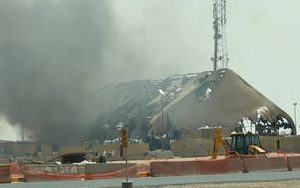
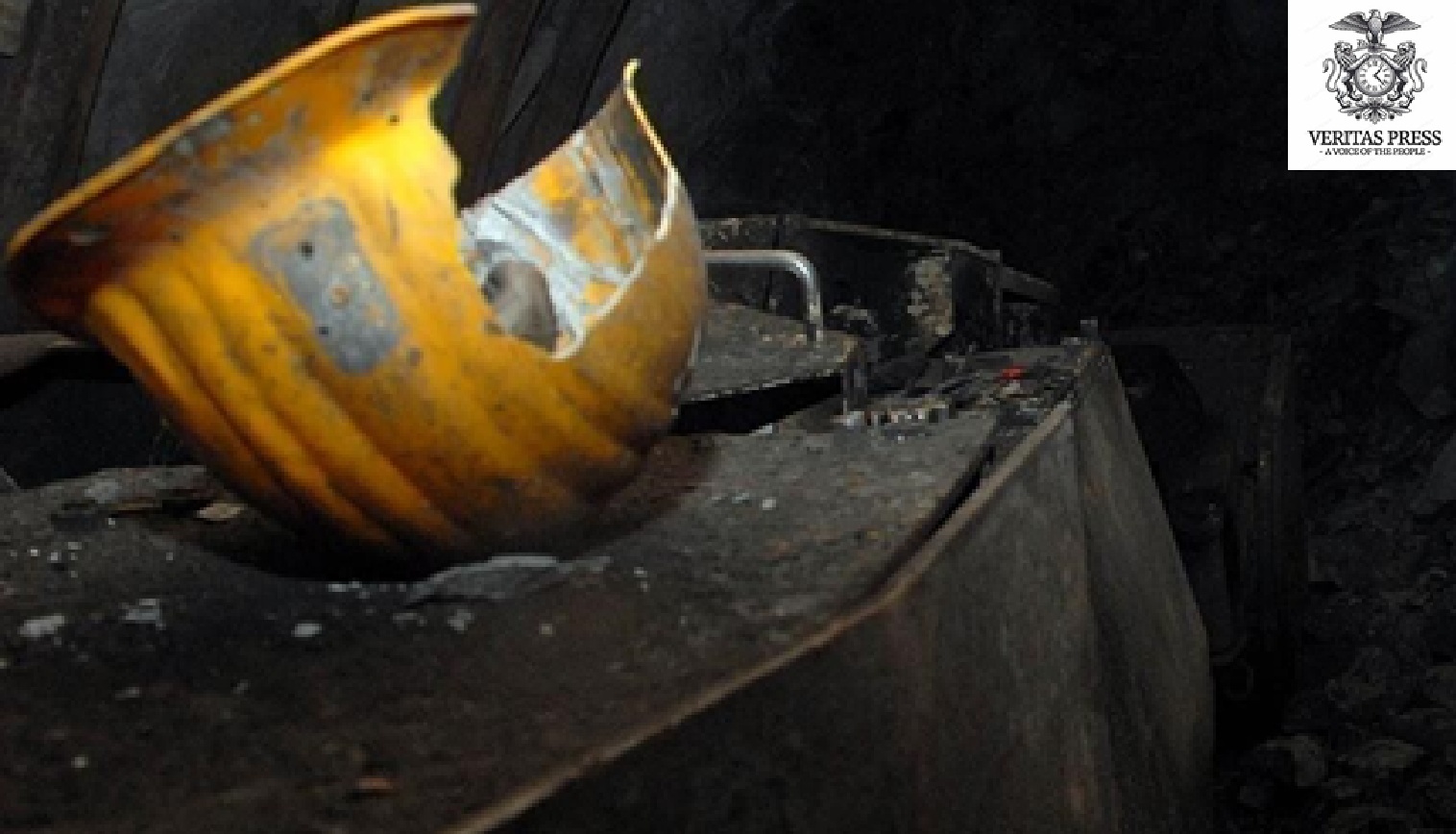
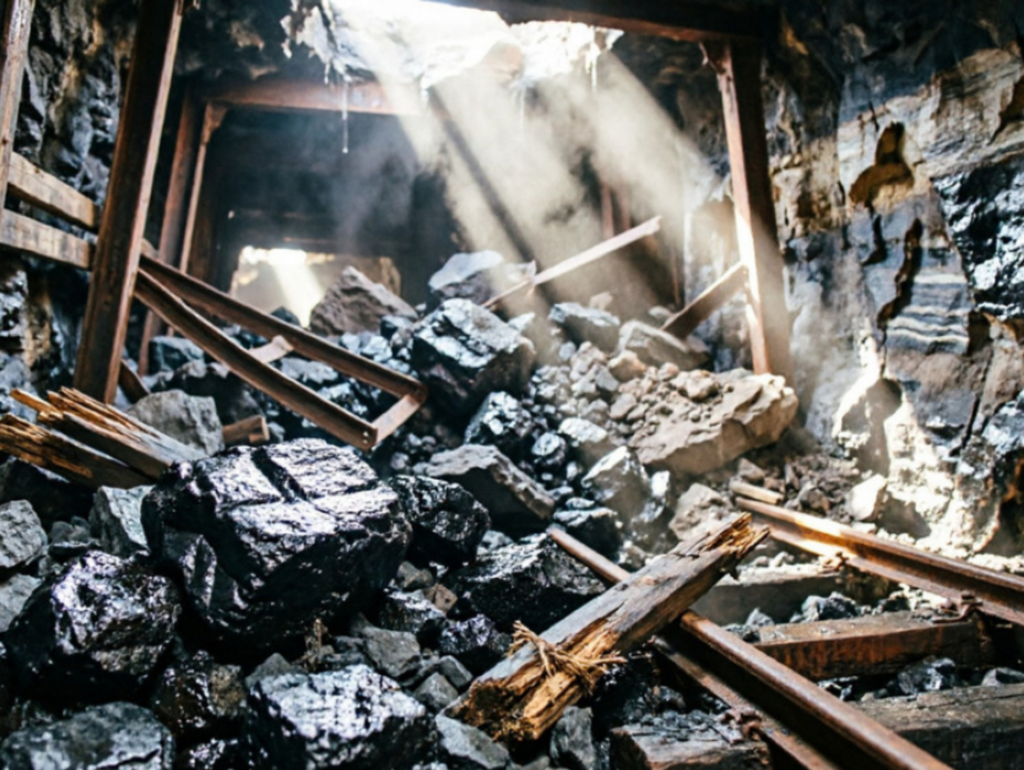
SHANXI PROVINCE – The death toll from a catastrophic gas explosion at the Liushenyu coal mine in Qinyuan County, in northern China’s Shanxi province, has continued to rise sharply, with state media now reporting at least 82 deaths and later updates placing the number closer to 90, while nine workers remain missing beneath the ground. More than 120 miners have reportedly been hospitalised, including several in critical condition, making the incident one of China’s deadliest mining disasters in more than a decade.
The explosion occurred at approximately 7:29 p.m. on Friday at the Liushenyu coal mine, operated by Shanxi Tongzhou Group Liushenyu Coal Industry, with 247 workers underground at the time. Initial reports released by authorities described a far lower casualty figure, first four deaths, then eight, before the toll surged dramatically as rescue operations progressed, raising difficult questions about the pace and transparency of information emerging from the disaster zone.
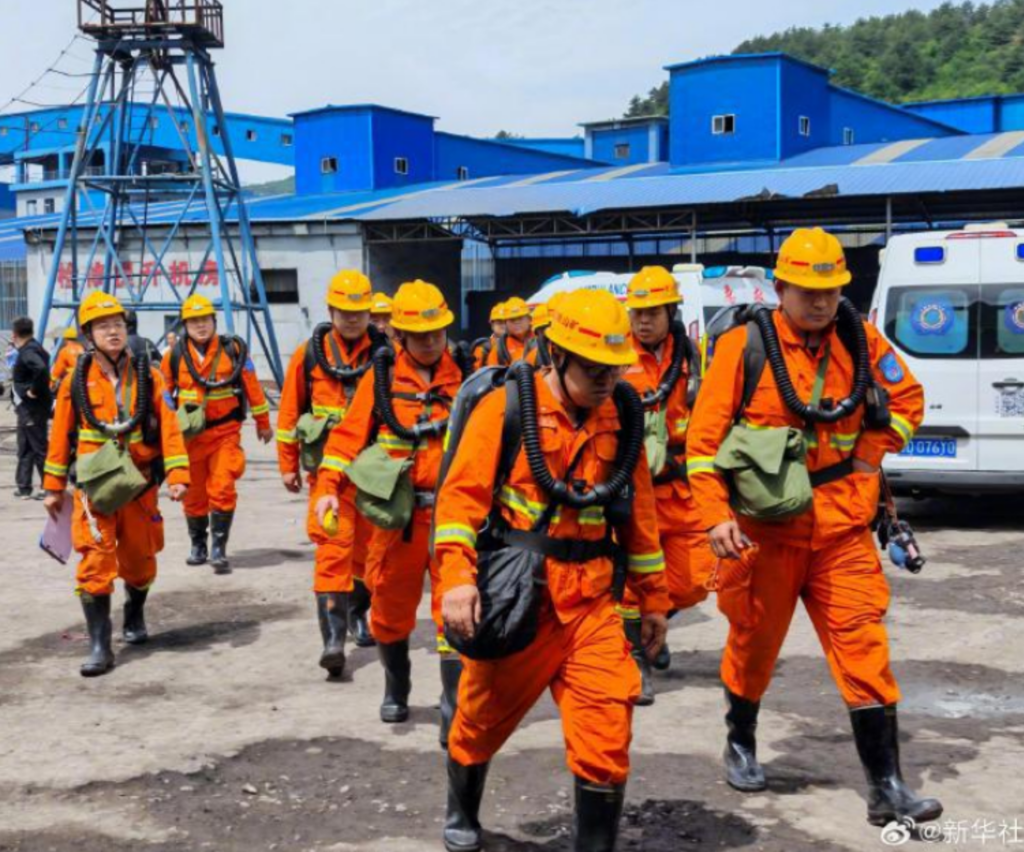
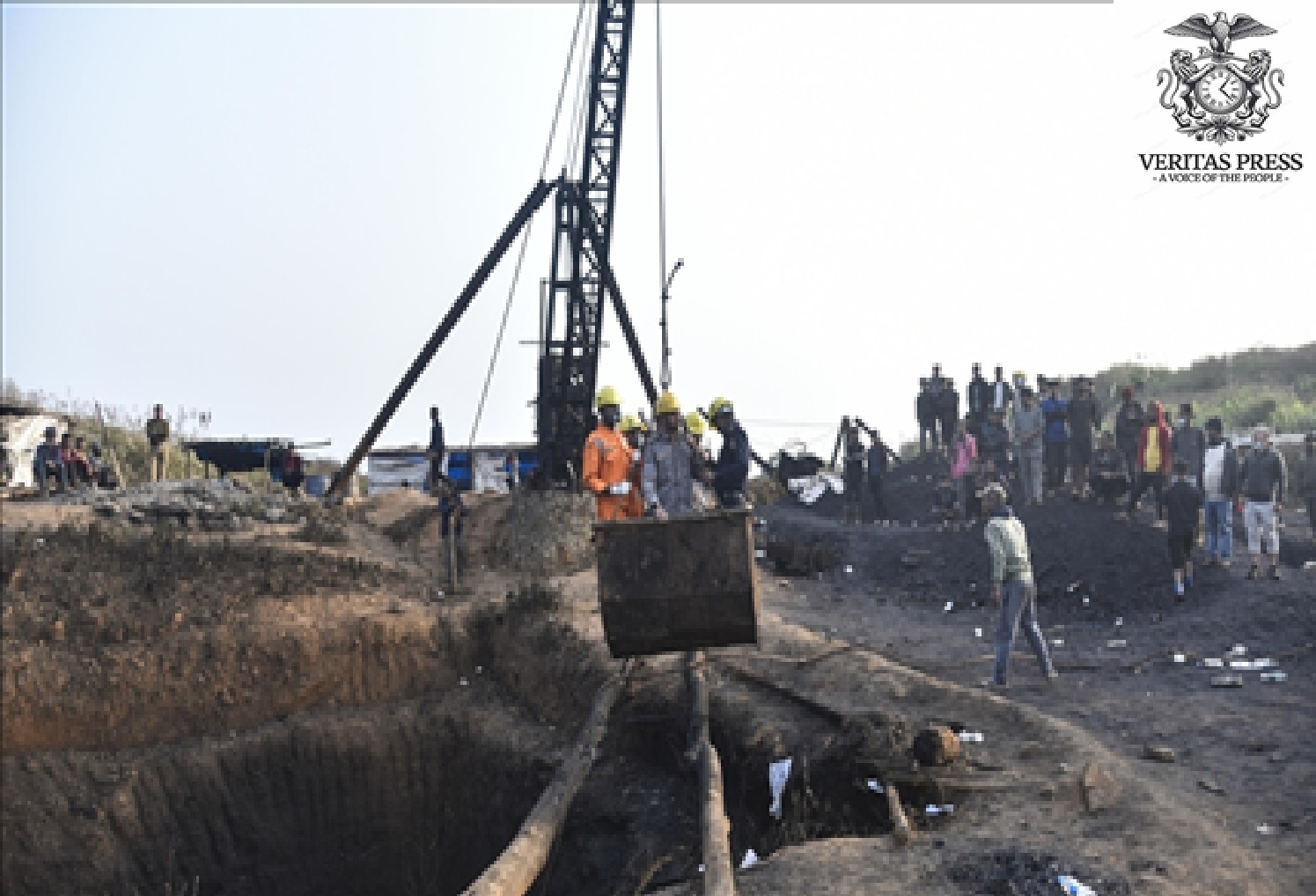
Provincial authorities said 755 rescuers and medical personnel had been mobilised to the site, while emergency crews continued searching for those still missing. Officials also reported that executives responsible for the mine had been taken into custody as investigations began into the causes of the disaster.
Xi Orders “All-Out Rescue” As Beijing Moves To Contain Fallout:
Chinese President Xi Jinping ordered what state media described as “all-out rescue efforts” and demanded a comprehensive investigation into the accident.
According to Xinhua, Xi said authorities must:
“Spare no effort in treating the injured and conducting search and rescue operations.”
He further stressed that officials nationwide must “draw lessons” from the incident and strengthen workplace safety measures to prevent similar disasters.
Chinese Premier Li Qiang echoed those calls, urging “timely and accurate release of information” and strict legal accountability. Vice Premier Zhang Guoqing was dispatched directly to Shanxi to oversee emergency operations.
The swift intervention from China’s top leadership reflects not only the scale of the disaster but also its political sensitivity. Major industrial disasters in China have historically become flashpoints for public anger, exposing tensions between economic growth objectives and worker protection.
China’s Coal Heartland And A Familiar Cycle Of Tragedy:
Shanxi province sits at the centre of China’s coal industry, producing roughly one-third of the country’s coal output and functioning as a pillar of Beijing’s energy security strategy. Despite China’s enormous investment in renewable energy and public commitments to reducing carbon dependence, coal remains deeply embedded within the country’s industrial and electricity systems.
For years, Chinese authorities have argued that safety standards in mines have improved dramatically.
Fatalities in coal mines have indeed declined significantly compared with the early 2000s, when thousands of miners died annually in accidents involving explosions, flooding, and tunnel collapses. Officials attribute those improvements to tighter regulations, closure of smaller mines, and modernisation efforts.
Yet the Liushenyu disaster exposes a recurring contradiction: official claims of improving safety frequently collide with periodic mass-casualty incidents that suggest structural vulnerabilities remain unresolved.
Early reports indicated carbon monoxide levels had exceeded safety limits before the explosion. Such gas accumulations are among the most feared hazards in underground coal extraction because they can spread invisibly through mine shafts and turn confined tunnels into lethal environments within minutes.
Mining experts have long warned that economic pressures can incentivise operators to prioritise output over safety investments. Safety inspections, monitoring systems and ventilation requirements exist on paper, but enforcement in practice can vary significantly across regions and companies.
Transparency Questions Emerge As Casualty Figures Climb:
One of the most striking aspects of the disaster has been the rapid escalation in the reported death toll.
State media first reported four deaths and dozens trapped underground. Within hours, the number rose to eight, then surpassed 80 before approaching 90.
The steep revision has generated scrutiny among observers and journalists regarding how casualty information was gathered and released.
China has repeatedly faced criticism following previous industrial accidents over accusations that local authorities initially underreported casualties or delayed disclosures while attempting to stabilise public reaction.
Authorities have stated that they are committed to releasing information accurately and promptly. However, independent access to disaster sites in China often remains tightly controlled, limiting outside verification and leaving many questions unanswered during the critical early hours of crises.
Workers Continue Bearing The Human Cost Of Energy Production:
Beyond statistics and investigations lie hundreds of families now waiting for news from hospitals, rescue teams and emergency officials.
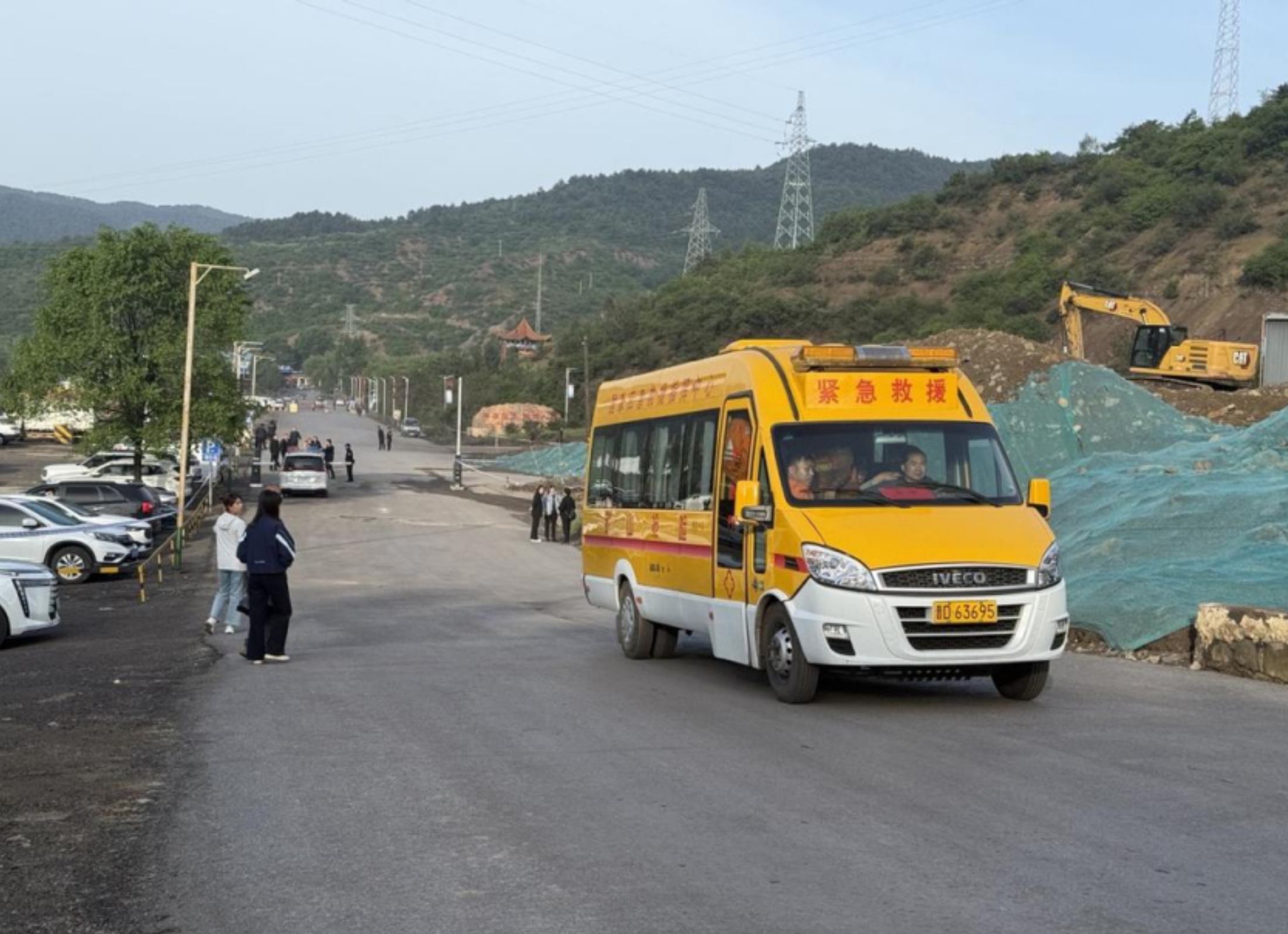
Local media footage from Shanxi showed rescue vehicles, ambulances and workers in protective gear entering and leaving the mine complex while anxious relatives gathered nearby.
As rescue efforts continue, the disaster again highlights the human costs embedded within coal extraction industries worldwide, industries that frequently operate far from public view yet remain essential to national economies and energy systems.
For China’s leadership, the Liushenyu tragedy may become more than a mining accident. It may serve as another test of whether repeated promises of stricter oversight and accountability can move beyond post-disaster rhetoric and confront deeper questions surrounding labour protection, regulatory enforcement and the pressures of maintaining economic growth at an industrial scale.
Source:Veritas Press C.I.C. | Multi News Agencies
Submissions:
For The Secure Submission Of Documentation, Testimonies, Or Exclusive Investigative Reports From Any Global Location, Please Utilise The Following Contact Details For Our Investigations Desk: enquiries@veritaspress.co.uk or editor@veritaspress.co.uk
Help Support Our Work:
Popular Information is powered by readers who believe that truth still matters. When just a few more people step up to support this work, it means more lies exposed, more corruption uncovered, and more accountability where it’s long overdue.
Help Protect Independent Journalism, Which Is Currently Under Attack.
If you believe journalism should serve the public, not the powerful, and you’re in a position to help, becoming a DONATOR or a PAID SUBSCRIBER truly makes a difference.
DONATION APPEAL: If You Found This Reporting Valuable, Please Consider Supporting Independent Journalism.
Help Support Our Work – We Know, We Know, We Know …
Seeing these messages is annoying. We know that. (Imagine what it’s like writing them … )
Your support fuels our fearless, truth-driven journalism. In unity, we endeavour to amplify marginalised voices and champion justice, irrespective of geographical location.
But it’s also extremely important. One of Veritas Press’s greatest assets is its reader-funded model.
1. Reader funding means we can cover what we like. We’re not beholden to the political whims of a billionaire owner. We are a small, independent and impartial organisation. No one can tell us what not to say or what not to report.
2. Reader funding means we don’t have to chase clicks and traffic. We’re not desperately seeking your attention for its own sake: we pursue the stories that our editorial team deems important and believe are worthy of your time.
3. Reader Funding: enables us to keep our website and other social media channels open, allowing as many people as possible to access quality journalism from around the world, particularly those in places where the free press is under threat.
We know not everyone can afford to pay for news, but if you’ve been meaning to support us, now’s the time.
Your donation goes a long way. It helps us:
Keep the lights on and sustain our day-to-day operations
Hire new, talented independent reporters
Launch real-time live debates, community-focused shows, and on-the-ground reporting
Cover the issues that matter most to our communities, in real time, with depth and integrity
We have plans to expand our work, but we can’t do it without your support. Every contribution, no matter the size, helps us stay independent and build a truly people-powered media platform.
If you believe in journalism that informs, empowers, and reflects the communities we serve, please donate today.
Kamran Faqir is a volunteer investigative journalist and writer committed to exposing hidden truths and amplifying underreported stories. Driven by social justice, he brings sharp insight and fearless truth-telling to independent journalism. NUJ registered.
SEATTLE, TEHRAN — The U.S. Department of Homeland Security (DHS) will allow Iran’s national football team to enter the country 48 hours before their critical World Cup match against Egypt on Friday, a modest concession in a tournament where Team Melli’s travel conditions have sparked claims of oppression and competitive disadvantage.