Kamran Faqir is a volunteer investigative journalist and writer committed to exposing hidden truths and amplifying underreported stories. Driven by social justice, he brings sharp insight and fearless truth-telling to independent journalism. NUJ registered.
Original Article Date Modified:
Article Date Modified:
11 minutes
Views:255
Listen to this article
Help support our mission, donate today and be the change. Every contribution goes directly toward driving real impact for the cause we believe in.
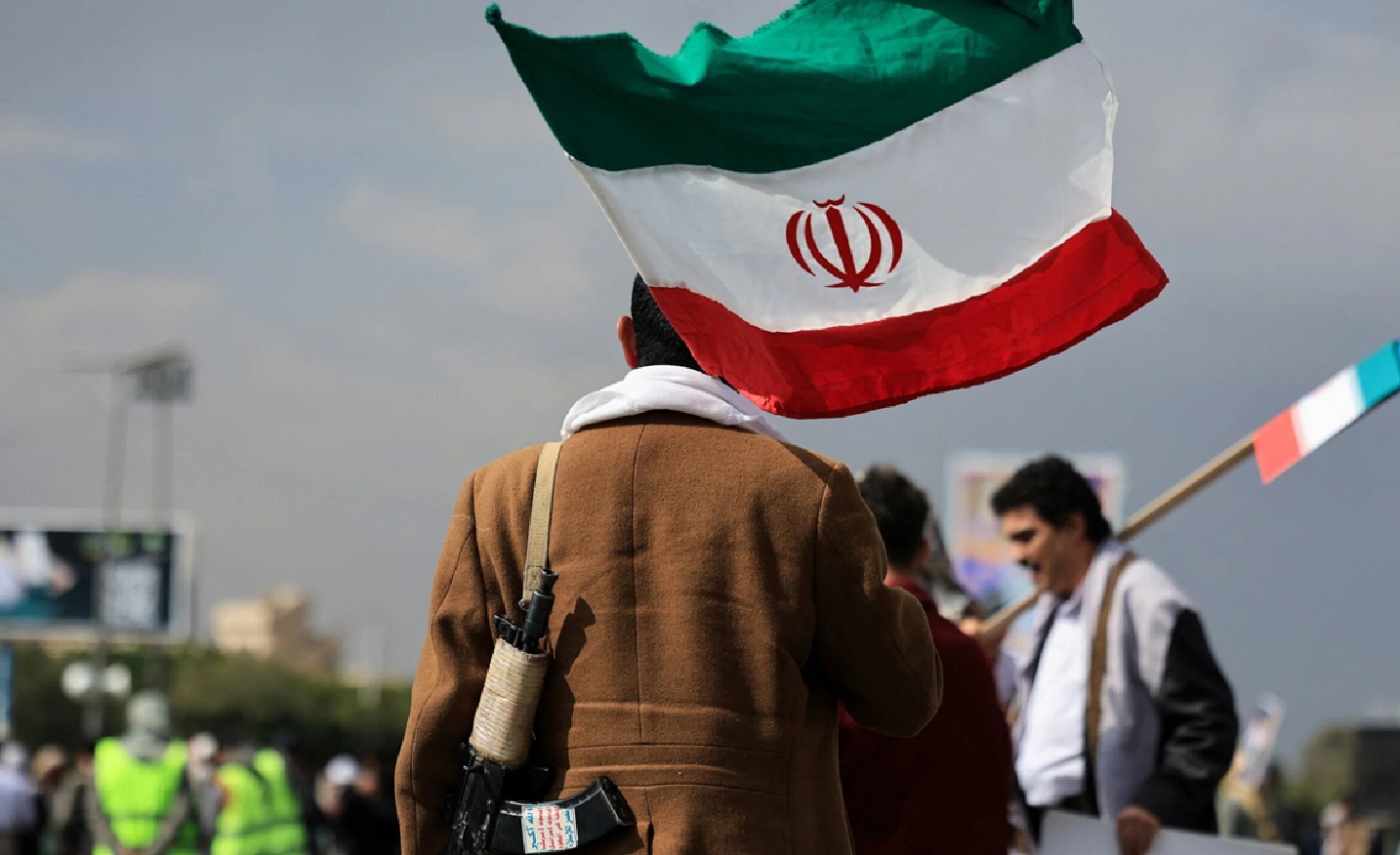
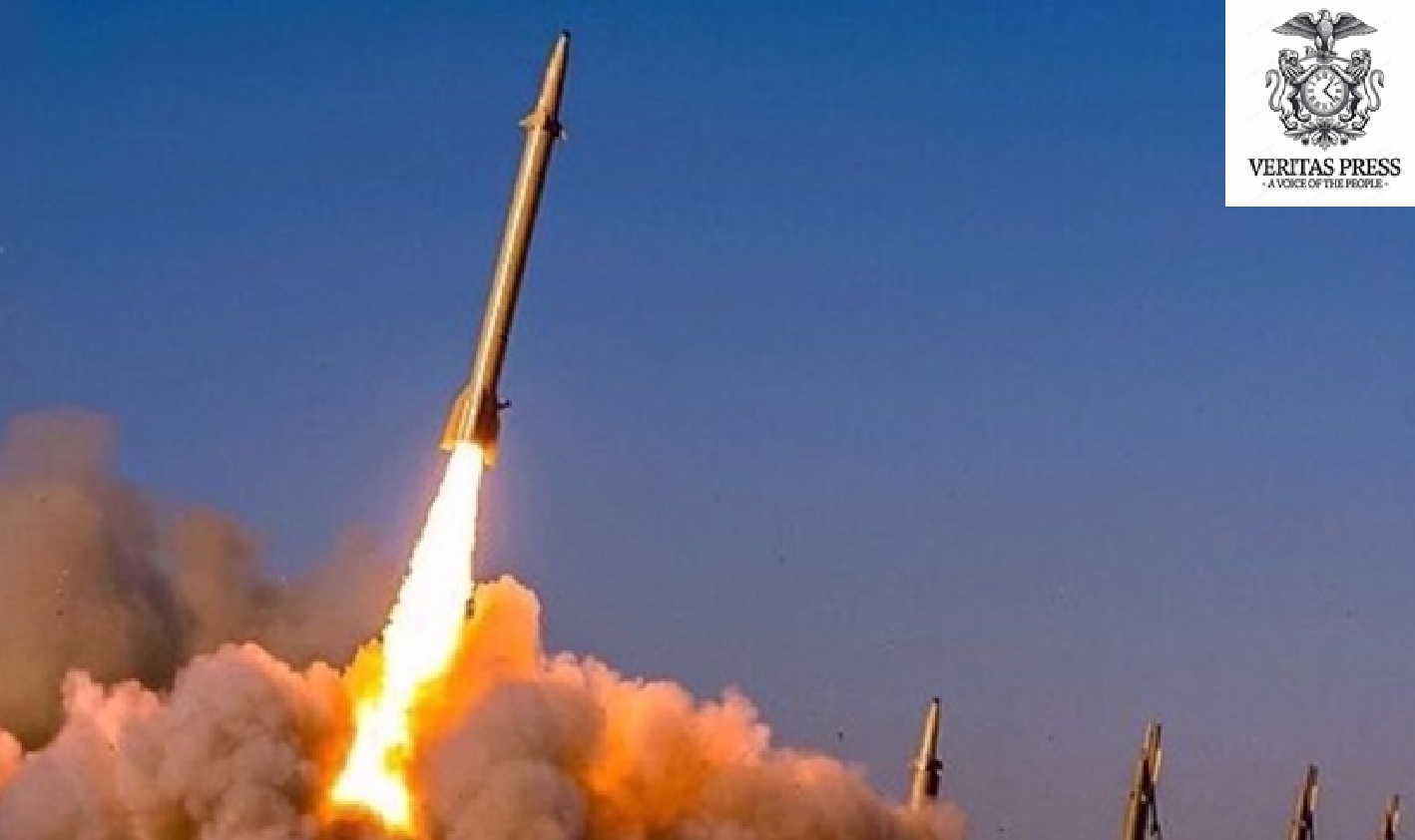
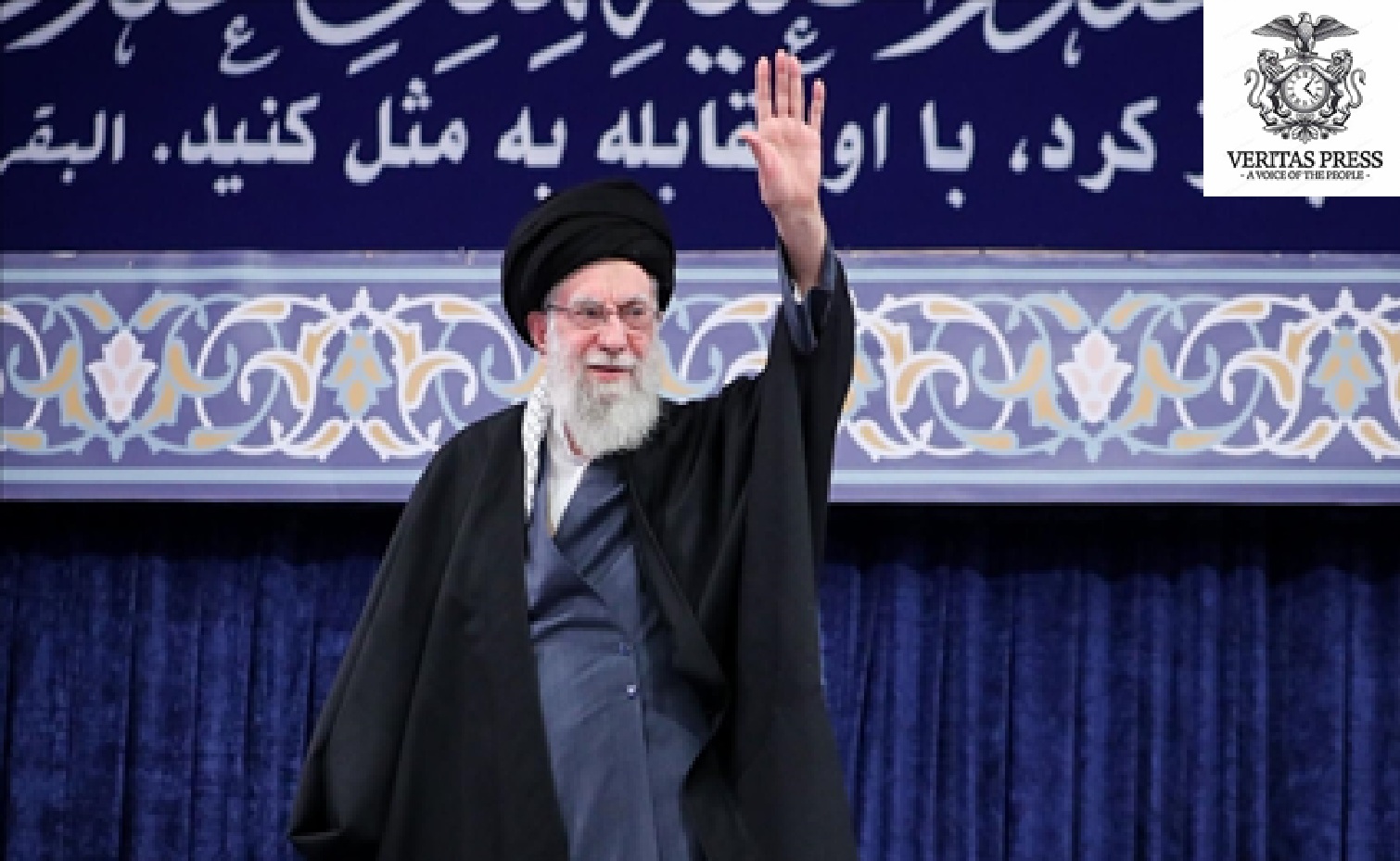
TEHRAN – The war of words between Tehran and Washington has again moved closer to the language of open conflict, with Iranian military leaders warning that any new attack on the Islamic Republic would no longer remain confined to the Middle East. The latest statements from the Islamic Revolution Guards Corps (IRGC) and senior Iranian commanders come as US President Donald Trump has renewed threats of military action while simultaneously insisting negotiations remain possible.
What is emerging is a familiar but increasingly volatile pattern: public ultimatums, coercive diplomacy, military posturing and escalating sanctions operating alongside claims of ongoing negotiations. Analysts increasingly warn that the danger no longer lies only in direct US-Iran confrontation, but in the multiplication of interconnected fronts stretching from the Gulf to the Mediterranean and potentially beyond.
Iranian officials have framed the current phase as a continuation of what they describe as an American-Israeli campaign of aggression aimed not merely at containing Tehran’s nuclear ambitions but weakening the Islamic Republic strategically and regionally.
The latest US sanctions package targeting Iran’s financial networks and so-called “shadow fleet” of oil transportation companies demonstrates that economic pressure remains central to Washington’s approach. The US Treasury this week imposed new measures on exchange houses and shipping entities accused of facilitating Iranian oil exports.
IRGC Raises The Stakes.
The IRGC’s latest statement carried unusually expansive language.
Addressing Washington and Israel directly, the force declared:
“Although they attacked us with the full capabilities of two armies, the most expensive armies in the world, we did not bring all the capacities of the Islamic Revolution into action against them.”
It continued with an even sharper warning:
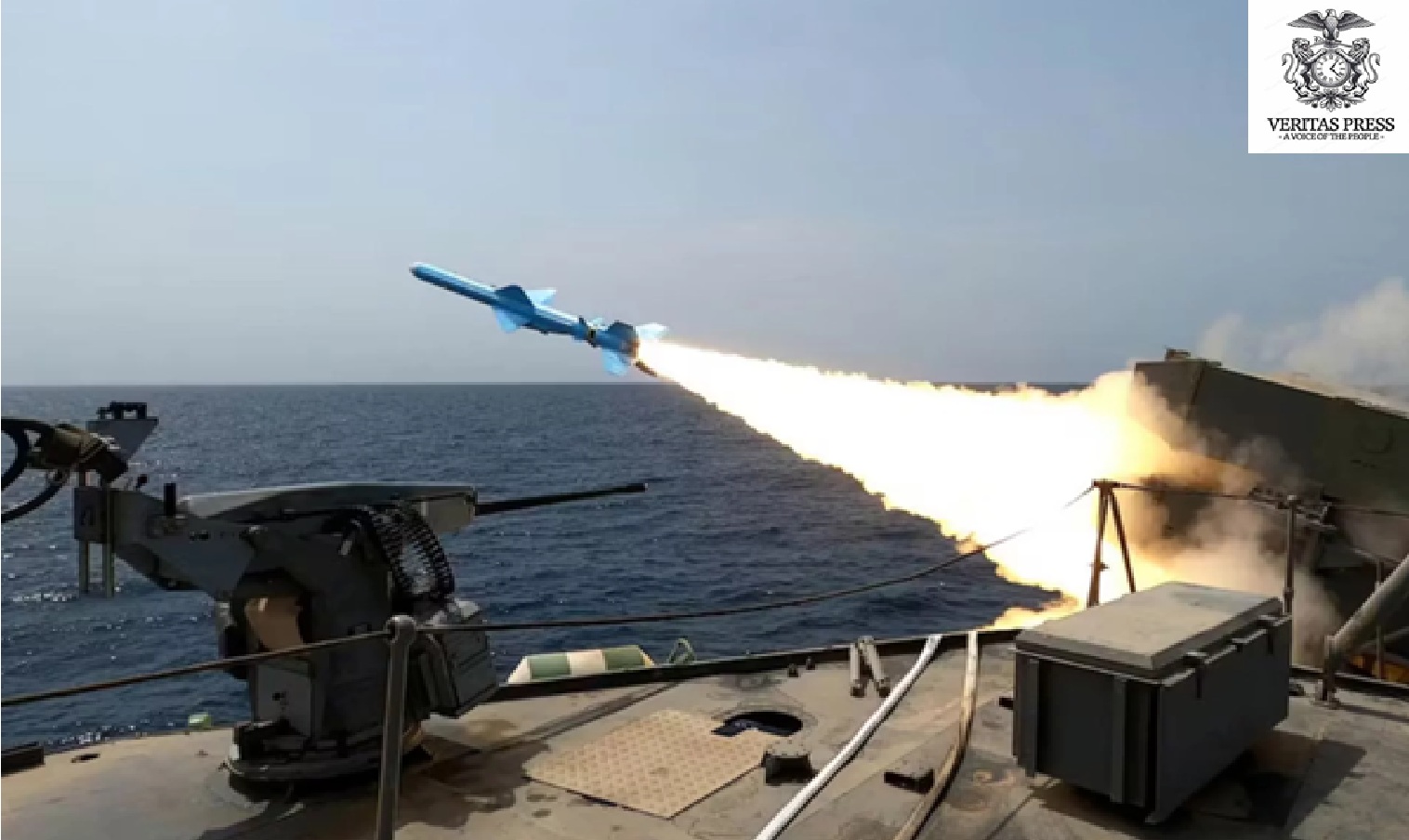
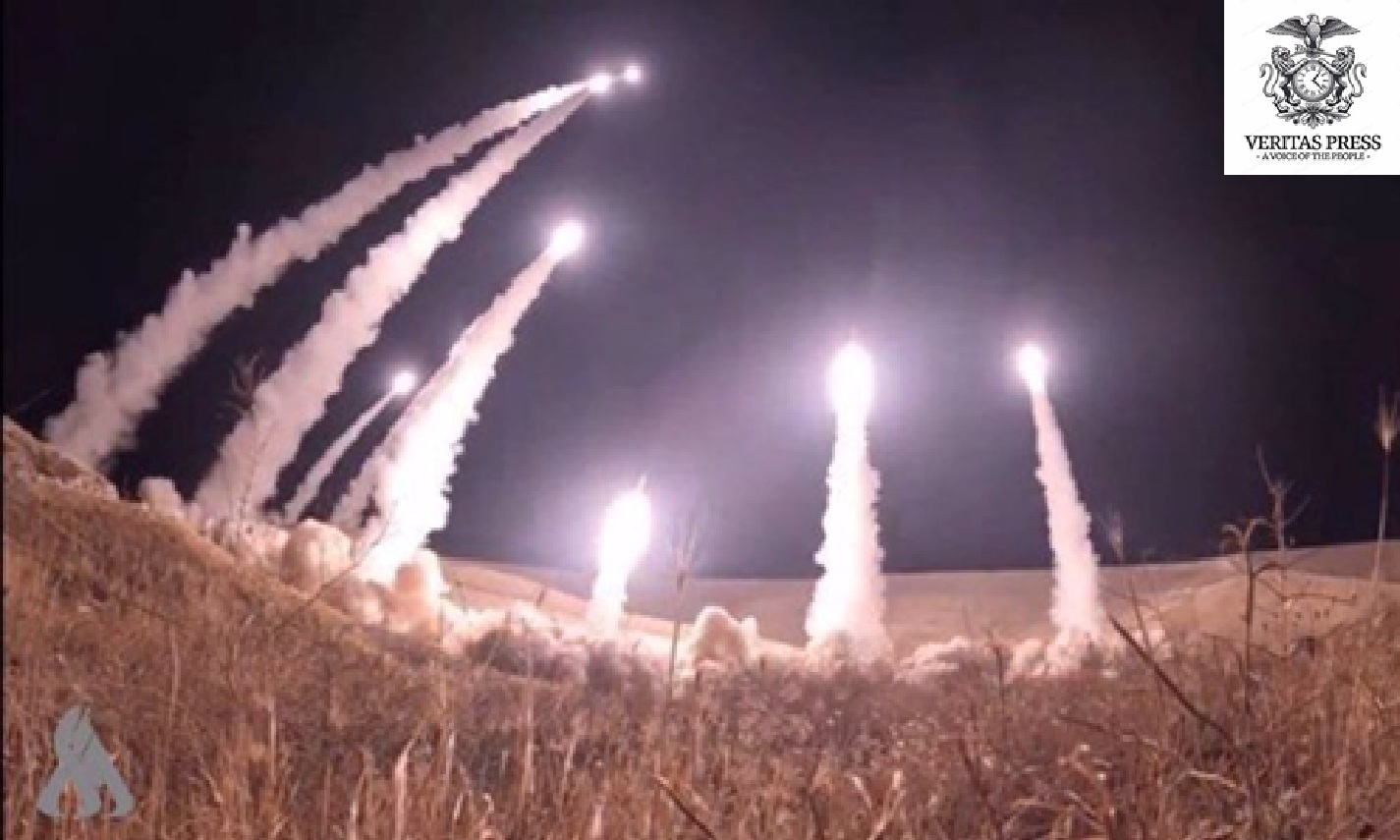
“If aggression against Iran is repeated, the regional war that had been promised will this time be drawn beyond the region.”
The statement invoked Qur’anic language and rejected what it called “hollow statements and virtual pages,” insisting Iran would demonstrate its power “on the battlefield.”
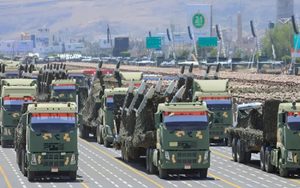
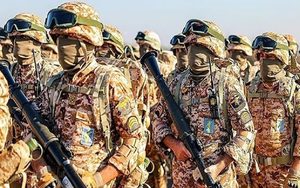
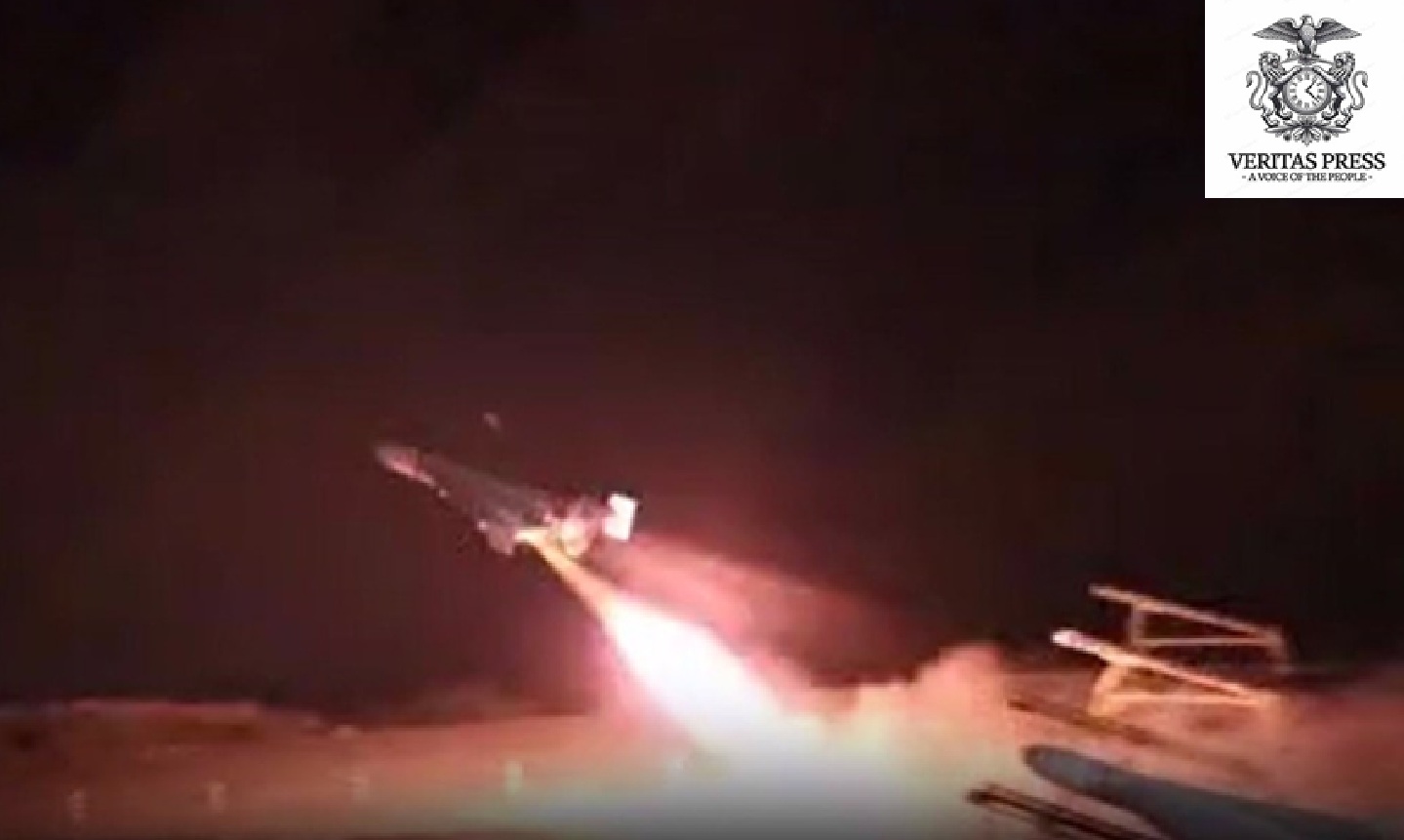
Iranian Army spokesman Mohammad Akraminia echoed this position, warning that Tehran would “open new fronts” using “new equipment and new methods.”
Major General Ali Abdollahi of the Khatam al-Anbiya Headquarters similarly warned against what he called another “strategic mistake.”
Such rhetoric serves several purposes simultaneously.
Military messaging inside Iran often functions as deterrence, domestic reassurance and external signalling. Tehran seeks to demonstrate that despite sanctions, assassinations, cyber operations and military pressure, it retains escalation capacity.
Yet analysts note that phrases such as “new fronts” intentionally remain ambiguous.
Those “fronts” could potentially include:
maritime disruption around the Persian Gulf and the Strait of Hormuz;
The deliberate vagueness itself becomes part of the deterrent strategy.
Trump Intensifies Pressure While Keeping Diplomacy Alive:
On the other side, President Trump has continued issuing highly public deadlines and threats.
Speaking to reporters, Trump said:
“I hope we don’t have to do the work, but we may have to give them another big hit.”
He further claimed Tehran was “begging” for an agreement and suggested Iran had only days remaining before facing consequences.
But mixed messages have become a defining characteristic of the current negotiations.
Vice President JD Vance simultaneously said Washington had made “a lot of progress” and suggested neither side wanted renewed military operations.
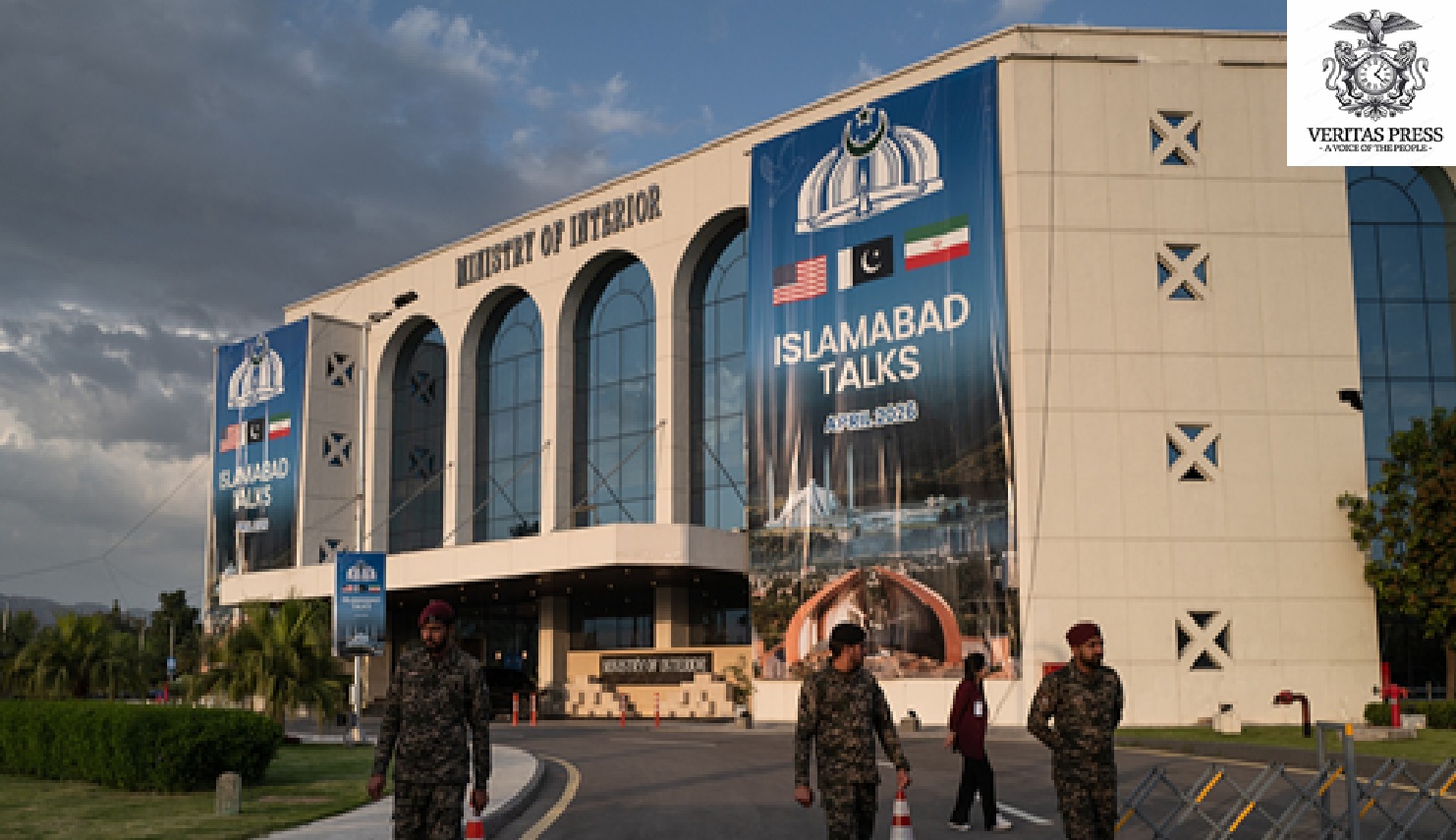
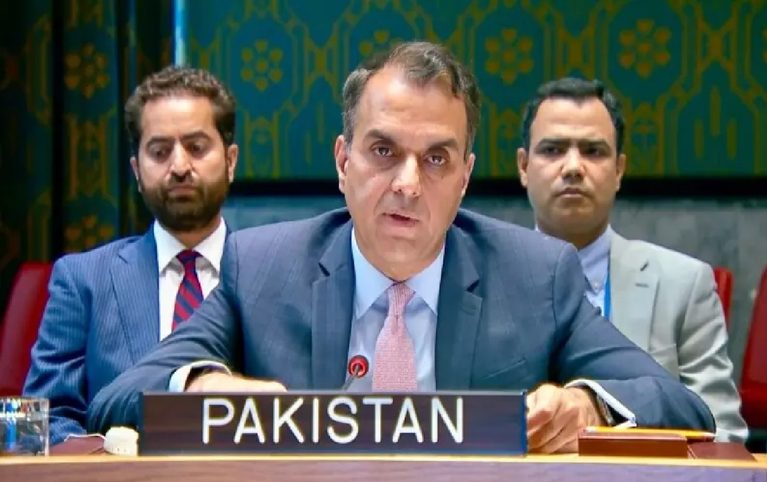
Indirect negotiations facilitated by regional mediators, including Oman and Pakistan, have repeatedly produced cautious optimism before encountering new obstacles. Earlier rounds of talks were described by Iranian officials as a “good start,” although substantial differences remained unresolved.
Iranian officials insist negotiations cannot occur under military threats.
Iranian Foreign Minister Abbas Araghchi warned that another war would bring “many more surprises.”
The Dispute Extends Beyond Nuclear Enrichment:
Iranian Deputy Foreign Minister Kazem Gharibabadi reportedly outlined demands including sanctions relief, release of frozen assets, ending military pressure, withdrawal of nearby US forces and compensation for war-related damages.
These demands go far beyond Washington’s publicly stated objectives and illustrate the scale of disagreement separating both sides.
The Contradiction At The Centre Of US Policy:
A central criticism raised by observers concerns Washington’s simultaneous use of coercion and negotiation.
Successive US administrations have attempted a “pressure plus diplomacy” strategy toward Iran. Critics argue that the model often produces contradictory incentives.
Iranian officials repeatedly argue that sanctions and military threats undermine trust and weaken diplomatic credibility.
Iranian parliament speaker Mohammad Bagher Ghalibaf recently accused Washington of pursuing Iranian “surrender” rather than compromise.
Critics of Trump’s approach inside the US have similarly questioned whether public ultimatums and compressed deadlines create conditions for meaningful negotiation.
Regional observers note that nuclear diplomacy historically required prolonged, technically detailed discussions involving verification mechanisms and international oversight structures.
The Joint Comprehensive Plan of Action itself took years of negotiations involving multiple governments and technical experts.
Compressing such issues into public countdowns risks turning negotiations into political theatre rather than substantive diplomacy.
Economic Warfare And Civilian Consequences:
The latest sanctions measures continue an economic strategy intended to limit Tehran’s access to international financial systems and oil revenues.
US Treasury Secretary Scott Bessent described the objective as dismantling Iran’s “shadow banking system and shadow fleet.”
But sanctions remain one of the most contested tools in international politics.
Humanitarian organisations and economists have long argued that while sanctions target governments, civilians often absorb significant consequences through inflation, unemployment, medicine shortages and declining purchasing power.
Research examining long-term confrontation between Iran and Western states suggests substantial economic losses accompanied by broader institutional and social effects.
Ordinary Iranians continue to face the consequences of currency instability, rising prices and declining living standards.
Independent Iranian activists and economists have frequently argued that sustained external pressure, combined with internal governance challenges, places civilians in a dual crisis.
Beyond The Middle East?
The IRGC’s phrase, “war beyond the region”, may represent more than rhetorical escalation.
For years, strategic planners viewed any Iran conflict through a regional lens involving Iraq, Syria, Lebanon, Yemen and Gulf shipping lanes.
But the globalised nature of energy markets, cyber infrastructure and economic systems means escalation increasingly carries worldwide implications.
The Strait of Hormuz remains one of the world’s most strategically important waterways, with substantial portions of global oil and gas supplies passing through it.
Any prolonged disruption could affect fuel prices, supply chains and international markets far beyond the Middle East.
Previous confrontations have already demonstrated these ripple effects.
Oil markets reacted sharply during earlier tensions, while shipping companies and insurers adjusted routes and premiums based on perceived security risks.
A Conflict Increasingly Defined By Uncertainty.
The most dangerous element may not be what leaders are saying publicly, but what remains unclear.
Washington insists military pressure creates leverage.
Tehran insists resistance creates deterrence.
Both governments simultaneously claim they prefer diplomacy.
Yet each side also continues preparing for escalation.
History suggests wars often emerge not from declared intentions but from miscalculations: misunderstood signals, domestic political pressures or assumptions that the other side will retreat.
The IRGC’s warning that future conflict could extend beyond the region, therefore, reflects a larger reality.
The crisis surrounding Iran is no longer only about nuclear questions or bilateral hostility between Washington and Tehran.
It increasingly sits at the intersection of regional alliances, energy security, global markets and competing visions of power in the international order.
And in that environment, every threat carries risks far beyond the battlefield itself.
Conclusion:
Beyond the public rhetoric, some regional analysts and observers argue that the language now emerging from military and political circles may point to objectives extending beyond immediate deterrence or nuclear negotiations. The discussion increasingly raises questions about whether the crisis is evolving toward a broader strategic agenda, one that includes weakening Iran’s state structure itself and potentially creating conditions for political transformation or regime destabilisation.
Officially, Washington maintains that its stated objective remains preventing Iran from obtaining a nuclear weapon and curbing what it describes as destabilising regional activities. However, critics have long pointed to a recurring pattern in US foreign policy in which limited military objectives gradually expand into broader political ambitions. Publicly declared goals and operational realities have not always remained aligned. In conflicts from Iraq to Libya, interventions initially framed around security threats eventually became intertwined with attempts to reshape political orders.
Within that context, some analysts interpret escalating language surrounding “new fronts,” military deployments, pressure campaigns and regional force positioning as potentially reflecting preparations for scenarios extending beyond punitive strikes alone. Behind the rhetoric, concerns are growing that any sustained confrontation could create pathways toward expanded military operations involving covert networks, proxy actors, intelligence penetration and potentially broader territorial destabilisation efforts designed to weaken the state’s governing structure from within.
Iranian officials have repeatedly portrayed external pressure through precisely this lens, arguing that sanctions, covert operations, assassinations, cyber attacks and military threats form parts of a long-running strategy aimed ultimately at regime change rather than behavioural change. Tehran has frequently accused the US and Israel of pursuing a policy of systemic weakening intended to fracture internal cohesion.
Whether such fears reflect reality, strategic messaging or a combination of both remains heavily debated. Yet the perception itself carries consequences. States often respond not merely to an adversary’s actions, but to what they believe the adversary’s ultimate intentions to be. If Iranian leaders increasingly conclude that external pressure is designed not for negotiation but for political overthrow, the possibility of compromise narrows considerably and incentives for escalation increase.
The danger, therefore, may not lie solely in missiles, drones or military deployments. It may lie in the possibility that competing actors are operating from fundamentally different assumptions: one side believing it is applying leverage, the other believing it is confronting an existential campaign for its survival. In such circumstances, wars can cease to be contests over policy and become struggles over political existence itself. Once that threshold is crossed, the logic of containment can rapidly give way to the logic of expansion.
Source: Veritas Press C.I.C. | Multi News Agencies
Submissions:
For The Secure Submission Of Documentation, Testimonies, Or Exclusive Investigative Reports From Any Global Location, Please Utilise The Following Contact Details For Our Investigations Desk: enquiries@veritaspress.co.uk or editor@veritaspress.co.uk
Help Support Our Work:
Popular Information is powered by readers who believe that truth still matters. When just a few more people step up to support this work, it means more lies exposed, more corruption uncovered, and more accountability where it’s long overdue.
Help Protect Independent Journalism, Which Is Currently Under Attack.
If you believe journalism should serve the public, not the powerful, and you’re in a position to help, becoming a DONATOR or a PAID SUBSCRIBER truly makes a difference.
DONATION APPEAL: If You Found This Reporting Valuable, Please Consider Supporting Independent Journalism.
Help Support Our Work – We Know, We Know, We Know …
Seeing these messages is annoying. We know that. (Imagine what it’s like writing them … )
Your support fuels our fearless, truth-driven journalism. In unity, we endeavour to amplify marginalised voices and champion justice, irrespective of geographical location.
But it’s also extremely important. One of Veritas Press’s greatest assets is its reader-funded model.
1. Reader funding means we can cover what we like. We’re not beholden to the political whims of a billionaire owner. We are a small, independent and impartial organisation. No one can tell us what not to say or what not to report.
2. Reader funding means we don’t have to chase clicks and traffic. We’re not desperately seeking your attention for its own sake: we pursue the stories that our editorial team deems important and believe are worthy of your time.
3. Reader Funding: enables us to keep our website and other social media channels open, allowing as many people as possible to access quality journalism from around the world, particularly those in places where the free press is under threat.
We know not everyone can afford to pay for news, but if you’ve been meaning to support us, now’s the time.
Your donation goes a long way. It helps us:
Keep the lights on and sustain our day-to-day operations
Hire new, talented independent reporters
Launch real-time live debates, community-focused shows, and on-the-ground reporting
Cover the issues that matter most to our communities, in real time, with depth and integrity
We have plans to expand our work, but we can’t do it without your support. Every contribution, no matter the size, helps us stay independent and build a truly people-powered media platform.
If you believe in journalism that informs, empowers, and reflects the communities we serve, please donate today.
Kamran Faqir is a volunteer investigative journalist and writer committed to exposing hidden truths and amplifying underreported stories. Driven by social justice, he brings sharp insight and fearless truth-telling to independent journalism. NUJ registered.
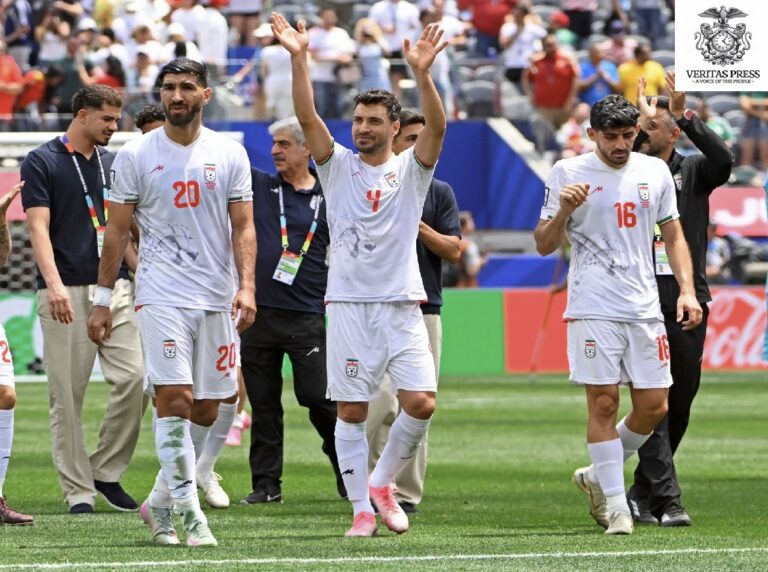
SEATTLE, TEHRAN — The U.S. Department of Homeland Security (DHS) will allow Iran’s national football team to enter the country 48 hours before their critical World Cup match against Egypt on Friday, a modest concession in a tournament where Team Melli’s travel conditions have sparked claims of oppression and competitive disadvantage.