GAZA: Thousands of Palestinian Patients Stranded in Gaza Await Treatment Abroad Amid Israeli Restrictions.
Original Article Date Modified:
Article Date Modified:
12 minutes
Views:266
Listen to this article
Help support our mission, donate today and be the change. Every contribution goes directly toward driving real impact for the cause we believe in.
“Thousands Of Palestinian Patients Remain Stranded In The War-Torn Gaza Strip, Awaiting Treatment Abroad, As Only A Limited Number Are Permitted To Leave Amid Heavy Israeli Restrictions And A Worsening Health Crisis Following The Genocide.”
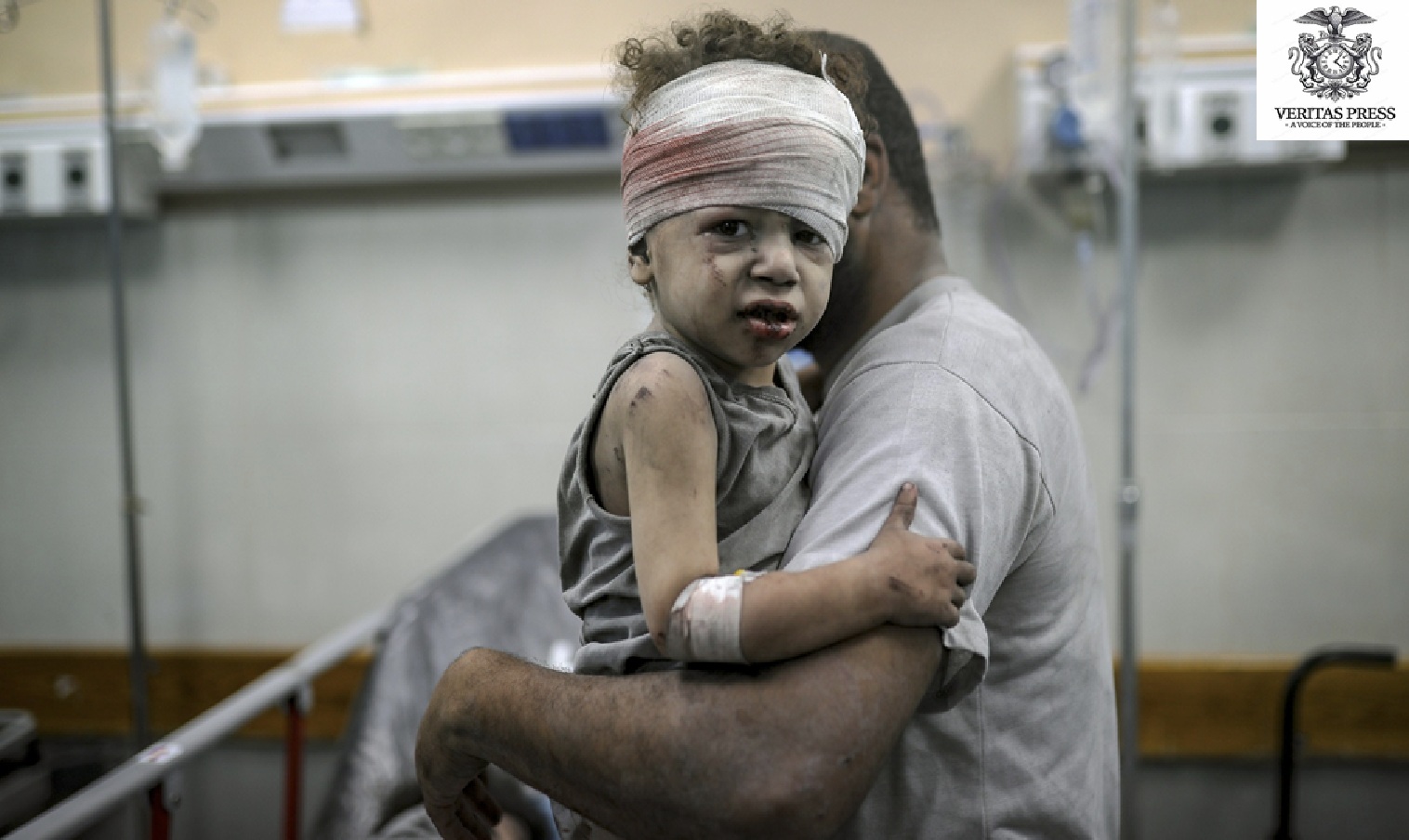
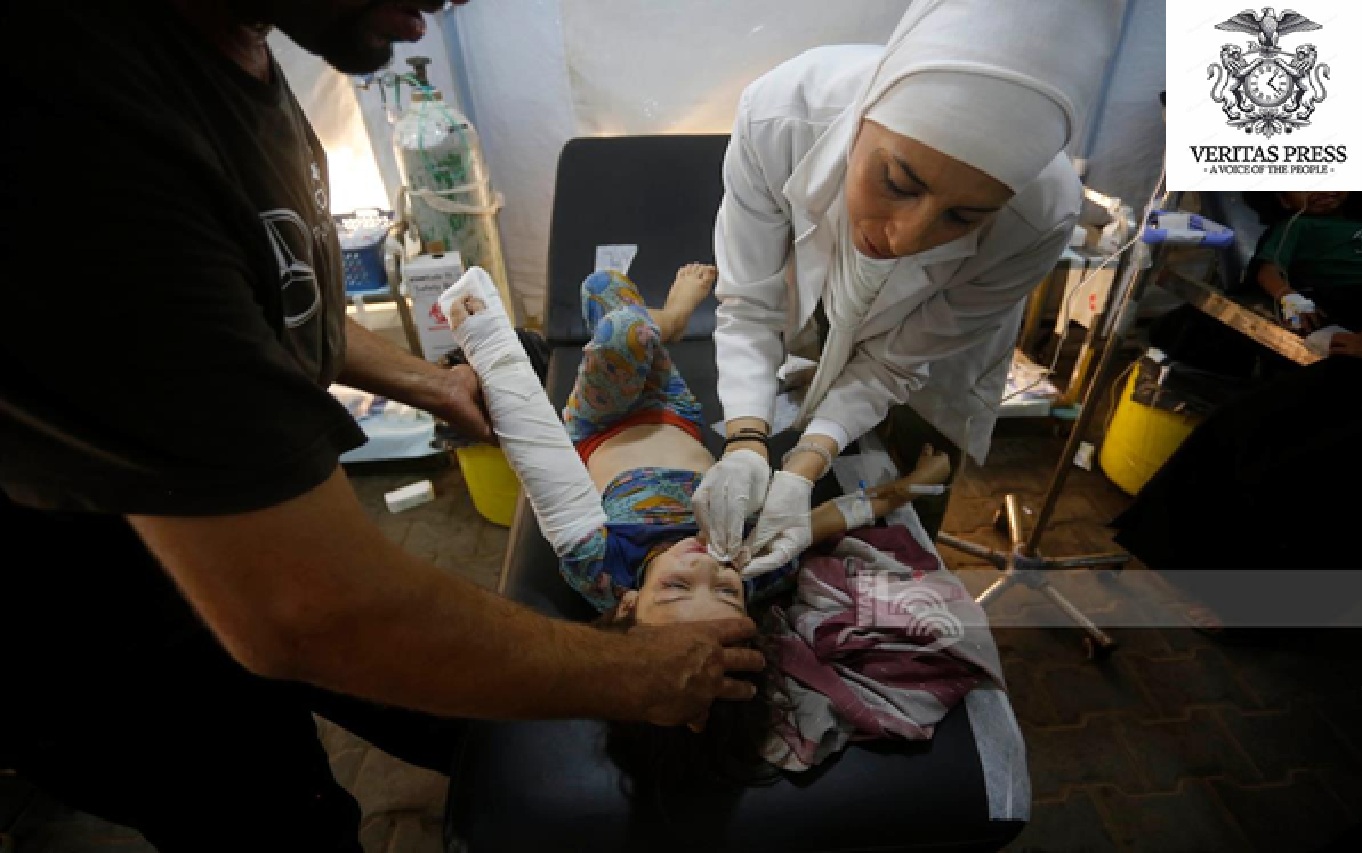
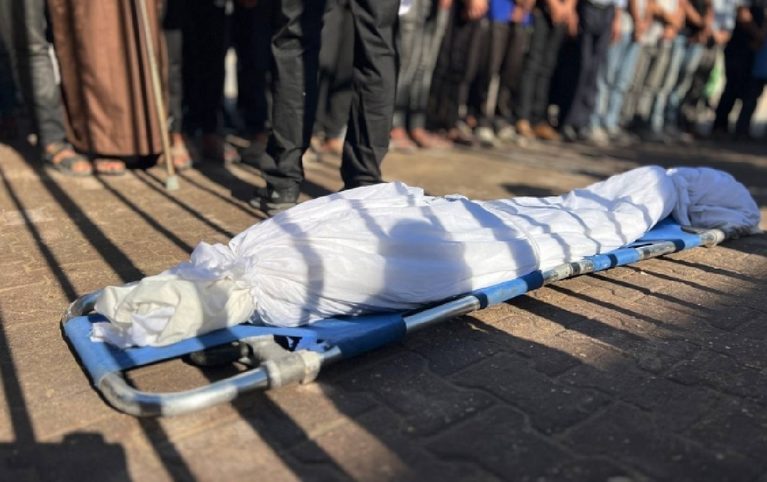
GAZA CITY, MAY 20, 2026 — In the ninth month of a ceasefire that was supposed to open the gates for humanitarian relief, the Rafah border crossing remains a tightly controlled sluice through which only a trickle of the gravely ill can pass. Thousands of Palestinian patients, many of them children with blast injuries, cancer, and renal failure, are stranded in a territory stripped of functioning hospitals, while the mechanisms designed to evacuate them move at a pace that aid officials now openly describe as a death sentence by bureaucracy.
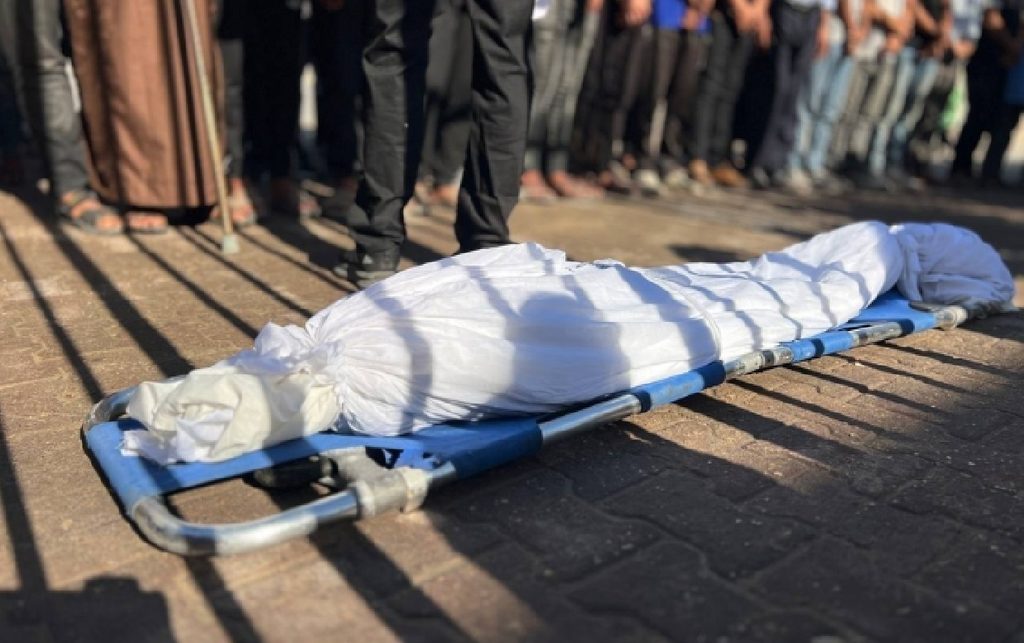
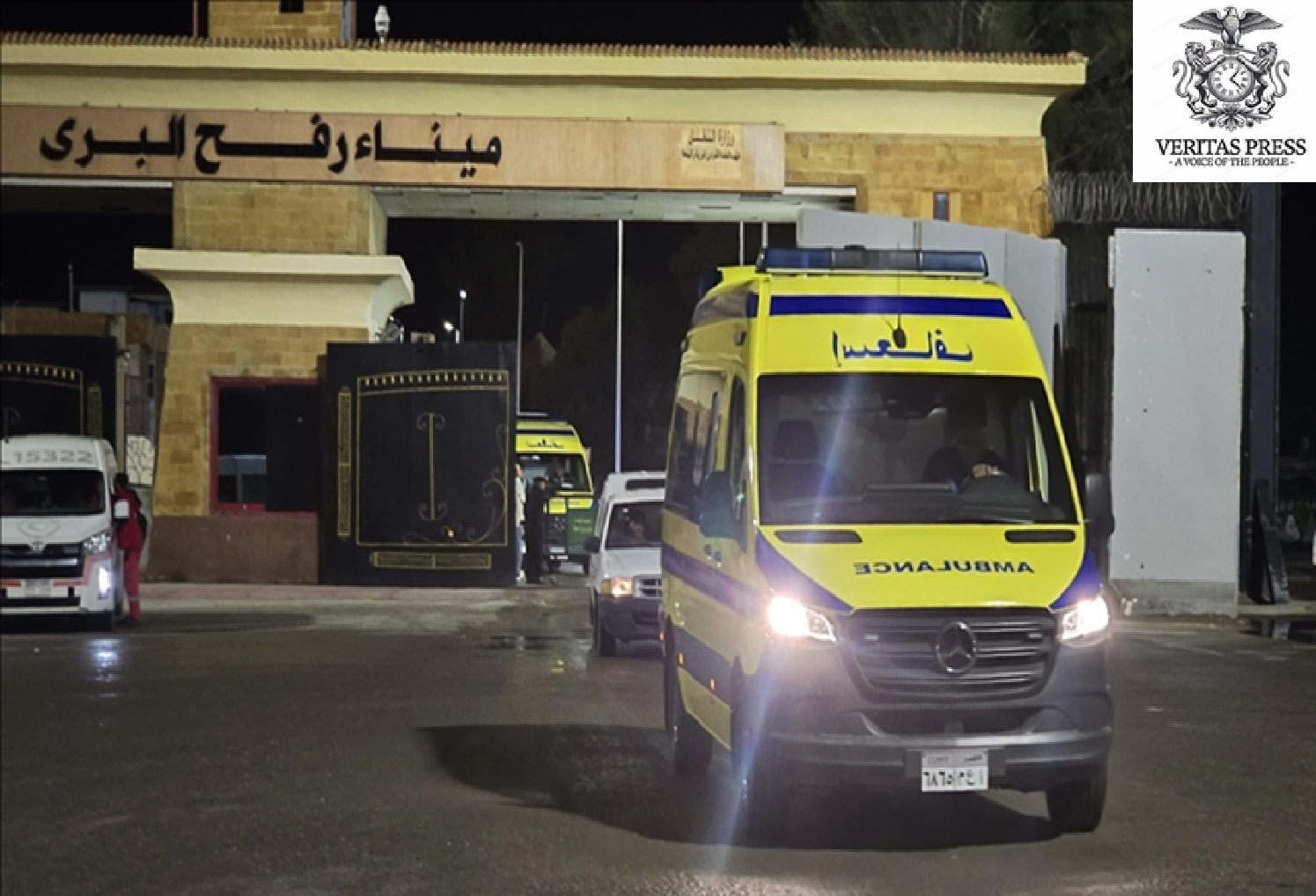
The numbers, updated this week by the Palestinian Health Ministry in Gaza, have barely shifted since the first limited medical convoys rolled out in early February. On Friday, just 29 patients requiring care unavailable inside Gaza were permitted to exit through Rafah into Egypt. A day earlier, 20 had been transferred to Jordan. These figures stand against a waiting list of 20,000 patients deemed urgent, including 4,500 children and 6,000 people with injuries so severe that delayed treatment means amputation, organ failure, or death. Since Israel shuttered the crossing entirely in May 2024, health authorities say at least 1,268 people have died while waiting for a transfer that never came.
“The small number of departing patients does not meet the urgent need for travel for those on the lists who are suffering from difficult health and humanitarian conditions, especially given the worsening health crisis in the Gaza Strip,” the Health Ministry said in a statement issued on its Telegram channel. It repeated a call that has echoed across nine months of ceasefire: “Expedite the medical evacuation procedures.”
A Health System “Entirely Destroyed”:
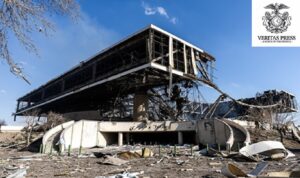
The reason so many need to leave is that there is almost nothing left for them to stay for. Dr. Muhamed Abu Salmiya, director of Gaza’s Al-Shifa Hospital, once the backbone of the Strip’s tertiary care, said bluntly that Israel’s military operations “entirely destroyed” the health system. Al-Shifa itself was raided, besieged, and left a shell during the 2023–2025 war, and while some primary care points have reopened under tarpaulins and in repurposed schools, complex surgery, oncology, dialysis, and rehabilitation remain virtually non-existent.
“We’re still losing lives every day,” Abu Salmiya told a visiting medical delegation in April. “Allowing only 50 patients out of Gaza each day is not proper. This dynamic is very dire, and we’re going to lose more lives.” The Ministry of Health estimates that even to clear the existing backlog, ignoring new cases from daily accidents, untreated chronic illness, and sporadic Israeli fire, would require evacuating at least 500 patients per day. At the current rate, officials warn, it could take years.
The Crossing As An Instrument Of Control:
Rafah, Gaza’s sole pedestrian gateway to the outside world, not controlled directly by Israel, has become the most visible choke point of a broader siege. Israeli forces occupied the Palestinian side of the crossing in May 2024, demolished its facilities, and established a permanent military buffer zone along the entire Philadelphi Corridor. Soldiers remain there today. The first phase of the U.S.-brokered “Trump ceasefire” 20-point plan, which took effect in October 2025, required Israel to “open the Rafah crossing in both directions” and allow full humanitarian aid into the Strip. Those provisions remain largely unfulfilled.
Instead, Israel reopened the crossing partially on February 2, 2026, under what it calls a “heavily monitored limited passage” arrangement. Travel is governed by an opaque Israeli security clearance system, with names submitted to Egyptian and Israeli authorities weeks in advance. Humanitarian workers say the process is arbitrary and slow. Patients with cancer or heart disease wait months for approval; many die before their file reaches the top of the pile. Israel has also made clear that it intends to control the demographic flow: multiple Israeli officials have stated that more people should be allowed out of Gaza than in, a policy critics say is a form of demographic engineering designed to encourage permanent emigration.
Ismail Ibrahim al-Thawabta, director general of the Gaza Government Media Office, said on Tuesday that the Strip “faces indicators of a worsening humanitarian crisis if restrictions on aid continue. Responsibility for preventing this crisis lies with the occupying power, which is limiting humanitarian supplies in clear violation of international humanitarian law and its obligations towards the civilian population.”
Women Stranded By Separation:
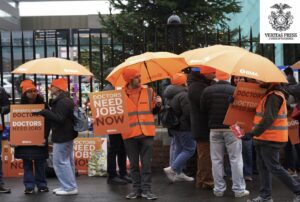
The border regime does not only trap the sick. On May 19, dozens of women gathered outside Al-Aqsa Hospital in Deir al-Balah, holding placards that read “Open the crossings,” “It is our right to travel to our husbands and live in peace and stability,” and “Save the women of Gaza.” The protest, small but desperate, laid bare another dimension of the crisis: thousands of families shattered by years of closure.
Ghadir al-Ahmad, 28, told Xinhua she hoped to join her husband in Sweden with her children. “My children are deprived of their father. They are growing up without him,” she said. Reham Taha, another protester, had travelled to Gaza shortly before the war to visit her sick mother and became stranded. “During these three years, I have experienced fear, deprivation, and hunger,” she said. The demonstration underscored that the crossing is not merely a medical evacuation route but the only filament connecting Gazans to spouses, education, and any future outside the enclave.
According to official Palestinian figures, only about 2,800 travellers have crossed through Rafah in both directions since the February 2 reopening. Before the war, hundreds crossed daily. In August 2023 alone, Israeli authorities recorded 58,606 exits from Gaza, and Egypt permitted 19,608 exits. The current flow represents a 99% collapse in movement.
Aid Groups Banned, Aid Blocked:
The medical crisis is compounded by a deliberate narrowing of the humanitarian pipeline. On March 1, 2026, an Israeli government ban on 37 aid organisations took effect, barring them from operating in Gaza, the occupied West Bank, and East Jerusalem. The list, which Israel claims includes groups with links to “terrorist entities,” includes several major health and relief organisations that had been providing wound care, mobile clinics, and nutritional support. UN agencies and international NGOs have called the ban a potential death knell for a population where the vast majority rely entirely on external aid for food, water, and medicine.
Even the aid that is not formally banned struggles to enter. Despite the ceasefire’s explicit stipulation that “full aid will be immediately sent into the Gaza Strip,” Israel has maintained strict limitations on what it allows through its checkpoints, citing security concerns. Fuel for hospital generators, spare parts for water desalination units, and basic medications such as anaesthetics and chemotherapy drugs are frequently blocked or delayed. The World Health Organization confirmed in a May 15 report that only 28% of requested medical supply deliveries had been fully approved since the ceasefire began.
Ceasefire Under Fire:
The political context makes the humanitarian paralysis even more jarring. The October 2025 ceasefire was meant to halt the killing, yet Israeli forces have continued to strike targets in Gaza, citing militant activity. The Gaza Government Media Office says hundreds of Palestinians have been killed since the truce took effect, and the promised large-scale reconstruction has not begun because cement, steel, and heavy machinery remain blocked under the dual-use items list.
Last month, when Israel launched a large-scale military operation against Iran, it closed the Rafah crossing entirely for 20 days without providing a detailed justification to humanitarian coordinators. When the crossing reopened, the backlog of medical transfer requests had swelled by an additional 700 patients.
“Every time the crossing closes, it’s like a collective punishment that falls hardest on the most vulnerable,” said Dr. Tanya Haj-Hassan, a paediatric intensive care physician who has worked in Gaza during and after the war, in an interview with Al Jazeera English this week. “We have children with osteosarcoma who need amputation or limb-salvage surgery, and they’re waiting in a tent with no pain control. This isn’t a logistical problem, it’s a political choice to deny them exit.”
International Legal And Diplomatic Failures:
Legal experts argue that the restrictions on medical evacuation and aid may amount to violations of the Fourth Geneva Convention, which prohibits collective punishment and requires an occupying power to ensure public health and hygiene to the fullest extent of the means available. Israel, however, contends that since its 2005 disengagement from Gaza, it is no longer the occupying power, a position rejected by the International Court of Justice, the United Nations, and the International Committee of the Red Cross, which maintain that Israel’s effective control over Gaza’s borders, airspace, and maritime access renders it an occupying power with ongoing legal obligations.
Diplomatic pressure has been muted. The United States, which brokered the ceasefire, has publicly urged Israel to facilitate more medical evacuations but has not threatened to withhold military aid or impose consequences. Egypt, for its part, insists it will not open the crossing fully without Palestinian Authority supervision and Israeli coordination, a position that has led to accusations that Cairo is complicit in the blockade. Jordan has accepted periodic medical flights but lacks the capacity to absorb thousands of patients.
The UN Security Council has held three closed-door sessions on the medical evacuation crisis since January. No resolution has been tabled, largely due to U.S. opposition to what it calls “unbalanced” texts. Richard Watts, the UN’s Deputy Humanitarian Coordinator for the Occupied Palestinian Territory, told reporters in Geneva on May 18 that “the current system is neither transparent, timely, nor fit for purpose. Every day of delay is measured in graves.”
A Slow-Motion Catastrophe:
On the ground, the gap between diplomatic language and lived reality yawns wide. At the European Hospital in Khan Younis, which is operating at 400% capacity in tents erected over rubble, the waiting list for medical transfer is pinned to a wall in the triage tent, a photocopied grid of names, ages, diagnoses, and dates of application. Many entries have a line drawn through them: “Deceased while waiting.”
Dr. Ahmed al-Maqadma, who helps manage the list, told this correspondent via voice note that the system has become a macabre triage. “We have to decide who is most likely to die soonest and push their name to the top. It’s not medicine. It’s counting the dying.”
Palestinian human rights organisations, including Al Mezan and the Palestinian Centre for Human Rights, have documented individual cases and submitted dossiers to the International Criminal Court, arguing that the denial of medical exit is part of a broader pattern of persecution and apartheid. Their case joins a growing body of evidence, but international justice moves even more slowly than the Rafah crossing.
As May turns to June, the Health Ministry warns that the number of deaths among those waiting for transfer will rise sharply. On Tuesday, the Ministry said again that without a dramatic increase in the rate of evacuations, from 50 to 500 per day, the backlog would become a death registry. The women who protested outside Al-Aqsa Hospital carried not only their own hopes of family reunion but also a message that the world has largely chosen to ignore: that for thousands of Palestinians in Gaza, the ceasefire has not meant healing, only a slower way to die.
Source:Veritas Press C.I.C. | Multi News Agencies
Submissions:
For The Secure Submission Of Documentation, Testimonies, Or Exclusive Investigative Reports From Any Global Location, Please Utilise The Following Contact Details For Our Investigations Desk: enquiries@veritaspress.co.uk or editor@veritaspress.co.uk
Help Support Our Work:
Popular Information is powered by readers who believe that truth still matters. When just a few more people step up to support this work, it means more lies exposed, more corruption uncovered, and more accountability where it’s long overdue.
Help Protect Independent Journalism, Which Is Currently Under Attack.
If you believe journalism should serve the public, not the powerful, and you’re in a position to help, becoming a DONATOR or a PAID SUBSCRIBER truly makes a difference.
DONATION APPEAL: If You Found This Reporting Valuable, Please Consider Supporting Independent Journalism.
Help Support Our Work – We Know, We Know, We Know …
Seeing these messages is annoying. We know that. (Imagine what it’s like writing them … )
Your support fuels our fearless, truth-driven journalism. In unity, we endeavour to amplify marginalised voices and champion justice, irrespective of geographical location.
But it’s also extremely important. One of Veritas Press’s greatest assets is its reader-funded model.
1. Reader funding means we can cover what we like. We’re not beholden to the political whims of a billionaire owner. We are a small, independent and impartial organisation. No one can tell us what not to say or what not to report.
2. Reader funding means we don’t have to chase clicks and traffic. We’re not desperately seeking your attention for its own sake: we pursue the stories that our editorial team deems important and believe are worthy of your time.
3. Reader Funding: enables us to keep our website and other social media channels open, allowing as many people as possible to access quality journalism from around the world, particularly those in places where the free press is under threat.
We know not everyone can afford to pay for news, but if you’ve been meaning to support us, now’s the time.
Your donation goes a long way. It helps us:
Keep the lights on and sustain our day-to-day operations
Hire new, talented independent reporters
Launch real-time live debates, community-focused shows, and on-the-ground reporting
Cover the issues that matter most to our communities, in real time, with depth and integrity
We have plans to expand our work, but we can’t do it without your support. Every contribution, no matter the size, helps us stay independent and build a truly people-powered media platform.
If you believe in journalism that informs, empowers, and reflects the communities we serve, please donate today.
Kamran Faqir is a volunteer investigative journalist and writer committed to exposing hidden truths and amplifying underreported stories. Driven by social justice, he brings sharp insight and fearless truth-telling to independent journalism. NUJ registered.
SEATTLE, TEHRAN — The U.S. Department of Homeland Security (DHS) will allow Iran’s national football team to enter the country 48 hours before their critical World Cup match against Egypt on Friday, a modest concession in a tournament where Team Melli’s travel conditions have sparked claims of oppression and competitive disadvantage.