Kamran Faqir is a volunteer investigative journalist and writer committed to exposing hidden truths and amplifying underreported stories. Driven by social justice, he brings sharp insight and fearless truth-telling to independent journalism. NUJ registered.
Original Article Date Published:
Article Date Modified:
13 minutes
Views:294
Listen to this article
Help support our mission, donate today and be the change. Every contribution goes directly toward driving real impact for the cause we believe in.
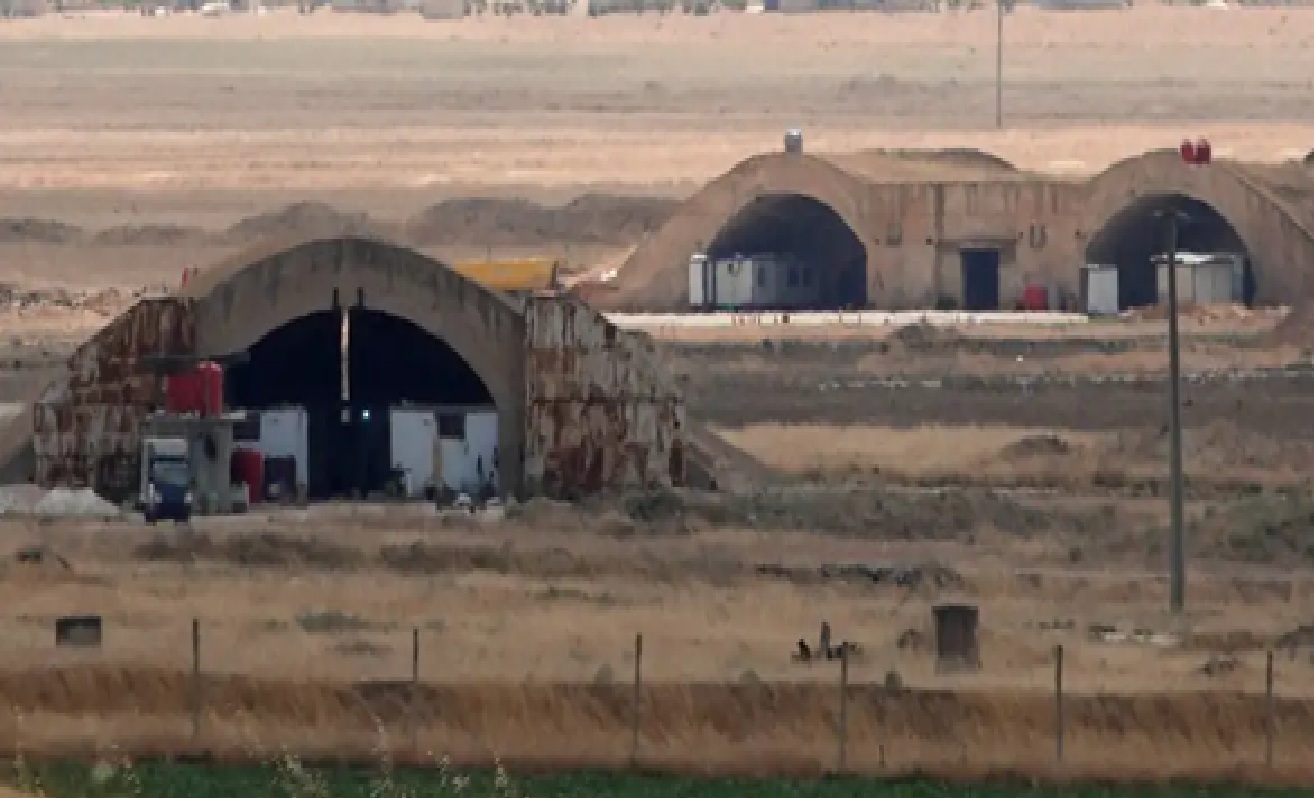
TEHRAN / MOSCOW / ABU DHABI – In the smouldering ruins of a decade of diplomatic failure, a new and deeply alarming reality is crystallising around Iran’s nuclear program. The U.S.-Israeli military campaign that began with the assassination of Iran’s longtime Supreme Leader has not “eliminated” the nuclear threat, as hawks in Washington and Tel Aviv once promised. Instead, it has entrenched Iran’s position, galvanised its Russian and Pakistani back channels, and extended a direct military shadow over civilian nuclear infrastructure across the Middle East, from Bushehr to the Emirati coast.
Today, Moscow’s message to the world is blunt: only diplomacy that respects Iranian sovereignty can defuse the crisis. But an investigation into the events of the past three months reveals that this “diplomacy” is being conducted over a chessboard littered with shattered ceasefires, contested uranium stockpiles, and a dangerous game of nuclear blame-shifting that now engulfs even the United Arab Emirates.
The Russian Stance: Shield Or Smokescreen?
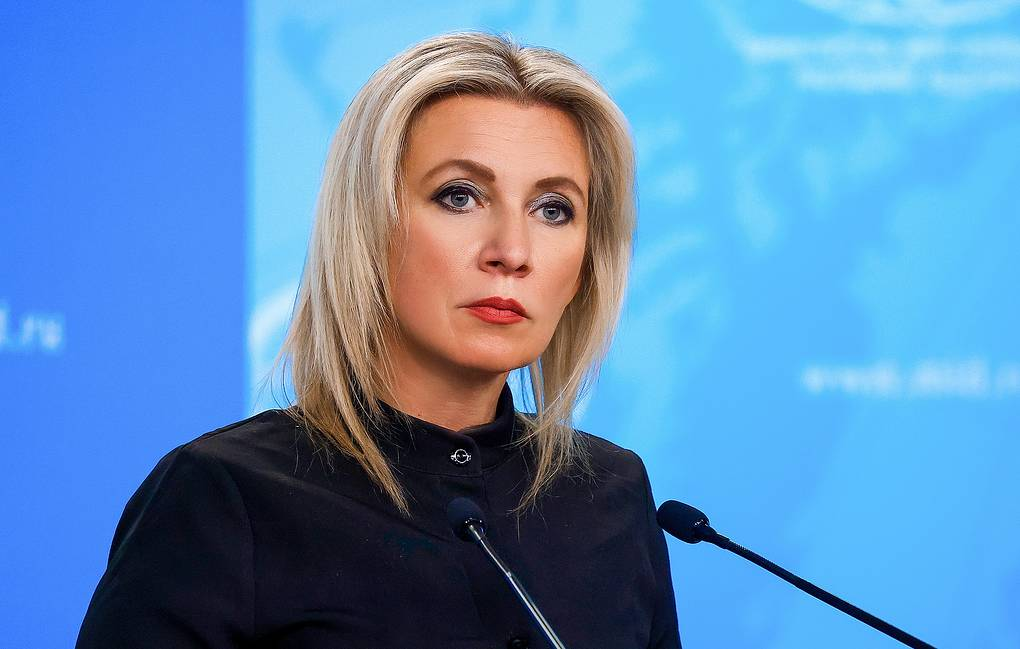
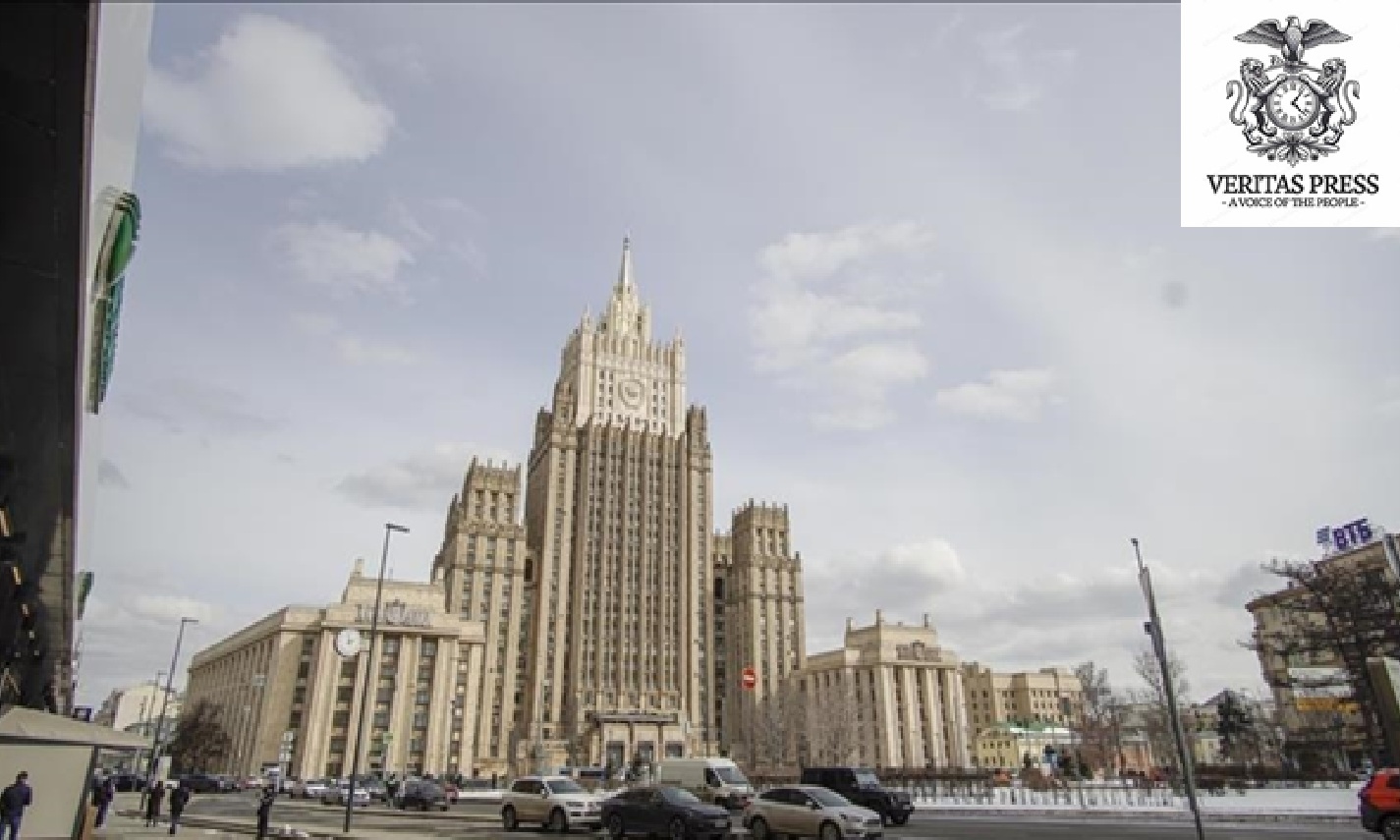
At a briefing in Moscow on Thursday, Russian Foreign Ministry spokeswoman Maria Zakharova delivered the Kremlin’s most explicit statement yet on the trajectory of Iran’s nuclear negotiations. “The Iranian nuclear issue can only be resolved through political and diplomatic means, based on international law and with due regard for Iran’s interests,” she said, adding that only the Iranian people could determine the fate of their enriched uranium. Moscow, she confirmed, was “fully ready to assist Iran and the United States in implementing decisions on enriched uranium that may be reached during negotiations.”
Russian Foreign Ministry spokeswoman Maria Zakharova
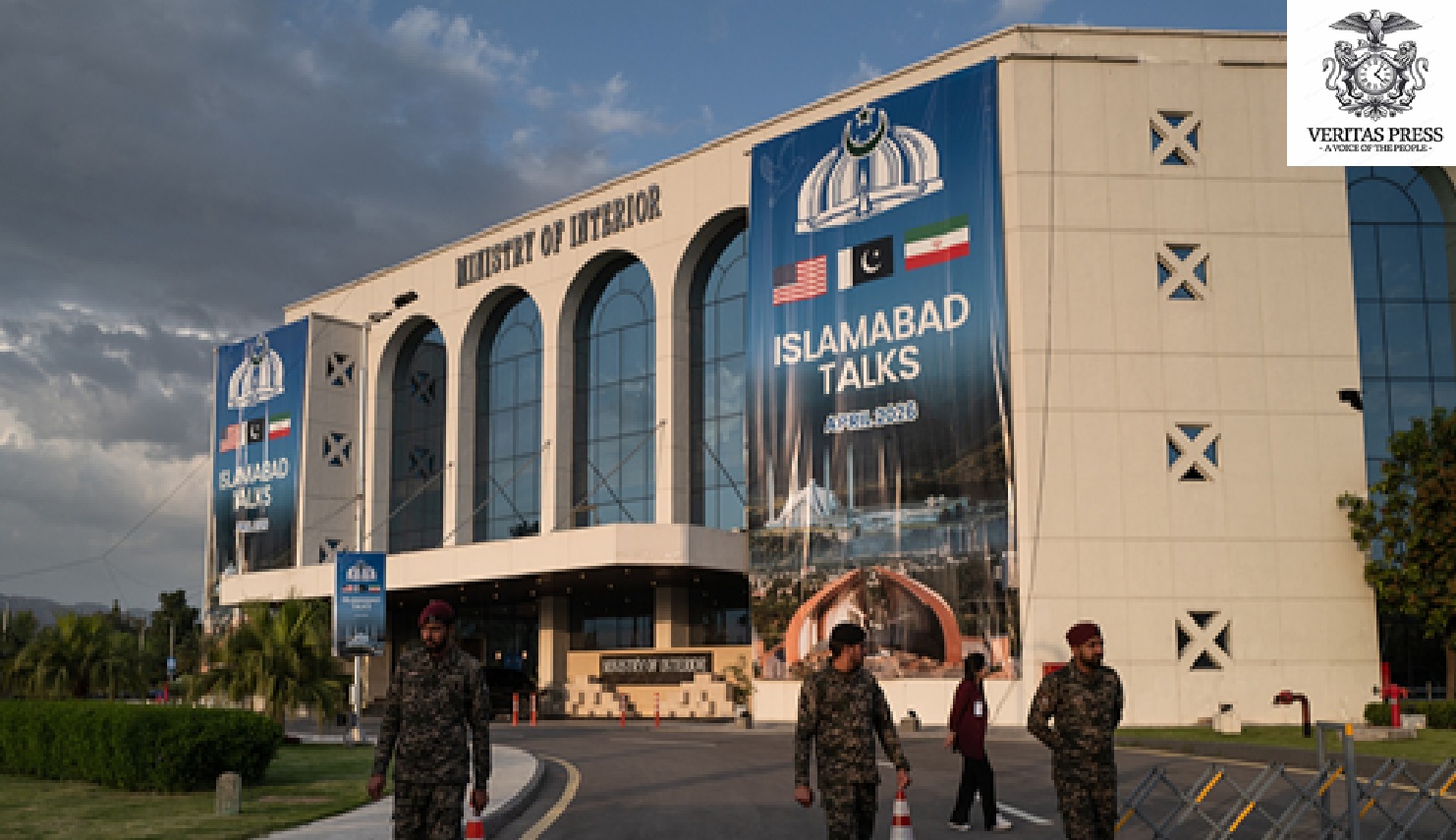
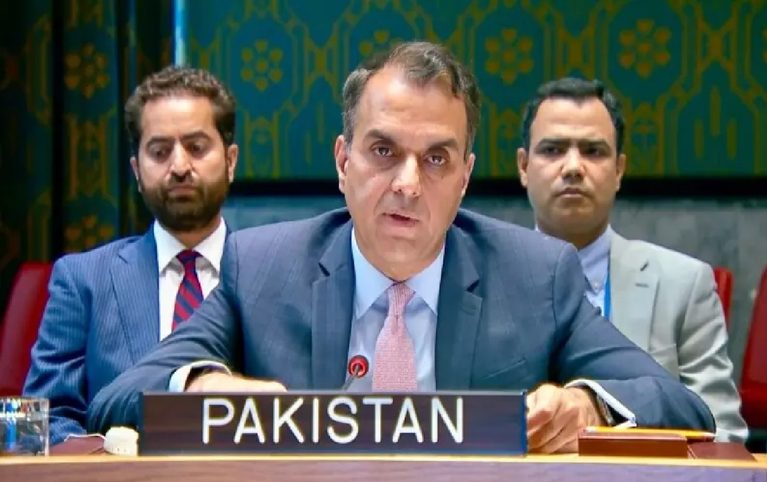
These words, echoing through the briefing room, are not merely diplomatic boilerplate. They come as Pakistan’s Army Chief, General Asim Munir, landed in Tehran for talks, part of a backchannel Islamabad has carefully nurtured since the outbreak of hostilities. Iranian officials have confirmed that the exchange of messages between Tehran and Washington continues under Pakistani mediation. The United States, according to sources, has submitted a series of proposals through Pakistan, proposals that demand, among other things, the removal of Iran’s enriched uranium stockpile.
But here, the diplomatic path hits a wall made in Tehran.
The Supreme Leader’s Red Line: Uranium Stays.
Two senior Iranian sources, speaking on condition of anonymity, have revealed that Supreme Leader Ayatollah Mojtaba Khamenei, who assumed the role following the assassination of his father, Ayatollah Seyyed Ali Khamenei, on February 28, has issued a directive that near-weapons-grade enriched uranium shall not leave Iranian soil.
“The Supreme Leader’s directive, and the consensus within the establishment, is that the stockpile of enriched uranium should not leave the country,” one source said. The reasoning, the sources explained, is rooted in a profound fear of vulnerability: if the material is sent abroad, Iran’s leverage evaporates, and a future U.S.-Israeli strike could proceed without the deterrent of a latent nuclear capability.
This position directly contradicts what Israeli officials have described as a firm U.S. promise: that President Donald Trump has assured Prime Minister Benjamin Netanyahu that any peace deal must include the removal of Iran’s enriched uranium. Netanyahu has been even more expansive, conditioning an end to the war not only on the removal of uranium but also on the dismantling of Iran’s proxy networks and ballistic missile program.
The result is a diplomatic impasse that the bombs did not break. In fact, Iran’s retaliation, more than 100 waves of strikes against American military positions and Israeli targets before the unilateral U.S. ceasefire on April 7, demonstrated a capacity that has reshaped the regional calculus. Trump’s subsequent extension of the truce and his abrupt cancellation of a planned new attack this week suggest a White House increasingly torn between war objectives and war fatigue.
The Bushehr Precedent: Attacks Without Condemnation.
Russia’s Zakharova did not only speak of diplomacy; she pointed to a glaring double standard. And on this point, Moscow has the receipts.
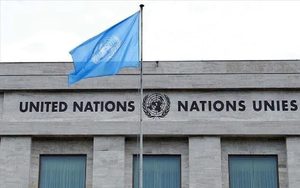
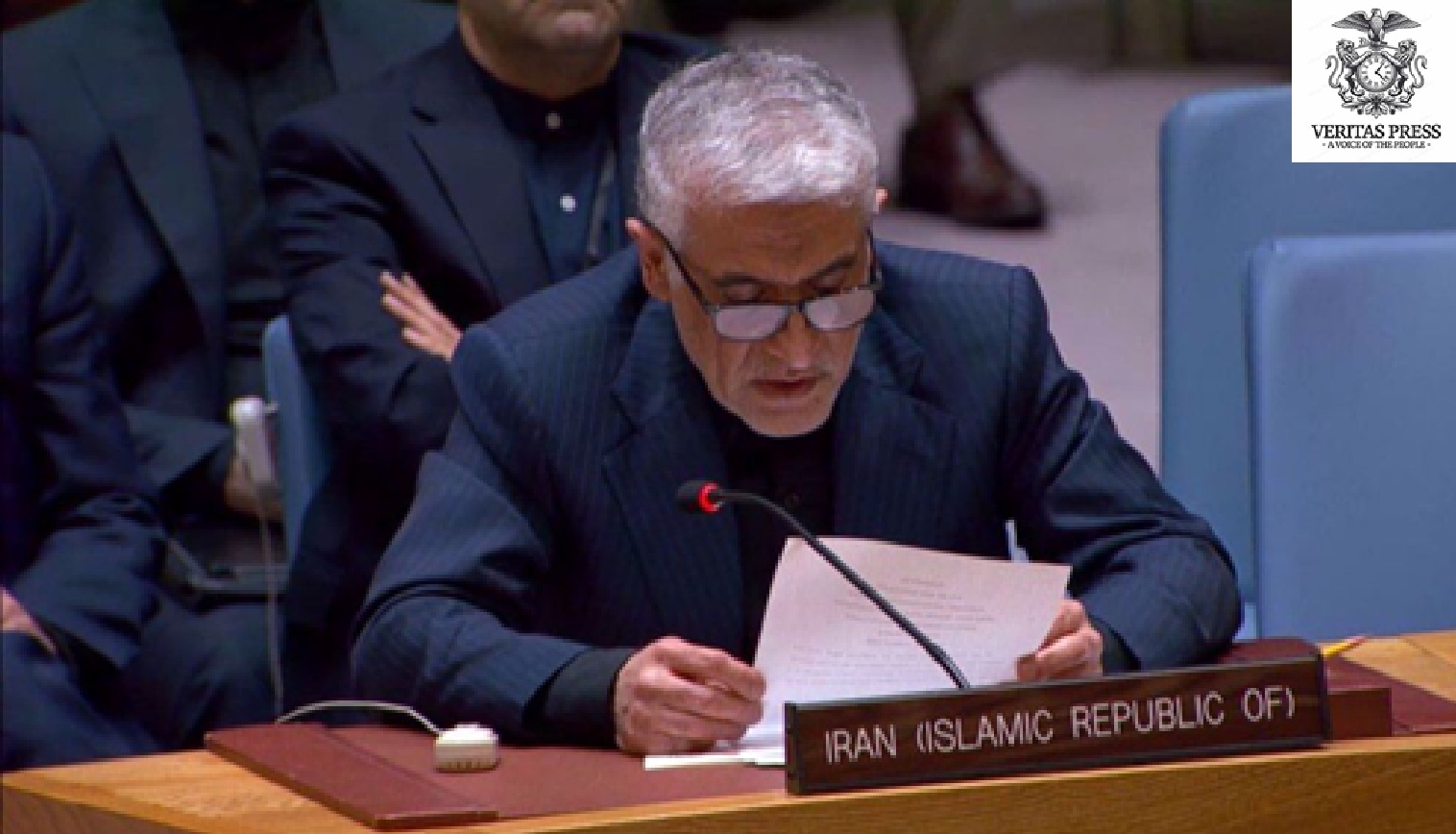
Russian Ambassador Vassily Nebenzia, addressing an emergency UN Security Council session on the May 17 drone strike at the UAE’s Barakah Nuclear Power Plant, delivered a devastating chronology. “In recent months,” Nebenzia said, “strikes were launched against the Bushehr Nuclear Power Plant, which was built and made operational with the direct participation of the Russian Federation.” He detailed dates: March 17, 24, 27, and April 4, when an attack “resulted in tragedy: a security officer, an Iranian citizen, died.” From March 10 to April 1, missile strikes hammered satellite towns around the plant. Rosatom and Russian diplomatic personnel had to conduct an emergency evacuation “from the plant that was under fire.”
Yet, Nebenzia noted, UN Secretary-General António Guterres, who had swiftly expressed “deep alarm” over the Barakah incident, had never deemed it necessary to react to the repeated attacks on Bushehr. “Such double standards and attempts to hush up the most egregious and exceedingly dangerous violations of international law,” he stated, “are utterly unacceptable.”
This accusation cuts to the heart of the security architecture the West claims to defend. For Iranian officials and local residents of Bushehr, the silence was deafening. “We saw the flashes from the strikes, and then nothing from the world,” said Hamid Reza, a 52-year-old security guard at a nearby facility who survived the April 4 attack. “It feels like our blood is not red enough for the UN.”
Rosatom insiders, speaking off the record, described the evacuation of Russian technical staff as a “nightmare of logistics and fear,” adding that the attacks had damaged crucial power supply infrastructure. The IAEA, meanwhile, has not publicly attributed blame for the Bushehr strikes, focusing instead on verifying that no radiological release occurred—a technicality that activists decry as complicity. “IAEA’s silence on the perpetrators enables future attacks,” said Sara Hosseini, a spokesperson for the Nuclear Safety Watch Network, a Tehran-based civil society group. “If you don’t name the aggressor, you give a license.”
The Barakah Strike And The Blame Game:
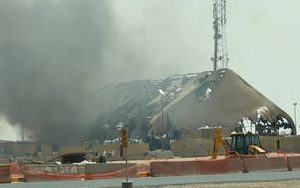
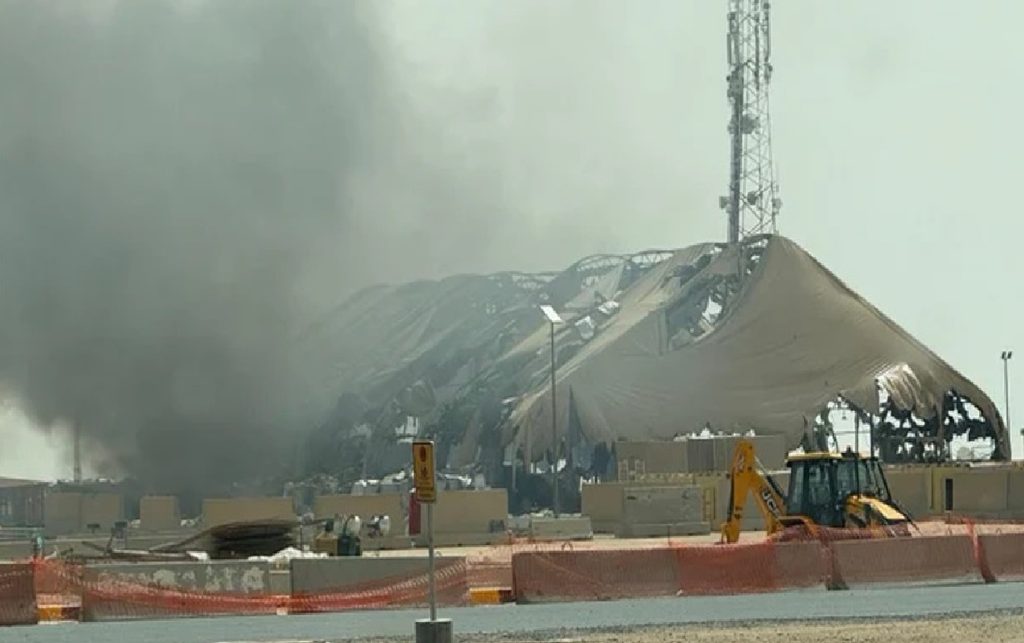
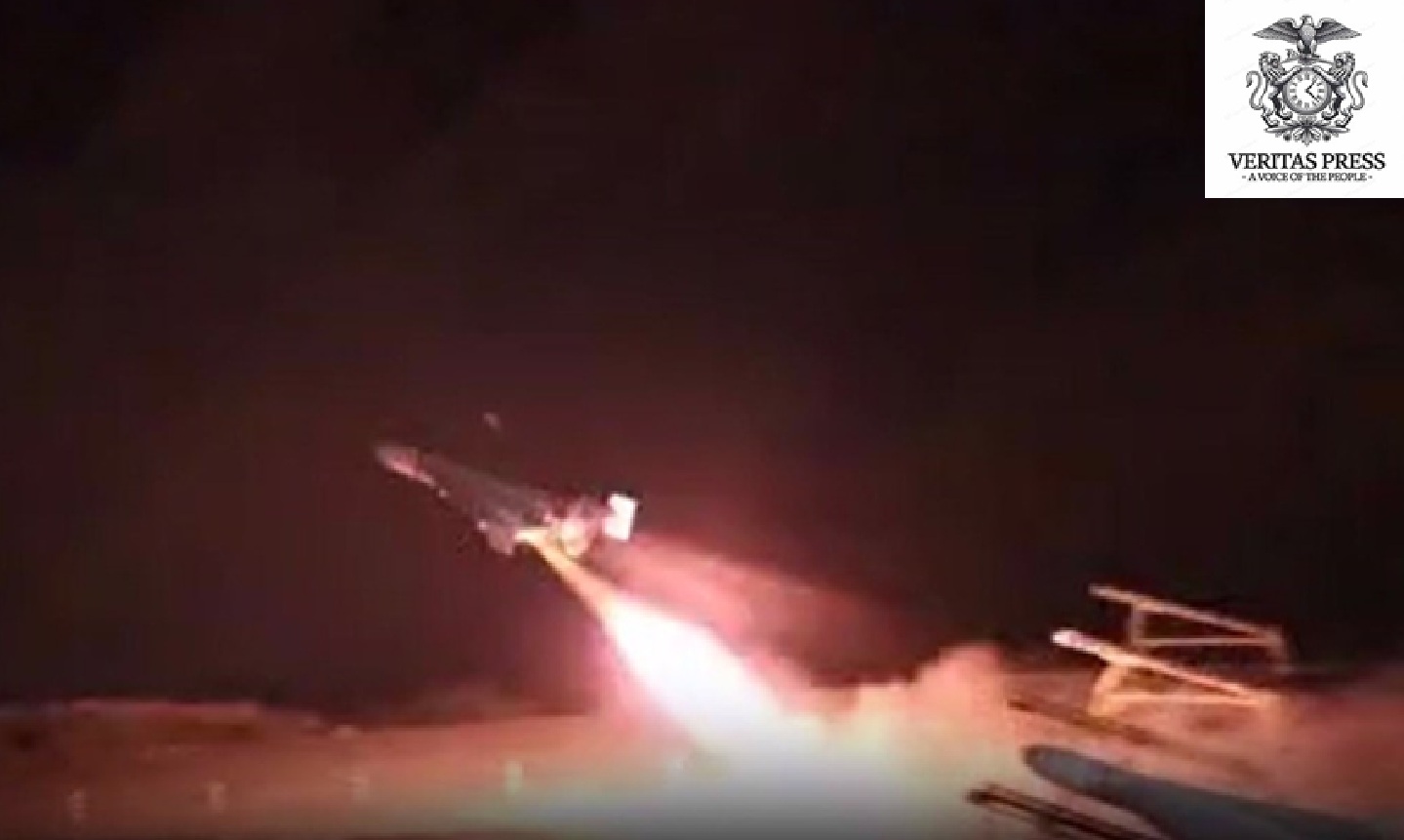
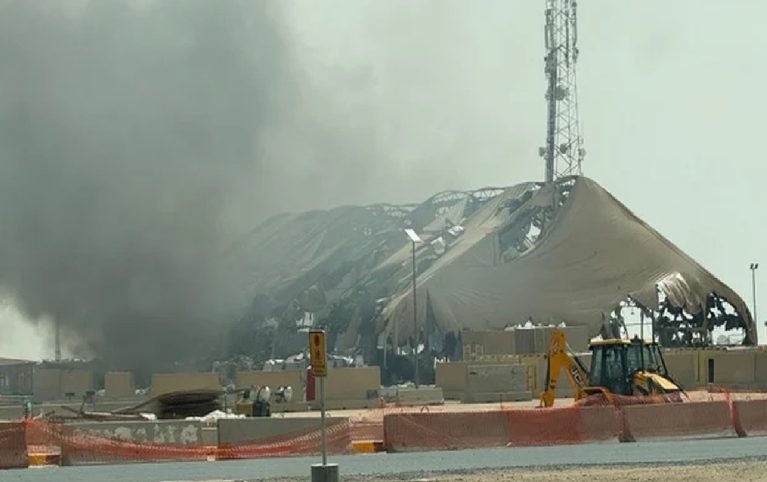
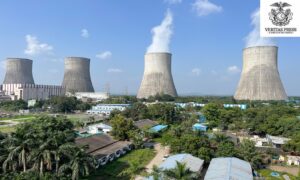
On May 17, a drone evaded Emirati defences and struck an electrical generator at the Barakah plant. The UAE Ministry of Defence reported that the drone entered from Iraqi territory. IAEA confirmed emergency diesel generators kicked in for Unit 3; radiation levels remained normal. But the geopolitical reverberations were immediate.
Russia’s Nebenzia was unequivocal: “It is abundantly clear that we would not be discussing today the threats to nuclear and radiological safety … were it not for the US-Israeli military misadventure targeting Iran.” He placed the blame for all regional escalation squarely on Washington and West Jerusalem. While Moscow condemned the Barakah strike, the finger was pointed not at Tehran but at the broader war dynamic the U.S. and Israel initiated.
Unofficial Israeli security sources, however, leaked to Western media that the drone was “likely of Iranian origin,” a narrative designed to link Iran to yet another nuclear incident. But no evidence was presented, and Tehran has not claimed responsibility. A former UAE intelligence officer, speaking privately, noted that “the drone came from Iraq; many groups there have reasons to embarrass Abu Dhabi. It’s not necessarily Tehran’s hand.” This ambiguity is the fog of a regional war that no one fully controls.
Hormuz: Iran’s Bold Sovereignty Claim.
Adding another layer of tension, Iran’s newly formed Persian Gulf Strait Authority (PGSA) formally defined on Thursday its management zone for the Strait of Hormuz. The zone stretches from a line connecting Kuh-e-Mubarak in Iran to south of Fujairah in the UAE at the eastern entrance, to a line from Qeshm Island to Umm Al-Quwain at the western entrance. Any transit for passage through the strait now requires “coordination with, and authorisation from, the PGSA.”
The UAE’s diplomatic adviser Anwar Gargash shot back on X: “Whoever wants to coexist with its Arab surroundings must realise that trust is lost… We have grown accustomed to Iranian bullying over the decades. Credibility has been lost between aggressive rhetoric and hollow declarations of friendship.” He dismissed the claim as “fragments of dreams.”
For international shipping and energy markets, this is a red alert. The Strait of Hormuz handles roughly a fifth of global oil consumption. If Iran proceeds to enforce its new rules, the world could be staring at a naval confrontation that dwarfs the tanker wars of the 1980s. Russia, notably, has not publicly commented on the PGSA declaration. Yet Moscow’s general support for Iran’s “inalienable rights” under international law leaves ample room for interpreting that support to extend to maritime sovereignty claims, however contested.
Diplomacy’s Fractured Mirror:
Behind closed doors, the negotiations mediated by Pakistan are an exercise in incompatible demands. Iran insists on a cessation of all aggression, the lifting of illegal sanctions, and the removal of the naval blockade before returning to full talks. The U.S., on the other hand, demands the surrender of enriched uranium and a broader dismantlement of Iranian military capabilities, conditions that echo the maximalist position of Israel.
Iranian Foreign Ministry spokesman Esmaeil Baghaei, in a pointed rebuttal, asked: “Why should Iran transfer its enriched material to another country? … If they were truly concerned about the nature of Iran’s nuclear program, why did they withdraw from the JCPOA in the first place?” He added that the IAEA has never found a deviation from peaceful purposes, calling the entire nuclear scare “a big lie … merely a pretext to pressure Iran and later legitimise a war of aggression.”
This sentiment is not just government propaganda. In the bazaars of Tehran, in the university corridors of Isfahan, and among the families of those killed in the strikes, the narrative of victimhood has fused with a hardened resolve to keep the nuclear card. “They bombed our reactors, killed our leader, and now they want our uranium? It’s madness,” said Parisa, a 29-year-old engineer in Natanz, whose cousin was injured during the June 2025 strikes that hit Fordo and Natanz. “If we give it up, they will bomb us again.”
The Investigative Lens: A War Fought In The Shadows.
Investigating these events reveals a pattern: the U.S.-Israeli campaign, while technologically devastating, has failed to degrade Iran’s institutional continuity or its bargaining power. The assassination of Ayatollah Seyyed Ali Khamenei did not splinter the system; it accelerated the consolidation under Mojtaba Khamenei, whose directive on uranium has the backing of the Revolutionary Guards and clerical establishment. The attacks on Bushehr, built by Russia, have dragged Moscow deeper into the conflict, transforming it from a diplomatic ally into a direct stakeholder whose personnel were under fire and whose strategic credibility is on the line.
Meanwhile, the IAEA’s careful neutrality is buckling under the weight of its own contradictions. It issues reports on Iran’s 60% enrichment but stays silent when Bushehr is bombed. “The agency must take concrete steps to prevent the spread of threats to nuclear safety, not just acrobatic verbal statements,” Zakharova said Tuesday. Critics inside the agency, speaking anonymously, agree: “We are being used. The data we provide on enrichment fuels the march to war, but we are not empowered to stop attacks on facilities.” One veteran inspector told this journalist, “The system is broken. The safeguards are for states, but the bombs don’t discriminate.”
As of today, the situation is a tangle of ceasefires, ultimatums, and backchannel manoeuvres. Pakistan’s General Munir is in Tehran. Russia is offering to broker the uranium puzzle. The U.S. president is cancelling attacks while issuing threats. And the uranium stays in Iran.
The deeper truth uncovered in this investigation is that the Western-led military campaign has not eliminated a nuclear risk; it has spawned a new one, where civilian nuclear infrastructure across the Middle East has become a legitimate target in the shadows of a great power proxy war. The Bushehr attacks went unpunished, the Barakah strike now echoes in the UN chamber, and the Strait of Hormuz is being carved into zones of control. The world’s nuclear watchdog watches, while the diplomats talk in circles.
Local activist Sara Hosseini perhaps sums it up best: “We used to fear a single nuclear weapon. Now we have to fear every power plant on the map. That’s the real legacy of this war.”
Source:Veritas Press C.I.C. | Multi News Agencies
Submissions:
For The Secure Submission Of Documentation, Testimonies, Or Exclusive Investigative Reports From Any Global Location, Please Utilise The Following Contact Details For Our Investigations Desk: enquiries@veritaspress.co.uk or editor@veritaspress.co.uk
Help Support Our Work:
Popular Information is powered by readers who believe that truth still matters. When just a few more people step up to support this work, it means more lies exposed, more corruption uncovered, and more accountability where it’s long overdue.
Help Protect Independent Journalism, Which Is Currently Under Attack.
If you believe journalism should serve the public, not the powerful, and you’re in a position to help, becoming a DONATOR or a PAID SUBSCRIBER truly makes a difference.
DONATION APPEAL: If You Found This Reporting Valuable, Please Consider Supporting Independent Journalism.
Help Support Our Work – We Know, We Know, We Know …
Seeing these messages is annoying. We know that. (Imagine what it’s like writing them … )
Your support fuels our fearless, truth-driven journalism. In unity, we endeavour to amplify marginalised voices and champion justice, irrespective of geographical location.
But it’s also extremely important. One of Veritas Press’s greatest assets is its reader-funded model.
1. Reader funding means we can cover what we like. We’re not beholden to the political whims of a billionaire owner. We are a small, independent and impartial organisation. No one can tell us what not to say or what not to report.
2. Reader funding means we don’t have to chase clicks and traffic. We’re not desperately seeking your attention for its own sake: we pursue the stories that our editorial team deems important and believe are worthy of your time.
3. Reader Funding: enables us to keep our website and other social media channels open, allowing as many people as possible to access quality journalism from around the world, particularly those in places where the free press is under threat.
We know not everyone can afford to pay for news, but if you’ve been meaning to support us, now’s the time.
Your donation goes a long way. It helps us:
Keep the lights on and sustain our day-to-day operations
Hire new, talented independent reporters
Launch real-time live debates, community-focused shows, and on-the-ground reporting
Cover the issues that matter most to our communities, in real time, with depth and integrity
We have plans to expand our work, but we can’t do it without your support. Every contribution, no matter the size, helps us stay independent and build a truly people-powered media platform.
If you believe in journalism that informs, empowers, and reflects the communities we serve, please donate today.
Kamran Faqir is a volunteer investigative journalist and writer committed to exposing hidden truths and amplifying underreported stories. Driven by social justice, he brings sharp insight and fearless truth-telling to independent journalism. NUJ registered.
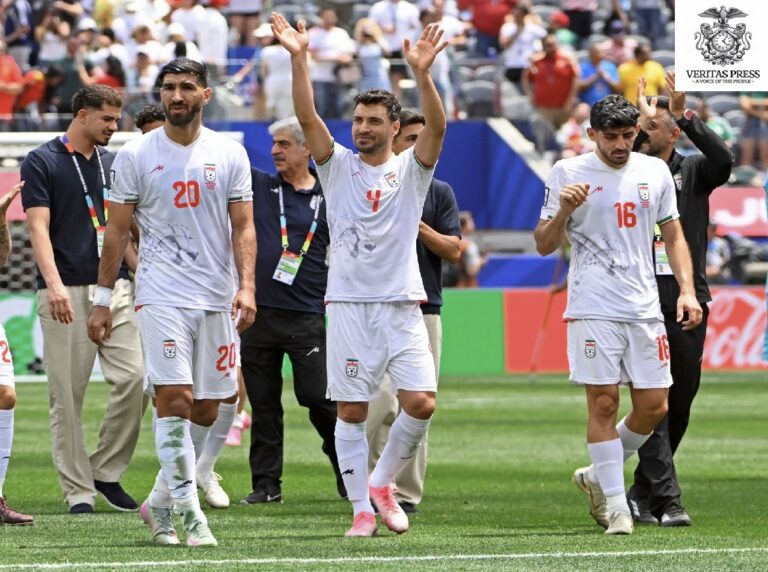
SEATTLE, TEHRAN — The U.S. Department of Homeland Security (DHS) will allow Iran’s national football team to enter the country 48 hours before their critical World Cup match against Egypt on Friday, a modest concession in a tournament where Team Melli’s travel conditions have sparked claims of oppression and competitive disadvantage.