Kamran Faqir is a volunteer investigative journalist and writer committed to exposing hidden truths and amplifying underreported stories. Driven by social justice, he brings sharp insight and fearless truth-telling to independent journalism. NUJ registered.
Original Article Date Published:
Article Date Modified:
13 minutes
Views:248
Listen to this article
Help support our mission, donate today and be the change. Every contribution goes directly toward driving real impact for the cause we believe in.
“Testimonies From Soldiers Reveal Systematic Theft And Wanton Demolition As De Facto Policy, While Commanders Turn A Blind Eye, And The Civilian Death Toll Mounts With The Deadliest Strike Since A Hollow Ceasefire.“
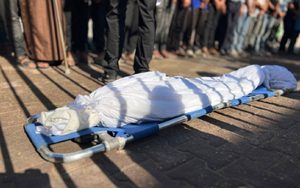
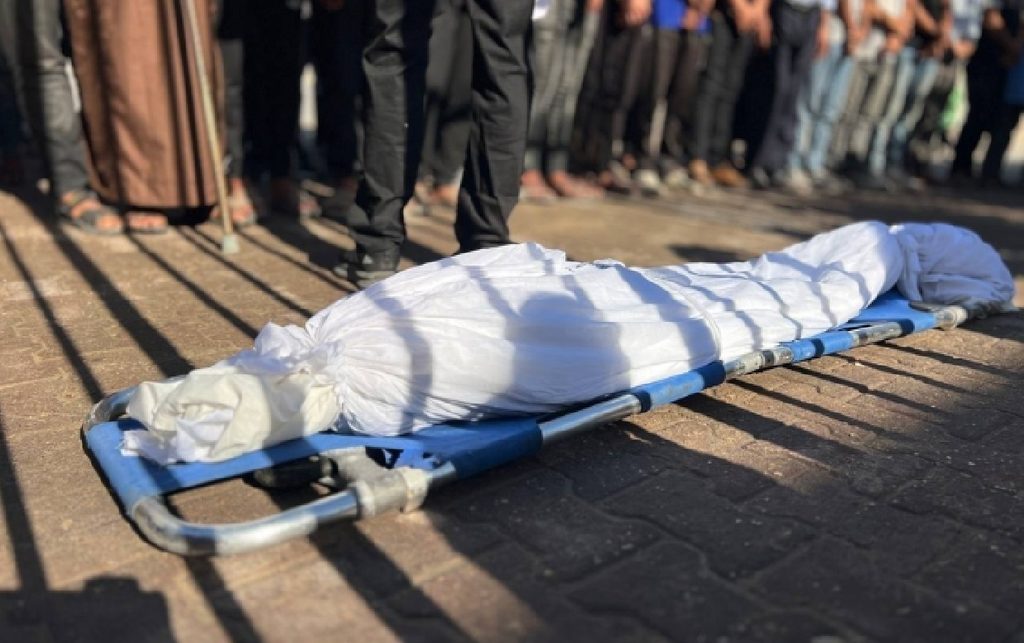
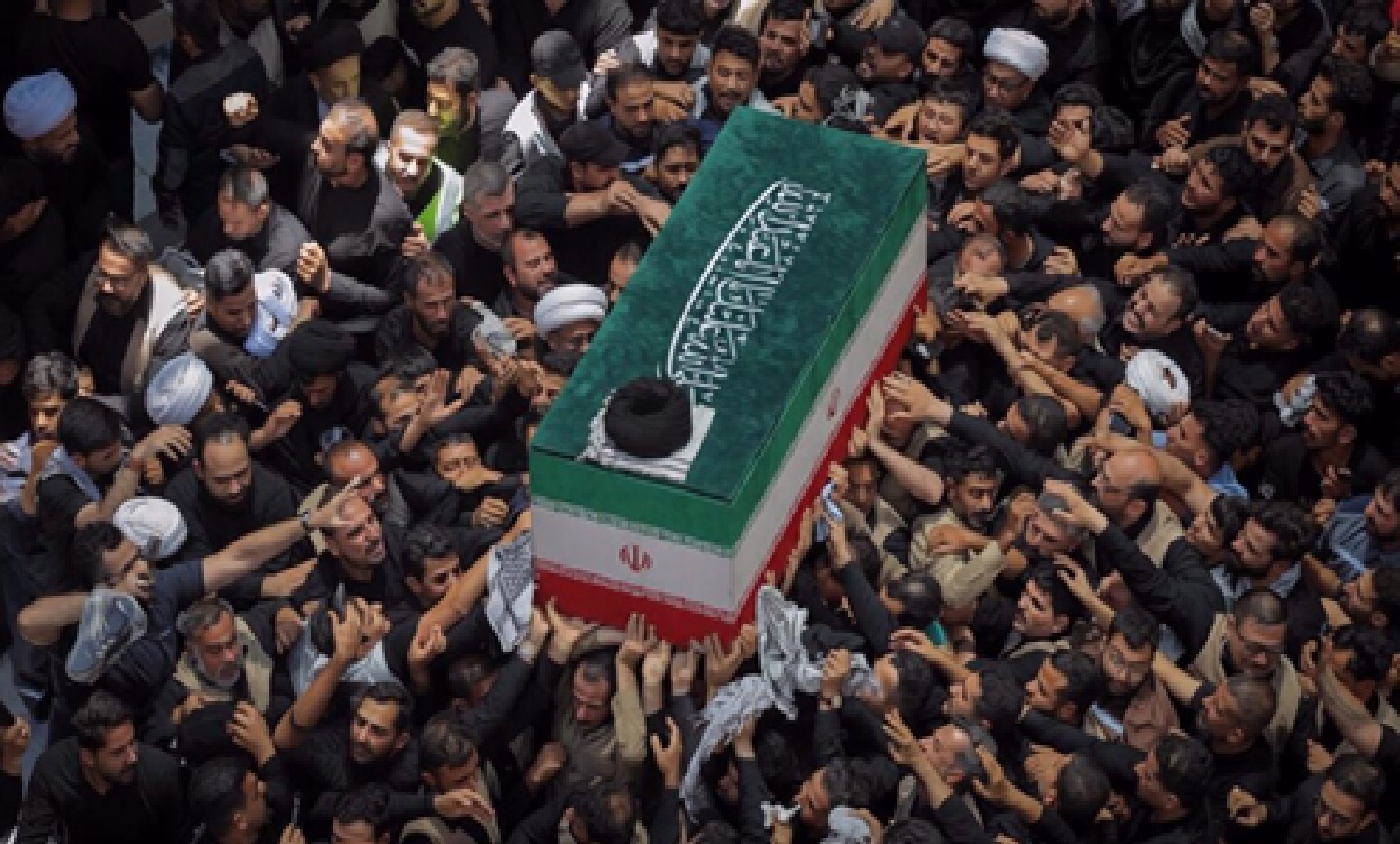
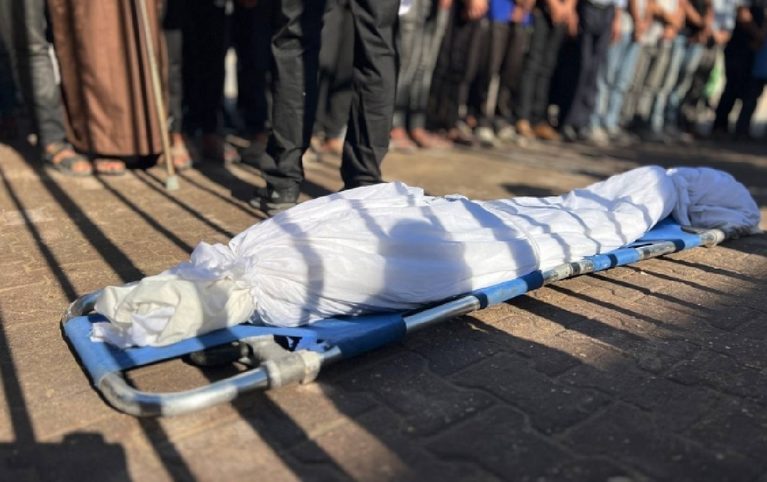
TYRE, SOUTHERN LEBANON – The funeral procession moved slowly through the narrow streets of Deir Qanoun En-Nahr on Thursday, the wails of mourners mixing with the crackle of loudspeakers. Two coffins were draped in the yellow flag of Hezbollah, a third in the green banner of the Amal movement. Inside lay fourteen people killed on Tuesday in the single deadliest Israeli airstrike on Lebanon since an already threadbare ceasefire was announced on 17 April. Four of them were children. Three were women. Among the dead was a 33-year-old man, his wife, their one-year-old son, and two daughters aged six and eight.
“They were children, angels,” said Ali Reda Dibo, who lost his brother and his brother’s entire family. “What more can we say? There is nothing left to say after what you are seeing today, nothing at all.”
The Israeli military told Reuters it had “struck a Hezbollah terrorist in a structure used for military purposes” in an area it claimed had been evacuated of civilians. Yet the scene in Deir Qanoun En-Nahr, a family obliterated in their home, a town supposedly emptied but still full of those too poor or too stubborn to flee, reflects a darker reality: a pattern of military conduct in which civilian life, property and dignity are not collateral damage but often the very target.
According to the Lebanese health ministry, more than 3,070 people have been killed in Israeli strikes on Lebanon since 2 March, when Hezbollah fired on Israel and ignited a new round of full-scale war. Of that toll, at least 200 are children, nearly 300 are women, and more than 110 are healthcare workers. Around 100,000 Lebanese have fled their homes in recent days alone, according to the United Nations Office for the Coordination of Humanitarian Affairs (OCHA), adding to a displacement crisis that already exceeds one million people. The numbers are staggering, but they tell only part of the story. The other part is emerging from within the Israeli military itself: a torrent of soldier testimonies describing a culture of looting, vandalism and gratuitous destruction that far exceeds any plausible military necessity, and which, according to those who served, has become “the primary mission”.
‘The Method Was Always The Same’
In a major investigative report published on Wednesday, the Israeli newspaper Haaretz detailed how troops operating in southern Lebanon have engaged in widespread, systematic theft and demolition, with the active or tacit approval of their commanders. The report, built on interviews with multiple reservists, paints a picture of an army in which the hunt for “spoils” has come to rival, and sometimes replace, combat operations.
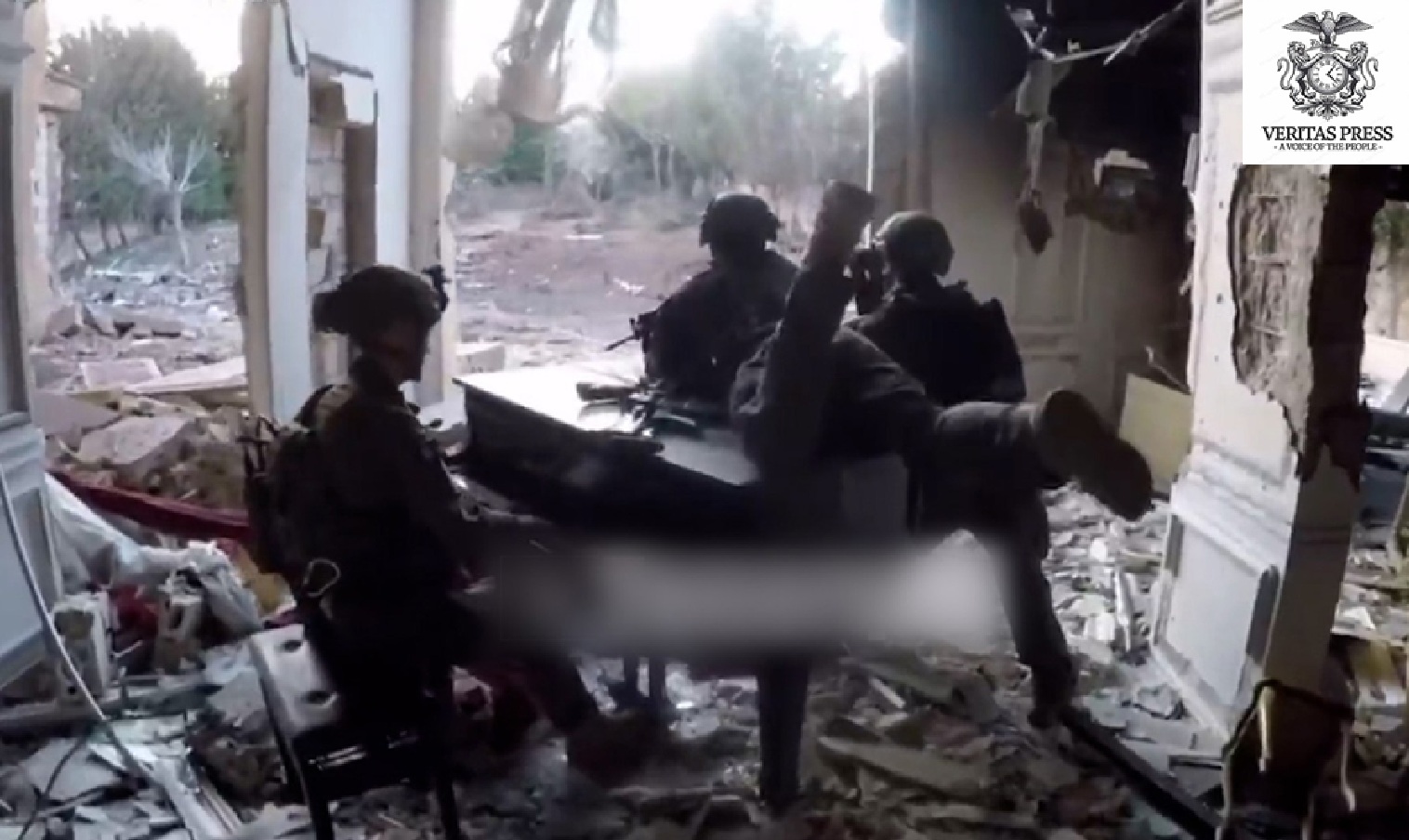
“The method was always the same,” one reservist told Haaretz. “But there was also another mission – an unofficial one: taking out all the loot.” The “spoils”, he said, would be unloaded at the outpost, waiting to be collected when the soldiers went home. The reservist described his unit operating in a wealthy village. Soldiers would first shoot at houses to ensure no Hezbollah fighters remained inside. “Once we understood the area was safe, the real mission would begin, locating valuable things.” Troops frequently argued over what to take.
What they took was not weaponry or intelligence. It was rugs, armchairs, motorbikes, heaters, the contents of ordinary homes. Shops were stripped of expensive goods. “Even the hand soap at the outpost came from Lebanon,” the soldier said. “At any given moment, you could see soldiers walking around the village carrying with them civilians’ belongings. It felt like the primary mission.”
This testimony is not an isolated account. Haaretz had previously reported that Israeli forces looted sofas, televisions and motorbikes from homes in southern Lebanon. Last month, the independent Israeli outlet Hamakom Hachi Ham Bagehenom (The Hottest Place in Hell) compiled a dossier of thefts committed during the assaults on both Gaza and Lebanon, including large sums of cash, jewellery, electronic devices, and even vehicles. Those items were later sold on Telegram channels, Facebook Marketplace, or in open public sales. In January, Israeli forces seized around 250 goats from Syrian territory and transferred them to settlement outposts in the occupied West Bank, a move that blurs the line between military operation and livestock rustling.
Turning A Blind Eye: The Chain Of Command.
What makes the looting so damning is not just its scale but the institutional response, or lack of it. The reservist who spoke to Haaretz confirmed that most senior commanders “did not care” about the theft. “The attitude was that there was no problem with looting as long as you didn’t get hurt. The higher command didn’t really try to stop us either.” No soldier, he said, was ever punished.
This culture of impunity sits awkwardly alongside recent statements from the top of the military hierarchy. Israeli army chief of staff Eyal Zamir declared last month that “the phenomenon of looting, if it exists, is disgraceful and could stain the entire [military]”. He promised investigations and told senior commanders, “I am not willing for us to become an army of looters.” Broadcaster Channel 14 later reported that Zamir asked commanders operating in Lebanon to sign a letter committing to preventing looting. One commander refused point-blank. “I will not sign the letter,” he said. “The discipline problems in the IDF begin at the highest ranks.”
That refusal cuts to the heart of the crisis. The reservist who recounted systematic looting said that when reports of theft first surfaced, his own commander ordered the troops to stop stealing, and then promptly entered shops himself to smash whatever valuables remained, “so the soldiers would have nothing left to loot”. The logic was one of vandalism as discipline: if we cannot take it, no one will.
Some soldiers offered what they saw as moral cover. According to the testimonies, several gave the looting a “religious justification”. Others reasoned that since homes and shops were already being destroyed, there was no point in leaving valuables behind. The most chilling rationalisation, however, came from the soldiers’ own assessment of the army’s incentive structure: “It felt like the army had become a Viking army,” the reservist said, “letting soldiers loot so they stay satisfied and keep fighting.”
‘There Was No Reason Other Than Revenge’
If looting has become an unofficial reward system, large-scale destruction appears to be the operational core of the ground invasion. A second reservist told Haaretz that fighting Hezbollah was not, in practice, the army’s primary objective. “When we entered the village, there were no militants. The houses were empty,” he said. “There was no fighting there at all – only operations to flatten homes.”
He described a pre-invasion commander’s speech as “a pagan ritual”, a kind of incantation he had also heard during previous assaults on Gaza and Lebanon. The mission, he said, had for two years been reduced to a single grim function: “the Israel Defence Forces for house demolitions”. Homes, schools and clinics were razed without any stated military justification. Much of the work was outsourced to private contractors, including, he said, “extreme settlers” as well as Bedouin and Druze workers. Soldiers, meanwhile, entered houses searching for valuables to steal. “There was no reason other than revenge,” the reservist said flatly.
The testimonies describe a unit culture in which destruction was celebrated as a spiritual act. For religious soldiers, the reservist said, demolishing homes was seen as “the ultimate mission”. The battalion commander, whenever talk turned to returning home, would reply with an expansionist promise: “This is Israel too.”
That phrase, “This is Israel too”, echoes a territorial theology that has long animated elements of the Israeli far right. When a battalion commander operating inside Lebanese sovereign territory tells his men that the land they are wrecking is already part of Israel, the boundary between a temporary military incursion and an annexationist project collapses.
A Historical Pattern, A New Indifference:
The historian Adam Raz, who has written extensively about the looting of Palestinian property during the 1948 Nakba, told Haaretz that “looting was part of every Israeli war”. What distinguishes the current moment, he argued, is not the existence of theft but “the total indifference”. Senior commanders turn a blind eye, he said, and “the criminality continues, and the crime achieves its goals.”
Those goals, according to human rights organisations, extend beyond personal enrichment. The Euro-Med Human Rights Monitor said last month that reports from Lebanon pointed to “a clear pattern of theft during Israeli military operations”, adding that the practice appeared to have become “an effective policy of the state and the army”. Israeli forces, the group documented, were “raiding houses, rummaging through belongings, and looting residents’ money and personal effects”. Euro-Med confirmed it had documented identical patterns in Gaza and the occupied West Bank. The theft, in this analysis, is not a breakdown of discipline but a tool of demoralisation and erasure: steal the material memory of a place, then reduce its physical fabric to rubble.
International humanitarian law is unambiguous. Extensive destruction of property not justified by military necessity and carried out unlawfully and wantonly constitutes a grave breach of the Geneva Conventions. Pillage, the theft of private property by an occupying or invading force, is equally a war crime. The testimonies published by Haaretz, taken together with satellite imagery and on-the-ground reporting from southern Lebanon, provide a body of evidence that demands an independent international investigation.
‘They Were Children, Angels’
Back in Deir Qanoun En-Nahr, the funeral of the fourteen victims renders those legal abstractions into unbearable concreteness. The Israeli military insists it struck a legitimate target in a depopulated zone. Yet the bodies being lowered into the ground, a one-year-old, two young girls in school dresses, their parents, tell a different story. Lebanon’s health ministry, run by a caretaker government, is struggling to keep count. The number of children killed since March now exceeds 200.
The ceasefire, such as it is, has done little to halt the killing. Since 17 April, Israeli forces have killed at least 824 people in Lebanon, including eight of the 21 Israeli soldiers Hezbollah says it has killed since March. The Israeli military justifies continued strikes by pointing to Hezbollah violations. Hezbollah, for its part, points to Israel’s continued occupation of Lebanese territory, its refusal to withdraw, and its daily attacks on civilians. The diplomatic language of violations and counter-violations obscures a simpler truth: the guns have not fallen silent, and the people of southern Lebanon are paying with their lives, their homes and their history.
What The Silence Conceals:
The soldier testimonies published by Haaretz force a reckoning. They reveal a military that has, by its own members’ admission, substituted war-fighting for theft and demolition, that runs on a logic of revenge and religious zeal, and whose commanders are either complicit or impotent. When the Israeli army chief feels compelled to publicly say he does not want “an army of looters”, the statement itself is an indictment, an acknowledgement that the phenomenon is so pervasive it threatens institutional identity. Yet the response has been feckless: a letter some commanders refuse to sign, a rhetorical flourish that changes nothing on the ground.
The soldiers who spoke out did so with evident disillusionment. One, named Nadav, watched comrades enter homes and loot everything. Another, Itai, froze during a clash. Elad swore he would never return. Tomer asked friends to make sure no officer spoke at his funeral. Or stopped carrying a handgun because he feared he would harm himself. The moral injury runs deep, and it mirrors the physical ruin spreading across the hills and villages of southern Lebanon.
For the residents of Deir Qanoun En-Nahr, Maarakeh, Aita al-Shaab and a dozen other ghosted or half-ghosted towns, the Israeli military’s dual mission, steal and destroy, amounts to a campaign of collective punishment. When a battalion commander tells his troops, “This is Israel too,” he is not just rallying morale. He is articulating a vision of erasure: a land emptied of its people, its homes ground to dust, its movable wealth carted across the border, and its name eventually blotted out. The looting and the destruction are not incidental excesses of war. They are, as the soldiers themselves have testified, the point.
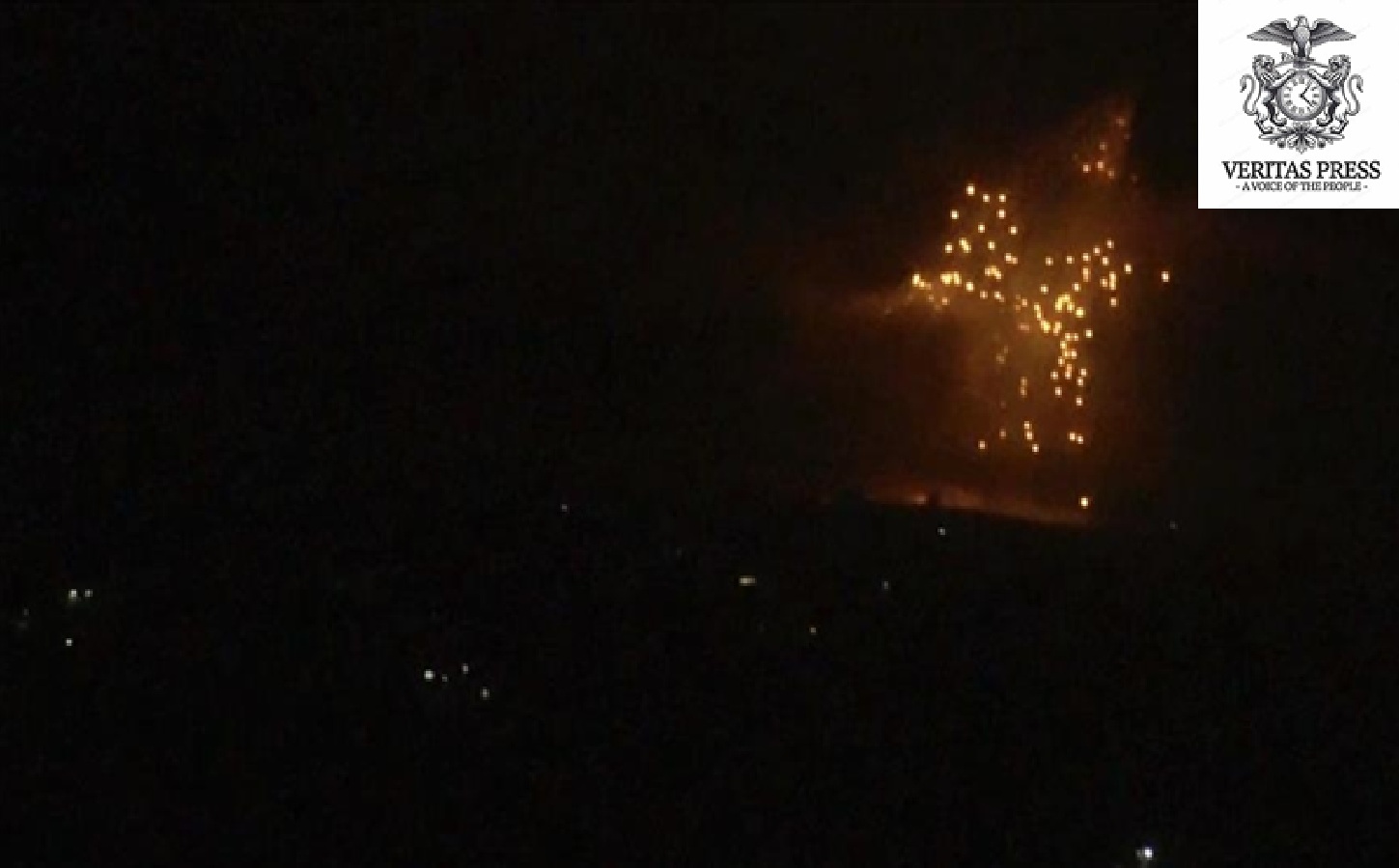
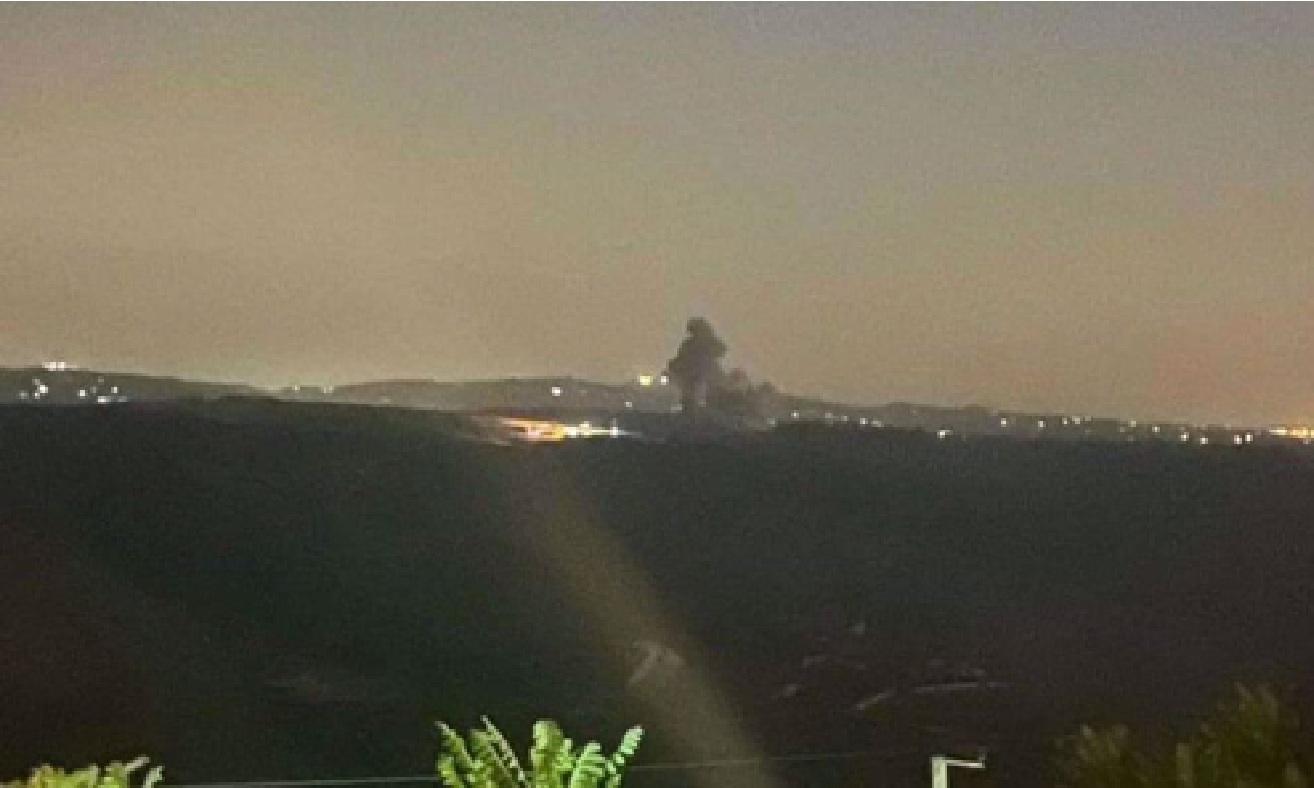
Israel continues to attack and expand its occupation of southern Lebanon. As of Friday, 20 May 2026, airstrikes and ground operations persist despite the nominal ceasefire, and the full scale of the human and material cost is still being tallied.
Source:Veritas Press C.I.C. | Multi News Agencies
Submissions:
For The Secure Submission Of Documentation, Testimonies, Or Exclusive Investigative Reports From Any Global Location, Please Utilise The Following Contact Details For Our Investigations Desk: enquiries@veritaspress.co.uk or editor@veritaspress.co.uk
Help Support Our Work:
Popular Information is powered by readers who believe that truth still matters. When just a few more people step up to support this work, it means more lies exposed, more corruption uncovered, and more accountability where it’s long overdue.
Help Protect Independent Journalism, Which Is Currently Under Attack.
If you believe journalism should serve the public, not the powerful, and you’re in a position to help, becoming a DONATOR or a PAID SUBSCRIBER truly makes a difference.
DONATION APPEAL: If You Found This Reporting Valuable, Please Consider Supporting Independent Journalism.
Help Support Our Work – We Know, We Know, We Know …
Seeing these messages is annoying. We know that. (Imagine what it’s like writing them … )
Your support fuels our fearless, truth-driven journalism. In unity, we endeavour to amplify marginalised voices and champion justice, irrespective of geographical location.
But it’s also extremely important. One of Veritas Press’s greatest assets is its reader-funded model.
1. Reader funding means we can cover what we like. We’re not beholden to the political whims of a billionaire owner. We are a small, independent and impartial organisation. No one can tell us what not to say or what not to report.
2. Reader funding means we don’t have to chase clicks and traffic. We’re not desperately seeking your attention for its own sake: we pursue the stories that our editorial team deems important and believe are worthy of your time.
3. Reader Funding: enables us to keep our website and other social media channels open, allowing as many people as possible to access quality journalism from around the world, particularly those in places where the free press is under threat.
We know not everyone can afford to pay for news, but if you’ve been meaning to support us, now’s the time.
Your donation goes a long way. It helps us:
Keep the lights on and sustain our day-to-day operations
Hire new, talented independent reporters
Launch real-time live debates, community-focused shows, and on-the-ground reporting
Cover the issues that matter most to our communities, in real time, with depth and integrity
We have plans to expand our work, but we can’t do it without your support. Every contribution, no matter the size, helps us stay independent and build a truly people-powered media platform.
If you believe in journalism that informs, empowers, and reflects the communities we serve, please donate today.
Kamran Faqir is a volunteer investigative journalist and writer committed to exposing hidden truths and amplifying underreported stories. Driven by social justice, he brings sharp insight and fearless truth-telling to independent journalism. NUJ registered.
SEATTLE, TEHRAN — The U.S. Department of Homeland Security (DHS) will allow Iran’s national football team to enter the country 48 hours before their critical World Cup match against Egypt on Friday, a modest concession in a tournament where Team Melli’s travel conditions have sparked claims of oppression and competitive disadvantage.