Kamran Faqir is a volunteer investigative journalist and writer committed to exposing hidden truths and amplifying underreported stories. Driven by social justice, he brings sharp insight and fearless truth-telling to independent journalism. NUJ registered.
Original Article Date Published:
Article Date Modified:
12 minutes
Views:324
Listen to this article
Help support our mission, donate today and be the change. Every contribution goes directly toward driving real impact for the cause we believe in.
A Soar/EU Sentinel-2 Satellite Analysis Reveals Extensive, Censored Damage To Key Israeli Air Force, Intelligence, And Logistics Bases During Iran’s Operation True Promise 4. As Tel Aviv And Tehran Wage A Parallel Information War, Our Investigation Stitches Together Ground Testimony, Expert Analysis, And The Pixelated Truth Of A Conflict That May Be Far From Over.
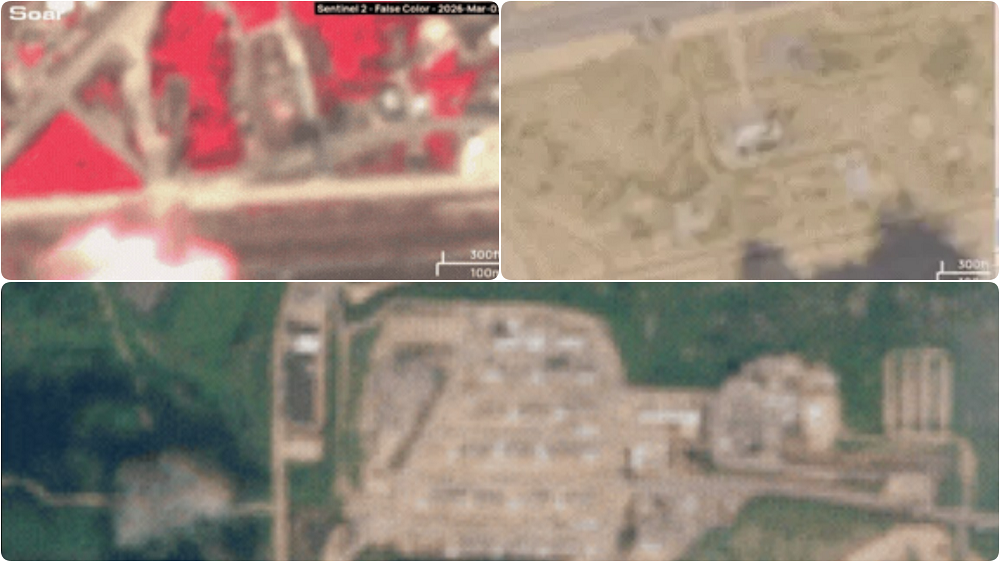
JERUSALEM/TEHRAN/BEIRUT – The first thing you notice about the satellite images is what you cannot see. In the version released by the Hebrew daily Yedioth Ahronoth “with the approval of the military censor,” the craters and scorched earth at Ramat David Air Base are little more than smudges, deliberately degraded to a resolution that frustrates any attempt at precise battle damage assessment. But when independent geospatial analysts layer those same Sentinel-2 captures with archival high-resolution imagery, and with on-the-ground accounts smuggled past the censor’s screen, a different picture emerges: one of a military apparatus that absorbed a punishing blow, and a state apparatus desperate to manage the perception of its own vulnerability.
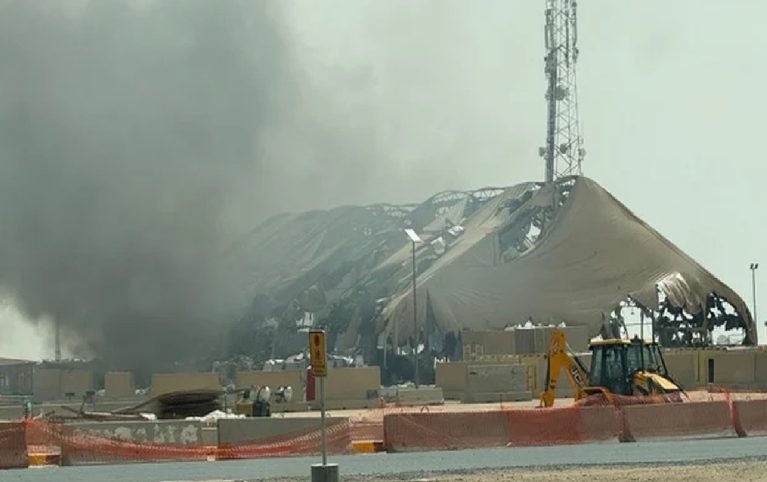
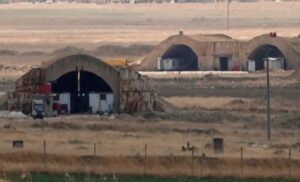
Combined satellite images released by Israeli media show damage to Israeli military bases during Iran’s defensive strikes from February 28 to April 8.
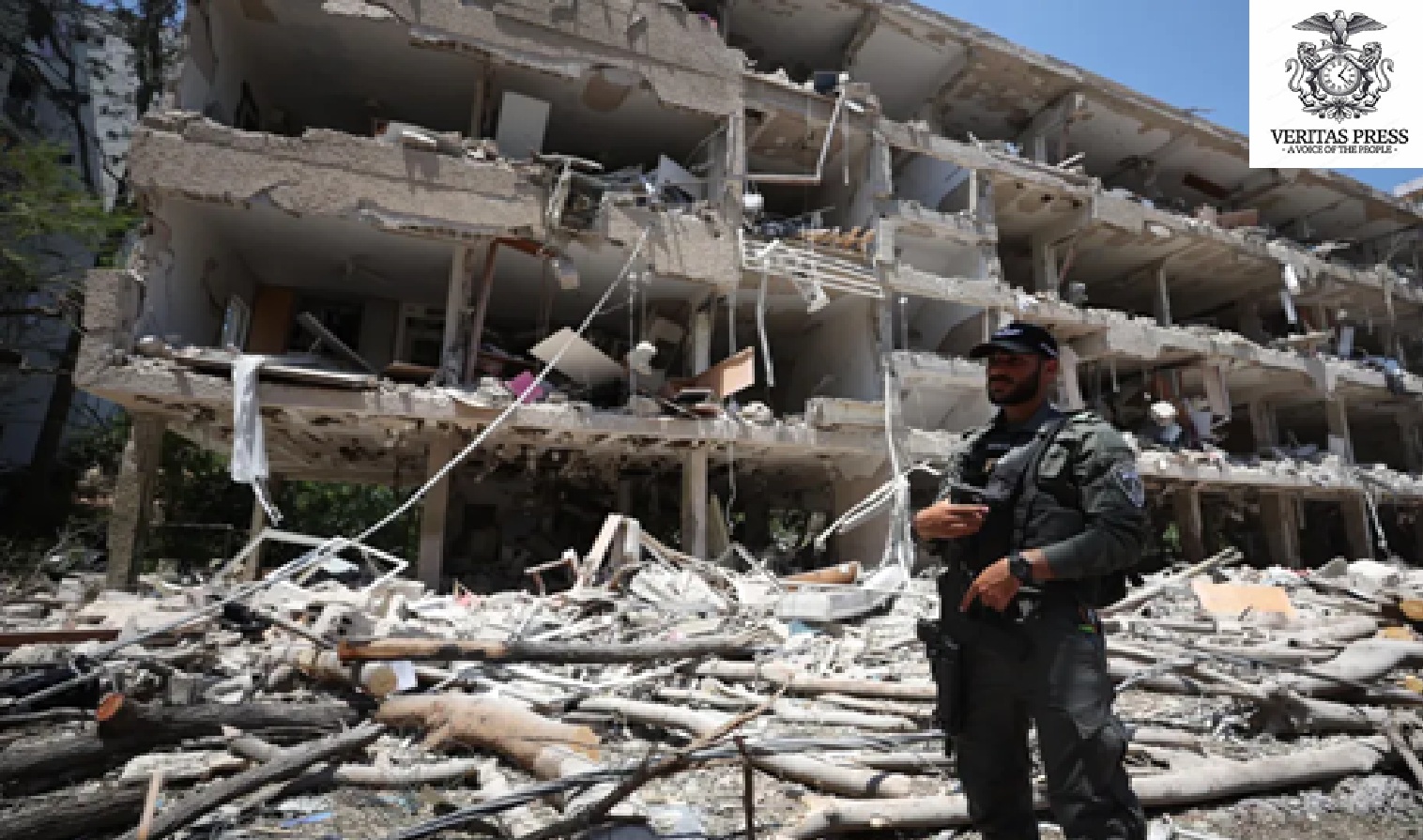
More than a month after a Pakistani-mediated ceasefire froze the US-Israeli air campaign against Iran and the Islamic Republic’s retaliatory barrage, codenamed Operation True Promise 4, a painstaking reconstruction by the Australian imagery firm Soar, cross-referenced with local testimonies and open-source intelligence, now indicates that the scale of destruction visited upon the Israeli home front was significantly greater than officially acknowledged. The findings not only expose the operational reach of Iran and Hezbollah’s missile and drone fleets but also illuminate a parallel battlefield: the struggle over information itself.
A War Begun With An Assassination:
To understand the ferocity of Iran’s response, one must return to the night of February 28, 2026. In a series of airstrikes that tore through multiple layers of Iranian airspace, US and Israeli munitions struck what both nations called “high-value command nodes.” The true target list remains classified, but Iranian state media immediately broadcast that the raids had assassinated “senior Iranian officials, including the Leader of the Islamic Revolution, Ayatollah Seyyed Ali Khamenei.” The claim has never been independently verified; Israel’s military censor has prohibited any domestic reporting on the leadership strike, and the White House has restricted its statements to “the removal of decision-making capacity.” Inside Iran, a Supreme Leadership Council assumed power amid a blackout on visual proof of Khamenei’s fate. What is undeniable is that the Islamic Republic treated February 28 as an existential decapitation, and its retaliation was calibrated accordingly.
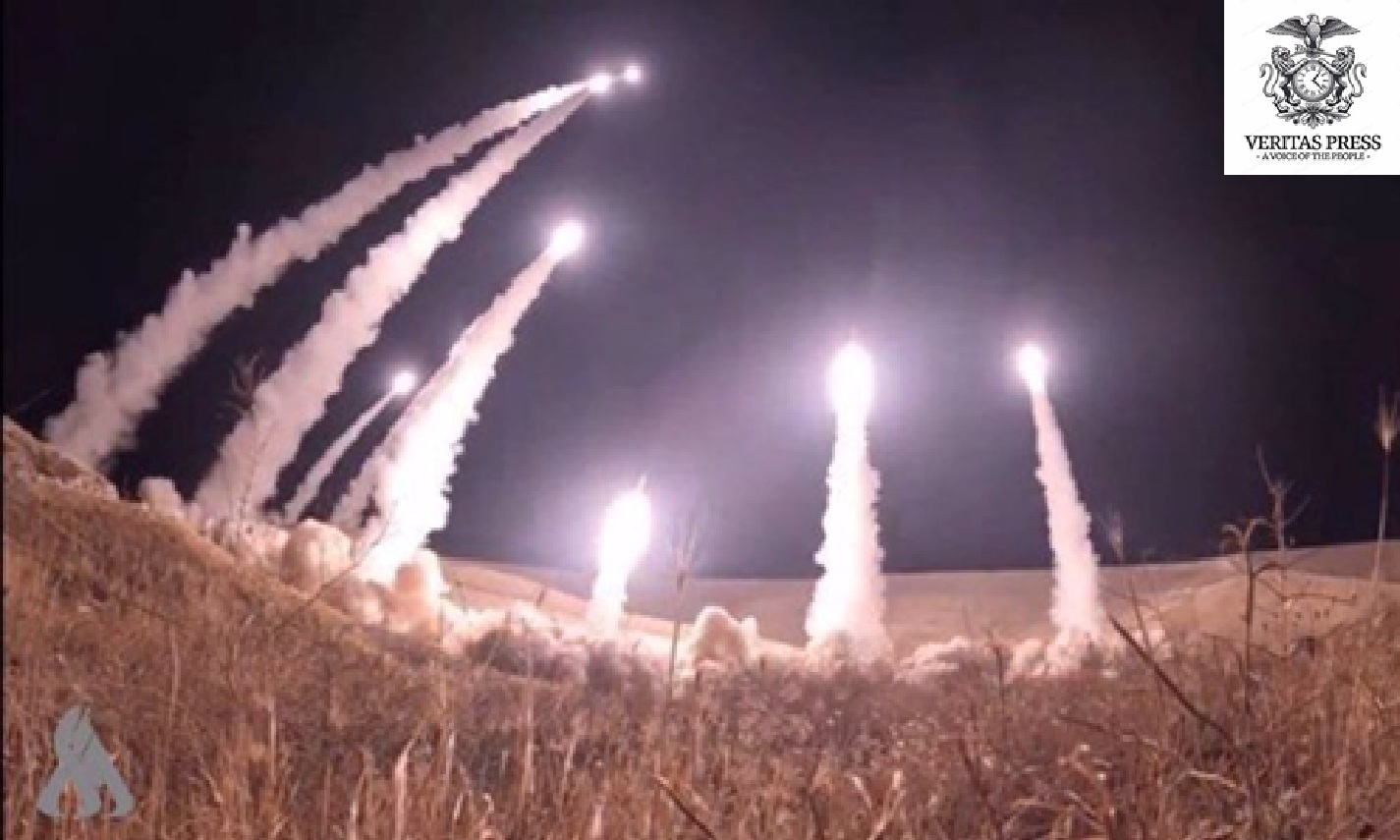
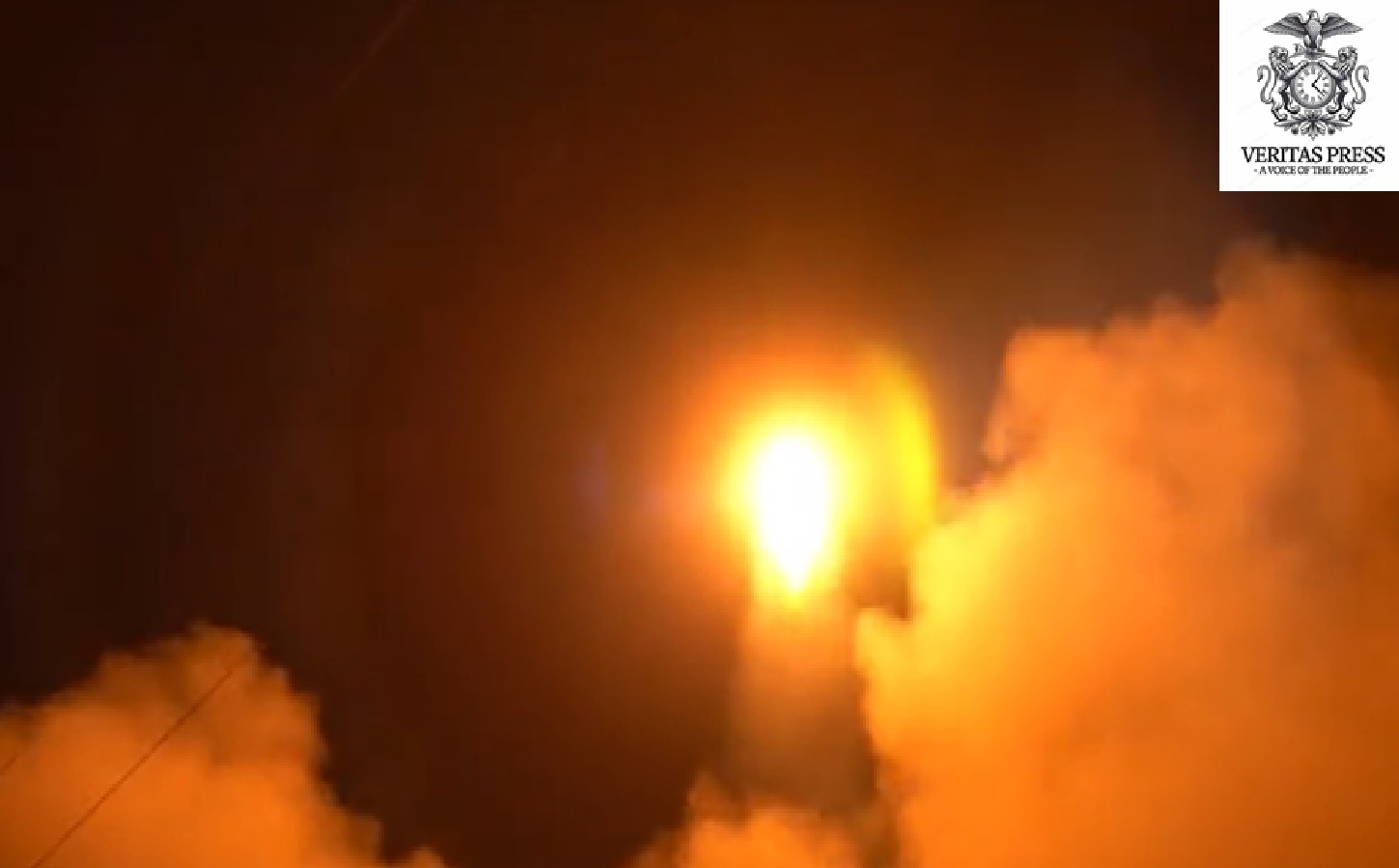
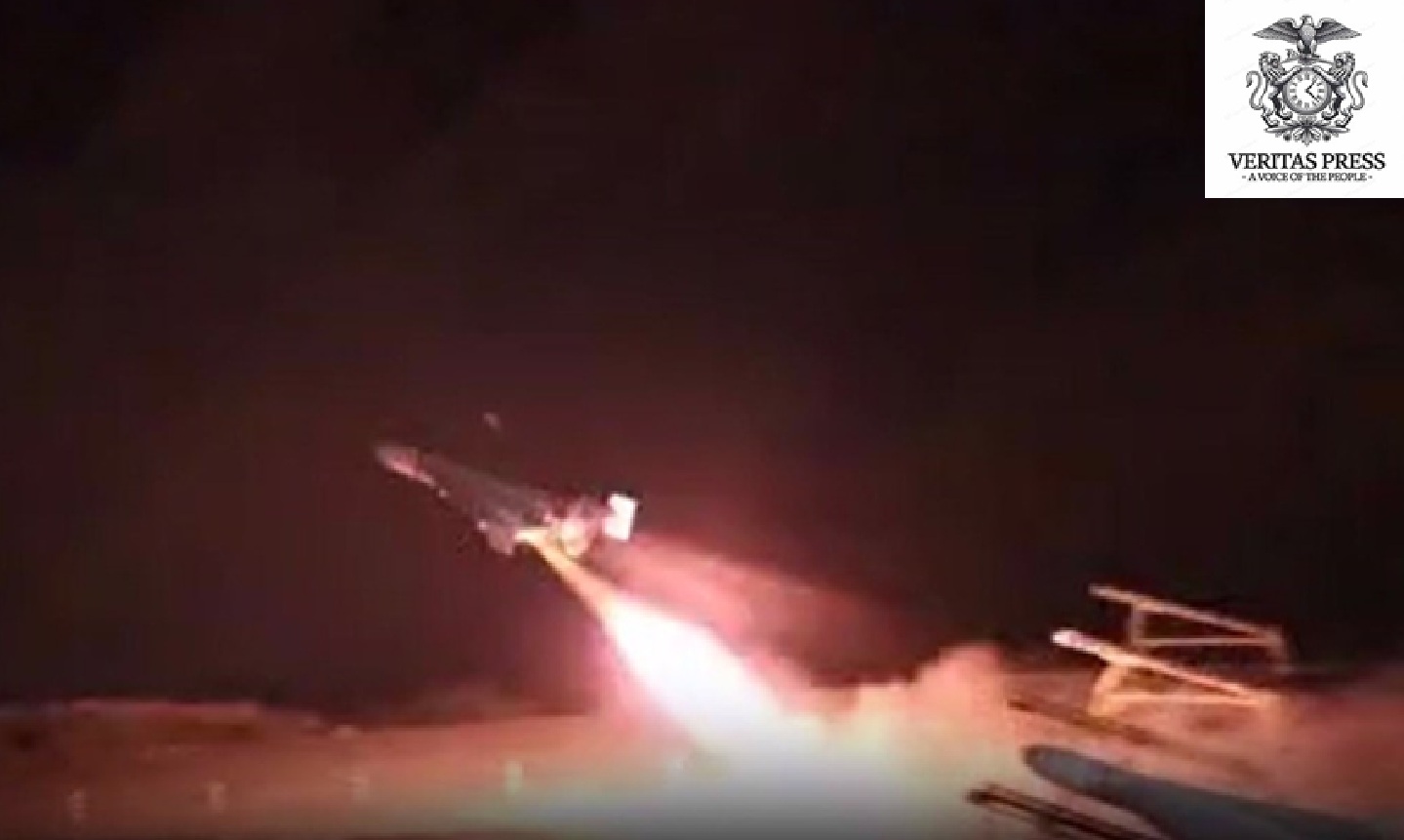
Within hours, Iran launched what it called Operation True Promise 4, firing an estimated 670 missiles and 765 drones toward Israeli-occupied territories over the ensuing five weeks of combat before the April 8 ceasefire, according to Israeli tallies now reluctantly confirmed by the military. Hezbollah, acting in tandem, opened a second front with precision-guided munitions and swarms of kamikaze drones.
What The Satellites Reveal:
The Soar analysis, published after passing Israel’s censor, traces a landscape of verified hits that the official narrative had sought to blur.
Ramat David Air Base (Northern Israel): Two discrete impact zones appear in Sentinel-2 imagery. One, analysts say, struck an area “apparently housing support vehicles and equipment”; the second landed on a refuelling and servicing node for fighter jets. “If you take out the fuel and ground support, you suppress sortie generation for hours, perhaps days,” says Dr. Eliana Mizrahi, a former Israeli Air Force intelligence officer now at the Institute for National Security Studies in Tel Aviv. A reservist mechanic at the base, speaking on condition of anonymity for fear of prosecution, told me: “We were told to say it was a ‘technical incident.’ But we lost four fueling trucks and the entire maintenance shed. I saw the crater myself. For three days, F-35s had to divert south.”
Nevatim Air Base (Negev Desert): On March 25, a defensive position inside the sprawling desert complex, home to the Israeli fleet of F-35 stealth fighters, bore clear damage. The satellite timestamp coincided with Iranian claims of a direct hit by an “Emad” ballistic missile. The IDF initially dismissed the report as “psychological warfare,” yet the image shows a precision strike on a reinforced shelter. Analysts at Soar noted that the scorch pattern and absence of secondary explosions suggest the missile hit a hardened but vulnerable point. “This is a pattern we observed in True Promise 2 back in 2024,” says Jeffrey Lewis, director of the East Asia Nonproliferation Program at the Middlebury Institute, referring to Iran’s prior large-scale strike. “Iran demonstrated it can put a warhead inside the perimeter of critical bases. Now it’s doing so again, and the censors are pixelating the evidence.”
Mishar Base (Unit 8200 Signals Intelligence Facility, near Safed): A sudden surface change between March 5 and March 10 hints at a strike on or extremely close to one of Israel’s most secretive intelligence installations. Unit 8200 is the electronic ear of the state, responsible for signals interception, cyber operations, and decryption. A resident of Safed, Aviram Cohen, 61, told our team: “There was a massive blast on the night of March 8. The army blocked the road to the base for five days. They said it was a forest fire, but there are no forests on that ridge.” The strike, if confirmed, would represent a significant intelligence failure and a keen embarrassment.
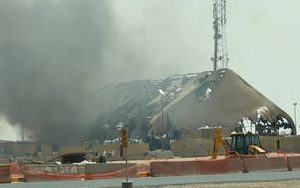
Camp Shimshon (Northern Command Logistics Hub): The most visually dramatic evidence comes from this facility, which Hezbollah explicitly claimed to have attacked on March 10 with a “swarm of drones.” Satellite imagery shows a fire that ignited that day and burned across roughly 200 meters within the base for several days. Comparisons with 2016, 2024, and early 2025 imagery confirm the affected zone had been a permanent logistics yard, not a brush area. “Past images show no significant vegetation,” the Soar report states, “indicating that the fire was caused by a strike on a significant area inside the base rather than by burning vegetation.” A firefighter from a nearby town who responded to the blaze (and who requested his name be withheld) recounted: “It was not a natural fire. It burned like fuel and munitions. We were kept at the outer gate. The military firefighters were inside for three days. I saw black smoke columns from the depot, like a volcano.”
The Censor’s Blur: A War Managed.
The degraded, low-resolution images that accompanied the Yedioth Ahronoth piece are not a technical oversight. They are the product of a deliberate policy in which the Israeli military censor’s office reviews all material that could influence public morale or reveal operational vulnerabilities. “What they are trying to hide is not just the physical damage, but the strategic implication: that the current multi-layered air defence architecture cannot fully protect the homeland, and that critical nodes are reachable,” explains Haggai Matar, executive director of the Israeli independent media watchdog The Seventh Eye. “When you blur a crater, you are blurring the public’s right to hold the government accountable for the cost of war.”
Iranian state-linked media, notably Press TV, have seized on the censorship to frame the limited disclosures as a confession of weakness. Yet Iran’s own information management is equally opaque. Official footage of missile launches is selectively released, and independent verification of the Khamenei assassination remains impossible. Activists inside Iran, communicating via encrypted apps, express a mixture of grief and anxiety. “We are told our leader is a martyr, but the streets feel like a vacuum,” says an Iranian dissident blogger using the pseudonym “Sina.” “The government uses this narrative to justify the strikes, but it also fears the populace seeing any crack in the regime’s armour. So both sides lie, one blurs craters, the other martyrs a man we cannot confirm is dead.”
The Human And Strategic Toll:
Beyond the satellite pixels, locals near the affected bases have lived through the daily reality of the war’s aftermath. In the Jezreel Valley, near Ramat David, kibbutz members reported that the ground shook continuously during the heaviest Iranian salvoes. “Our windows shattered three times,” says Miriam Shalev, 44, a dairy farmer. “The army told us it was interceptions, but then we saw the black smoke from the air base. We know the truth.”
The Israeli military establishment remains gripped by a strategic anxiety that ballistic missiles are “not central to Iran-US talks on a permanent ceasefire,” as one senior defence official told the Knesset’s Foreign Affairs and Defence Committee in a closed session, the minutes of which were leaked to Haaretz. Israel fears that Washington, drained by two inconclusive rounds of war in June 2025 and February 2026, might negotiate a deal with Tehran that leaves Iran’s missile program intact, while Israel’s bases lie scarred. “The American appetite for a third round is nearly zero,” says Michael Eisenstadt, director of the Military and Security Studies Program at the Washington Institute. “Israel is pushing for one more campaign to finish the job, but the satellite evidence shows that the job is far bigger than anyone thought, and Iranian missiles are getting through with alarming regularity.”
Ceasefire Fragility And The Push For War:
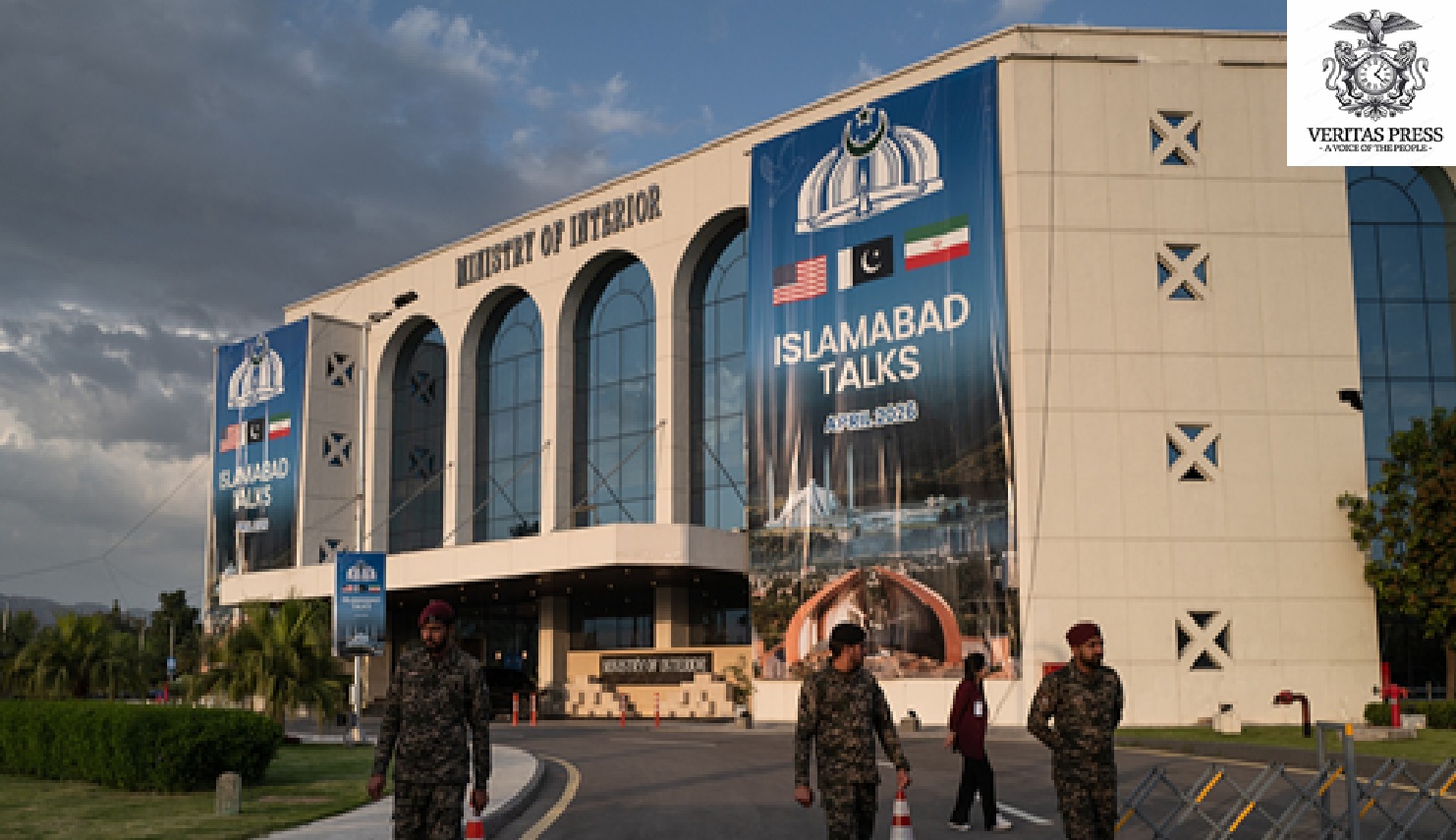
The Pakistani-mediated ceasefire, inked on April 8 in Islamabad, has paused the destruction but not the manoeuvring. Behind the scenes, Israeli emissaries have reportedly pressed the Trump administration to support a new, decisive strike before Tehran can reconstitute its command structure and missile stocks. A Western diplomat familiar with the Islamabad talks told me: “The Iranians are insisting that their ballistic missile capability is a non-negotiable pillar of sovereignty, especially after the February 28 assassination. The Americans want a permanent halt to enrichment and long-range systems. The gap is enormous. And every day, the satellite images are being used as ammunition by both sides, Israel to argue that the Iranian threat is existential and undiminished, Iran to prove that it can reach any target.”
Hezbollah, for its part, has warned that any resumption of hostilities will be met with “drones more numerous and precise than the swarm that torched Shimshon.” In a televised speech on May 19, Hezbollah Secretary-General Naim Qassem declared: “Our fire has reached the training grounds and intelligence dens. The enemy hides its wounds, but the earth records them. We are ready.”
A Transparent Wound:
As the global community debates the contours of a permanent ceasefire, the pixelated scars on Israeli soil tell a story that neither official narrative can fully contain. The deliberate degradation of satellite evidence may temporarily blunt domestic panic, but it cannot erase the strategic reality that Iran has demonstrated a persistent ability to hit Israel’s most guarded assets, air power, intelligence, and logistics. The international community, human rights organisations, and independent journalists must demand unfettered access to high-resolution imagery and on-site investigations to assess the true humanitarian and military toll.
“Transparency is the first casualty of this war,” says Sarah Leah Whitson, executive director of Democracy for the Arab World Now (DAWN). “The Israeli censor’s blur is no different in its goal from Iran’s blackout on its leader’s fate—both are instruments of state control. The public, on all sides, deserves the raw truth, because only on that truth can a durable peace be built.”
For now, the satellites will continue their silent orbits, capturing what the ground would rather hide. The craters remain, and with them the unanswered question: If the world cannot see the full damage today, what else lies beneath the censored clouds of a war not yet finished?
Source:Veritas Press C.I.C. | Multi News Agencies
Submissions:
For The Secure Submission Of Documentation, Testimonies, Or Exclusive Investigative Reports From Any Global Location, Please Utilise The Following Contact Details For Our Investigations Desk: enquiries@veritaspress.co.uk or editor@veritaspress.co.uk
Help Support Our Work:
Popular Information is powered by readers who believe that truth still matters. When just a few more people step up to support this work, it means more lies exposed, more corruption uncovered, and more accountability where it’s long overdue.
Help Protect Independent Journalism, Which Is Currently Under Attack.
If you believe journalism should serve the public, not the powerful, and you’re in a position to help, becoming a DONATOR or a PAID SUBSCRIBER truly makes a difference.
DONATION APPEAL: If You Found This Reporting Valuable, Please Consider Supporting Independent Journalism.
Help Support Our Work – We Know, We Know, We Know …
Seeing these messages is annoying. We know that. (Imagine what it’s like writing them … )
Your support fuels our fearless, truth-driven journalism. In unity, we endeavour to amplify marginalised voices and champion justice, irrespective of geographical location.
But it’s also extremely important. One of Veritas Press’s greatest assets is its reader-funded model.
1. Reader funding means we can cover what we like. We’re not beholden to the political whims of a billionaire owner. We are a small, independent and impartial organisation. No one can tell us what not to say or what not to report.
2. Reader funding means we don’t have to chase clicks and traffic. We’re not desperately seeking your attention for its own sake: we pursue the stories that our editorial team deems important and believe are worthy of your time.
3. Reader Funding: enables us to keep our website and other social media channels open, allowing as many people as possible to access quality journalism from around the world, particularly those in places where the free press is under threat.
We know not everyone can afford to pay for news, but if you’ve been meaning to support us, now’s the time.
Your donation goes a long way. It helps us:
Keep the lights on and sustain our day-to-day operations
Hire new, talented independent reporters
Launch real-time live debates, community-focused shows, and on-the-ground reporting
Cover the issues that matter most to our communities, in real time, with depth and integrity
We have plans to expand our work, but we can’t do it without your support. Every contribution, no matter the size, helps us stay independent and build a truly people-powered media platform.
If you believe in journalism that informs, empowers, and reflects the communities we serve, please donate today.
Kamran Faqir is a volunteer investigative journalist and writer committed to exposing hidden truths and amplifying underreported stories. Driven by social justice, he brings sharp insight and fearless truth-telling to independent journalism. NUJ registered.
SEATTLE, TEHRAN — The U.S. Department of Homeland Security (DHS) will allow Iran’s national football team to enter the country 48 hours before their critical World Cup match against Egypt on Friday, a modest concession in a tournament where Team Melli’s travel conditions have sparked claims of oppression and competitive disadvantage.