Kamran Faqir is a volunteer investigative journalist and writer committed to exposing hidden truths and amplifying underreported stories. Driven by social justice, he brings sharp insight and fearless truth-telling to independent journalism. NUJ registered.
Listen to this article
Help support our mission, donate today and be the change. Every contribution goes directly toward driving real impact for the cause we believe in.
Article Date Published:
Article Date Modified:
12 minutes
Views:105
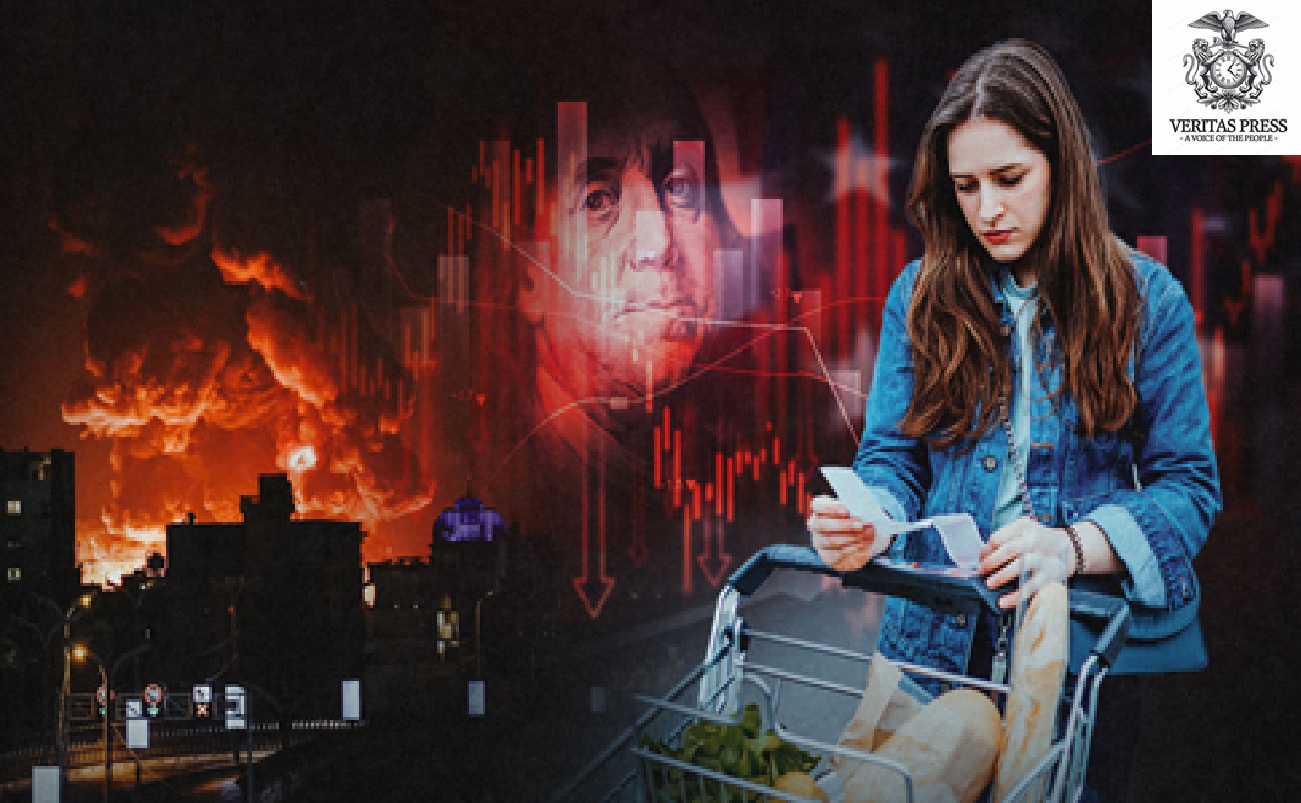
Fuel at record highs, a Bank of England rate rise, and a January energy-bill jump on the way: the cost-of-living squeeze is back, and the policy response looks thin.
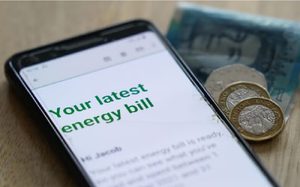
The Middle East energy shock has pushed up the price of fuel and household energy (Jacob King/PA) (PA Wire)
UK inflation rose to 3.6% in October, up from 3.5% in September and the highest reading in a year. It was driven largely by rising fuel costs, the 4% jump in the energy price cap and higher vape and tobacco duties. It is the fourth consecutive monthly rise since inflation dipped to 2.6% in June. For households heading into winter, the figure is less a statistic than a confirmation.
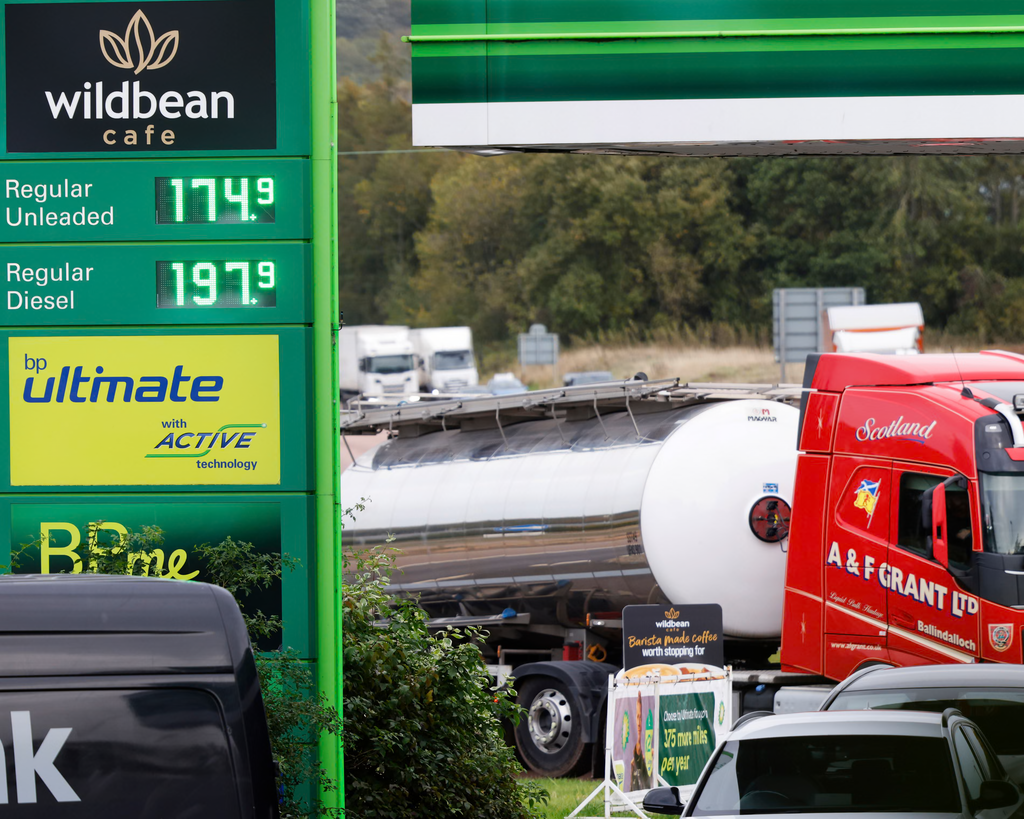
The Office for National Statistics (ONS) said motor fuel and energy made the largest upward contributions. Fuel prices for motorists rose at an annual rate of 33.2%, the biggest increase since July 2022, when Russia’s full-scale invasion of Ukraine upended energy markets. Petrol rose 5.2p a litre in a month to 174.7p, the highest in four years. Diesel rose 7p to an average of 199.5p, the highest since ONS records began in 1996.
The scale of the shock is clearer against the pre-war baseline. The ONS put February’s average petrol price at 131.6p a litre, the lowest since June 2021, with diesel at 141.1p. Petrol is now roughly a third dearer and diesel about 40% dearer than before the war. At the pump, the cost has landed on families, hauliers and small businesses.
ONS chief economist Grant Fitzner said fuel prices were again a major contributor to the increase, adding that annual costs of raw materials and factory-gate goods are still climbing on higher crude oil and petrol prices. That second point matters, because input costs at the factory gate tend to work their way onto shelves.
The data is not uniformly alarming, and honest reporting should say so:
Core inflation (excluding energy, food, alcohol and tobacco) held at 2.8%, in line with forecasts.
Services inflation, the measure the Bank watches for entrenched domestic pressure, held at 3.7%, slightly below the 3.8% the City expected.
Food inflation slowed to 0.9%, the lowest since September 2021, from 1.3%.
Air fares rose 1.8% on long-haul prices, and alcohol and tobacco rose 4.5% as a tobacco duty increase took effect.
Rob Morgan of Charles Stanley Direct said the pass-through to food and services has so far been less severe than feared. But he also noted that, with inflation above target for five years running, households are “running fast just to keep up”. Aberdeen economist Felix Feather pointed to a fall in oil prices since the US midterms, which could partly reverse October’s fuel-driven rise in November.
Economists polled by Pantheon Macroeconomics had expected 3.6%, though one outlet cited forecasts of 3.7%. Pantheon’s Rob Wood and Elliott Jordan-Doak had calculated that tobacco duty and fuel would add 21 basis points, the energy cap three, and weaker food inflation would take four off.
Rates: The Bank Is Boxed In
The Bank of England raised Bank Rate from 3.75% to 4% on 5 November, its first increase in more than three years. It has warned that inflation may peak near 5% next year and may not return to its 2% target until the third quarter of 2028. A Bank spokesperson said the Monetary Policy Committee raised rates to limit how much higher energy costs spill into other prices, and will keep setting rates so inflation returns to target.
Markets are pricing roughly an 80% chance of another rise at the 17 December meeting, with November’s inflation data due on 16 December. Not everyone agrees. Feather argued that February, when the Bank has fresh forecasts, is “a more natural moment” for a second hike. Kit Rees of Quilter said the Bank will watch for “second-round effects”, where higher prices feed wage demands.
The critique here is structural. Bank Rate is a blunt tool against a supply shock. Higher rates cannot reopen shipping lanes or lower the oil price. They can, however, raise mortgage and credit costs for households already absorbing higher bills, and weaken demand in an economy that was growing slowly even before the war. Whether the policy is prudent depends on whether the Bank is right that energy costs would otherwise harden into wages and services prices. In October, the data for that was not yet visible.
Worse To Come In January
The next quarterly price-cap reset is the real cliff. The October reading already included Ofgem’s 4% rise, which lifted the typical annual bill by about £60 to £1,723. A new forecast from Cornwall Insight predicts a 26% rise from January to around £2,166 a year for a typical household. One of your source reports attributes the 26% figure to Eon, so it is worth confirming the attribution before publication.
Fuel prices for motorists rose at an annual rate of 33.2%, the largest increase since July 2022. Photograph: Murdo MacLeod/The Guardian
The government says it is responding. At last month’s budget, Chancellor John Healey announced a £100 winter payment to 20 million households. Treasury chief secretary Emma Reynolds said it would give families “breathing space” in January, and pointed to longer-term measures: ending levies on household bills, scrapping standing charges and better protection from global shocks.
The numbers invite scrutiny. A £100 payment set against a projected rise of more than £440 in the annual typical bill covers under a quarter of the increase, and arrives in January, after the colder months have begun. Charities, campaigners and consumer groups are best placed to say whether that is enough. I did not find usable statements from them in my searches, so I have not invented any.
The Political Fight
Shadow chancellor Andrew Griffith blamed “soaring energy costs” and Labour’s decision to “hike taxes and employment costs”, adding: “They didn’t have to do that. But now we will all pay the price.” The government’s counter is that the Middle East conflict and Russia’s invasion of Ukraine have pushed up costs worldwide.
Both claims have some force, and neither is complete. Global energy shocks are real and are visible in the pump prices above. But the UK’s exposure to gas in its power market, and the decisions it has made on taxes and energy policy, shape how hard a global shock lands here. Griffith’s argument also sits awkwardly with the fact that the October rise was led by fuel prices that no domestic budget set.
Voices From The Ground
On the ground, small operators describe the pressure directly. James Palmer, who runs the Acme Bus Company in Saffron Walden, told the BBC earlier this year that rising fuel prices were already hitting his business, well before diesel reached its record. Pay growth had been outpacing price rises, but that could change if the war drives inflation higher. Recent ONS figures showed regular earnings growth easing to 3.5%, only just ahead of inflation.
The conflict is also being framed abroad. Iranian state-aligned outlet Tasnim characterised the UK figures as a consequence of “US aggression” against Iran. That is a partisan reading, but it shows how the economic fallout is being used in the information war around the conflict.
The Bottom Line
The October figures are not a catastrophe. Core and services inflation are steady, and food inflation is falling. But the picture is uncomfortable: a record diesel price, a Bank that has begun raising rates into a weak economy, a January energy cliff, and a one-off £100 payment set against it. Whether households are being protected or merely cushioned for a few weeks is the question the December rate decision, and the next budget scrutiny, will have to answer.
Conclusion: A Shock That Was Global, A Squeeze That Is Political
The October figures settle one argument and open a harder one. The Iran war is the proximate cause of this inflation, a direct result of US aggression: fuel prices up a third in a year, diesel at a record 199.5p, and an energy bill heading for about £2,166 in January. The government and the Bank of England are right about that. But a global shock does not distribute its pain evenly, and who absorbs it is a matter of policy choice.
The protection gap. The £100 winter payment will cost roughly £2 billion across 20 million households. Set against the projected January rise, it covers about a fifth of the roughly £500 by which the typical annual bill will have grown since before October’s cap increase. It arrives in January, after the cold has set in, and it is a one-off. Ministers say the real remedy is structural: ending levies, scrapping standing charges, reducing exposure to global gas prices. Those are credible goals, but their effect on bills is years away, and the war’s effect is now. The government is asking households to bridge that gap largely on their own savings, or their credit.
The policy contradiction. The Bank has raised rates to 4%, and markets expect more. Yet its own reasoning rests on a shock that rate rises cannot touch. Core inflation is steady at 2.8%, services inflation is below forecast at 3.7%, and food inflation is the lowest since 2021. The evidence of entrenched, domestically generated inflation, the usual justification for tightening, is thin. The risk is that borrowers pay for an oil-price shock twice: once at the pump and the meter, and again on their mortgages and credit cards. Aberdeen’s view that February is the more natural moment for a second hike deserves more attention than the 80% market pricing for December.
The questions no one is answering. That corporations are evading tax and profiting from the crisis while blaming the war. The questions are specific and answerable:
Have fuel retail and refining margins widened as pump prices rose, or have they merely passed costs through? The competition regulator holds the data.
How much have energy suppliers earned under the price-cap structure, and what do standing charges contribute to their revenue?
What do company filings and HMRC data show about tax actually paid by firms that have posted record profits this year?
When wholesale prices fall, as they have since the US midterms, how quickly do retail prices follow?
That last question is the cleanest test of “rockets and feathers” pricing, in which prices rise fast and fall slowly. November’s data will provide the first evidence.
The verdict. Households did not start this inflation, and the October figures show it is not yet spreading through wages and services. That is the case for restraint from the Bank and urgency from the Treasury, and so far the response has leaned the other way: a cushion for one month, and tighter credit for the rest. The test for ministers is not whether they can explain the war. It is whether, by January, they can show that the cost of the shock is being shared by those best able to carry it, and not left with the families who can least afford it.
Veritas Press Investigative Analysis Independent journalism examining global affairs, power, diplomacy, and accountability.
Source:Veritas Press C.I.C. | Multi-News Agencies
Help Support Our Work
Readers who believe that truth still matters have power over popular information. When just a few more people step up to support this work, it means more lies exposed, more corruption uncovered, and more accountability where it’s long overdue.
Help Protect Independent Journalism, Which Is Currently Under Attack.
If you believe journalism should serve the public, not the powerful, and you’re able to help, becoming a regular DONOR or a PAID SUBSCRIBER truly makes a difference.
DONATION APPEAL: If you found this reporting valuable, please consider supporting independent journalism.
Your support fuels our fearless, truth-driven journalism. In unity, we endeavour to amplify marginalised voices and champion justice, irrespective of geographical location. We operate independently, with no financial backing from billionaires; our readers support us.
But it’s also extremely important. One of Veritas Press’s greatest assets is its reader-funded model.
1. Reader funding means we can cover what we like. We’re not beholden to the political whims of a billionaire owner. We are a small, independent and impartial organisation. No one can tell us what not to say or what not to report.
2. Reader funding means we don’t have to chase clicks and traffic. We’re not desperately seeking your attention for its own sake; we pursue the stories that our editorial team deems important and believes are worthy of your time.
3. Reader Funding: enables us to keep our website and other social media channels open, allowing as many people as possible to access quality journalism from around the world, particularly those in places where the free press is under threat.
We know not everyone can afford to pay for news, but if you’ve been meaning to support us, now’s the time.
Your donation goes a long way. It helps us:
Keep the lights on and sustain our day-to-day operations
Hire new, talented, independent reporters
Launch real-time live debates, community-focused shows, and on-the-ground reporting
Cover the issues that matter most to our communities, in real time, with depth and integrity
Without your support, independent voices like ours will be silenced.
Furthermore, we have plans to expand our work, but we can’t do it without your support. Every contribution, no matter the size, helps us stay independent and build a truly people-powered media platform.
If you believe in journalism that informs, empowers, and reflects the communities we serve, please donate today.
You Can Make Direct Bank Transfer Donations To
Bank Name: Bank Of Scotland
Account Name: Veritas Press C.I.C.
Sort code: 80-22-60
Account Number: 27540469
IBAN #: GB18-BOFS-6027-5404-69
Donate Online
Submissions
For the safe submission of documentation, testimonies, or exclusive investigative reports from anywhere in the world, please use the following contact details for our Investigations Desk: mailto:enquiries@veritaspress.co.uk or mailto:editor@veritaspress.co.uk.
SEATTLE, TEHRAN — The U.S. Department of Homeland Security (DHS) will allow Iran’s national football team to enter the country 48 hours before their critical World Cup match against Egypt on Friday, a modest concession in a tournament where Team Melli’s travel conditions have sparked claims of oppression and competitive disadvantage.