Kamran Faqir is a volunteer investigative journalist and writer committed to exposing hidden truths and amplifying underreported stories. Driven by social justice, he brings sharp insight and fearless truth-telling to independent journalism. NUJ registered.
Original Article Date Published:
Article Date Modified:
12 minutes
Views:268
Listen to this article
Help support our mission, donate today and be the change. Every contribution goes directly toward driving real impact for the cause we believe in.
TEHRAN/ISLAMABAD/WASHINGTON — In the early hours of Wednesday, a deafening silence fell over the skies of the Middle East, not as a gesture of peace, but as the exhausted inhale following a 40-day-long scream of ballistic missiles and airstrikes. A two-week ceasefire, hammered out in a dramatic eleventh-hour negotiation, has halted the most devastating direct military confrontation between the United States and Iran in modern history.
Yet, within this fragile silence, the echoes of a war that killed a Supreme Leader, paralysed global trade, and nearly tipped into a “civilisational” apocalypse are far from fading. This is not a story of a “historic victory” or a “total triumph,” as both sides claim, but a deep investigative analysis of a catastrophic miscalculation, a geopolitical earthquake, and the uncertain dawn of a new world order.
Part I: The “Decapitation” Strike That Backfired
The war began not with a whimper, but with a precision-guided bang. On February 28, the United States and Israel launched a joint, unprovoked offensive, initially justified by the White House as a preemptive strike to dismantle Iran’s nuclear program and curb its regional influence. The true goal, according to intelligence sources and statements from Israeli officials, was “decapitation”, the complete eradication of the Iranian high command.
In the first hour, the attack achieved a tactical miracle. Joint US-Israeli strikes targeted a high-level security meeting in Tehran, resulting in the assassination of 86-year-old Supreme Leader Ayatollah Ali Khamenei, his Defence Minister, and the Chief of Army Staff. President Donald Trump took to Truth Social to declare the “evil tyrant” dead. For a moment, Washington and Tel Aviv believed they had won.
They had instead unleashed a hydra.
The killing of Khamenei, a man who had been the apex of Iran’s political and religious authority for 37 years, did not trigger a collapse. It triggered a consolidation of power under a new, even harder-line Supreme Leader, Mojtaba Khamenei, the late leader’s son. The regime pivoted instantly from fear to fury.
“Iran’s response was not the desperate thrashing of a wounded animal, but the calculated counter-punch of a state that had been planning for this exact scenario for a decade,” says a former CIA analyst specialising in Iranian military doctrine, who spoke on condition of anonymity. “They had pre-positioned missiles and drones, and they unleashed them in a saturation campaign they called ‘Operation True Promise 4’.”
Part II: 90 Waves Of Revenge And A Global Chokehold
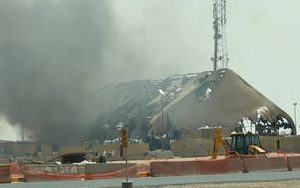
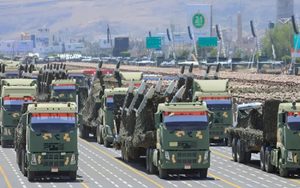
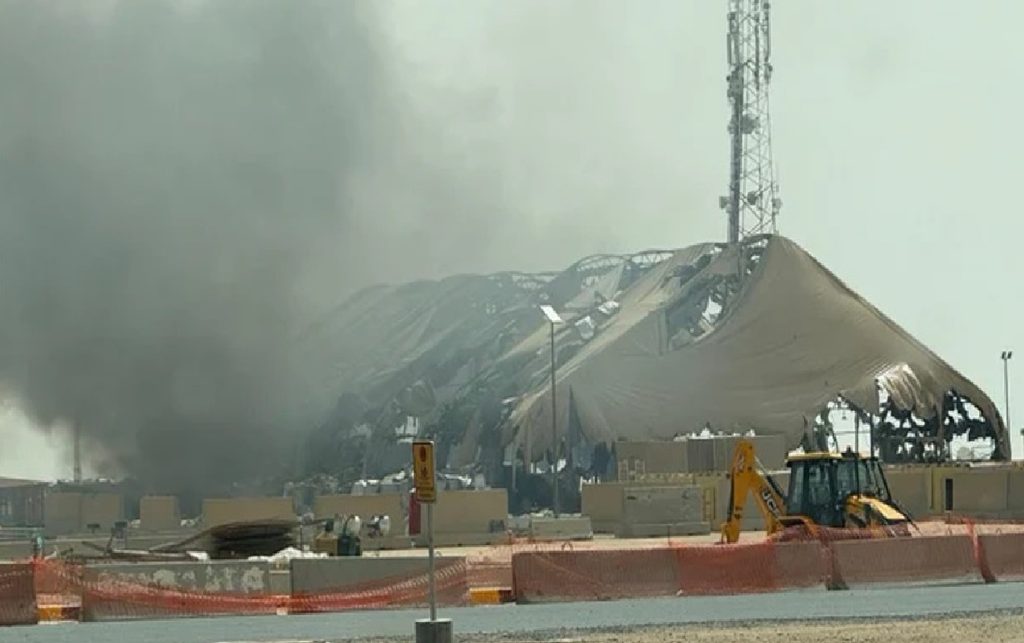
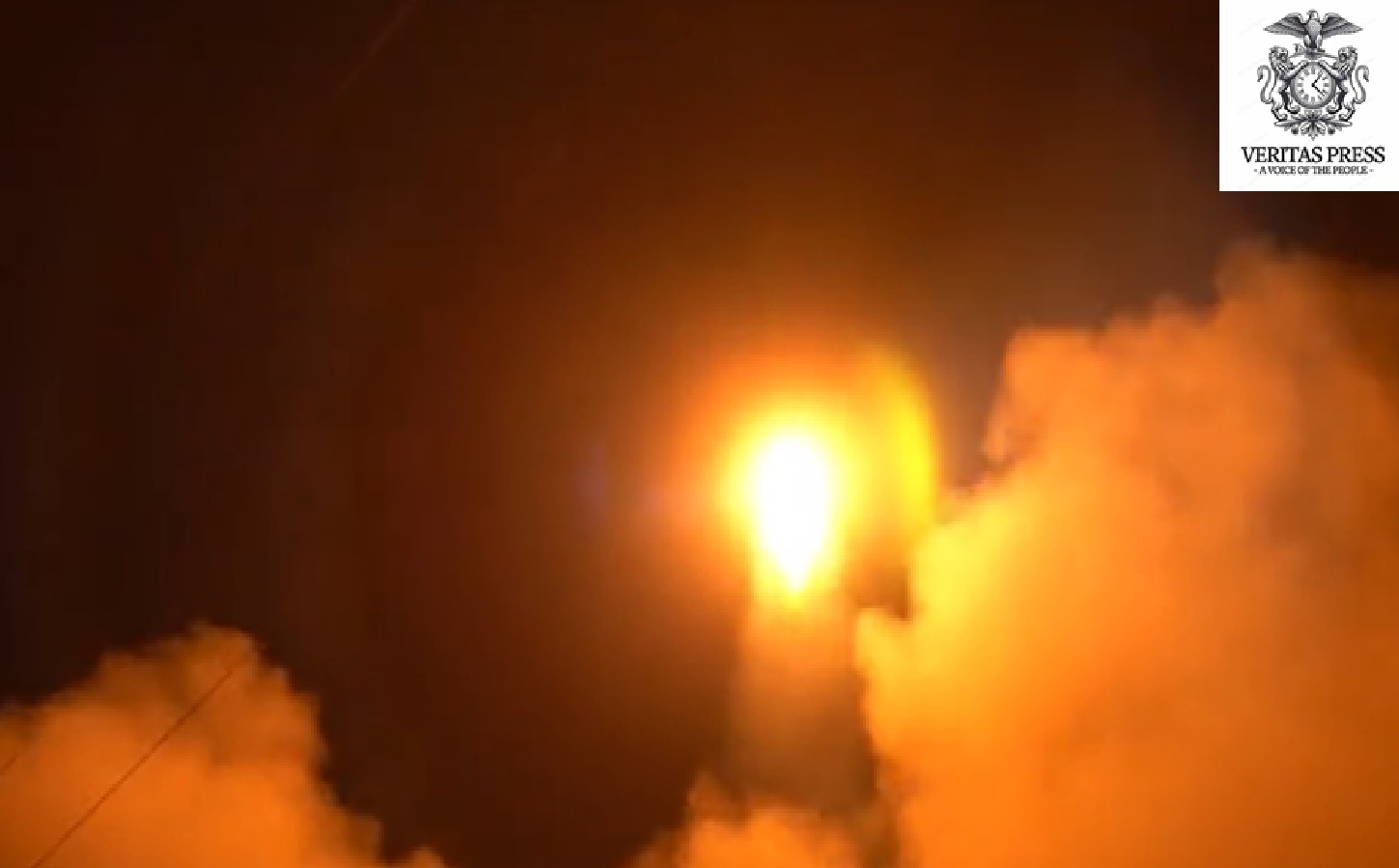
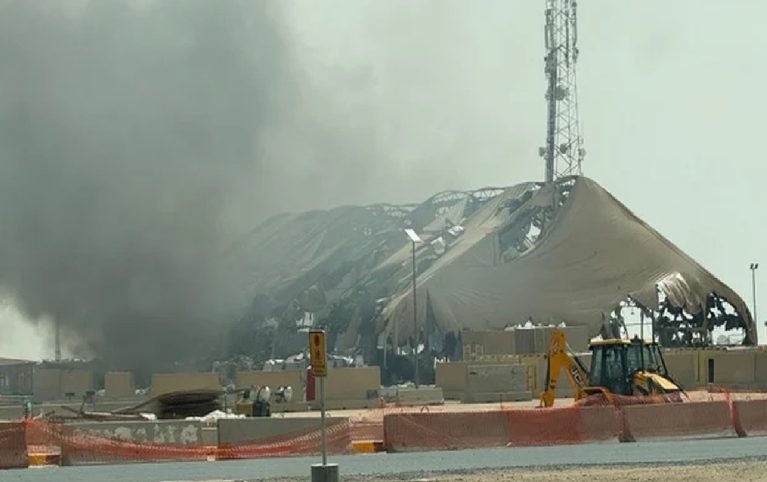
The retaliation was swift and brutal. Iran’s Islamic Revolutionary Guard Corps (IRGC) launched over 90 waves of missile and drone strikes, not just at Israel, but at US military assets across the region. The Pentagon was forced to acknowledge that 17 US bases in the Gulf, including naval facilities in Bahrain, Qatar, and the UAE, were struck and rendered inoperable. US military personnel were reportedly forced to “flee their bases and take refuge in hotels,” according to a statement from the Iranian General Staff.
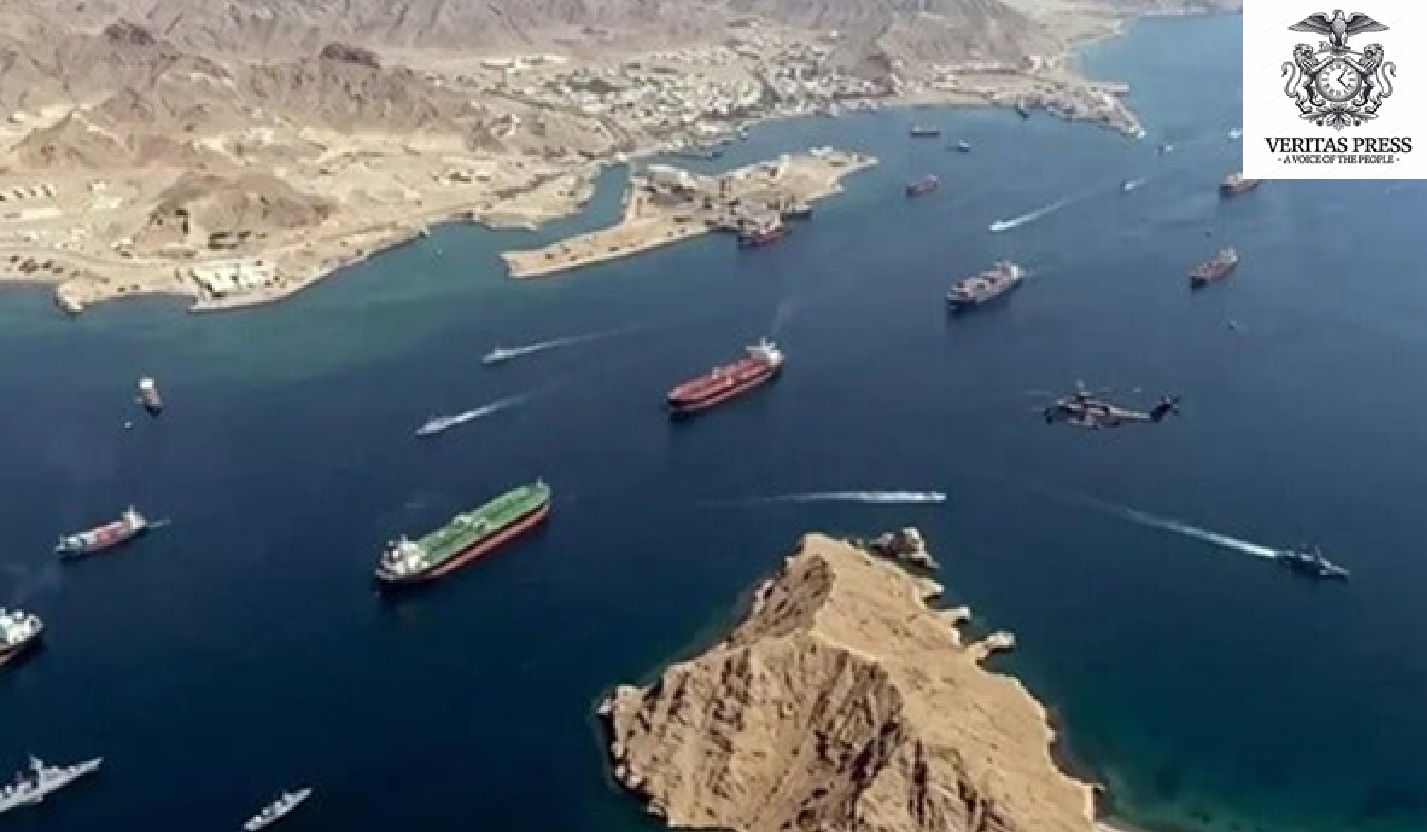
Simultaneously, Iran deployed its most potent non-military weapon: the Strait of Hormuz. The 21-mile-wide waterway, through which roughly one-fifth of global oil supply passes, was immediately choked off. By late March, UN Trade and Development (UNCTAD) data showed a catastrophic 95% drop in shipping activity through the strait, with daily transits falling from 130 to just six.
The economic carnage was immediate and global. Fuel prices spiked, and the cost of transporting oil jumped dramatically. The disruption bled into air cargo, with carriers like Emirates, Etihad, and Qatar Airways slashing schedules by up to 80%. Air freight rates from South Asia to Europe surged by 62%. The UNCTAD warned that global merchandise trade growth would plummet from 4.7% to just 1.5% in 2026. The cost of this single act of defiance was being paid by consumers and businesses worldwide.
Part III: The Humanitarian Abyss
While world leaders traded barbs and sanctions, the civilian population of Iran was being decimated. Investigative reports from humanitarian organisations paint a picture of a society under siege.
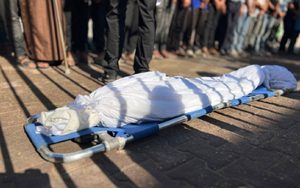
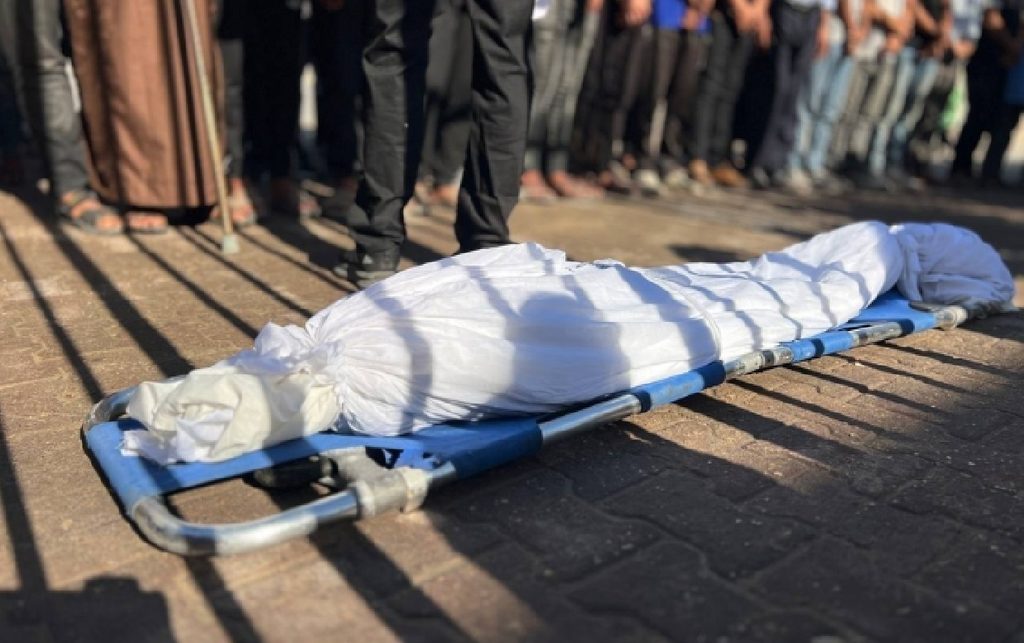
The airstrikes did not remain limited to military targets. Residential areas were hit. A girls’ primary school in the southern city of Minab was struck, killing at least 85 children. A sports hall in Lamerd was bombed, killing 15. By April 8, the death toll in Iran had surpassed 1,900 civilians, with over 20,000 wounded, according to figures cited by the International Federation of Red Cross and Red Crescent Societies (IFRC). Human rights activists report that at least 244 children have been killed.
Yet, the Western media narrative largely framed this as a strategic conflict. A local journalist in Isfahan, who asked to remain anonymous for fear of regime retaliation, told this reporter: “In the West, they talk about centrifuges and oil prices. Here, we talk about the smell of burning flesh and how to get flour for bread. The sanctions are a slow death, but the bombs are a very fast one.”
Part IV: The Mediator: Pakistan’s “Double-Sided Ceasefire”
As the 40th day of war approached, President Trump had set an 8:00 PM deadline, threatening to unleash strikes that would “obliterate Iranian civilisation”. The world braced for an apocalypse. However, in a dramatic reversal, Trump announced he would “suspend the bombing and attack of Iran for a period of two weeks,” a decision he framed as a “double-sided CEASEFIRE”.
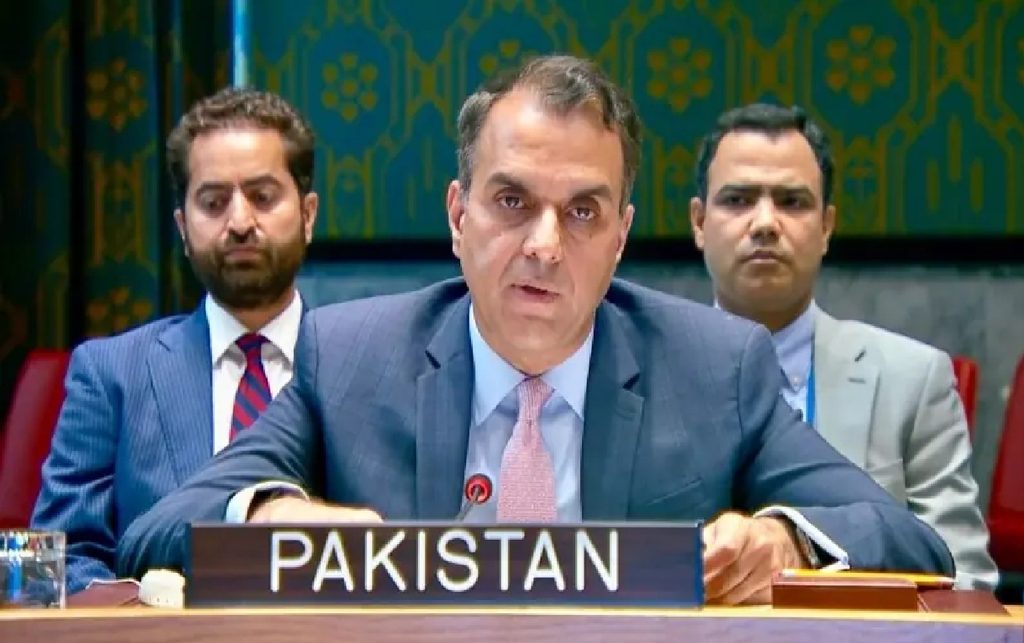
The man who pulled the region back from the precipice was not a Western diplomat, but Pakistan’s Prime Minister Shehbaz Sharif and Army Chief Field Marshal Asim Munir.
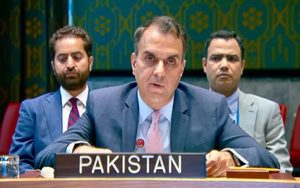
“The dangerous development took place last (Monday) night. Israel attacked Iran at a stage when both sides were set to sit down,” Pakistan’s Foreign Minister Ishaq Dar revealed in a parliamentary session, blaming Israeli strikes on Iranian energy facilities for nearly derailing the talks hours before the deadline.
Pakistan, which maintains a unique relationship with both the Trump administration and the Iranian regime, shuttled proposals between the two capitals. They handed Washington’s 15-point conditions to Tehran and relayed Iran’s 5-point, later expanded to a 10-point plan, back to the White House.
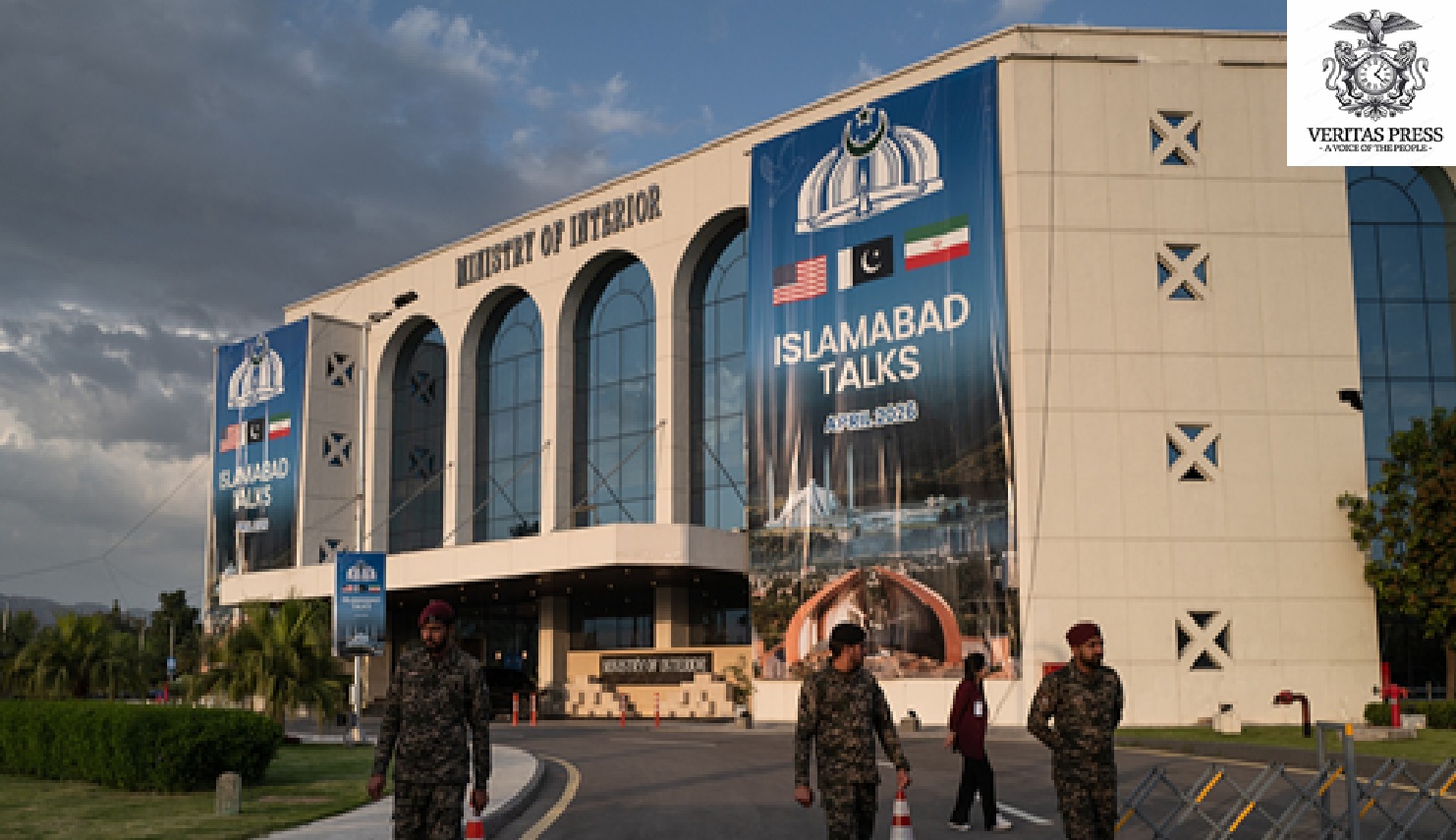
The result is a truce that hinges on Islamabad, where delegations from both sides are set to meet on April 10.
Part V: The 10 Points: Victory For Iran Or Political Theater?
At the core of the ceasefire is Iran’s 10-point proposal, which Tehran’s Supreme National Security Council (SNSC) claims Washington has “in principle” accepted. If true, it represents the most humiliating US foreign policy reversal since the Vietnam War.
The plan, details of which were obtained by Anadolu Ajansı, includes:
A permanent ceasefire.
Continued Iranian control and supervision over the Strait of Hormuz.
Full lifting of all US primary and secondary sanctions.
Recognition of Tehran’s right to uranium enrichment.
Withdrawal of all US combat forces from the region.
Termination of all UN and IAEA resolutions against Iran.
Payment of war compensation to Iran.
Release of frozen Iranian assets.
End of hostilities on all fronts, including Lebanon.
A binding UN Security Council resolution turning the agreement into international law.
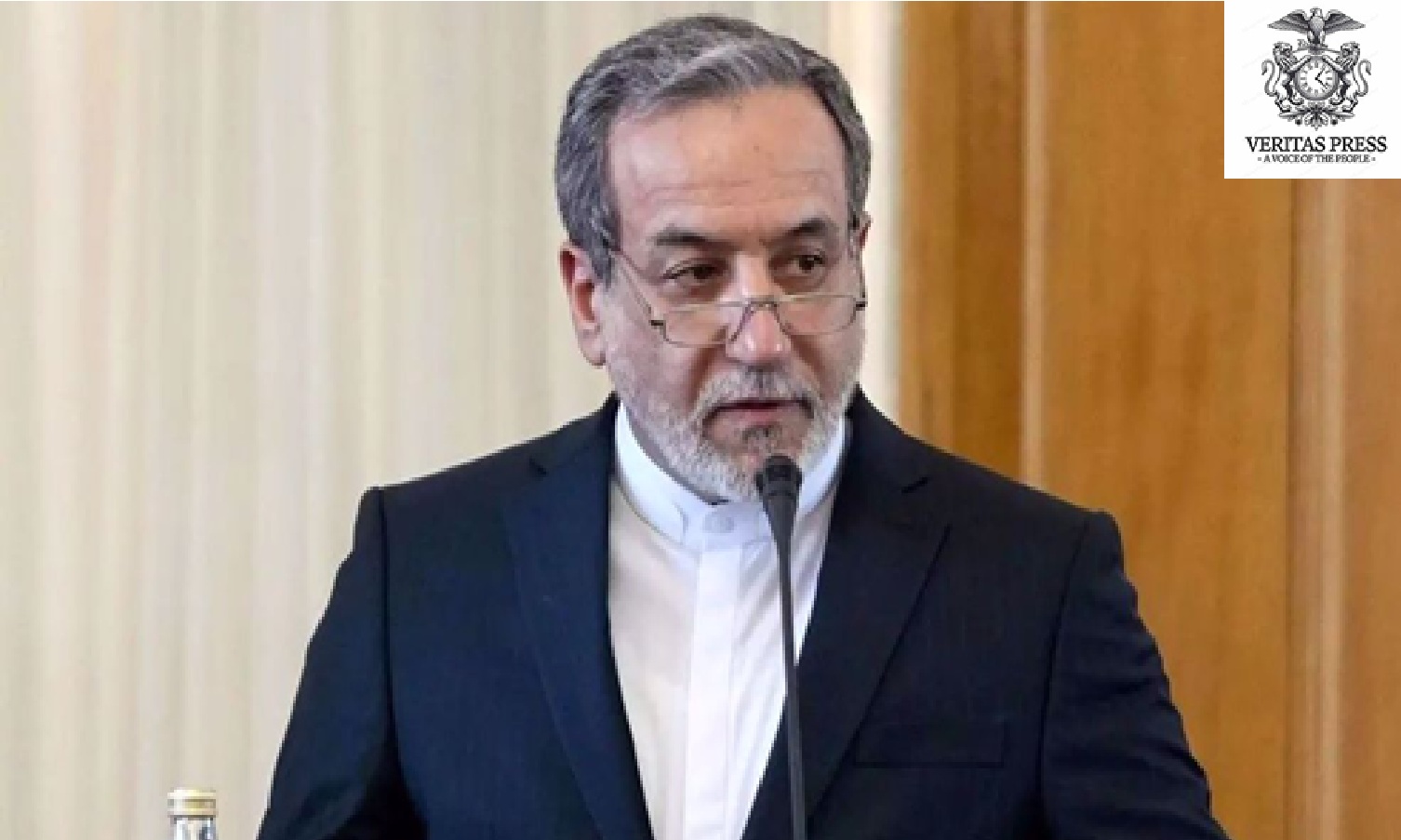
The SNSC declared a “historic and crushing defeat” of the United States and Israel, crowing that “the criminal America was forced to accept our ten-point plan”. Iran’s Foreign Minister Abbas Araghchi stated that if unprovoked attacks cease, “our Powerful Armed Forces will cease their defensive operations,” reinforcing the narrative that the US and Israel were the aggressors.
In stark contrast, President Trump claimed a “total and complete victory”. He insisted that Tehran had submitted a “workable basis” for negotiation and that he had merely “suspended” bombing to save lives.
This contradiction is the heart of the article’s critique. Both sides are lying. The US failed to break Iran’s will or its military. Iran failed to expel US forces or halt Israeli operations in Lebanon (which Netanyahu has explicitly excluded from the ceasefire).
Part VI: The “Strategic Silence” Of The Gulf
Perhaps the most telling reaction to the ceasefire is the one that hasn’t come. A “striking silence” has emerged from the region’s most powerful capitals: Riyadh, Abu Dhabi, Cairo, and Ankara.
Gulf states are not celebrating. According to Reuters, officials from the Gulf Cooperation Council (GCC) are privately telling the US that ending the war “is not enough.” They are demanding that any final deal must “permanently curb Iran’s missile and drone capabilities” and ensure global energy supplies are never again “weaponised”.
These nations are terrified. They were the frontline of Iran’s retaliation. Missile and drone alerts blared across Saudi Arabia, Kuwait, the UAE, and Qatar immediately following the ceasefire announcement. They fear that the US has effectively legitimised Iran’s right to hold the global economy hostage via the Strait of Hormuz.
Part VII: The Fragility Of The Truce
The two-week window is filled with landmines.
The Nuclear Issue: While Iran demands recognition of its enrichment rights, the Trump administration has historically maintained a “zero enrichment” policy. Tehran has stated that its missile program remains “non-negotiable”.
The Toll Road: As part of the arrangement, Iran and Oman are reportedly now permitted to charge transit fees on ships passing through the strait, with Iran charging as much as $2 million per vessel for passage. This would overturn decades of international maritime law, turning a global waterway into a toll road.
The Lebanese Exception: Prime Minister Benjamin Netanyahu has made it clear that the ceasefire “does not include Lebanon,” where Israel continues to pound Hezbollah positions. Iran has demanded a full cessation of war on all fronts, including Lebanon.
Shipping Uncertainty: Global logistics giant Maersk has already stated that the ceasefire “does not yet provide full maritime certainty” and that it will not resume normal operations through the strait.
Conclusion: The Dawn Of A New Middle East
The 40-day war of 2026 has shattered the status quo. The United States has shown that, despite its technological superiority, it cannot decapitate a state like Iran without suffering severe strategic and economic consequences. Iran has demonstrated that it can shut down global trade, but at the cost of catastrophic human suffering for its own people.
As the diplomats fly to Islamabad, the world watches not with hope, but with bated breath. The “double-sided ceasefire” is not a peace agreement; it is a pause to reload.
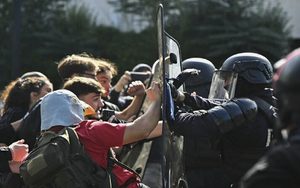
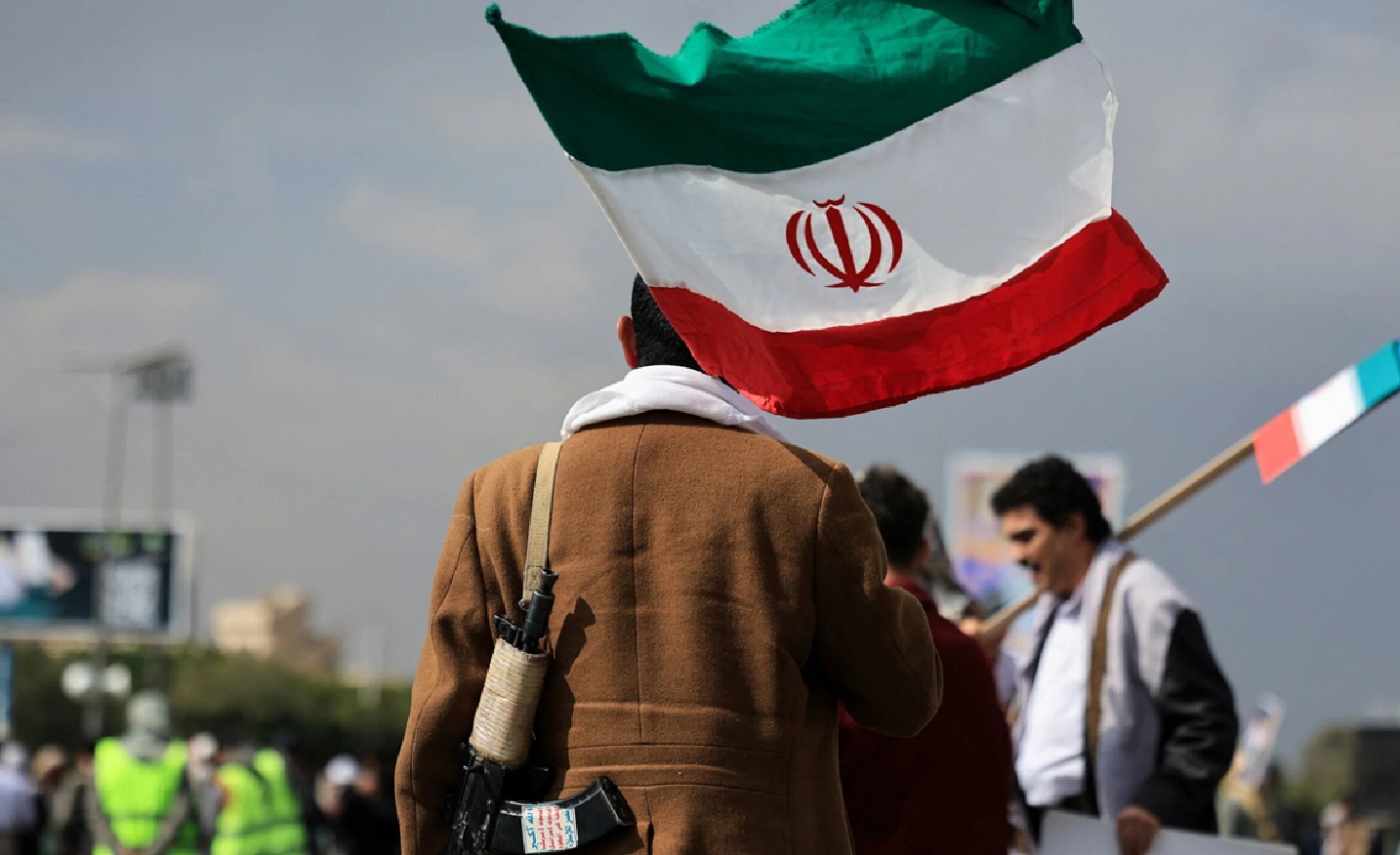
In the streets of Tehran, demonstrators scream “Death to America” and burn flags as they have for decades. In the Gulf, leaders count the cost of their destroyed oilfields. And in the Pentagon and the Kremlin, strategists are updating their maps for the next inevitable flashpoint.
The war may have paused, but the silence on the ground is the loudest warning yet: the Middle East has entered a new, more volatile era where the rules of engagement have been rewritten in blood.
Source: Multiple News Agencies
Submissions:
For The Secure Submission Of Documentation, Testimonies, Or Exclusive Investigative Reports From Any Global Location, Please Utilise The Following Contact Details For Our Investigations Desk: enquiries@veritaspress.co.uk or editor@veritaspress.co.uk
Help Support Our Work:
Popular Information is powered by readers who believe that truth still matters. When just a few more people step up to support this work, it means more lies exposed, more corruption uncovered, and more accountability where it’s long overdue.
Help Protect Independent Journalism, Which Is Currently Under Attack.
If you believe journalism should serve the public, not the powerful, and you’re in a position to help, becoming a DONATOR or a PAID SUBSCRIBER truly makes a difference.
DONATION APPEAL: If You Found This Reporting Valuable, Please Consider Supporting Independent Journalism.
Help Support Our Work – We Know, We Know, We Know …
Seeing these messages is annoying. We know that. (Imagine what it’s like writing them … )
Your support fuels our fearless, truth-driven journalism. In unity, we endeavour to amplify marginalised voices and champion justice, irrespective of geographical location.
But it’s also extremely important. One of Veritas Press’s greatest assets is its reader-funded model.
1. Reader funding means we can cover what we like. We’re not beholden to the political whims of a billionaire owner. We are a small, independent and impartial organisation. No one can tell us what not to say or what not to report.
2. Reader funding means we don’t have to chase clicks and traffic. We’re not desperately seeking your attention for its own sake: we pursue the stories that our editorial team deems important and believe are worthy of your time.
3. Reader Funding: enables us to keep our website and other social media channels open, allowing as many people as possible to access quality journalism from around the world, particularly those in places where the free press is under threat.
We know not everyone can afford to pay for news, but if you’ve been meaning to support us, now’s the time.
Your donation goes a long way. It helps us:
Keep the lights on and sustain our day-to-day operations
Hire new, talented independent reporters
Launch real-time live debates, community-focused shows, and on-the-ground reporting
Cover the issues that matter most to our communities, in real time, with depth and integrity
We have plans to expand our work, but we can’t do it without your support. Every contribution, no matter the size, helps us stay independent and build a truly people-powered media platform.
If you believe in journalism that informs, empowers, and reflects the communities we serve, please donate today.
Kamran Faqir is a volunteer investigative journalist and writer committed to exposing hidden truths and amplifying underreported stories. Driven by social justice, he brings sharp insight and fearless truth-telling to independent journalism. NUJ registered.
SEATTLE, TEHRAN — The U.S. Department of Homeland Security (DHS) will allow Iran’s national football team to enter the country 48 hours before their critical World Cup match against Egypt on Friday, a modest concession in a tournament where Team Melli’s travel conditions have sparked claims of oppression and competitive disadvantage.