Kamran Faqir is a volunteer investigative journalist and writer committed to exposing hidden truths and amplifying underreported stories. Driven by social justice, he brings sharp insight and fearless truth-telling to independent journalism. NUJ registered.
Original Article Date Published:
Article Date Modified:
10 minutes
Views:432
Listen to this article
Help support our mission, donate today and be the change. Every contribution goes directly toward driving real impact for the cause we believe in.
TEHRAN, WASHINGTON – The diplomatic channel between Tehran and Washington, fragile at the best of times, has devolved into a vortex of accusation, contradiction, and what Iranian officials are calling “endless hypocritical rhetoric.” Since the unprovoked U.S.-Israeli military aggression on February 28, an operation that, according to the Iranian Mission to the UN, explicitly targeted civilian infrastructure, including schools, hospitals, and bridges, the path to peace has been obstructed not by Tehran’s unwillingness to talk, but by Washington’s refusal to honor its word and its reliance on naval blockade and military threats as coercive instruments of diplomacy.
The Diplomatic Deadlock: Dialogue vs. Blockade.
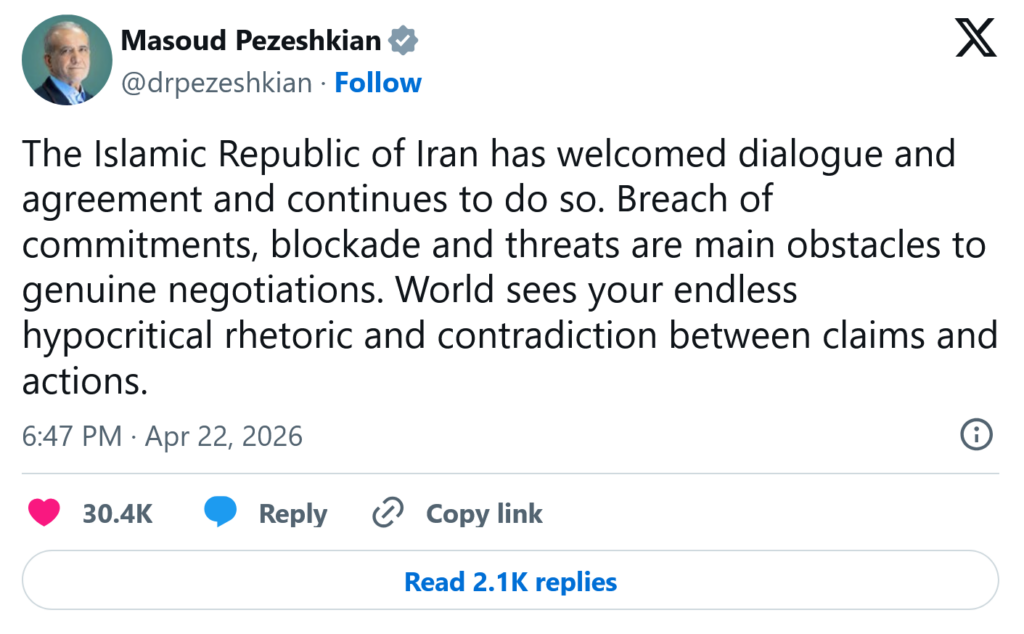
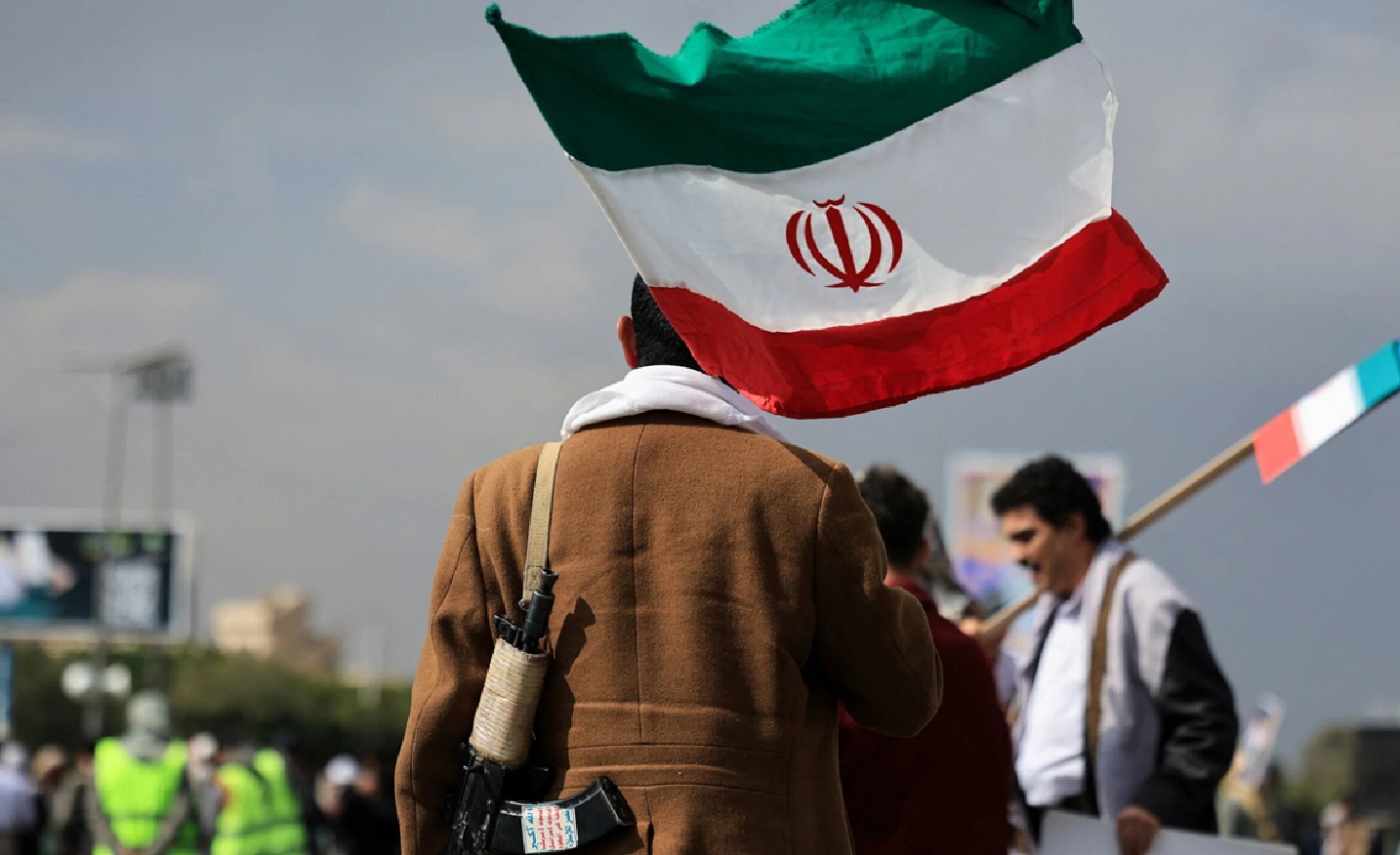
On Wednesday, President Masoud Pezeshkian took to the social media platform X to deliver a stark, unambiguous message. “The Islamic Republic of Iran has welcomed dialogue and agreement and continues to do so,” he wrote. But he immediately pivoted to the core grievance: “Breach of commitments, blockade and threats are the main obstacles to genuine negotiations. The world sees your endless hypocritical rhetoric and contradiction between claims and actions.”
This statement encapsulates the fundamental paradox at the heart of the current crisis. Washington, under President Donald Trump, publicly insists it seeks a “DEAL,” yet simultaneously maintains a naval blockade of Iranian ports, a policy the White House Press Secretary Karoline Leavitt boasted is “completely strangling their economy,” costing Iran “$500 million a day” and ensuring that “Kharg Island is completely full, they can’t move oil in and out.” This economic warfare, imposed on April 13 as a “kinetic expansion” of existing sanctions, is viewed by Tehran not as a bargaining chip but as a violation of the very ceasefire that Washington claims to uphold.
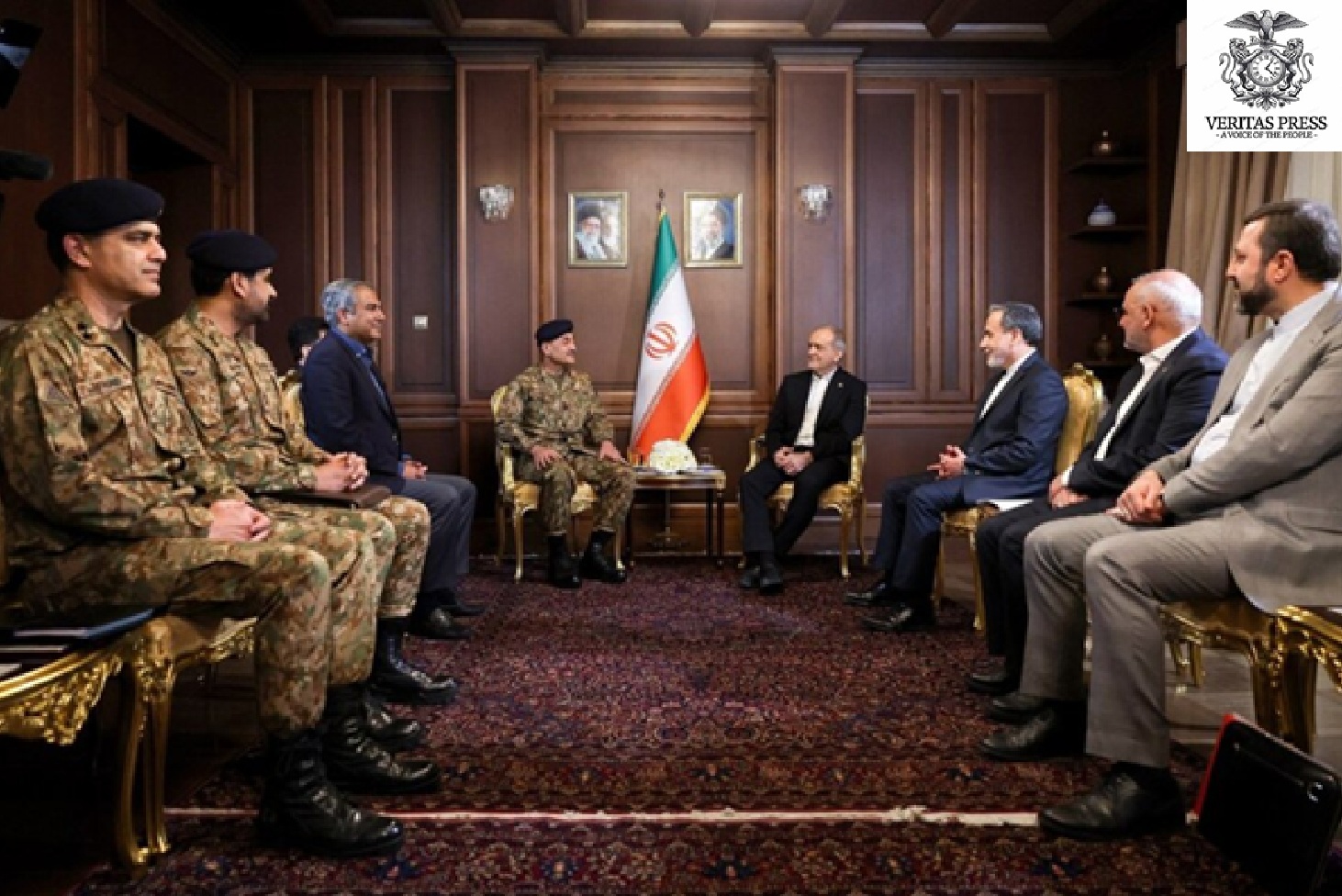
Iranian Foreign Minister Abbas Araghchi was more direct, categorising the blockade as an “act of war” and a flagrant violation of the truce. “Blockading Iranian ports is an act of war and thus a violation of the ceasefire,” he wrote on X. “Striking a commercial vessel and taking its crew hostage is an even greater violation.” This language is not merely rhetorical; it reflects a legal framework under international law where a naval blockade constitutes an act of aggression. Foreign Ministry Spokesman Esmaeil Baghaei reinforced this, stating that Iran has not made a final decision on participating in the next round of Pakistan-mediated talks “due to the US contradictory behaviours and continuation of the naval blockade, which comes in breach of the ceasefire.”
The Ceasefire Charade: Extension Without Consensus.
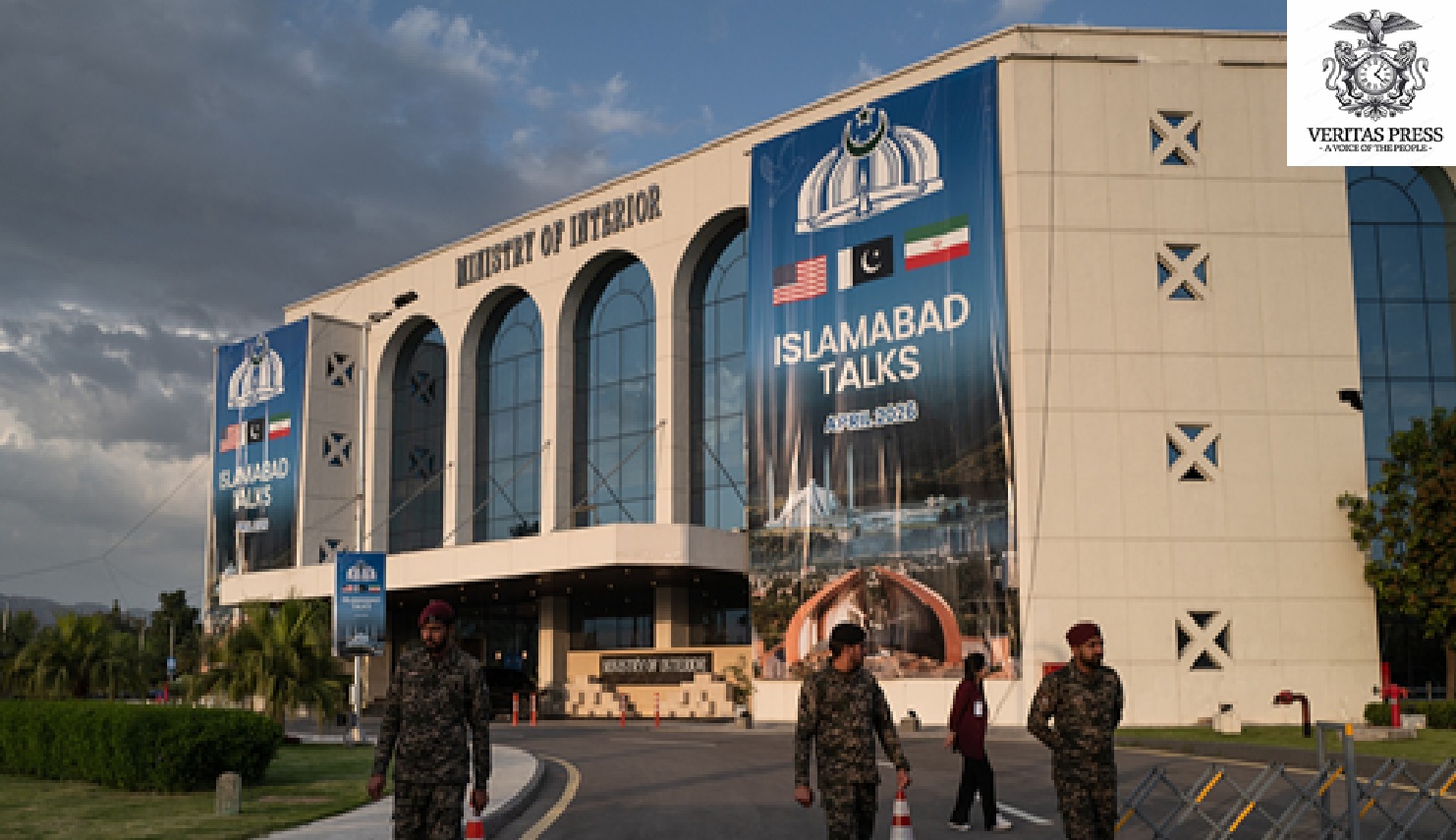
The ceasefire brokered by Pakistan on April 8, after 40 days of war, was initially a two-week pause. As the deadline loomed, Trump made a unilateral announcement extending the truce, claiming he would wait for an Iranian proposal. However, Iranian officials did not agree to any extension and criticised Trump’s decision to maintain the U.S. Navy blockade. The original ceasefire was a temporary humanitarian pause; the U.S. extension, unilaterally imposed with the blockade still in place, effectively transformed it into a new form of economic siege.
The fragile nature of diplomacy was further exposed by contradictory signals from Washington. Trump reportedly told the New York Post that a second round of talks was “possible” and “expected in Islamabad within the next 36 to 72 hours.” Yet simultaneously, Leavitt stated, “The president has not set a firm deadline to receive an Iranian proposal . . . Ultimately, the timeline will be dictated by the commander in chief.” This mixed messaging, promising talks while refusing to lift the blockade, has unsettled markets and further eroded Iranian trust. An adviser to Iran’s parliamentary speaker captured the sentiment, suggesting the ceasefire extension could be a “ploy to buy time” for potential military escalation rather than a genuine olive branch.
Parliament Speaker and lead negotiator Mohammad Bagher Qalibaf was unequivocal: “A complete ceasefire only makes sense if it is not violated by the maritime blockade and the hostage‑taking of the world’s economy, and if the Zionist warmongering across all fronts is halted.” He further challenged Washington’s bullying approach, warning, “You did not achieve your goals through military aggression, and you will not achieve them by bullying either. The only way is recognising the Iranian people’s rights.”
The Regional Dimension: Arab States’ Complicity And UN Protest.
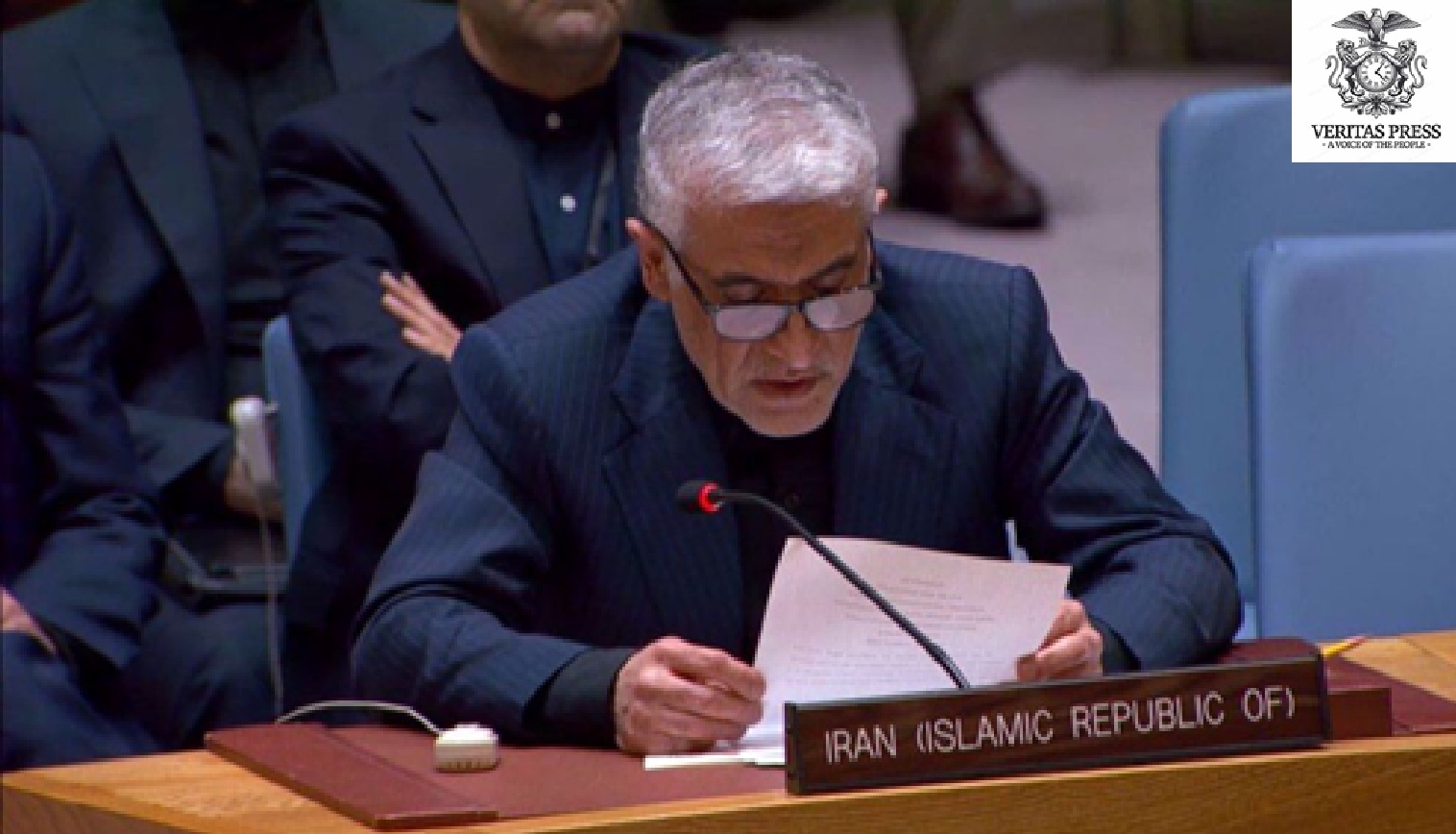
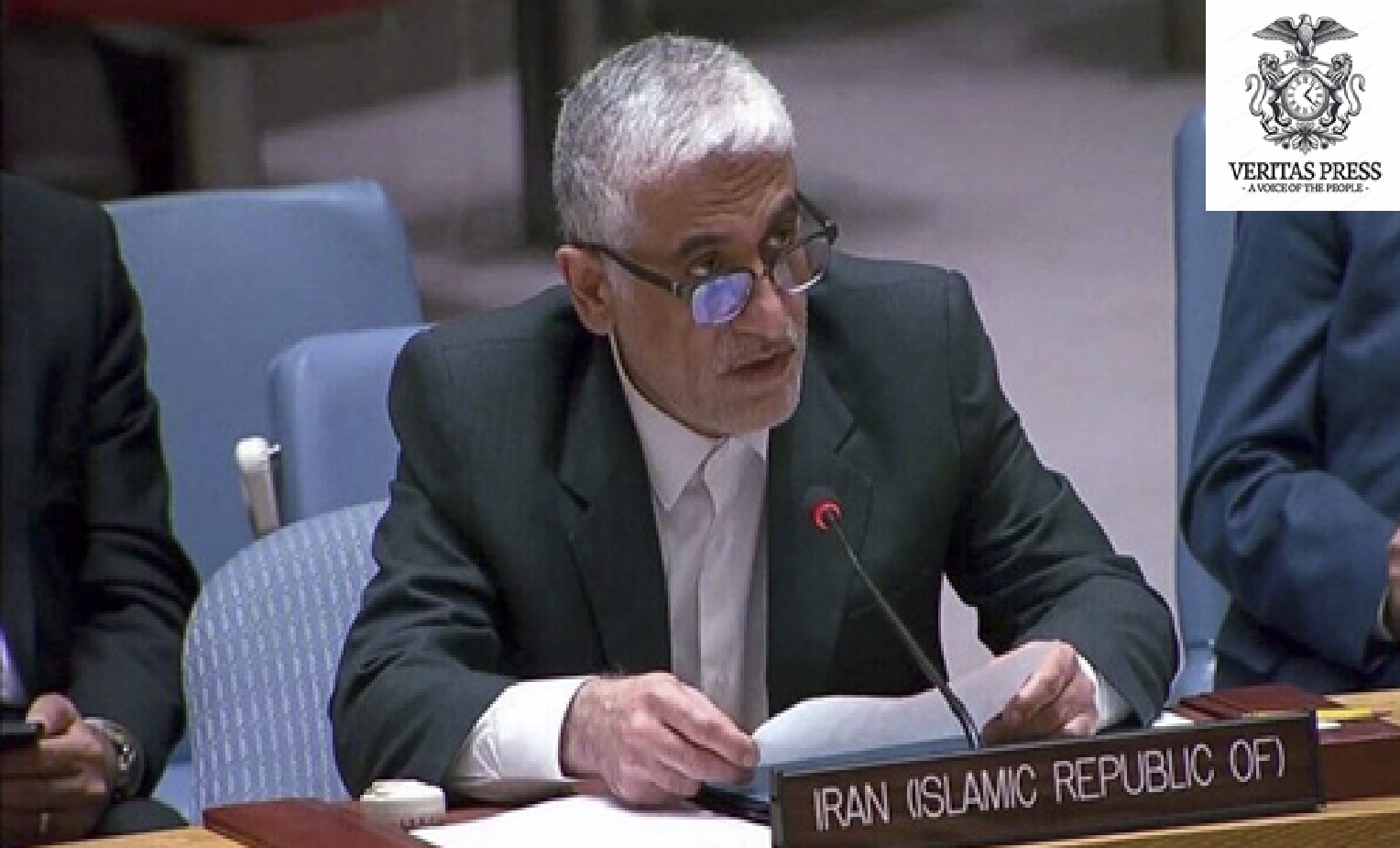
In parallel with the diplomatic standoff, Iran has escalated its protest to the United Nations, accusing five Persian Gulf Arab states, Qatar, Kuwait, Bahrain, the UAE, and Saudi Arabia, of facilitating the U.S.-Israeli attacks by granting access to their airspace and territory. Ambassador Amir-Saeid Iravani’s letter to the UN Security Council detailed the specific U.S. aircraft, MQ-9 and MQ-4C drones, P-8A and AWACS, B-1 bombers, and F-22, F-15, F-16, F-35 fighter jets that utilised these bases for strikes on Iran. He stressed that under international law, “countries bear international responsibility not to allow others to use their territory for committing acts of aggression and armed attacks against a third state,” and called on the named governments to “honour the principles of good neighbourliness.”
The IRGC has warned that if attacks are launched from Gulf neighbours’ territory, oil production across the Middle East could be targeted. This threat underscores the regional powder keg that Washington’s strategy is igniting.
Operation True Promise 4: The Military Backdrop Of Retaliatory Power.
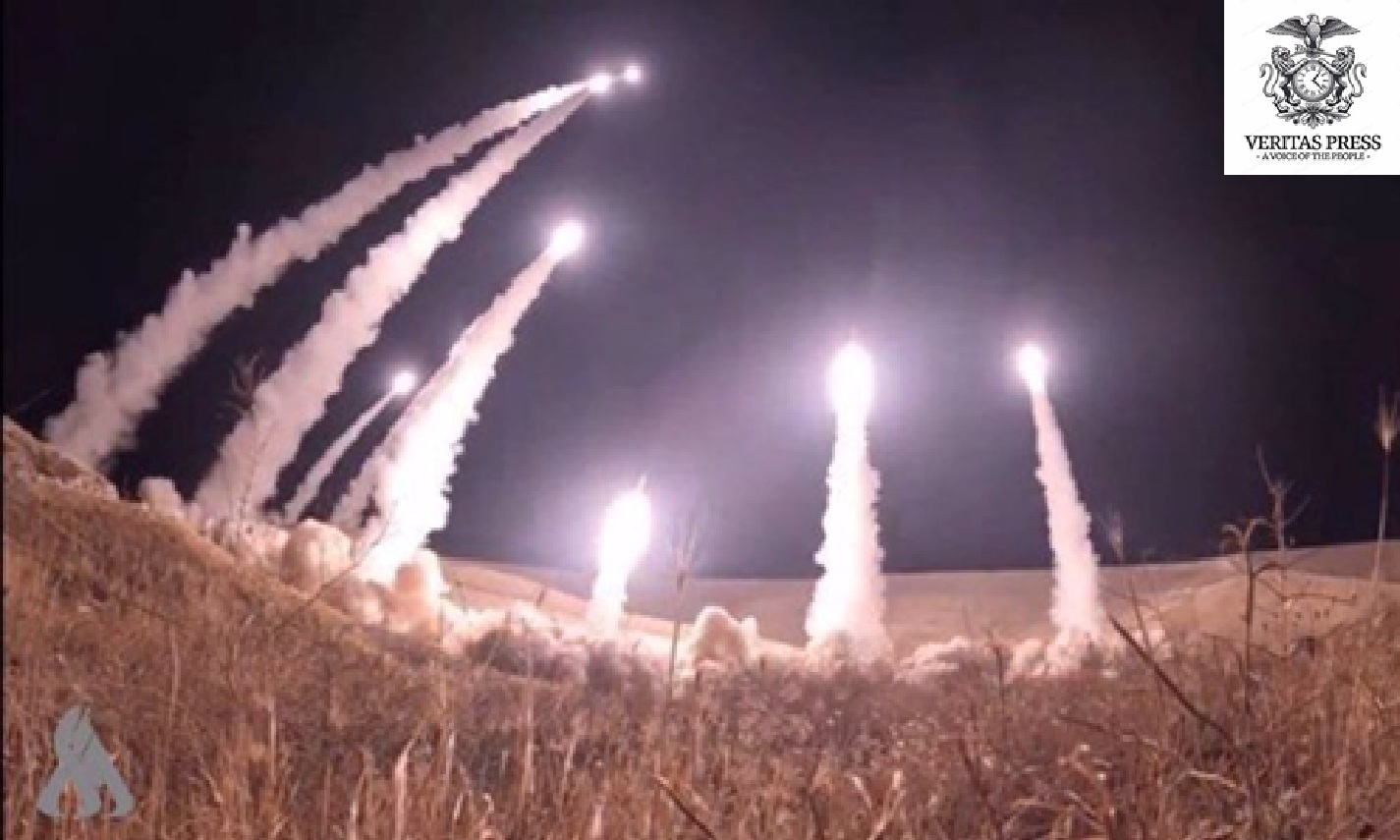
The diplomatic manoeuvring occurs against a backdrop of devastating military exchanges. In response to the initial assassination of senior Iranian officials and commanders, including the Leader of the Islamic Revolution, Ayatollah Seyyed Ali Khamenei, the Iranian Armed Forces unleashed what they termed Operation True Promise 4. The IRGC reported that its 100th wave of strikes had “dealt crushing blows to more than 25 strategic targets,” including energy complexes, oil pipelines, military command centres, and even the USS Tripoli and USS John C. Stennis. This demonstrated not only Iran’s capacity to retaliate but also its willingness to sustain an extended campaign despite a severe economic blockade.
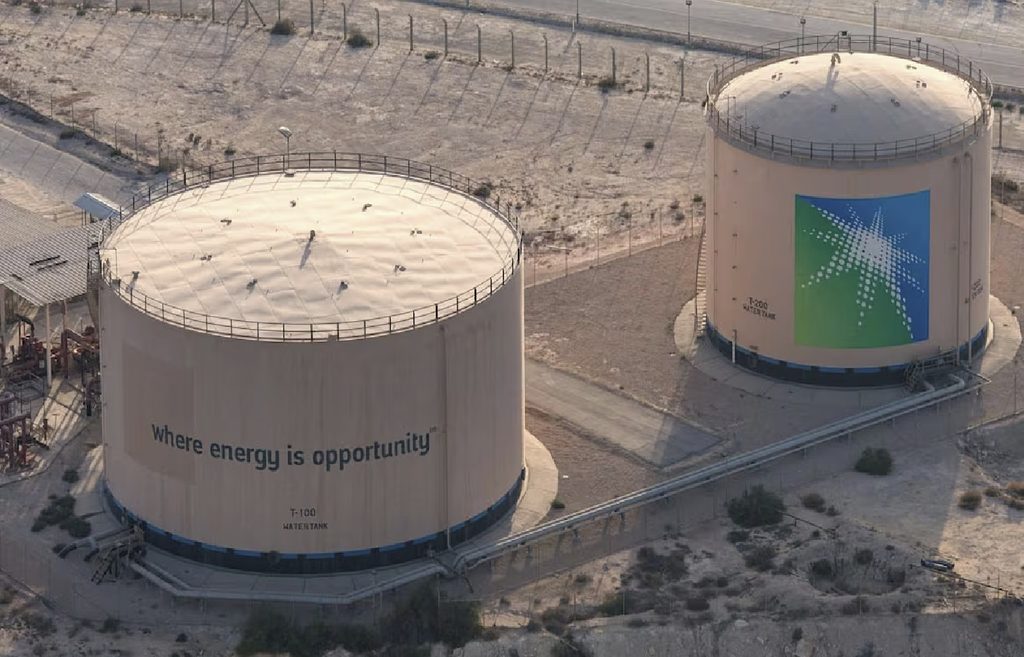
The level of detail in IRGC announcements, listing Chevron’s Ras al-Ju’aymah Facility, ExxonMobil Ras Laffan, the Habshan-Fujairah Pipeline, Ben Gurion Airport, and CENTCOM HQ in Jordan, serves as both a deterrent and a public accounting of what it views as legitimate military targets.
The Economic Chokehold: Blockade As A Weapon.
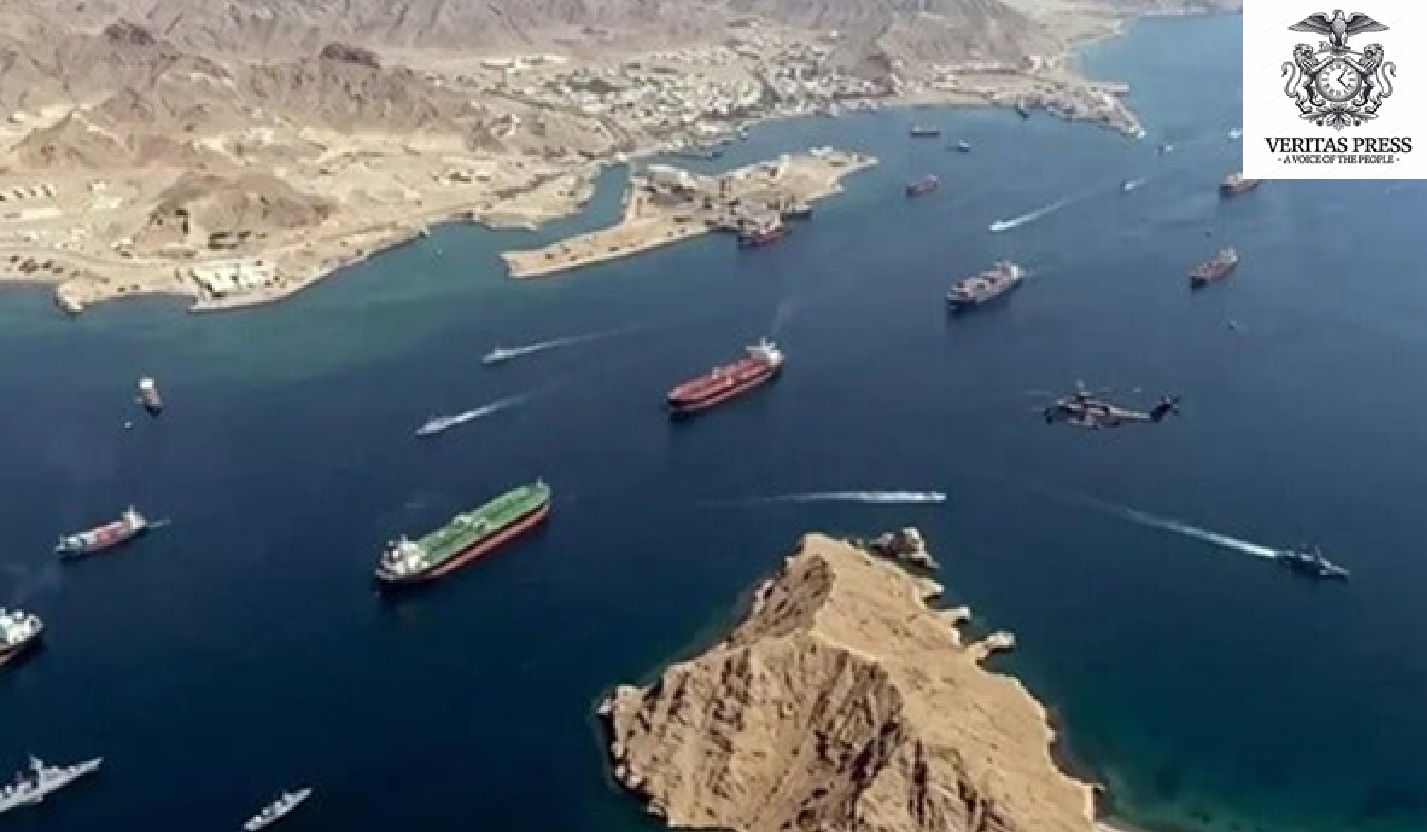
The humanitarian and economic consequences of the blockade are profound. While Iran’s government insists that domestic food production and alternative import routes mitigate some impact, the reality is that a nation of nearly 90 million is being strangled. Brent crude, the international benchmark, has remained above $100 a barrel, reflecting global anxiety over the Strait of Hormuz chokepoint. The IRGC’s recent seizure of two ships, the Liberia-flagged Epaminondas and Panama-flagged MSC Francesca, for “operating without required permits” and the firing upon a third container ship highlight the escalating tensions in the waterway. The U.S. military confirmed it has directed more than 30 ships to turn around as part of the blockade.
This strategy of economic strangulation contradicts Trump’s stated desire for a negotiated settlement. As one Iranian official put it, negotiations cannot proceed “under the shadow of threats” or while the blockade remains in place. The U.S. approach, simultaneously extending a ceasefire while tightening the economic noose, is perceived in Tehran not as a peace gesture but as a “hostage-taking of the global economy,” as Qalibaf characterised it.
Conclusion: The Structural Impasse.
The narratives emerging from Tehran paint a consistent picture: the Islamic Republic is not the recalcitrant actor rejecting diplomacy, but a nation forced to defend itself against a contradictory and aggressive adversary. President Pezeshkian’s statement, Qalibaf’s warnings, and the UN protest all converge on a single thesis: Washington’s actions render its words hollow.
As long as the naval blockade persists, as long as Arab states facilitate U.S. military overflights, and as long as Trump’s threats to bomb Iranian civilian infrastructure loom, Tehran will view any negotiation as a trap, a demand for capitulation under the guise of diplomacy. The world is indeed watching, and for now, it sees a profound contradiction between the United States’ claims of seeking peace and its actions that perpetuate war and hegemony.
In the words of Qalibaf, “The only path forward is to recognise the rights of the Iranian people”, a recognition that, for Tehran, must begin with the lifting of the blockade and a cessation of “hypocritical rhetoric.”
Source: Multiple News Agencies
Submissions:
For The Secure Submission Of Documentation, Testimonies, Or Exclusive Investigative Reports From Any Global Location, Please Utilise The Following Contact Details For Our Investigations Desk: enquiries@veritaspress.co.uk or editor@veritaspress.co.uk
Help Support Our Work:
Popular Information is powered by readers who believe that truth still matters. When just a few more people step up to support this work, it means more lies exposed, more corruption uncovered, and more accountability where it’s long overdue.
Help Protect Independent Journalism, Which Is Currently Under Attack.
If you believe journalism should serve the public, not the powerful, and you’re in a position to help, becoming a DONATOR or a PAID SUBSCRIBER truly makes a difference.
DONATION APPEAL: If You Found This Reporting Valuable, Please Consider Supporting Independent Journalism.
Help Support Our Work – We Know, We Know, We Know …
Seeing these messages is annoying. We know that. (Imagine what it’s like writing them … )
Your support fuels our fearless, truth-driven journalism. In unity, we endeavour to amplify marginalised voices and champion justice, irrespective of geographical location.
But it’s also extremely important. One of Veritas Press’s greatest assets is its reader-funded model.
1. Reader funding means we can cover what we like. We’re not beholden to the political whims of a billionaire owner. We are a small, independent and impartial organisation. No one can tell us what not to say or what not to report.
2. Reader funding means we don’t have to chase clicks and traffic. We’re not desperately seeking your attention for its own sake: we pursue the stories that our editorial team deems important and believe are worthy of your time.
3. Reader Funding: enables us to keep our website and other social media channels open, allowing as many people as possible to access quality journalism from around the world, particularly those in places where the free press is under threat.
We know not everyone can afford to pay for news, but if you’ve been meaning to support us, now’s the time.
Your donation goes a long way. It helps us:
Keep the lights on and sustain our day-to-day operations
Hire new, talented independent reporters
Launch real-time live debates, community-focused shows, and on-the-ground reporting
Cover the issues that matter most to our communities, in real time, with depth and integrity
We have plans to expand our work, but we can’t do it without your support. Every contribution, no matter the size, helps us stay independent and build a truly people-powered media platform.
If you believe in journalism that informs, empowers, and reflects the communities we serve, please donate today.
Kamran Faqir is a volunteer investigative journalist and writer committed to exposing hidden truths and amplifying underreported stories. Driven by social justice, he brings sharp insight and fearless truth-telling to independent journalism. NUJ registered.
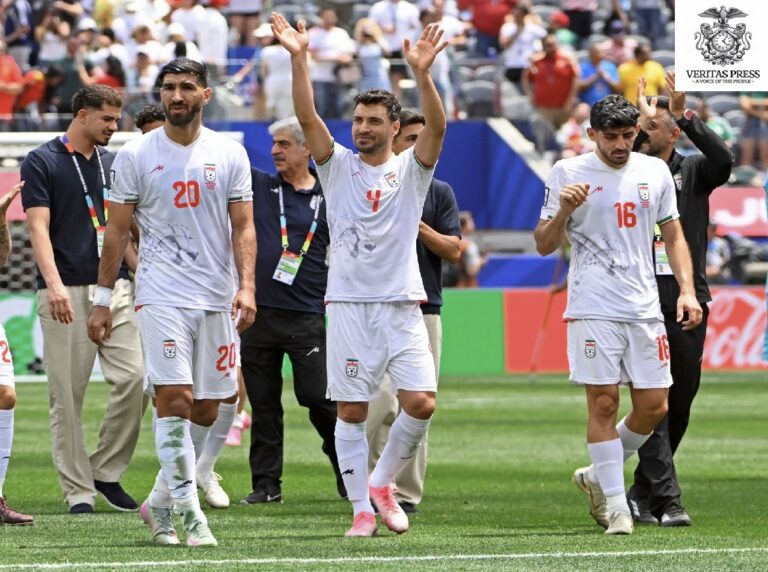
SEATTLE, TEHRAN — The U.S. Department of Homeland Security (DHS) will allow Iran’s national football team to enter the country 48 hours before their critical World Cup match against Egypt on Friday, a modest concession in a tournament where Team Melli’s travel conditions have sparked claims of oppression and competitive disadvantage.