Kamran Faqir is a volunteer investigative journalist and writer committed to exposing hidden truths and amplifying underreported stories. Driven by social justice, he brings sharp insight and fearless truth-telling to independent journalism. NUJ registered.
Listen to this article
Help support our mission, donate today and be the change. Every contribution goes directly toward driving real impact for the cause we believe in.
Article Date Published:
Article Date Modified:
13 minutes
Views:85
Conflicting Casualty Figures, Accusations Against Egypt, and the Shadow Economy of Gold Fueling Sudan’s Civil War
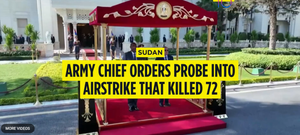
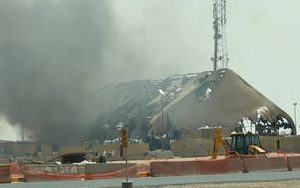
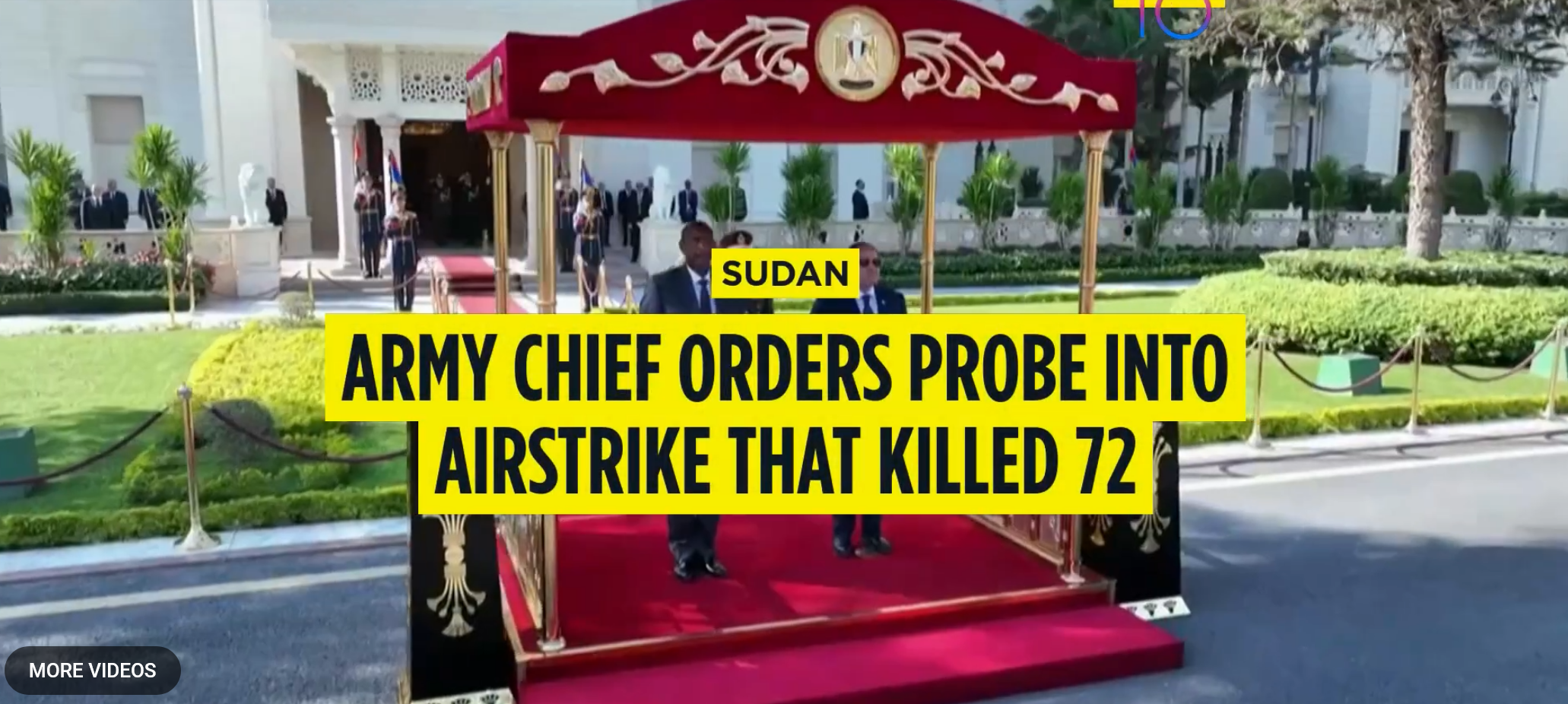
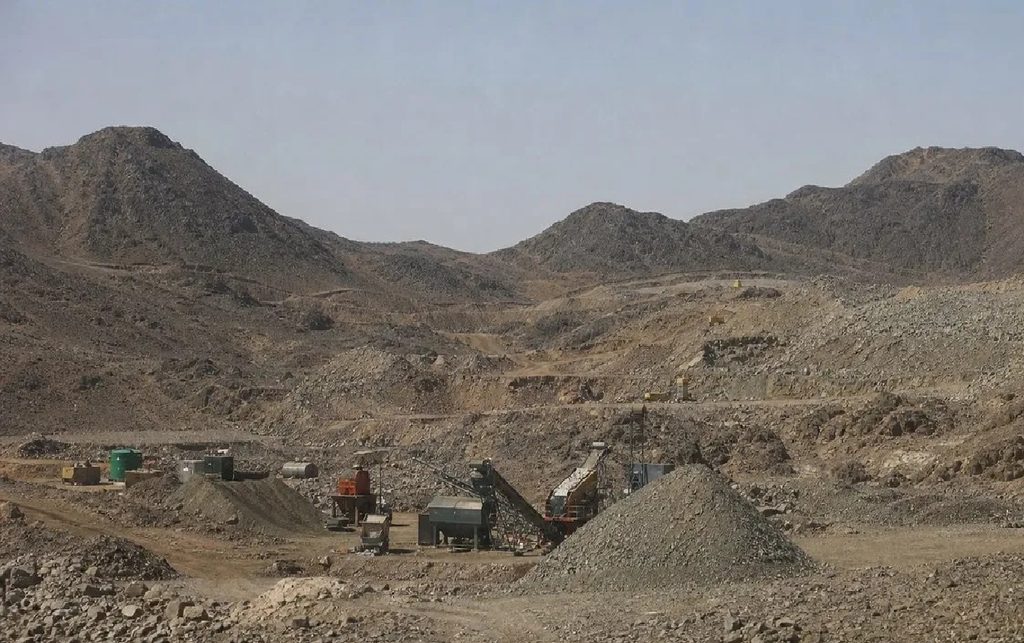
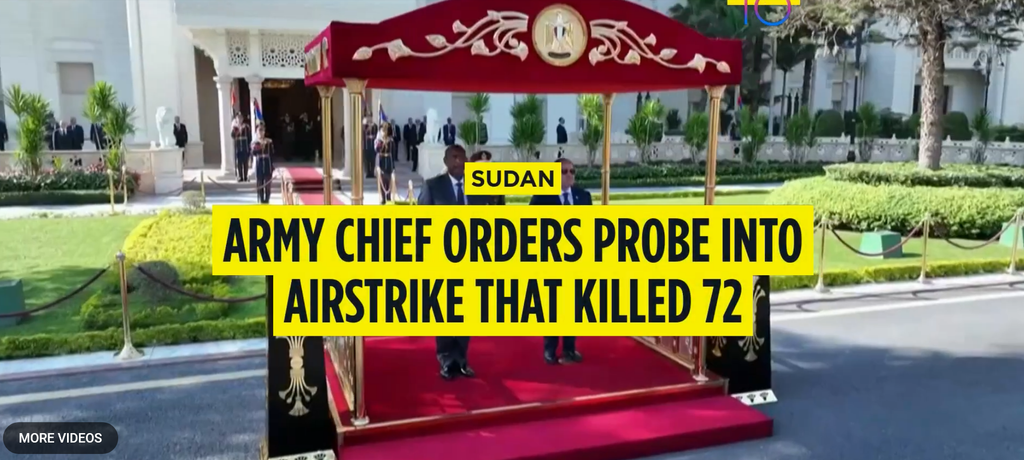
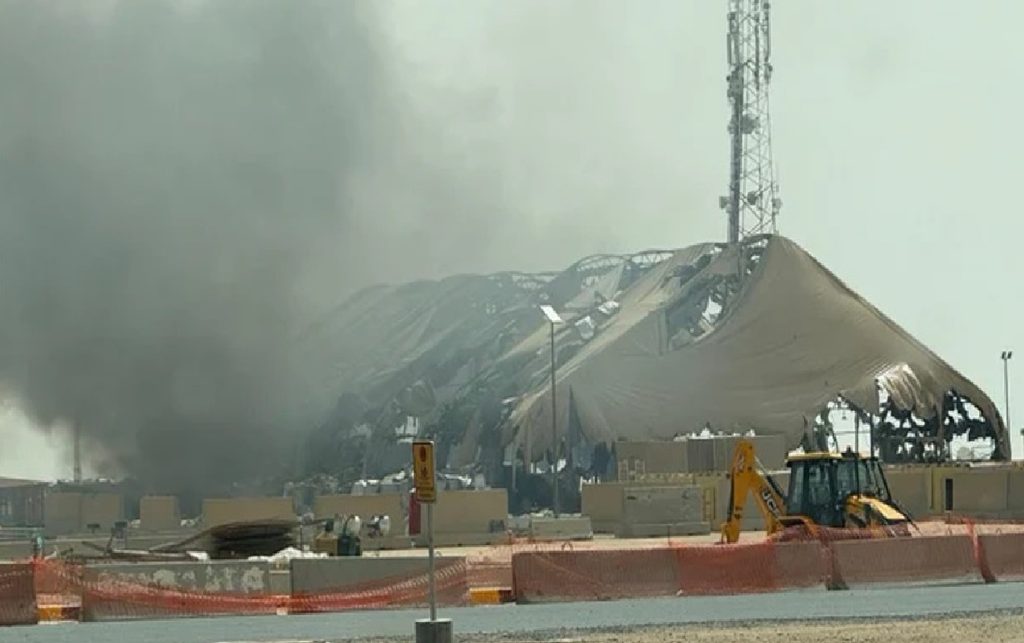
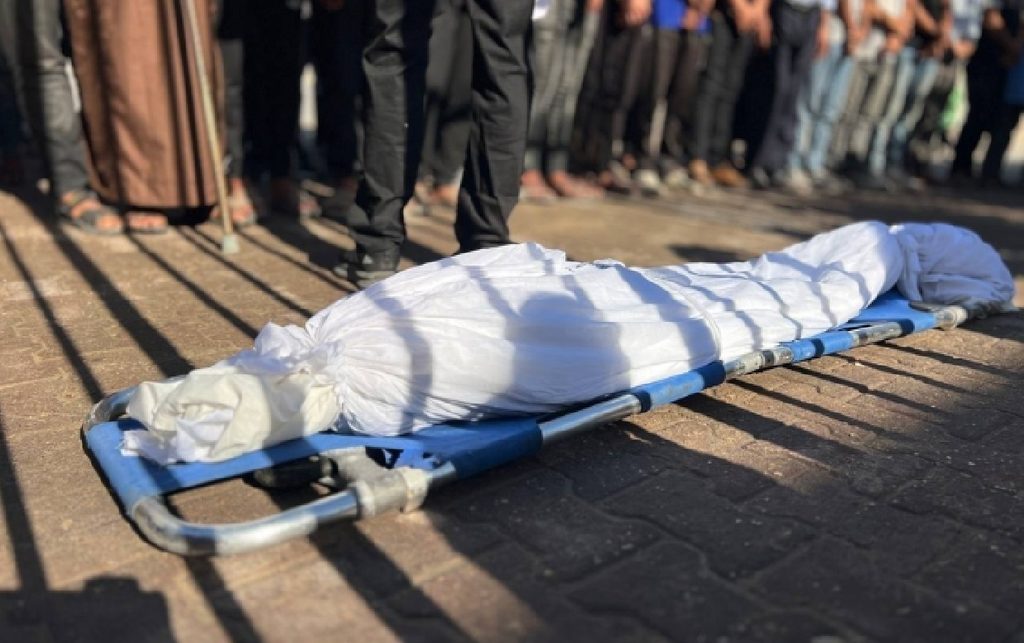
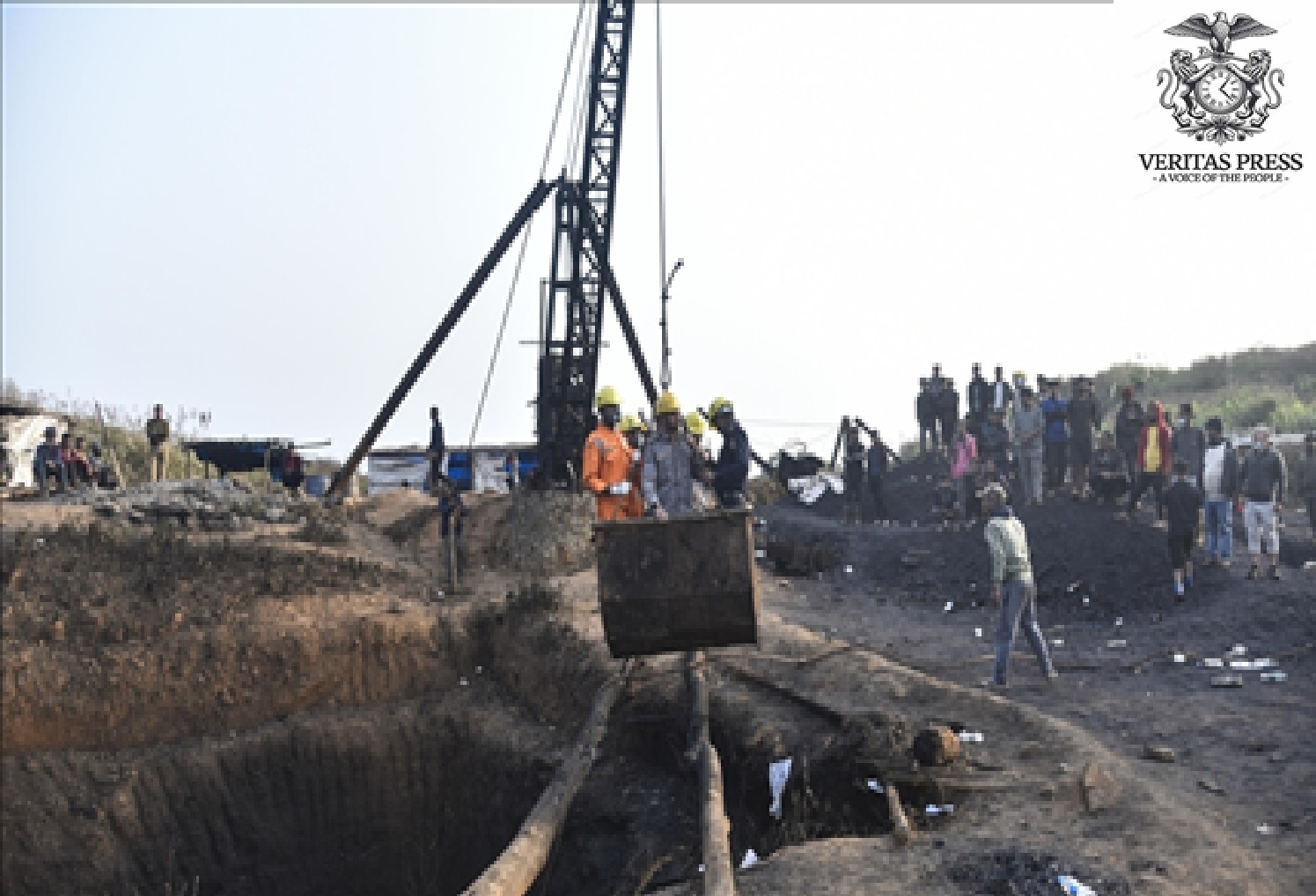
Sudan’s de facto leader, General Abdel Fattah al-Burhan, has ordered a fact-finding investigation into what he called a “painful incident” near the Egyptian border, where an airstrike struck a sprawling gold mining site in the mountainous Jabal al-Uqaydat area, killing dozens of civilians in an attack that rights groups and political parties have attributed to Egyptian aircraft.
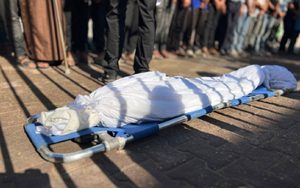
The strike, which occurred on Saturday morning, has ignited a fierce debate over casualty figures, responsibility, and the increasingly complex regional dynamics of Sudan’s devastating civil war, a conflict that has now killed more than 200,000 people and displaced approximately 13 million, according to United Nations and international estimates.
Conflicting Death Tolls Deepen The Fog Of War
The reported death toll from the airstrike has varied dramatically across sources, underscoring the difficulty of verifying information in Sudan’s war zones and raising questions about the transparency of official investigations.
The Emergency Lawyers, an independent Sudanese rights group documenting abuses in the war between the Sudanese Armed Forces (SAF) and the paramilitary Rapid Support Forces (RSF), said the strike killed 72 people. The group accused Egypt of carrying out the attack.
However, the National Umma Party, one of Sudan’s oldest and most prominent political parties, and the Darfur Victims Advocacy Organisation both put the death toll at approximately 200, with around 120 wounded. The Sudan Doctors Network, an independent medical syndicate, reported that 13 miners were killed and 28 injured in aerial bombardment near the Egyptian border, a figure that emerged hours before the Emergency Lawyers’ higher count.
“Dozens of people were also reported injured and missing,” according to reports citing the Darfur Victims Advocacy Organisation, suggesting the true toll may never be fully known given the remote location and the chaos of the ongoing conflict.
AFP could not independently verify any of the claims, and Egypt has issued no official comment on the allegations.
A Pattern Of Strikes On Jabal Al-Uqaydat
Saturday’s attack marks the second reported airstrike this year on the Jabal al-Uqaydat mining area, a rugged, mineral-rich region that stretches for hundreds of kilometres along the Sudan-Egypt border and includes the disputed Halayeb Triangle, a resource-rich area claimed by both nations.
In June, airstrikes reportedly carried out by Egypt killed 23 workers at the same informal mining site. At the time, the Egyptian military did not claim responsibility but acknowledged conducting a “large-scale operation” against illegal gold mining within its borders.
A witness at the mine described the terror of Saturday’s attack: “I saw a plane carry out several strikes on Saturday morning,” the witness told AFP, speaking on condition of anonymity for fear of reprisals. “Panic spread immediately. People were running in all directions. We didn’t know where to go or who was attacking us.”
The recurrence of strikes on the same site raises uncomfortable questions about whether warnings were issued, whether the area was known to host civilians, and why artisanal miners, many of whom are economic migrants driven to the dangerous work by Sudan’s collapsing economy, continue to be targeted.
Al-Burhan’s Investigation: A Step Toward Accountability Or Political Theatre?
In a statement issued Monday, Sudan’s Transitional Sovereignty Council, which al-Burhan heads as army chief, announced the formation of a fact-finding committee comprising prosecutors, judicial officials, and security representatives.
The committee’s mandate: “to investigate the circumstances of the incident, ascertain all the circumstances and facts associated with it, and submit a report on the results of the investigation.” No deadline was announced.
“Protecting the lives of Sudanese citizens and safeguarding their safety and dignity is a fundamental responsibility of the state,” al-Burhan said, emphasising “the need to deal with the incident seriously, ensuring that the facts are uncovered and borders are protected and respected.”
The council added that Sudanese and Egyptian authorities “had remained in contact” since the incident to determine what happened.
Yet the announcement of an investigation led by the same security apparatus that has been accused of widespread abuses during the civil war has raised scepticism among activists and analysts.
“This is a government that has systematically obstructed independent investigations into atrocities committed by its own forces,” said a Khartoum-based human rights advocate, speaking on condition of anonymity for security reasons. “The idea that the same institutions could credibly investigate a strike potentially carried out by their closest regional ally is, frankly, difficult to take seriously.”
Egypt’s Careful Diplomacy And The Halayeb Question
In a phone call with his Sudanese counterpart on Monday, Egyptian Foreign Minister Badr Abdelatty stressed the “mutual respect that binds the two brotherly nations,” including respect for each state’s “territorial integrity and safety of its territory and borders.”
The carefully worded statement did not address the allegations directly, nor did it confirm or deny Egyptian involvement in the strike.
Egypt views the war along its 1,200-kilometre border with Sudan as a major threat to its security. The porous frontier has long served as a route for gold smuggling, illicit trade, and human trafficking—activities that Egypt has sought to stem, including through mass deportations of Sudanese migrants.
The Halayeb Triangle, a 20,580-square-kilometre area along the Red Sea coast, has been a source of tension between Cairo and Khartoum since Sudan gained independence in 1956. Egypt administers the territory, but Sudan claims sovereignty over it. The region’s mineral wealth, including gold deposits, adds significant economic stakes to the dispute.
“The Halayeb Triangle is not just a border dispute, it’s a resource war playing out in slow motion,” said Dr. Amira Hassan, a regional security analyst at the Cairo Institute for Strategic Studies. “Both countries know what’s underneath that ground. The question is who gets to extract it and under what legal framework.”
Gold, Greed, And The Machinery Of War
The strike has drawn attention to the critical role of artisanal gold mining in Sudan’s economy and in fuelling the very conflict that has devastated the country.
Sudan’s artisanal mining sector employs over 2 million people, often in harsh and dangerous conditions, and accounts for approximately 80% of the country’s gold production. The government permits artisanal mining while seeking to regulate a sector that provides employment for vast numbers of Sudanese.
Sudan relies on gold as a major source of foreign currency after losing three-quarters of its oil revenues following South Sudan’s secession in July 2011.
“The gold trade connects Sudan’s civil war to the wider region and highlights the roles that commodities play in perpetuating violent conflict,” according to a recent analysis by the Rift Valley Institute. “Even before the start of the civil war in 2023, Sudan’s main warring parties, the Sudanese Armed Forces and the Rapid Support Forces, competed for the country’s natural resources. In fact, the fight to control gold assets was one of the drivers of the conflict.”
Most of Sudan’s artisanal gold ends up in the United Arab Emirates, either directly or indirectly via neighbouring countries, including Chad, Egypt, Eritrea, and South Sudan. The UAE and Egypt have significant influence and support opposing parties in the civil war, the UAE is widely reported to back the RSF, while Egypt supports the SAF.
“While both countries benefit in the short term from the gold trade, further fragmentation of Sudan will be detrimental to their long-term goals in the Horn of Africa and Red Sea region,” the Rift Valley Institute noted. “These external actors are key to achieving a sustainable peace in Sudan, but this will require a regional approach and the establishment of an effective international coalition.”
Voices From The Ground: ‘We Are Being Killed For The Gold Beneath Our Feet’
For the miners who survive, the attack is yet another chapter in a war that has made their lives expendable.
“We are being killed for the gold beneath our feet,” said Adam Haroun, a 34-year-old miner who has worked in Jabal al-Uqaydat for three years. “The army, the RSF, the Egyptians, they all want the same thing. We are just obstacles. We dig, we find, we sell, we survive. And then one day, a plane comes and it’s over.”
Haroun, who was not at the site during Saturday’s strike but has friends who were, said the attack has left the mining community terrified.
“People are leaving. Not because they want to, but because they have no choice. If you stay, you die. If you leave, you will starve. This is what the war has done to us.”
Amjad Farid, al-Burhan’s adviser for foreign relations, earlier condemned Saturday’s attack as an “unjustified and unacceptable crime.”
In a post on X (formerly Twitter), Farid said there were many ways to enforce the law and address “border violations,” but that “the use of airstrikes against civilians cannot be one of them,” particularly when communication channels remained open.
Regional Implications: A Widening Web Of Conflict
The airstrike has the potential to strain relations between Sudan and Egypt, two countries that have historically maintained close ties despite the Halayeb dispute.
Egypt is widely viewed as one of al-Burhan’s closest regional allies, providing military and diplomatic support to the SAF in its war against the RSF. The perception that Egyptian aircraft may have killed Sudanese civilians on Sudanese territory, however disputed, could complicate that relationship.
“Egypt is in a difficult position,” said Dr. Hassan, the Cairo-based analyst. “On one hand, they want to support al-Burhan and protect their border. On the other hand, they cannot afford to be seen as killing Sudanese civilians. The diplomatic dance we’re seeing, the phone calls, the vague statements, reflects this tension.”
The strike also raises questions about the role of external actors in Sudan’s war more broadly. The UAE’s alleged support for the RSF, Egypt’s backing of the SAF, and the involvement of other regional powers have transformed Sudan into a proxy battlefield, with devastating consequences for civilians.
“The international community has failed Sudan,” said Ahmed Elzobier, a Sudanese political analyst and human rights researcher. “We have seen endless statements of concern, but no meaningful action. The arms keep flowing, the gold keeps flowing, and the people keep dying. Where is the accountability? Where is the justice?”
A Call For An Independent Investigation
As Sudanese authorities prepare their fact-finding mission, international human rights organisations are calling for an independent, transparent investigation into the strike, one that includes international observers and publishes its findings publicly.
“Given the history of impunity in Sudan and the involvement of regional actors, any investigation led solely by the Sudanese government cannot be considered credible,” said a spokesperson for Amnesty International, who requested anonymity to discuss sensitive diplomatic matters. “We are calling for an independent, international investigation into this attack and all other alleged violations of international humanitarian law in Sudan.”
The United Nations Office of the High Commissioner for Human Rights (OHCHR) has also expressed concern about the strike, though it has not yet issued a formal statement.
“The killing of civilians, including artisanal miners, in aerial attacks is a grave violation of international humanitarian law,” said UN Human Rights spokesperson Marta Hurtado in a briefing to journalists. “We call on all parties to the conflict to respect their obligations under international law and to ensure accountability for violations.”
The Long Road Ahead
For the people of Jabal al-Uqaydat and the millions of Sudanese caught in the crossfire of a war they did not choose, the investigation announced by al-Burhan offers little immediate comfort.
“We have seen investigations before,” said Fatima Abdelrahman, a community organiser in Port Sudan who works with displaced miners. “They announce a committee, they hold meetings, they release a report, and nothing changes. The same people who ordered the strikes are the ones investigating them. How can that be justice?”
As Sudan’s war enters its third year, with no end in sight and the humanitarian crisis deepening by the day, the strike on Jabal al-Uqaydat serves as a stark reminder of the human cost of a conflict that has been fuelled by greed, geopolitical ambition, and a global community that has largely failed to act.
“We are not asking for much,” said Haroun, the miner. “We are asking to live. We are asking to work without fear. We are asking for someone, anyone, to see us as human beings, not as collateral damage. Is that too much to ask?”
Veritas Press Investigative Analysis Independent journalism examining global affairs, power, diplomacy, and accountability.Source:Veritas Press C.I.C. | Multi-News Agencies
Help Support Our Work
Readers who believe that truth still matters have power over popular information. When just a few more people step up to support this work, it means more lies exposed, more corruption uncovered, and more accountability where it’s long overdue.
Help Protect Independent Journalism, Which Is Currently Under Attack.
If you believe journalism should serve the public, not the powerful, and you’re able to help, becoming a regular DONOR or a PAID SUBSCRIBER truly makes a difference.
DONATION APPEAL: If you found this reporting valuable, please consider supporting independent journalism.
Your support fuels our fearless, truth-driven journalism. In unity, we endeavour to amplify marginalised voices and champion justice, irrespective of geographical location. We operate independently, with no financial backing from billionaires; our readers support us.
But it’s also extremely important. One of Veritas Press’s greatest assets is its reader-funded model.
1. Reader funding means we can cover what we like. We’re not beholden to the political whims of a billionaire owner. We are a small, independent and impartial organisation. No one can tell us what not to say or what not to report.
2. Reader funding means we don’t have to chase clicks and traffic. We’re not desperately seeking your attention for its own sake; we pursue the stories that our editorial team deems important and believes are worthy of your time.
3. Reader Funding: enables us to keep our website and other social media channels open, allowing as many people as possible to access quality journalism from around the world, particularly those in places where the free press is under threat.
We know not everyone can afford to pay for news, but if you’ve been meaning to support us, now’s the time.
Your donation goes a long way. It helps us:
Keep the lights on and sustain our day-to-day operations
Hire new, talented, independent reporters
Launch real-time live debates, community-focused shows, and on-the-ground reporting
Cover the issues that matter most to our communities, in real time, with depth and integrity
Without your support, independent voices like ours will be silenced.
Furthermore, we have plans to expand our work, but we can’t do it without your support. Every contribution, no matter the size, helps us stay independent and build a truly people-powered media platform.
If you believe in journalism that informs, empowers, and reflects the communities we serve, please donate today.
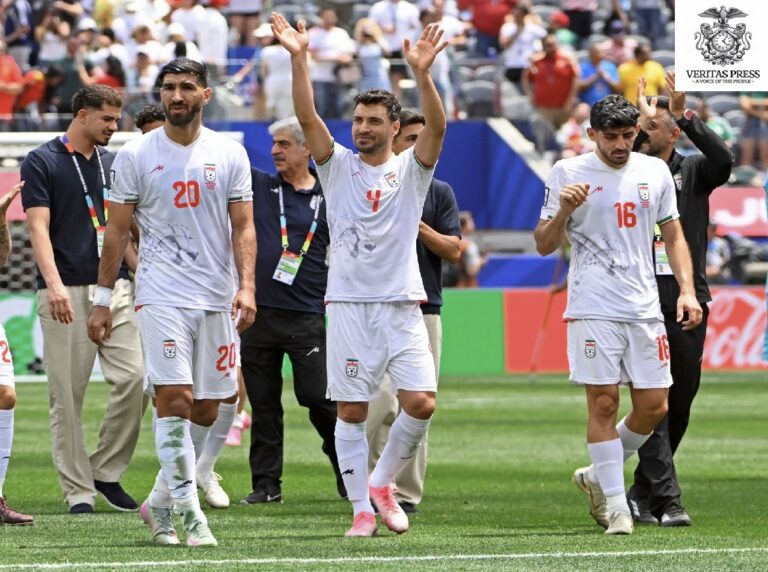
SEATTLE, TEHRAN — The U.S. Department of Homeland Security (DHS) will allow Iran’s national football team to enter the country 48 hours before their critical World Cup match against Egypt on Friday, a modest concession in a tournament where Team Melli’s travel conditions have sparked claims of oppression and competitive disadvantage.