Kamran Faqir is a volunteer investigative journalist and writer committed to exposing hidden truths and amplifying underreported stories. Driven by social justice, he brings sharp insight and fearless truth-telling to independent journalism. NUJ registered.
Original Article Date Published:
Article Date Modified:
12 minutes
Views:353
Listen to this article
Help support our mission, donate today and be the change. Every contribution goes directly toward driving real impact for the cause we believe in.
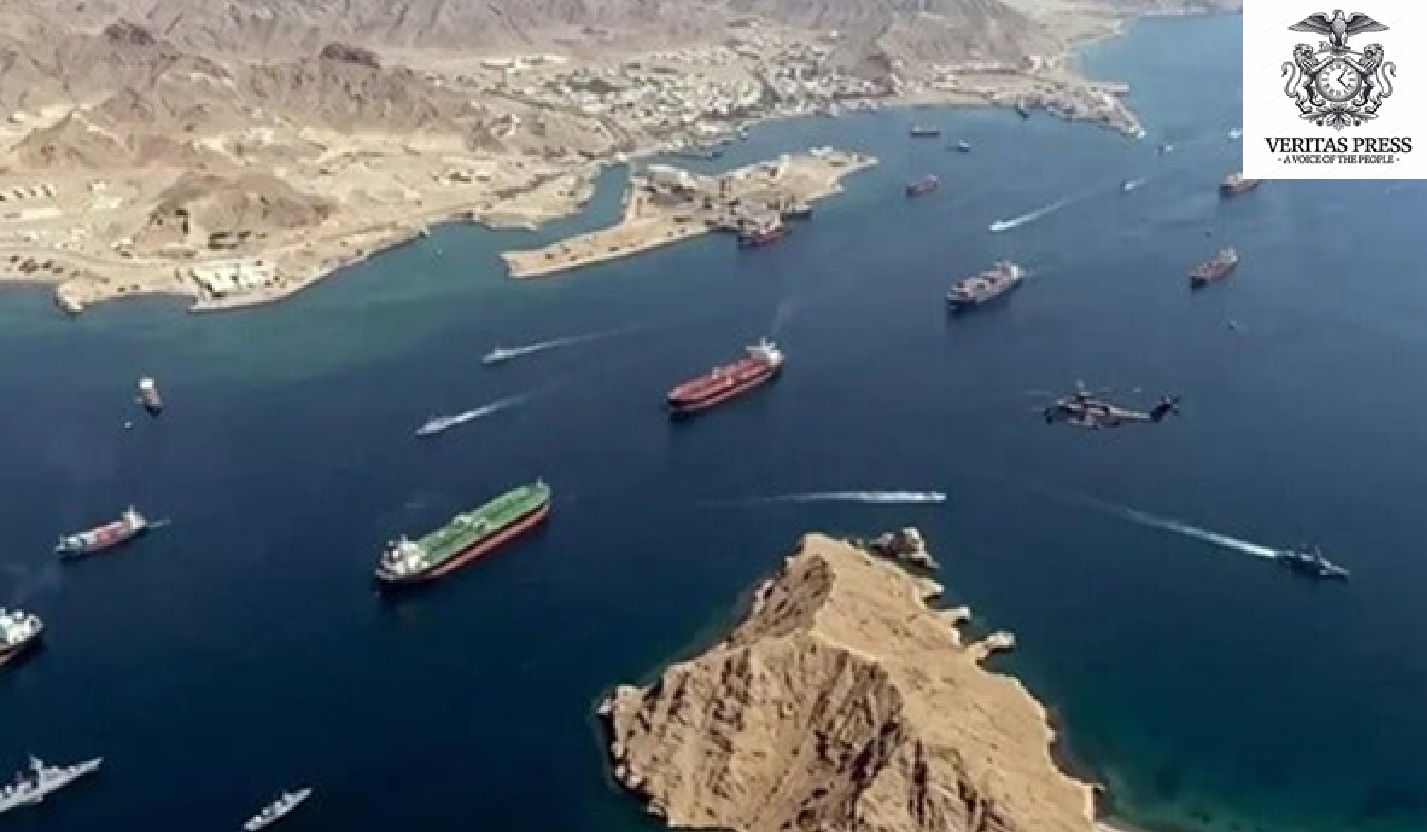
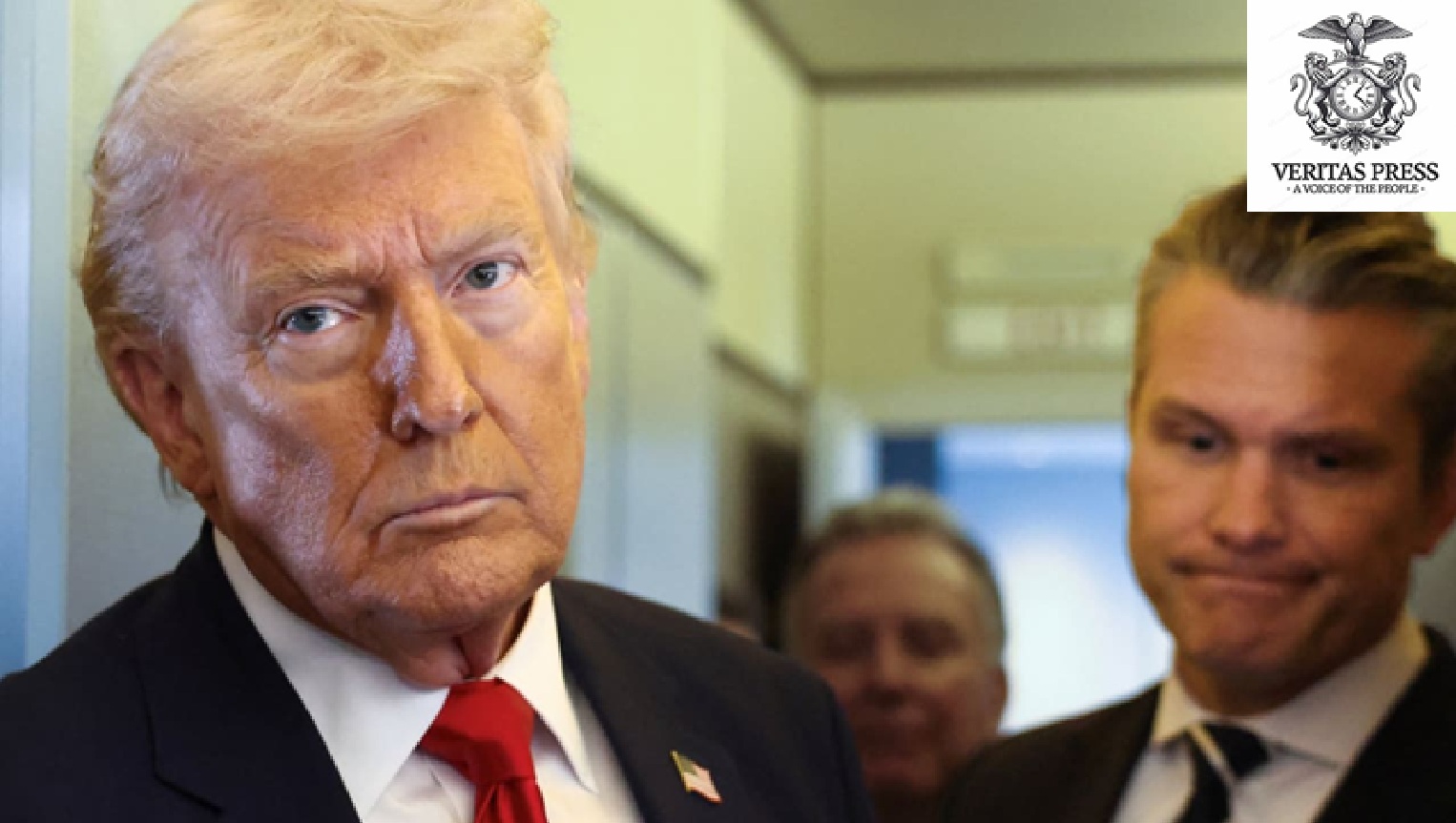
WASHINGTON, TEHRAN – The world awoke this morning to a new, perilous reality. The United States Navy, acting on a direct order from President Donald Trump, has begun enforcing a full maritime blockade of all Iranian ports, a move that has not only shattered a fragile ceasefire but also effectively weaponised the global economy. The operation, which commenced at 10:00 A.M. Eastern Time (1400 GMT) on Monday, marks a dramatic and potentially catastrophic escalation in the weeks-long war, pushing the Middle East to the precipice of a wider conflict and sending shockwaves through energy markets and diplomatic capitals worldwide.
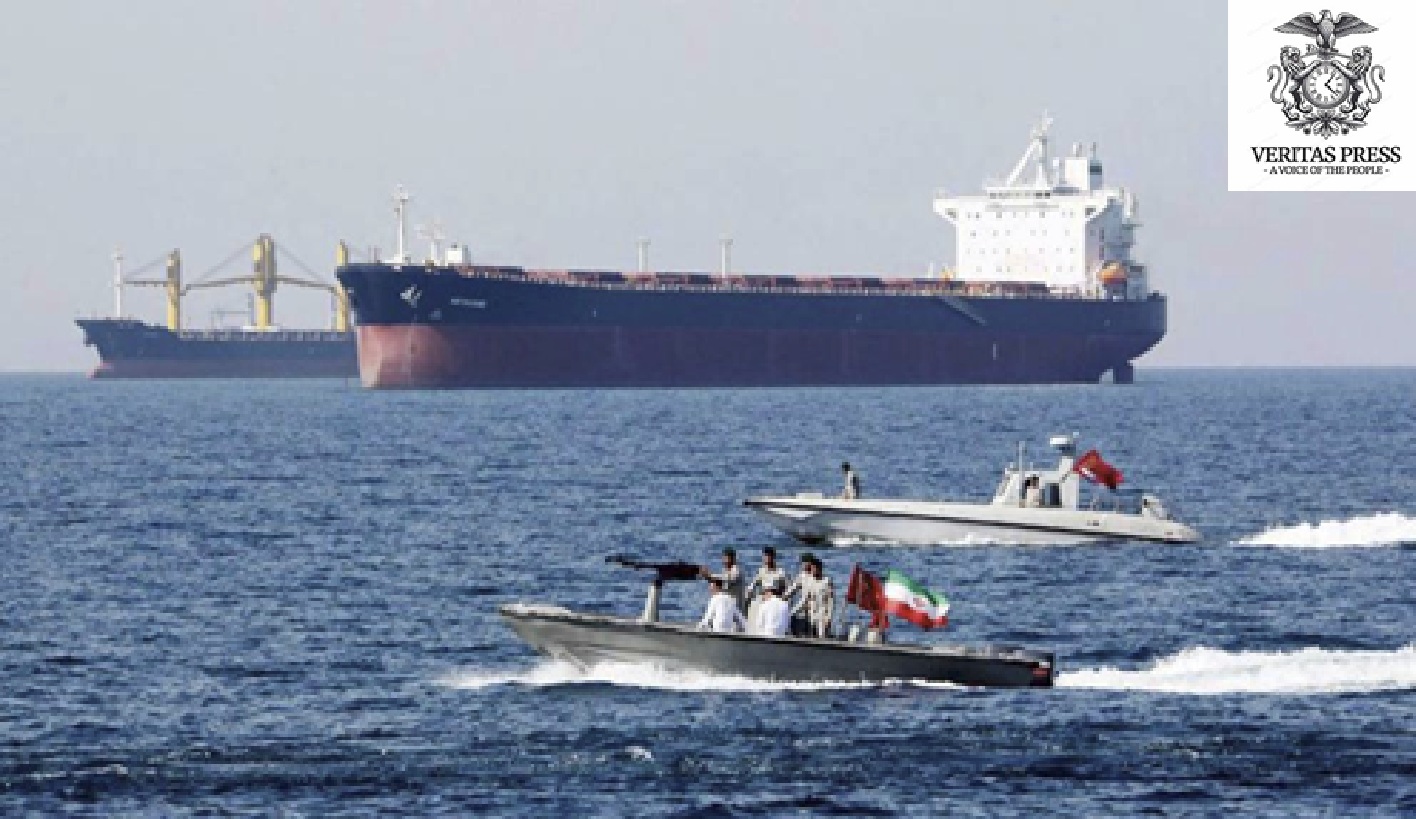
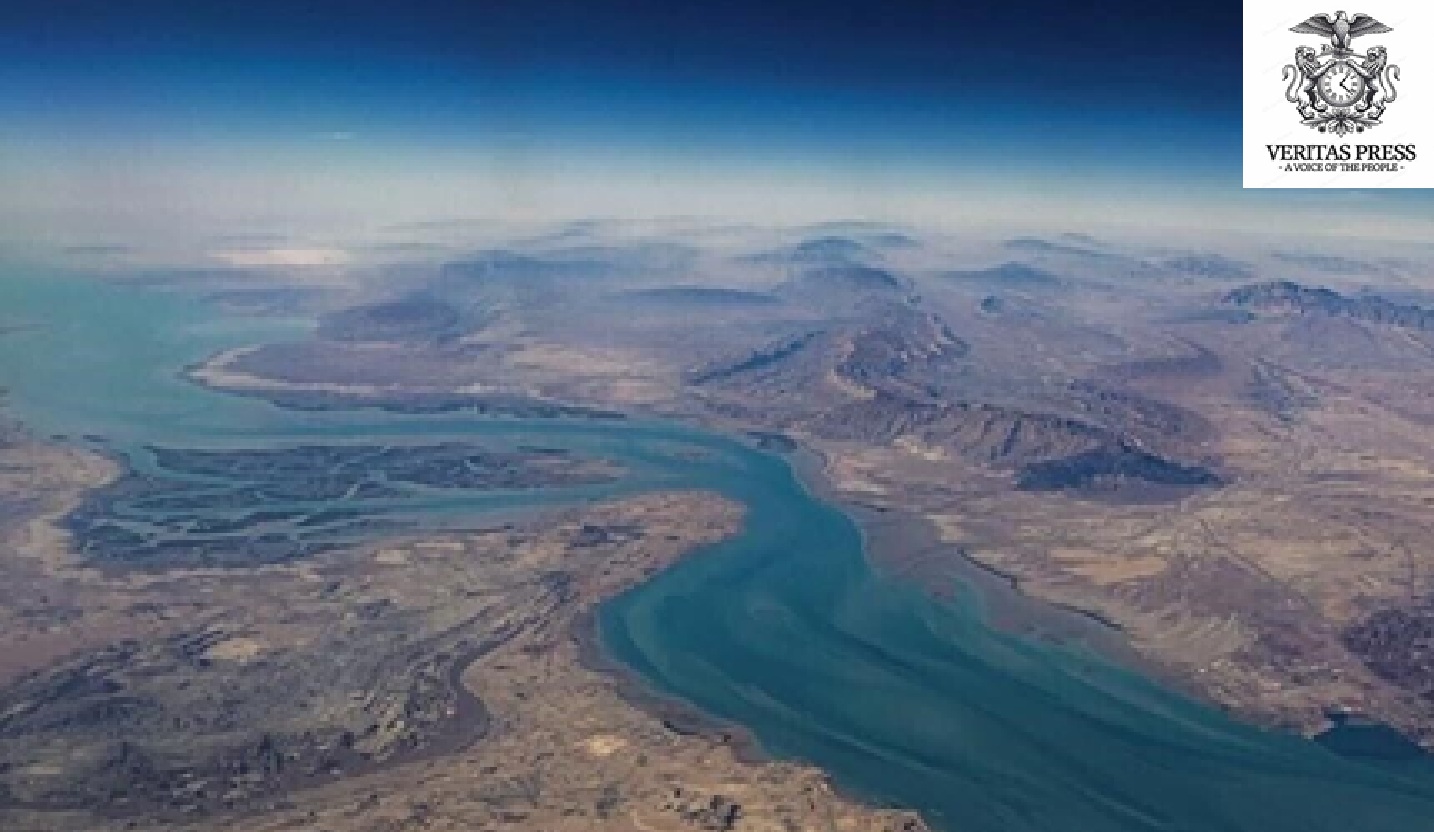
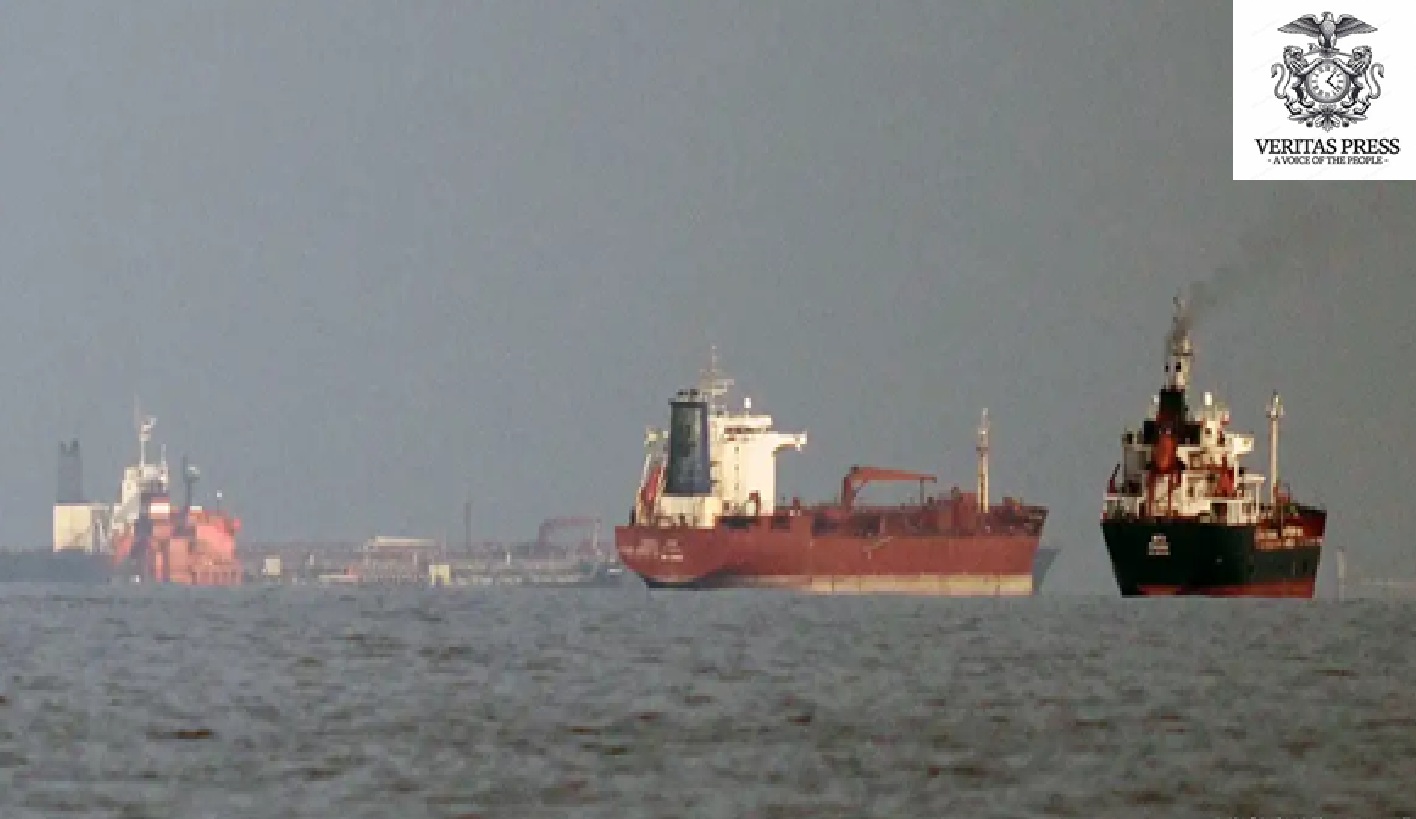
The blockade, according to U.S. Central Command (CENTCOM), applies “impartially against vessels of all nations entering or departing Iranian ports and coastal areas, including all Iranian ports on the Arabian Gulf and Gulf of Oman”. This action represents a clear pivot from direct military strikes to a strategy of economic strangulation, aiming to cut off the roughly two million barrels of Iranian oil that flow into global markets each day. While CENTCOM has assured that it “will not impede freedom of navigation for vessels transiting the Strait of Hormuz to and from non-Iranian ports”, analysts and officials are deeply sceptical, warning that the move is, in practice, a de facto chokehold on the entire waterway.
The Spark: A Ceasefire Fails, “Maximalist” Demands Emerge
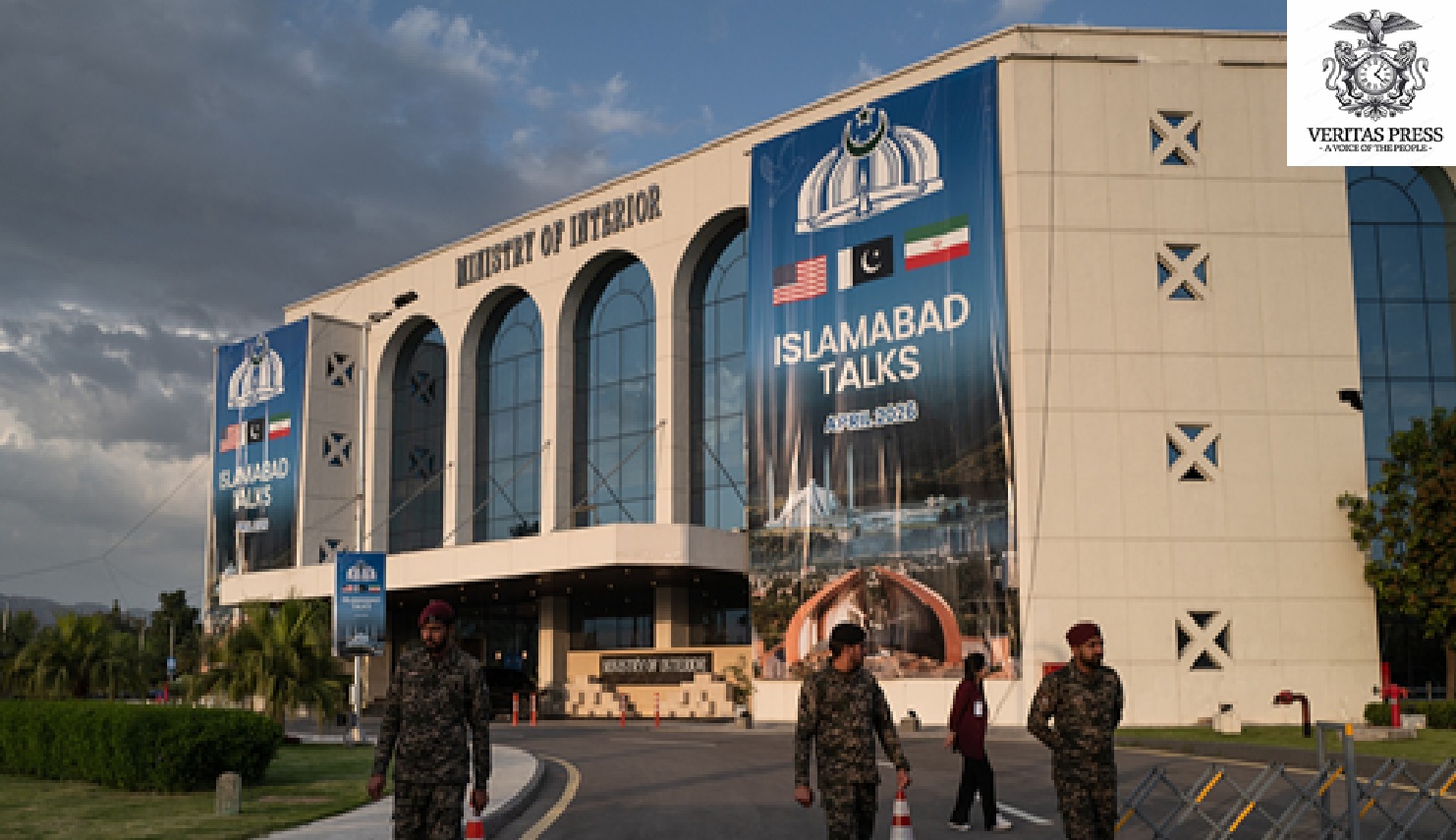
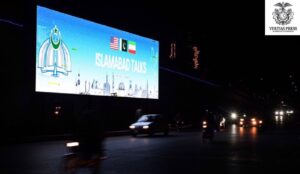
This dramatic turn of events is the direct result of the collapse of high-stakes peace negotiations in Islamabad, Pakistan. Over the weekend, the highest-level direct talks between U.S. and Iranian officials in nearly five decades ended without a breakthrough after more than 20 hours of intense discussions. According to multiple sources involved, the delegations were tantalisingly close to an agreement, with one source claiming they were “80% there” before hitting an insurmountable wall.
The “excessive demands” cited by Iranian officials have now come into focus. Iranian lawmaker Mahmoud Nabavian revealed that the U.S. negotiating team, led by Vice President JD Vance, made three major demands: joint U.S.-Iranian control and revenue-sharing over the Strait of Hormuz; the export of all uranium enriched to 60% from Iran; and a complete, 20-year halt to Iran’s uranium enrichment activities. For Tehran, these were non-starters, perceived not as negotiation but as a demand for surrender.
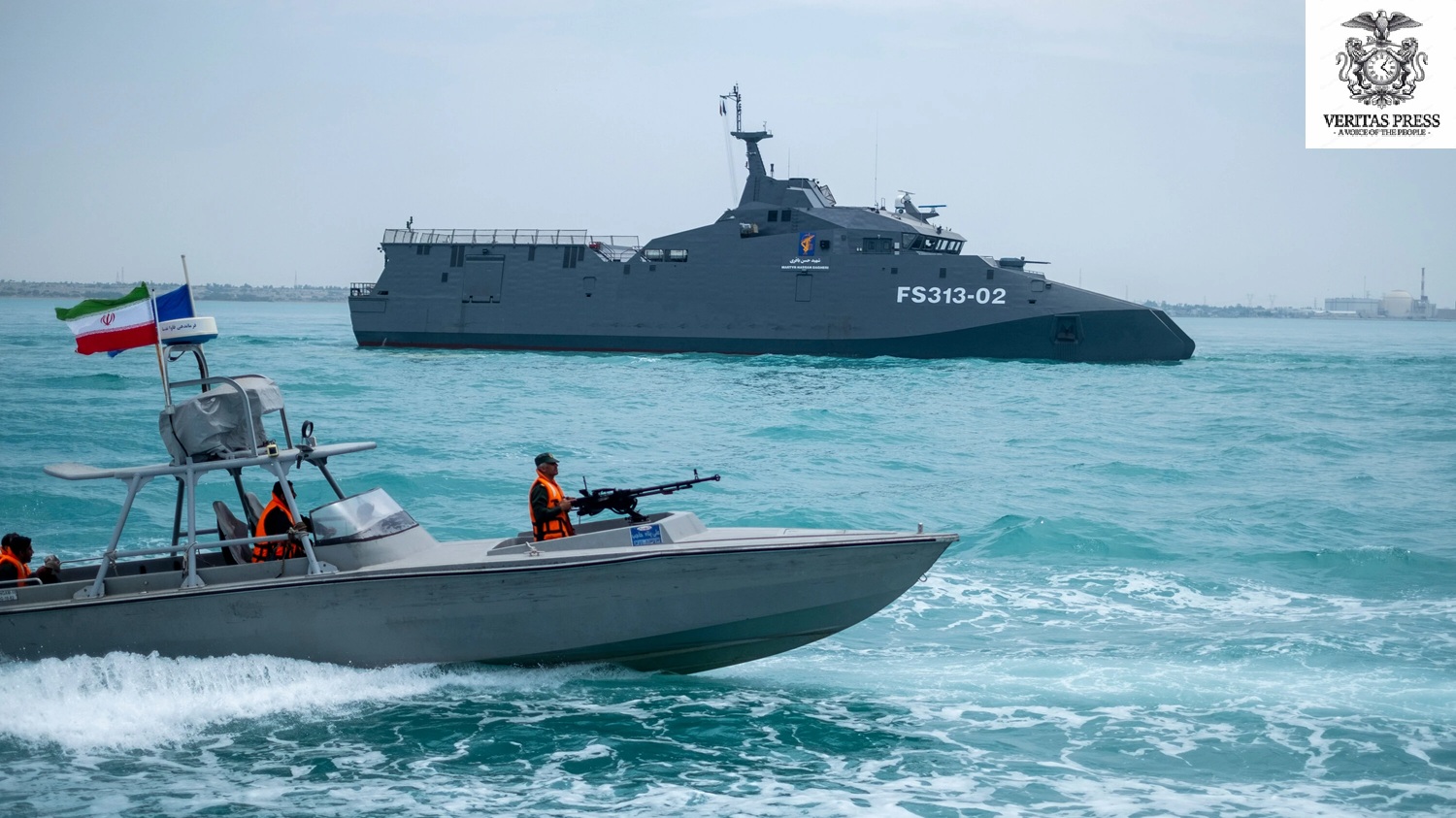
As the talks in Islamabad’s Serena Hotel faltered, the mood in Washington was hardening. Vice President Vance, before departing Pakistan, stated that Tehran had not accepted “our final and best offer”. Shortly after, President Trump took to his Truth Social platform, announcing the blockade and declaring that any Iranian “fast attack ships” that approached U.S. naval forces would be “immediately ELIMINATED”. He also issued a stark warning: “I have also instructed our Navy to seek and interdict every vessel in International Waters that has paid a toll to Iran. No one who pays an illegal toll will have safe passage on the high seas”. This directly targets the IRGC’s “toll booth” system, which has effectively controlled traffic through the strait since the war began, extracting fees of up to $2 million per transit for approved vessels.
A “Pirate” Act? Iran’s Legal And Military Counteroffensive
Iran’s response has been swift, multi-pronged, and designed to maximise international and legal pressure. Ambassador Amir Saeid Iravani, Iran’s envoy to the United Nations, dispatched a blistering letter to UN Secretary-General Antonio Guterres and the Security Council, unequivocally condemning the U.S. action. “The imposition of a naval blockade is a gross violation of the sovereignty and territorial integrity of the Islamic Republic of Iran,” Iravani wrote, calling it a “textbook example of aggression” and a flagrant breach of Article 2(4) of the UN Charter.
Iravani’s letter goes further, holding the U.S. “fully responsible for this internationally wrongful act” and urging the Security Council to compel Washington to cease its “unlawful acts”. In a separate, equally combative letter, he demanded that Middle Eastern nations hosting U.S. military bases, including Bahrain, Saudi Arabia, Qatar, the UAE, and Jordan, pay “compensation for all material and moral damage sustained” for their complicity in what Tehran views as an act of war.
On the ground and at sea, the rhetoric is even more belligerent. Iran’s military command issued a statement branding the blockade a “criminal act of piracy” and delivered a chilling warning: “If Iranian ports are not safe, then no port in the Persian Gulf or the Gulf of Oman will be safe”. The Islamic Revolutionary Guard Corps (IRGC) Navy, which asserts “complete control” over the strait, declared that any U.S. military vessel approaching the waterway would be deemed a violation of the ceasefire and be met with “decisive force,” threatening to turn the narrow channel into a “deadly whirlpool” for its enemies. Meanwhile, Iranian naval commander Shahram Irani publicly dismissed the U.S. threat as “ridiculous,” a show of defiance aimed at bolstering domestic morale and projecting strength.
Testing The Blockade: Ships Move, Tensions Rise.
Despite the bellicose declarations from both capitals, the first 24 hours of the blockade have been marked not by a grand naval battle, but by a tense, high-stakes game of maritime chess. CENTCOM reported that six merchant vessels complied with U.S. directives to turn back and re-enter an Iranian port on the Gulf of Oman. However, this narrative of American control was immediately challenged by events on the water.
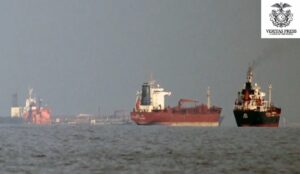
At least four Iran-linked vessels, including the Liberia-flagged bulk carrier Christianna and the Comoros-flagged tanker Elpis, successfully crossed the Strait of Hormuz on Tuesday, seemingly undeterred by the U.S. naval presence. Most notably, the Chinese-owned tanker Rich Starry, which is under U.S. sanctions for carrying Iranian goods, also made the transit. According to Lloyd’s List, the vessel was not technically in breach of the blockade as it was not coming from an Iranian port, but its passage represents a significant challenge to U.S. authority and raises the spectre of a direct confrontation with China.
A Fractured Alliance: Global Reactions And Diplomatic Isolation.
Perhaps the most revealing aspect of the crisis is the diplomatic isolation of the United States. Far from rallying a global coalition, President Trump’s unilateral action has exposed deep fissures with traditional allies and sharpened the contours of a new geopolitical fault line.
The UK Refuses to Join: In a significant rebuke, British Prime Minister Keir Starmer stated unequivocally that the United Kingdom will not participate in enforcing the blockade. “We’re not supporting the blockade,” Starmer said, emphasising that the UK’s focus was on “getting the Strait fully open” through diplomacy to lower energy prices. A British government spokesperson said London would instead work with France and other partners on a maritime security coalition, a clear effort to distance itself from the U.S.’s aggressive posture.
China and Russia Close Ranks: On the other side of the divide, a powerful counter-alliance is solidifying. China has emerged as the most vociferous critic of the blockade, with its Foreign Ministry calling it a “dangerous and irresponsible move” that will “aggravate confrontation, escalate tension, [and] undermine the already fragile ceasefire”. Beijing, a major importer of Iranian oil, views the blockade as a direct threat to its energy security and economic interests. It has also issued a thinly veiled threat of retaliation should the U.S. impose tariffs based on allegations of Chinese military aid to Iran. The timing of Russian Foreign Minister Sergey Lavrov’s arrival in Beijing for high-level talks with his Chinese counterpart is no coincidence. The two powers, already aligned against U.S. policy in Ukraine, are now presenting a united front on the Iran crisis, with Moscow reaffirming its “unwavering readiness to assist in resolving the crisis” and condemning any “resumption of hostilities”.
Global Bodies Sound Alarm: The United Nations Secretary-General Antonio Guterres and the head of the International Maritime Organisation (IMO) have both issued urgent calls for the freedom of navigation in the Strait of Hormuz to be respected, underscoring the blockade’s violation of fundamental principles of international maritime law. Mediators Pakistan and Qatar, who were instrumental in brokering the initial ceasefire, have also pleaded with both sides to de-escalate and return to the negotiating table.
The Hidden Costs: An Economy And A World In The Crosshairs.
While the geopolitical drama plays out, the real-world economic consequences are already being felt, and they are severe. The blockade has injected a massive war-risk premium into global energy markets. Brent crude oil prices initially surged past $107 per barrel on Monday before settling slightly below the psychologically critical $100 mark on Tuesday, though analysts warn this volatility is just the beginning.
The impact extends far beyond the price at the pump. The cost of maritime shipping insurance has skyrocketed, with war-risk premiums for transiting the region rising from a peacetime average of 0.2-0.3% of a vessel’s value to as high as 1-3%, and even 7.5% for the most hazardous routes. This, in turn, has sent freight rates soaring by an estimated 11-12 times their normal levels, a massive cost increase that will inevitably be passed on to consumers worldwide. Economists are warning of a broader supply chain crisis, predicting that the cost of everything from fertilisers and plastics to packaging materials will spike in the coming weeks.
Analysts at Trita Parsi’s Quincy Institute warn that the situation could deteriorate rapidly. If the blockade triggers retaliation from Iran’s Houthi allies in Yemen, who could shut down the Bab al-Mandeb strait, another 12% of global energy supplies would be jeopardised, potentially driving oil prices above $150 a barrel.
Conclusion: A Path To Nowhere?
The U.S. naval blockade is a high-stakes gambit that appears to have backfired before it could achieve its stated objectives. Instead of forcing Iran back to the negotiating table on Washington’s terms, it has unified Tehran’s political and military establishment, drawn China and Russia into a tighter strategic embrace, and alienated key Western allies. It has transformed a localised conflict into a global economic crisis and placed the world on the edge of a far more dangerous confrontation.
The blockade, as Nicole Grajewski of Sciences Po’s Centre for International Research noted, is “not a minor coercive signal” but “an effective resumption of the war”. It is an act that, in attempting to choke Iran, may ultimately suffocate the global economy and set the stage for a conflict that extends far beyond the narrow waters of the Strait of Hormuz. As Iran’s Foreign Minister Seyed Abbas Araghchi lamented, “when just inches away from Islamabad MoU, we encountered maximalism, shifting goalposts, and blockade”. The door to diplomacy remains ajar, with Pakistan continuing to pass messages and Trump himself claiming Iran wants a deal. But for now, the path forward is obscured by the gathering storm of war and economic uncertainty, a storm of Washington’s own making.
Source: Multiple News Agencies
Submissions:
For The Secure Submission Of Documentation, Testimonies, Or Exclusive Investigative Reports From Any Global Location, Please Utilise The Following Contact Details For Our Investigations Desk: enquiries@veritaspress.co.uk or editor@veritaspress.co.uk
Help Support Our Work:
Popular Information is powered by readers who believe that truth still matters. When just a few more people step up to support this work, it means more lies exposed, more corruption uncovered, and more accountability where it’s long overdue.
Help Protect Independent Journalism, Which Is Currently Under Attack.
If you believe journalism should serve the public, not the powerful, and you’re in a position to help, becoming a DONATOR or a PAID SUBSCRIBER truly makes a difference.
DONATION APPEAL: If You Found This Reporting Valuable, Please Consider Supporting Independent Journalism.
Help Support Our Work – We Know, We Know, We Know …
Seeing these messages is annoying. We know that. (Imagine what it’s like writing them … )
Your support fuels our fearless, truth-driven journalism. In unity, we endeavour to amplify marginalised voices and champion justice, irrespective of geographical location.
But it’s also extremely important. One of Veritas Press’s greatest assets is its reader-funded model.
1. Reader funding means we can cover what we like. We’re not beholden to the political whims of a billionaire owner. We are a small, independent and impartial organisation. No one can tell us what not to say or what not to report.
2. Reader funding means we don’t have to chase clicks and traffic. We’re not desperately seeking your attention for its own sake: we pursue the stories that our editorial team deems important and believe are worthy of your time.
3. Reader Funding: enables us to keep our website and other social media channels open, allowing as many people as possible to access quality journalism from around the world, particularly those in places where the free press is under threat.
We know not everyone can afford to pay for news, but if you’ve been meaning to support us, now’s the time.
Your donation goes a long way. It helps us:
Keep the lights on and sustain our day-to-day operations
Hire new, talented independent reporters
Launch real-time live debates, community-focused shows, and on-the-ground reporting
Cover the issues that matter most to our communities, in real time, with depth and integrity
We have plans to expand our work, but we can’t do it without your support. Every contribution, no matter the size, helps us stay independent and build a truly people-powered media platform.
If you believe in journalism that informs, empowers, and reflects the communities we serve, please donate today.
Kamran Faqir is a volunteer investigative journalist and writer committed to exposing hidden truths and amplifying underreported stories. Driven by social justice, he brings sharp insight and fearless truth-telling to independent journalism. NUJ registered.
SEATTLE, TEHRAN — The U.S. Department of Homeland Security (DHS) will allow Iran’s national football team to enter the country 48 hours before their critical World Cup match against Egypt on Friday, a modest concession in a tournament where Team Melli’s travel conditions have sparked claims of oppression and competitive disadvantage.