Kamran Faqir is a volunteer investigative journalist and writer committed to exposing hidden truths and amplifying underreported stories. Driven by social justice, he brings sharp insight and fearless truth-telling to independent journalism. NUJ registered.
Article Date Modified:
Article Date Modified:
19 minutes
Views:331
Listen to this article
Help support our mission, donate today and be the change. Every contribution goes directly toward driving real impact for the cause we believe in.
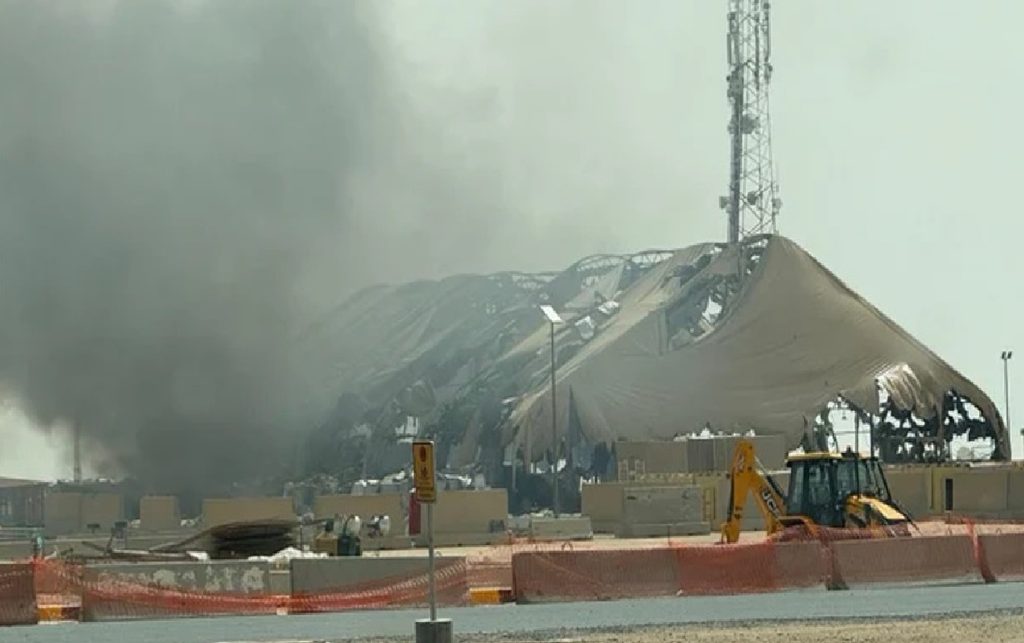
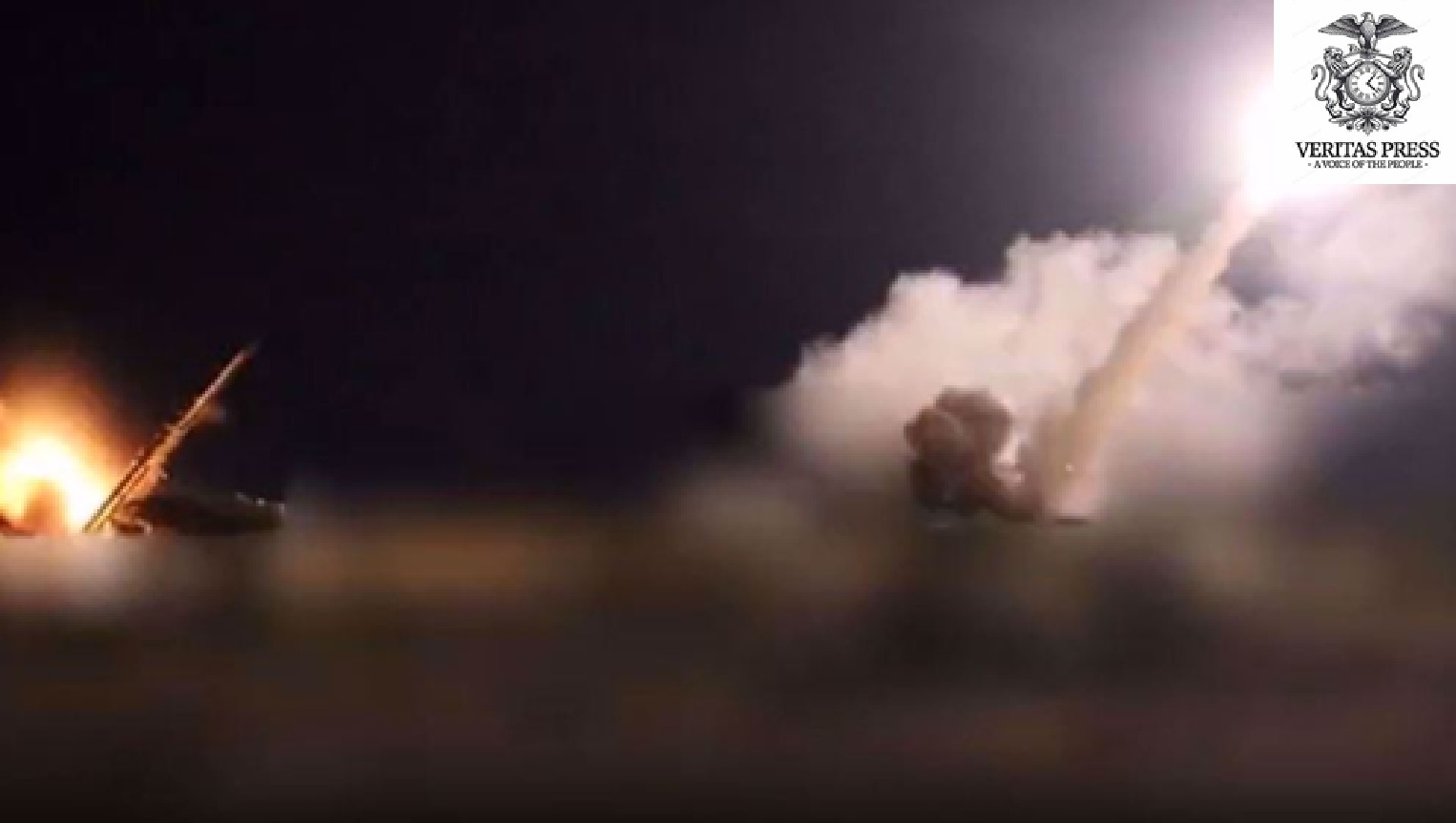
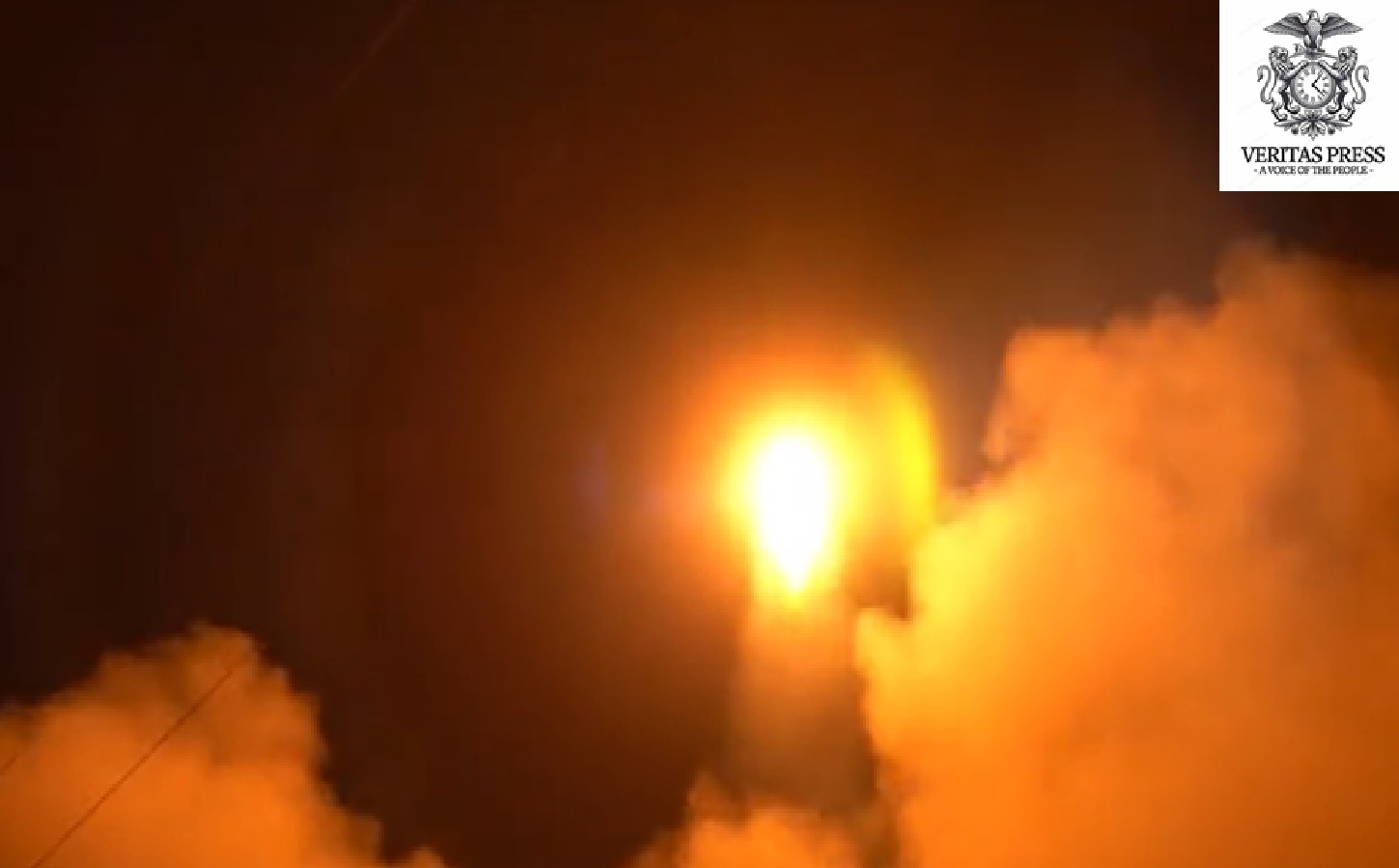
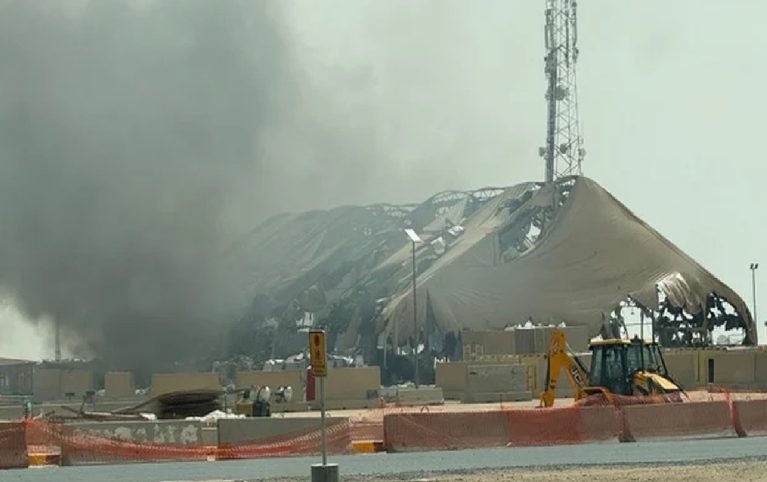
KUWAIT CITY / BANDAR ABBAS / BEIRUT — At 4:50 a.m. local time Thursday, a ballistic missile arced across the dark skies of the northern Gulf, aimed at a sprawling American airbase on Kuwaiti soil. Kuwaiti air defence batteries scrambled, intercepting the projectile before it could strike its target. Within hours, the Islamic Revolutionary Guard Corps (IRGC) claimed responsibility, declaring it had struck “the US airbase from which the attack on the control station near Bandar Abbas was launched.” The missile, fired from deep inside Iranian territory, was the latest punctuation mark in a three-month-old war that Washington and Tehran insist is governed by a ceasefire, yet which each day produces fresh salvos, new casualties, and the steady unravelling of an already threadbare diplomatic framework.
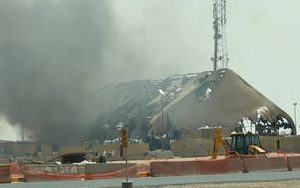
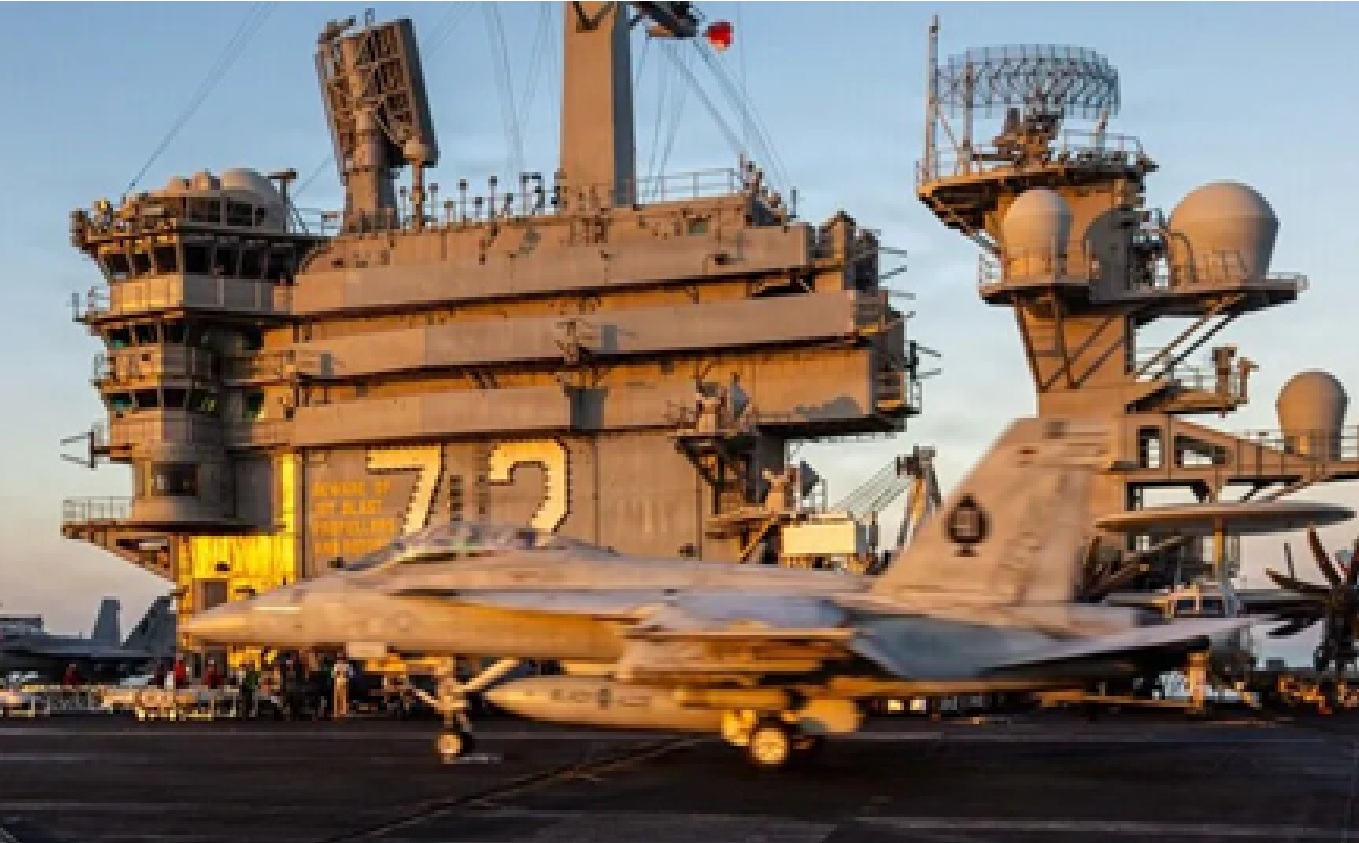
The exchange that triggered Iran’s cross-border missile launch had begun hours earlier in the Strait of Hormuz. According to a US official who spoke on condition of anonymity, American forces shot down four Iranian one-way attack drones that “posed a clear threat in and near the Strait of Hormuz,” then struck an Iranian ground control station in Bandar Abbas that was preparing to launch a fifth. “These actions were measured, purely defensive, and intended to maintain the ceasefire,” the official told Anadolu. US Central Command (CENTCOM) confirmed it had “prevented a sixth drone launch from an Iranian ground control site in Bandar Abbas.” A separate IRGC narrative, carried by the semi-official Tasnim News Agency, described the US operation as an “aerial assault on a point near the port city’s airport using aerial projectiles,” framing Iran’s retaliation as a calibrated but unmistakable warning: “This response is a serious warning so that the enemy knows that aggression will not go unanswered, and if repeated, our response will be more decisive.”
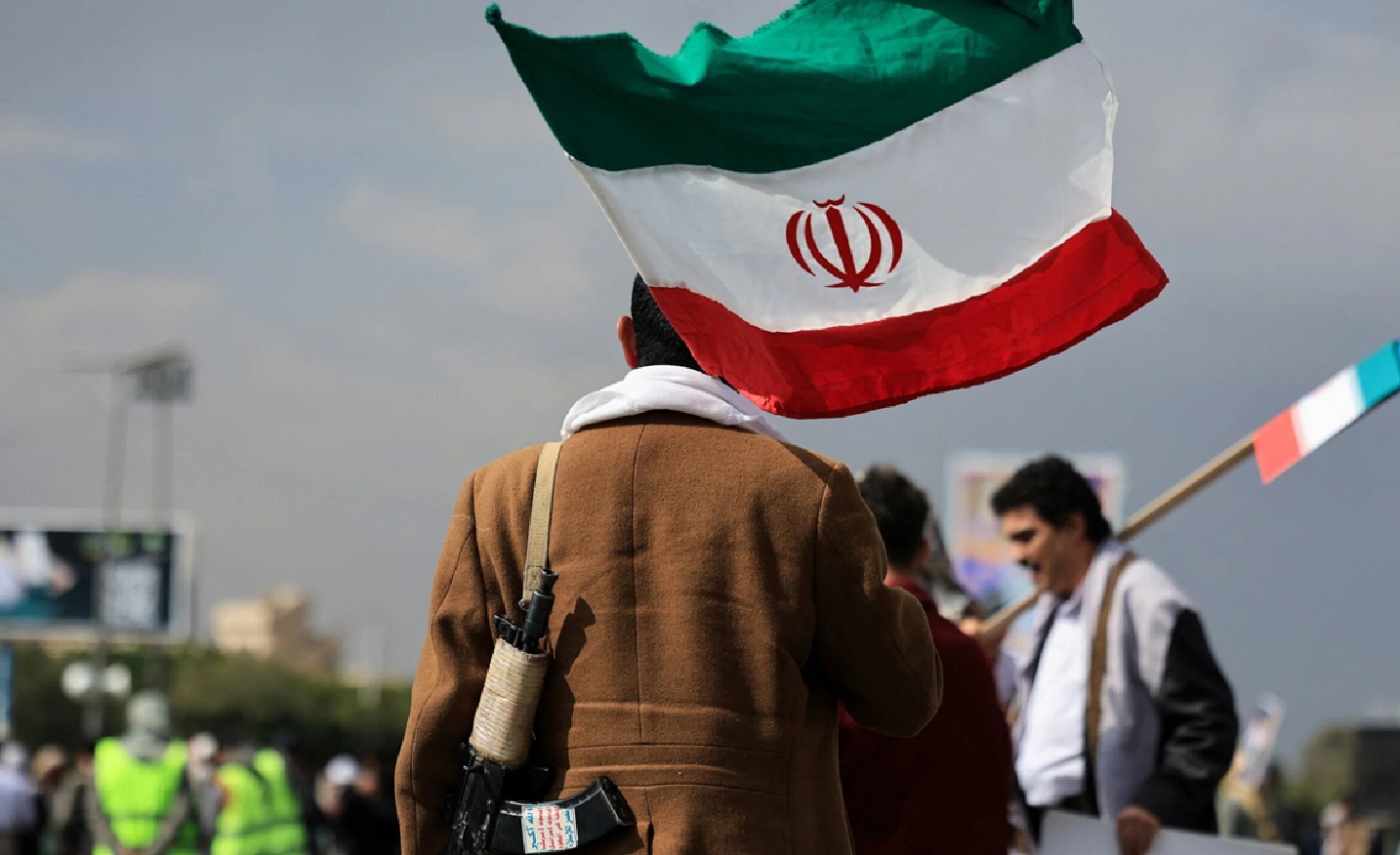
By the time the sun rose over the Gulf, the contradictions at the heart of the so-called ceasefire had been laid bare. The United States insists its strikes inside Iranian territory, on a ground control station situated near a civilian airport, are “purely defensive” measures consistent with a truce. Iran, in turn, considers them flagrant violations and has now retaliated by striking not American forces in international waters, but a US base on the soil of a third country, Kuwait, a US ally that spent months mediating alongside Pakistan to halt the bloodshed. Kuwait’s Foreign Ministry responded with fury, condemning “the criminal Iranian attacks that targeted the territory of the State of Kuwait with missiles and drones, in a dangerous escalation and flagrant violation of the sovereignty of the State of Kuwait, its security, and the integrity of its lands, and a direct threat to the lives of civilians and vital facilities.” The statement, published on social media platform X, laid bare a reality the ceasefire’s architects have been reluctant to acknowledge: the conflict is not contained. It is metastasising across borders, sucking in bystander states and blurring the line between defensive operations and offensive escalation.
The Anatomy Of A ‘Ceasefire’ Under Constant Strain:
The current round of hostilities erupted on February 28, when the United States and Israel launched coordinated attacks on Iranian military infrastructure, a dramatic opening salvo that Tehran answered with barrages of drones and ballistic missiles hitting targets across the region and with the closure of the Strait of Hormuz, the narrow chokepoint through which a fifth of the world’s oil transits. After weeks of devastating exchanges, including strikes on energy infrastructure, naval confrontations, and thousands of casualties, a ceasefire was brokered by Pakistan and took effect on April 8. But talks in Islamabad soon collapsed without a lasting agreement. President Donald Trump later extended the truce indefinitely while unilaterally maintaining a naval blockade on vessels travelling to or from Iranian ports through the Strait, and periodically claiming a peace deal was imminent.
This week’s violence punctures that illusion. On Wednesday, CENTCOM confirmed a previous round of strikes on southern Iran targeting missile launch sites and Iranian boats allegedly attempting to lay mines operations Iran condemned as a “grave violation of the ceasefire.” Hours later, the Bandar Abbas drone station strike and Iran’s retaliatory missile toward Kuwait demonstrated that both sides are now engaged in a low-grade but persistent cycle of provocation and response, each calibrated to remain below the threshold of full-scale war yet sufficiently lethal to undermine any prospect of serious negotiation.
“Strait of Hormuz is in a strange state between war and peace,” European Union foreign policy chief Kaja Kallas observed Thursday on the sidelines of an informal EU foreign ministers’ meeting in Limassol. “It is really in everybody’s interest that the freedom of navigation is respected in the Strait of Hormuz, because everybody’s paying a very high price for this.” Her comments underscored the economic dimensions of a crisis that has sent oil prices surging again, US crude gaining more than 3% on Thursday alone, and has roiled global shipping. More than 100 commercial vessels transited the strait daily before the war; now, the IRGC boasts of stopping two and letting 26 through in 24 hours, a fraction of normal traffic.
Diplomatic Theatre: Draft Deals, Threats, And The Ghost Of Oman.
Even as missiles were in flight, a parallel drama of diplomatic spin and counter-spin was playing out. US media outlet Axios reported that Iran and the United States had agreed to a draft proposal to extend the ceasefire by another 60 days. The reported framework would see the US withdraw military forces from the immediate vicinity of the Strait of Hormuz, with further discussions on the broader US troop presence in the region deferred. Iranian state TV, without official confirmation, claimed the draft also envisioned restoring shipping through the strait to prewar levels within a month, with Iran and Gulf state Oman jointly managing traffic. The White House promptly dismissed the report as a “complete fabrication.” President Trump, speaking at a cabinet meeting on Wednesday, was characteristically blunt: “Nobody’s going to control [the strait]. It’s international waters, and Oman will behave just like everybody else or we’ll have to blow them up. They understand that, they’ll be fine.”
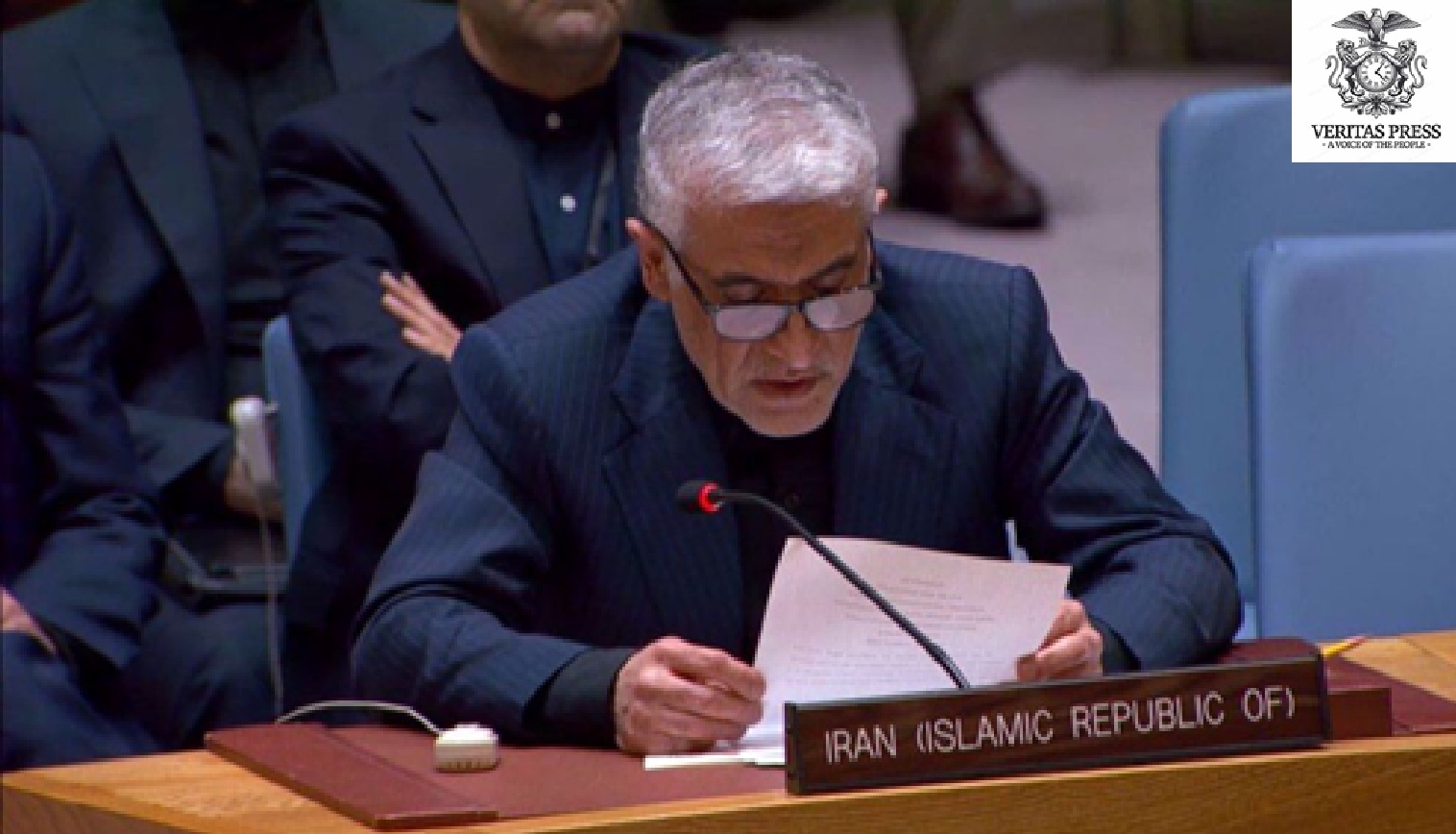
The threat, casually delivered against a longstanding US ally that has played a constructive mediating role, sent shockwaves through diplomatic circles. Oman, which had not confirmed any joint management plan, issued no immediate substantive response, but Tehran expressed “solidarity with Oman” in the face of what the Iranian Foreign Ministry described as “US officials’ threats.” Ministry spokesperson Esmaeil Baghaei, in a blistering statement Thursday, called the US attack near Bandar Abbas a “flagrant violation of international law and the UN Charter” and said threats to “destroy” a UN member state like Oman represented “a dangerous normalisation of lawlessness and bullying in international relations.” He further stressed Iran’s determination to take “all necessary measures” to defend its sovereignty under Article 51 of the UN Charter, while demanding the UN Security Council hold Washington accountable.
Trump’s bluster, coupled with his admission that he is “not satisfied” with the negotiations and his warning that the US may have to “just finish the job,” reveals the core dilemma bedevilling the Islamabad process: Washington insists on a comprehensive outcome that includes the dismantlement of Iran’s nuclear program, a red line that Tehran’s senior lawmakers publicly refuse to cross. “Iran will not retreat from its red lines under pressure from President Trump’s rhetoric,” Ibrahim Azizi, chairman of the Iranian parliament’s National Security and Foreign Policy Commission, wrote on X late Wednesday. Those red lines, he enumerated, include “the right to enrich uranium, possession of enriched uranium, authority over the Strait of Hormuz and the removal of sanctions.” The Trump administration, for its part, has made clear it is not discussing sanctions relief, one of Tehran’s primary demands, while tightening the economic noose. On Wednesday, the US Treasury Department sanctioned Iran’s newly formed Persian Gulf Strait Authority, accusing it of functioning as an “extortion arm” of the IRGC by forcing commercial vessels to pay “illegitimate tolls” and submit sensitive information for safe passage, with proceeds funding the Revolutionary Guards. “The Iranian military’s latest attempt to extort global maritime trade is proof that (Operation) Economic Fury has left the regime desperate for cash,” Treasury Secretary Scott Bessent declared, warning that any entity cooperating with the authority risked US sanctions.
Iran, in turn, is demanding the unconditional release of all frozen Iranian assets held by the United States. “All of Iran’s assets must be returned without conditions. This is the legal right of the Iranian nation,” Ali Bagheri Kani, deputy secretary of Iran’s Supreme National Security Council, told Tasnim. The gulf between these negotiating positions, disarmament versus asset release, blockade relief versus sanctions, is vast, and the diplomatic track has been reduced to a backdrop against which military operations continue to shape facts on the ground.
The Lebanon Front: A War Within A War.
The US-Iran confrontation cannot be divorced from the parallel conflagration in Lebanon, where Tehran’s most capable proxy, Hezbollah, has been fighting Israeli forces for months. Iran has insisted that any overall agreement to end hostilities must include Lebanon, effectively linking the Gulf and Levantine theatres. On Thursday, that linkage manifested in bloodshed. An Israeli soldier, Rotem Yanai of the Givati Brigade, was killed by an explosive drone strike near the Shomera settlement in northern Israel, with seven other troops wounded in a series of Hezbollah attacks. Israel’s public broadcaster KAN reported that the number of Israeli fatalities since a separate Lebanon ceasefire took effect in mid-April had risen to 12, eight of them from Hezbollah drone attacks. The Lebanese group announced it had carried out 37 attacks on Israeli forces and positions in the preceding 24 hours, including explosive drone strikes, rocket barrages, and anti-tank missile fire targeting troop concentrations, Merkava tanks, and an Iron Dome platform at the Jal al-Allam military site.
Hezbollah’s explosive drones, which have proved difficult for Israel’s sophisticated air defence systems to detect and intercept, have become a defining feature of this phase of the conflict. Israeli Prime Minister Benjamin Netanyahu has called them a “major threat,” and KAN reported Thursday that the Israeli army’s Ground Forces Commander, Maj. Gen. Nadav Lotan is expected to travel to the United States in the coming days to expedite the purchase of additional counter-drone systems. Senior army officials, quoted anonymously, said there were “no budget restrictions” on efforts to confront the drone swarm, and the military was racing to field a newly developed detection system that would provide warnings akin to those for anti-tank missiles. Yet even as Israel scrambles for solutions, Hezbollah’s tactics are evolving: the group has increasingly adopted a double-tap method, targeting an initial group of soldiers and then launching follow-on drones toward rescue and evacuation teams, a tactic that inflicted several casualties on a northern settlement’s security team this week.
These daily clashes play out against a ceasefire agreement announced on April 17 and extended until early July, an accord Israel continues to violate daily, according to Hezbollah and Lebanese officials, with airstrikes on infrastructure in Tyre and even in Beirut. The Lebanese army confirmed one of its soldiers was killed in an Israeli strike, while the sound of air raid sirens echoed across northern Israel. The reciprocal violence mocks the truce and, by extension, the broader diplomatic framework that envisions a sequential de-escalation across multiple fronts.
Maritime Mayhem: From Hormuz To The Black Sea.
The instability radiating from the Gulf is mirrored in the Black Sea, where on Thursday, three tankers, the James II, Altura, and Velora, sailing under the Palau and Sierra Leone flags, were reportedly attacked by drones approximately 50 miles north of Turkey’s Turkeli Area. Shipping agency Tribeca said the attacks occurred while two of the vessels were conducting a ship-to-ship operation; all crew members were reported safe, and Turkish coastal safety boats were dispatched. The Turkish transport ministry, observing the Muslim Eid al-Adha holiday, was not immediately available for comment. While it remains unclear who launched these attacks, whether they are connected to the expanding US-Iran conflict, Russian operations against Ukraine-bound shipping, or some other vector, they reinforce a picture of global maritime chokepoints under intensifying asymmetric threat. For a world economy still recovering from pandemic-era supply chain shocks, the simultaneous disruption of the Strait of Hormuz and the Black Sea represents a systemic risk that the diplomatic architecture appears powerless to address.
The IRGC, for its part, continues to enforce its own interpretation of maritime order in the Gulf. Tasnim reported early Thursday that IRGC naval forces forced a US tanker to turn back near the Strait of Hormuz after it attempted to cross with its radar system switched off. Warning shots were fired, but no casualties or material damage resulted. The incident, linked to the same operational environment that saw explosions near Bandar Abbas, underscores the IRGC’s determination to act as the arbiter of passage through a waterway that international law guarantees as a transit corridor for all nations. It also showcases the asymmetry of the confrontation: the US relies on precision strikes and technological superiority, while Iran leverages its capacity to deny, harass, and impose costs through its naval proxy forces and drone swarms.
The Home Fronts: Mourning, Unity, And The Struggle For Narrative Control.
Inside Iran, the war is being framed by a leadership in transition as an existential test of national resilience. Supreme Leader Mojtaba Khamenei, who has not appeared publicly since assuming office in March, issued a written message to parliament on Thursday marking the anniversary of the legislature’s founding. “The enemy’s blind plan, after the imposed war, the economic pressure, and the political and propaganda siege, is to create divisions and disintegration to compensate for military defeats and bring the nation to its knees,” Khamenei said, calling for unity and cohesion. The message, read on state television, invoked the memory of the Iran-Iraq War while projecting an image of a beleaguered but unbowed nation. Yet outside the Tehran compound that was home to the late supreme leader, Ali Khamenei, hundreds of supporters gather nightly to mourn a figure who defined Iran’s revolutionary identity for decades, an outpouring of grief that doubles as a political rallying point amid the wartime hardship, inflation, and corruption the new supreme leader has urged legislators to address.
In the United States, the domestic political calculus is no less fraught. President Trump’s oscillation between bellicose threats (“we’ll have just to finish the job”) and assertions that a deal is close is consistent with a broader pattern of brinkmanship, but it carries the risk of miscalculation when the adversary operates under a fundamentally different strategic logic. The IRGC’s statement that its missile strike on the Kuwait base was “a serious warning” and that future aggression would produce a “more decisive response” signals a willingness to escalate horizontally, striking US assets in allied nations rather than directly engaging American forces, which poses a profound challenge to a White House that has defined its red lines narrowly around the Strait of Hormuz and direct threats to US troops.
Analysis: A Ceasefire In Name Only Demands A New Diplomatic Architecture.
The events of the past 48 hours expose the strategic fiction at the heart of the current “ceasefire.” It is a construct that permits both sides to conduct offensive operations under the rubric of self-defence, while the underlying drivers of conflict, the status of Iran’s nuclear program, sanctions, the blockade, frozen assets, and the regional role of Iranian proxies, remain entirely unresolved. The US label of its Bandar Abbas strike as “purely defensive” is legally and politically contentious: striking a drone control station on the sovereign territory of a state with which one has a ceasefire in effect, even in response to an imminent threat, tests the boundaries of the established “measured” doctrine. Iran’s choice to answer by targeting a base in Kuwait, a US ally that is a party to the ceasefire framework and a host to American forces, is a deliberate escalatory step designed to signal that the cost of US strikes inside Iran will be borne by US partners, eroding the coalition that Washington relies upon for regional basing and legitimacy.
Kuwait’s condemnation is pivotal. It transforms a bilateral US-Iran confrontation into a multilateral crisis in which a third state’s sovereignty has been violated, inviting demands for collective security responses that the Gulf Cooperation Council, the Arab League, and the UN Security Council have so far proved unwilling or unable to marshal. The silence of key regional capitals, Riyadh, Abu Dhabi, and Doha, in the immediate aftermath of the Kuwait missile incident speaks volumes about the paralysis induced by a conflict that no one wants but no one seems able to stop.
The inclusion of Oman in Trump’s threats adds yet another layer of instability. By threatening to “blow up” a nation that has for decades served as the quiet back channel between Iran and the West, Trump has alienated a potential mediator and validated Iranian narratives of American untrustworthiness. Oman’s foreign ministry has, for now, refrained from escalatory rhetoric, but the damage to the diplomatic ecosystem may prove lasting. EU foreign policy chief Kallas’s characterisation of the strait as existing in a “strange state between war and peace” captures the limbo perfectly: it is an environment where enough violence occurs to disrupt global commerce and kill soldiers, but where the political will for a definitive settlement remains absent.
What is required, diplomats and analysts increasingly suggest, is a new diplomatic architecture that moves beyond the fiction of an indefinite, unsupervised ceasefire. This would entail third-party monitoring mechanisms with real enforcement capacity, sequential confidence-building steps that address the tangible grievances of both sides, sanctions relief and asset releases in exchange for verifiable constraints on Iran’s drone and missile proliferation to proxies and a defined path toward nuclear guarantees, and a commitment from regional powers to uphold the sovereignty of states like Kuwait that find themselves caught in the crossfire. The alternative is a steady drift toward a wider war that neither Washington nor Tehran claims to want, but which their respective tactical doctrines, as currently calibrated, are making more probable by the day.
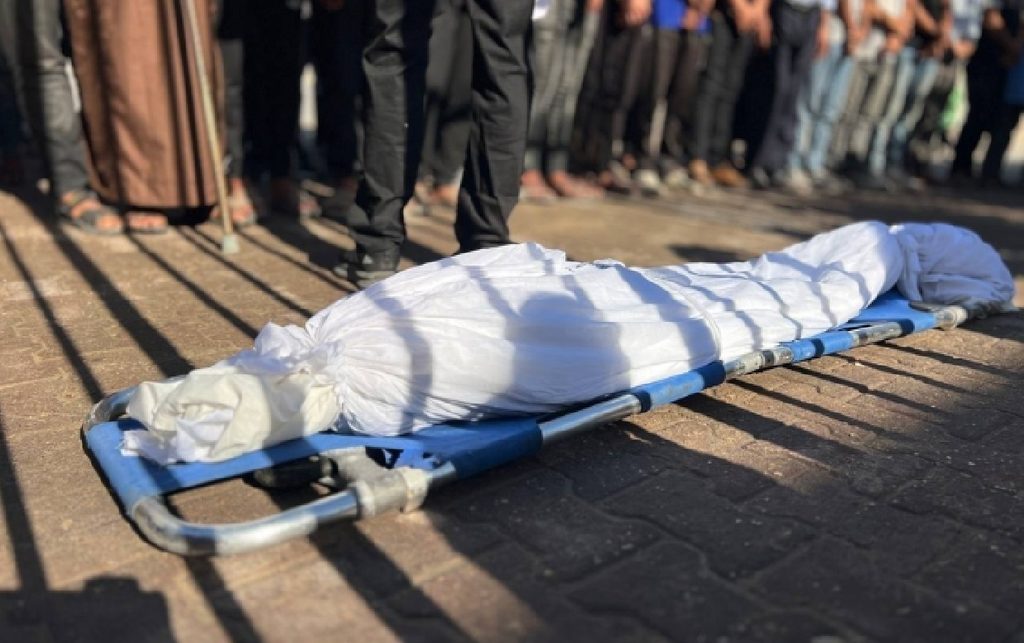
In the meantime, the citizens of Bandar Abbas will continue to scan the skies for drones, Kuwaiti air defenders will remain on high alert, and the families of soldiers like Rotem Yanai in Israel or the unnamed Lebanese troops killed in this week’s strikes will bury their dead. The human cost accumulates, even as diplomats issue statements and reporters file dispatches about a “ceasefire” that kills.
Source:Veritas Press C.I.C. | Multi News Agencies
Submissions:
For The Secure Submission Of Documentation, Testimonies, Or Exclusive Investigative Reports From Any Global Location, Please Utilise The Following Contact Details For Our Investigations Desk: enquiries@veritaspress.co.uk or editor@veritaspress.co.uk
Help Support Our Work:
Popular Information is powered by readers who believe that truth still matters. When just a few more people step up to support this work, it means more lies exposed, more corruption uncovered, and more accountability where it’s long overdue.
Help Protect Independent Journalism, Which Is Currently Under Attack.
If you believe journalism should serve the public, not the powerful, and you’re in a position to help, becoming a DONATOR or a PAID SUBSCRIBER truly makes a difference.
DONATION APPEAL: If You Found This Reporting Valuable, Please Consider Supporting Independent Journalism.
Help Support Our Work – We Know, We Know, We Know …
Seeing these messages is annoying. We know that. (Imagine what it’s like writing them … )
Your support fuels our fearless, truth-driven journalism. In unity, we endeavour to amplify marginalised voices and champion justice, irrespective of geographical location.
But it’s also extremely important. One of Veritas Press’s greatest assets is its reader-funded model.
1. Reader funding means we can cover what we like. We’re not beholden to the political whims of a billionaire owner. We are a small, independent and impartial organisation. No one can tell us what not to say or what not to report.
2. Reader funding means we don’t have to chase clicks and traffic. We’re not desperately seeking your attention for its own sake: we pursue the stories that our editorial team deems important and believe are worthy of your time.
3. Reader Funding: enables us to keep our website and other social media channels open, allowing as many people as possible to access quality journalism from around the world, particularly those in places where the free press is under threat.
We know not everyone can afford to pay for news, but if you’ve been meaning to support us, now’s the time.
Your donation goes a long way. It helps us:
Keep the lights on and sustain our day-to-day operations
Hire new, talented independent reporters
Launch real-time live debates, community-focused shows, and on-the-ground reporting
Cover the issues that matter most to our communities, in real time, with depth and integrity
We have plans to expand our work, but we can’t do it without your support. Every contribution, no matter the size, helps us stay independent and build a truly people-powered media platform.
If you believe in journalism that informs, empowers, and reflects the communities we serve, please donate today.
Kamran Faqir is a volunteer investigative journalist and writer committed to exposing hidden truths and amplifying underreported stories. Driven by social justice, he brings sharp insight and fearless truth-telling to independent journalism. NUJ registered.
SEATTLE, TEHRAN — The U.S. Department of Homeland Security (DHS) will allow Iran’s national football team to enter the country 48 hours before their critical World Cup match against Egypt on Friday, a modest concession in a tournament where Team Melli’s travel conditions have sparked claims of oppression and competitive disadvantage.