Kamran Faqir is a volunteer investigative journalist and writer committed to exposing hidden truths and amplifying underreported stories. Driven by social justice, he brings sharp insight and fearless truth-telling to independent journalism. NUJ registered.
Original Article Date Published:
Article Date Modified:
9 minutes
Views:415
Listen to this article
Help support our mission, donate today and be the change. Every contribution goes directly toward driving real impact for the cause we believe in.
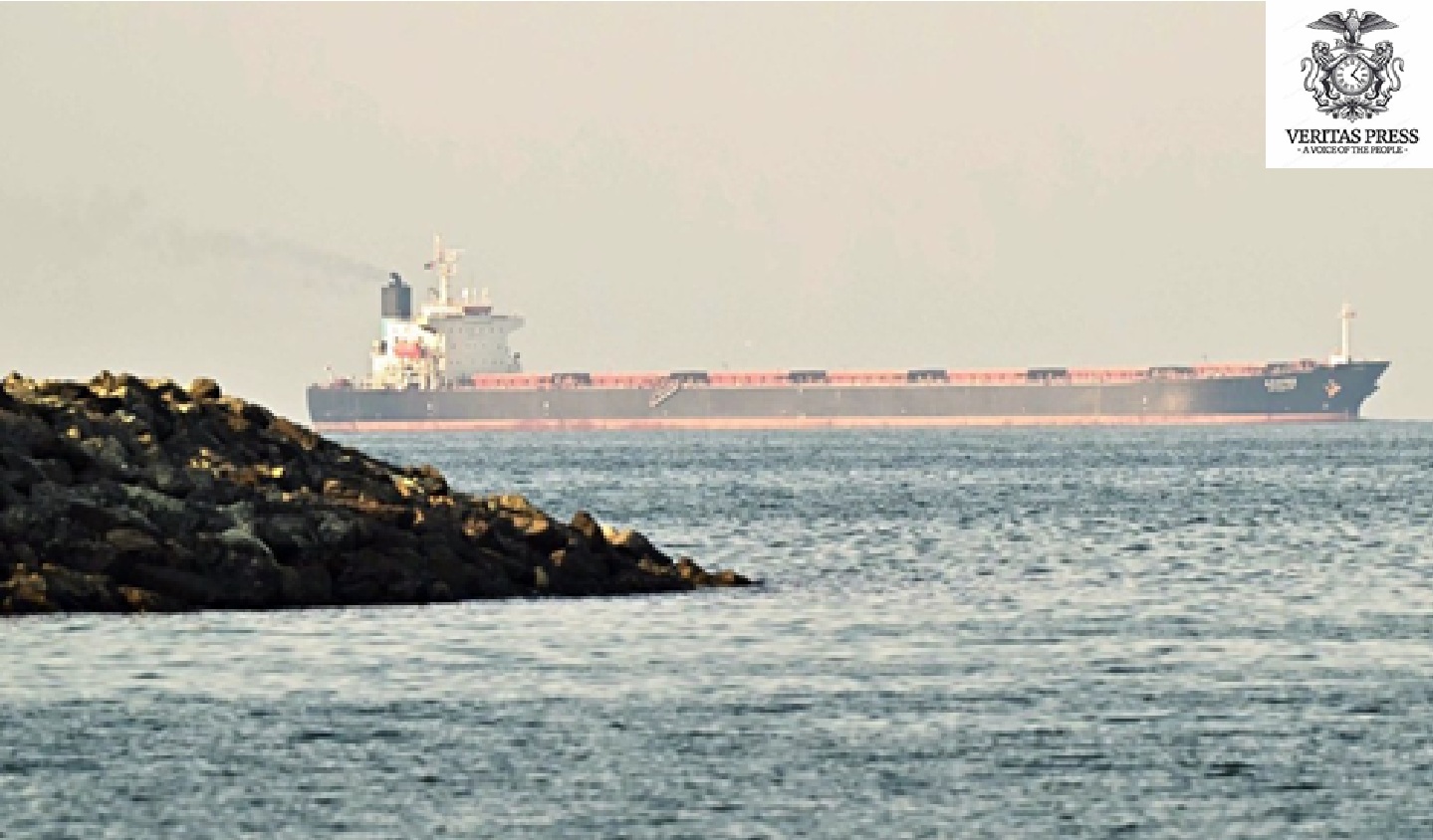
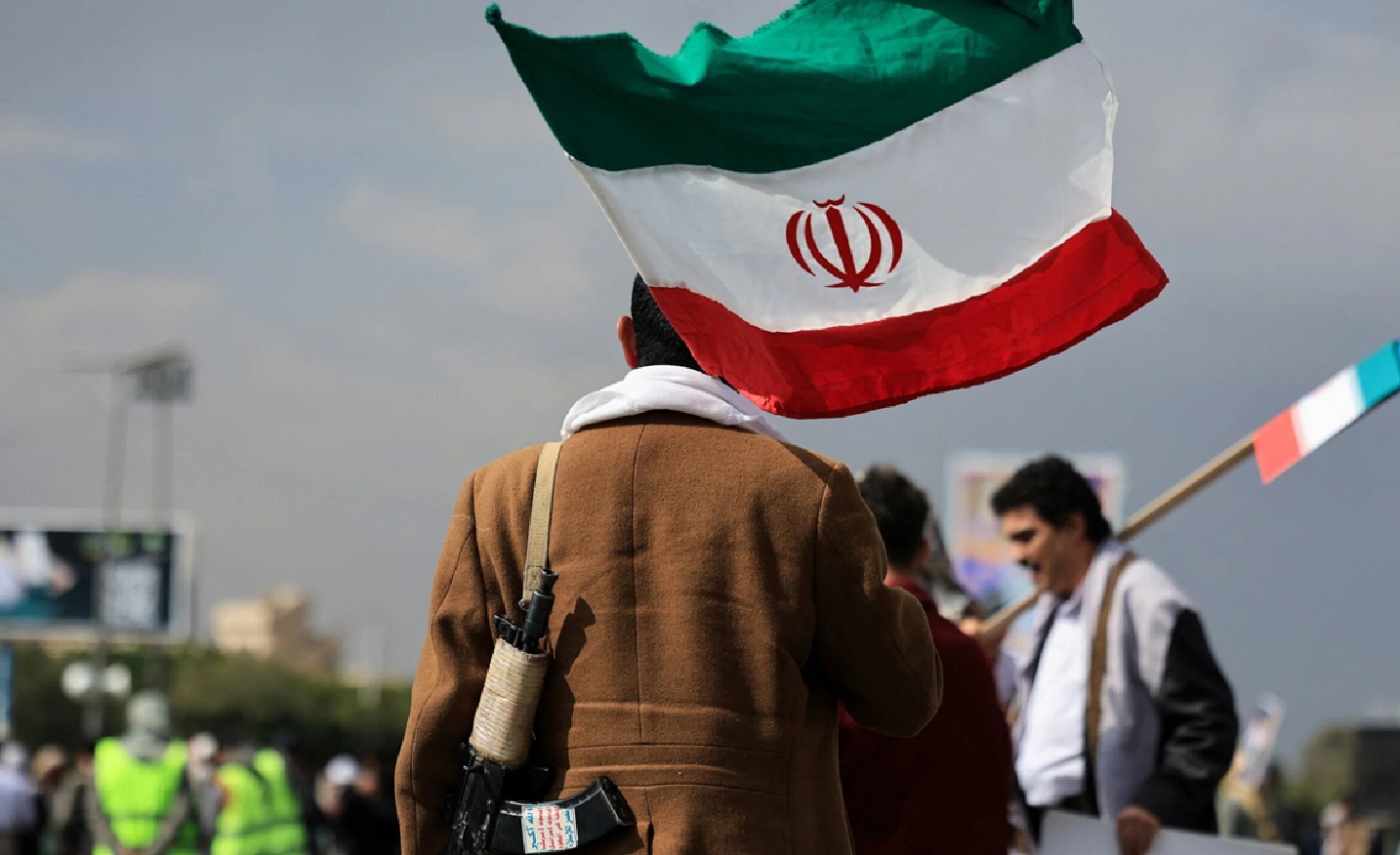
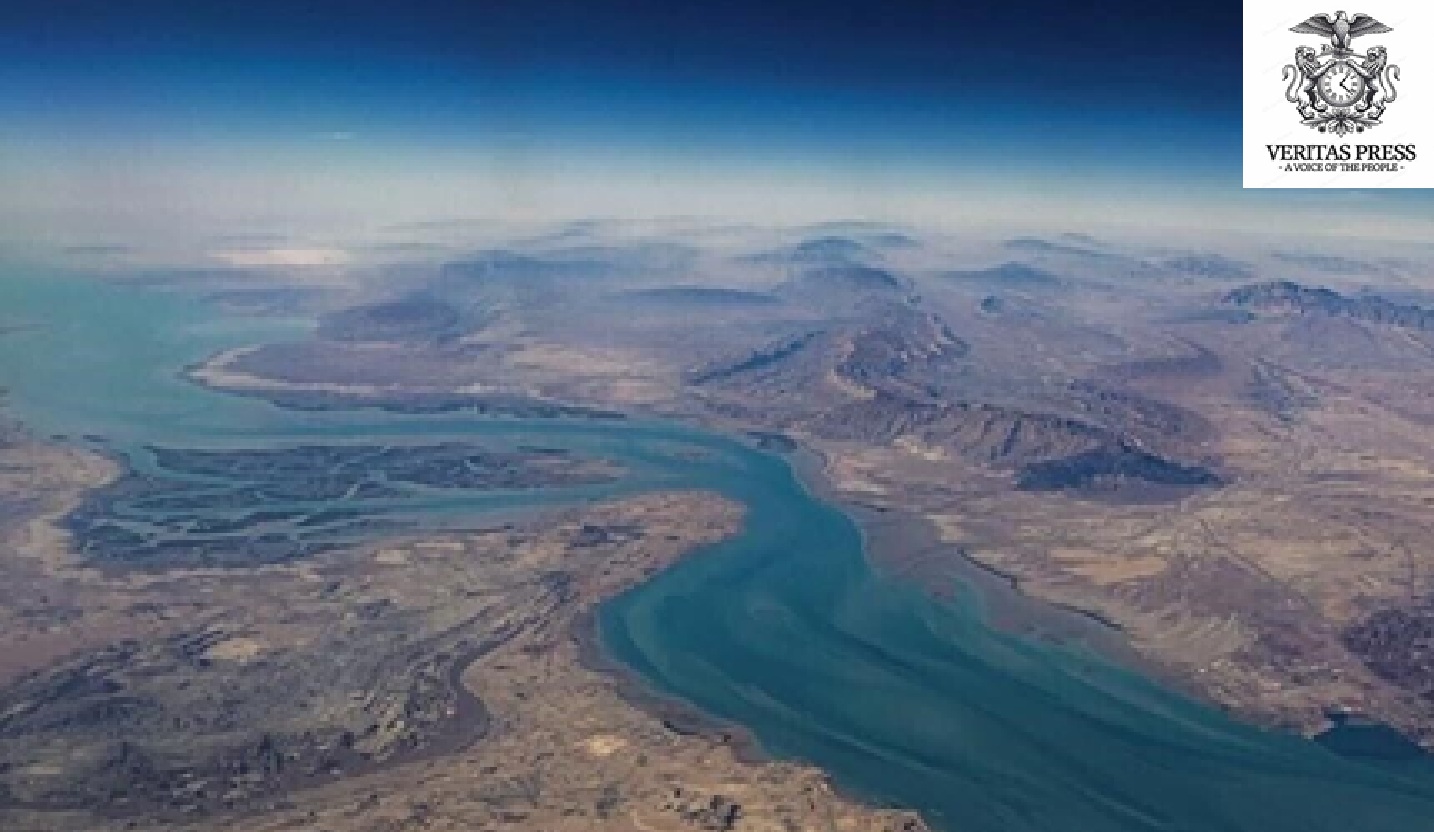
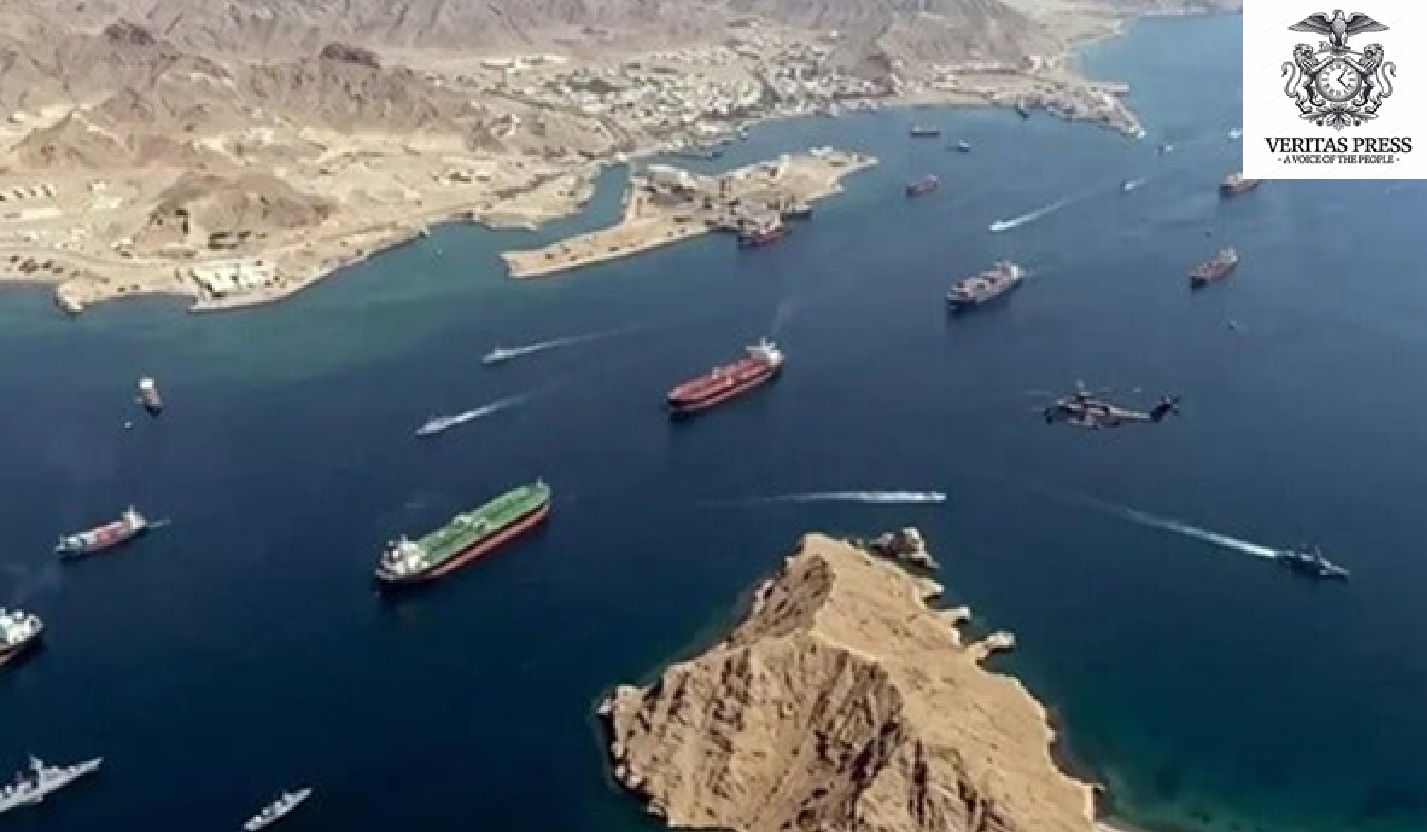
TEHRAN – The Persian Gulf awoke Friday to a carefully scripted paradox. As the IRGC Navy declared a “new order” granting it absolute authority over the Strait of Hormuz, the world’s most critical energy chokepoint, through which 20% of global oil and a quarter of seaborne LNG trade once flowed, opened only on paper. Behind the diplomatic language of ceasefires and “coordinated routes,” a profound strategic shift has taken place: Tehran has established a new legal and operational reality, weaponising the geography of the narrow channel to fundamentally alter the balance of power in the Middle East. But as the dust settles on a 40-day conflict, a parallel crisis of communication and power has erupted within the Iranian regime itself.
The “New Order”: A Strait Under Guard.
The day began with a seemingly conciliatory tweet from Iranian Foreign Minister Abbas Araghchi, declaring the Strait “completely open” for commercial shipping for the remainder of the Lebanon ceasefire. However, the fine print, delivered almost simultaneously by the Islamic Revolutionary Guard Corps (IRGC) Navy, painted a starkly different picture.
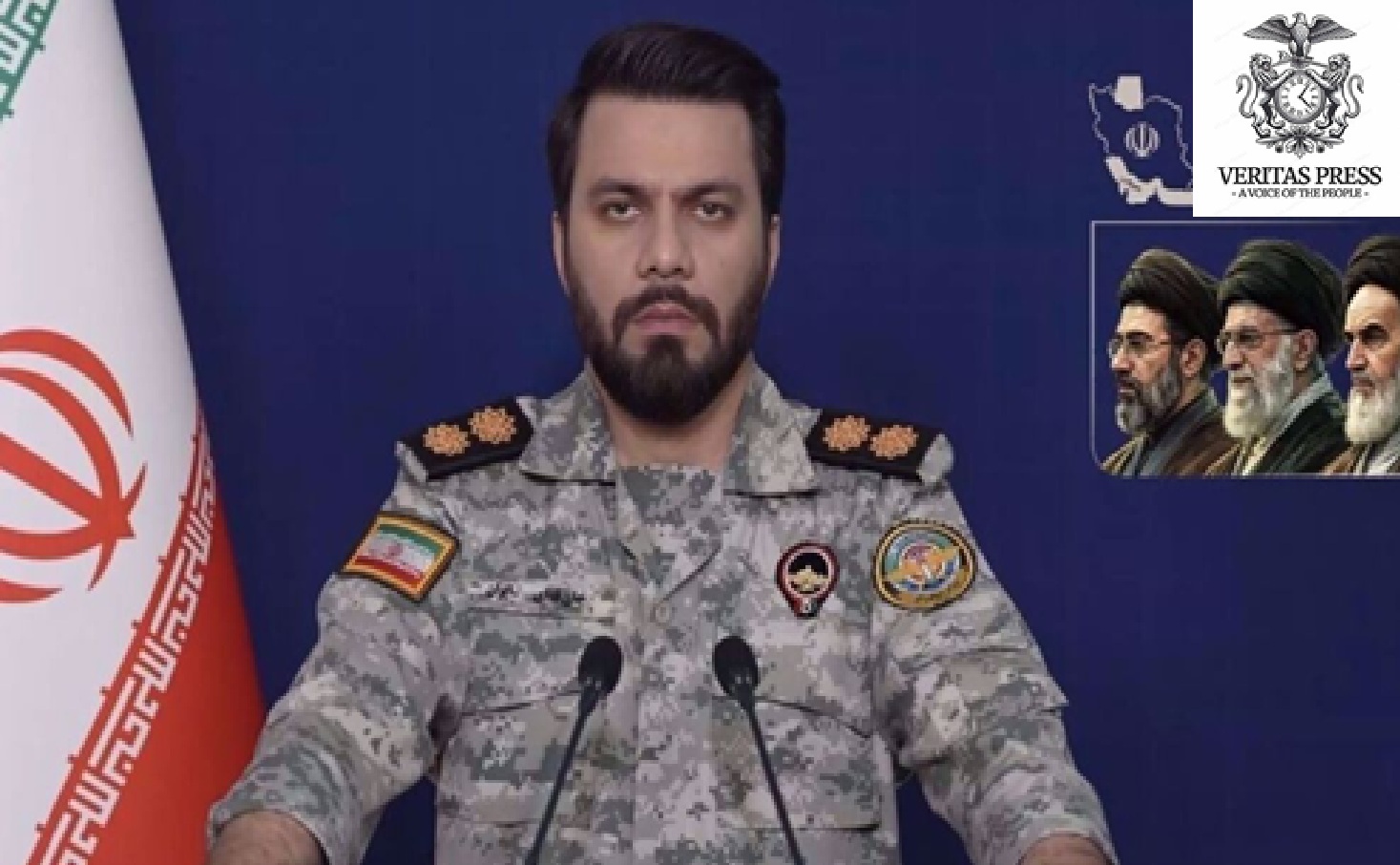
In a statement, the IRGC Navy commander laid out a “new order” that amounts to a de facto annexation of maritime traffic management. The four-point framework includes:
Civilian vessels must use routes designated solely by Iran.
All transit, commercial or otherwise, requires explicit authorisation from the IRGC Navy.
The passage of military vessels remains strictly prohibited.
Ships and cargo linked to “hostile countries” are barred.
This is not a reopening; it is a controlled corridor. As the IRGC’s own statement made clear, this “new order” is “in accordance with the agreement established under the ongoing Iran-US ceasefire”. It represents the operationalisation of Iran’s geographical leverage, a coastline stretching over 1,600 km, into tangible political and military control.
Ceasefire As Currency:
The reopening, however conditional, is directly tied to a fragile ceasefire in Lebanon. After 40 days of what Tehran terms an “unprovoked aggression” by the US-Israeli coalition that began on February 28, Iran used the closure of the Strait as its primary economic weapon. An informed source close to the Supreme National Security Council (SNSC) detailed the mechanics of this pressure campaign to Fars News: “From the beginning of the ceasefire brokered by Pakistan, Iran was supposed to allow daily passage of a number of ships. However, after the ceasefire in Lebanon failed to be implemented… Iran suspended the agreement”.
This suspension was a pointed warning. Only when the US reportedly pressed Israel into compliance with a Lebanon truce did Tehran greenlight the conditional resumption of traffic. Foreign Ministry Spokesperson Esmaeil Baghaei clarified that Araghchi’s tweet fell within the framework of the April 8 ceasefire agreement, stressing that all passages would be coordinated with Iran’s competent authorities. The message is unmistakable: the flow of global energy through the Strait of Hormuz is now a function of Iran’s regional security calculus.
A Parallel Narrative: The US Blockade And Trump’s Victory Lap.
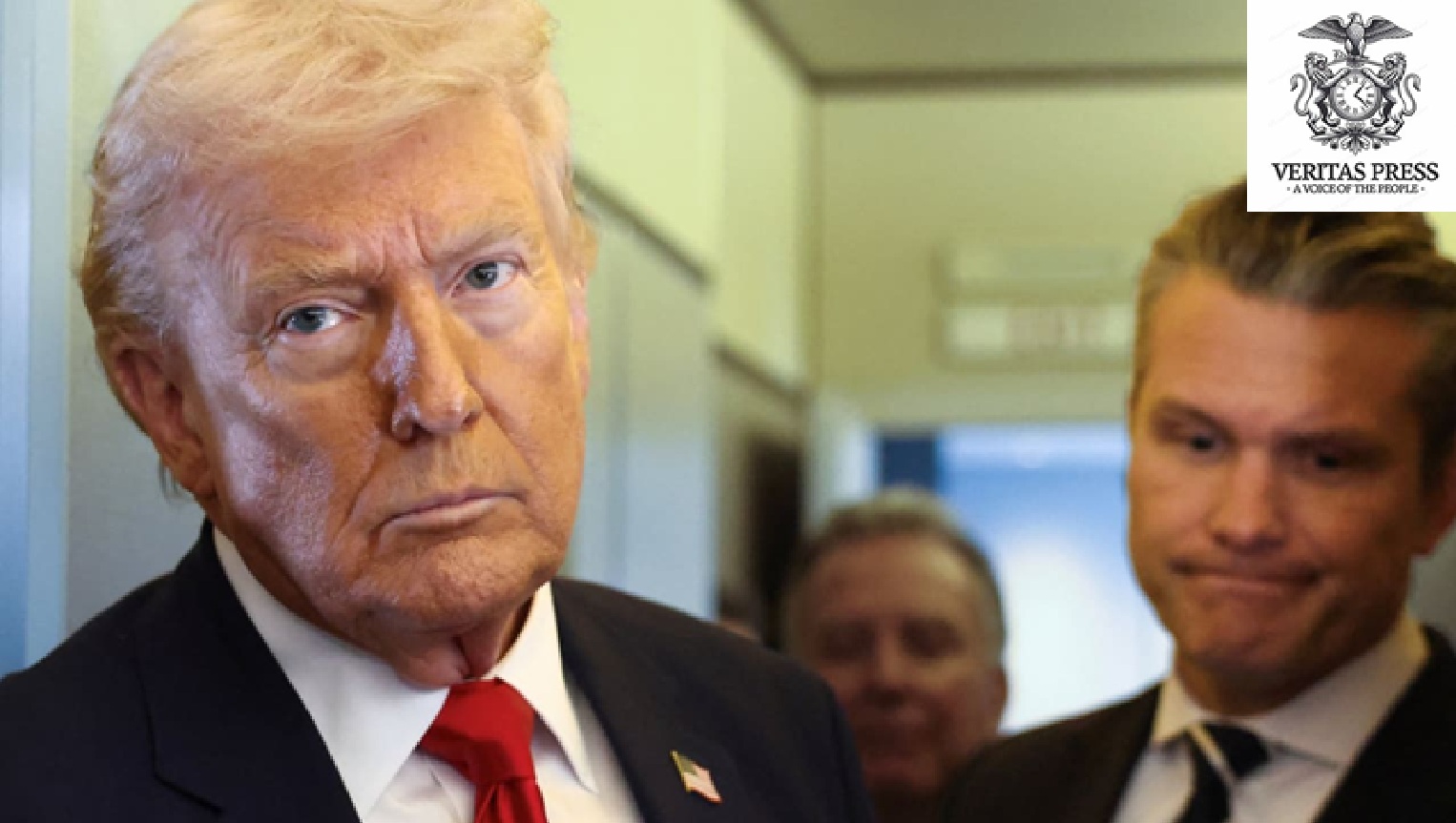
Across the ocean, Washington’s response was equally contradictory. President Donald Trump, seizing on Araghchi’s initial announcement, declared the Strait “fully open and ready for business and full passage”. Yet, in the same breath, he reaffirmed that the US naval blockade on Iranian ports would “remain in full force and effect as it pertains to Iran, only, until such time as our transaction with Iran is 100% complete”.
Trump’s posts, which included the false claim that Iran was removing sea mines with US help, were widely seen in Tehran as an attempt to claim victory. This mirrored a pattern of the US president using the crisis to project strength, even as his administration’s “maximum pressure” campaign has been effectively countered by Iran’s own chokehold on the strait. The US blockade, while imposing economic pain, has done little to loosen the IRGC’s grip on the waterway.
“Complete Poor Judgment”: Hardliners Revolt Over Diplomatic Blunder.
However, the most revealing fissure of the day emerged not in the Gulf, but in the corridors of power in Tehran. Within hours of Araghchi’s tweet, a rare and blistering wave of criticism erupted from state media outlets closely linked to the IRGC.
The hardline Tasnim News Agency lambasted the post as a “bad and incomplete tweet that created misleading ambiguity”. The agency said the foreign minister’s announcement lacked “any verbal explanation or at least sufficient written clarification,” amounting to “complete poor judgment in communication”.
The state-run Mehr News was even more damning, arguing that Araghchi’s message “provided the best opportunity for Trump to go beyond reality, declare himself the winner of the war and celebrate victory”. The Fars News Agency also piled on, criticising the “absolute silence” of the Supreme National Security Council and demanding an explanation for the lack of transparency.
The episode has exposed deep fractures within the Iranian establishment. Sources suggest a power struggle between a faction led by parliamentary speaker Mohammad Bagher Ghalibaf and Foreign Minister Araghchi, believed by some analysts to be the most powerful bloc since the death of Supreme Leader Ayatollah Ali Khamenei on February 28, and the more hardline elements of the IRGC. The public dressing-down of the foreign minister by IRGC-affiliated media signals that even amidst a geopolitical victory, the battle over narrative and control within Tehran is far from settled.
The Reality On The Water:
For the maritime industry, the confusion is acute. An advisory from the US Navy warned mariners that the “Status of TSS mine threat is not fully understood. Consider avoidance of that area”. Shipping association BIMCO concurred, with Chief Safety and Security Officer Jakob Larsen stating, “BIMCO believes shipping companies should consider avoiding the area”.
The “coordinated route” announced by Iran is not the established Traffic Separation Scheme (TSS) used by international shipping for decades. It is a new, unilaterally declared path that forces vessels to navigate under the direct supervision and permission of the IRGC. A senior Iranian official confirmed to Reuters that transits would be restricted to lanes “deemed safe” by Iran, and that “Even US vessels would be permitted, excluding military ships”.
Despite the conditional reopening, global energy markets remain on edge. Oil prices, which had fallen on hopes of a deal, steadied as the reality of constrained supply and ongoing risk sank in. Cumulative Middle Eastern crude and condensate supply losses have reached a staggering 496 million barrels. The crisis has laid bare the vulnerability of the global energy architecture to a single, narrow chokepoint.
Conclusion: A New Strategic Equilibrium.
The events of April 17, 2026, mark a watershed moment. The “new order” in the Strait of Hormuz is not merely a set of temporary wartime measures; it is a strategic fait accompli. By unilaterally redesignating shipping lanes, requiring IRGC authorisation, and linking passage to regional political developments, Iran has successfully transformed the Strait from an international waterway into a conditioned, weaponised asset.
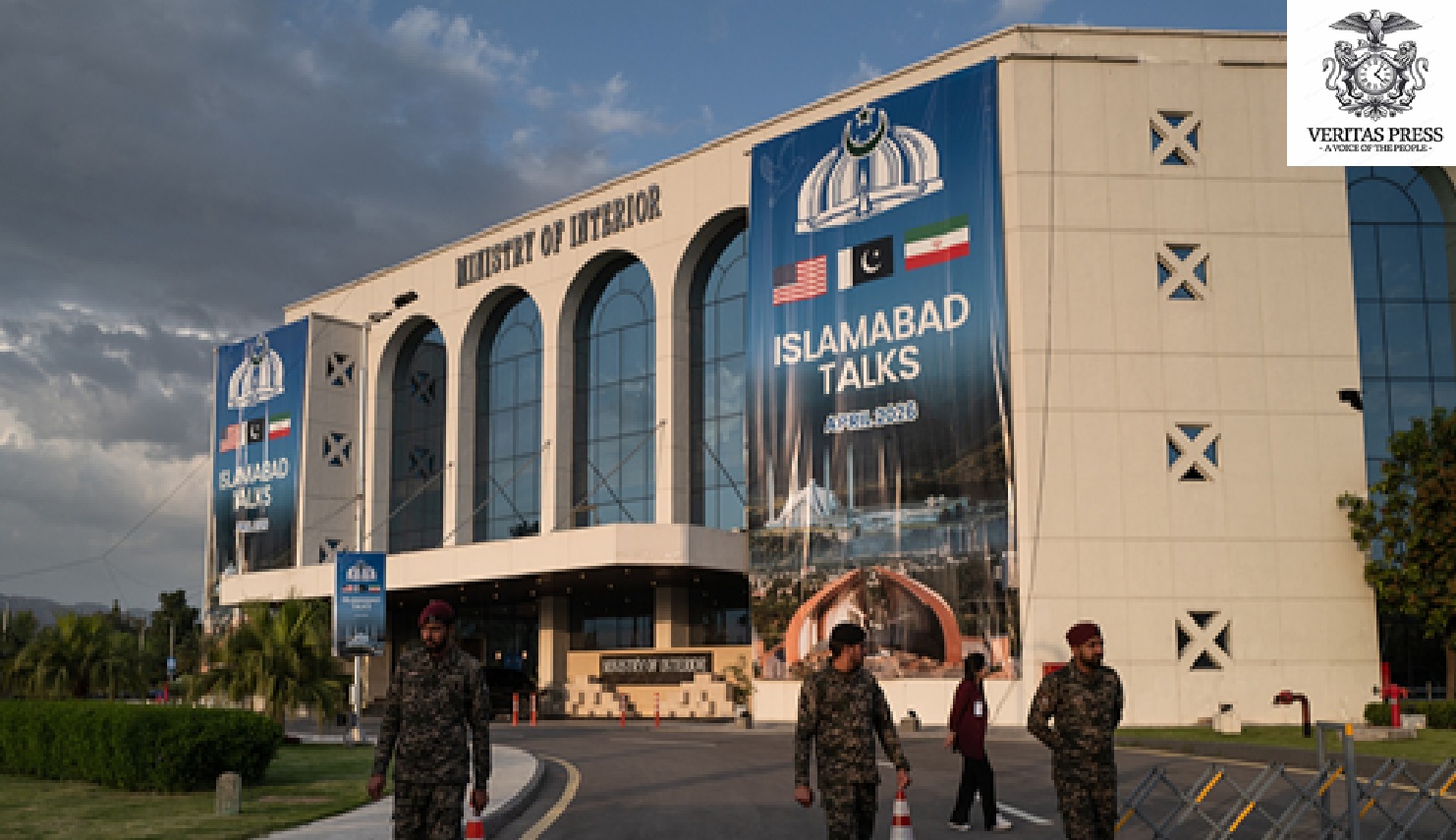
The United States, with its naval blockade, has been left to play a reactive game, attempting to apply economic pressure without challenging the new reality of Iranian control. Meanwhile, the internal turmoil exposed by the Araghchi tweet reveals a regime confident enough to project power abroad but deeply divided over how to manage its own narrative and political infighting at home. As the second round of Pakistan-mediated talks looms, one thing is clear: the Strait of Hormuz will never be “open” again in the way the world once understood it. It is now a barometer of Iran’s power, and a permanent fixture in the new calculus of global security.
Source: Multiple News Agencies
Submissions:
For The Secure Submission Of Documentation, Testimonies, Or Exclusive Investigative Reports From Any Global Location, Please Utilise The Following Contact Details For Our Investigations Desk: enquiries@veritaspress.co.uk or editor@veritaspress.co.uk
Help Support Our Work:
Popular Information is powered by readers who believe that truth still matters. When just a few more people step up to support this work, it means more lies exposed, more corruption uncovered, and more accountability where it’s long overdue.
Help Protect Independent Journalism, Which Is Currently Under Attack.
If you believe journalism should serve the public, not the powerful, and you’re in a position to help, becoming a DONATOR or a PAID SUBSCRIBER truly makes a difference.
DONATION APPEAL: If You Found This Reporting Valuable, Please Consider Supporting Independent Journalism.
Help Support Our Work – We Know, We Know, We Know …
Seeing these messages is annoying. We know that. (Imagine what it’s like writing them … )
Your support fuels our fearless, truth-driven journalism. In unity, we endeavour to amplify marginalised voices and champion justice, irrespective of geographical location.
But it’s also extremely important. One of Veritas Press’s greatest assets is its reader-funded model.
1. Reader funding means we can cover what we like. We’re not beholden to the political whims of a billionaire owner. We are a small, independent and impartial organisation. No one can tell us what not to say or what not to report.
2. Reader funding means we don’t have to chase clicks and traffic. We’re not desperately seeking your attention for its own sake: we pursue the stories that our editorial team deems important and believe are worthy of your time.
3. Reader Funding: enables us to keep our website and other social media channels open, allowing as many people as possible to access quality journalism from around the world, particularly those in places where the free press is under threat.
We know not everyone can afford to pay for news, but if you’ve been meaning to support us, now’s the time.
Your donation goes a long way. It helps us:
Keep the lights on and sustain our day-to-day operations
Hire new, talented independent reporters
Launch real-time live debates, community-focused shows, and on-the-ground reporting
Cover the issues that matter most to our communities, in real time, with depth and integrity
We have plans to expand our work, but we can’t do it without your support. Every contribution, no matter the size, helps us stay independent and build a truly people-powered media platform. If you believe in journalism that informs, empowers, and reflects the communities we serve, please donate today.
Kamran Faqir is a volunteer investigative journalist and writer committed to exposing hidden truths and amplifying underreported stories. Driven by social justice, he brings sharp insight and fearless truth-telling to independent journalism. NUJ registered.
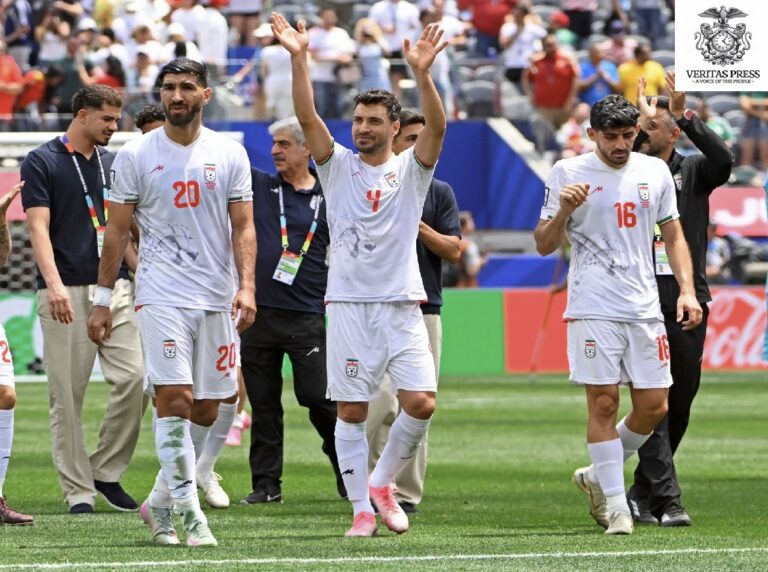
SEATTLE, TEHRAN — The U.S. Department of Homeland Security (DHS) will allow Iran’s national football team to enter the country 48 hours before their critical World Cup match against Egypt on Friday, a modest concession in a tournament where Team Melli’s travel conditions have sparked claims of oppression and competitive disadvantage.