Kamran Faqir is a volunteer investigative journalist and writer committed to exposing hidden truths and amplifying underreported stories. Driven by social justice, he brings sharp insight and fearless truth-telling to independent journalism. NUJ registered.
Original Article Date Published:
Article Date Modified:
10 minutes
Views:512
Listen to this article
Help support our mission, donate today and be the change. Every contribution goes directly toward driving real impact for the cause we believe in.
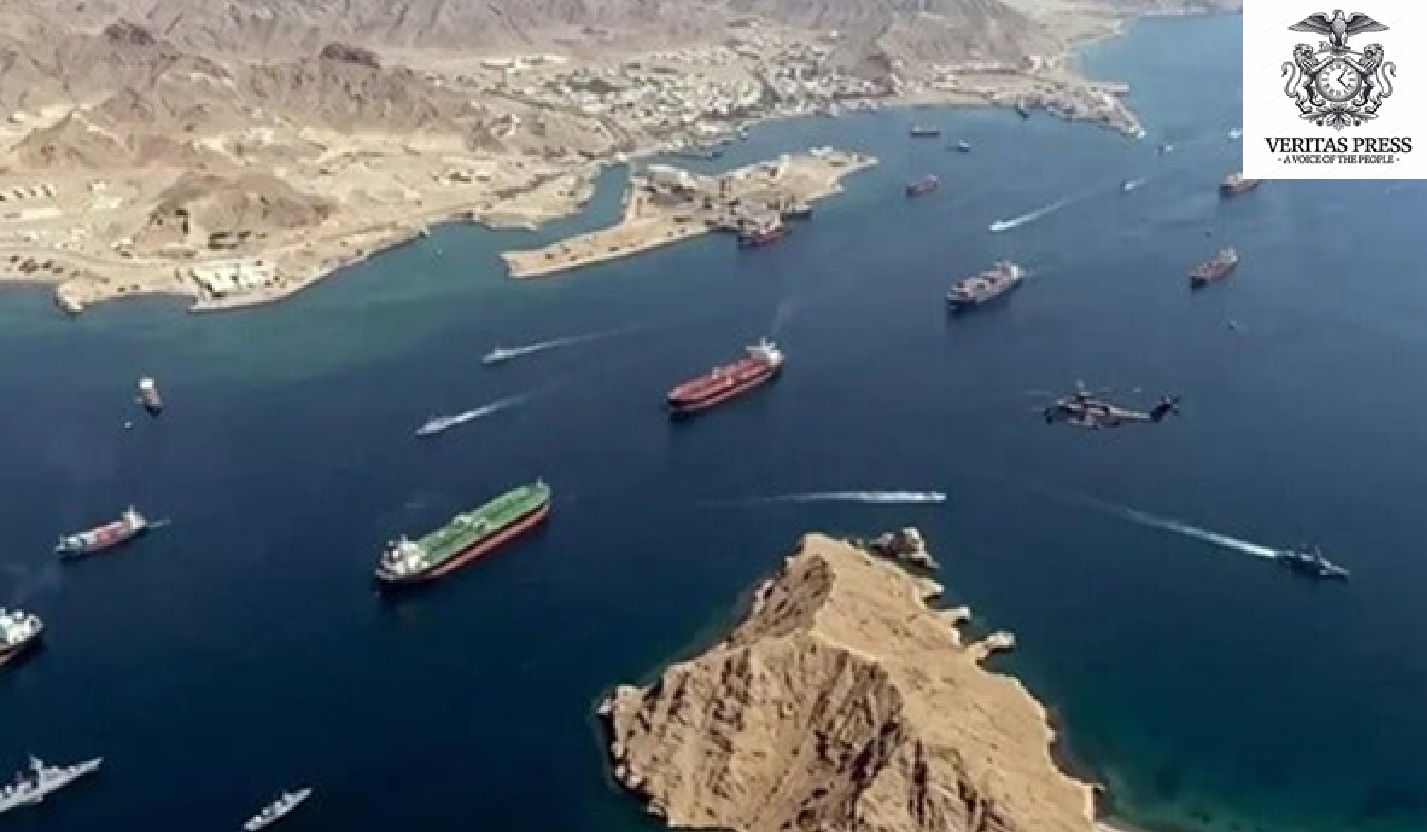
TEHRAN, IRAN – Tensions in one of the world’s most critical energy corridors have sharply escalated after the Islamic Revolutionary Guard Corps (IRGC) Navy seized two commercial vessels and reportedly opened fire on multiple others in a series of incidents that expose the fragility of ongoing ceasefire efforts and the growing militarisation of maritime transit in the Gulf.
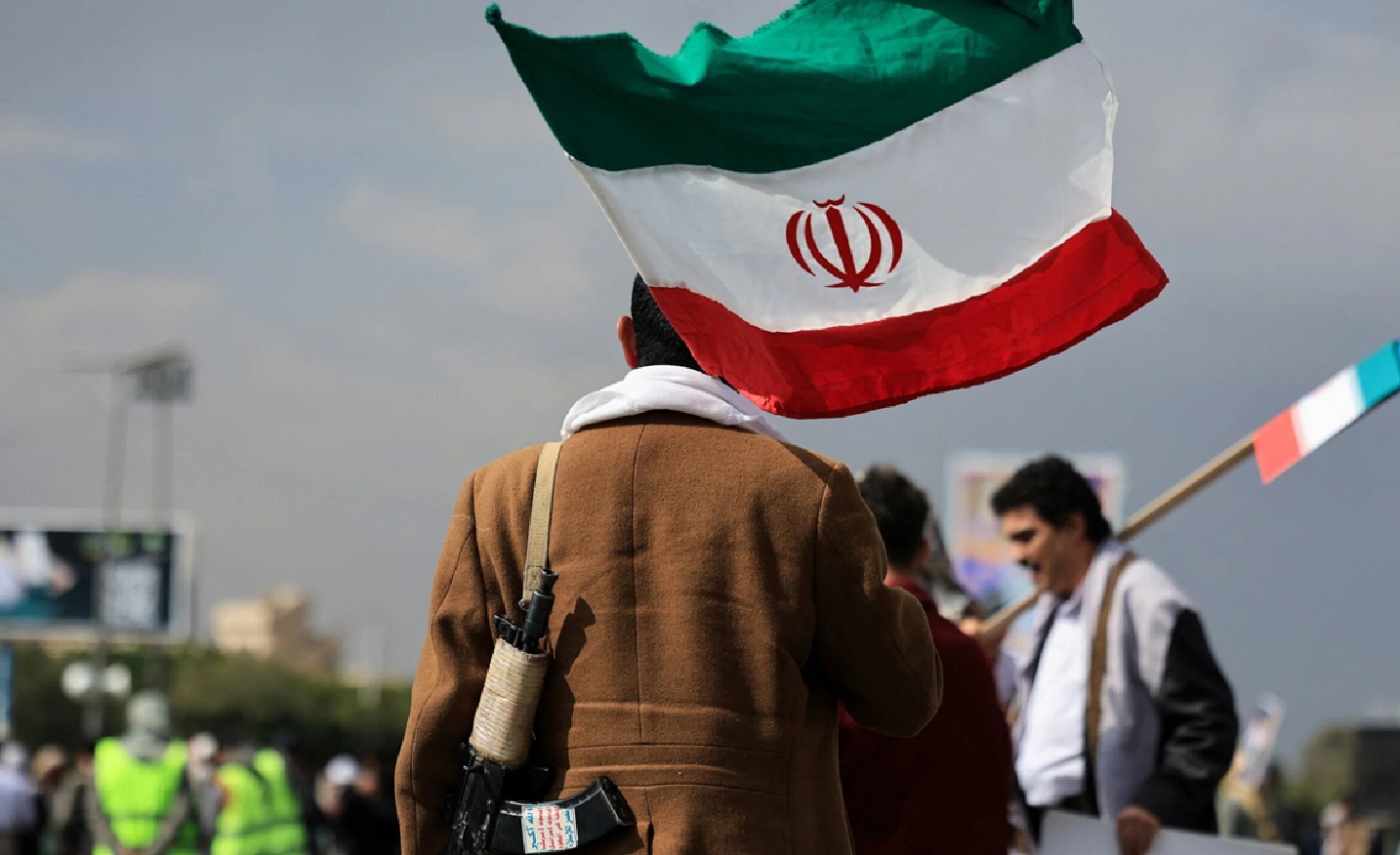
IRGC Narrative: “Intelligence Dominance” And Enforcement.
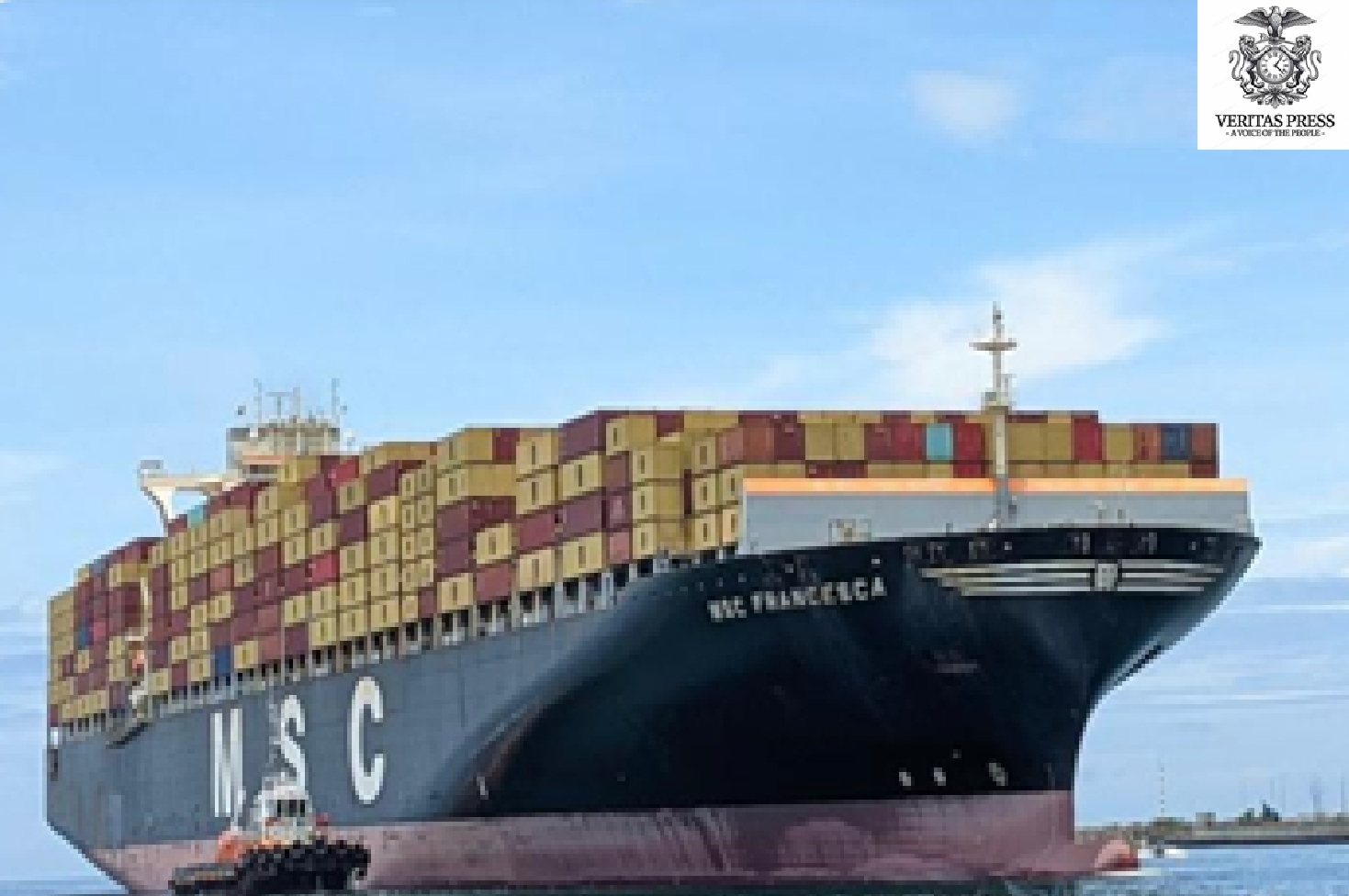
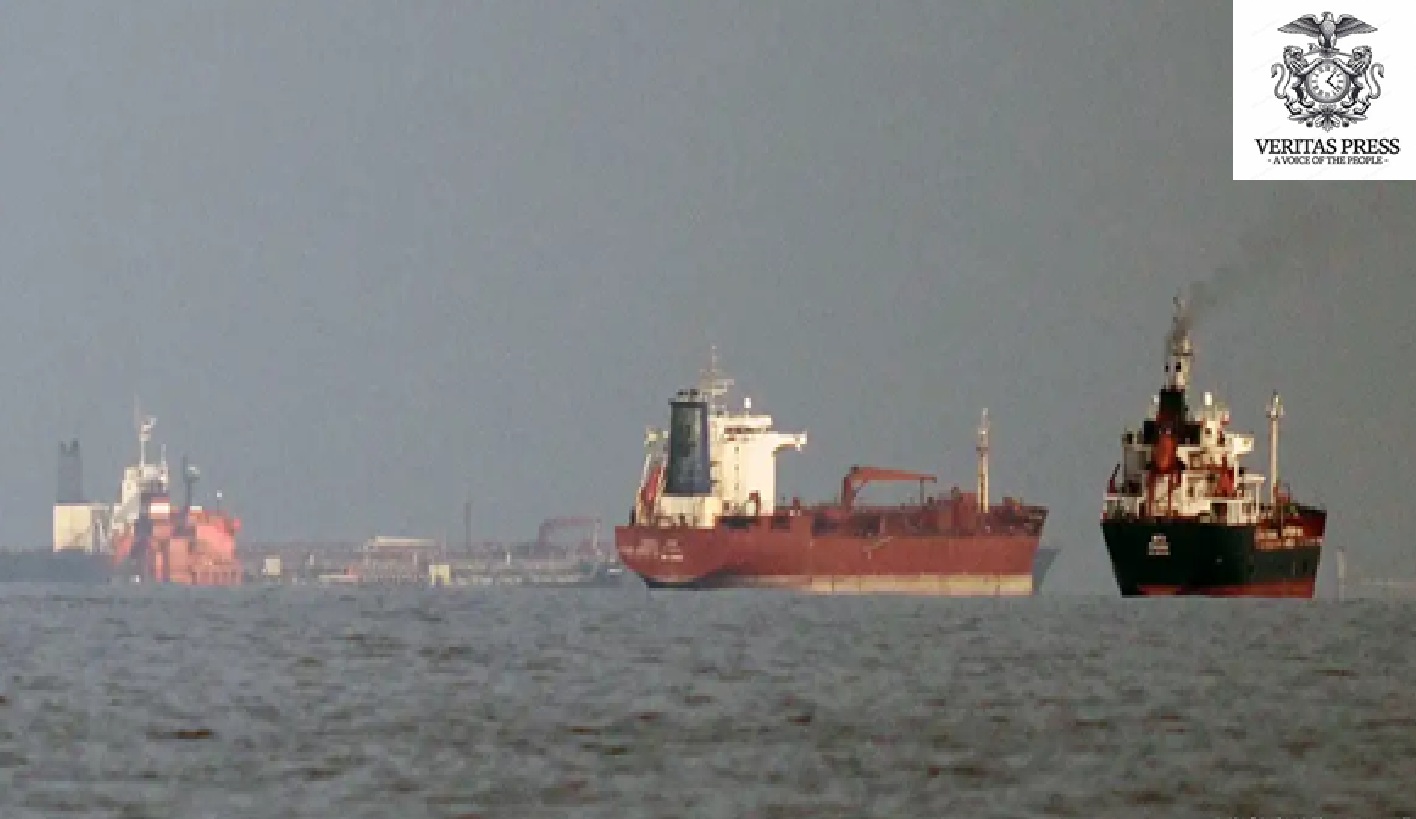
In a detailed statement released Wednesday, the IRGC Navy said it had intercepted and transferred two vessels, MSC Francesca and Epaminodes, into Iranian territorial waters after detecting what it described as repeated maritime violations.
According to the IRGC, the MSC Francesca, which it claimed is linked to “the Israeli regime,” and the Epaminodes were operating without authorisation, tampering with navigation aid systems, and attempting to exit the strait covertly.
“With the intelligence dominance of the forces, these vessels were identified and stopped in order to uphold the rights of the noble Iranian nation in the Strait of Hormuz,” the IRGC Navy said.
The statement further asserted that both ships had been engaged in activities that “endangered maritime security,” adding that Iranian forces are now inspecting their cargo and legal documentation after transferring them ashore.
In a clear warning to international shipping, the IRGC reiterated that any attempt to bypass Iranian transit regulations or disrupt what it calls “safe passage” through the strait would be “continuously monitored” and met with “decisive and legal action.”
Contradictions And Contested Legality:
While Tehran frames the seizures as lawful enforcement, maritime authorities and international observers present a far more alarming picture.
The United Kingdom Maritime Trade Operations (UKMTO) reported that at least three vessels were fired upon during the same time frame, one suffering significant structural damage after being struck by gunfire and rocket-propelled grenades.
Crucially, shipmasters reported no prior radio warnings, an apparent breach of standard maritime engagement protocols.
One captain, cited in maritime security briefings, said the vessel had been “initially informed it had permission to transit,” raising serious doubts over Iran’s claims of unauthorised passage.
A regional shipping security expert described the situation as a “dangerous grey zone,” stating:
“This is being framed as regulation, but the use of force without communication points to coercion rather than enforcement.”
Expanding Pattern: Third Vessel Targeted.
Iranian state media later confirmed that a third vessel, identified as Euphoria, was also targeted and left stranded near Iranian waters, further deepening concerns over a coordinated campaign of pressure in the strait.
Though details remain contested, vessel-tracking data and multiple maritime reports indicate unusual disruptions consistent with hostile engagement.
Strategic Timing Amid Ceasefire Uncertainty:
The escalation comes at a highly sensitive political moment.
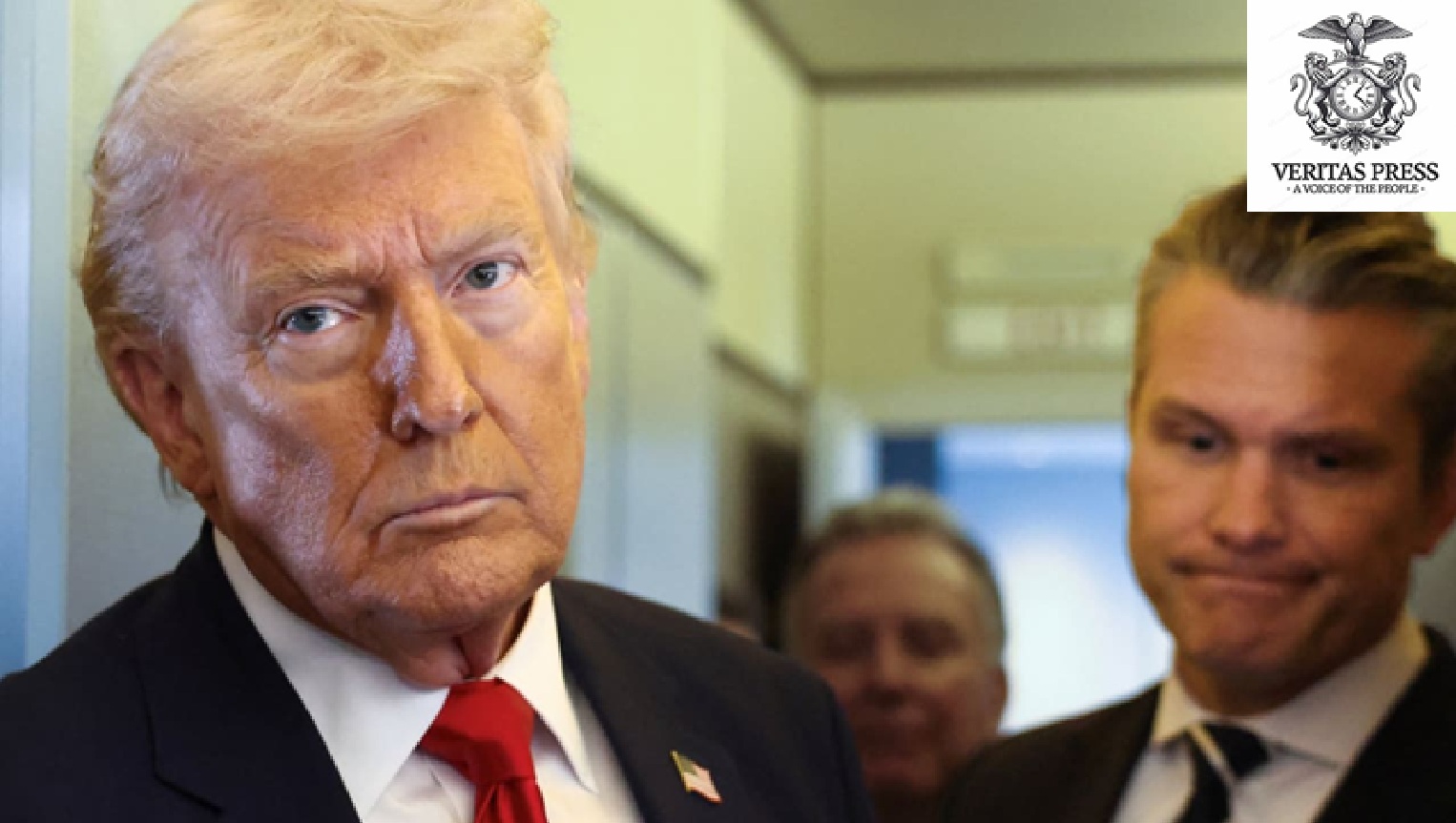
Just hours earlier, the US President Donald Trump announced an extension of a temporary ceasefire with Iran, claiming it would allow time for Tehran to present a “unified proposal” for negotiations.
Yet Iranian officials have shown little confidence in the move. Adviser Mehdi Mohammadi warned the extension could be “a ploy to buy time for a surprise strike,” reflecting deep mistrust between the two sides.
Notably, Iranian state media emphasised that Tehran itself had not requested any ceasefire extension, suggesting a widening disconnect between diplomatic rhetoric and realities on the ground.
“Silent Battlefield” And Hybrid Escalation:
In a follow-up statement, the IRGC signalled that it views the current moment not as de-escalation, but as a continuation of conflict by other means.
Declaring readiness to “confront any new aggression,” the force warned it could deliver “crushing blows” to adversaries, while urging vigilance in what it termed the “silent battlefield” during the “so-called ceasefire.”
Analysts say this language reflects a shift toward hybrid confrontation, where maritime enforcement, economic disruption, and military signalling replace open warfare.
Global Implications And Legal Fault Lines:
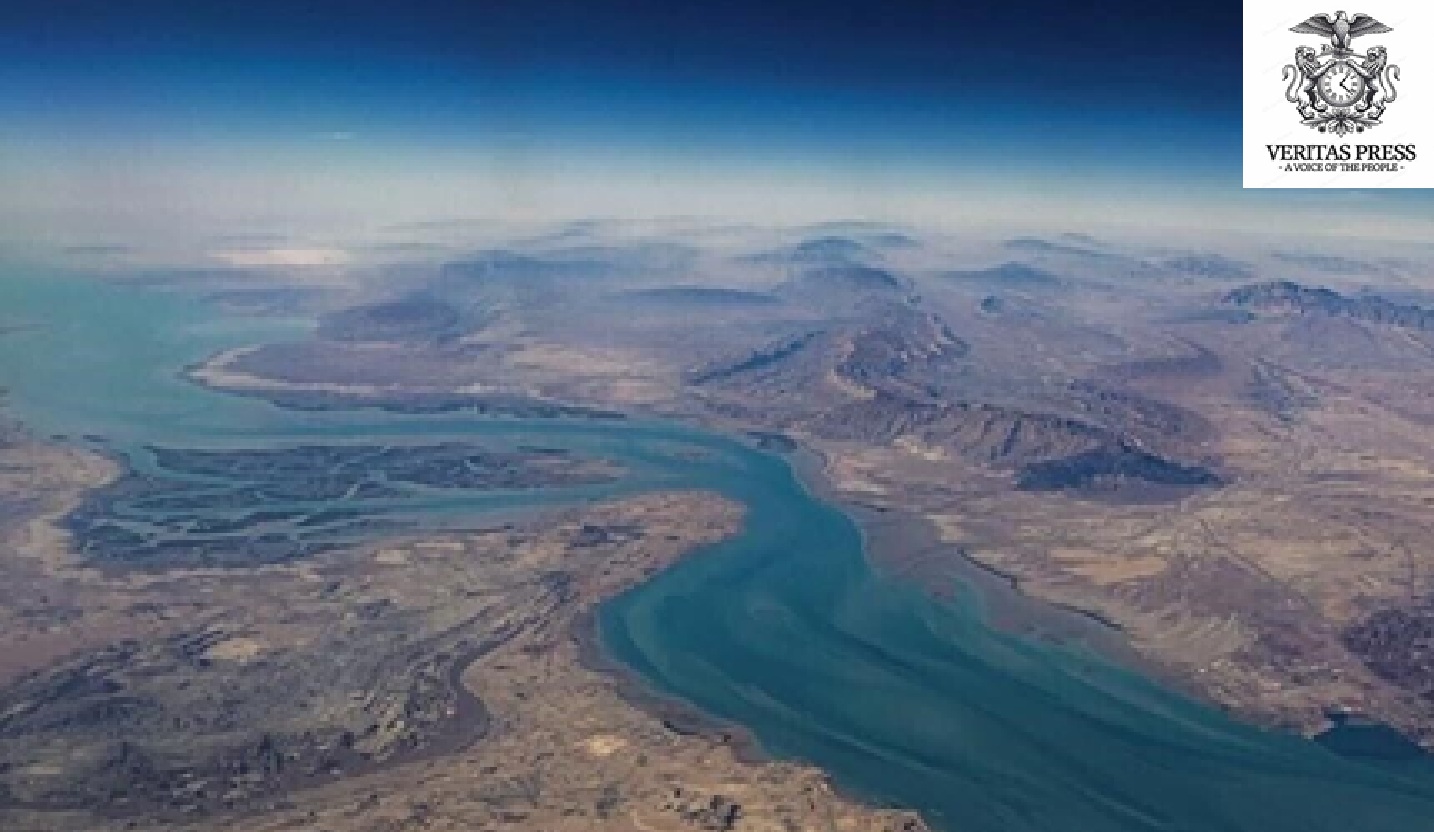
At the heart of the crisis lies a deepening dispute over control of the Strait of Hormuz, a waterway through which roughly 20% of global gas and oil supplies pass.
Under international maritime law, vessels are guaranteed transit passage. However, Iran continues to assert its right to impose conditions and enforce compliance, particularly under heightened security conditions.
Legal experts warn that such unilateral enforcement, especially when backed by armed force, risks undermining international norms and escalating confrontation.
A Middle East Policy Analyst Told Regional Media:
“Iran is redefining enforcement in a way that blurs into strategic leverage. The danger is that commercial shipping becomes a bargaining chip in a geopolitical standoff.”
Voices From The Sea: Fear Among Crews.
Crew Testimonies Paint A Stark Picture Of Uncertainty And Fear.
“There was no warning, just gunfire,” one mariner reportedly said. “We didn’t know if we were under attack or being detained.”
Shipping companies are now reassessing transit through the strait, with some considering delays or rerouting, moves that could disrupt already fragile global supply chains.
A Volatile Trajectory:
The seizure of the MSC Francesca and Epaminodes, reinforced by Iran’s insistence on its “legal authority” and its warnings of decisive action, marks a significant escalation in an already volatile region.
What emerges is a convergence of competing narratives: Iran asserting sovereignty and enforcement, while international observers warn of coercion and destabilisation.
With ceasefire talks uncertain, military rhetoric intensifying, and maritime incidents multiplying, the Strait of Hormuz is once again at the centre of a high-stakes geopolitical confrontation, one where the margin for miscalculation is rapidly narrowing.
Conclusion: Lawfare, Coercion, And A Maritime Order, And A Global Economy Under Strain.
What is unfolding in the Strait of Hormuz is not merely a string of naval confrontations, but a deeper unravelling of the legal, economic, and geopolitical frameworks that underpin global stability.
Iran’s seizure of the MSC Francesca and Epaminodes, justified by the Islamic Revolutionary Guard Corps as enforcement of its maritime regulations, reflects an increasingly assertive doctrine that merges sovereignty claims with coercive enforcement. By invoking “intelligence dominance” while detaining vessels and warning of “decisive action,” Tehran is not simply policing transit; it is actively reshaping the operational realities of one of the world’s most vital trade arteries.
But this escalation is inseparable from the actions of Washington.
The blockade architecture advanced under Donald Trump, targeting Iran’s oil exports and pressuring global shipping, has been widely criticised by legal scholars as a continuing violation of international maritime law. By effectively restricting lawful trade and threatening third-party vessels, the policy has undermined the principle of free navigation while setting a precedent for economic warfare conducted through maritime choke points.
A senior maritime law analyst told regional press:
“You cannot claim to defend freedom of navigation while enforcing measures that choke off an entire country’s or regional access to maritime trade. That contradiction destabilises the legal order itself.”
The result is a dangerous feedback loop: US-led economic coercion invites Iranian countermeasures; Iranian enforcement justifies further Western securitisation. Between them, the Strait of Hormuz is being transformed into a contested space where law is selectively interpreted and increasingly irrelevant.
However, the consequences are no longer confined to legal theory or regional geopolitics.
The disruption of shipping lanes through Hormuz, through seizures, attacks, and heightened risk, has begun to ripple across global markets. Energy flows are tightening, insurance costs are surging, and supply chains are once again under strain. Economists warn that sustained instability in a corridor through which roughly a fifth of the world’s oil passes is inherently inflationary.
A Gulf-based energy economist noted:
“When Hormuz becomes unstable, energy prices spike. When energy prices spike, everything from food to transport follows. This is how regional conflict translates into global inflation.”
Shipping executives have already reported rerouting considerations and delays, developments that historically precede broader economic slowdowns. Combined with ongoing geopolitical tensions and fragile post-pandemic recovery trends, analysts warn that prolonged disruption could push already strained economies toward contraction.
Some financial observers are increasingly blunt:
“If this trajectory continues, restricted energy flows, militarised trade routes, rising costs, you are looking at the early conditions of a global downturn, potentially even a global depression scenario.”
In this sense, the crisis in the Strait of Hormuz is no longer just about Iran and the United States. It is about the weaponisation of interdependence itself, where global trade, energy supply, and legal norms are leveraged as tools of pressure, with cascading consequences for economies far beyond the Gulf.
For crews navigating these waters, the danger is immediate: gunfire without warning, detention without clarity, a legal vacuum shaped by force. For the wider world, the threat is slower but potentially more devastating, a steady erosion of stability in the systems that sustain global commerce.
As ceasefire rhetoric obscures escalating confrontation on this “silent battlefield,” the stakes are no longer limited to regional escalation. They extend to the integrity of international law, the resilience of global markets, and the economic security of millions.
The Strait of Hormuz is no longer just a chokepoint for gas and oil; it is becoming a fault line for the global order itself.
Source: Multiple News Agencies
Submissions:
For The Secure Submission Of Documentation, Testimonies, Or Exclusive Investigative Reports From Any Global Location, Please Utilise The Following Contact Details For Our Investigations Desk: enquiries@veritaspress.co.uk or editor@veritaspress.co.uk
Help Support Our Work:
Popular Information is powered by readers who believe that truth still matters. When just a few more people step up to support this work, it means more lies exposed, more corruption uncovered, and more accountability where it’s long overdue.
Help Protect Independent Journalism, Which Is Currently Under Attack.
If you believe journalism should serve the public, not the powerful, and you’re in a position to help, becoming a DONATOR or a PAID SUBSCRIBER truly makes a difference.
DONATION APPEAL: If You Found This Reporting Valuable, Please Consider Supporting Independent Journalism.
Help Support Our Work – We Know, We Know, We Know …
Seeing these messages is annoying. We know that. (Imagine what it’s like writing them … )
Your support fuels our fearless, truth-driven journalism. In unity, we endeavour to amplify marginalised voices and champion justice, irrespective of geographical location.
But it’s also extremely important. One of Veritas Press’s greatest assets is its reader-funded model.
1. Reader funding means we can cover what we like. We’re not beholden to the political whims of a billionaire owner. We are a small, independent and impartial organisation. No one can tell us what not to say or what not to report.
2. Reader funding means we don’t have to chase clicks and traffic. We’re not desperately seeking your attention for its own sake: we pursue the stories that our editorial team deems important and believe are worthy of your time.
3. Reader Funding: enables us to keep our website and other social media channels open, allowing as many people as possible to access quality journalism from around the world, particularly those in places where the free press is under threat.
We know not everyone can afford to pay for news, but if you’ve been meaning to support us, now’s the time.
Your donation goes a long way. It helps us:
Keep the lights on and sustain our day-to-day operations
Hire new, talented independent reporters
Launch real-time live debates, community-focused shows, and on-the-ground reporting
Cover the issues that matter most to our communities, in real time, with depth and integrity
We have plans to expand our work, but we can’t do it without your support. Every contribution, no matter the size, helps us stay independent and build a truly people-powered media platform.
If you believe in journalism that informs, empowers, and reflects the communities we serve, please donate today.
Kamran Faqir is a volunteer investigative journalist and writer committed to exposing hidden truths and amplifying underreported stories. Driven by social justice, he brings sharp insight and fearless truth-telling to independent journalism. NUJ registered.
SEATTLE, TEHRAN — The U.S. Department of Homeland Security (DHS) will allow Iran’s national football team to enter the country 48 hours before their critical World Cup match against Egypt on Friday, a modest concession in a tournament where Team Melli’s travel conditions have sparked claims of oppression and competitive disadvantage.