Kamran Faqir is a volunteer investigative journalist and writer committed to exposing hidden truths and amplifying underreported stories. Driven by social justice, he brings sharp insight and fearless truth-telling to independent journalism. NUJ registered.
Article Date Published:
Article Date Modified:
17 minutes
Views:389
Listen to this article
Help support our mission, donate today and be the change. Every contribution goes directly toward driving real impact for the cause we believe in.
How This Year’s Eid Al-Adha 2026, Holiday, Marked By Mass Prayer At Al-Aqsa, A Massacre In Gaza, And Relentless West Bank Raids, Exposes The Machinery Of Occupation, The Failure Of International Protection, And The Erasure Of Joy As An Act Of Resistance.
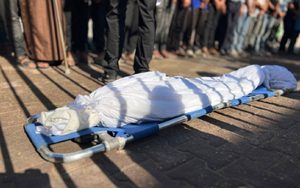
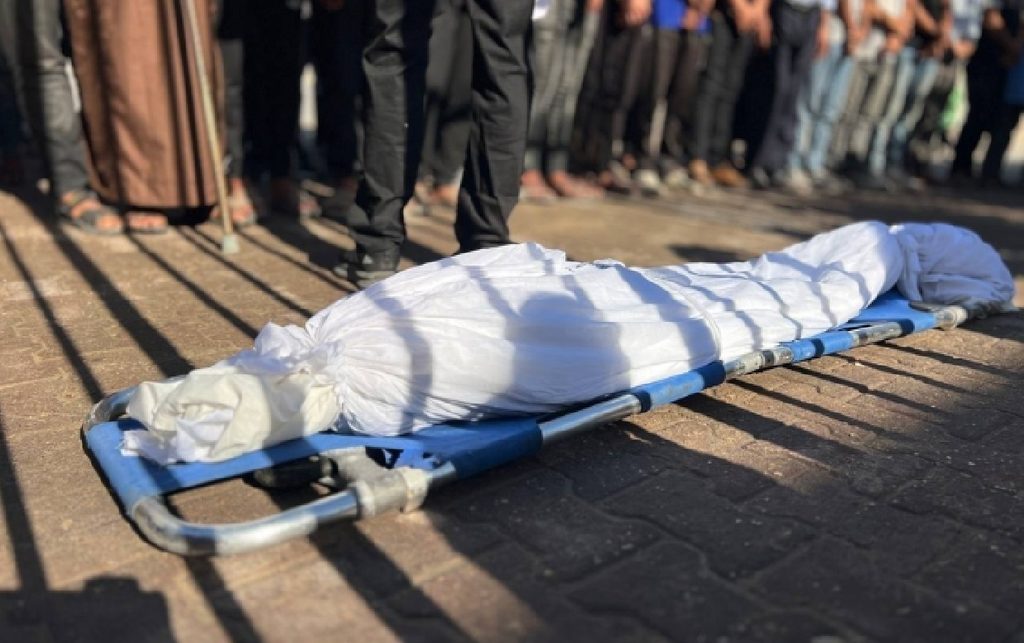
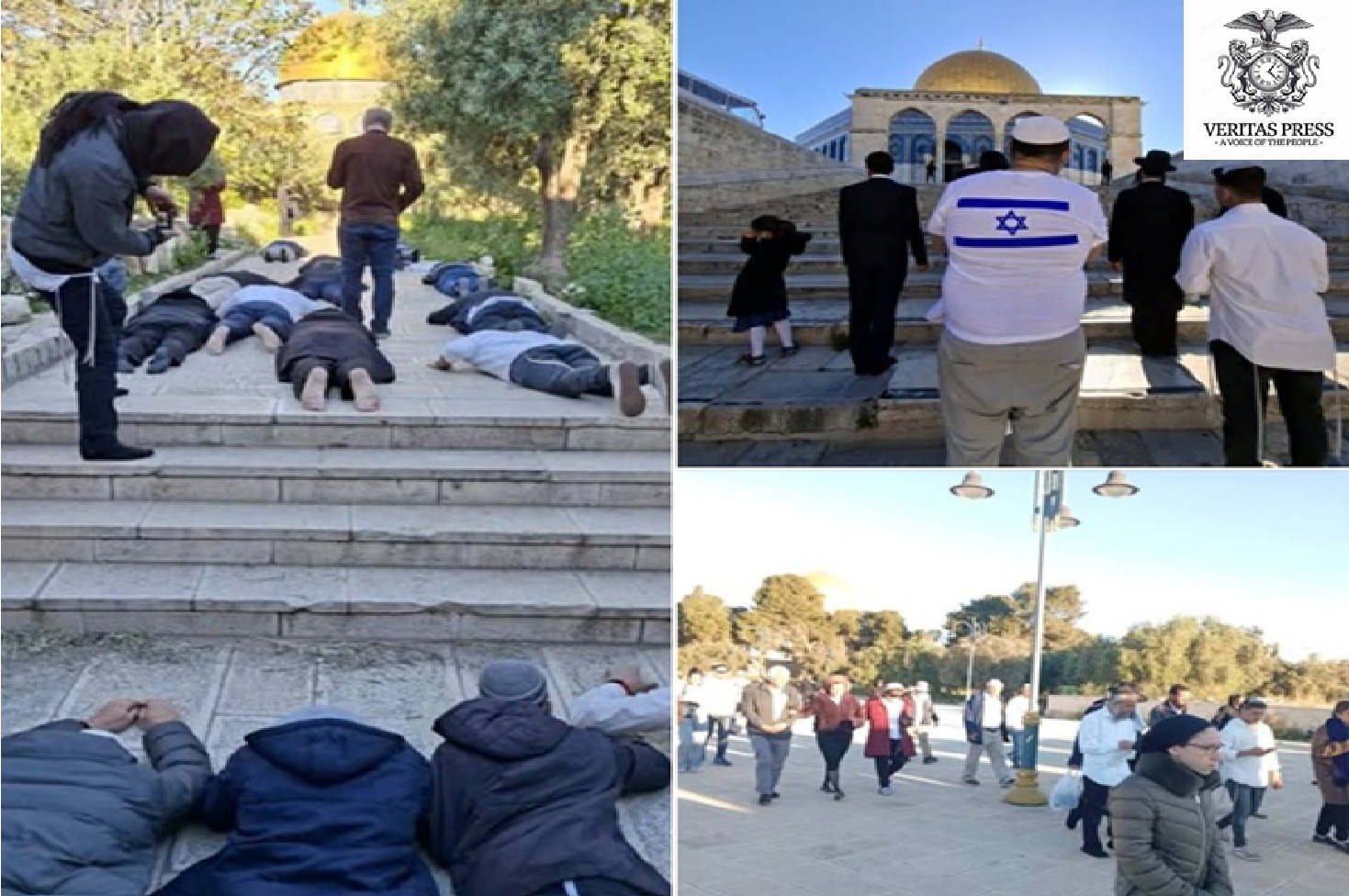
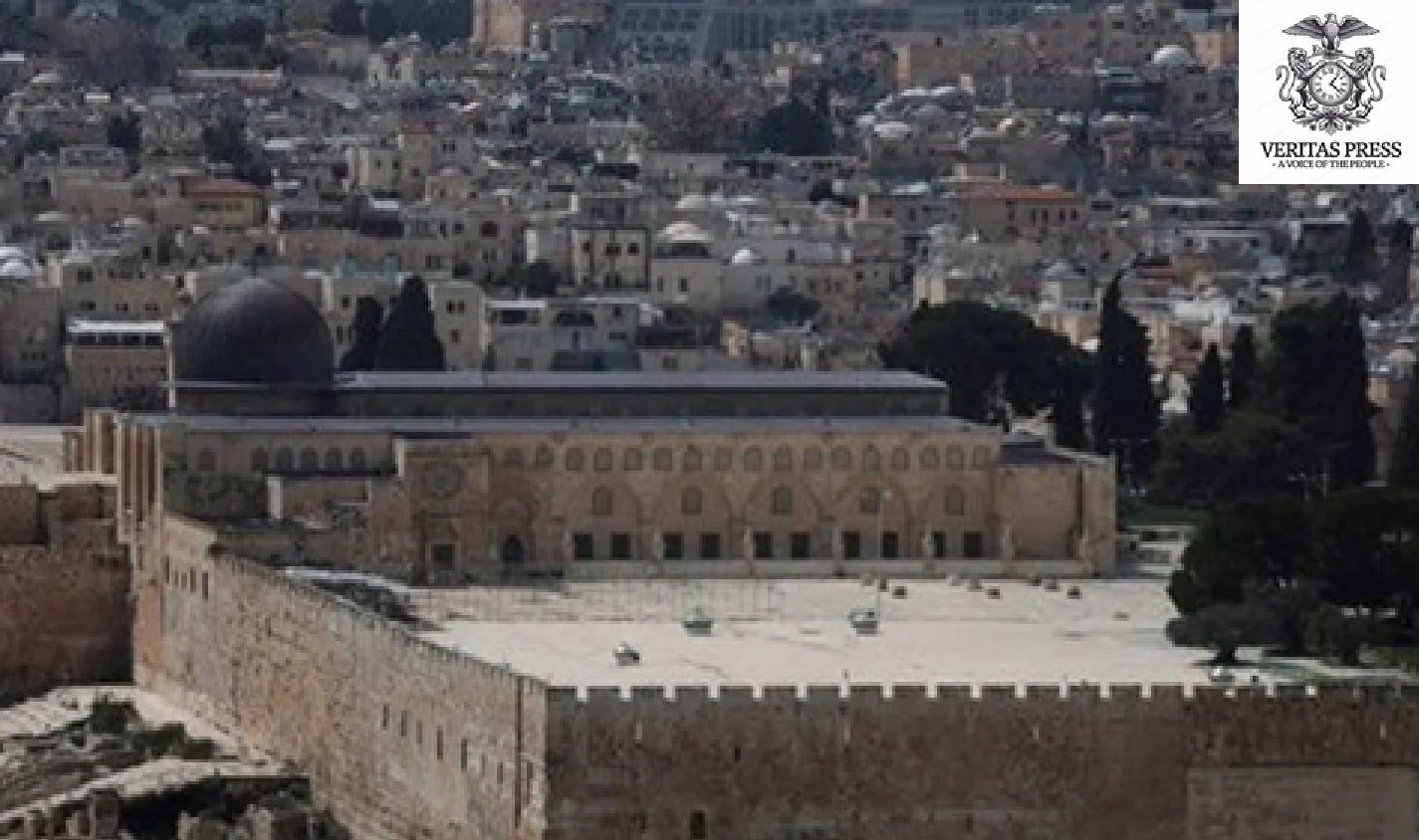
JERUSALEM/GAZA/RAMALLAH — On the first morning of Eid al-Adha 2026, two images collided across the fractured Palestinian landscape. In occupied East Jerusalem, some 140,000 worshippers raised their hands in unison beneath the golden Dome of the Rock, their takbeerat reverberating off ancient stone despite the metallic click of Israeli rifle straps and the drone of surveillance zeppelins overhead. Three hours earlier and 80 kilometres southwest, in Gaza City’s Al-Rimal neighbourhood, rescue workers pulled the body of seven-year-old Yara Abu Shaaban from the rubble of her family’s apartment, her new Eid dress—bought after her father sold his wife’s last gold earring, still folded in a plastic bag beside her. She had been killed, along with five others, in an Israeli airstrike that landed just before dawn.
These are not parallel realities; they are the same reality, carved by the same political architecture that has turned Palestinian life into a series of grim contrasts. This year, as Muslims around the world embraced loved ones and shared sacrificial meat, Palestinians observed the Feast of Sacrifice under conditions that made sacrifice literal, not symbolic, and the international community met their suffering with the ritualised silence of carefully worded statements that expire upon publication.
“You Cannot Stop Prayer”: The Battle For Al-Aqsa.
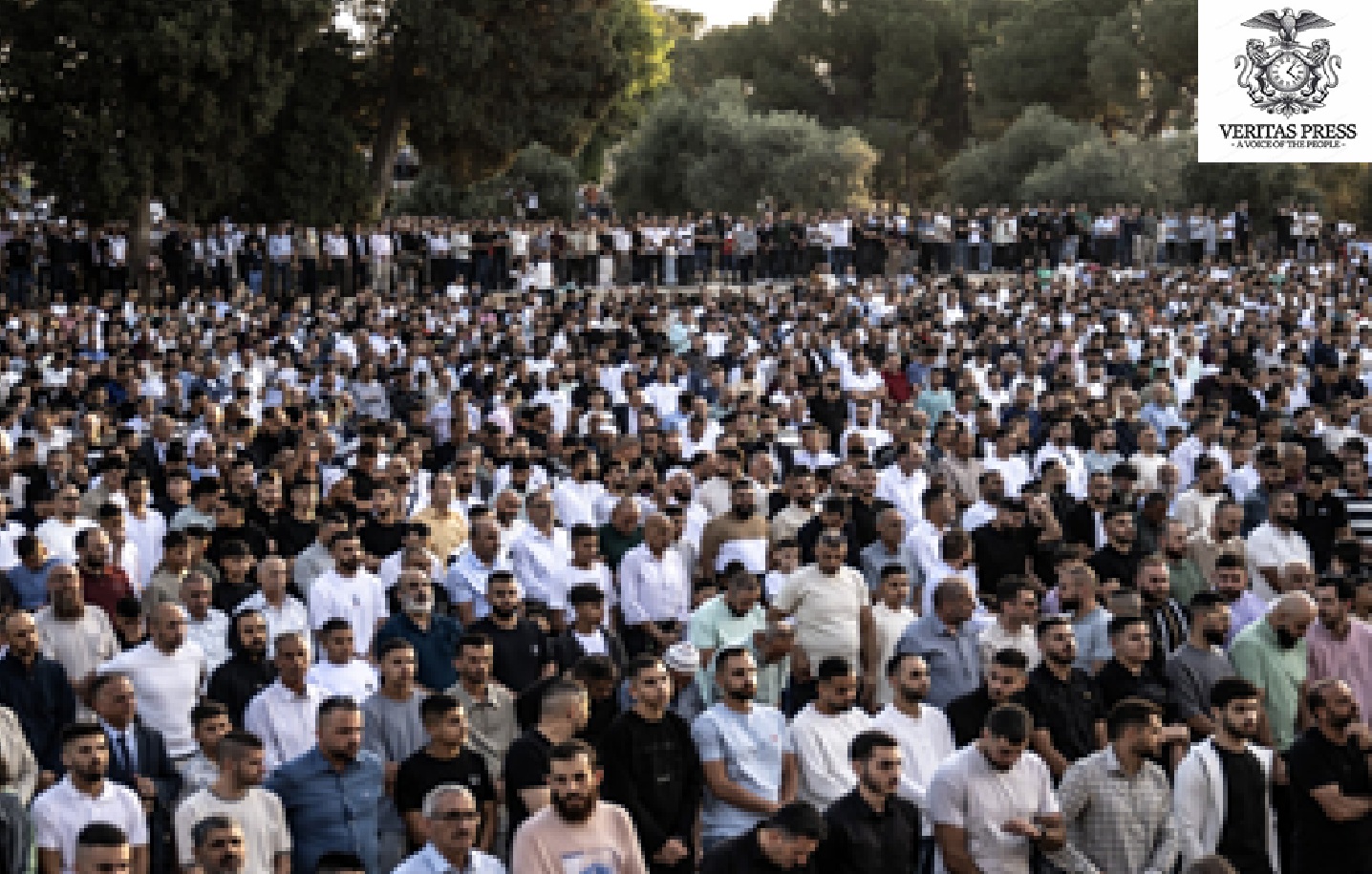
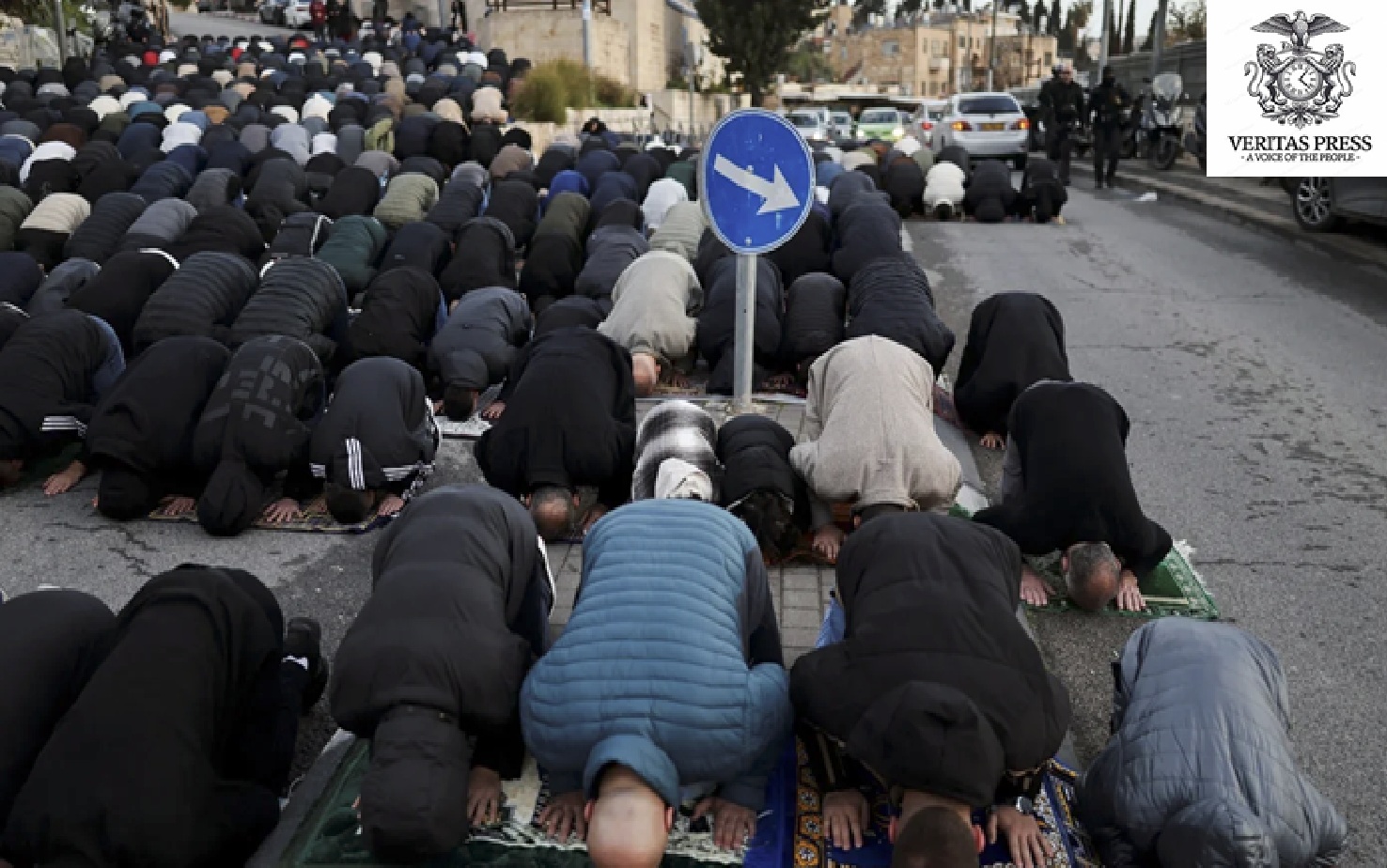
At 5:47 a.m., the first call to prayer rang from the minarets of Al-Aqsa. By 6:30 a.m., the sprawling esplanade, the third-holiest site in Islam and the gravitational centre of Palestinian identity, was a sea of bodies pressed shoulder to shoulder. The Islamic Waqf Department, the Jordanian-administered body that oversees the compound, officially estimated attendance at 140,000. Independent observers, including local journalists, suggested the number was likely higher.
But Getting There Had Become A Gauntlet.
Since October 2023, Israeli authorities have imposed an ad hoc, often unannounced, system of checkpoints, age restrictions, and permit revocations that effectively bar the vast majority of West Bank Palestinians from reaching Jerusalem for Friday and holiday prayers. During Ramadan 2026 and the subsequent escalation of the US-Israeli military campaign against Iran earlier this spring, those measures hardened into near-total closure. For Eid al-Adha, however, a limited number of permits were issued, though activists report widespread inconsistencies, with many families split across checkpoints, husbands granted access while wives were turned back, fathers over 50 allowed through while sons under 30 were refused.
“I waited at Qalandiya checkpoint for four hours,” said Umm Muhammad, a 58-year-old woman from Ramallah who asked to be identified by her kunya for fear of reprisal. “The soldier looked at my ID, then at my face, then at his phone. He didn’t say a word. He just waved his hand. I’m 58 years old. What threat am I? The threat is that I want to pray in my own sanctuary. That is the threat.”
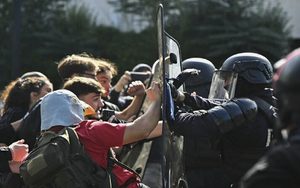
Inside the Old City, Israeli police and Border Police units were omnipresent. Witnesses described officers shoving worshippers, forcing women to remove headscarves for “security checks” near the Hitta Gate, and detaining at least three individuals, including Islamic Waqf employee Firas al-Dibs and Palestinian journalist Saif al-Qawasmi. Al-Qawasmi was later released on condition that he stay away from Al-Aqsa for one week and report for further interrogation—a pattern of press harassment documented extensively by the Palestinian Journalists Syndicate and the Committee to Protect Journalists.
The Israeli police, in a brief statement emailed to journalists, said they had “ensured the safety and order of the holiday prayers, preventing attempts by hostile elements to disturb the peace.” When pressed for details on the woman whose hijab was removed, a spokesperson declined to comment, citing an ongoing internal review.
Yet the prayer itself was undeniable. For two hours, the compound belonged to the worshippers. “When you stand there, you forget the checkpoints, the soldiers, the humiliation,” said Sheikh Ikrima Sabri, the former Grand Mufti of Jerusalem and a long-time preacher at Al-Aqsa, in a phone interview. “You are with God. But the occupation hopes that one day we will grow tired. They do not understand that Al-Aqsa is not a building. It is the soul of these people.”
The Eid sermon, delivered by a younger imam appointed by the Waqf, was notably political. “We pray for our brothers and sisters in Gaza,” he said, his voice cracking through the loudspeakers. “We ask the world: where is your Eid? Where is your humanity? The blood of children has become cheaper than water in the eyes of the powerful.”
Al-Rimal: A Massacre Before Dawn.
While Jerusalem stirred with the sounds of devotion, Gaza stirred with the sounds of death.
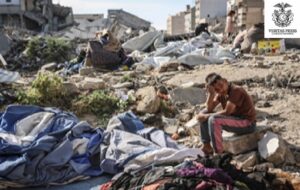
At approximately 2:30 a.m. on the first day of Eid, Israeli warplanes dropped at least two precision-guided munitions on a residential building in Al-Rimal, an upscale neighbourhood in western Gaza City that has been repeatedly shelled over the past 34 months of genocide. The strike killed six Palestinians, including three children, and injured more than ten, according to the Gaza Health Ministry. The ministry’s morning update included a grim appendix: “Victims remain under the rubble and in areas inaccessible to civil defence crews due to ongoing artillery shelling and fuel shortages.”
Al Mayadeen correspondent Youssef al-Helou was among the first on the scene. “I arrived before Fajr prayer,” he recounted via voice message, his voice hoarse with exhaustion. “People were digging with their hands. There was no electricity, no ambulance sirens yet—just screaming. A man kept repeating, ‘It’s Eid, it’s Eid, they killed them on Eid.’ As if the day of Eid makes it more evil. As if the other 600 days were less evil.”
The strike on Al-Rimal was not an isolated incident. In the final 48 hours before Eid, Israeli forces intensified operations across the Strip: artillery pounded eastern Khan Yunis, an airstrike hit a group of civilians near the former Netzarim corridor, and naval boats opened fire on fishing vessels off the coast of Deir al-Balah. The Gaza Health Ministry reported 13 killed and 57 wounded in that window, with the overall death toll since October 7, 2023, officially surpassing 72,757, a number widely considered an undercount given the thousands buried in mass graves or still trapped beneath collapsed buildings.
The Israeli military, in a standard operational statement, said it had targeted “a Hamas command and control centre embedded within civilian infrastructure” in Al-Rimal. No evidence was provided. When later questioned at a press briefing, an IDF spokesman admitted the target had been “based on real-time intelligence” but declined to comment on the civilian casualties, stating only that the incident was “under review.”
For the survivors, review means nothing. Nidal Abu Shaaban, the father of Yara, stood outside Al-Shifa Hospital, itself partially destroyed in previous operations but still functioning as a triage centre, and clutched his daughter’s Eid dress. “I bought it from a street vendor two days ago,” he said, his voice flat. “It cost 200 shekels. I sold my wife’s earrings. She said, ‘Let Yara have one day of happiness.’ What happiness? Look at her. Look at what happiness looks like here.”
The Third Year Without Hajj, Without Sacrifice.
Eid al-Adha is traditionally inseparable from two acts: the completion of the Hajj pilgrimage and the ritual slaughter of livestock to share with the poor. For the third consecutive year, both have been stolen from Gaza.
Since the Rafah crossing was sealed and the Israeli military dismantled large sections of the border infrastructure in May 2024, no Palestinian from Gaza has been able to travel for Hajj. The Saudi Ministry of Hajj and Umrah, which issues quotas for pilgrims from around the world, confirmed that Gaza’s allocation has gone unused since 2023, a quiet bureaucratic note that encodes an immense collective grief.
“My father was on the waiting list for 12 years,” said Huda al-Masri, a teacher from Jabalia now sheltering in a tent in Mawasi. “He died in November, not from a bomb but from an infection, no antibiotics. He never got to make Hajj. Now I sit here in this tent, and I think: even if I survive, will I ever go? Will there ever be a day when a border is just a border, not a cage?”
The sacrificial rites have collapsed in tandem. Gaza’s Ministry of Agriculture reported that over two million Palestinians will mark Eid without a sacrificial animal for the third year running. Livestock imports, once reaching up to 20,000 cattle and 40,000 sheep per Eid season, have ground to zero. The few animals that remain within the Strip sell for exorbitant sums, reports from Deir al-Balah markets cite a single sheep priced at $7,000, far beyond the reach of a population where over 90% faces crisis-level food insecurity according to the Integrated Food Security Phase Classification.
“This is not just about the economy,” said Mahmoud al-Khuzundar, director of the Gaza Farmers’ Union, speaking via a crackling satellite connection. “It’s about the deliberate destruction of an entire food system. Israel has bombed our farms, our water treatment plants, and our veterinary clinics. There are farmers in Khan Yunis whose orchards, years of work, are now IDF military outposts. Even if the war stopped tomorrow, it would take a decade to rebuild. And they’re not stopping.”
West Bank: Eid As A Counterinsurgency Operation.
In the occupied West Bank, where large-scale airstrikes are rarer but systemic violence has accelerated, the first day of Eid was marked by a wave of military raids, arrests, and settler attacks that reinforced the territory’s transformation into a continuous arena of low-intensity warfare.
The Palestinian Prisoners Society reported that Israeli forces conducted at least 27 arrest raids across the territory between Tuesday night and Wednesday morning, targeting Nablus, Hebron, Jenin, Tubas, Jericho, and several villages near Ramallah. In Jenin refugee camp, where the Israeli military has maintained a near-constant operational posture since the spring of 2025, families of slain Palestinians were prevented from visiting the camp’s cemetery, a long-standing Eid tradition, with soldiers firing tear gas and rubber-coated bullets at groups attempting to approach. “They killed my son in November,” said Umm Fadi, a woman in her sixties who refused to give her full name. “We just wanted to put flowers on his grave. They called it a ‘security disturbance.’ A mother and flowers, a security disturbance.”
Simultaneously, settler violence surged. Near the village of Turmus Ayya, east of Ramallah, a group of masked settlers reportedly stole a Palestinian vehicle at gunpoint. Outside Jenin, settlers torched a car belonging to a farmer returning from morning prayer. Over the past 18 months, the UN Office for the Coordination of Humanitarian Affairs has recorded a 340% increase in settler attacks against Palestinians, most occurring in the presence of Israeli security forces and virtually none resulting in prosecutions.
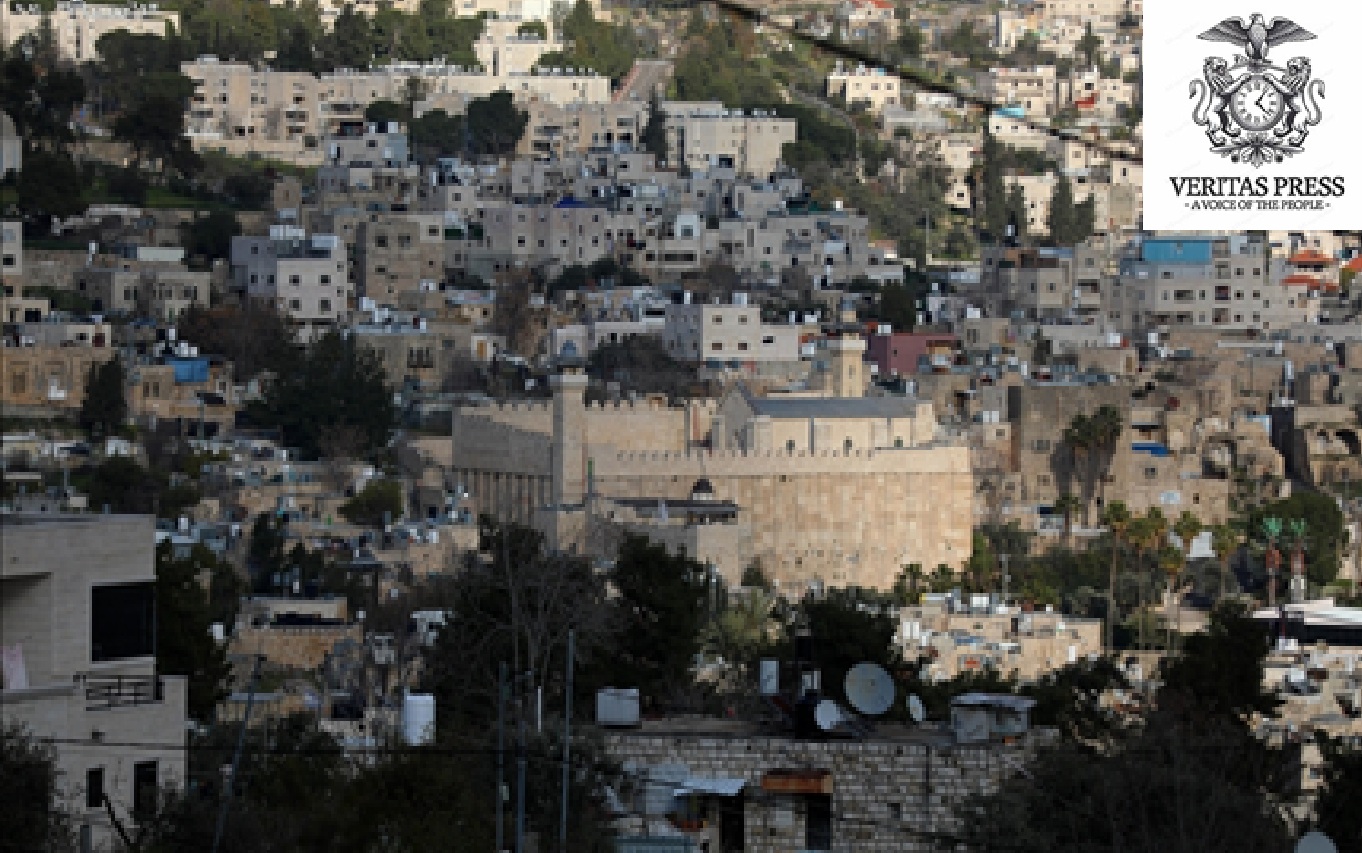
At the Ibrahimi Mosque in Hebron, Israeli forces installed additional metal detectors, closed several entrances, and deployed stun grenades to disperse a crowd of worshippers attempting to pray outside the restricted perimeter. Only a fraction of the mosque’s usual Eid congregation was able to attend. The Waqf in Hebron issued a statement calling the measures “a collective punishment that violates the most basic rights of worship.”
“They want us to break,” said Issa Amro, the Hebron-based human rights activist and founder of Youth Against Settlements, reached by phone. “They think if they close the mosque enough times, we’ll forget it’s there. But every restriction makes us more attached. Every stun grenade is a reminder that we are not normal, and that’s their greatest failure. They cannot make the occupation normal.”
The Architecture Of Duality:
What makes this Eid particularly searing is not just the suffering, but the system that produces its asymmetries. International law, in the abstract, forbids the collective punishment, the targeting of civilians, the denial of religious freedom, and the transfer of an occupying power’s population into occupied territory. All of these are occurring daily, documented meticulously by UN commissions, the International Court of Justice, the International Criminal Court, and a constellation of human rights organisations. And yet, Eid 2026 arrived with the same predictable choreography: a flurry of pre-holiday “calls for restraint” from diplomatic capitals, a spike in violence, a handful of condemnations, and the steady continuation of arms transfers and political cover.
The United States, which, under the current administration, has deepened its military and economic partnership with Israel, fast-tracking $14 billion in additional military aid in March 2026, issued a statement on the eve of Eid expressing “concern for civilian casualties” while reiterating Israel’s “right to self-defence.” The European Union’s High Representative condemned the violence “on all sides” and urged “restraint.” Neither mentioned accountability mechanisms, nor did they reference the ICJ’s January 2026 advisory opinion that affirmed the illegality of Israel’s prolonged occupation and called for an end to settlement activity and annexation.
“Diplomacy has become an exercise in euphemism,” said Omar Shakir, Israel and Palestine Director at Human Rights Watch, in an email interview. “When the same governments that impose sanctions on other states for far less severe violations continue to arm and shield Israel, the message is unmistakable: Palestinian lives are valued differently. Eid or no Eid, the framework of international law is suspended in this context, and everyone can see it.”
This structural impunity is the engine that produces two Eids: one in which worshippers, defying immense pressure, fill a holy sanctuary with prayer; another in which a father clutches a small dress and wonders if God is listening. It is not a tragedy born of chaos, but of meticulous design.
The Journalists Who Refuse To Look Away:
Amid the devastation, Palestinian journalists have continued to document the genocide at extraordinary personal cost. Since October 2023, at least 206 media workers have been killed in Gaza, according to the Palestinian Journalists Syndicate—the highest toll for journalists in any conflict in modern history. On this Eid day alone, Israeli forces detained Saif al-Qawasmi inside Al-Aqsa and arrested Firas al-Dibs, a Waqf employee whose work included media relations. In Gaza, correspondents like Youssef al-Helou filed reports while fasting, grieving, and dodging shrapnel.
The international media, by contrast, has often flattened this reality. A content analysis by Media Lens of the top five English-language news networks covering the Eid period found that reports on “access restrictions at Al-Aqsa” were overwhelmingly framed as security measures, while the deliberate starvation of Gaza, recognized by the ICC prosecutor as a potential act of genocide, was routinely described in passive, meteorological language: “hunger deepens,” “crisis worsens,” as if these were natural disasters rather than policy choices.
It is worth asking: what would be different if the headlines on the first day of Eid read, “Israel Bombs Residential Building Hours Before Eid, Killing Six” instead of “Clashes Erupt in Jerusalem After Prayers”? The ordering of facts, the selection of active versus passive voice, the foregrounding of Israeli security framing these are not trivial. They shape public consciousness. They shape diplomatic will. And ultimately, they shape the conditions under which a seven-year-old girl can be obliterated on a holiday morning with the world issuing only recycled expressions of concern.
“We Are Still Here”: The Refusal To Vanish.
And yet, the story does not end with victimhood. The 140,000 who reached Al-Aqsa, the mothers who defied tear gas to visit graves, the men who dug through Al-Rimal’s rubble with bleeding hands, the imams who spoke truth when silence would have been safer, these acts constitute a collective insistence on existence that no bomb or checkpoint can extinguish.
In the Jabalia refugee camp, where large swathes have been reduced to craters, a group of young men organised an impromptu Eid celebration for displaced children: a single sheep was slaughtered with donated funds, and small portions of meat were distributed to families who had eaten little beyond canned beans for months. In a tent in Rafah, a woman painted henna on her daughter’s hands using a paste she made from tea leaves and flour because real henna has become a luxury. “She asked me if we were poor,” the mother said, laughing bitterly. “I told her, ‘No, habibti, we are the richest people in the world, because we still have each other.’ She believed me. For five minutes, she believed me.”
This is not sentimentalism. It is the residue of resistance that persists when all other forms have been crushed. It is the quiet, stubborn, often unseen labour of refusing to let genocide have the final word on what it means to be Palestinian.
In Jerusalem, as the Eid prayer concluded and worshippers streamed out of Al-Aqsa’s gates, a young man stood on the steps and shouted into the crowd: “Next Eid, may we pray in a free Palestine!” The police moved toward him, but he was already gone, absorbed into a crowd that still, somehow, impossibly harboured that prayer.
Source:Veritas Press C.I.C. | Multi News Agencies
Submissions:
For The Secure Submission Of Documentation, Testimonies, Or Exclusive Investigative Reports From Any Global Location, Please Utilise The Following Contact Details For Our Investigations Desk: enquiries@veritaspress.co.uk or editor@veritaspress.co.uk
Help Support Our Work:
Popular Information is powered by readers who believe that truth still matters. When just a few more people step up to support this work, it means more lies exposed, more corruption uncovered, and more accountability where it’s long overdue.
Help Protect Independent Journalism, Which Is Currently Under Attack.
If you believe journalism should serve the public, not the powerful, and you’re in a position to help, becoming a DONATOR or a PAID SUBSCRIBER truly makes a difference.
DONATION APPEAL: If You Found This Reporting Valuable, Please Consider Supporting Independent Journalism.
Help Support Our Work – We Know, We Know, We Know …
Seeing these messages is annoying. We know that. (Imagine what it’s like writing them … )
Your support fuels our fearless, truth-driven journalism. In unity, we endeavour to amplify marginalised voices and champion justice, irrespective of geographical location.
But it’s also extremely important. One of Veritas Press’s greatest assets is its reader-funded model.
1. Reader funding means we can cover what we like. We’re not beholden to the political whims of a billionaire owner. We are a small, independent and impartial organisation. No one can tell us what not to say or what not to report.
2. Reader funding means we don’t have to chase clicks and traffic. We’re not desperately seeking your attention for its own sake: we pursue the stories that our editorial team deems important and believe are worthy of your time.
3. Reader Funding: enables us to keep our website and other social media channels open, allowing as many people as possible to access quality journalism from around the world, particularly those in places where the free press is under threat.
We know not everyone can afford to pay for news, but if you’ve been meaning to support us, now’s the time.
Your donation goes a long way. It helps us:
Keep the lights on and sustain our day-to-day operations
Hire new, talented independent reporters
Launch real-time live debates, community-focused shows, and on-the-ground reporting
Cover the issues that matter most to our communities, in real time, with depth and integrity
We have plans to expand our work, but we can’t do it without your support. Every contribution, no matter the size, helps us stay independent and build a truly people-powered media platform.
If you believe in journalism that informs, empowers, and reflects the communities we serve, please donate today.
Kamran Faqir is a volunteer investigative journalist and writer committed to exposing hidden truths and amplifying underreported stories. Driven by social justice, he brings sharp insight and fearless truth-telling to independent journalism. NUJ registered.
SEATTLE, TEHRAN — The U.S. Department of Homeland Security (DHS) will allow Iran’s national football team to enter the country 48 hours before their critical World Cup match against Egypt on Friday, a modest concession in a tournament where Team Melli’s travel conditions have sparked claims of oppression and competitive disadvantage.