Kamran Faqir is a volunteer investigative journalist and writer committed to exposing hidden truths and amplifying underreported stories. Driven by social justice, he brings sharp insight and fearless truth-telling to independent journalism. NUJ registered.
Article Date Published:
Article Date Modified:
20 minutes
Views:469
Listen to this article
Help support our mission, donate today and be the change. Every contribution goes directly toward driving real impact for the cause we believe in.
How $24 Billion In Seized Iranian Assets Became The Real Battleground Of The War, As Tehran Demands The Unconditional Release Of Its Frozen Funds, Washington Continues To Resist, Turning Ceasefire Negotiations Into A High-Stakes Financial Confrontation Stretching From Doha To Islamabad, Where Diplomacy, Sanctions, And Strategic Leverage Now Collide On A Geopolitical Chessboard, Whilst The Drums Of War Are Beaten.
TEHRAN/DOHA — In the smouldering aftermath of a 40-day war that killed tens of thousands, obliterated nuclear facilities, and briefly shut the Strait of Hormuz, the most contentious battlefield is no longer in the skies over the Persian Gulf or the missile-scarred outskirts of Tel Aviv. It is a ledger. Specifically, the question of who controls roughly $24 billian iranian assets frozen across the global banking system, and whether even a fraction of that sum, $12 billion, parked in Qatari accounts, will be unlocked as the price of peace.
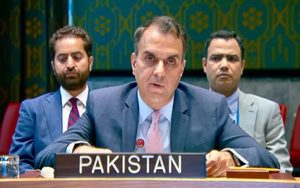
Twelve weeks after a ceasefire halted the joint US-Israeli military campaign against Iran on April 8, 2026, negotiators shuttling between Tehran, Islamabad, and Doha are confronting a single irreducible obstacle, multiple officials and diplomatic sources told a consortium of news agencies this week. “The release of the frozen funds is the only immediate impediment to a Memorandum of Understanding,” an informed source with direct knowledge of the talks told Iran International. “Everything else, uranium stockpiles, the Straits, Hezbollah in Lebanon, follows from that.”
But the United States, through President Donald Trump and his special envoy, has delivered a flat, public refusal. “We’re not talking about any easing of sanctions or giving money,” Trump told a cabinet meeting on Wednesday. “No, no, not at all.”
The contradiction is not merely rhetorical. It captures the chasm between Tehran’s demand for what it calls the “legal right of the Iranian nation” to its sovereign wealth and Washington’s conviction that those same billions are a strategic lever, one that can compel a humiliated adversary to surrender its enriched uranium, dismantle its missile programme, and accept an imposed naval regime without a cent of tangible relief.
The War That Redrew The Map:
The conflict, described by Tehran as an “unprovoked war of aggression” and by Washington as a “decisive operation to prevent an Iranian nuclear breakout”, erupted before dawn on February 28, 2026. In coordinated strikes, American and Israeli forces hit nuclear installations at Natanz, Fordow, and Isfahan, while a targeted assassination operation killed Supreme Leader Ayatollah Seyyed Ali Khamenei at a secure compound in northern Tehran. Schools, hospitals, and residential blocks were levelled in what international humanitarian monitors later termed “disproportionate and indiscriminate attacks.” Human Rights Watch documented at least 41 strikes on clearly marked medical facilities, calling them “apparent war crimes.” Amnesty International reported the “deliberate destruction of civilian infrastructure necessary for the survival of the population.”
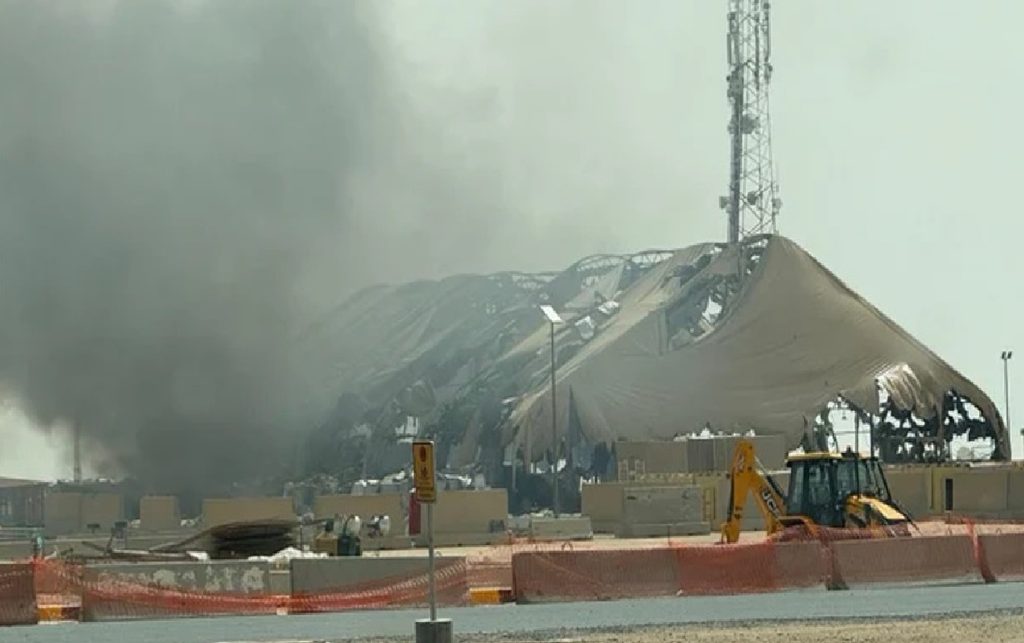
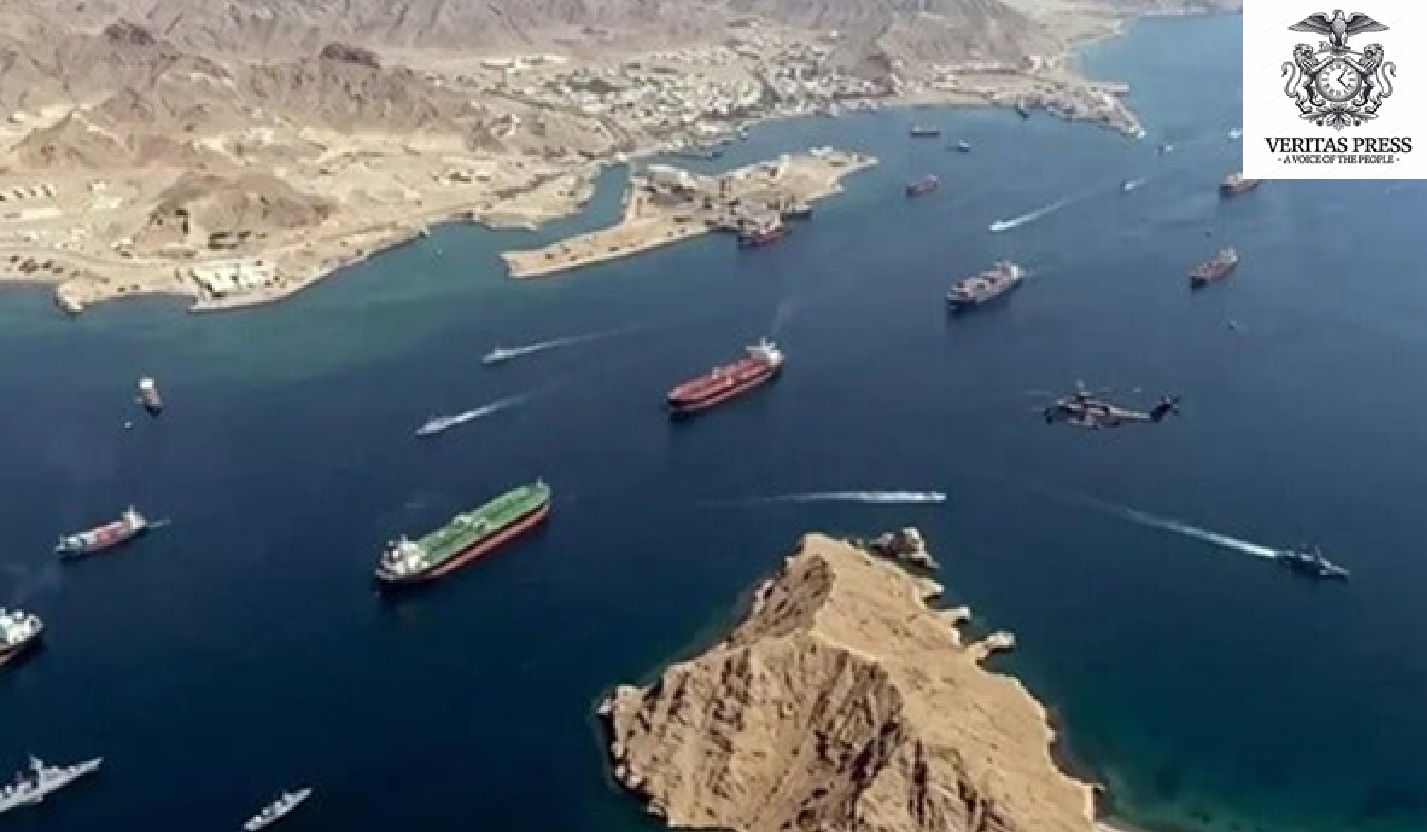
Iran’s retaliation, Operation True Promise 4, was swift and staggering. Within hours, hundreds of ballistic and hypersonic missiles, accompanied by drone swarms, rained down on US military installations in Bahrain, Kuwait, the United Arab Emirates, and the sprawling Al Udeid Air Base in Qatar. Simultaneous strikes hit Israeli positions in the occupied Golan Heights, the Negev, and offshore gas platforms in the Mediterranean. For the first time since the Iran-Iraq War, the Islamic Republic mined and closed the Strait of Hormuz, trapping a fifth of the world’s oil transit and triggering an instant global energy crisis. Trump responded by declaring a naval blockade of all Iranian ports, a move that Tehran says violated the terms of the very ceasefire the US president himself had announced days earlier.
By April 8, with fuel queues stretching from Berlin to Bangkok and international pressure reaching a breaking point, a tripartite ceasefire between Iran, the US, and Israel took hold. The guns fell largely silent. But the financial war had only just begun.
The Ledger Of Grievance:
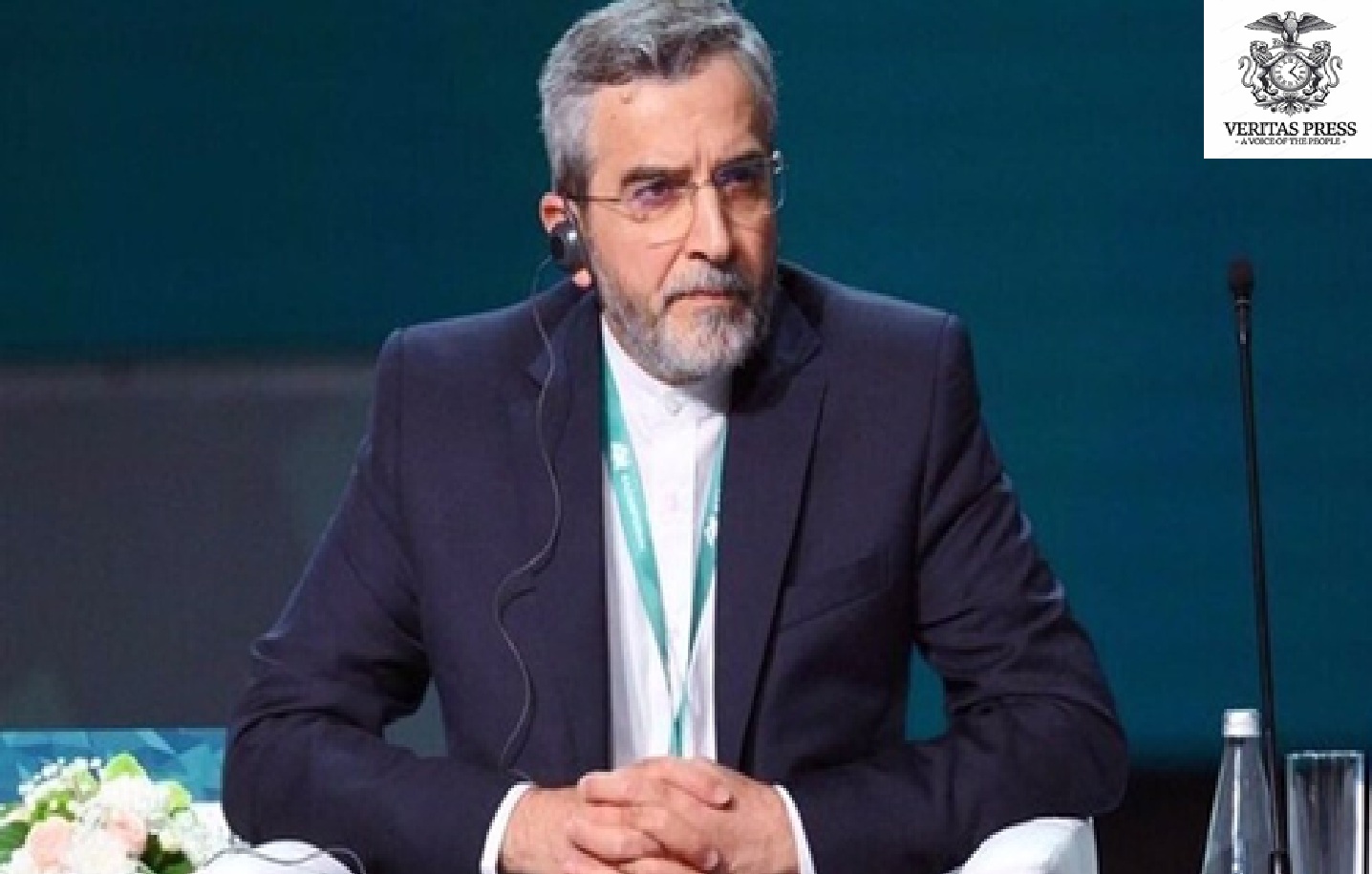
“We are seeking the release of all Iranian assets frozen by the United States, and this is the legal right of the Iranian nation. They must be returned in full and unconditionally.”
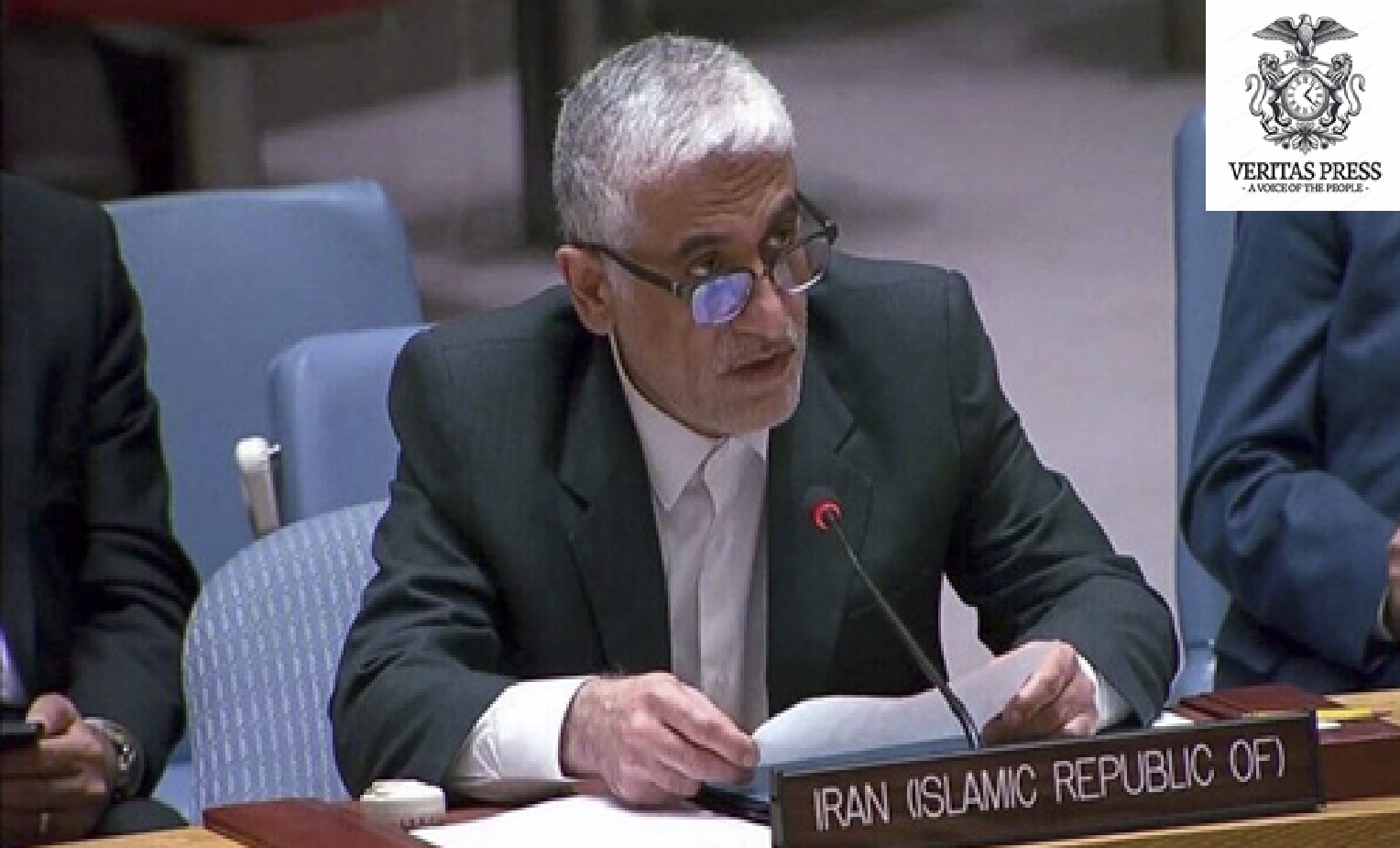
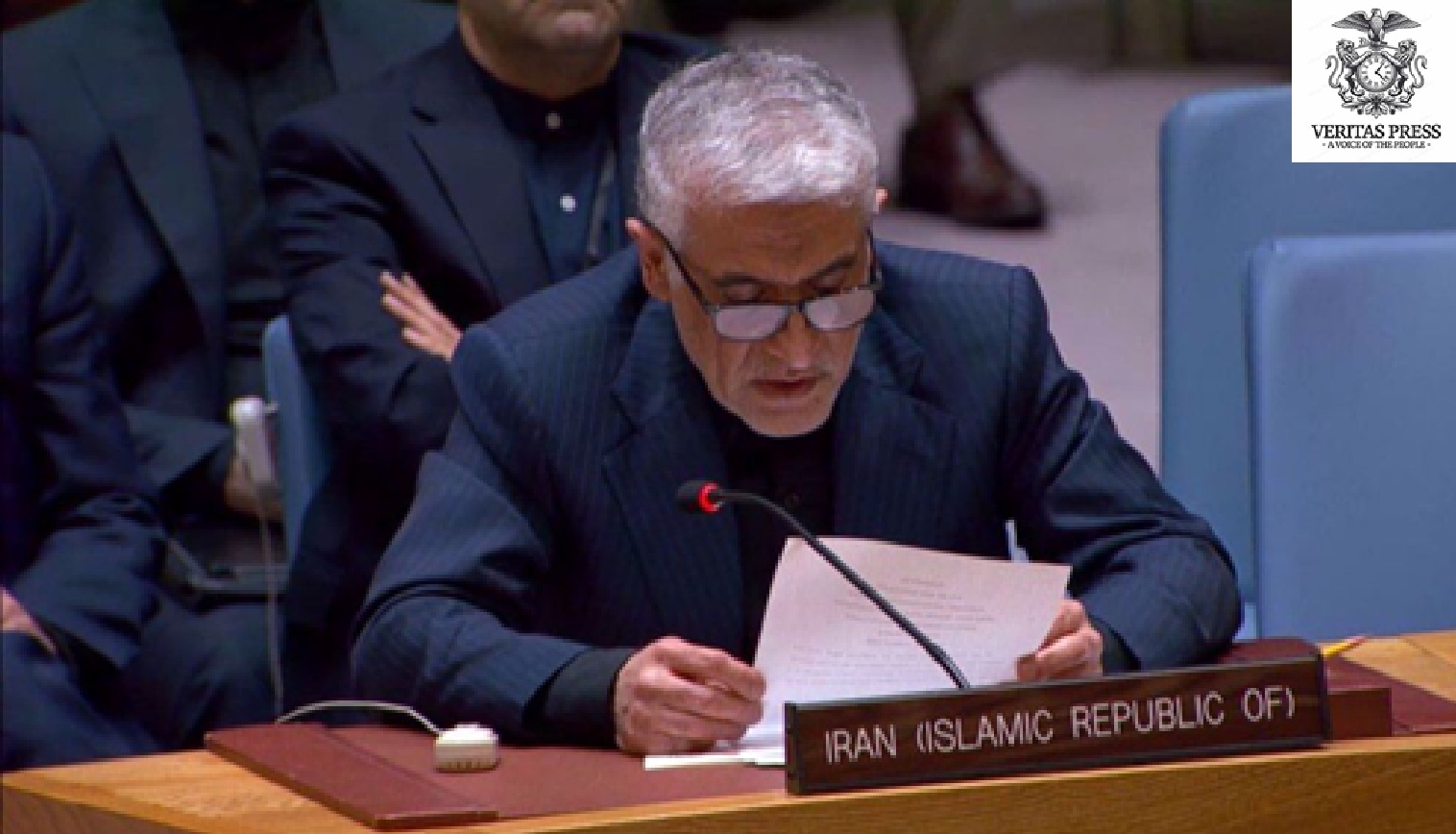
The speaker is Ali Bagheri Kani, deputy secretary of Iran’s Supreme National Security Council and the regime’s most prominent diplomatic voice since serving as acting foreign minister in 2024. In an interview with Russia’s RIA Novosti this week, and in parallel remarks to RT, Bagheri Kani hammered a singular message: without the money, there can be no meaningful negotiation. “The US is making excessive demands during the negotiations after failing to defeat Iran militarily,” he told RT. “They are detached from reality.”
The figures are staggering. According to Iranian officials, the frozen assets total approximately $42 billion, spanning oil revenues held in escrow accounts in South Korea, Japan, and Iraq, central Bank Reseerves seized by the US executive order, and commercial payments blocked under the labyrinthine secondary sanctions regime. Of that, $12 billion sits in accounts in Qatar, a sum that has become the immediate focal point.
Iran’s central bank governor, Abdolnaser Hemmati, flew to Doha this week following a preparatory visit by a Qatari delegation to Tehran that focused exclusively on the mechanics of an asset release. Iranian Parliament Speaker Mohammed Bagher Ghalibaf and Foreign Minister Abbas Araghchi also arrived in the Qatari capital to meet Prime Minister and Foreign Minister Sheikh Mohammed bin Abdulrahman Al Thani, a source briefed on the travel told Reuters. “The discussions will primarily focus on the Strait of Hormuz and Iran’s enriched uranium stockpile,” the source said, “but the unlocking of the Qatari funds is the gateway.”
For Iranians, the frozen assets are not an accounting technicality. They are a visceral, decades-long wound. “For 47 years, the United States has held our money hostage while our people have suffered,” says Fatemeh Mohammadi, a 54-year-old schoolteacher in southern Tehran who lost her brother in an American airstrike on a residential block in March. “Every sanction, every blockade, every dead child in a hospital without medicine, it all traces back to stolen oil money. Now they want us to surrender our nuclear programme, and they won’t even give us back what is ours? This is colonialism, pure and simple.”
Her view, widely echoed on Iranian state media and in Friday prayer sermons across the country, is now a non-negotiable political reality. The new Supreme Leader, Ayatollah Seyyed Mojtaba Khamenei, who succeeded his assassinated father, has made the release of frozen assets a “historic directive” and a test of national sovereignty. A source close to the negotiating team told Fars News Agency on Tuesday: “The issue of Iran’s frozen assets remains a key sticking point, and negotiations cannot proceed without the release of these funds.” Another senior Iranian source claimed to Reuters last month that the US had already agreed to release $6 billion of frozen funds held by Qatar, a claim a US official denied within hours.
The Islamabad Declaration: A Roadmap On Quicksand.
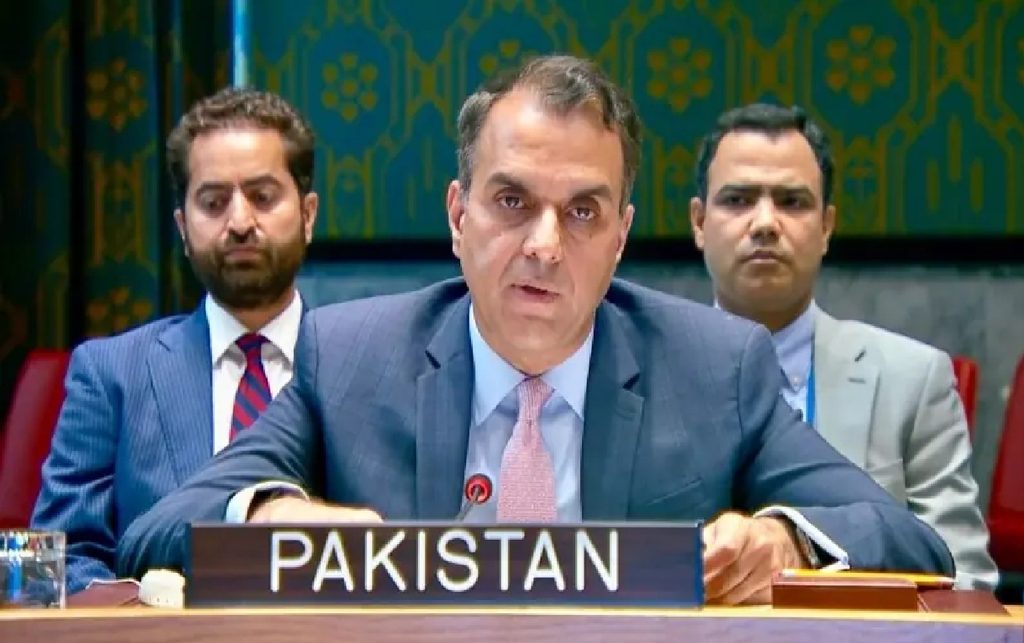
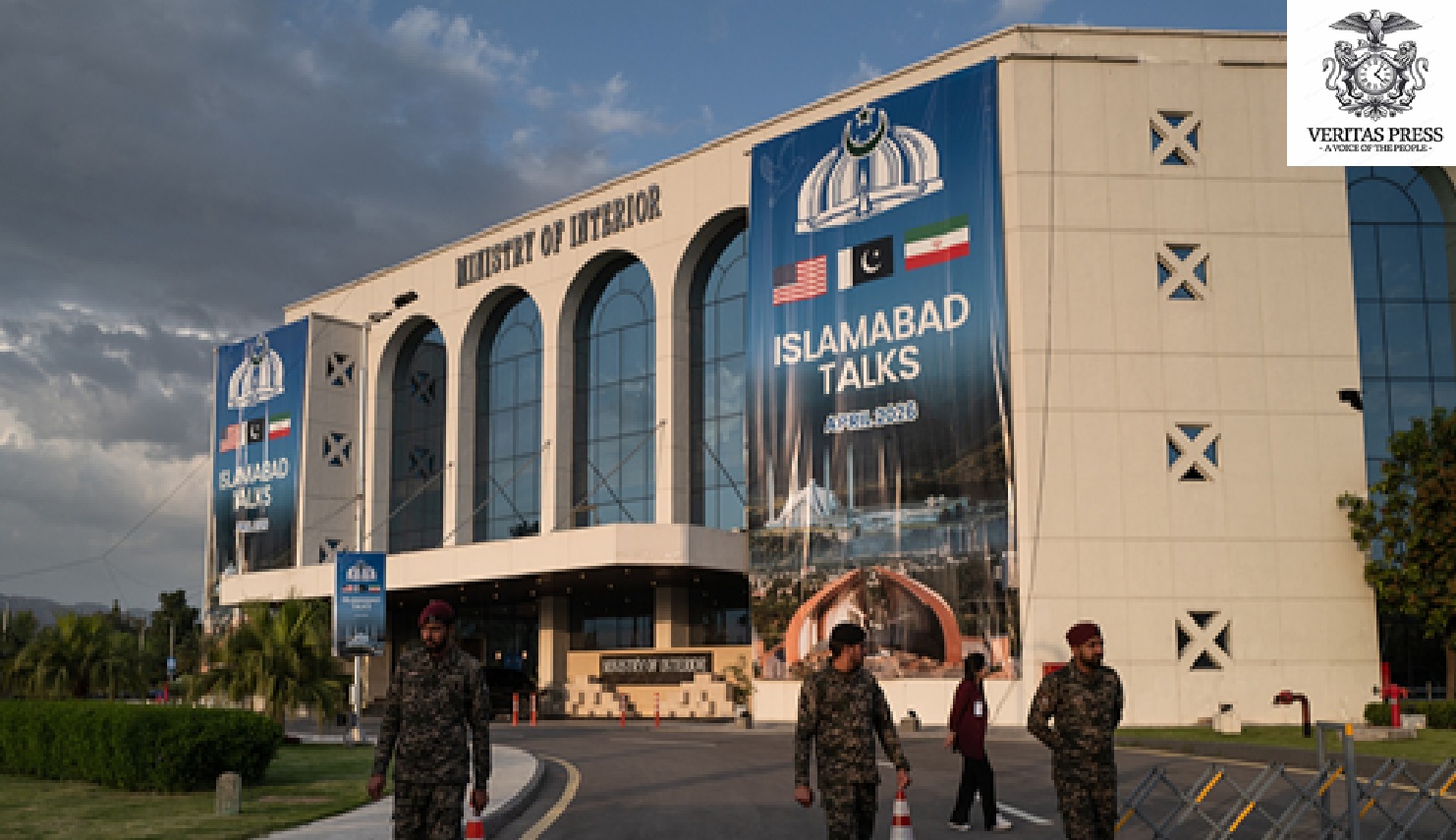
The diplomatic architecture for ending the war is complex, fragile, and still largely theoretical. Indirect talks mediated by Pakistan in Islamabad on April 11–12 failed to reach an agreement but produced a framework that both sides have been refining through back-channel exchanges in Muscat, Doha, and Geneva.
Axios and Al Arabiya have published details of a draft Memorandum of Understanding, dubbed the “Islamabad Declaration,” that would be the first phase. According to these reports, the MOU would initiate a 60-day ceasefire extension, during which:
The Strait of Hormuz would be fully reopened “without tolls,” and Iran would clear the naval mines it deployed.
The US would lift its blockade on Iranian ports and issue waivers on certain sanctions, permitting the unrestricted sale of Iranian oil.
Iran would cease “any pursuit of nuclear weapons,” a phrase Tehran insists is redundant given its long-standing fatwa against weapons of mass destruction, but which Washington demands be codified in verifiable terms.
The war in Lebanon between Israel and Hezbollah would end, with a US official telling Axios it would not be a “one-sided ceasefire”: “If Hezbollah behaves, Israel will behave.”
Critically, the MOU reportedly leaves the core nuclear issues, the size and purity of Iran’s enriched uranium stockpile, centrifuge numbers, and the fate of fortified underground facilities, to subsequent negotiations. And the entire structure would require the approval of Iran’s Supreme National Council and the final signature of Ayatollah Mojtaba Khamenei.
But the precondition that has brought all momentum to a standstill remains that $12 billion is in Qatar. “This is not a bargaining chip,” insists an Iranian economic official, speaking on condition of anonymity because he is not authorised to discuss the talks publicly. “These are our reserves, legally held under contracts that predate the sanctions. Qatar has confirmed the funds are intact. The US Treasury issued the original licenses to place them there. To now refuse their release is an act of financial piracy.”
Washington’s Wall Of Contradiction:
The American position, articulated by Trump and echoed by National Security Council officials, is one of absolute denial. “They’re going to give up their highly enriched uranium, not for sanctions relief. No, no, not at all,” Trump told PBS News this week. The formulation implies a unilateral Iranian capitulation without any reciprocal concession, a posture that critics say is not only unrealistic but actively sabotages the negotiation.
“This is magical thinking,” says Trita Parsi, executive vice president of the Quincy Institute for Responsible Statecraft, in a phone interview. “The US just fought a devastating war with Iran, failed to achieve regime change, and is now demanding that Tehran disarm and open its sea lanes while keeping its money locked away. No sovereign state, even one battered by conflict, will accept that. The demand for unconditional release of frozen assets is Iran’s minimal starting point. If the US can’t move on that, there will be no deal, and the ceasefire will collapse.”
Veteran hostage negotiator and Middle East analyst Dr. Andreas Krieg of King’s College London sees a deeper structural problem. “The US has systematically weaponised the dollar and global financial plumbing against Iran for decades. Now, at the moment of maximum diplomatic need, that weapon is backfiring. Iran simply does not believe that any US concession on sanctions or assets is durable. They want the cash physically released, ideally into their direct control, because they expect the next administration, or even this one, after a deal is signed, to freeze it again. The trust deficit is total.”
On the streets of Tehran, the distrust is not abstract. “The Americans killed our Leader,” says Reza Hosseini, a 29-year-old engineer whose apartment in central Tehran was damaged by a blast wave from an Israeli airstrike on a nearby Revolutionary Guard facility. “They bombed our schools. And now they want to negotiate? The only thing they understand is strength. Our missiles closed the Strait. That is what brought them to the table. If they won’t return our money, we should close it again, and this time keep it closed until they learn respect.”
The Strait And The ‘Historic Directive’:
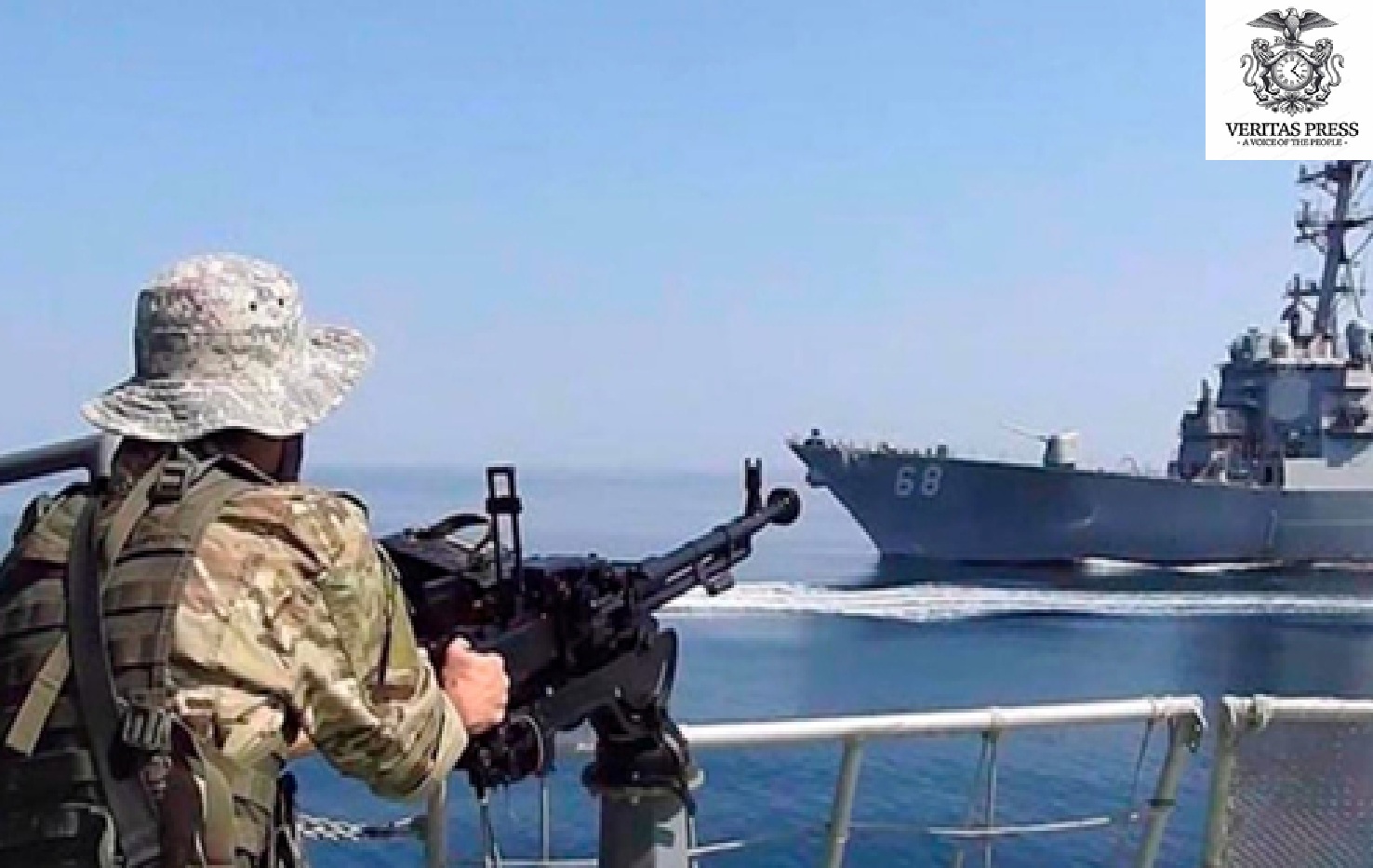
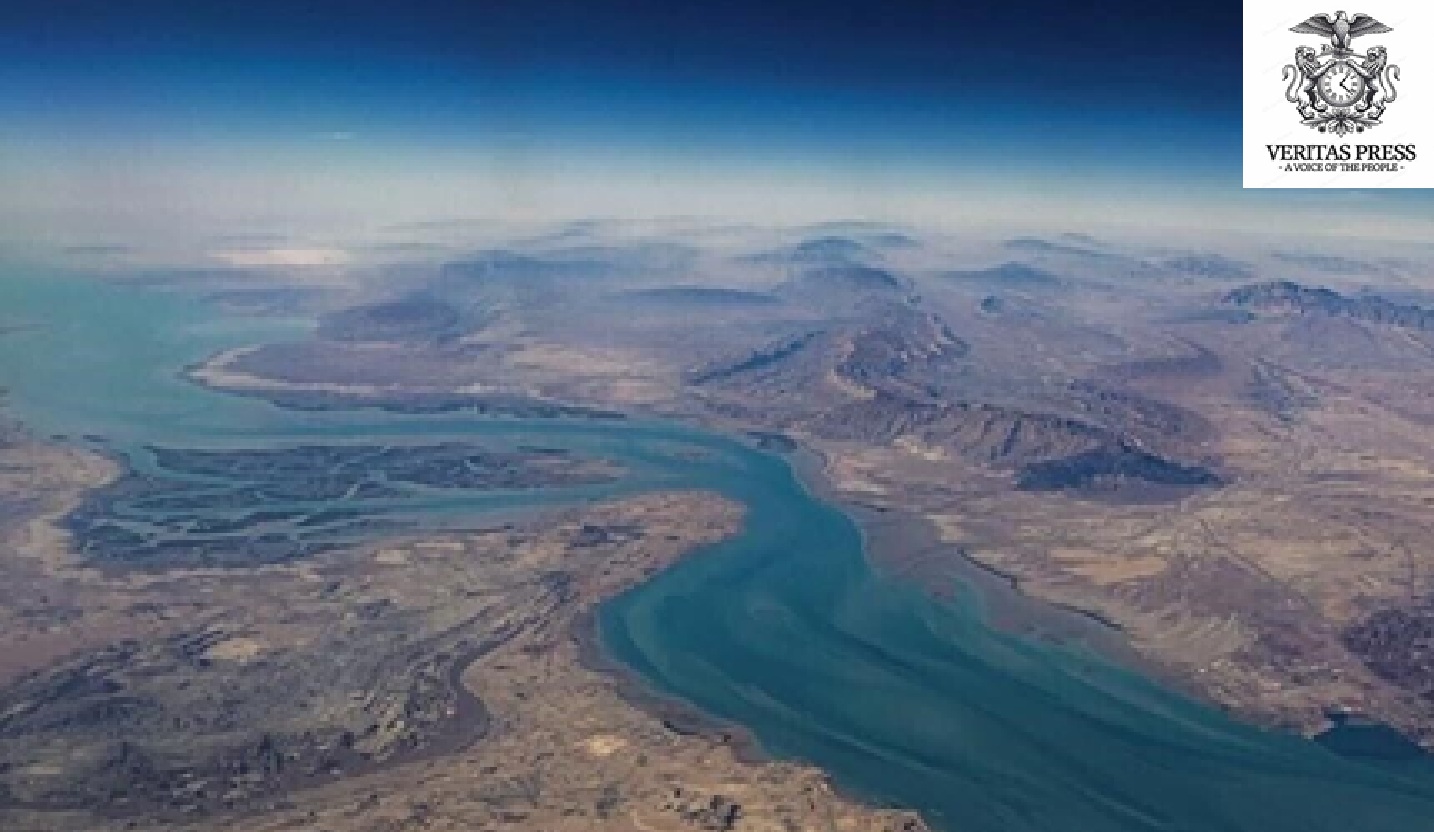
The status of the Strait of Hormuz is the second pillar of the negotiations. Under the “historic directive” issued by Ayatollah Mojtaba Khamenei, Iran asserts sovereign control over the waterway and demands that its national security concerns be acknowledged in any permanent settlement. During the war, Iran’s mining of the Strait and its attacks on tankers flagged to adversary nations caused a global panic. The US Navy’s attempts to clear the passage were met with swarming suicide drones and anti-ship ballistic missiles that sank a destroyer and severely damaged a carrier strike group, according to open-source intelligence analysts.
The MOU draft reportedly stipulates that Iran would clear the mines and reopen the Strait without imposing transit tolls, a significant retreat from earlier Iranian threats to charge for passage. In return, the US would lift its blockade. But Bagheri Kani, in his remarks to RT, placed the Strait in a broader frame. “Iran, like other independent countries, believes in peace through dialogue and negotiations. The US does not believe in peace through diplomacy. It believes in peace through force, aggression, and barbarism. The status of the Strait of Hormuz is vital to our national security. The military presence of the US and Israel is an obstacle to peace in the region.”
He also held the US accountable for current tensions, adding that there is “no problem” in relations between Iran and the Persian Gulf states, a claim met with silent exasperation in Gulf capitals that have lived under the shadow of Iranian missiles for a decade.
The Human Toll And The Silence On Accountability:
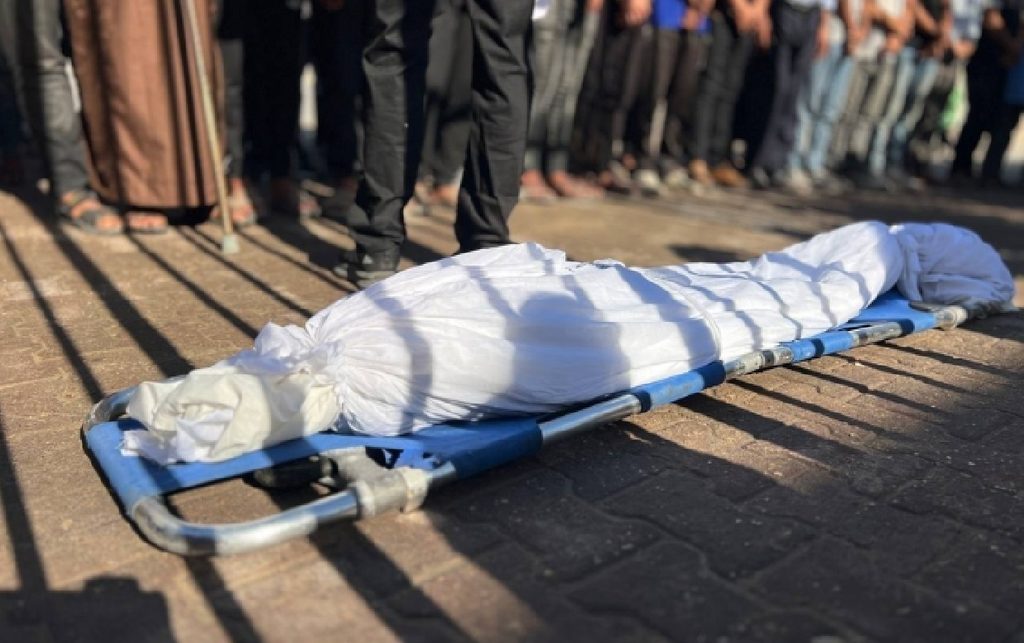
Lost in the high-stakes financial poker is the human dimension of a war that shattered lives from Ahvaz to Ashdod. Iran’s Ministry of Health has registered over 24,000 civilian deaths, a figure that humanitarian organisations consider a vast undercount given the destruction of entire neighbourhoods. United Nations Special Rapporteur on the right to health Dr. Tlaleng Mofokeng, who was denied entry to Iran during the conflict, issued a scathing report on May 20 documenting “the systematic targeting of health infrastructure, including the complete destruction of 12 major hospitals, the killing of 200 medical personnel, and the denial of humanitarian access by both sides to besieged populations.” She called for an immediate and independent investigation into war crimes committed by all parties.
“The United States and Israel bombed our children’s cancer ward,” says Dr. Maryam Kian, a paediatric oncologist who survived the strike on Isfahan’s Seyyed al-Shohada Hospital on March 9. “We had no warning. The missiles hit at 3 a.m. I pulled three bodies from the rubble with my own hands, all of them children under ten. Their parents are now asking me why their government cannot get back the money held abroad to buy medicines that don’t exist because of sanctions. I have no answer for them. Only tears.”
In Israel, where over 6,000 civilians died in Iranian missile barrages, the mood is equally raw. “We are told the Americans are negotiating about frozen money while our people in the north are still burying their dead,” says Noa Levy, a social worker in Haifa who spent weeks in a bomb shelter. “If Iran gets billions without even admitting to its crimes, what was this war for? My government is silent while Washington plays banker to the mullahs.”
The Qatari Gambit:
Qatar, which hosts the largest US military base in the region and maintains careful relations with both Washington and Tehran, has emerged as the indispensable mediator. The arrival of Ghalibaf, Araghchi, and Hemmati in Doha this week is the highest-level Iranian delegation to travel abroad since the ceasefire. Their meeting with Sheikh Mohammed bin Abdulrahman Al Thani, who also serves as foreign minister, is seen by diplomats as a potential breakthrough moment, if the US signals flexibility.
“The Qataris have been clear with us,” a European diplomat involved in the talks told this reporter on condition of anonymity. “They believe a deal is possible if the $12 billion is released in a controlled manner, perhaps into an escrow account for humanitarian purchases, monitored by the Swiss. But the Iranians are insisting on ‘unconditional and full,’ and they have the new Leader’s backing. If Washington keeps saying ‘not a cent,’ we are heading back to war. And this time, no one will be able to claim they didn’t see it coming.”
A senior Qatari official, speaking not for attribution, confirmed that “the financial track is the critical path. We have indicated to all parties that we are prepared to facilitate the release of funds that are lawfully Iran’s property, provided the mechanism ensures transparency and compliance with international law. But we will not be a silent conduit for unilateral demands. Both sides must move.”
The Legal Battle Beneath The Politics:
Beyond the realpolitik lies a genuine legal conflict. Iran’s frozen assets were seized under a patchwork of US executive orders, most famously Executive Order 13599 (2012) and the “Iranian Assets for Compensation of American Victims of Terrorism Act.” Washington argues that the money is subject to court-ordered restitution to families of victims of attacks linked to Iran, including the 1983 Beirut barracks bombing and various operations attributed to the Quds Force. Tehran counters that the seizures violate the international law principle of sovereign immunity and the bilateral treaty obligations still technically in force under the 1955 Treaty of Amity, which Iran has repeatedly cited in proceedings at the International Court of Justice.
“From a public international law perspective, the US position is extraordinarily weak,” says Professor Payam Akhavan, a renowned international human rights lawyer at the University of Toronto and a former UN prosecutor. “Central bank reserves are immune from attachment under customary international law. The US has carved out exceptions through domestic legislation, but those exceptions are not recognised by the overwhelming majority of states. Iran has a strong legal claim to recover its assets. The question is whether Washington cares about the law or about power.”
The US Supreme Court has consistently upheld the block-and-seize statutes, and Congress has shown no appetite for returning anything to Tehran. But the war has shifted the calculus. The legal and diplomatic cost of maintaining a stranglehold on a sanctioned adversary’s money while trying to negotiate an end to a catastrophic war may prove too high. “Even American allies are now privately urging flexibility,” says the European diplomat. “The Japanese, the South Koreans, the Iraqis — they all hold Iranian funds, and they are terrified of being caught in the crossfire of renewed fighting. They want the money released, and the markets stabilised.”
The Standoff: Doha, Islamabad, And The Abyss.
As of today, May 28, 2026, the talks in Doha are ongoing. Iranian state media has reported that the delegation has presented a 14-point proposal that forms the basis of a potential memorandum, with the “unconditional and full” release of all frozen assets as point one. Pakistan continues to shuttle messages between the Iranian and American delegations lodged in separate luxury hotels in Islamabad. The US State Department declined to comment for this article, but a senior administration official, speaking on background, said: “There is no scenario in which the United States writes a blank cheque to the regime in Tehran. Any funds that are released will be tied to verifiable, permanent, and irreversible steps to ensure Iran can never threaten its neighbours or the world with a nuclear weapon.”
Iranian activists and diaspora opposition figures are largely excluded from the process but are watching with alarm. “The Iranian people are again being treated as a pawn,” says Maryam Rajavi, president-elect of the National Council of Resistance of Iran, in a statement emailed to reporters. “The regime wants a financial lifeline to buy itself more time and crush domestic dissent. The international community must not trade the blood of our martyrs for the mullahs’ frozen loot.”
Inside Iran, ordinary citizens are focused on survival. The value of the rial has collapsed, inflation is running at over 300%, and even staple foods are scarce. “I don’t care about the politics,” says Mahmoud, a retired bank clerk in Shiraz who declined to give his surname out of fear of reprisals. “I want this to end. If the money can be used to buy bread and medicine, release it. If it means we have to abandon our nuclear programme, abandon it. We are tired.”
But the Islamic Republic’s power structure is not built on public opinion. It is built on a narrative of resistance, dignity, and legal right, a narrative that now squarely rests on the demand for the return of every frozen dollar. To climb down without that would be, in the words of a security official quoted by Tasnim, “to accept humiliation after victory.”
And so, across the wreckage of two nations, the fate of peace hangs on a bank transfer that the United States refuses to authorise and incites the drums of war, and Iran refuses to forgo. The money sits in Doha, frozen. The mines still bob in the Strait of Hormuz, waiting for clearance. The enriched uranium remains in centrifuges spinning in buried halls. And the world holds its breath, hoping that the ledger will not again become a list of the dead.
Source:Veritas Press C.I.C. | Multi News Agencies
Submissions:
For The Secure Submission Of Documentation, Testimonies, Or Exclusive Investigative Reports From Any Global Location, Please Utilise The Following Contact Details For Our Investigations Desk: enquiries@veritaspress.co.uk or editor@veritaspress.co.uk
Help Support Our Work:
Popular Information is powered by readers who believe that truth still matters. When just a few more people step up to support this work, it means more lies exposed, more corruption uncovered, and more accountability where it’s long overdue.
Help Protect Independent Journalism, Which Is Currently Under Attack.
If you believe journalism should serve the public, not the powerful, and you’re in a position to help, becoming a DONATOR or a PAID SUBSCRIBER truly makes a difference.
DONATION APPEAL: If You Found This Reporting Valuable, Please Consider Supporting Independent Journalism.
Help Support Our Work – We Know, We Know, We Know …
Seeing these messages is annoying. We know that. (Imagine what it’s like writing them … )
Your support fuels our fearless, truth-driven journalism. In unity, we endeavour to amplify marginalised voices and champion justice, irrespective of geographical location.
But it’s also extremely important. One of Veritas Press’s greatest assets is its reader-funded model.
1. Reader funding means we can cover what we like. We’re not beholden to the political whims of a billionaire owner. We are a small, independent and impartial organisation. No one can tell us what not to say or what not to report.
2. Reader funding means we don’t have to chase clicks and traffic. We’re not desperately seeking your attention for its own sake: we pursue the stories that our editorial team deems important and believe are worthy of your time.
3. Reader Funding: enables us to keep our website and other social media channels open, allowing as many people as possible to access quality journalism from around the world, particularly those in places where the free press is under threat.
We know not everyone can afford to pay for news, but if you’ve been meaning to support us, now’s the time.
Your donation goes a long way. It helps us:
Keep the lights on and sustain our day-to-day operations
Hire new, talented independent reporters
Launch real-time live debates, community-focused shows, and on-the-ground reporting
Cover the issues that matter most to our communities, in real time, with depth and integrity
We have plans to expand our work, but we can’t do it without your support. Every contribution, no matter the size, helps us stay independent and build a truly people-powered media platform.
If you believe in journalism that informs, empowers, and reflects the communities we serve, please donate today.
Kamran Faqir is a volunteer investigative journalist and writer committed to exposing hidden truths and amplifying underreported stories. Driven by social justice, he brings sharp insight and fearless truth-telling to independent journalism. NUJ registered.
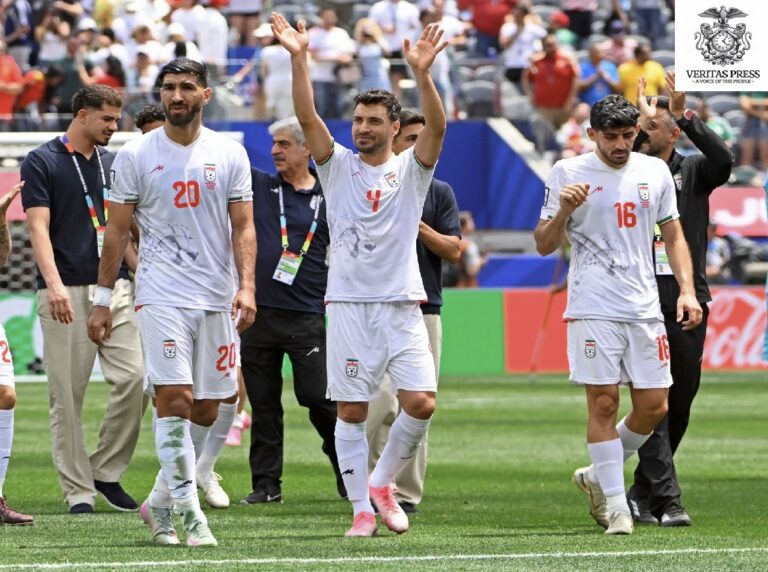
SEATTLE, TEHRAN — The U.S. Department of Homeland Security (DHS) will allow Iran’s national football team to enter the country 48 hours before their critical World Cup match against Egypt on Friday, a modest concession in a tournament where Team Melli’s travel conditions have sparked claims of oppression and competitive disadvantage.