Kamran Faqir is a volunteer investigative journalist and writer committed to exposing hidden truths and amplifying underreported stories. Driven by social justice, he brings sharp insight and fearless truth-telling to independent journalism. NUJ registered.
Article Date Published:
Article Date Modified:
16 minutes
Views:348
Listen to this article
Help support our mission, donate today and be the change. Every contribution goes directly toward driving real impact for the cause we believe in.
An Analysis Of The Deadlocked Negotiations, Contradictory Red Lines, And The Expanding Shadow War That Has Killed Thousands And Rattled The Global Economy.
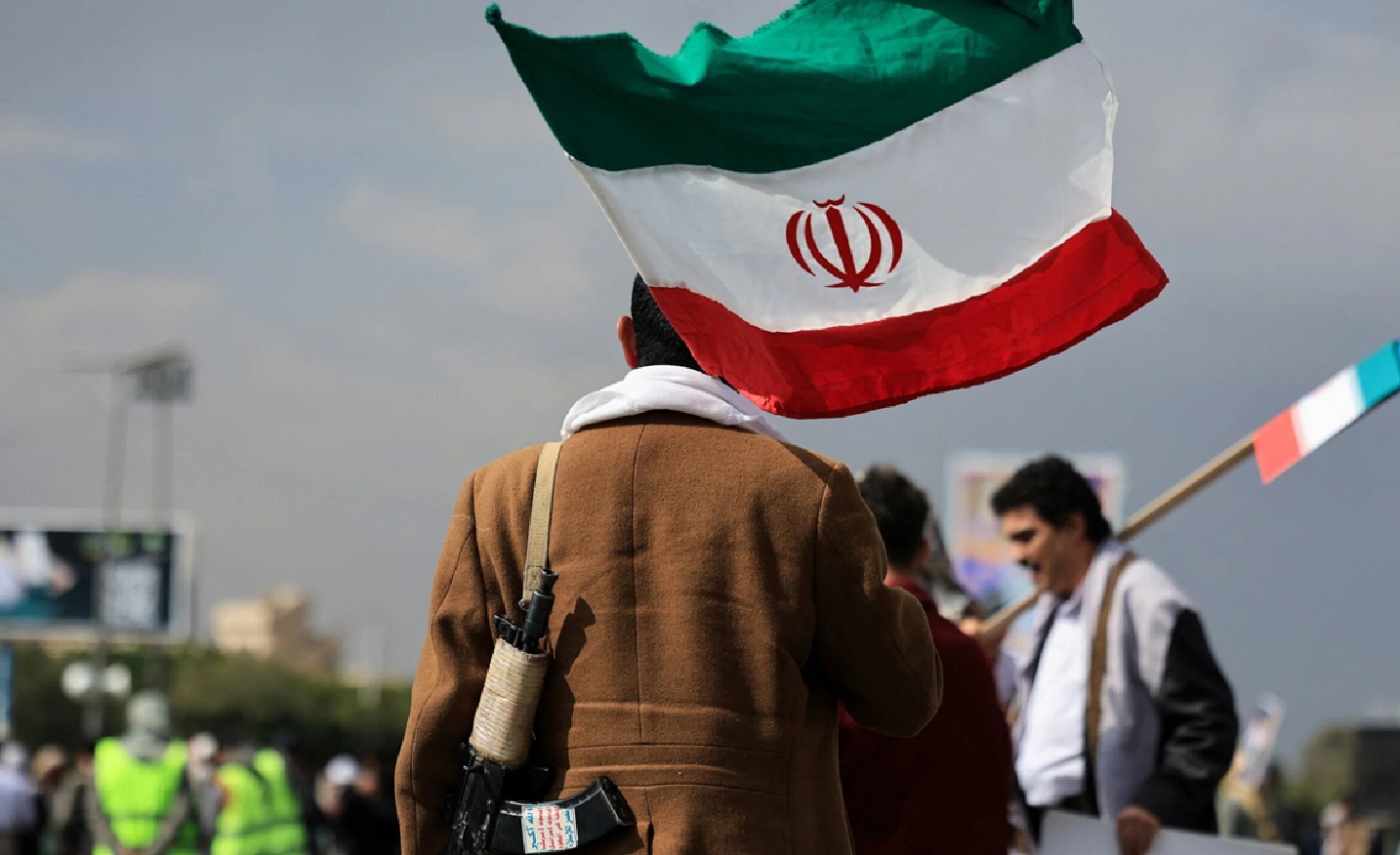
TEHRAN/WASHINGTON/BEIRUT — Three months into a devastating war that erupted on February 28 with a combined US-Israeli assault on Iran, the Middle East is suspended in a state of neither war nor peace. A fragile, Pakistan-brokered ceasefire has been in place since early April, but on the ground, in the waters of the Persian Gulf, and across the hills of southern Lebanon, the killing has never stopped. The diplomatic process meant to transform that truce into a final settlement is mired in contradictory demands, mutual accusations of bad faith, mistrust, and the unresolved carnage Israel is inflicting on Lebanon, a condition Iran now says is non-negotiable.
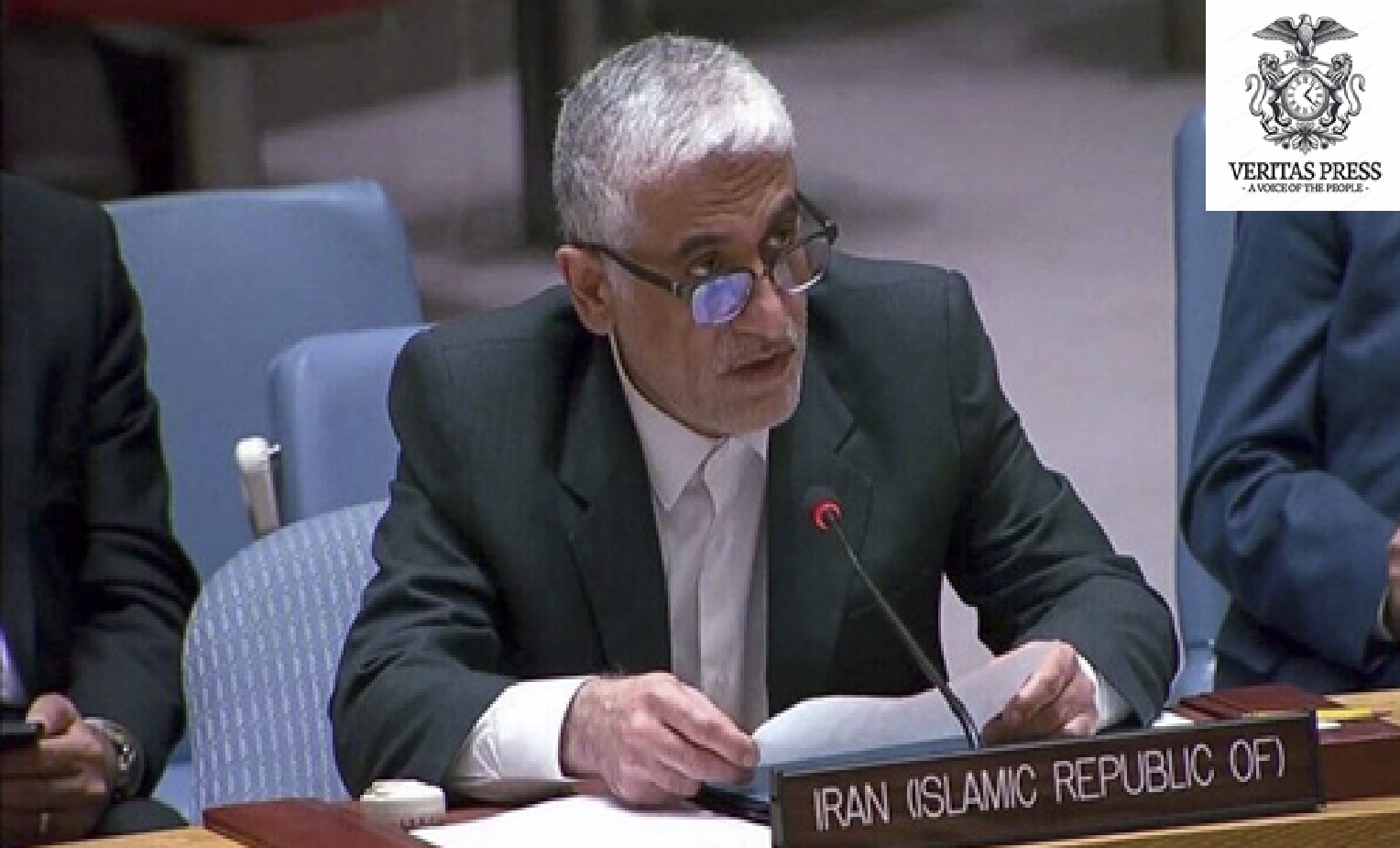
Speaking at his weekly press conference on Monday, Iranian Foreign Ministry spokesman Esmaeil Baghaei drew a line in the sand that threatens to upend any hope of a comprehensive deal. “We have emphasised and continue to emphasise that a ceasefire in Lebanon is an integral part of any ceasefire and any final agreement to end the war,” he declared. The statement, delivered in Tehran’s characteristically blunt diplomatic idiom, effectively conditions any permanent cessation of hostilities with the United States on an end to Israel’s escalating ground and air campaign against Hezbollah.
That campaign, ostensibly launched in retaliation for Hezbollah rocket fire following the assassination of Iran’s supreme leader in the opening days of the war, has morphed into a full-scale Israeli invasion. On Friday, Israeli Prime Minister Benjamin Netanyahu announced that troops had crossed the Litani River, some 30 kilometres inside Lebanese territory, and were “hitting Hezbollah head on.” The Lebanese health ministry reported that day that 11 people had been killed in the south, including a rescue worker. Hezbollah, for its part, claimed a series of drone attacks on military targets in northern Israel and said its fighters were engaging Israeli forces near the medieval Beaufort fortress close to Nabatieh.
A ceasefire between Israel and Hezbollah was supposed to take effect on April 17. It has never been observed. Both sides routinely accuse the other of violations, and each uses the other’s alleged breaches to justify its own intensifying operations. Lebanese and Israeli military delegations are holding security talks in Washington, but the gap between the negotiating table and the battlefield is vast.
On the ground, Lebanese individuals claim Israel’s initial ceasefire infringements were designed to annex territory and ethnically cleanse their populace, and that Hezbollah’s actions were a reaction. War crimes and ceasefire violations by Israel are ongoing, notwithstanding US-Iran efforts to reach an agreement.
Baghaei’s linkage of the Lebanese front to any broader US-Iran agreement fundamentally alters the diplomatic geometry. The United States, which has no formal combat role in Lebanon, is now being told that the road to reopening the Strait of Hormuz, the central economic imperative driving Washington’s urgency, runs through a conflict it does not directly control. It is a maximalist demand that, whether a sincere red line or a negotiating tactic, deepens the already profound mistrust between the two adversaries.
The Strait: Blockade, Counter-Blockade, And Contradictory Signals.
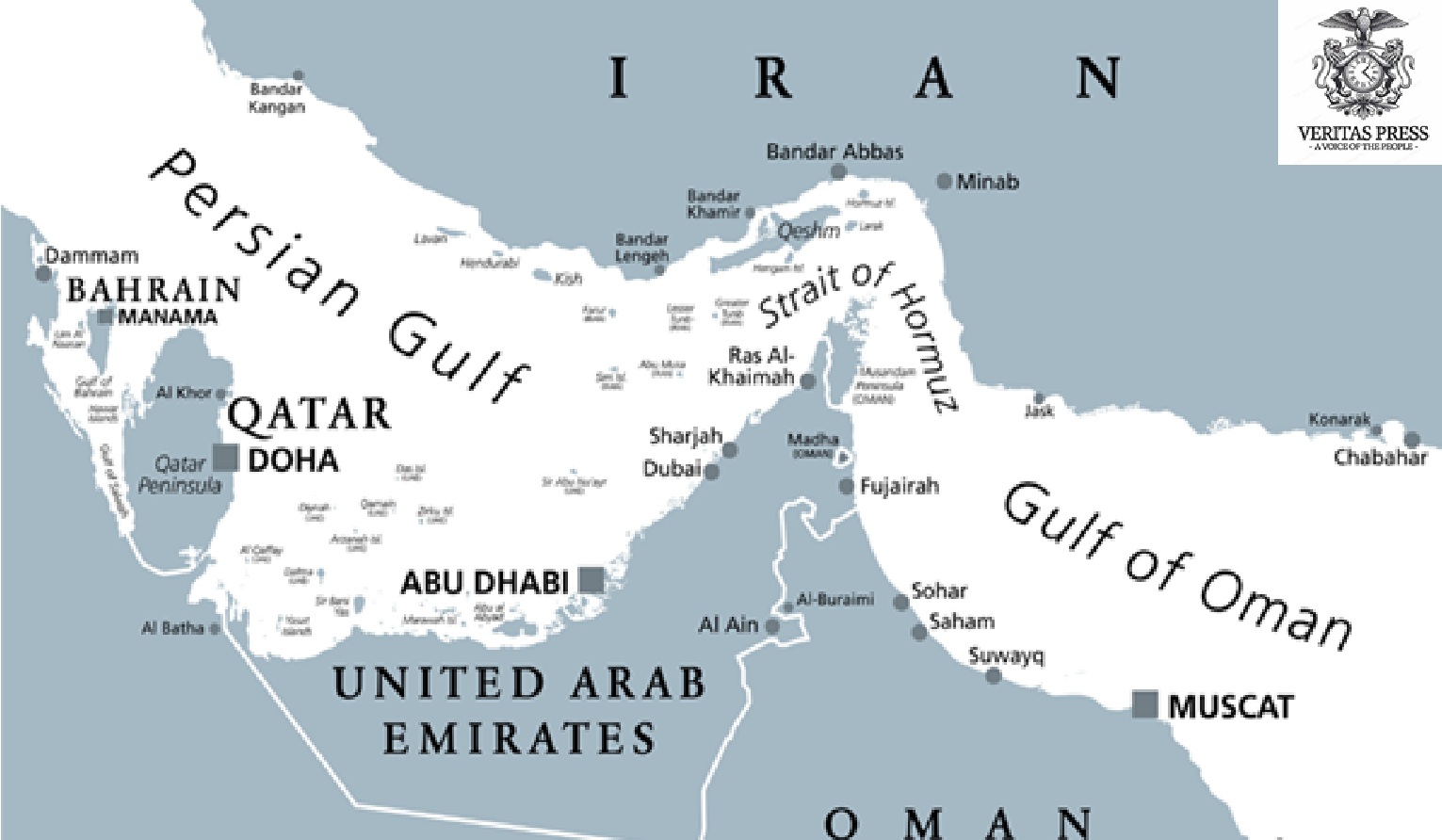
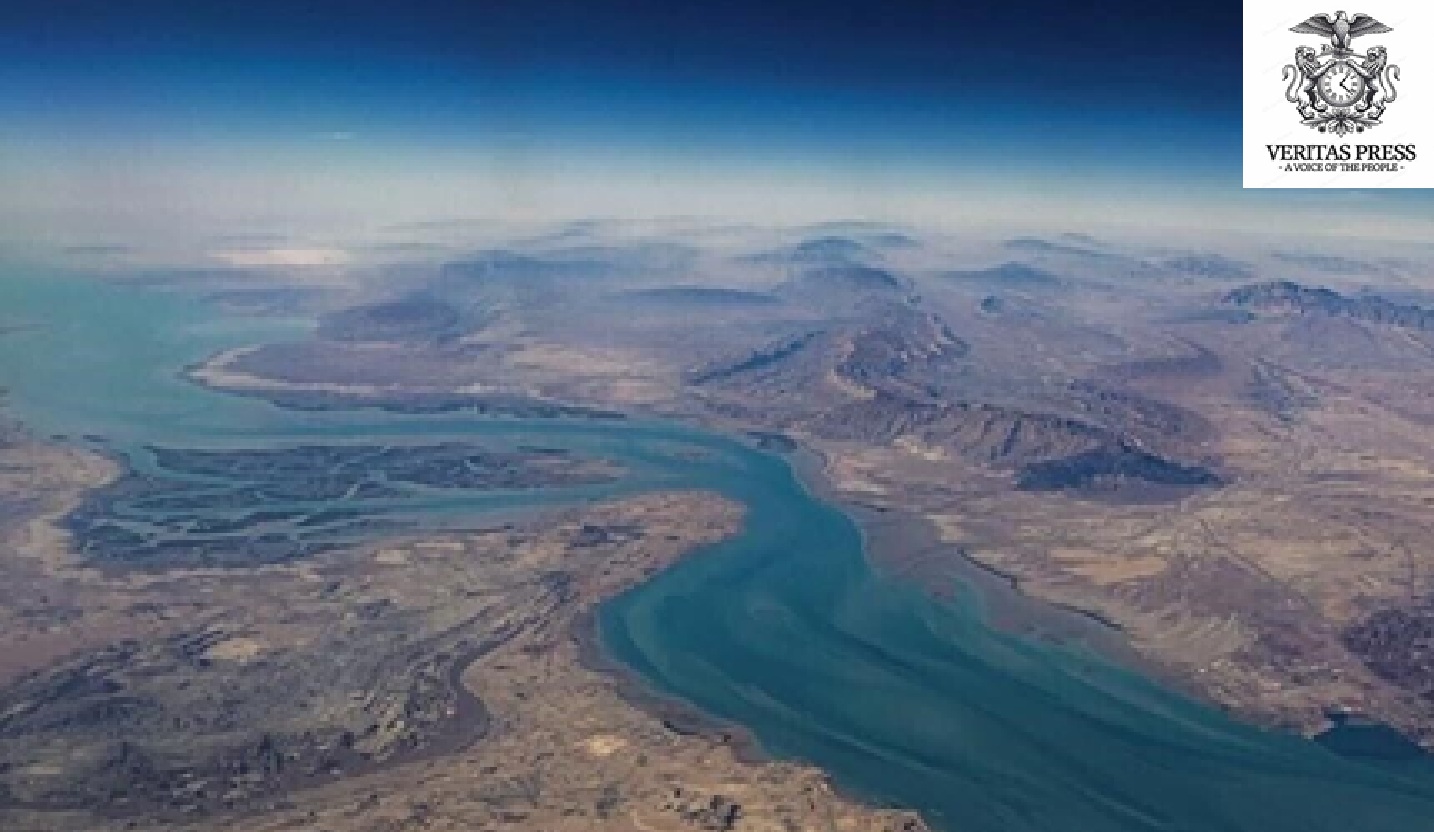
No issue encapsulates the confusion and danger of the current moment more than the status of the Strait of Hormuz, the narrow channel through which a fifth of the world’s oil ordinarily passes. Iran effectively shut the strait to adversary-affiliated vessels in the opening phase of the war, an act Tehran frames as a legitimate defensive measure and Washington calls economic warfare and a violation of international law. In response, the US Navy imposed a blockade of Iranian ports, trapping commercial ships and cutting off Iran’s seaborne trade.
Since the April truce, both sides have accused each other of continuing these maritime restrictions. On Friday, President Donald Trump announced on Truth Social that the US would lift its naval blockade, saying trapped ships could begin “heading home,” and suggested the two sides would coordinate on removing mines and ending Iran’s closure of the waterway. Hours later, US Defence Secretary Pete Hegseth flatly contradicted him: the naval blockade, he said, was “very much still in place.”
Iran, meanwhile, is tightening its grip. The Khatam al-Anbiya Central Headquarters, the joint command of Iran’s armed forces, issued a directive that “all ships, commercial vessels, and tankers are only required to travel through the designated routes and obtain permission from the Islamic Revolutionary Guard Corps Navy. Any violation of these regulations will seriously jeopardise the security of their traffic.” A cargo ship was recently attacked by multiple small craft off the coast of Sirik, Iran, an incident described as the latest in a series of at least two dozen such attacks since the war escalated. The crew was reported safe, but the threat level in the region is classified as critical.
The US has employed its own naval force aggressively. US Central Command acknowledged on Friday that an American warship had fired a Hellfire missile into the engine room of the Gambia-flagged Lian Star in the Gulf of Oman after the vessel allegedly ignored more than 20 warnings and continued toward an Iranian port. Centcom stated the disabled ship then stopped heading for Iran. Human rights and maritime law experts have raised questions about the proportionality of such an attack on a commercial vessel, but the Pentagon insists it acted to enforce the blockade.
Adding another layer, Iran and Oman are reportedly discussing the imposition of tolls on transiting ships and the sharing of revenues, a scheme that would effectively monetise Tehran’s de facto control of the waterway, something Baghaei’s remarks neither confirmed nor denied, but which regional analysts view as a sign Iran intends to institutionalise its presence rather than retreat.
“The management of the Strait of Hormuz is exercised with full authority by the Armed Forces of the Islamic Republic of Iran,” the Khatam al-Anbiya statement read. That claim directly clashes with US and NATO declarations that the strait must remain an international passage. NATO’s announcement that it intends to take actions to lift the maritime blockade and potentially intervene militarily drew a sharp warning from Baghaei, who said any NATO presence that complicates the situation would be “unwise” and that the alliance should instead hold the US and Israel accountable for causing the crisis.
Negotiations Adrift: Shifting Demands, Frozen Assets, And The Nuclear Spectre.
The diplomatic track, which is being mediated through multiple channels including Qatar, is bogged down in a swamp of contradictory public statements and what both sides privately describe as a fundamental lack of trust. Trump has insisted that Iran “can never possess a nuclear weapon” and that Tehran’s enriched uranium must be removed and destroyed, demands that Baghaei dismissed by saying Iran said, “goodbye to the language of ‘must’ 47 years ago.” He also clarified that “no negotiations have taken place at this stage” on Iran’s nuclear program, despite Trump’s social media assertions.
Iran, in turn, has its own list of non-negotiables. Baghaei stated that the release of Iran’s frozen assets abroad is a “definitive demand” and not a concession. While the US has reportedly signalled willingness to release $6 billion in blocked Iranian funds held in Qatar, but only in the form of food and medical equipment rather than cash, Iranian sources cited by the Fars news agency are demanding “the immediate release of $12 billion in frozen Iranian assets” before any next phase of negotiations can proceed. Trump, for his part, declared that “no money will be exchanged, until further notice.”
The White House continues to project an image of resoluteness. “President Trump will only make a deal that is good for America and satisfies his red lines,” an official told AFP after a two-hour Situation Room meeting on Friday that ended without a decision. The same official reiterated that “Iran can never possess a nuclear weapon.” Yet the president has also publicly mused that “Iran really wants to make a deal, and it will be a good one for the USA and those that are with us,” and asked his critics to “just sit back and relax, it will all work out well in the end.”
Iranian President Masoud Pezeshkian, in a phone call with the Emir of Qatar, spoke of a “dignified framework” to end the war. But dignity means different things in Tehran and Washington. For Iran, it means the unconditional recognition of its sovereign rights, an end to sanctions and the blockade, and a cessation of Israeli operations in Lebanon. For the US, it means a verifiable, permanent end to any Iranian nuclear breakout capability and the free flow of oil through Hormuz, objectives that become harder to secure the longer the fighting continues.
Tit-For-Tat: The Air War That Won’t Stop.
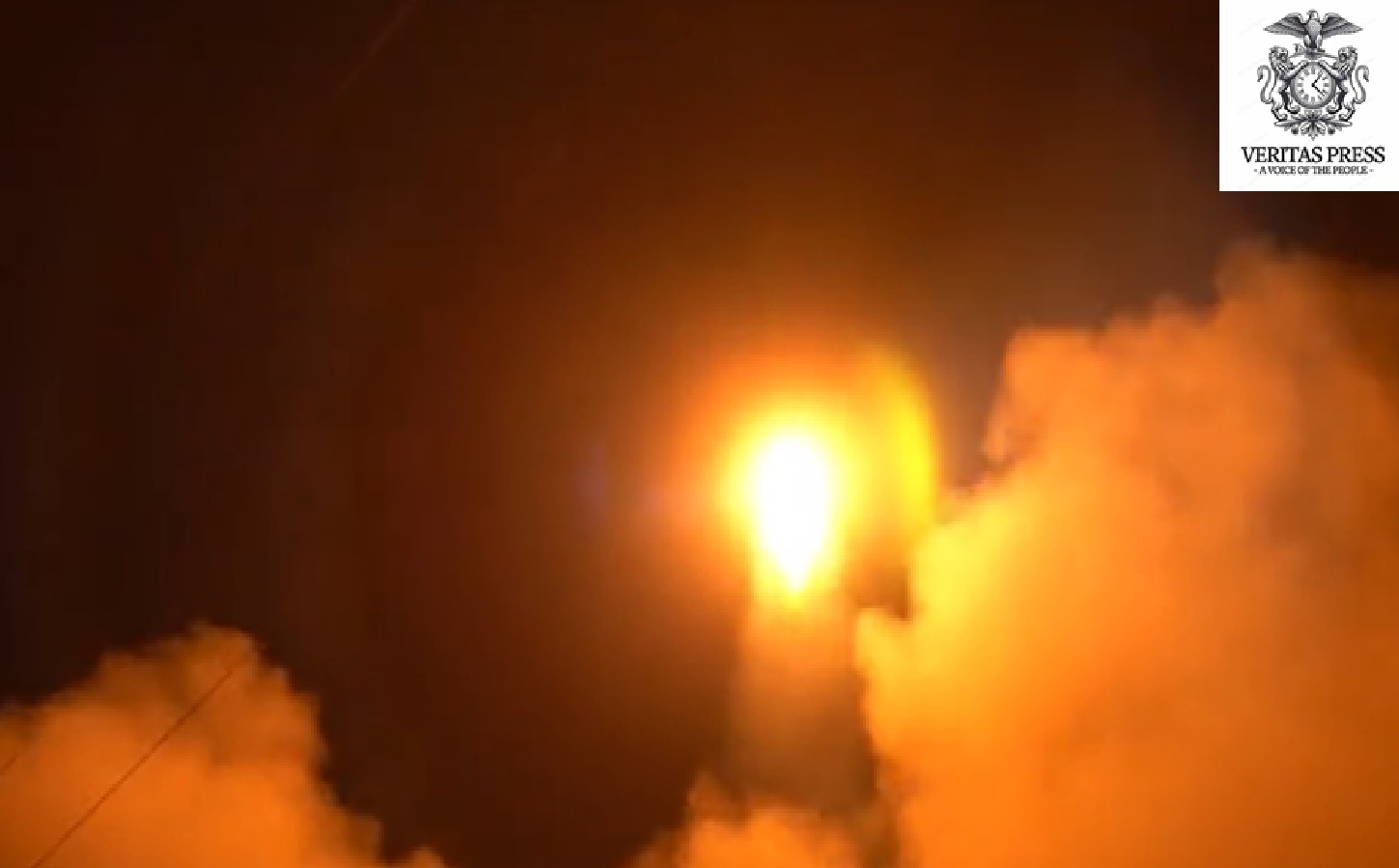
While diplomats talk, the two main belligerents continue to exchange fire, acts they both describe as legitimate responses to the other side’s violations of the fragile truce. Over the weekend, the US struck what it called Iranian military sites on Iran’s Gulf coast after accusing Tehran of shooting down an American MQ-1 drone operating over international waters. US fighter aircraft “swiftly responded by eliminating Iranian air defences, a ground control station, and two one-way attack drones that posed clear threats to ships transiting regional waters,” Centcom stated.
Within hours, Iran’s Islamic Revolutionary Guard Corps announced it had targeted an air base used by the US for an attack on southern Iran, without identifying which base. Air defence sirens rang out across Kuwait, where a major US military installation is located, and the Kuwaiti state news agency reported interceptions of missile and drone attacks. Kuwait’s foreign ministry said it was “holding Iran fully responsible for these heinous attacks.”
A similar exchange occurred the previous Thursday, described in near-identical terms by both sides. The pattern is now well established: a provocation, a retaliation, a justification grounded in the original transgression, and a diplomatic process that absorbs the blow and staggers on, weakened but not yet dead.
Mohammad Bagher Ghalibaf, Iran’s parliament speaker, captured the mood on the Iranian side in a post on X: “The naval blockade and escalation of war crimes in Lebanon by the genocidal Zionist regime are clear evidence of US noncompliance with the ceasefire. Every choice has a price, and the bill comes due. It will all fall into place.”
The Human And Economic Toll:
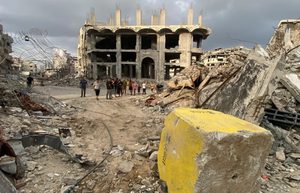
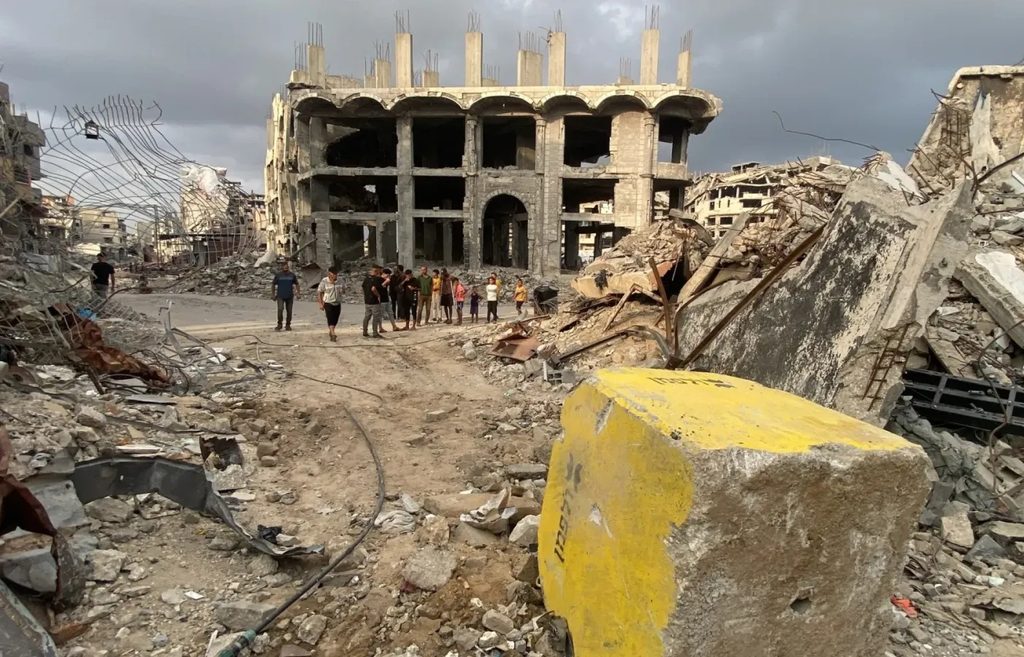
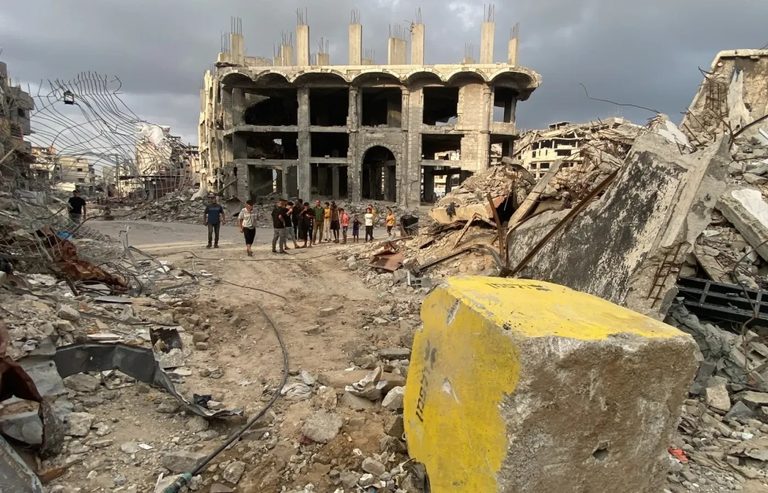
The war that began on February 28 has killed thousands of people, mainly in Iran and Lebanon, according to humanitarian organisations struggling to access conflict zones. In southern Lebanon, entire villages have been flattened by Israeli airstrikes, and the Lebanese health system, already ravaged by years of crisis, is collapsing under a new wave of mass casualties. Iranian cities along the Gulf coast and in the interior have been struck repeatedly, and the blockade has led to severe shortages of medicine, food, and fuel — a return to the dark days of the sanctions era, but this time compounded by active military confrontation.
The economic shockwaves have reverberated globally. With the Strait of Hormuz effectively shut to normal traffic, energy prices have spiked, dragging on a world economy already grappling with inflation and supply-chain disruptions. In the United States, gasoline prices are a daily political liability for the Trump administration ahead of November’s congressional elections. Voters are expressing frustration, and the president is caught between the hawks in his own party who demand no concessions to Iran and a broader public weary of foreign entanglements and high costs.
“Both sides are speaking in a way that keeps their supporters satisfied. It’s not clear who is telling the truth,” said Ali, a 49-year-old resident of Tonekabon in northern Iran, reflecting the confusion and exhaustion of ordinary people caught in the middle. His words, reported by AFP, underscore the information vacuum that has turned the conflict into a war of narratives as much as of missiles.
Investigative Critique: A War With No Truth And No Exit.
Three months in, the most striking feature of this conflict is the near-total absence of reliable, independently verifiable information. Ceasefire violations are claimed by both sides, but independent monitors have no access. The precise status of the Hormuz blockade is a matter of official contradiction even within the US government. The terms of the putative agreement are described in entirely incompatible ways by Washington and Tehran. Trump’s social media pronouncements mix kernels of diplomacy with blatant falsehoods, the Fars news agency said his claim that the two countries would “coordinate on removing and destroying Iran’s enriched uranium” was “fundamentally baseless”, while Iranian state media, under strict government control, filters everything through the lens of resistance and defiance.
What emerges is a hall of mirrors in which each side’s domestic audience is fed a version of events designed to project strength, while the real work of negotiation, if it exists at all, takes place in the shadows. The White House official’s insistence that Trump will only accept a deal that “satisfies his red lines” is a statement of political intent, not a description of diplomatic reality, when the other side has its own red lines that directly contradict them. Iran’s demand that Lebanon be included in any final agreement, however morally and strategically coherent from Tehran’s perspective, practically ensures that the US must either pressure Israel into a ceasefire it has so far refused or accept that the broader war will continue, an option that carries its own unbearable costs.
The inescapable conclusion is that neither side has yet reached the point of sufficient pain to make the necessary compromises. Iran, despite the blockade and the punishing strikes, believes it can withstand the pressure and that time is on its side, as US domestic politics grow more toxic and the global economy screams for relief. The US, with its vast military power, still acts as though a military solution or a surrender is possible, even as the Lebanese front bleeds and the Gulf remains on a hair trigger. Israel, a secondary but crucial actor, pursues its own war aims in Lebanon with little apparent regard for the impact on the US-Iran negotiations, treating the northern front as an existential struggle independent of Washington’s strategic calculus.
Into this vacuum have stepped mediators from Pakistan, Qatar, and Oman, but the fundamental obstacles, the future of Iran’s nuclear program, the status of its frozen assets, the Israeli-Hezbollah war, and the control of the Strait of Hormuz, are so interwoven that partial progress on one front is immediately held hostage by escalation on another. The result is a war that is both frozen and raging, a negotiation that is simultaneously “close” and nowhere near conclusion, and a population from Tonekabon to Tel Aviv to Beirut that is paying the price in blood, fear, and economic deprivation.
As Baghaei himself noted, the US and Israel have, for 80 years, waged what he called a “permanent and endless war” against the region. The events of the past three months, and the contradictory, self-justifying statements of all sides, suggest that the machinery of that endless war is still grinding, and that a genuine, lasting peace remains as elusive as ever.
Source:Veritas Press C.I.C. | Multi News Agencies
Submissions:
For The Secure Submission Of Documentation, Testimonies, Or Exclusive Investigative Reports From Any Global Location, Please Utilise The Following Contact Details For Our Investigations Desk: enquiries@veritaspress.co.uk or editor@veritaspress.co.uk
Help Support Our Work:
Popular Information is powered by readers who believe that truth still matters. When just a few more people step up to support this work, it means more lies exposed, more corruption uncovered, and more accountability where it’s long overdue.
Help Protect Independent Journalism, Which Is Currently Under Attack.
If you believe journalism should serve the public, not the powerful, and you’re in a position to help, becoming a DONATOR or a PAID SUBSCRIBER truly makes a difference.
DONATION APPEAL: If You Found This Reporting Valuable, Please Consider Supporting Independent Journalism.
Help Support Our Work – We Know, We Know, We Know …
Seeing these messages is annoying. We know that. (Imagine what it’s like writing them … )
Your support fuels our fearless, truth-driven journalism. In unity, we endeavour to amplify marginalised voices and champion justice, irrespective of geographical location.
But it’s also extremely important. One of Veritas Press’s greatest assets is its reader-funded model.
1. Reader funding means we can cover what we like. We’re not beholden to the political whims of a billionaire owner. We are a small, independent and impartial organisation. No one can tell us what not to say or what not to report.
2. Reader funding means we don’t have to chase clicks and traffic. We’re not desperately seeking your attention for its own sake: we pursue the stories that our editorial team deems important and believe are worthy of your time.
3. Reader Funding: enables us to keep our website and other social media channels open, allowing as many people as possible to access quality journalism from around the world, particularly those in places where the free press is under threat.
We know not everyone can afford to pay for news, but if you’ve been meaning to support us, now’s the time.
Your donation goes a long way. It helps us:
Keep the lights on and sustain our day-to-day operations
Hire new, talented independent reporters
Launch real-time live debates, community-focused shows, and on-the-ground reporting
Cover the issues that matter most to our communities, in real time, with depth and integrity
We have plans to expand our work, but we can’t do it without your support. Every contribution, no matter the size, helps us stay independent and build a truly people-powered media platform.
If you believe in journalism that informs, empowers, and reflects the communities we serve, please donate today.
Kamran Faqir is a volunteer investigative journalist and writer committed to exposing hidden truths and amplifying underreported stories. Driven by social justice, he brings sharp insight and fearless truth-telling to independent journalism. NUJ registered.
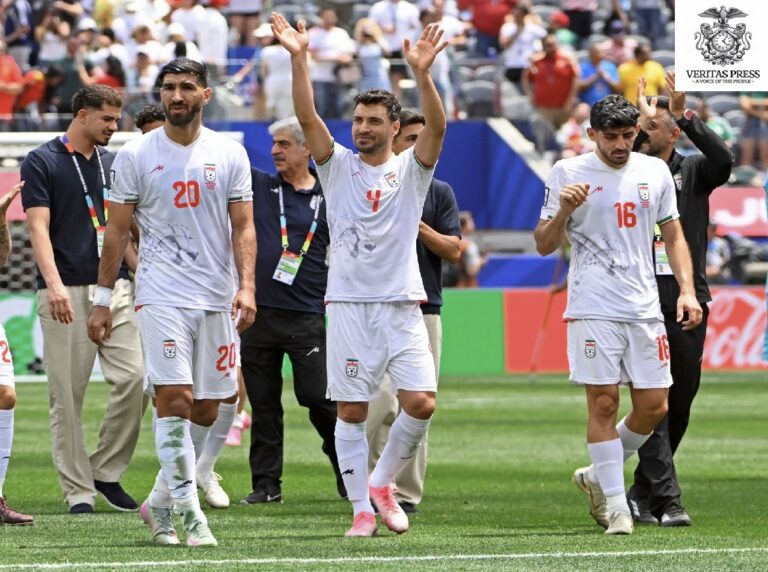
SEATTLE, TEHRAN — The U.S. Department of Homeland Security (DHS) will allow Iran’s national football team to enter the country 48 hours before their critical World Cup match against Egypt on Friday, a modest concession in a tournament where Team Melli’s travel conditions have sparked claims of oppression and competitive disadvantage.