Kamran Faqir is a volunteer investigative journalist and writer committed to exposing hidden truths and amplifying underreported stories. Driven by social justice, he brings sharp insight and fearless truth-telling to independent journalism. NUJ registered.
Article Date Published:
Article Date Modified:
10 minutes
Views:284
Listen to this article
Help support our mission, donate today and be the change. Every contribution goes directly toward driving real impact for the cause we believe in.
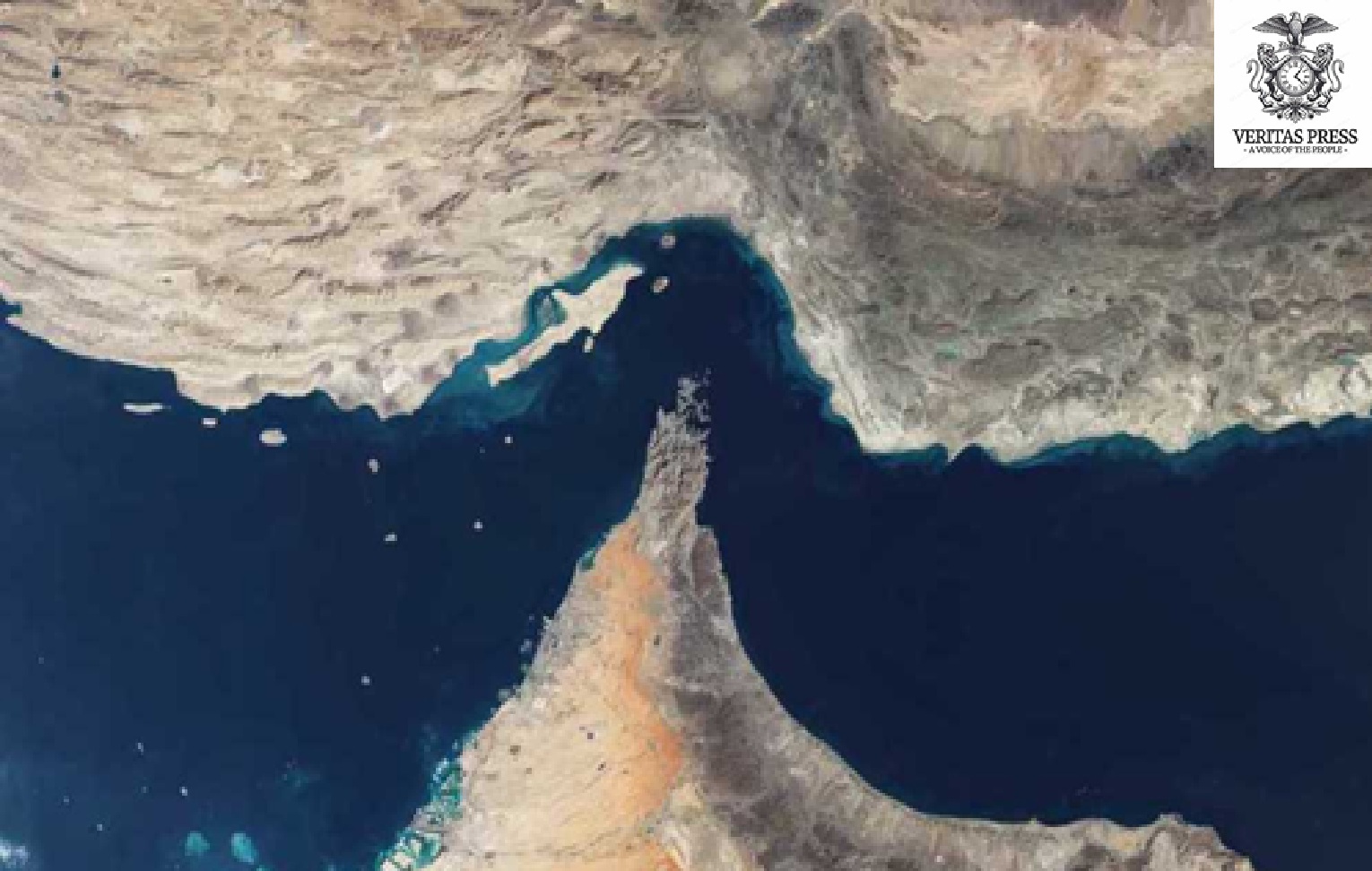
TEHRAN — Iran has doubled down on its claim that the Strait of Hormuz, one of the world’s most strategically important waterways, falls under the sovereign jurisdiction of its littoral states, Iran and Oman, rejecting what it describes as foreign interference and escalating pressure from the United States.
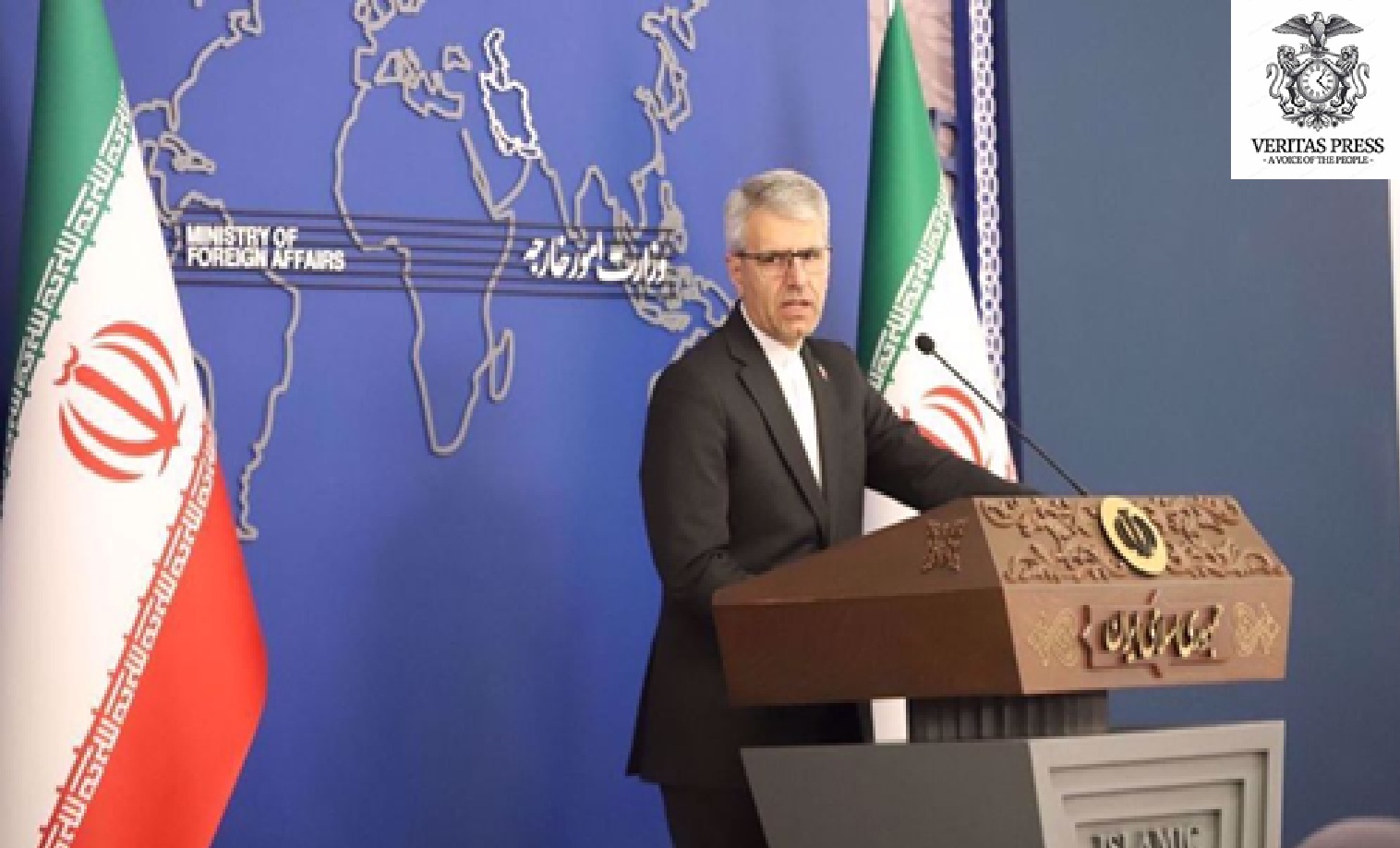
The latest statements by Iran’s Deputy Foreign Minister for Legal and International Affairs, Kazem Gharibabadi, mark a significant development in a growing geopolitical confrontation over control of the narrow maritime passage through which roughly a fifth of the world’s seaborne oil trade has historically flowed.
Speaking on June 1, Gharibabadi declared that Iran’s newly introduced maritime regulations govern vessel traffic through the Strait and warned that Tehran would not permit outside powers to interfere.
“In wartime conditions, Iran has established new regulations for controlling maritime traffic and will not permit any country to interfere,” he said.
His remarks come amid one of the most serious confrontations in the Persian Gulf in decades, following months of military escalation between Iran, the United States and Israel.
A Waterway At The Centre Of Global Power Politics.
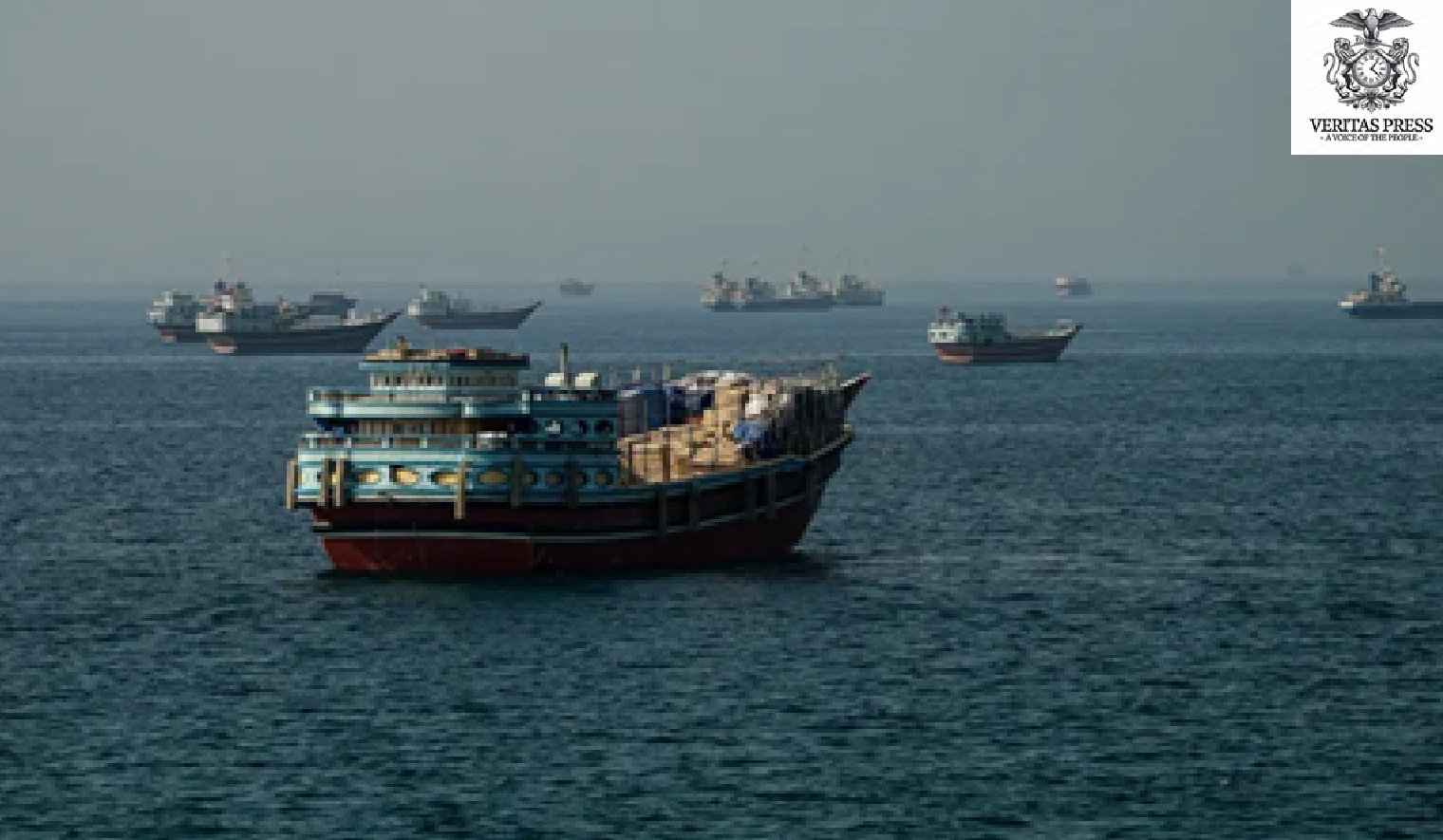
The Strait of Hormuz is far more than a regional shipping lane.
Located between Iran and Oman, the narrow waterway connects the Persian Gulf to the Gulf of Oman and the Arabian Sea. Energy analysts have long described it as the world’s most important oil chokepoint. Any disruption can send shockwaves through global markets, affecting fuel prices, inflation rates, shipping costs and energy security from Asia to Europe and North America.
The latest crisis erupted after the outbreak of war between Iran and the US-Israeli alliance in late February, followed by months of military confrontation that dramatically reduced maritime traffic through the passage. The conflict transformed the Strait from a commercial artery into a heavily militarised zone contested by regional and international powers.
Iran subsequently introduced the Persian Gulf Strait Authority (PGSA), a new institution tasked with supervising maritime transit and enforcing regulations governing vessel movements through the waterway.
According to Iranian officials, the move is designed to establish an orderly regulatory framework and ensure maritime security after months of conflict.
Washington, however, sees it differently.
Iran And Oman Assert Littoral Sovereignty:
Central to Tehran’s argument is a legal claim grounded in geography and maritime law.
“The Strait of Hormuz has two littoral states: Iran and Oman. These two countries have the right to exercise sovereignty over their territorial waters,” Gharibabadi said.
Iranian officials argue that any future arrangements regarding navigation, security or regulation in the Strait must be negotiated between Tehran and Muscat.
According to Gharibabadi, consultations between the two countries have made “positive progress,” and Oman recognises its sovereign rights concerning the waterway.
The diplomatic effort reflects a broader Iranian strategy: shifting the debate from military confrontation toward legal and sovereign authority.
Iranian officials have repeatedly argued that the United States, despite maintaining a major naval presence in the region, is not a littoral state and therefore possesses no legal basis to dictate maritime governance arrangements.
United States Rejects Iranian Framework:
The Trump administration has responded aggressively.
Treasury Secretary Scott Bessent warned that Washington would not tolerate any attempt to establish a transit toll system in the Strait and threatened sanctions against any actor involved in facilitating such arrangements.
The United States has already imposed sanctions on the newly created Persian Gulf Strait Authority, accusing it of attempting to control international shipping and extract fees from vessels transiting the waterway.
Bessent stated:
“The United States Government will not tolerate any effort to impose a tolling system in the Strait of Hormuz.”
The sanctions form part of a broader campaign of economic pressure that has continued despite ceasefire negotiations between Washington and Tehran. The US Treasury recently announced additional sanctions targeting Iran’s oil trade and shipping network, arguing that Iranian revenues support military operations.
Trump’s Threats Against Oman Spark International Concern:
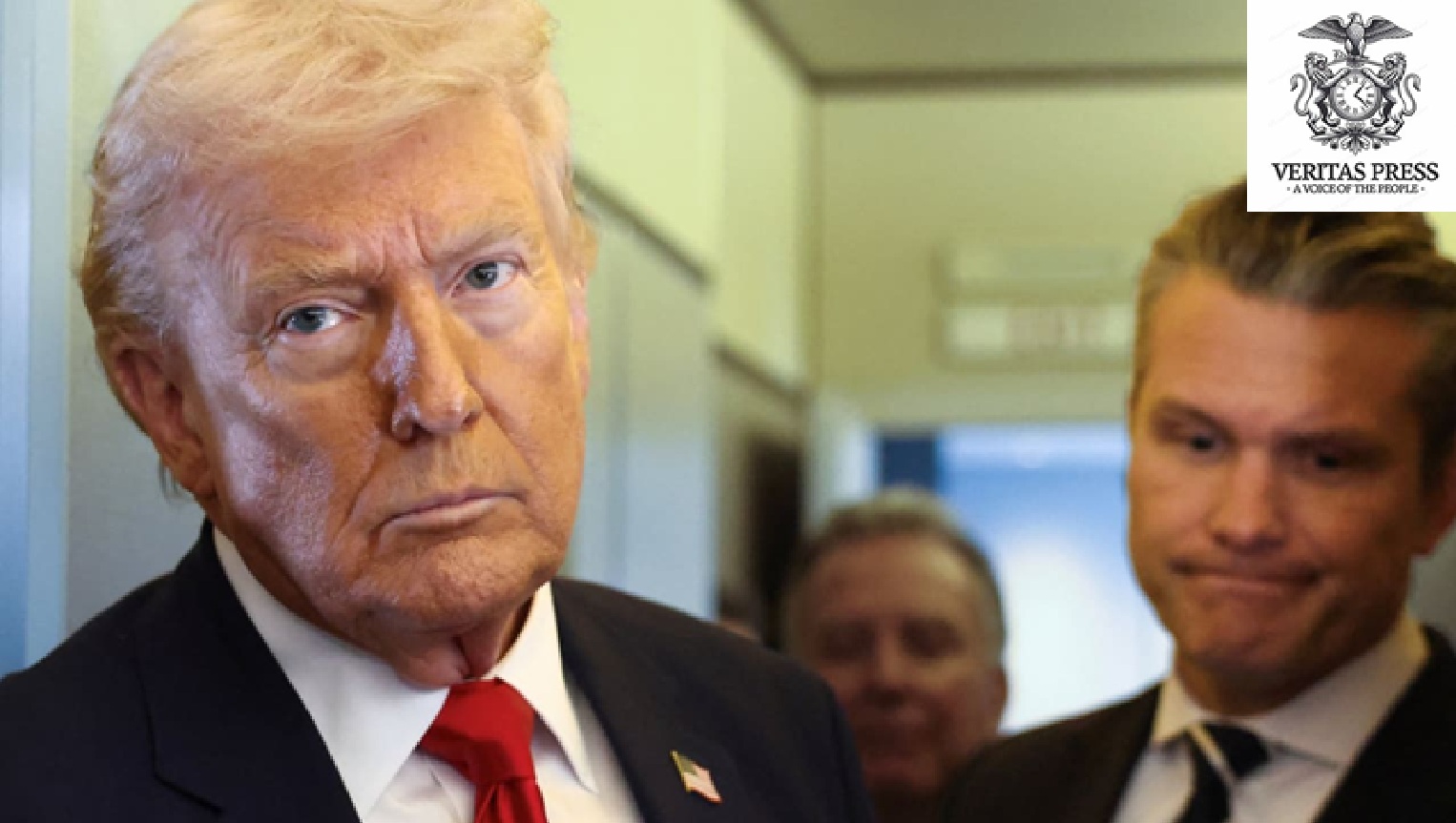
Particularly controversial have been remarks attributed to US President Donald Trump regarding Oman.
According to multiple reports, Trump rejected any arrangement granting Iran and Oman authority over traffic management in the Strait and threatened severe consequences if Muscat cooperated with Tehran’s plans.
The rhetoric triggered criticism from Iranian officials, who accused Washington of bullying a sovereign state.
Gharibabadi argued that threatening Oman constituted a violation of international law.
“By threatening Oman, the United States has violated international law. We have urged Oman not to yield to such threats and to exercise its sovereignty during peacetime,” he said.
Iranian Foreign Ministry officials have similarly described Washington’s position as evidence of a broader pattern of coercive diplomacy and disregard for state sovereignty.
The Legal Battle Over International Waters:
At the heart of the dispute lies a complex legal question.
Washington insists the Strait of Hormuz must remain open as an international navigation route accessible to all nations without interference. US officials argue that freedom of navigation is a cornerstone of international maritime law and global commerce.
Iran counters that while transit rights exist, littoral states retain sovereign authority over their territorial waters and the right to implement regulatory measures, especially during wartime.
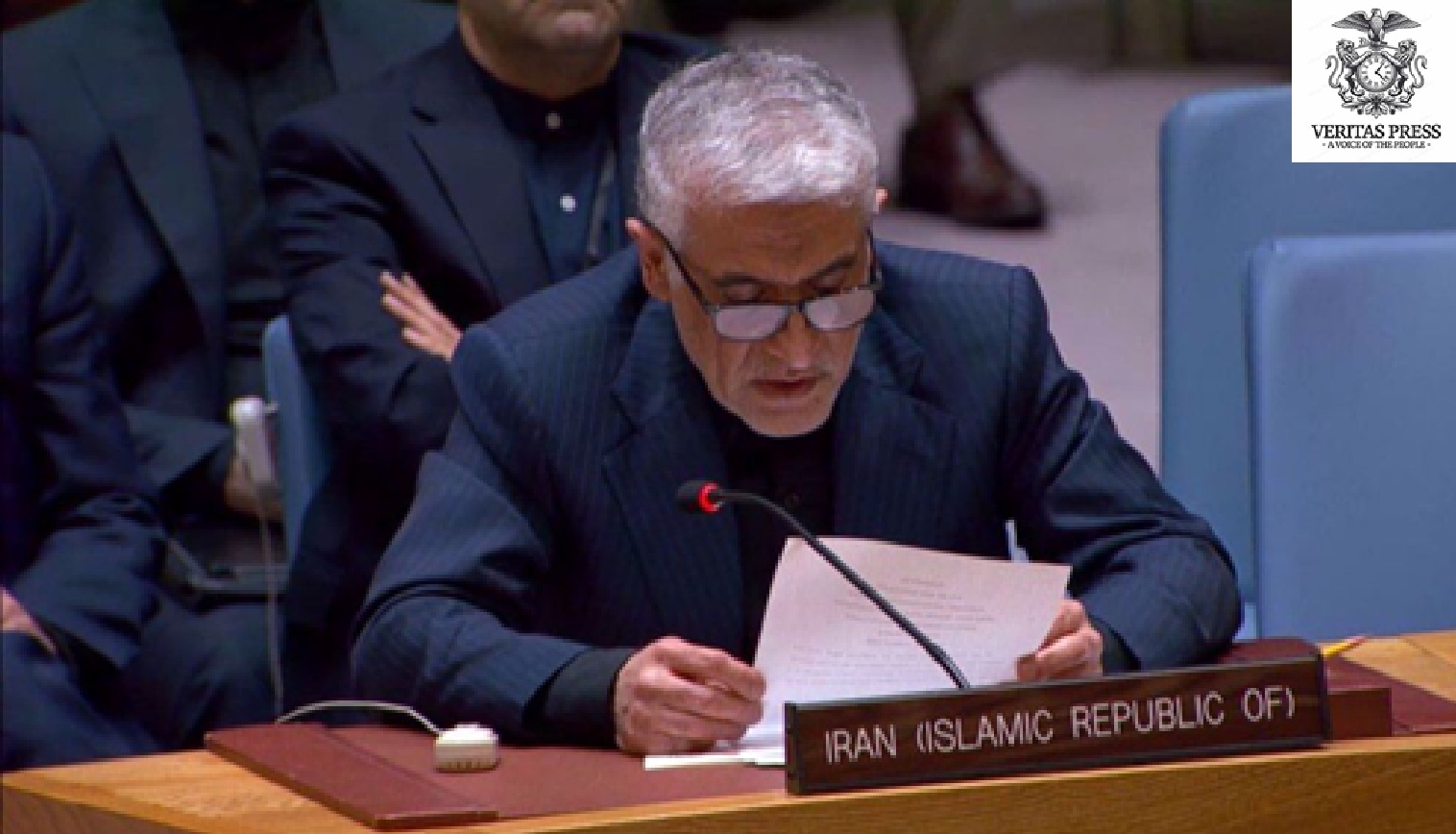
Iran’s Ambassador to the United Nations, Amir Saeid Iravani, recently defended Tehran’s actions before the UN Security Council, arguing that Iran’s measures are lawful and consistent with international law.
According to Iravani, Iran cannot allow a strategic waterway adjacent to its territory to be used as a corridor for hostile military operations against its sovereignty and national security.
The disagreement highlights a deeper divide over how international maritime law should be interpreted during periods of armed conflict.
Security Council Divisions Reflect Broader Global Splits:
The dispute has increasingly spilt into international institutions.
Earlier this year, attempts by the United Nations Security Council to pass resolutions on security and navigation in the Strait exposed deep divisions among the major powers. Russia and China vetoed one proposal backed by the United States and its allies, while later discussions revealed competing visions for managing security in the waterway.
The diplomatic deadlock underscores how the Strait of Hormuz has become another arena in the broader geopolitical contest involving the United States, Iran, China and Russia.
For Beijing, which relies heavily on Gulf energy imports, stability in the Strait is an economic necessity.
For Washington, maintaining naval dominance and freedom of navigation remains a strategic imperative.
For Iran, control over access to the Persian Gulf is increasingly viewed as a matter of national sovereignty and deterrence.
Economic Fallout Reverberates Across Global Markets:
The standoff has already produced significant economic consequences.
Energy markets remain highly sensitive to developments in the Strait. Recent reports indicate oil prices surged again amid renewed uncertainty over negotiations and concerns regarding maritime security. Analysts warn that any prolonged disruption could trigger another wave of inflation and energy price increases globally.
Shipping companies continue to face elevated insurance premiums, increased security costs and uncertainty over future transit requirements.
Iranian officials argue that compliance with the country’s new regulatory framework may actually reduce costs compared to wartime insurance premiums and the risks associated with inspections or detentions.
Gharibabadi stated that Iran’s objective is not to seize vessels but to establish a long-term regulatory mechanism consistent with international law.
“Iran’s goal is not to detain ships but to announce measures that are not inconsistent with international law,” he said, adding that Tehran would not retreat from the new arrangements.
Beyond Shipping: A Struggle Over Regional Order.
The confrontation over the Strait of Hormuz extends beyond maritime regulation.
For critics of US policy, Washington’s opposition to Iranian-Omani arrangements reflects a broader effort to preserve American dominance over one of the world’s most strategic waterways while denying regional actors greater control over their own security architecture.
For supporters of the US position, Tehran’s moves represent an attempt to leverage geography as a geopolitical weapon, using control of a critical energy chokepoint to gain economic and political concessions.
Human rights advocates and anti-war activists, meanwhile, warn that escalating rhetoric, sanctions and military threats risk dragging the region into another cycle of confrontation.
Regional analysts note that ordinary citizens across the Gulf bear many of the consequences. Rising fuel costs, disrupted trade, inflation and economic uncertainty affect populations far removed from diplomatic negotiations and military planning.
As ceasefire talks continue and Iran and Oman advance discussions over a potential maritime framework, the future governance of the Strait of Hormuz remains unresolved.
What is becoming increasingly clear, however, is that the dispute is no longer solely about shipping lanes or transit regulations. It has evolved into a broader contest over sovereignty, international law, regional power and the future balance of influence in one of the world’s most strategically significant regions.
Source:Veritas Press C.I.C. | Multi News Agencies
Submissions:
For The Secure Submission Of Documentation, Testimonies, Or Exclusive Investigative Reports From Any Global Location, Please Utilise The Following Contact Details For Our Investigations Desk: enquiries@veritaspress.co.uk or editor@veritaspress.co.uk
Help Support Our Work:
Popular Information is powered by readers who believe that truth still matters. When just a few more people step up to support this work, it means more lies exposed, more corruption uncovered, and more accountability where it’s long overdue.
Help Protect Independent Journalism, Which Is Currently Under Attack.
If you believe journalism should serve the public, not the powerful, and you’re in a position to help, becoming a DONATOR or a PAID SUBSCRIBER truly makes a difference.
DONATION APPEAL: If You Found This Reporting Valuable, Please Consider Supporting Independent Journalism.
Help Support Our Work – We Know, We Know, We Know …
Seeing these messages is annoying. We know that. (Imagine what it’s like writing them … )
Your support fuels our fearless, truth-driven journalism. In unity, we endeavour to amplify marginalised voices and champion justice, irrespective of geographical location.
But it’s also extremely important. One of Veritas Press’s greatest assets is its reader-funded model.
1. Reader funding means we can cover what we like. We’re not beholden to the political whims of a billionaire owner. We are a small, independent and impartial organisation. No one can tell us what not to say or what not to report.
2. Reader funding means we don’t have to chase clicks and traffic. We’re not desperately seeking your attention for its own sake: we pursue the stories that our editorial team deems important and believe are worthy of your time.
3. Reader Funding: enables us to keep our website and other social media channels open, allowing as many people as possible to access quality journalism from around the world, particularly those in places where the free press is under threat.
We know not everyone can afford to pay for news, but if you’ve been meaning to support us, now’s the time.
Your donation goes a long way. It helps us:
Keep the lights on and sustain our day-to-day operations
Hire new, talented independent reporters
Launch real-time live debates, community-focused shows, and on-the-ground reporting
Cover the issues that matter most to our communities, in real time, with depth and integrity
We have plans to expand our work, but we can’t do it without your support. Every contribution, no matter the size, helps us stay independent and build a truly people-powered media platform.
If you believe in journalism that informs, empowers, and reflects the communities we serve, please donate today.
Kamran Faqir is a volunteer investigative journalist and writer committed to exposing hidden truths and amplifying underreported stories. Driven by social justice, he brings sharp insight and fearless truth-telling to independent journalism. NUJ registered.
SEATTLE, TEHRAN — The U.S. Department of Homeland Security (DHS) will allow Iran’s national football team to enter the country 48 hours before their critical World Cup match against Egypt on Friday, a modest concession in a tournament where Team Melli’s travel conditions have sparked claims of oppression and competitive disadvantage.