


Author:
Help support our mission, donate today and be the change. Every contribution goes directly toward driving real impact for the cause we believe in.
BEIRUT/ERBIL/WASHINGTON — On the 119th day of a widening arc of conflict that has already swallowed Gaza, southern Lebanon, and the waters of the Persian Gulf, the Middle East woke on Saturday to a new, dangerous phase: direct military exchanges between the United States and Iran on Iranian soil, a deadly insurgent attack in Iran’s Kurdish region, and the unravelling of fragile diplomatic frameworks designed to prevent exactly this kind of conflagration.
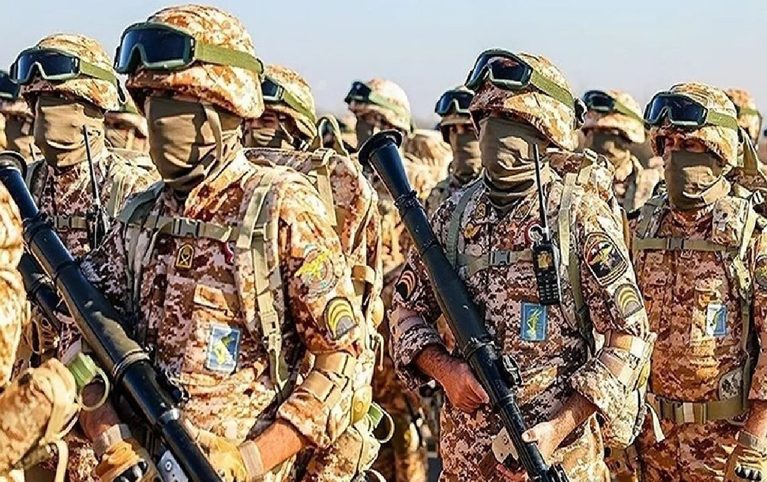
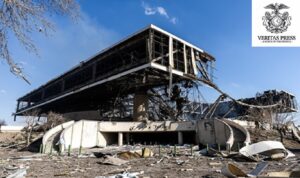
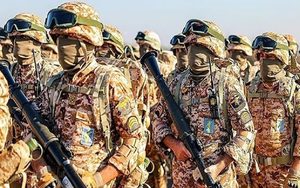
Within the span of a few predawn hours, the Islamic Revolutionary Guard Corps (IRGC) declared it had struck US military positions in the region in retaliation for American airstrikes on the Iranian coastal city of Sirik. Iran’s state media broadcast footage of smoke rising from a communications tower near the Taheroui pier, while the IRGC warned that any future “folly” by Washington would be met with a response “far broader than this.” The exchange, layered over simultaneous Israeli assaults in Gaza and a militant attack on an Iranian police checkpoint in the Kurdish province of Kurdistan that left two security personnel dead, painted a picture of a region where every ceasefire is brittle, and every flashpoint is interconnected.
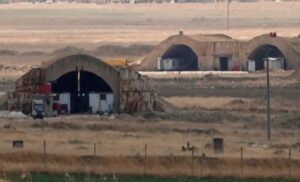
The trigger, according to US Central Command (CENTCOM), was an alleged Iranian attack on a commercial vessel transiting the Strait of Hormuz a day earlier. In a terse statement released late Friday, CENTCOM announced that American aircraft had struck “missile and drone storage facilities, along with coastal radar sites” in Iran. The operation, it said, was a necessary response to “Iranian aggression against international shipping.” No further details on the maritime incident, what vessel was hit, with what weapon, or the extent of casualties, were immediately provided. Independent verification remains impossible; maritime tracking data in the strait has been severely disrupted since the onset of regional hostilities, and shipping companies have largely gone dark for security reasons.
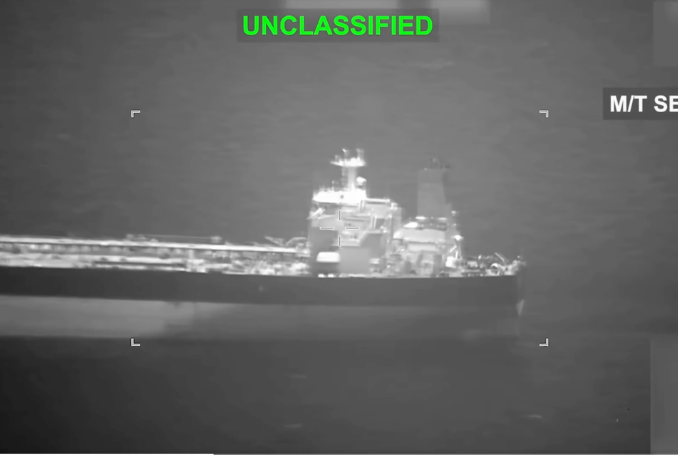
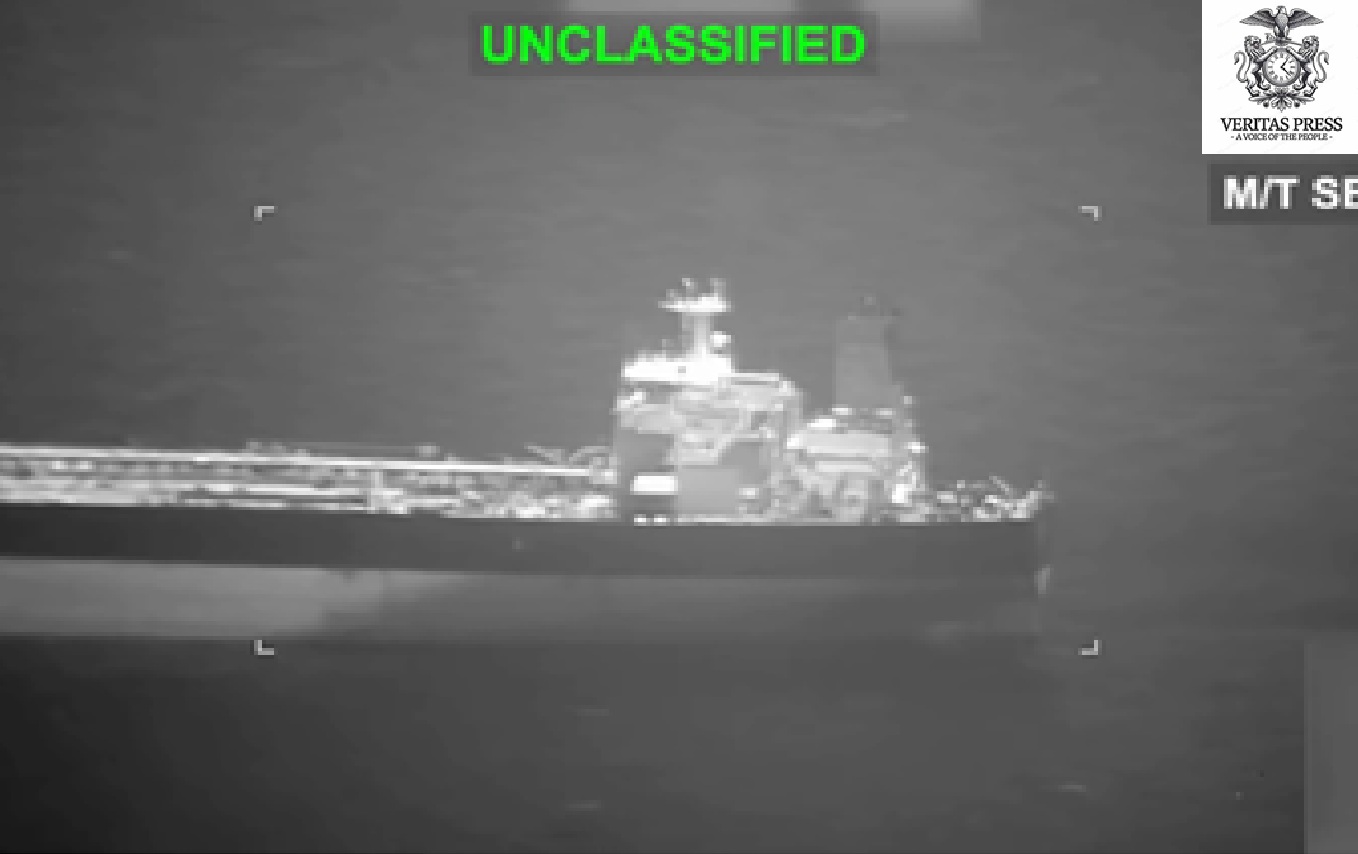
In response = Iranian authorities said the vessel, otherwise known as a ghost ship, was travelling along what they described as a covert and unauthorised route, failing to respond to repeated communications and warnings issued by Iranian maritime officials. According to the authorities, the ship had deviated from internationally recognised and designated shipping lanes that commercial vessels operating in the area are expected to use. Officials further stated that commercial traffic transiting these waters normally does so under established navigation protocols and, in certain sensitive areas, in coordination with or under the monitoring of Iranian security and maritime forces. Iranian officials argued that the vessel’s alleged failure to follow these procedures, combined with its silence in response to communications, raised suspicions and prompted intervention by Iranian authorities.
Hours after the American bombs fell, the IRGC’s Navy issued its own statement, carried by the semi-official Tasnim news agency, announcing that it had “targeted positions where US forces are stationed in the region.” The IRGC accused Washington of violating the Islamabad Memorandum, a painstakingly brokered understanding between the US and Iran, mediated by Qatar and Pakistan, that established deconfliction channels for the Strait of Hormuz. “Article Five of the Islamabad Memorandum assigns responsibility for managing navigation arrangements in the Strait of Hormuz to the Islamic Republic of Iran,” the Guard stated. “The United States, by encouraging other parties to challenge Iran’s authority and then launching airstrikes, has breached its commitments.” The statement did not specify which US bases were hit, and CENTCOM has not acknowledged any strikes on its positions. But an Al Jazeera correspondent, citing informed sources, reported that explosions were heard near the Ain al-Asad airbase in Iraq’s Anbar province and at the al-Tanf garrison in Syria, both housing American troops. The fog of war, thickened by both sides’ information control, made it impossible to gauge the damage or casualties.
In the southern Iranian city of Sirik, the human cost was palpable even if uncounted. “We heard three massive blasts just before dawn, the windows of my house shattered,” said Mariam, a 42-year-old fisherwoman reached by phone, who asked that her full name be withheld for safety. “The Taheroui pier, where my brother’s boat is docked, was hit. The security forces have cordoned everything off, and they’re telling us it was an ‘accident.’ But we heard the jets. We know it was an attack.” Iranian authorities have yet to release official casualty figures for the Sirik strikes, but the IRGC’s choice of language, “the aggression will not go unanswered” and “swift and decisive”, suggested a military establishment determined to project strength and avenge a direct hit on the homeland.
Yet even as the US and Iran traded blows along the Gulf’s strategic fault line, violence erupted on a second, long-simmering front: Iran’s Kurdish region, known to its inhabitants as Rojhelat. In the early hours of Saturday, gunmen attacked the Sabdalu checkpoint in Baneh, a town nestled in the rugged mountains of Kurdistan Province near the Iraqi border. Two members of Iran’s police command (Faraja) were killed, and four others were injured, according to Tasnim. The province’s police commander immediately ordered an investigation. But the context was already unmistakable. Just two days earlier, the Eastern Kurdistan Units (YRK), the armed wing of the Kurdistan Free Life Party (PJAK), had issued a warning: it would respond to Iranian military strikes on Kurdish villages around Baneh that had involved three suicide drones. The YRK accused Tehran of “indiscriminate attacks” causing “significant damage” to civilian land and property, adding, “We do not accept attacks on our country in any way. If they are repeated, we will definitely give the necessary response.”
The PJAK is an affiliate of the Kurdistan Workers’ Party (PKK) and has long waged a low-intensity insurgency against the Iranian state, demanding self-determination for Kurds. Tehran routinely bombs Kurdish opposition bases in the Iraqi Kurdistan Region and carries out strikes inside its own borders, describing the operations as targeting “separatist” and “anti-state” elements. Kurdish activists, however, accuse the Islamic Republic of using these operations as a cover for collective punishment. “The regime bombs our villages under the pretext of hitting PJAK, but the truth is they want to depopulate these areas and break the spirit of the Kurdish movement,” said Shilan Hassan, a spokesperson for the Hengaw Organisation for Human Rights, a Kurdish rights monitor, in a phone interview from Erbil. “The attack on the checkpoint is a predictable consequence of this cycle. When you bomb civilians, you fuel insurgency. And now, with the whole country distracted by the US confrontation, the security vacuum in Kurdistan will only grow.”
The Baneh attack not only underscores the multiple internal pressures bearing down on Tehran, from economic collapse to restive ethnic minorities, but also complicates any diplomatic off-ramp. Western diplomats have privately noted that the Islamabad Memorandum, which was meant to keep the US and Iran from stumbling into war over Hormuz, said nothing about the Kurdish question. Yet the Iranian state’s narrative of a besieged nation surrounded by enemies uses incidents like Baneh to justify crackdowns and to dismiss international diplomatic overtures as veiled support for separatist terrorism.
Meanwhile, the diplomatic architecture for another flashpoint, the Israel-Lebanon front, also teetered. The US State Department, in a move that surprised many, published the full terms of a tripartite framework agreement between the United States, Lebanon, and Israel. The document, which has been circulated among Western capitals for weeks but never formally endorsed by all Lebanese factions, calls for the disarmament of non-state armed groups in Lebanon and the dismantling of their infrastructure, with a joint military coordination team overseen by the US. It affirms the shared goal of “lasting peace and security” and “peaceful neighbourly relations.”
Within hours, the Lebanese Communist Party (LCP) issued a stinging rejection. Secretary General Hanna Gharib, a veteran leftist voice in a country where the Communist Party once held real sway, called the framework “an agreement of submission.” “There can be no peace with an apartheid and genocidal entity,” Gharib said in a televised statement from Beirut, referencing Israel’s ongoing military operations in Gaza. “We rejected the maritime border agreement from the outset, and we reject this American-imposed diktat. It aims to disarm the resistance and turn Lebanon into a client state.” Gharib urged “all national forces” to work to overturn the agreement. His words echoed the deep chasm between the US-backed Lebanese political class and the Hezbollah-led opposition, which remains heavily armed and sees its arsenal as the only deterrent against Israeli aggression. The framework’s publication, far from consolidating a ceasefire, seemed likely to accelerate internal Lebanese polarisation, especially while Hezbollah’s patron, Iran, is itself under direct attack.
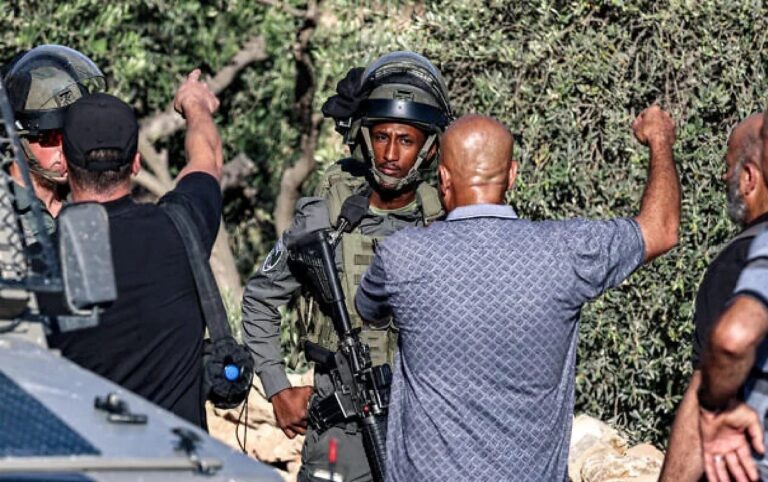
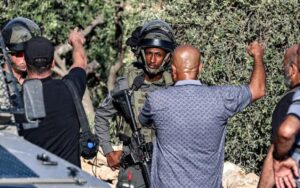
The sense of a region hurtling toward the abyss was reinforced by simultaneous low-level escalations elsewhere. Israeli military vehicles opened heavy fire and used stun grenades east of Khan Yunis in southern Gaza, Al-Mayadeen’s correspondent reported, in what the Israeli army described as a “routine operation to neutralise militant infrastructure.” Sirens sounded in the West Bank settlement of Beit Aryeh over fears of an infiltration attempt, a reminder that the occupied territories are far from quiescent. And in Tehran, the commander of the Khatam al-Anbiya Central Headquarters, the military body responsible for operational coordination, declared that the country’s armed forces are “fully prepared to strengthen and defend Iran’s sovereignty.” The statement, while boilerplate, took on a fresh edge when read against the US strikes and the IRGC’s threats.
To many analysts, the day’s cascade of violence felt less like a series of isolated incidents and more like a systemic collapse of the post-October 2025 diplomatic scaffolding. “The Islamabad Memorandum was premised on the idea that both Washington and Tehran wanted to avoid a direct shooting war and would use backchannels to manage incidents in the Gulf,” said Dr. Lina al-Hashimi, a senior fellow at the Doha Institute for Security Studies. “But that memorandum never resolved the underlying contradiction: the US insists on freedom of navigation as a global public good, while Iran claims sovereign control over the Strait and uses it as leverage. The US strike on Sirik was a statement that Washington will not be constrained by a piece of paper if its commercial interests are threatened. And Iran’s retaliation, however symbolic, is a signal that it will not be humiliated. This is a textbook escalation spiral, and the memorandum has essentially been torn up.”
Al-Hashimi also pointed to the Lebanon framework’s disarmament provisions as an explosive element. “You cannot demand the disarmament of Hezbollah while Israel is daily bombarding Gaza and the West Bank is on fire, and while Iran’s own territory is being bombed. That clause, if pursued, will ignite a new internal war in Lebanon—one that could make the previous ones look like a prelude.” Indeed, a Hezbollah parliamentarian, speaking on condition of anonymity, told a Lebanese newspaper that the group would “never surrender its weapons under foreign dictation,” and that the US was “dreaming” if it believed the Lebanese Army could implement such terms.
As night fell on Day 119, the humanitarian toll continued to mount in ways the military communiqués ignored. The IRGC’s threat of a “far broader” response hung over Gulf capitals. Shipping insurance rates for Strait of Hormuz transits skyrocketed to levels not seen since the 1980s Tanker War. The two Iranian policemen killed in Baneh were buried in ceremonies that state TV used to whip up nationalist fervour against “Kurdish terrorists” and their “American masters.” In Gaza, hospitals still overwhelmed from weeks of Israeli operations received a fresh influx of wounded from Khan Yunis. And in Washington, US Vice President JD Vance offered a cryptic remark that seemed to both defend the strikes and hold out an improbable olive branch: “If Iran has any disagreement over the recently signed agreement, it can contact the United States.” Which agreement, precisely, he was referring to—the shredded Islamabad Memorandum, the nuclear talks that never restarted, or some backchannel still breathing, remains a mystery.
What is clear is that the space for contact, communication, and de-escalation is shrinking by the hour. Each side is writing its own narrative of victimhood and retaliation, and the traditional mediators, Qatar, Pakistan, Oman, are struggling to find a door that has not already been slammed shut. A senior Qatari official, speaking to Al Jazeera on background, described the atmosphere as “the most dangerous since the days before the Iraq war.” “Everyone is now a first responder to their own crisis. Nobody is looking at the whole board. And the whole board is on fire.”
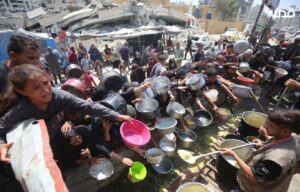
In the Kurdish mountains near Baneh, a young man who identified himself only as Azad, a farmer whose orchard was scorched by the Iranian drone strikes earlier in the week, reflected a despair that seemed to transcend borders. “They bomb us from the sky, and then they are surprised when someone shoots back. The Americans bomb Sirik. The Iranians bomb a base. It is all the same game, and we are the ones who bleed.” His words, unrehearsed and bitter, captured a truth that the day’s communiqués and counter-communiqués deliberately obscured: in the interplay of great powers, proxy wars, and broken ceasefires, it is the ordinary people from Sirik to Baneh to Khan Yunis who are left to pick through the rubble, wondering if the next dawn will be the one that brings a wider and even more indiscriminate fire.
Source: Veritas Press C.I.C. | Multi News Agencies
Help Support Our Work By Donating
Popular Information is powered by readers who believe that truth still matters. When just a few more people step up to support this work, it means more lies exposed, more corruption uncovered, and more accountability where it’s long overdue.
Help Protect Independent Journalism, Which Is Currently Under Attack.
If you believe journalism should serve the public, not the powerful, and you’re in a position to help, becoming a DONATOR or a PAID SUBSCRIBER truly makes a difference.
DONATION APPEAL: If You Found This Reporting Valuable, Please Consider Supporting Independent Journalism.
Your support fuels our fearless, truth-driven journalism. In unity, we endeavour to amplify marginalised voices and champion justice, irrespective of geographical location. We operate independently, without any financial backing from billionaires.
But it’s also extremely important. One of Veritas Press’s greatest assets is its reader-funded model.
1. Reader funding means we can cover what we like. We’re not beholden to the political whims of a billionaire owner. We are a small, independent and impartial organisation. No one can tell us what not to say or what not to report.
2. Reader funding means we don’t have to chase clicks and traffic. We’re not desperately seeking your attention for its own sake: we pursue the stories that our editorial team deems important and believe are worthy of your time.
3. Reader Funding: enables us to keep our website and other social media channels open, allowing as many people as possible to access quality journalism from around the world, particularly those in places where the free press is under threat.
We know not everyone can afford to pay for news, but if you’ve been meaning to support us, now’s the time.
Your donation goes a long way. It helps us:
- Keep the lights on and sustain our day-to-day operations
- Hire new, talented independent reporters
- Launch real-time live debates, community-focused shows, and on-the-ground reporting
- Cover the issues that matter most to our communities, in real time, with depth and integrity
We have plans to expand our work, but we can’t do it without your support. Every contribution, no matter the size, helps us stay independent and build a truly people-powered media platform.
If you believe in journalism that informs, empowers, and reflects the communities we serve, please donate today.
Help By Donating Today
Submissions:
For The Secure Submission Of Documentation, Testimonies, Or Exclusive Investigative Reports From Any Global Location, Please Utilise The Following Contact Details For Our Investigations Desk: enquiries@veritaspress.co.uk or editor@veritaspress.co.uk
GENEVA — A United Nations fact-finding mission has concluded there are “reasonable grounds to believe”
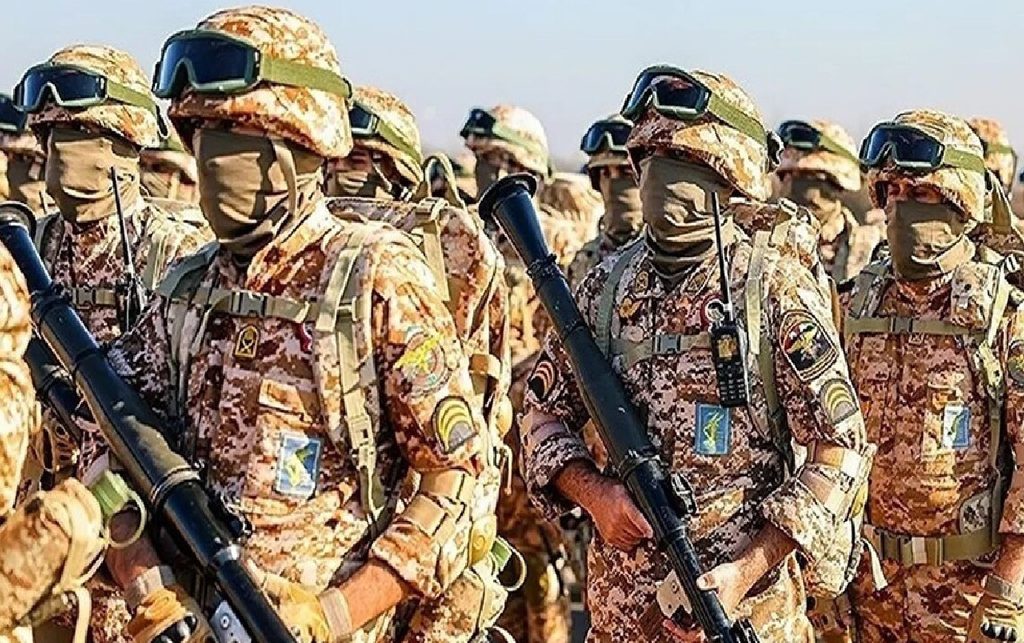
Iran’s GDP is projected to contract by 5.4 to 6.1% in 2026, its worst performance
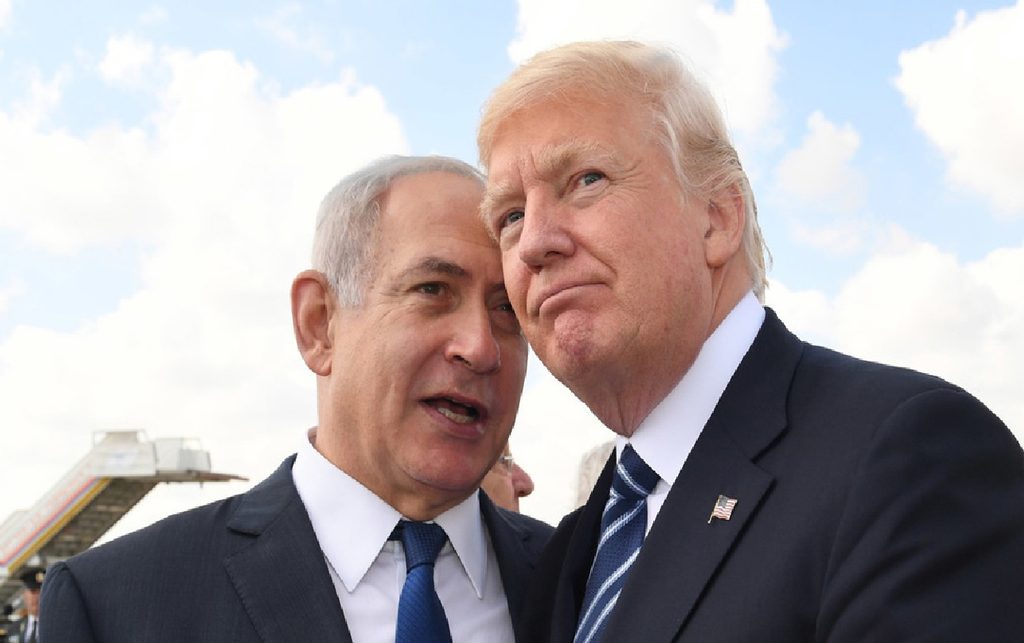
The Trump administration is preparing a $2.8 billion weapons package for Israel containing 40,000 2,000-pound

Film alleges mass civilian deaths are routinely built into military decisions amid Israel’s genocidal war
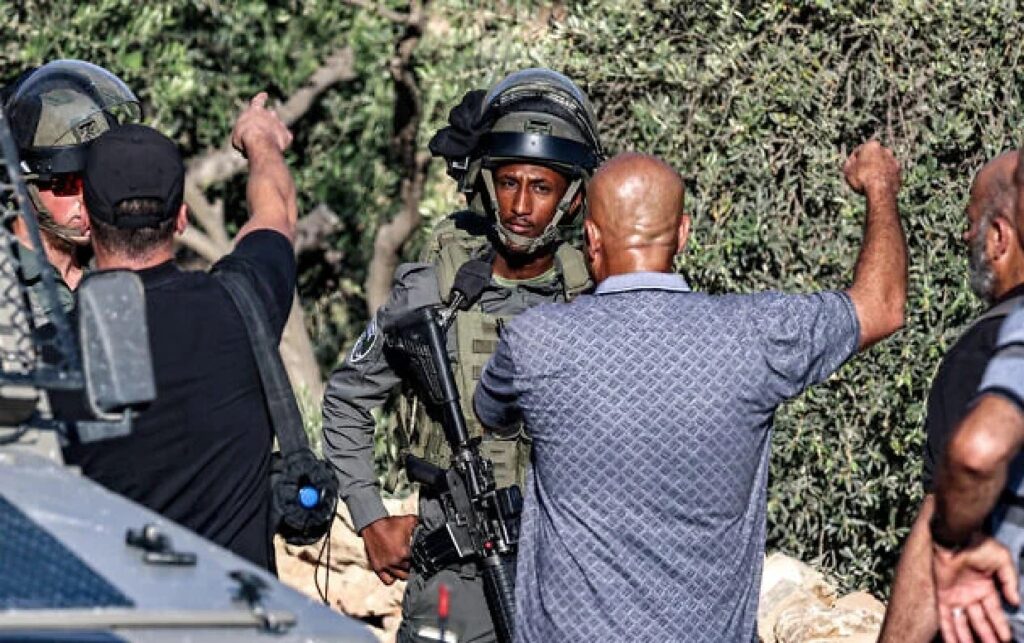
The Israeli rights group says violence, displacement, economic strangulation, and settlement expansion form part of

Houthi forces have captured the historic Red Sea port of Mocha and are advancing on
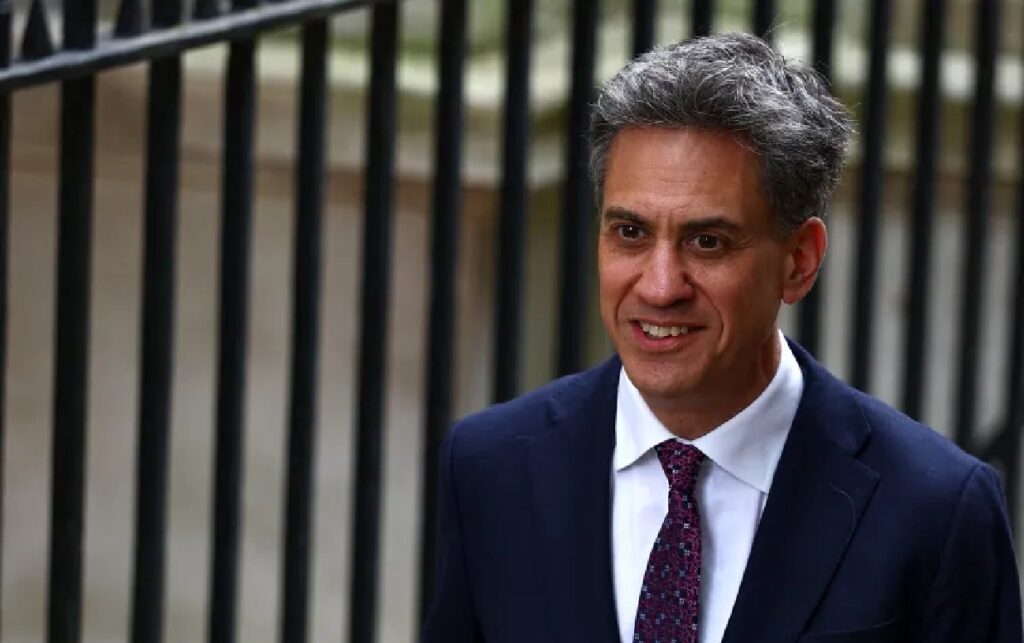
London’s historic sanctions against Israeli settlements mark a watershed moment in UK foreign policy, but
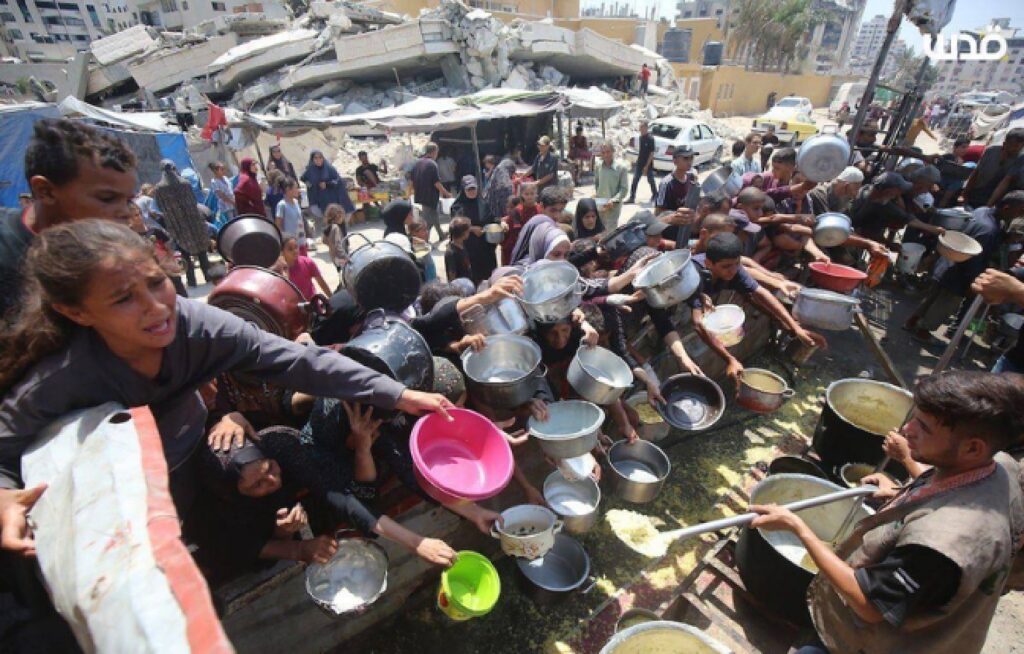
With 95% of Gaza’s population now wholly dependent on aid and more than 90% stripped
India calls for Kashmir and Ladakh to appear only on its official map after a
ISLAMABAD – In the high-stakes political theatre of Pakistan, the battleground has shifted from the