‘A Dangerous Game’: How The Israel-Iran Spiral Turned Civilian Infrastructure Into Military Targets.
Author: Kamran Faqir
Kamran Faqir is a volunteer investigative journalist and writer committed to exposing hidden truths and amplifying underreported stories. Driven by social justice, he brings sharp insight and fearless truth-telling to independent journalism. NUJ registered.
Article Date Published:
Article Date Modified:
15 minutes
Views:435
Listen to this article
Help support our mission, donate today and be the change. Every contribution goes directly toward driving real impact for the cause we believe in.
TEHRAN, JERUSALEM, BEIRUT – In the space of 48 hours, the unwritten red lines that had long governed the shadow war between Israel and Iran were not just crossed, they were incinerated. What began with an Israeli airstrike on a petrochemical complex in southwestern Iran has spiralled into a tit-for-tat assault on civilian energy infrastructure that has shattered a fragile ceasefire, dragged Lebanon back into the crosshairs, and threatened to choke the global economy. By Monday evening, oil prices were hurtling towards $140 a barrel, international airlines were slashing profit forecasts by half, and Yemen’s Houthis had re-entered the fray with a maritime blockade. The region stands at the precipice of a conflict whose consequences, Iran’s Revolutionary Guards warned, will reverberate far beyond the Middle East.
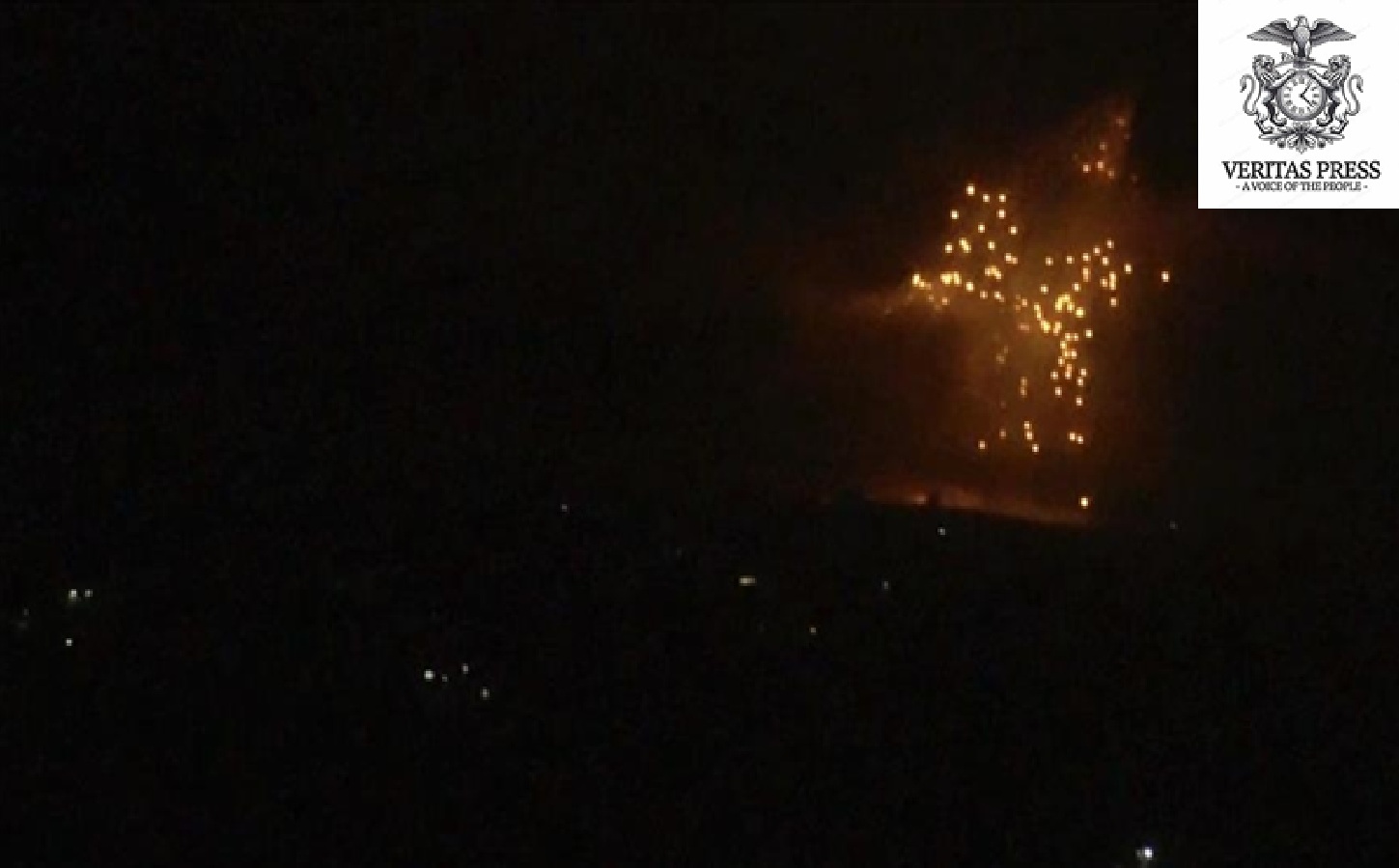
“Israel started a dangerous game by attacking civilian targets and oil industries,” the Islamic Revolutionary Guard Corps (IRGC) declared in a statement carried by state broadcaster IRIB on Monday. Minutes earlier, the Guards said they had launched a missile strike on “similar industries” in the northern Israeli city of Haifa, a direct retaliation for what Tehran called an Israeli attack on the Karun Petrochemical Company in the Mahshahr Special Economic Zone, one of Iran’s primary oil and petrochemical hubs. For the first time in the decades-long confrontation, the logic of deterrence had been perverted into a doctrine that treats factories, refineries, and chemical plants as legitimate prizes of war.
The Unravelling Of A Ceasefire And The Lebanon Nexus:
The current conflagration did not erupt in a vacuum. The region has been on a hair trigger since late February, when the United States and Israel launched coordinated airstrikes deep inside Iran, prompting Tehran to retaliate against Israeli territory and regional bases hosting American assets. A temporary ceasefire was painstakingly brokered on April 8, but its terms were ambiguous and its implementation disputed from the start. Iran has repeatedly insisted that the truce was conditional on a cessation of hostilities on all fronts, including southern Lebanon. That understanding, however, held only as long as both sides found it convenient.
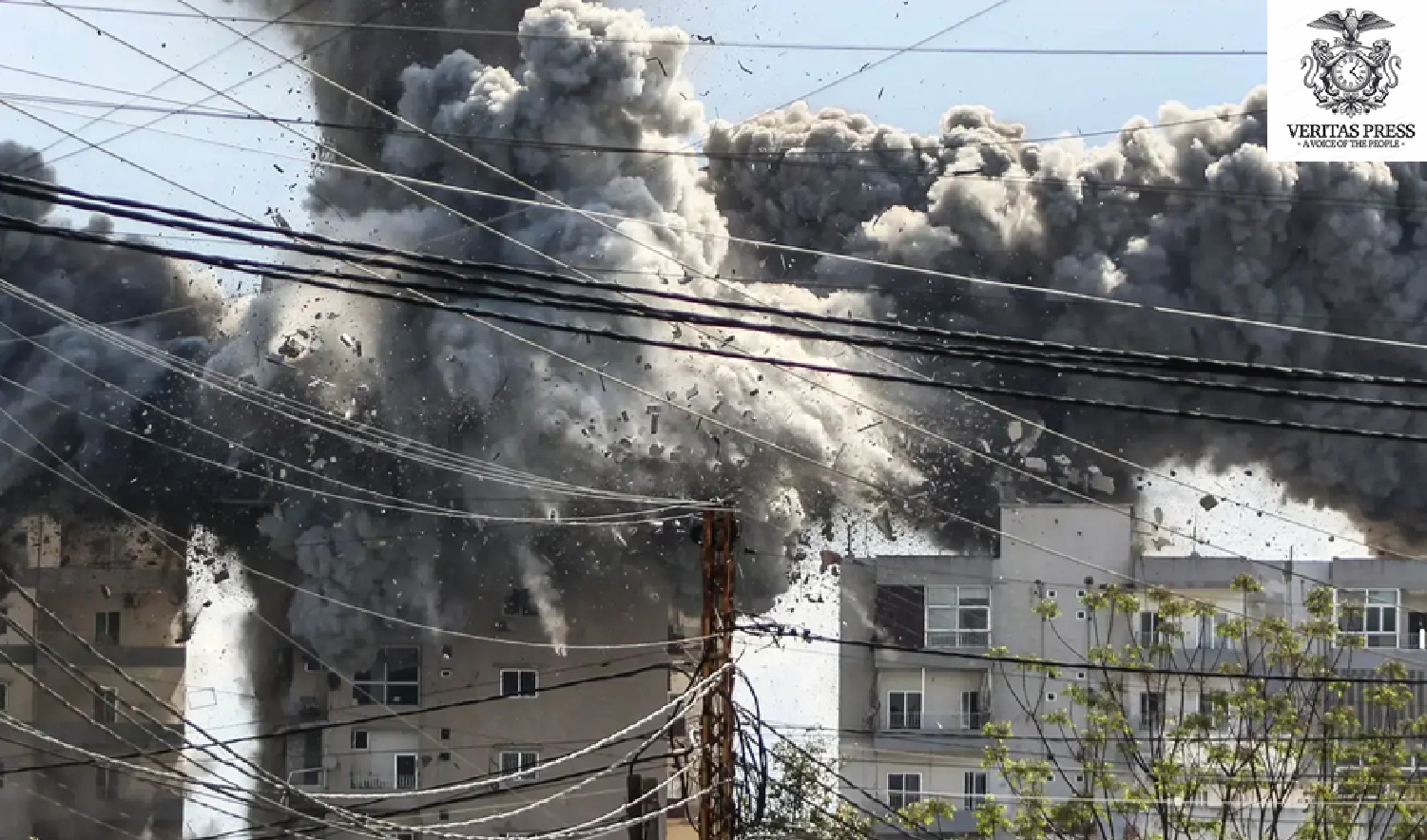
It shattered over the weekend. On June 7, the IRGC conducted a series of missile strikes targeting Israeli positions in the northern occupied territories, a move it described as a direct response to Israel’s violation of the ceasefire and a deadly airstrike on the Dahiyeh suburb of Beirut. The Dahiyeh strike, which flattened a residential building and, according to Lebanese sources, killed a senior Hezbollah commander along with several civilians, was the spark that reignited the powder keg.
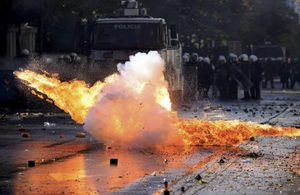
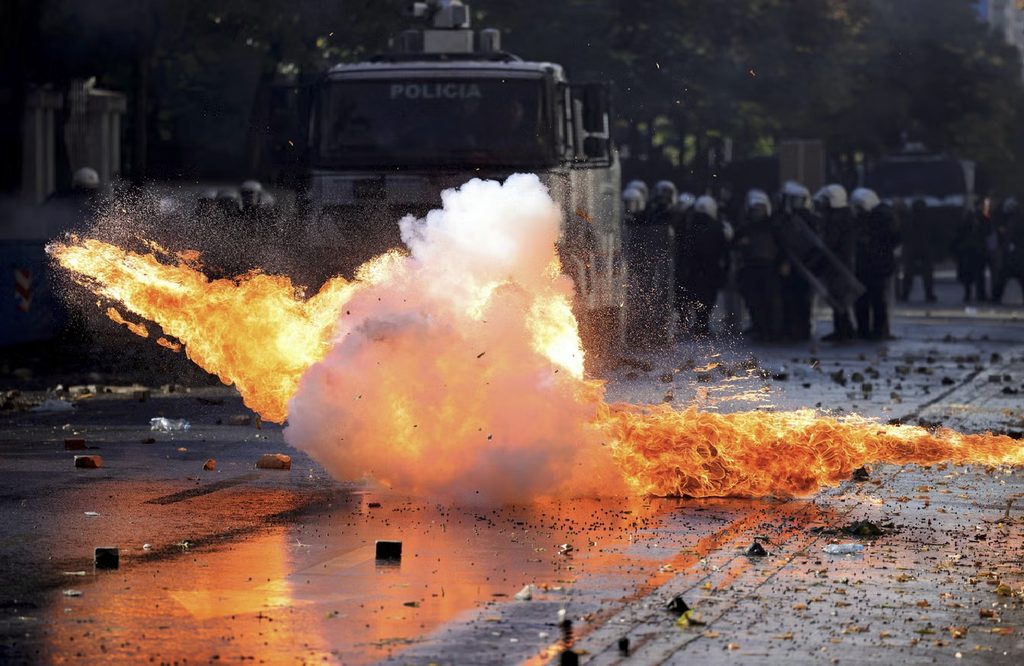
By Sunday, the Israeli military had launched what it called an “extensive wave” of strikes on Iran, deploying dozens of fighter jets to hit radar installations, surface-to-air missile launchers, and the Karun Petrochemical complex in Mahshahr. Explosions were reported across Tehran, Isfahan, Tabriz, and Karaj. Iran’s emergency services chief, Jafar Miadfar, told Tasnim news agency that 15 people were wounded, 14 of them in Mahshahr.
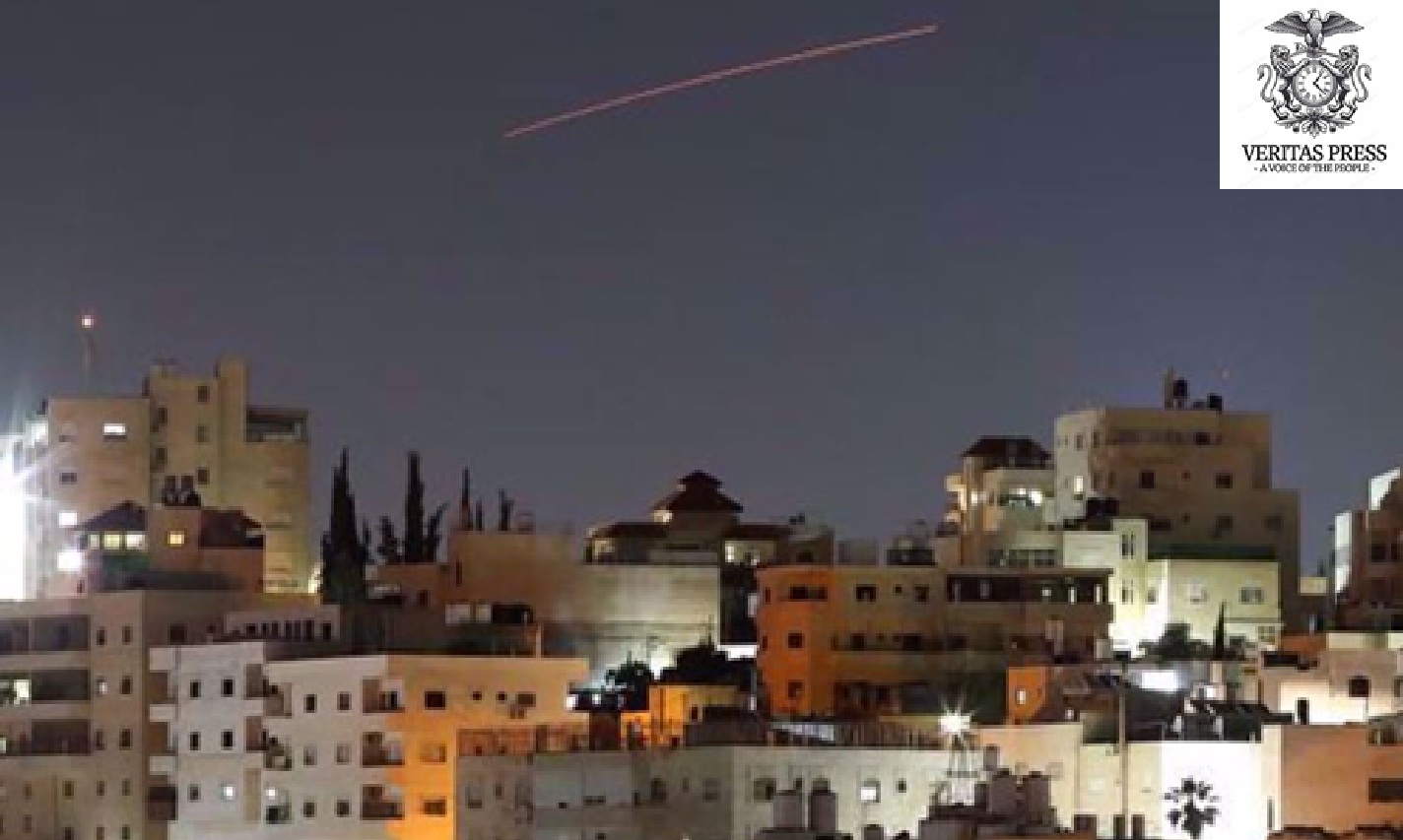
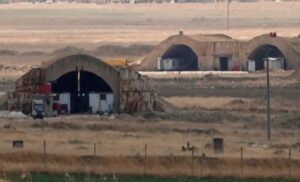
The IRGC’s response was swift and symmetrical. It fired barrages of ballistic missiles at petrochemical facilities in Haifa and struck the strategic Nevatim and Tel Nof airbases in the northern occupied territories. The message was unmistakable: Iran would no longer distinguish between military and economic targets, and it would link its own security irrevocably to that of Lebanon.
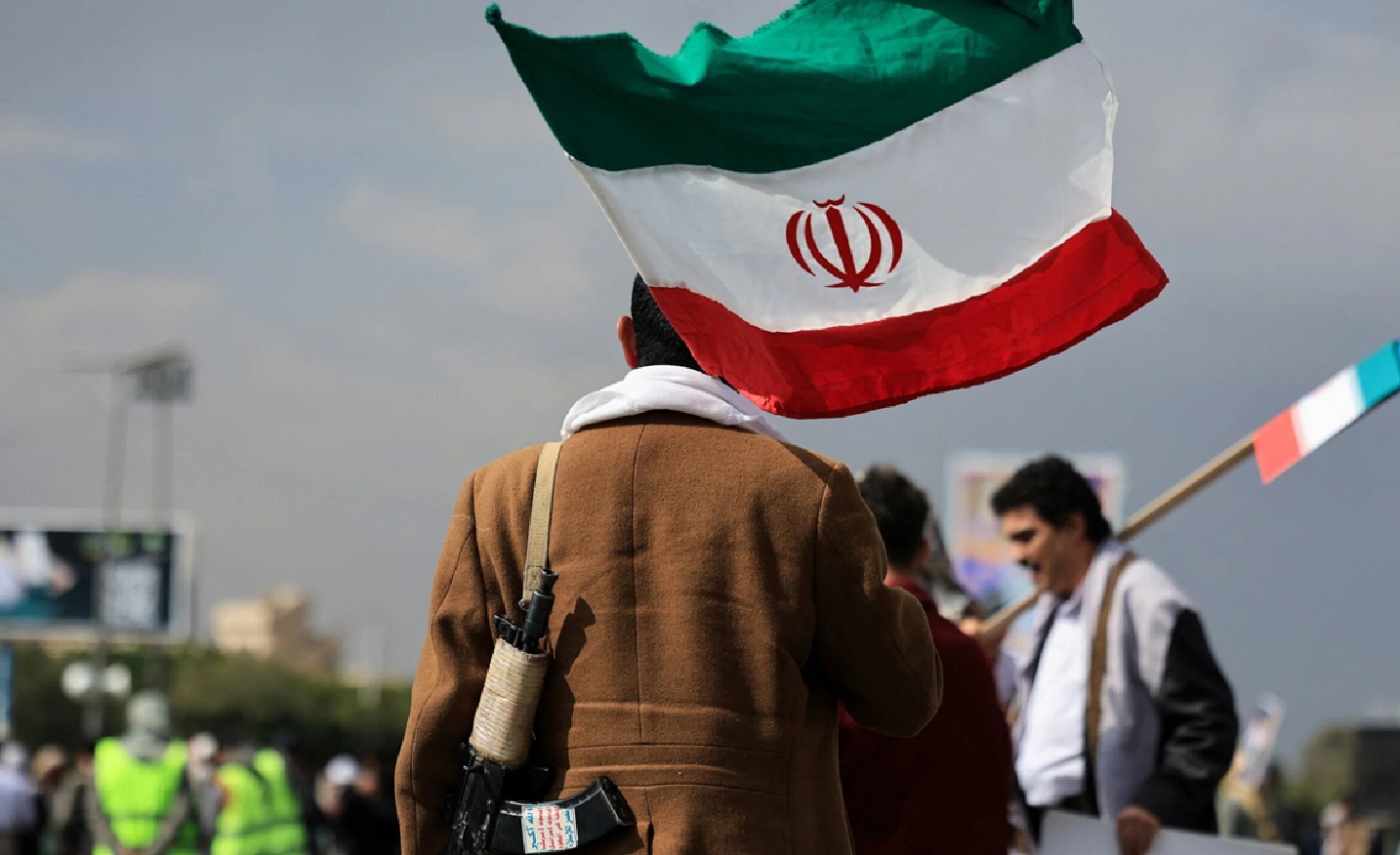
“If the Zionist-American evil coalition makes another mistake, the region will become hell for them,” Mohammad Baqer Zolqadr, Secretary of Iran’s Supreme National Security Council, warned in a statement on Monday. Analysts immediately noted that the IRGC operation had “shattered every previous assumption.” It was, as one Tehran-based strategic commentator put it, “a public, operational declaration that Iran has redefined the rules of engagement.”
‘Stop Shooting’, And The Contradictions Of American Policy:
As the missiles flew, a surreal disconnect played out in Washington. President Donald Trump, who reportedly urged Prime Minister Benjamin Netanyahu not to escalate further, told Axios that the strikes on Beirut had not been coordinated with the United States and insisted that both sides “had their fun” and should stop. He later posted an uncharacteristically brief message on Truth Social: “Israel and Iran must immediately stop shooting.”
The remarks did nothing to halt the Israeli war machine. Hours later, the Israeli Air Force was again pounding targets inside Iran and across southern Lebanon. For Tehran, Trump’s words were not merely ineffectual; they were incriminating. Iranian Foreign Ministry spokesman Esmaeil Baghaei said Israel’s actions “cannot be viewed in isolation” from US policy, describing Washington as “directly responsible” for the ceasefire breaches. He underscored that both Tehran and Pakistani mediators had repeatedly stressed that Lebanon was “part and parcel of the ceasefire agreement.”
The IRGC was even more blunt, warning that the consequences of the current escalation for the global economy would be “the responsibility of the main arsonist in this field, America.” It was a statement designed to rattle markets and force Western capitals to reckon with the price of their unqualified support for Israel’s military adventurism.
The Human And Environmental Toll Of ‘Symmetrical Warfare’:
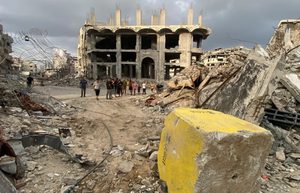
The symmetry of the attacks, petrochemical plant for petrochemical plant, civilian hub for civilian hub, marks a dark evolution in the conduct of modern warfare. The Mahshahr Special Economic Zone is not a military installation; it is a sprawling complex of petrochemical plants, refineries, and export terminals that form the backbone of Iran’s sanctioned economy. Workers, there are civilians, often hailing from the impoverished Khuzestan province. “We were just starting our shift when the blast threw me to the ground,” said Reza, a 34-year-old technician at the Karun facility, speaking by phone from a hospital in Ahvaz. “The smoke was thick and acrid. Everyone was screaming. We are not soldiers. We are just workers trying to feed our families.”
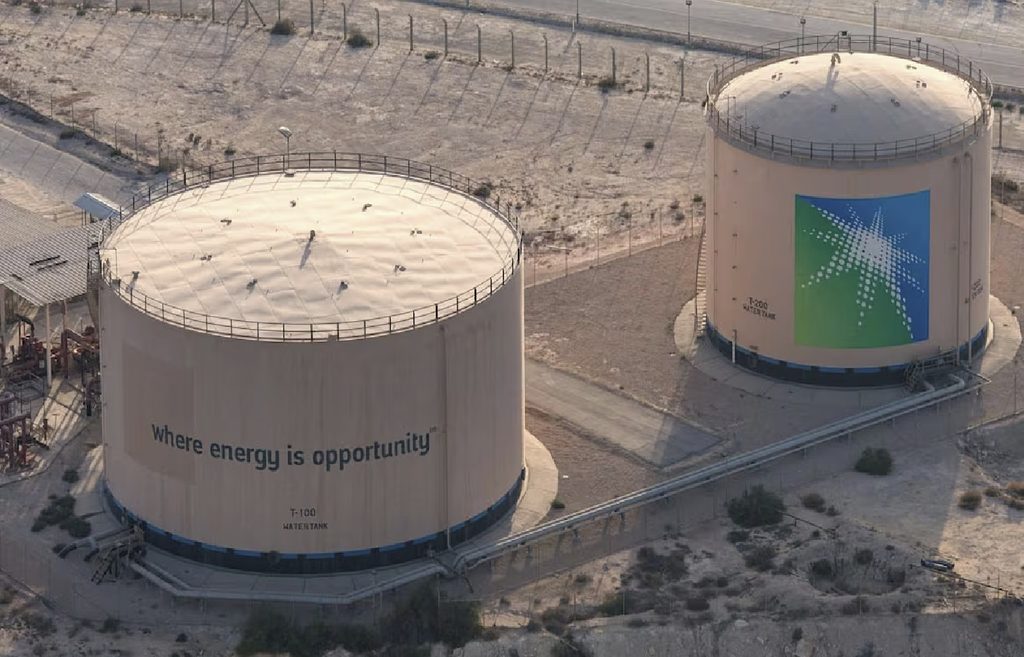
In Haifa, the story was eerily similar. The city is home to Israel’s largest industrial zone, including oil refineries and chemical plants that hug the Mediterranean coast. Residents described a night of terror as air raid sirens gave way to thunderous explosions and a sickly orange glow on the horizon. “I saw the sky light up, then the ground shook,” said Miriam, a mother of three who lives in the Kiryat Haim neighbourhood. “They told us for years that Hezbollah could hit Haifa, but to actually see it, to know they targeted the refineries, is something else. If those tanks had gone up, the whole bay would have been poisoned.”
Environmental groups were quick to sound the alarm. Greenpeace MENA issued a statement warning that strikes on petrochemical infrastructure risk releasing a cocktail of toxic chemicals, including benzene and hydrogen sulphide, with catastrophic consequences for public health and marine ecosystems. “Bombing chemical plants is not just a war crime under international humanitarian law; it is an assault on the environment that will harm generations,” the organisation said. The International Committee of the Red Cross (ICRC) called on all parties to “spare civilian infrastructure essential to the survival of the population,” but its pleas went unheeded.
The toll on medical and humanitarian workers was immediate. An Israeli drone strike wounded four Lebanese Red Cross rescuers in the southern city of Tyre when an explosion went off outside one of its centres. The medics suffered moderate to minor injuries from flying glass and were taken to Jabal Amel Hospital. “We were treating the wounded from earlier shelling when the blast hit us,” said a visibly shaken paramedic who gave his name only as Ali. “This is a clear violation of all the rules. They are targeting everyone now.”
RT journalist Ali Rida Sbeity, reporting from the Nabatieh district of southern Lebanon, described a landscape of relentless violence despite the supposed ceasefire. “During the day, you’ve been hearing artillery shelling by the Israeli army… the last one was a few minutes before we started this live,” he said. “Drone strikes are almost nonstop. It is very dangerous for anyone to move around these areas.”
The Lebanese Quagmire And The Ghost Of Wider War:
Israeli Defence Minister Israel Katz was unequivocal about Israel’s intentions. “The IDF will continue to operate in Lebanon against the terrorist organisation Hezbollah,” he said, vowing to strike Beirut’s Dahiyeh district in retaliation for every attack on northern Israel. Prime Minister Netanyahu later claimed that Hezbollah had planned to invade the Galilee “with thousands of terrorists” while seeking to “destroy the cities of Israel with 150,000 rockets and missiles.” He described the previous night’s operations as “historic strikes to prevent a nuclear attack on Israel” and reiterated his pledge that “Iran will not have a nuclear weapon”, a claim Tehran dismisses, insisting its nuclear programme is solely for peaceful purposes.
But for many in Lebanon, the rhetoric is a grim echo of 2006 and the devastating 33-day war that left much of the country’s infrastructure in ruins. “They are using the same playbook, but this time the region is even more fragile,” said Dr. Lina Khatib, a Beirut-based political analyst. “Netanyahu is openly tying the Lebanese front to the Iranian nuclear issue, which is a dangerous conflation that could drag the whole region into an uncontrollable war.” Civil society groups in Beirut have called for an emergency session of the UN Security Council, but with Washington holding a veto, prospects for meaningful international intervention are dim.
Yemen’s Houthi movement, Ansar Allah, wasted no time in re-entering the equation. Houthi military spokesman Yahya Saree announced a “complete ban on Israeli maritime navigation in the Red Sea,” warning that any Israel-linked vessel would be treated as a military target. The group released footage purportedly showing missile launches at “important targets in occupied Jaffa” (Tel Aviv). The Houthi escalation revives the Red Sea shipping crisis of 2023–2024, which disrupted global supply chains and forced major carriers to reroute around the Cape of Good Hope. With the Houthis now once again firing on commercial traffic, insurance premiums are spiking, and the spectre of a prolonged disruption to one of the world’s busiest trade routes looms large.
The Economic Shockwaves: Oil, Aviation, And Global Tremors.
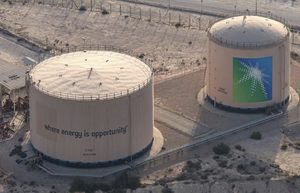
The immediate economic fallout was brutal. Brent crude surged 4.2% to $96.90, while US benchmark West Texas Intermediate gained 4.6% to $94.70, with analysts warning that a sustained conflict could easily push prices well past $100. “This is uncharted territory,” said Rahul Kapoor, head of commodity strategy at a major Singapore-based trading house. “Direct strikes on oil and petrochemical infrastructure in both Iran and Israel are a game-changer. We are looking at the possibility of an energy shock worse than 1973 if the Strait of Hormuz is threatened or Saudi facilities are caught in the crossfire.”
The International Air Transport Association (IATA) nearly halved its 2026 profit forecast for the global airline industry, slashing it from an earlier projection of around $41 billion to just $23 billion. IATA chief Willie Walsh pointed to “significant increases in jet fuel prices and disruption to Gulf carriers” as the war forced airspace closures and route diversions. Middle Eastern hubs like Dubai and Doha, which had been riding a post-pandemic boom, are now staring at a severe downturn.
In Israel, the Tel Aviv Stock Exchange plummeted on Sunday, with the TA-35 index losing over 5% before a partial recovery. The Bank of Israel announced it would hold an emergency meeting to discuss intervention measures as the shekel weakened. For Iran, already buckling under the weight of international sanctions, the bombing of the Mahshahr complex is a body blow. “The country was already struggling with inflation, unemployment, and a collapsing currency,” said Saeed Laylaz, an Iranian economist. “Now the destruction of our petrochemical infrastructure will not only devastate the economy but also poison the environment in Khuzestan for decades. The government will have to divert scarce resources to cleanup and reconstruction at the worst possible time.”
A Dangerous Game With No Off-Ramp:
As the dust settles, temporarily, on Monday night, both sides have signalled a pause, but the structural drivers of escalation remain firmly in place. Iran’s Khatam al-Anbiya Central Headquarters announced a cessation of military operations against Israel, stating that a “painful response” had been delivered in support of the oppressed people of Lebanon. But the statement came with a chilling caveat: “Should acts of aggression and hostility continue, including in southern Lebanon, much more severe and crushing measures than before will follow.”
Israel, for its part, announced that schools would reopen nationwide on Tuesday after the Home Front Command lifted most restrictions. Yet the military’s operational tempo in Lebanon has not relented, and Minister Katz’s threats suggest that the Israeli leadership sees the current round as just the beginning. The United States, the traditional firefighter of Middle Eastern crises, is hamstrung by an administration that sends conflicting signals, publicly urging restraint while arming one side to the teeth and maintaining a vast military footprint that Iran views as an existential threat.
International humanitarian law is clear: deliberate attacks on civilian infrastructure, including industrial facilities that are not military objectives, are prohibited. Yet both Iran and Israel are now openly justifying such strikes as “retaliation,” eroding norms that have been under assault for years from Ukraine to Yemen. “We are witnessing the normalisation of industrial-scale war crimes,” said Nadia Hardman, a researcher at Human Rights Watch. “When you target a petrochemical plant in a populated area, you are not just destroying an economic asset; you are unleashing a potential environmental disaster and knowingly putting civilians in harm’s way. No amount of ‘proportionality’ rhetoric can mask that.”
The IRGC’s warning that the consequences of this “dangerous game” will be borne by the global economy is both a threat and a diagnosis. In a world still reeling from pandemic-driven supply chain disruptions and war-induced food and energy crises, a full-blown regional war that deliberately targets energy infrastructure could tip the global economy into recession and trigger a humanitarian catastrophe of staggering proportions. The United Nations Secretary-General, in an emergency statement, condemned “in the strongest terms” the attacks on civilian infrastructure and called for “an immediate return to the ceasefire and a de-escalation of this catastrophic spiral.”
But words, at this stage, are cheap. The logic of escalation has acquired its own grim momentum. Iran has drawn a direct line from the security of Dahiyeh to the skies over Haifa. Israel has staked its domestic legitimacy on the “total victory” its leaders have promised. And civilians from Khuzestan to the Galilee are once again paying the price.
As Haifa resident Miriam put it, her voice trembling: “They tell us it’s a dangerous game. But for us on the ground, it’s not a game at all. It’s our lives, our children’s futures, going up in flames. When does it stop?”
For The Secure Submission Of Documentation, Testimonies, Or Exclusive Investigative Reports From Any Global Location, Please Utilise The Following Contact Details For Our Investigations Desk: enquiries@veritaspress.co.uk or editor@veritaspress.co.uk
Popular Information is powered by readers who believe that truth still matters. When just a few more people step up to support this work, it means more lies exposed, more corruption uncovered, and more accountability where it’s long overdue.
Help Protect Independent Journalism, Which Is Currently Under Attack.
If you believe journalism should serve the public, not the powerful, and you’re in a position to help, becoming a DONATOR or a PAID SUBSCRIBER truly makes a difference.
DONATION APPEAL: If You Found This Reporting Valuable, Please Consider Supporting Independent Journalism.
Help Support Our Work – We Know, We Know, We Know …
Seeing these messages is annoying. We know that. (Imagine what it’s like writing them … )
Your support fuels our fearless, truth-driven journalism. In unity, we endeavour to amplify marginalised voices and champion justice, irrespective of geographical location.
But it’s also extremely important. One of Veritas Press’s greatest assets is its reader-funded model.
1. Reader funding means we can cover what we like. We’re not beholden to the political whims of a billionaire owner. We are a small, independent and impartial organisation. No one can tell us what not to say or what not to report.
2. Reader funding means we don’t have to chase clicks and traffic. We’re not desperately seeking your attention for its own sake: we pursue the stories that our editorial team deems important and believe are worthy of your time.
3. Reader Funding: enables us to keep our website and other social media channels open, allowing as many people as possible to access quality journalism from around the world, particularly those in places where the free press is under threat.
We know not everyone can afford to pay for news, but if you’ve been meaning to support us, now’s the time.
Your donation goes a long way. It helps us:
Keep the lights on and sustain our day-to-day operations
Hire new, talented independent reporters
Launch real-time live debates, community-focused shows, and on-the-ground reporting
Cover the issues that matter most to our communities, in real time, with depth and integrity
We have plans to expand our work, but we can’t do it without your support. Every contribution, no matter the size, helps us stay independent and build a truly people-powered media platform.
If you believe in journalism that informs, empowers, and reflects the communities we serve, please donate today.
Kamran Faqir is a volunteer investigative journalist and writer committed to exposing hidden truths and amplifying underreported stories. Driven by social justice, he brings sharp insight and fearless truth-telling to independent journalism. NUJ registered.
SEATTLE, TEHRAN — The U.S. Department of Homeland Security (DHS) will allow Iran’s national football team to enter the country 48 hours before their critical World Cup match against Egypt on Friday, a modest concession in a tournament where Team Melli’s travel conditions have sparked claims of oppression and competitive disadvantage.