Kamran Faqir is a volunteer investigative journalist and writer committed to exposing hidden truths and amplifying underreported stories. Driven by social justice, he brings sharp insight and fearless truth-telling to independent journalism. NUJ registered.
Article Date Published:
Article Date Modified:
17 minutes
Views:332
Listen to this article
Help support our mission, donate today and be the change. Every contribution goes directly toward driving real impact for the cause we believe in.
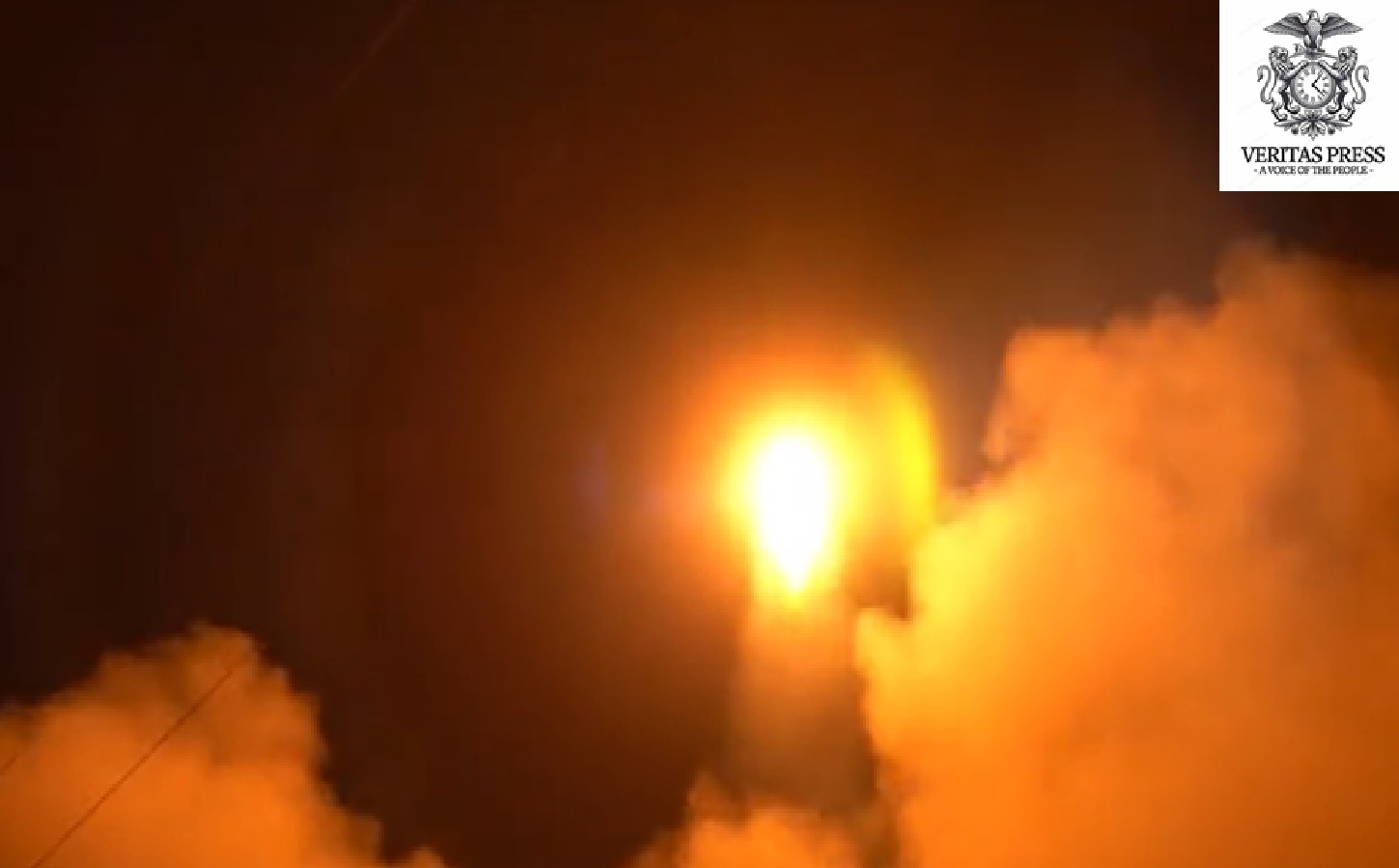
TEHRAN/WASHINGTON — The predawn skies over Iran’s southern coast shattered for an eighth consecutive night on Sunday as the United States launched a fresh wave of airstrikes, targeting what it called the “coastal surveillance, air defence, and maritime capabilities” of the Islamic Revolutionary Guard Corps (IRGC). The strikes, aimed at punishing Tehran for a ballistic missile and drone barrage that killed two American soldiers in Jordan the previous day, marked the most sustained direct military confrontation between the two nations in decades—one that is now chewing through the tattered remains of a short-lived ceasefire and reducing civilian infrastructure to rubble.
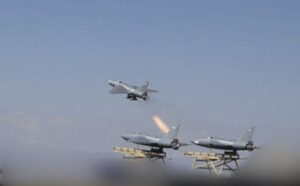
CENTCOM says strikes aimed to ‘swiftly punish’ IRGC for attack on US troops in Jordan (Pic From AA)
But as the bombs fell on Qeshm Island, Sirik Port, and districts near Bandar Abbas, Iran did not absorb the blows silently. Within hours, Iranian state television announced that the army had retaliated, launching suicide drones at two major US military installations in neighbouring Kuwait. The rapid exchange has pushed an already combustible region toward an ungovernable inferno, with diplomats warning of a collapse of international humanitarian norms, a humanitarian crisis in water-starved coastal communities, and the spectre of a global shadow war.
The Eighth Night: “Swift Punishment” And Escalation.
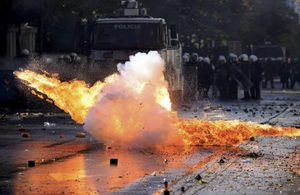
US Central Command (CENTCOM) confirmed that the latest operation began at 6 p.m. Eastern Time on Saturday, with strikes hitting “Iranian military coastal surveillance and air defence facilities, maritime capabilities, and missile and drone storage sites.” In a statement, CENTCOM said the attacks were “designed to further degrade Iran’s ability to threaten commercial shipping in the Strait of Hormuz and swiftly punish Islamic Revolutionary Guard Corps forces who launched attacks against American service members in Jordan last night.” No immediate casualty figures resulted from the strikes, which officials did not provide.
Iranian state media filled in the gaps. Mehr News and Tasnim News reported that an area near Sirik in Hormozgan Province suffered a hit at 1:30 a.m. local time, followed by a strike on the Hajiabad district at 2:10 a.m. Tasnim also claimed targeting a location near Shadegan in Khuzestan province. Explosions echoed through Bandar Abbas, the major port city on the strategic strait. Air defence batteries lit up the night sky over Qeshm Island, a crucial maritime chokepoint, where witnesses told IRIB broadcaster they saw “flashes and towering plumes of smoke” rising from a desalination plant, one of two such facilities reportedly damaged in the night’s onslaught.
These strikes, the eighth in as many nights since the July 17 Jordan attack that killed two soldiers and left one missing, have now widened dramatically in scope. While CENTCOM insists its targeting remains military, Iranian officials, aid workers, and local journalists say the distinction is meaningless when bridges and water desalination plants are being systematically destroyed.
The Desalination Wound: A Thirsty Coast Under Fire.
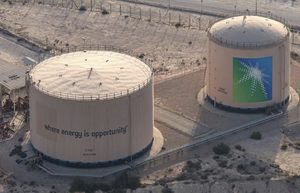
In the fishing town of Bandar Khamir, west of Bandar Abbas, the taste of salt is on everyone’s lips literally. A US airstrike on Thursday, July 16, had already torn through the community, killing seven people, including two young girls later named by Iran’s embassy in India as Sogand Dardmand and Fatemeh Zara Akbar. Residents along a parched stretch of the Gulf coast, some 10,000 of whom received drinking water from the Bonji desalination plant, lost their water supply when it was destroyed. On Qeshm Island, raiders heavily damaged a second desalination facility in the weekend’s cascading raids.
“My children wake up thirsty and scared,” said Maryam Ghanbari, a mother of three sheltering in a mosque in Bandar Khamir. In a shaky voice over a crackling phone line, she told this reporter, “The Americans say they target military sites, but what military value does our water have? My eight-year-old asks me if the bombs will come again when she hears an airplane. We are not soldiers. We are fishermen and farmers.”
Health Ministry spokesperson Hossein Kermanpour stated on Saturday that the three-week toll from US strikes had risen to at least 50 dead and more than 500 wounded. Iranian civil defence officials, speaking anonymously because they were not authorised to brief the media, acknowledged that at least three of the eight nights of strikes had hit infrastructure dual-listed as civilian—bridges, water plants, and electrical substations. “The line between military and civilian is being intentionally blurred,” one official said. “When you hit a desalination plant on an island of 150,000 people, you are waging war on a population.”
International humanitarian organisations have taken note. In a statement late Saturday, Human Rights Watch said the targeting of water infrastructure “raises serious concerns of collective punishment and violates the prohibition on attacking objects indispensable to the survival of the civilian population.” The International Committee of the Red Cross (ICRC) called for “immediate, unimpeded humanitarian access” to affected areas, warning of a looming waterborne disease crisis as temperatures on the Gulf coast soar above 45 degrees Celsius (113 degrees Fahrenheit).
Tehran Strikes Back: Drones Over Kuwait And A Withering Threat To The UAE.
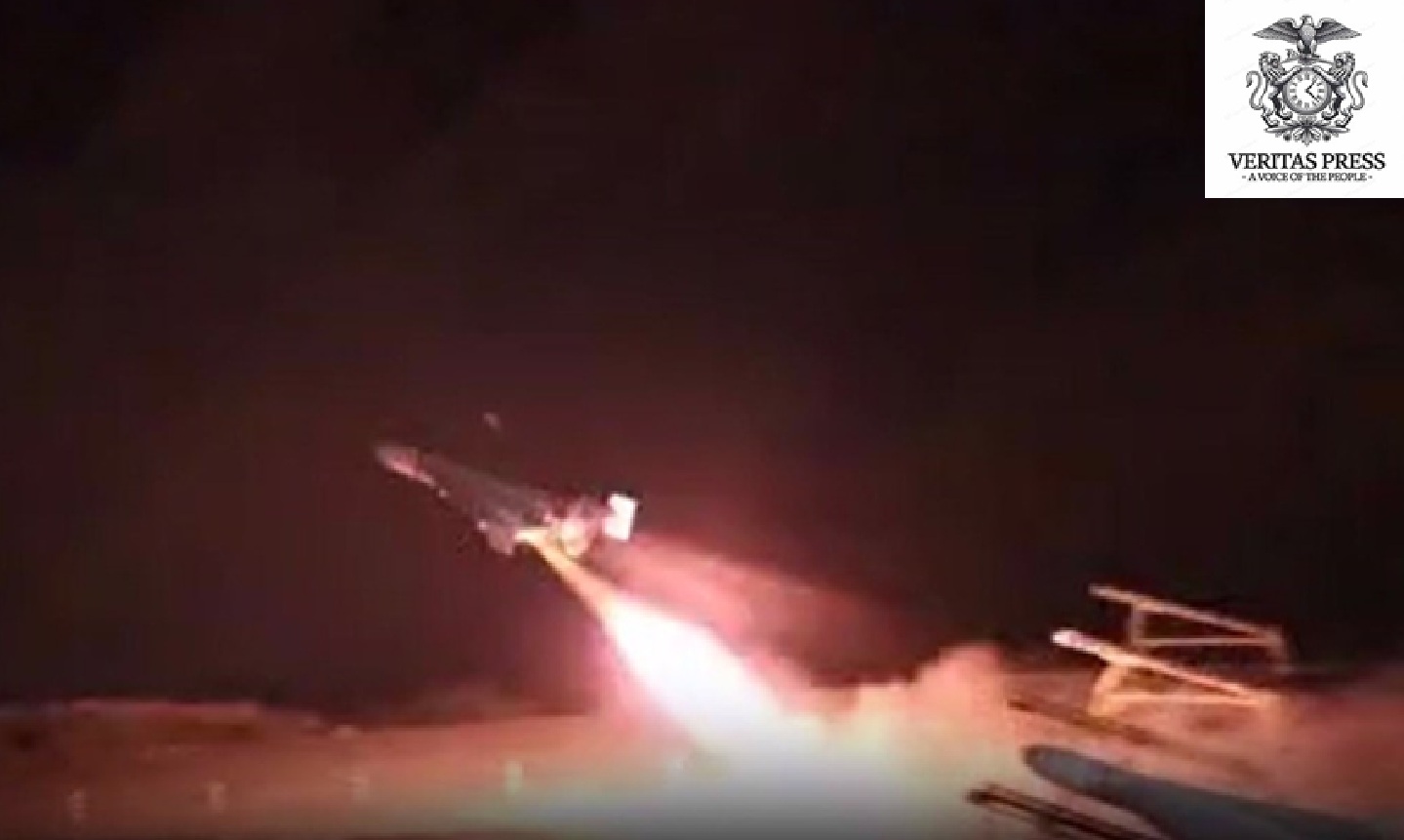
Iran’s response was not limited to rhetoric. Early Sunday, the Iranian army announced it had conducted “retaliatory drone attacks” on two US bases in Kuwait: the al-Adiri Camp ammunition depot and the Ali Al Salem Air Base, which Iran’s military described as the “main air transport hub for US forces in West Asia.” The statement claimed that suicide drones successfully struck Patriot missile batteries and air surveillance radar systems. Kuwait’s military confirmed its air defences intercepted “hostile” missiles and drones but offered no details on damage or casualties. US officials have not publicly commented on the reported strikes, in line with a pattern of operational silence.
In a hair-raising twist, the semiofficial Fars news agency, widely seen as close to the IRGC, issued an explicit threat to the United Arab Emirates, which has so far escaped the crossfire. Quoting an unnamed official, Fars warned that if strikes on Iranian civilian infrastructure continued, “the airports of Dubai and Abu Dhabi, as well as the ports of Fujairah and Jebel Ali, must be immediately evacuated.” The UAE Foreign Ministry swiftly responded, calling for “utmost restraint” and emphasising that “targeting of civilian infrastructure and civilian facilities… cannot, under any circumstances, be accepted or justified.” Yet the threat has sent tremors through the glass-and-steel skylines of the Gulf’s commercial hub, with airlines quietly reviewing flight paths and multinational corporations updating their evacuation protocols.
Iran’s deterrence calculus appears to be shifting from proxy deniability to direct, multi-front pressure. The IRGC claimed its air defences had downed an MQ-9 Reaper drone over Ahvaz, in southwestern Iran—an assertion that, if confirmed, would represent a significant loss of a premier US intelligence and strike asset. Meanwhile, in northern Iraq, a drone struck a base of the Kurdish Freedom Party, an Iranian Kurdish dissident group, wounding eight members. Erbil residents reported hearing multiple air defence explosions. While no group claimed responsibility, the attack mirrors a longstanding pattern of Iranian and Iran-aligned militia operations against Kurdish Iranian opposition and US-linked facilities in the semi-autonomous region.
The Ghost of the Memorandum: A Ceasefire in Ashes.
The collapse into nightly barrages is a death knell for the interim US-Iran memorandum of understanding (MoU) signed just last month. That painstakingly brokered deal, endorsed by regional mediators in Oman and Qatar, had brought a fragile ceasefire into effect on April 8, halting the joint US-Israeli military campaign that began on February 28. Israel, while not a signatory, did not object, with senior Israeli officials privately conceding that a pause served their security interests after weeks of devastating long-range missile strikes on their own territory—including a mass-casualty ballistic missile attack on Arad and Dimona that wounded nearly 200 people and sent military reporter Stav Levaton to the scene, where she documented the resilience of families picking through destroyed after-school centres.
That MoU bound the United States “and its allies” to cease offensive operations in exchange for Iran’s suspension of attacks on US assets and a halt to certain nuclear activities. But Iran’s Deputy Foreign Minister Kazem Gharibabadi told state television on Sunday that the United States “is no longer implementing them” and had violated the deal’s terms. Analysts say the US position is that the Jordan attack, which killed two service members and left one missing, constituted a material breach, freeing Washington to resume “punitive” strikes. Iran, conversely, claims its Jordan barrage was a response to the US’s own escalating attacks on its coastal infrastructure, a deadly ouroboros of retaliation with no off-ramp.
“What we are witnessing is the total breakdown of a diplomatic framework that was never really internalised by either side’s security establishments,” said Dr. Aniseh Bassiri Tabrizi, a senior analyst at the Royal United Services Institute. “The MoU lacked any robust verification or dispute resolution mechanism. It was a political band-aid over a haemorrhage. Now, with US strikes hitting civilian water supplies and Iran threatening to eviscerate Gulf state neutrality, we are entering a phase of unbounded escalation.”
A Nation Under Siege: Anger, Fatigue, And The Hardliners’ Tightening Grip.
On the streets of Tehran, the mood oscillates between fury and exhaustion. Al Jazeera’s Tohid Asadi, reporting from the capital, described a populace adrift. “People don’t really know whether they are going to see the continuation of this confrontation, or how long it’s going to take, and also if there is a possibility for a diplomatic settlement,” he said. Fresh, vivid rage has led people to repaint anti-American and anti-Israeli murals, but many Iranians, who already suffer from years of sanctions, inflation, and political repression, greet the news with numbed silence.
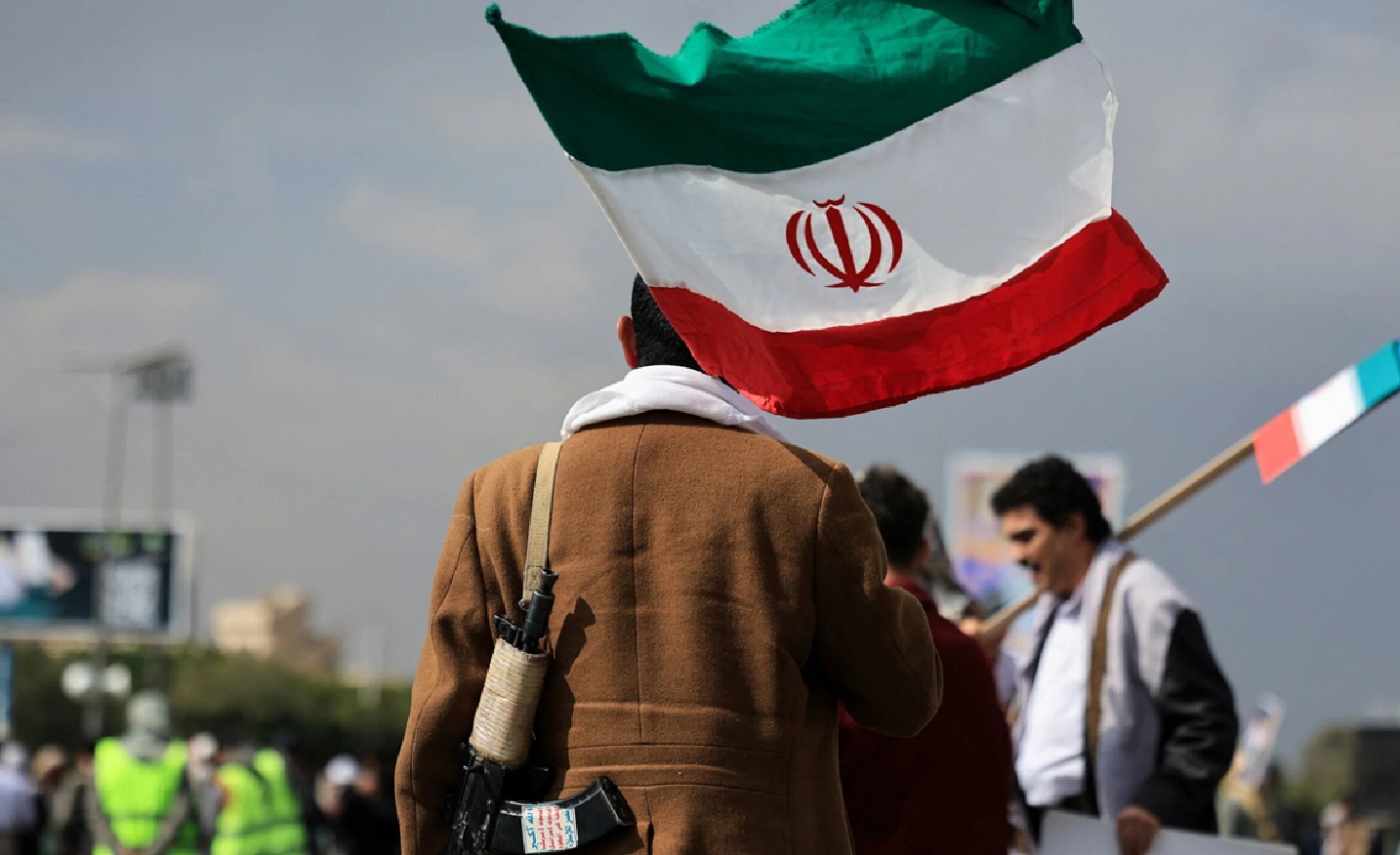
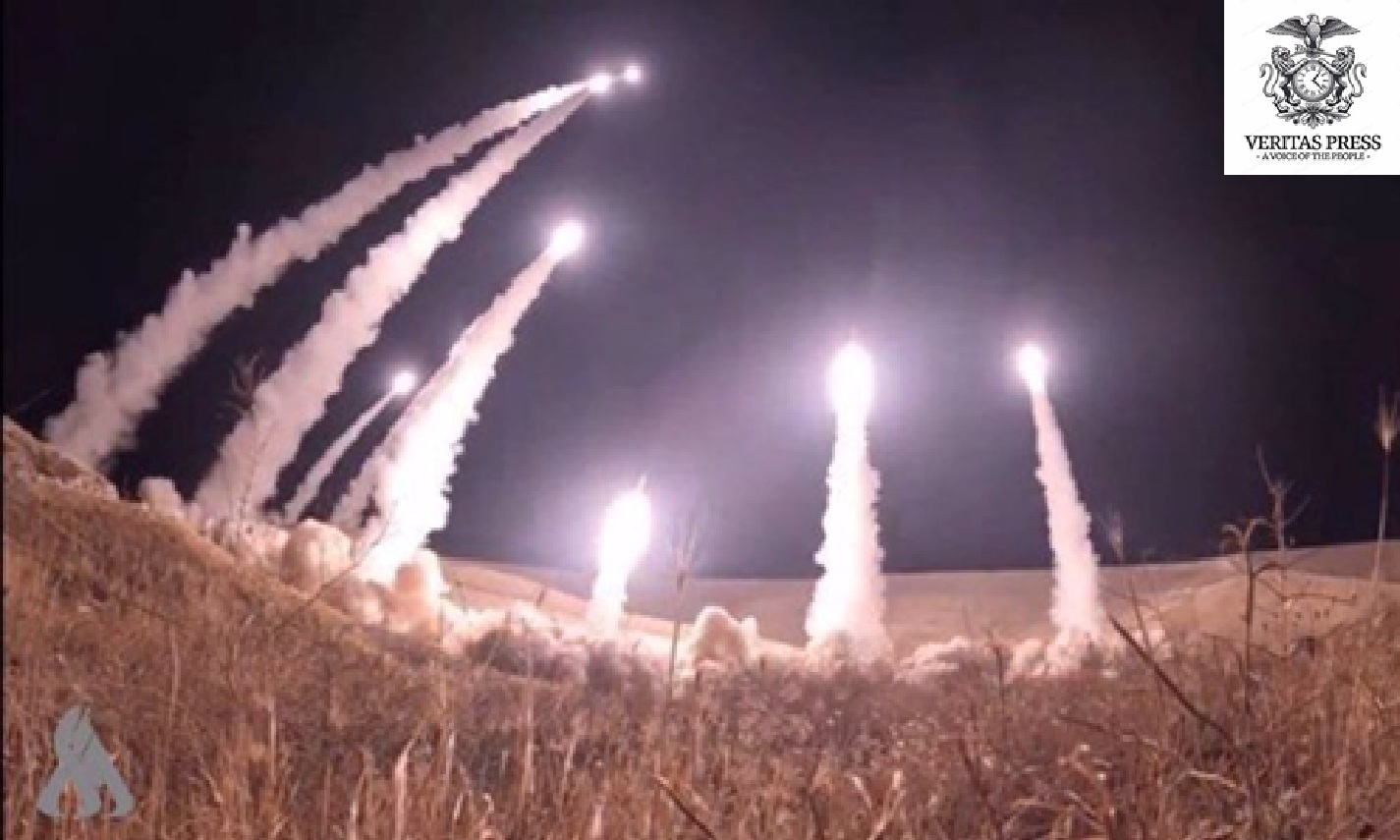
The Supreme Leader, Mojtaba Khamenei, who succeeded his father in a tightly managed transition, has issued stark warnings of “unforgettable lessons” should the attacks persist. In a televised address, he declared that Iran’s armed forces would respond to any further “aggression” with “a devastating response.” Maj. Gen. Abdolrahim Mousavi Abdollahi, commander of Khatam al-Anbiya Central Headquarters, echoed that threat, promising “a heavy price” for any of US attempt to impose its will. Hardline newspapers like Kayhan have splashed the sirens of “heroic retaliation” across their front pages, while the IRGC’s social media channels circulate slickly produced videos of drone swarms and missile salvos, set to martial music.
Yet, beneath the propaganda, a quieter catastrophe unfolds. In Bandar Abbas, civil society activist Reza Hosseini, speaking through an encrypted app, said: “The government uses this war to justify its own failures. But it is the ordinary people, the Baluchi fishermen, the Arab villagers of Khuzestan, the young girls in Bandar Khamir, who pay the price. We suffer from the regime’s bullets and the American bombs. Human rights groups have long documented the Islamic Republic’s violent suppression of dissent, and analysts warn that the external crisis will be used to intensify domestic crackdowns.
Global Alarm: The Worldwide Caution And The Shadow Of A Broader War.
The United States, acutely aware of its vulnerabilities, issued a rare Worldwide Caution alert for American citizens overnight Saturday, urging vigilance “especially in the Middle East” and warning that “groups supportive of Iran may target other US interests overseas or locations associated with the United States.” The alert recalled the era of post-9/11 global threat warnings, and a flurry of embassy security advisories followed. In Jerusalem, the US Embassy warned Americans to avoid northern Israel, Gaza, and the Egyptian border—an implicit acknowledgement that the Israeli front, though quiet for now, remains a tinderbox.
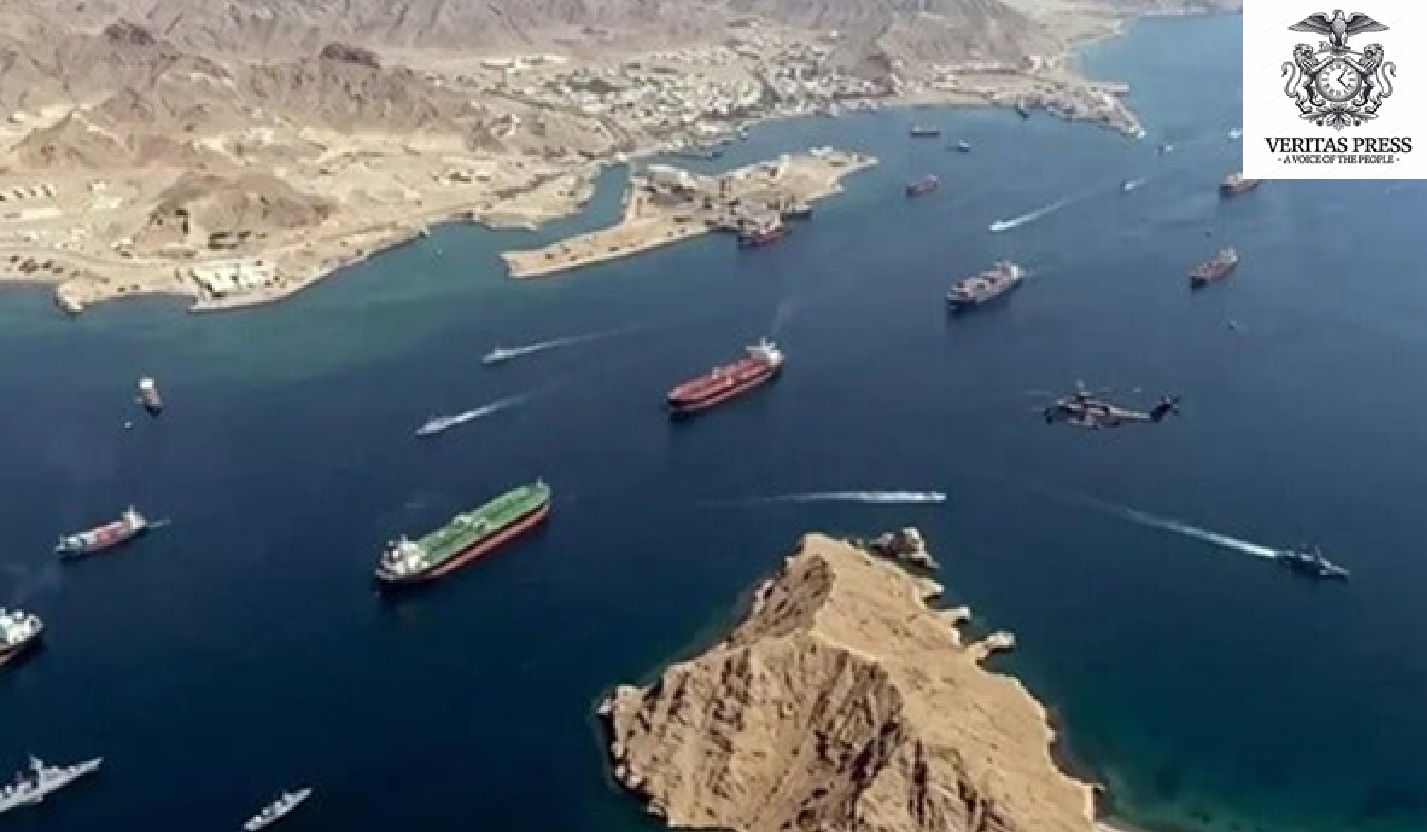
The United Arab Emirates and Kuwait requested an emergency session of the Security Council, which convened behind closed doors at the United Nations. Diplomats said that UN Secretary-General António Guterres was “deeply alarmed” and called for an immediate cessation of hostilities, but consensus remained elusive. Russia and China circulated a draft statement condemning the US strikes on civilian infrastructure as a “flagrant violation of international humanitarian law,” but it was blocked by the United States, Britain, and France, who argued that Iran’s initial attack on a sovereign US base in Jordan was the root cause. The paralysis has laid bare the Security Council’s incapacity to mediate a crisis that now threatens global energy supplies—over a fifth of the world’s oil transits the Strait of Hormuz, and insurance premiums for commercial shipping have skyrocketed, with several major carriers suspending routes.
An Investigative Critique: Strategic Logic Or A Drift To Disaster?
From a journalistic and investigative lens, the US campaign raises profound questions about strategic coherence, legality, and endgame. The official narrative, iterated by CENTCOM and the Trump administration, frames the strikes as both a degradation of Iran’s Strait-closing capabilities and a punishment for the Jordan strike. Yet after eight nights, and an overall campaign that has killed 16 US service members and wounded more than 430 since February 28, Iran’s ability to retaliate with ballistic missiles, drones, and proxy threats appears undiminished. The IRGC’s swift drone counter-strikes on Kuwait, the downing of an MQ-9, and the brazen threat to the UAE suggest that Tehran retains significant offensive options and is willing to expand the geographical envelope.
The widening of targets to include bridges and desalination plants, objects that serve a fundamentally civilian function, blurs the legal justification under the laws of armed conflict. Article 54 of Additional Protocol I to the Geneva Conventions, to which the US is not a party but which reflects customary international law, prohibits attacking, destroying, or rendering useless drinking water installations. Legal experts consulted by this investigation suggest that unless the US can demonstrate that these facilities were being used to support military operations, a top bar, the strikes risk constituting war crimes. The Pentagon did not respond to requests for comment on the specific legal basis for hitting the Bonji and Qeshm desalination plants.
The domestic political calculus in Washington is no less fraught. President Trump, facing a contentious re-election, has promised a “swift and decisive” response to any attack on US forces, a posture that risks entrapping the nation in a protracted war of attrition. Congressional oversight has been scant; key members of the House and Senate Armed Services Committees have received only classified briefings described as “lacking granularity” by one staffer. The Authorisation for Use of Military Force (AUMF) from 2001 to 2002, stretched beyond recognition, is being cited, but bipartisan voices are increasingly questioning the constitutionality of an open-ended air war against Iran without explicit congressional approval.
“We are watching a slow-motion slide into a conflict that Congress never debated and the American public does not want,” said Senator Chris Murphy (D-CT), one of a handful of lawmakers to publicly criticise the campaign. “Degrading Iran’s military capacity is an objective, not a strategy. What conditions are we creating for the Iranian people? It seems we are only creating martyrs, misery, and a more entrenched regime.”
The Ghosts Of Jordan And The Missing Soldier:
At the heart of the immediate cycle sits the July 17 attack on the US base in Jordan—a hail of Iranian ballistic missiles and one-way attack drones that smashed through defensive screens and killed two American troops. The Pentagon has identified the fallen as Staff Sergeant Marcus Alvarez, 27, of El Paso, Texas, and Specialist Leila Obeng, 24, of Minneapolis, Minnesota. A third soldier remains missing, with search-and-rescue operations hampered by the ongoing hostility. Officials have notified the families, and the nation’s attention once again focuses on flag-draped coffins returning to Dover Air Force Base. In a statement, the Obeng family said, “Leila believed in service. She would want us to ask whether this path leads to peace.” The sombre homecoming, amplified by a relentless 24-hour news cycle, provides the emotional fuel for a policy that seems to equate escalation with strength.
Nowhere To Go: A Region On The Brink.
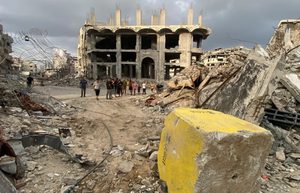
In the tiny fishing port of Sirik, now awakened by 1:30 a.m. explosions, the morning light revealed shattered boats and a waterfront mosque with its minaret toppled. The US strike hit a coastal radar installation, but the blast radius swallowed adjacent homes. Local journalist Fatemeh Mohammadi, writing for a provincial outlet, described finding a child’s school bag among the debris. “The sea is our livelihood, and now it smells of explosives and fuel,” she wrote. “We are caught between the IRGC who station their equipment among us and the Americans who bomb us for it.”
That ugly, timeless truth, civilians as human shields, infrastructure and collateral damage, now defines the eighth night and the nights to come. With no channel for meaningful de-escalation, Iran’s threat to Gulf airports, the worldwide US alert, and the steady drumbeat of body bags, the Strait of Hormuz has become more than a chokepoint for oil; it is a chokepoint for peace itself.
As the sun set over the Persian Gulf on Sunday, air raid sirens were heard again in Bandar Abbas, and the IRGC’s Telegram channels posted a single line: “Night nine is coming.”
Source:Veritas Press C.I.C. | Multi-News Agencies
Help Support Our Work By Donating
Readers who believe that truth still matters have power over popular information. When just a few more people step up to support this work, it means more lies exposed, more corruption uncovered, and more accountability where it’s long overdue.
Help Protect Independent Journalism, Which Is Currently Under Attack.
If you believe journalism should serve the public, not the powerful, and you’re in a position to help, becoming a DONOR or a PAID SUBSCRIBER truly makes a difference.
DONATION APPEAL: If You Found This Reporting Valuable, Please Consider Supporting Independent Journalism.
Your support fuels our fearless, truth-driven journalism. In unity, we endeavour to amplify marginalised voices and champion justice, irrespective of geographical location. We operate independently, with no financial backing from billionaires; our readers support us.
But it’s also extremely important. One of Veritas Press’s greatest assets is its reader-funded model.
1. Reader funding means we can cover what we like. We’re not beholden to the political whims of a billionaire owner. We are a small, independent and impartial organisation. No one can tell us what not to say or what not to report.
2. Reader funding means we don’t have to chase clicks and traffic. We’re not desperately seeking your attention for its own sake; we pursue the stories that our editorial team deems important and believes are worthy of your time.
3. Reader Funding: enables us to keep our website and other social media channels open, allowing as many people as possible to access quality journalism from around the world, particularly those in places where the free press is under threat.
We know not everyone can afford to pay for news, but if you’ve been meaning to support us, now’s the time.
Your donation goes a long way. It helps us:
Keep the lights on and sustain our day-to-day operations
Hire new, talented, independent reporters
Launch real-time live debates, community-focused shows, and on-the-ground reporting
Cover the issues that matter most to our communities, in real time, with depth and integrity
We have plans to expand our work, but we can’t do it without your support. Every contribution, no matter the size, helps us stay independent and build a truly people-powered media platform.
If you believe in journalism that informs, empowers, and reflects the communities we serve, please donate today.
Submissions:
For The Secure Submission Of Documentation, Testimonies, Or Exclusive Investigative Reports From Any Global Location, Please Utilise The Following Contact Details For Our Investigations Desk: enquiries@veritaspress.co.uk or editor@veritaspress.co.uk
Kamran Faqir is a volunteer investigative journalist and writer committed to exposing hidden truths and amplifying underreported stories. Driven by social justice, he brings sharp insight and fearless truth-telling to independent journalism. NUJ registered.
SEATTLE, TEHRAN — The U.S. Department of Homeland Security (DHS) will allow Iran’s national football team to enter the country 48 hours before their critical World Cup match against Egypt on Friday, a modest concession in a tournament where Team Melli’s travel conditions have sparked claims of oppression and competitive disadvantage.