Kamran Faqir is a volunteer investigative journalist and writer committed to exposing hidden truths and amplifying underreported stories. Driven by social justice, he brings sharp insight and fearless truth-telling to independent journalism. NUJ registered.
Article Date Published:
Article Date Modified:
14 minutes
Views:298
Listen to this article
Help support our mission, donate today and be the change. Every contribution goes directly toward driving real impact for the cause we believe in.
KUWAIT CITY / TEHRAN— Air raid sirens wailed across Kuwait City before dawn Sunday for the second time in twelve hours, jolting a population that had believed its neutrality could shield it from the widening war between the United States and Iran. By sunrise, Iran’s army had claimed a fresh wave of drone strikes against two American military installations on Kuwaiti soil. But on the ground, the damage already extended far beyond the perimeter fences of U.S. bases, engulfing civilian power stations, a desalination plant, an oil facility, and a nation’s sense of security.
“We are being dragged into a war that is not ours,” said Fatima al-Mutairi, a schoolteacher in Jahra, as she queued for bottled water after authorities warned of disruptions to the desalinated supply. “My children woke up to the sound of explosions. Despite government calls for calm, the earth continues to tremble.
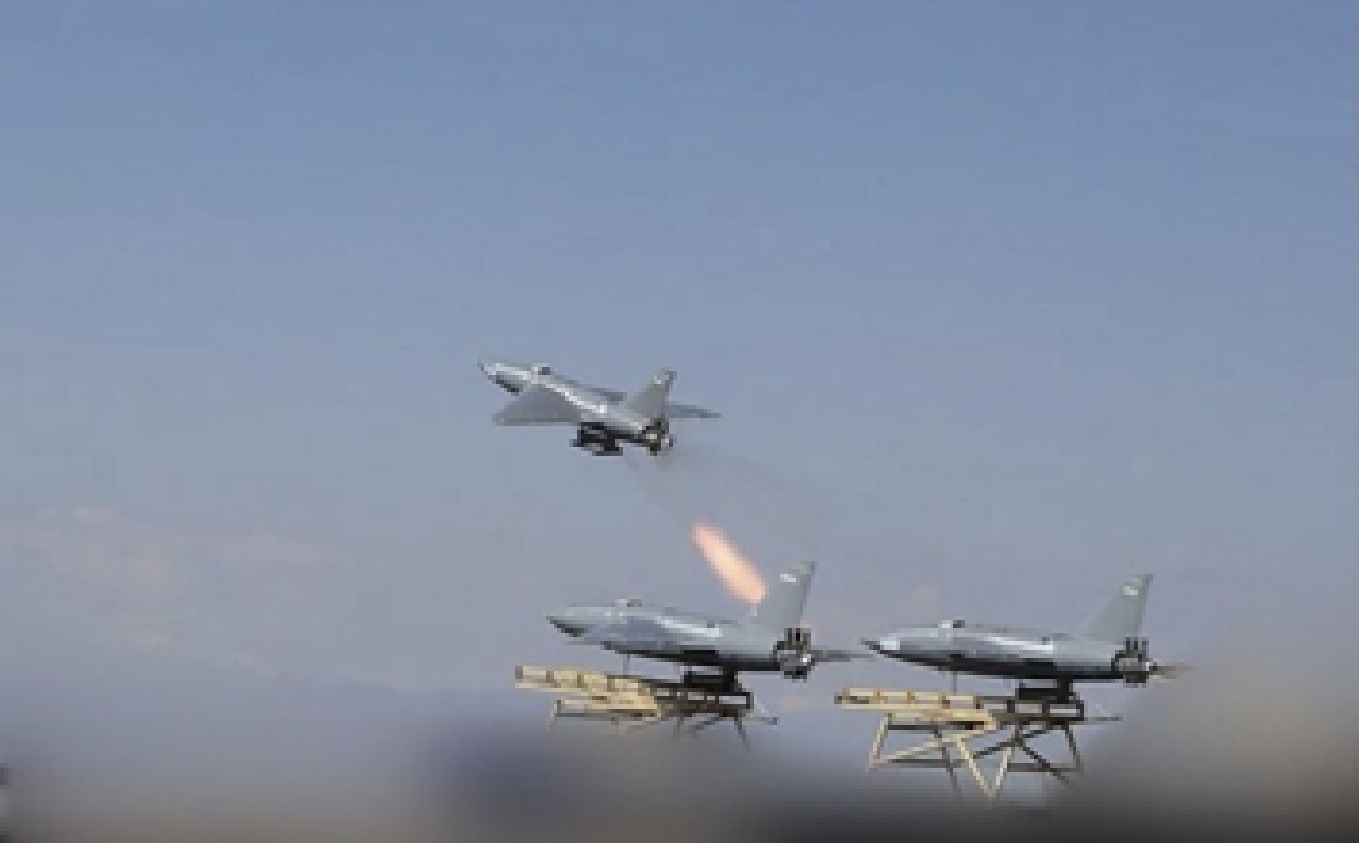
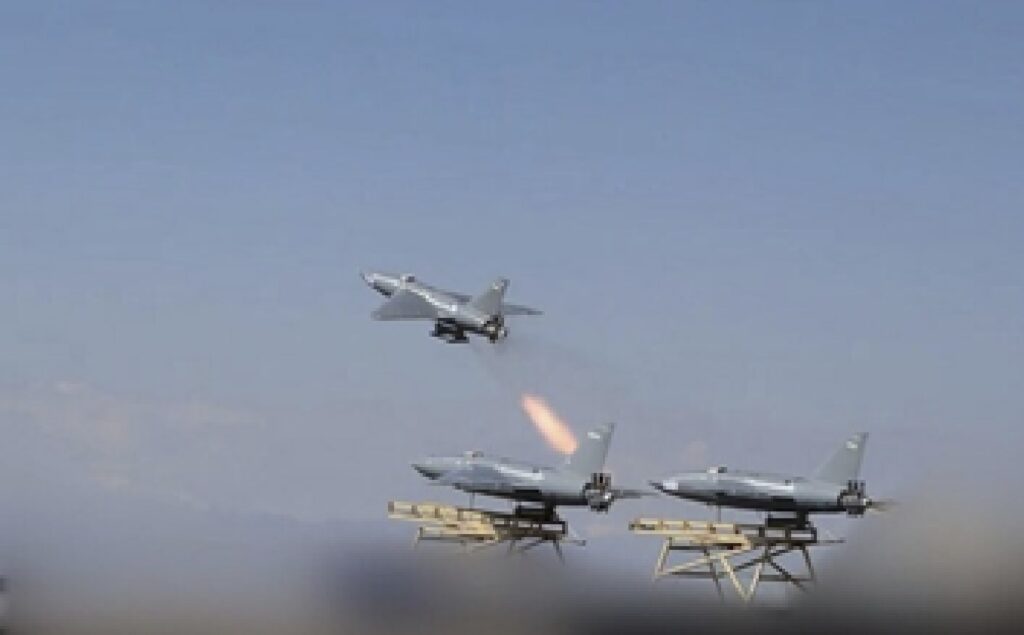
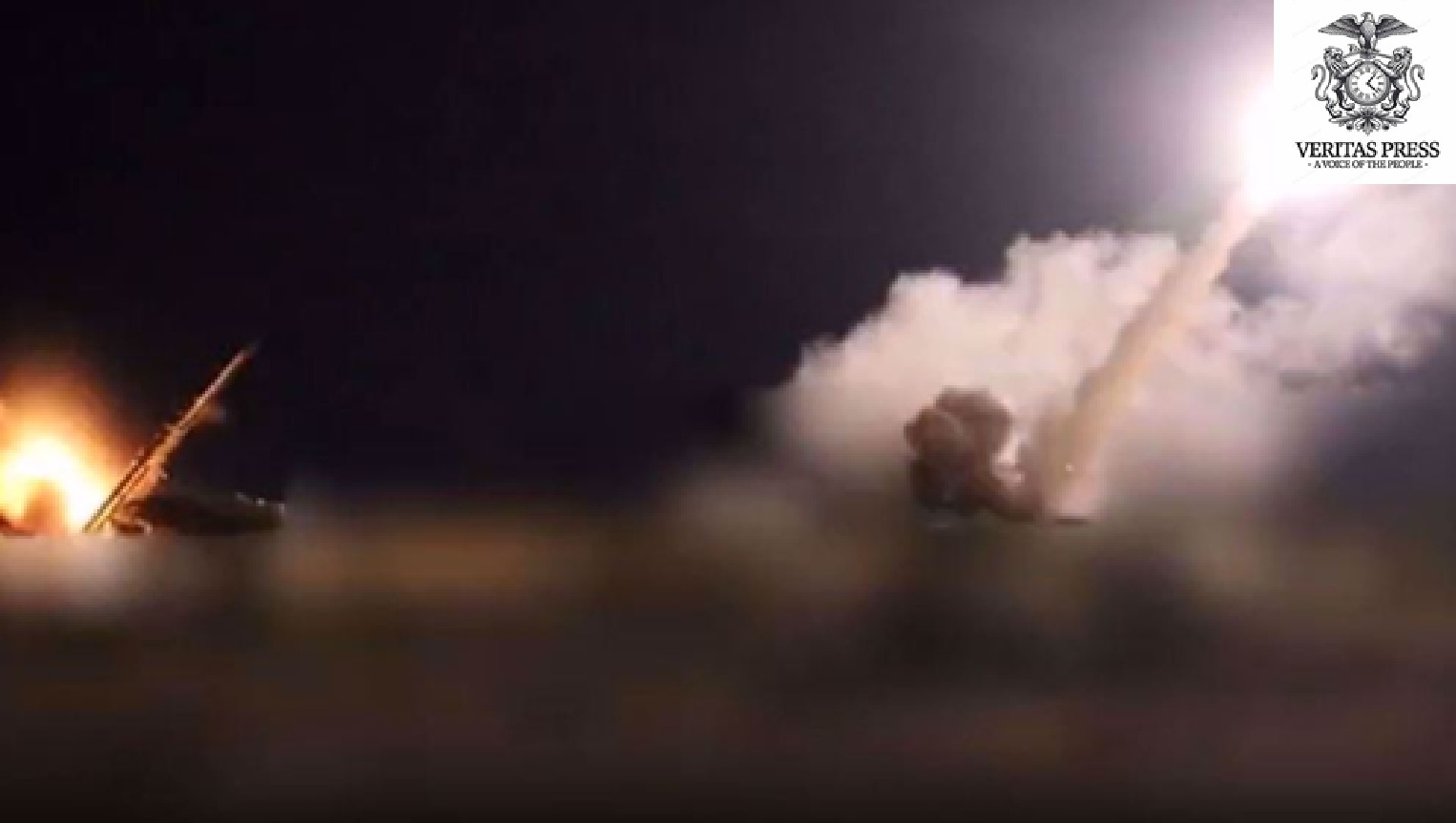
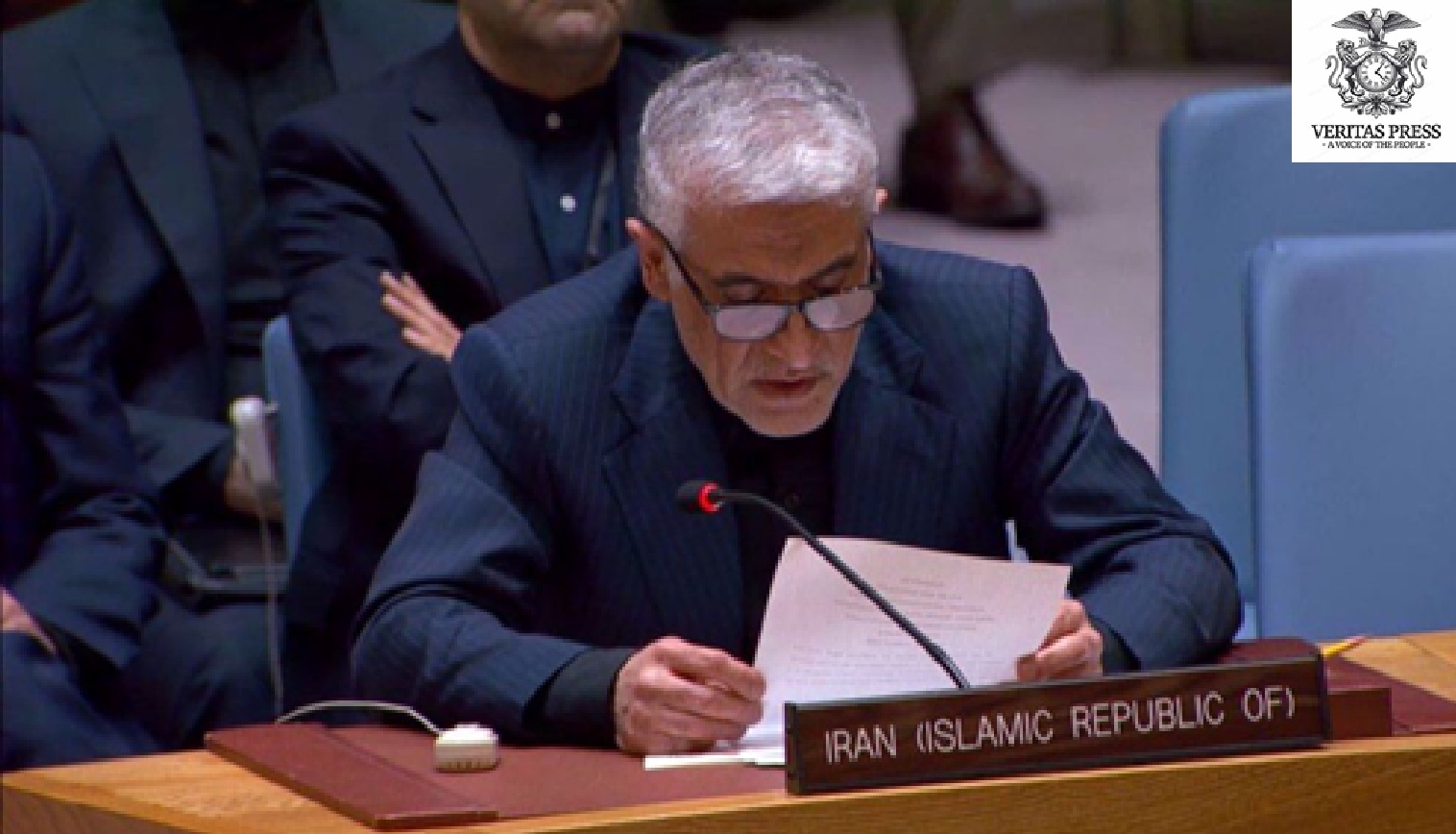
TEHRAN, Jul. 19 (MNA) – Iran’s Army said its drones targeted a U.S. ammunition depot and equipment and personnel shelters in Kuwait
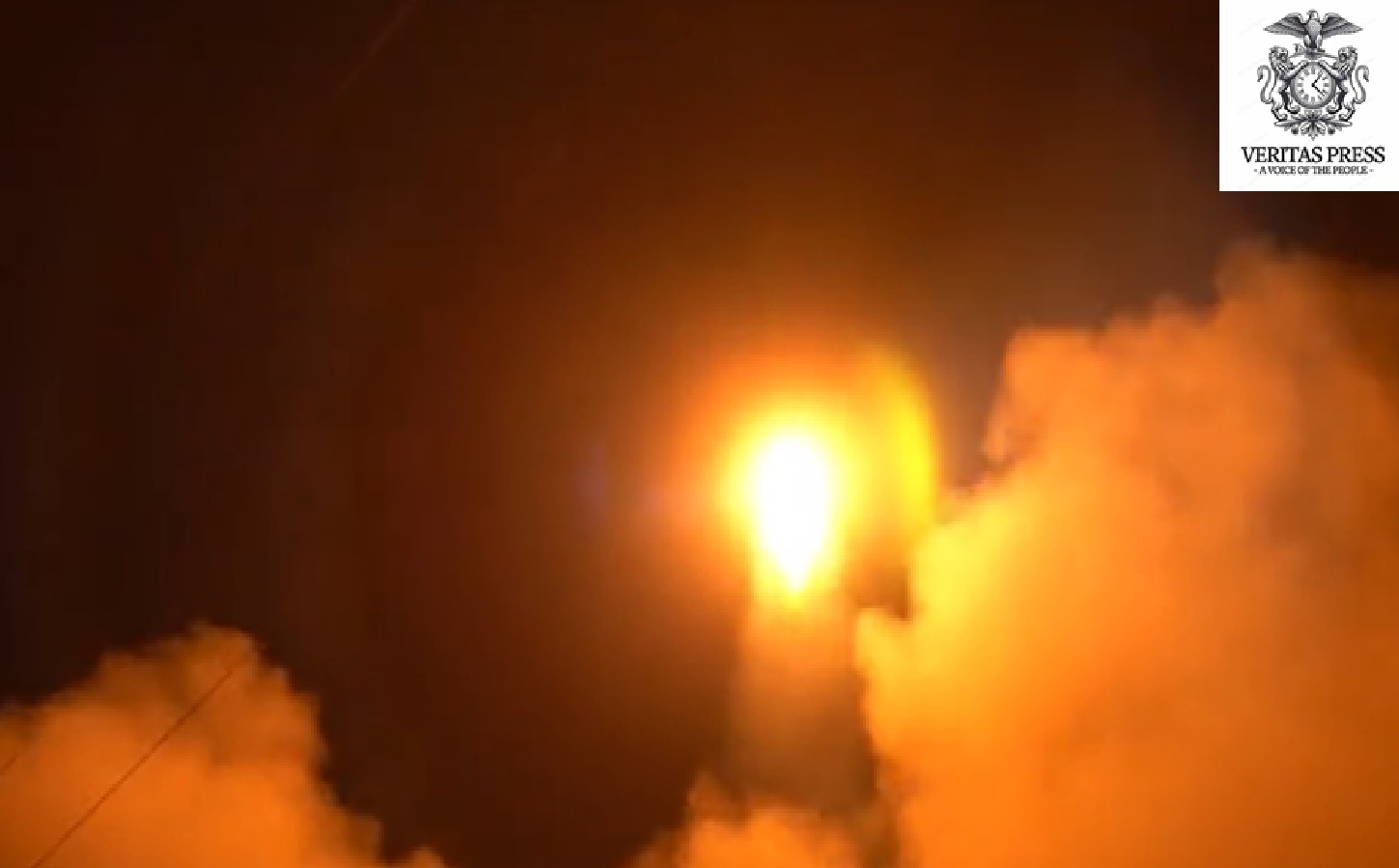
Announced by the Army’s public relations office through state media, the most recent Iranian attacks were directed at “ammunition warehouses at Camp al-Adiri and equipment and US personnel shelters at the Ali al-Salem Air Base.” The statement, carried by Mehr News Agency and the state broadcaster IRIB, framed the operation as a defence of “the authentic identity and thousands of years of history of Iran” and of a people who “neither oppress nor accept oppression.” It marked what Tehran called the 16th phase of retaliatory strikes, following an earlier wave on Sunday that had struck ammunition and radar installations at the same two bases.
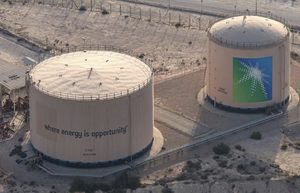
But a day earlier, the conflict had already breached the dividing line between military and civilian in the most alarming way. On Saturday, July 18, Kuwait’s Foreign Ministry accused Iran of “systematic hostile targeting” after drone and missile strikes hit a petroleum facility of the Kuwait Petroleum Corporation (KPC) and a power and water desalination plant. The KPC confirmed significant material damage and some injuries at one of its installations. The Fire Department reported that a firefighter and a plant worker had sustained injuries while fighting a blaze that the strikes ignited. The power and water authority said several generation units had been forced offline, threatening the emirate’s fragile water security, in a country where over 90% of potable water comes from the sea.
“This is no longer a shadow war between Washington and Tehran,” said Dr. Lina al-Tamimi, a Kuwaiti political analyst and former adviser to the National Assembly’s foreign affairs committee. “Iran is now directly punishing a neutral state for hosting U.S. forces, and it is doing so by targeting the infrastructure that keeps Kuwaitis alive. That crosses every red line.”
Kuwait Airways suspended operations at Kuwait International Airport and rescheduled most flights, citing the security situation. The airport, which sits close to the targeted military installations, briefly became a ghost terminal of stranded passengers and anxious staff.
A Seventh Night Of American Strikes, An Eighth On The Way:
The escalation follows nearly a week of successive U.S. airstrikes on Iranian military sites. U.S. Central Command (CENTCOM) confirmed on Friday evening that American forces had completed a seventh straight night of strikes, hitting missile assembly facilities, air defence batteries, and command nodes near Bandar Abbas and Bushehr. An eighth wave was underway as reports of Iranian drones over Kuwait emerged on Sunday.
The trigger, Washington says, was a drone attack in late June that killed two U.S. service members at Tower 22, a logistics outpost in Jordan near the Syrian border. Washington blamed Iranian-backed militias and, in a significant escalation, held Tehran directly responsible. President Donald Trump, speaking to Fox News, dismissed any suggestion of a pause.
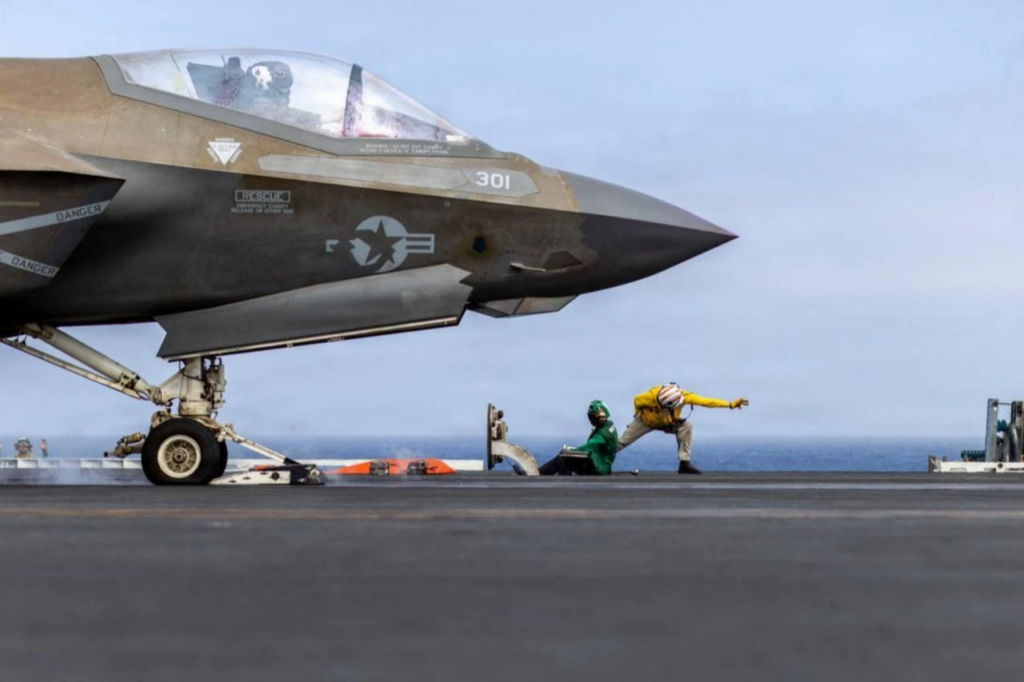
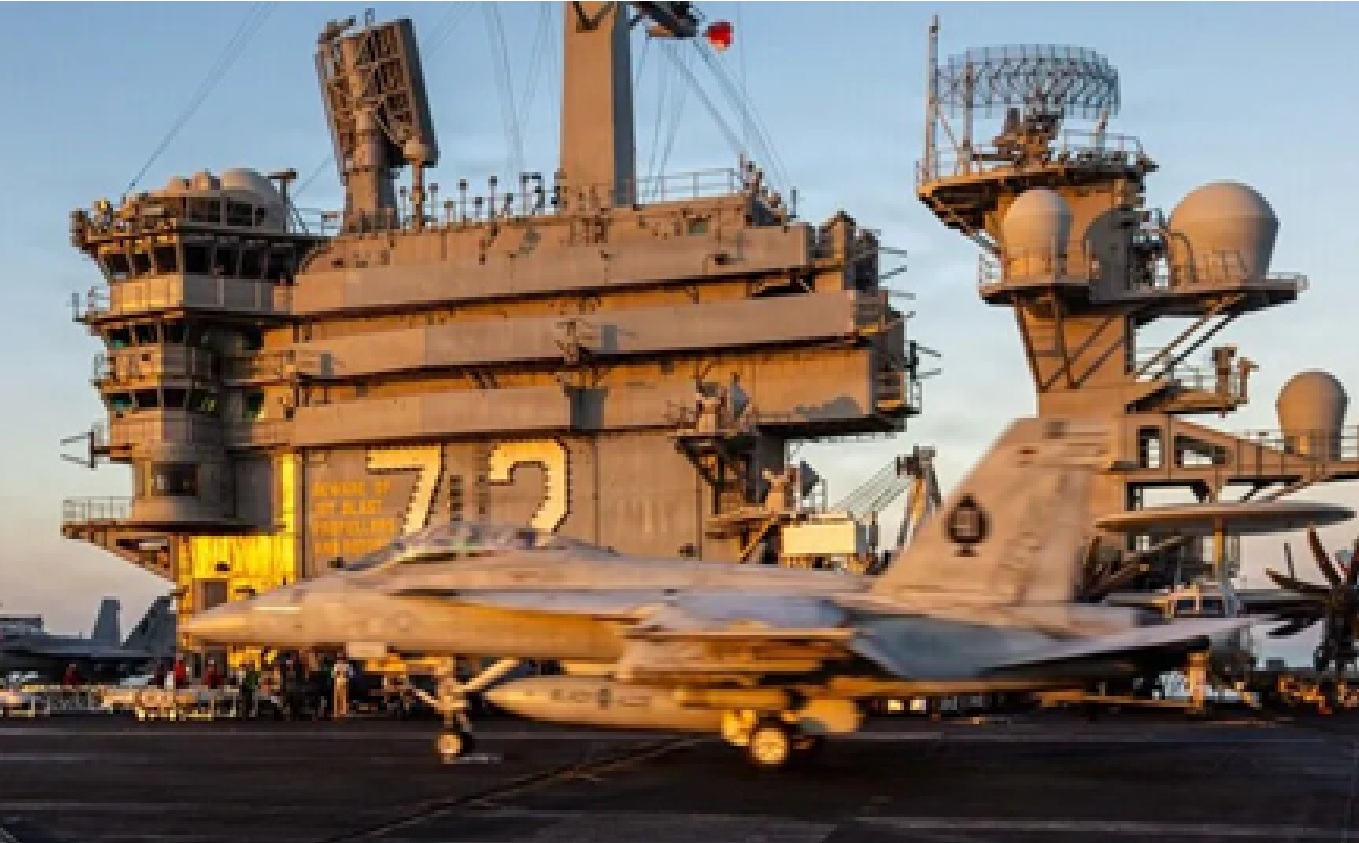
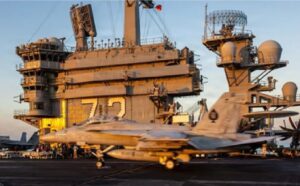
A U.S. Navy F-35C Lightning II fighter jet prepares for launch from the flight deck of an aircraft carrier during operations in the Middle East. (Photo via X/@CENTCOM)
“We’re hitting them very, very hard,” Trump said. “They’ll continue until I say it’s enough. Next week comes the power plants. Next week comes the bridges. We’re going to knock out all their power plants; we’re going to knock out all their bridges unless they get to the table and negotiate.”
The threat to expand targeting to power plants and bridges, civilian dual-use infrastructure, was immediately seized upon by rights groups as a possible preview of war crimes on both sides. “The U.S. president openly threatening to destroy Iran’s power grid goes far beyond legitimate self-defence,” said Sarah Leah Whitson, Executive Director of Democracy for the Arab World Now (DAWN). “It’s a promise of collective punishment, and it mirrors what Iran is already doing to Kuwait.”
CENTCOM added another pressure lever: a resumed naval blockade on vessels travelling to and from Iranian ports, a move reminiscent of the “tanker war” of the 1980s but with far greater technological reach.
Kuwait’s Civilian Casualties And The Water Weapon
The strike on the power and water desalination plant, which Kuwait’s Ministry of Electricity and Water said had knocked out several multi-stage flash distillation units, is especially sensitive in the Gulf, where desalination plants are considered critical national security assets. Deliberately attacking drinking water installations violates international humanitarian law. This ban remains in effect even if the installations also serve military facilities, provided they are not used exclusively to support military actions.
“What we saw on Saturday cannot be dismissed as collateral damage,” said Nadim Houry, an international lawyer and former head of the Arab Reform Initiative. “The pattern, hitting a petroleum facility, then a water plant, along with military bases, suggests a deliberate effort to apply economic and humanitarian pressure on Kuwait. That’s a serious violation of the laws of war.”
The Kuwaiti Foreign Ministry’s statement reflected that alarm: “The repeated targeting of these vital facilities reveals a systematic hostile approach targeting civilian sites and vital infrastructure that endangers the lives and safety of civilians.”
Iran insists that it restricts its operations to American military assets. The army’s Sunday statement made no mention of civilian sites, claiming only that the strikes were “a response to the violation of international treaties and the crimes of the arrogant enemy in civilian areas.” But on the ground in Kuwait, that narrative collapses. Two firefighters treated at al-Adan Hospital for shrapnel wounds and smoke inhalation recounted a different scene.
“We were called to a fire at the KPC depot, and we were inside the perimeter when a second wave hit,” said firefighter Nasser al-Otaibi, his arm in a sling. “There was no military there, only storage tanks and pipelines. Everyone knew it. These were not precision weapons that missed; they landed exactly where we were standing.”
The Regional Fallout: UAE, Bahrain, And A Dead Memorandum.
The attacks on Kuwait are not isolated. Iran has also launched strikes against U.S.-related facilities in Bahrain, where the Fifth Fleet is headquartered, according to regional security officials who spoke on condition of anonymity because they were not authorised to brief the media. Both Kuwait and Bahrain are non-belligerent hosts to American troops under bilateral defence pacts. Their populations are now absorbing the spillover of a conflict they did not choose.
The United Arab Emirates, which has long sought to de-escalate tensions with Iran while maintaining its security partnership with Washington, issued a rare, sharply worded statement calling for “an immediate halt to the escalation.” The UAE Foreign Ministry said it was “deeply concerned” and warned that continued military action risked dragging the region into “new levels of violence and instability.” The statement also condemned attacks on civilian infrastructure, schools, hospitals, desalination plants, and energy facilities, describing them as “a flagrant and grave violation of the established principles and provisions of international law.”
The escalation comes despite a Pakistan-brokered memorandum of understanding signed in June that was supposed to halt hostilities and open a path to a lasting peace agreement. Diplomats involved in the Islamabad talks say the MoU collapsed almost immediately over sequencing: Iran wanted a complete cessation of U.S. strikes before direct talks, while Washington insisted on an immediate, verifiable halt to attacks on shipping and regional bases.
“The MoU was a well-meaning but doomed exercise because neither side had a real domestic mandate for compromise,” said Vali Nasr, a professor of Middle East studies at Johns Hopkins University and a former U.S. State Department adviser. “The U.S. felt it had a military edge, and Iran felt it had no choice but to retaliate asymmetrically to offset that advantage. Kuwait is the theatre where that asymmetry is playing out most cruelly.”
Voices From The Ground: Siege Mentality And Anger.
Kuwait has long prided itself on a foreign policy that balances between Iran and the United States. The current emir, Sheikh Meshal al-Ahmad al-Sabah, inherited a tradition of mediation and neutrality. But the strikes have triggered a wave of popular anger and demands for answers in a country where the National Assembly is often a venue for robust debate.
“Why are we being made to pay for a conflict between two powers that both say they respect our sovereignty?” asked MP Abdulwahab al-Essa, a member of the parliament’s interior and defence committee, during an emergency session convened Sunday afternoon. “We have hosted American forces for decades under clear agreements. If those forces now bring destruction to our homes, we must reconsider those agreements in a fundamental way.”
Outside parliament, a small but spirited crowd of activists, some carrying placards reading “Kuwait is not a battlefield,” chanted slogans urging both the United States and Iran to respect the country’s sovereignty. “The silence of the international community is deafening,” said Noura al-Sabah, a human rights activist. “Where are the statements from the UN Security Council? Why has no one called an emergency session?”
Aid organisations are quietly preparing for a potential humanitarian crunch. Médecins Sans Frontières (MSF) said it had pre-positioned medical supplies in Kuwait City. The International Committee of the Red Cross (ICRC) reminded all parties of their obligations under the Geneva Conventions, particularly the prohibition on attacking objects indispensable to the survival of the civilian population.
The Strategic Calculus: Punishment Or Provocation?
Military analysts disagree about the reason for Iran’s expanding retaliation geography. Some see a deliberate attempt to fracture the U.S.-led regional alliance by inflicting costs on Gulf capitals that might then pressure Washington to stand down. Others interpret the strikes as a reactive, almost desperate escalation from a regime feeling squeezed by sanctions and a relentless bombardment.
“If Iran’s goal is to get the Gulf states to panic and demand a ceasefire, it may be partially working,” said Kirsten Fontenrose, a former senior director for Gulf affairs at the U.S. National Security Council, now at the Atlantic Council. “The risk is that it also produces exactly the opposite effect: a traumatised Gulf that doubles down on integration with U.S. Central Command and even contemplates more open cooperation with Israel’s air defence network.”
Indeed, reports have emerged that the Iron Dome systems deployed in some Gulf states in recent years are being actively shared under an umbrella of quiet normalisation, with data from Kuwait’s radar installations relayed through joint command centres. That, in turn, makes the current U.S. and allied presence an ever more integrated target set for Iran.
An Assault On International Norms:
The past 72 hours have destroyed one of the few remaining norms in a region where red lines are routinely ignored: the norm that proxy wars are at least nominally separate from directly targeting neutral states’ civilian infrastructure. By striking a desalination plant on the eve of the hottest months of the year, Iran’s military, whether intentionally or through reckless disregard, has threatened the most fundamental requirement of life in the desert.
“I saw the water pressure drop in my building and I knew instantly something was wrong,” said Tarek, a Lebanese expatriate who has lived in Salmiya for two decades. “In the Gulf, when the water stops, it’s not an inconvenience; it’s an existential fear. It’s like the air being sucked out of the room.”
As U.S. bombers prepared their eighth wave and Iranian drones were reportedly being launched from bases in southwestern Iran, the conflict’s centre of gravity appeared to be shifting decisively from the waters of the Strait of Hormuz to the suburbs, oil terminals and desalination plants of the Arab Gulf. The next chapter is already being written in Trump’s threat to “knock out all their power plants” and in Iran’s promise of “the 17th phase.” Caught in between, Kuwait, wounded, indignant, and increasingly frightened, is pleading for a ceasefire that neither Washington nor Tehran seems willing to grant.
“This is the moment when the international community must act, not just issue statements,” said Lama Fakih, Middle East director at Human Rights Watch. “Both sides are demonstrating a shocking disregard for civilian life. An arms embargo, targeted sanctions on commanders from all sides, and a referral to the International Criminal Court for the most egregious attacks are now urgent necessities. Otherwise, Kuwait will only be the first, not the last, to suffer this way.”
Source:Veritas Press C.I.C. | Multi-News Agencies
Help Support Our Work By Donating
Readers who believe that truth still matters have power over popular information. When just a few more people step up to support this work, it means more lies exposed, more corruption uncovered, and more accountability where it’s long overdue.
Help Protect Independent Journalism, Which Is Currently Under Attack.
If you believe journalism should serve the public, not the powerful, and you’re in a position to help, becoming a DONOR or a PAID SUBSCRIBER truly makes a difference.
DONATION APPEAL: If You Found This Reporting Valuable, Please Consider Supporting Independent Journalism.
Your support fuels our fearless, truth-driven journalism. In unity, we endeavour to amplify marginalised voices and champion justice, irrespective of geographical location. We operate independently, with no financial backing from billionaires; our readers support us.
But it’s also extremely important. One of Veritas Press’s greatest assets is its reader-funded model.
1. Reader funding means we can cover what we like. We’re not beholden to the political whims of a billionaire owner. We are a small, independent and impartial organisation. No one can tell us what not to say or what not to report.
2. Reader funding means we don’t have to chase clicks and traffic. We’re not desperately seeking your attention for its own sake; we pursue the stories that our editorial team deems important and believes are worthy of your time.
3. Reader Funding: enables us to keep our website and other social media channels open, allowing as many people as possible to access quality journalism from around the world, particularly those in places where the free press is under threat.
We know not everyone can afford to pay for news, but if you’ve been meaning to support us, now’s the time.
Your donation goes a long way. It helps us:
Keep the lights on and sustain our day-to-day operations
Hire new, talented, independent reporters
Launch real-time live debates, community-focused shows, and on-the-ground reporting
Cover the issues that matter most to our communities, in real time, with depth and integrity
We have plans to expand our work, but we can’t do it without your support. Every contribution, no matter the size, helps us stay independent and build a truly people-powered media platform.
If you believe in journalism that informs, empowers, and reflects the communities we serve, please donate today.
Submissions:
For The Secure Submission Of Documentation, Testimonies, Or Exclusive Investigative Reports From Any Global Location, Please Utilise The Following Contact Details For Our Investigations Desk: enquiries@veritaspress.co.uk or editor@veritaspress.co.uk
Kamran Faqir is a volunteer investigative journalist and writer committed to exposing hidden truths and amplifying underreported stories. Driven by social justice, he brings sharp insight and fearless truth-telling to independent journalism. NUJ registered.
SEATTLE, TEHRAN — The U.S. Department of Homeland Security (DHS) will allow Iran’s national football team to enter the country 48 hours before their critical World Cup match against Egypt on Friday, a modest concession in a tournament where Team Melli’s travel conditions have sparked claims of oppression and competitive disadvantage.
































e6uelb