Kamran Faqir is a volunteer investigative journalist and writer committed to exposing hidden truths and amplifying underreported stories. Driven by social justice, he brings sharp insight and fearless truth-telling to independent journalism. NUJ registered.
Article Date Published:
Article Date Modified:
17 minutes
Views:378
Listen to this article
Help support our mission, donate today and be the change. Every contribution goes directly toward driving real impact for the cause we believe in.
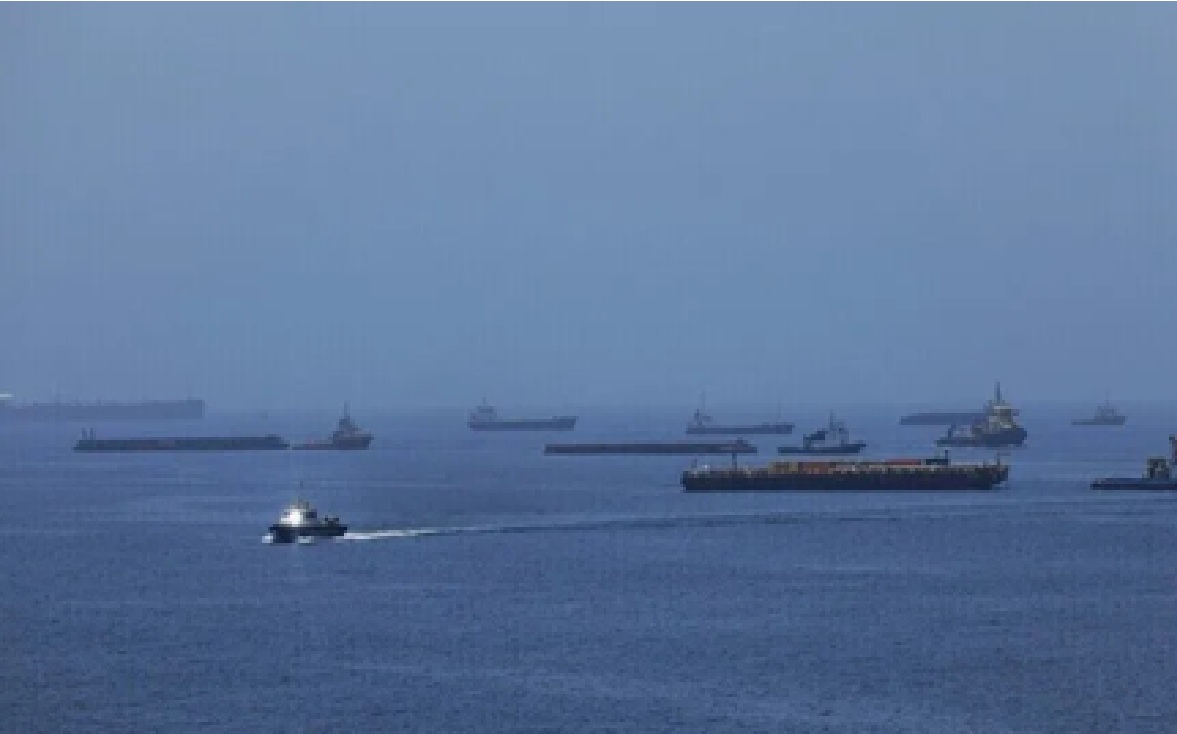
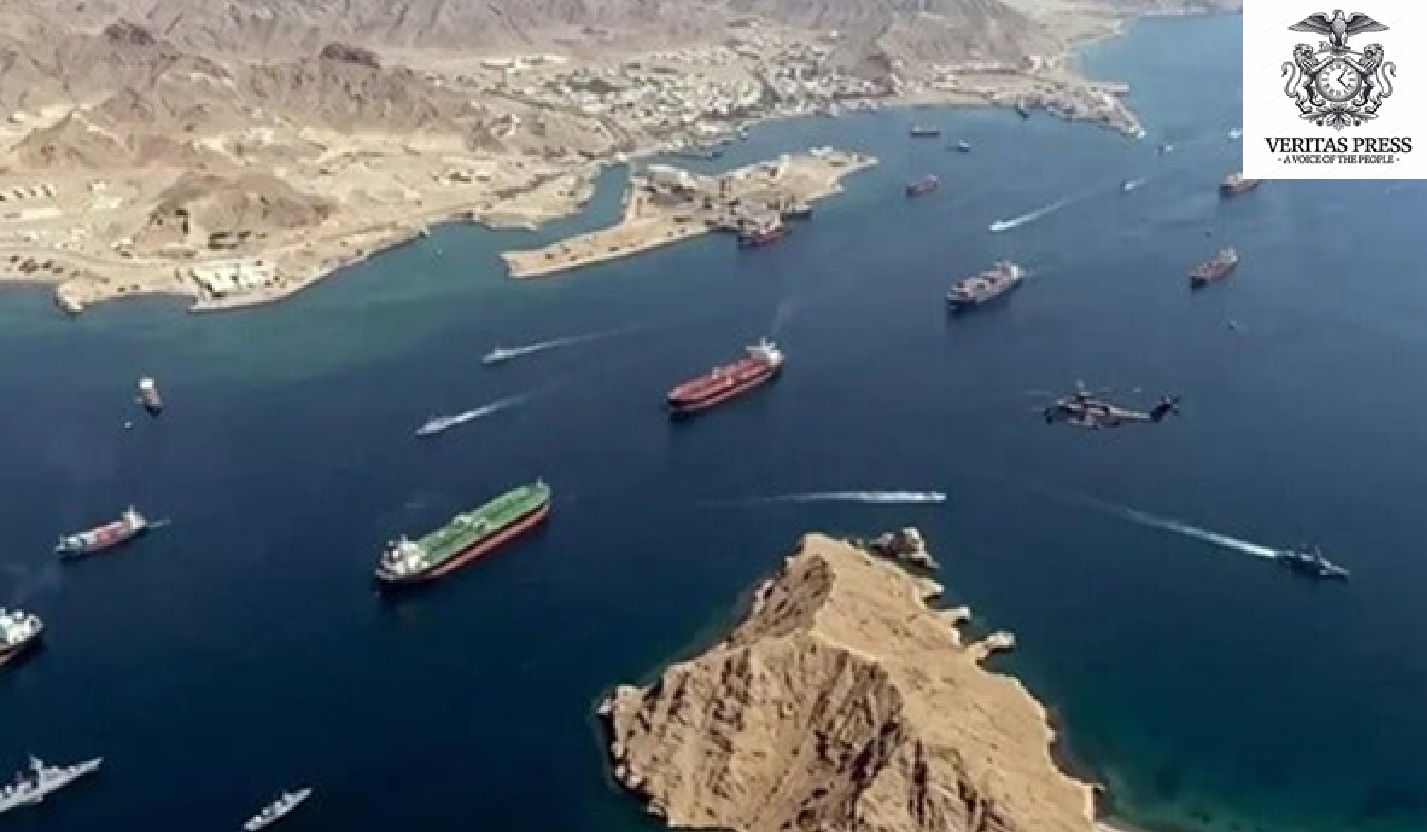
SANA’A— The narrow, sun-scorched waters of the Bab el-Mandeb Strait, through which roughly 10% of the world’s seaborne oil and an even larger share of Asia-bound container trade flows, have become the latest theatre in a rapidly metastasising confrontation between the United States and Iran. In the space of seventy-two hours, a calculated threat by Yemen’s Iran-backed Houthi movement has all but severed the Red Sea’s umbilical link to global energy markets, stranded supertankers in a maritime no-man’s-land, and forced a sudden, panic-driven re-evaluation of a shipping route that for two years had already been under strain from the Gaza war’s regional spillover.
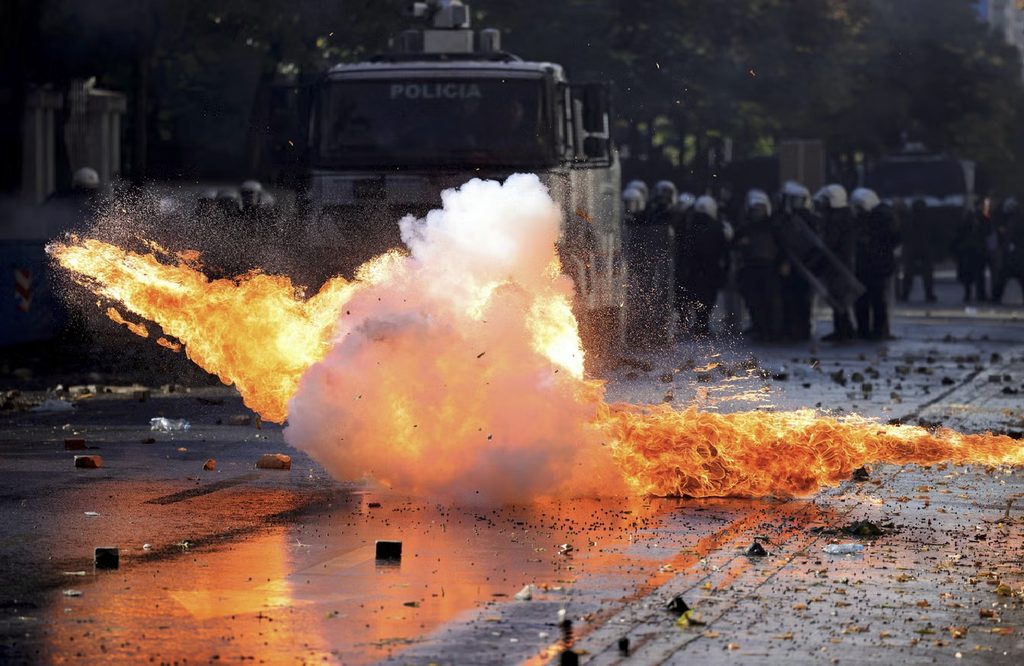
What began on Monday as a volley of menacing emails from Houthi authorities to shipping companies, bluntly warning them to avoid Saudi ports or face attack, has hardened into a de facto naval blockade of the Kingdom’s Red Sea export lifeline, trapping millions of barrels of crude at the Yanbu terminal and triggering a 69% collapse in oil tanker transits through the strait. By Wednesday morning, only nine vessels of all types had crossed Bab el-Mandeb, down from 16 on Monday and a paltry five on Tuesday, according to maritime tracking data cross-referenced by Anadolu and Bloomberg. The parallel strangulation of the Strait of Hormuz, where just one crude tanker passed on Monday and none in the five days since, means the world’s two most critical energy chokepoints are now being squeezed simultaneously, a nightmare scenario long gamed out by naval strategists but never before seen in reality.
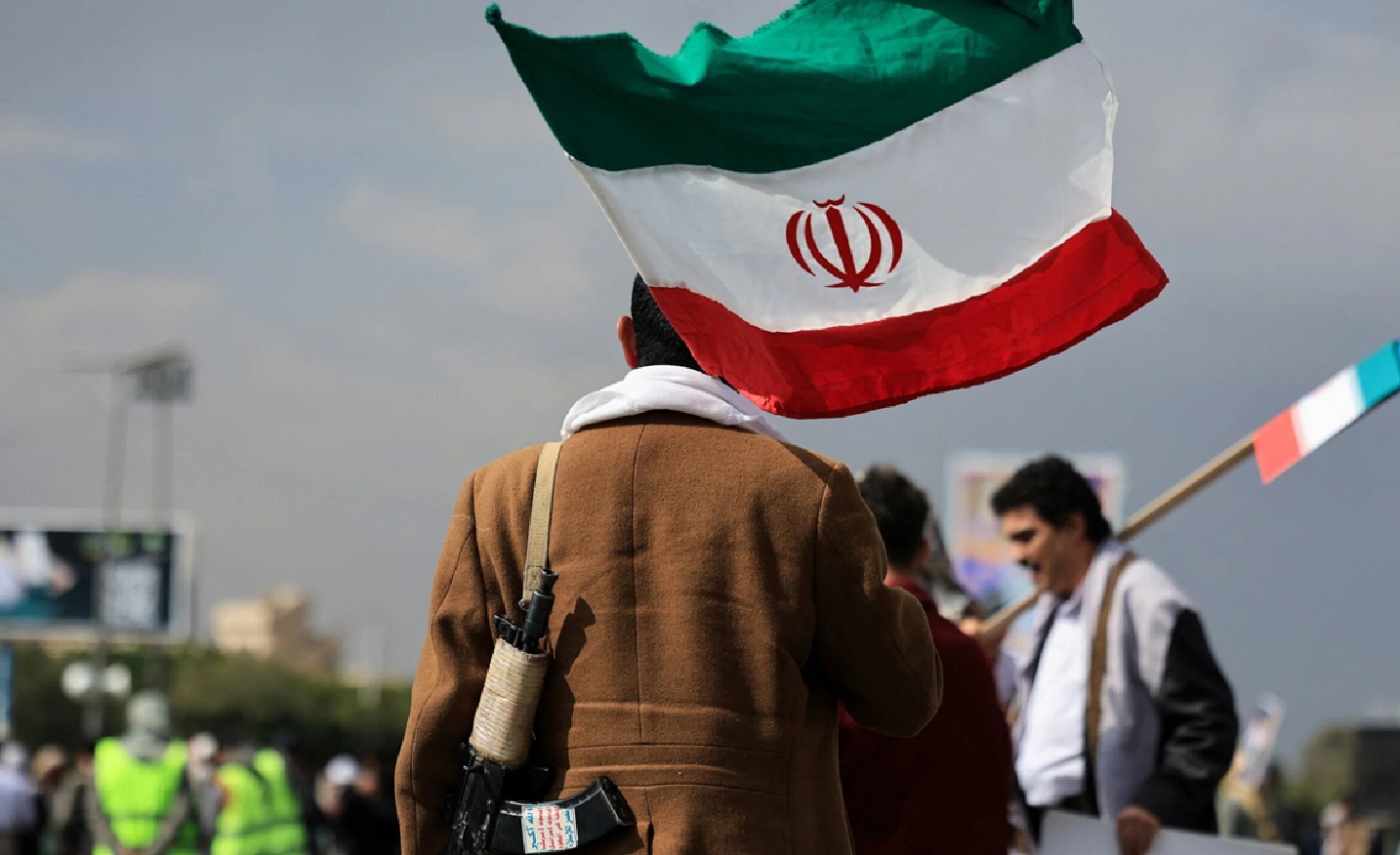
This new crisis is the direct offspring of an increasingly hot U.S.-Iran conflict that has, in a matter of days, leapfrogged from the Persian Gulf to the southern tip of the Arabian Peninsula. At its core is a cycle of retaliation that neither Washington nor Tehran seems able to arrest. For more than a week, American and Iranian forces have traded strikes, pushing Brent crude futures to flirt with $90 a barrel early in the week. But when a Saudi-led coalition airstrike hit Sana’a International Airport on Saturday, a strike that Houthi officials claim targeted a plane carrying Houthi leaders back from a funeral in Iran, the simmering Yemeni front erupted. Within hours, the Houthis retaliated with a missile and drone salvo against Abha International Airport in Saudi Arabia, and their military spokesperson announced a full blockade of Bab el-Mandeb for any vessel linked to the Kingdom or its partners.
“We will not allow the Saudi regime to strangle our people while using the Red Sea as a highway for their oil wealth,” Brigadier General Yahya Saree, the Houthi military spokesman, declared in a televised statement late Saturday. “From this moment on , any ship that ignores our warnings and calls at a Saudi port will be treated as a legitimate military target.” The Saudi government, through its state news agency SPA, denied deliberately targeting a civilian aircraft, calling the Sana’a strike a “precision operation against legitimate military infrastructure used to launch cross-border attacks.” But the damage to regional stability had already been done.
By Tuesday, the corporate inboxes of the world’s largest tanker operators pinged with a terse message from the Houthi Humanitarian Operations Coordination Centre, seen by multiple shipping sources: “We strongly advise you not to enter Saudi territorial waters or load at any Saudi Red Sea terminal. Your vessel’s safety cannot be guaranteed.” The email set off a cascade of panicked decisions on the bridges of vessels already steaming toward Yanbu.
Tankers U-Turn As The World Watches:
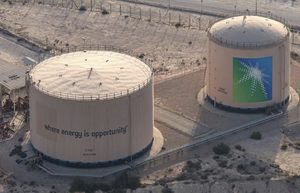
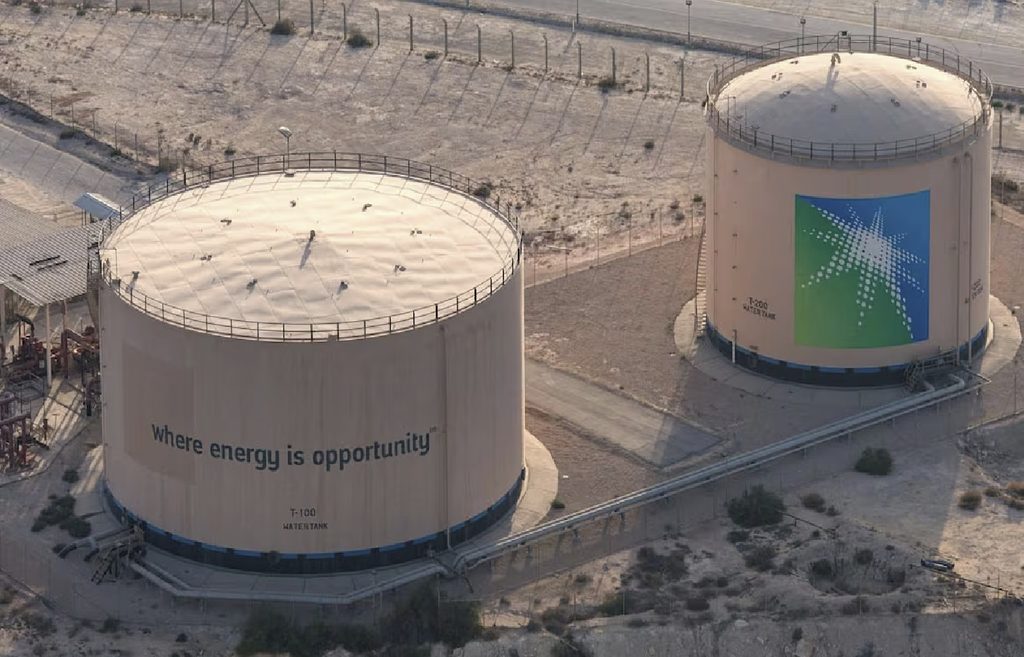
The immediate effect was a series of extraordinary, costly manoeuvres that laid bare the fragility of Saudi Arabia’s much-hyped alternative export route. The kingdom, anticipating a possible Hormuz closure, had spent years expanding the capacity of its East-West pipeline, which pumps crude from the Gulf fields to the Red Sea port of Yanbu. In the week leading up to the Houthi threat, Saudi Arabia had pumped a record 5.9 million barrels a day from Yanbu’s two terminals, according to Bloomberg tanker tracking. The gambit seemed to work, until the Houthis closed the back door.
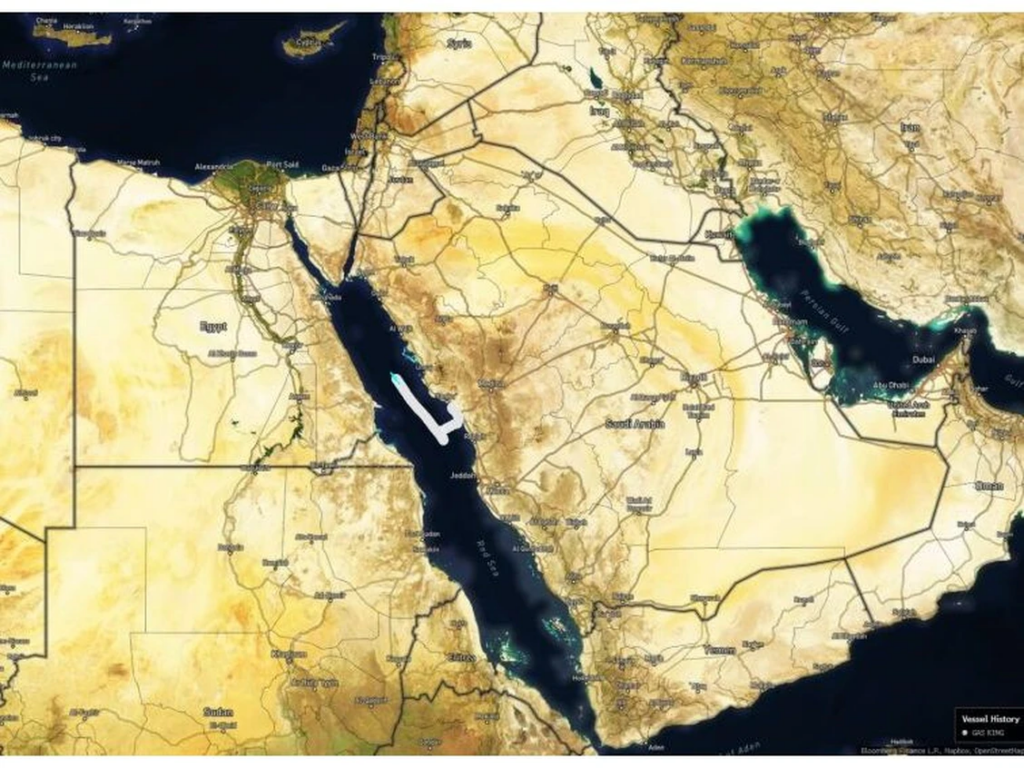
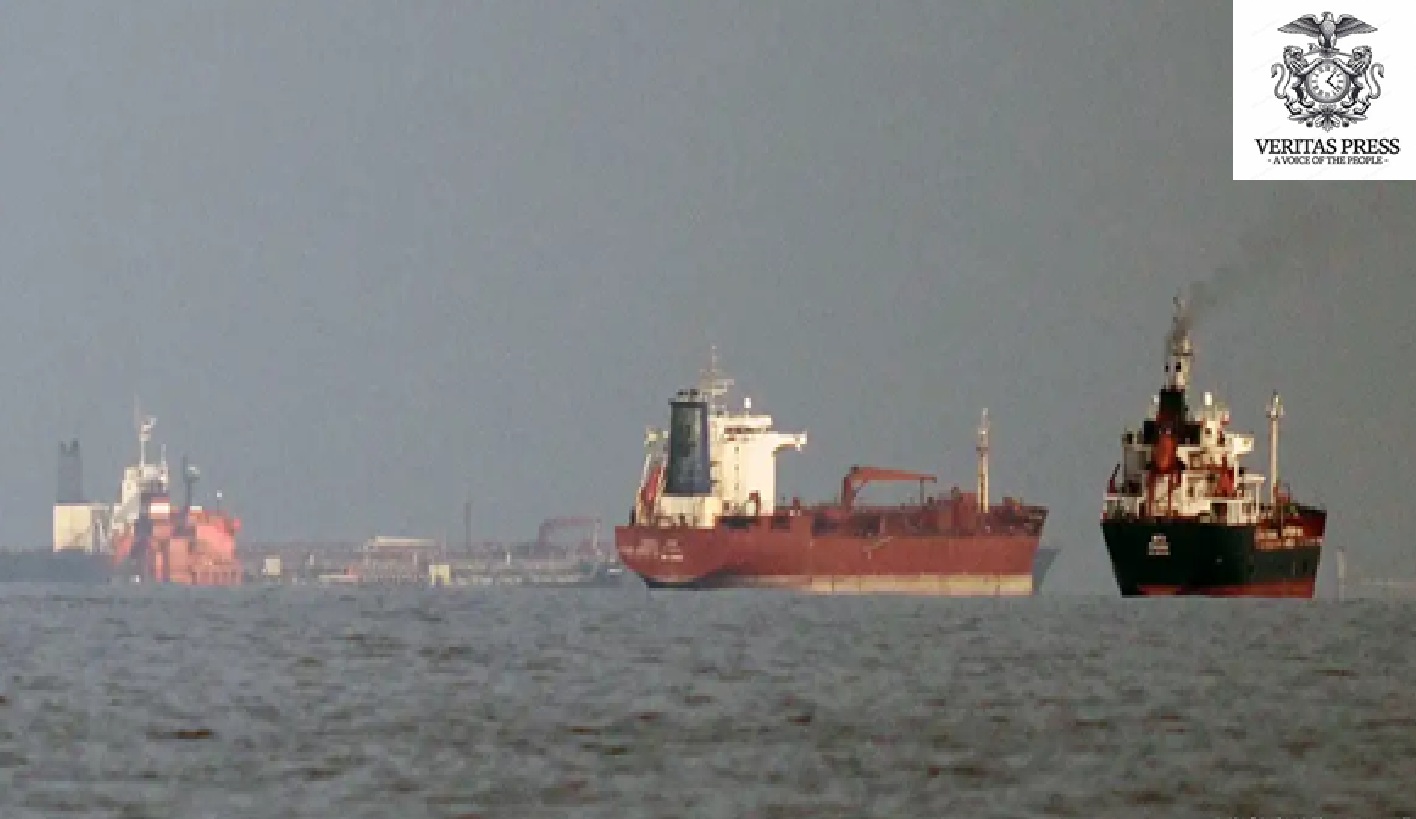
On Tuesday morning, the liquefied petroleum gas carrier Gas King, which had just completed loading Saudi cargo in Yanbu and was initially heading to Japan through the Bab el-Mandeb, abruptly turned around. It then directed its bow northward and indicated a new course: to travel through the Suez Canal, enter the Mediterranean Sea, and subsequently embark on the lengthy, fuel-intensive journey around Africa. The Greek-owned Suez max Amazon, laden with more than a million barrels of Saudi crude destined for India, did the same, switching its destination to the Suez Canal and thereby adding two weeks and hundreds of thousands of dollars in extra transit fees to its voyage. For a vessel whose final market is Asia, heading north from the central Red Sea is a financial and logistical absurdity. “I’ve been tracking tankers for twenty years, and I have never seen an Asia‑bound laden tanker voluntarily head for Suez from the Red Sea in the absence of an actual attack,” said a senior maritime risk analyst at a London-based brokerage, who requested anonymity because he was not authorised to speak publicly. “That alone tells you the market is pricing in a near‑certainty of disruption.”
The Gas King was seen U-turning to head toward the Suez Canal in the north of the Red Sea. Bab el-Mandeb is to the south. via Bloomberg
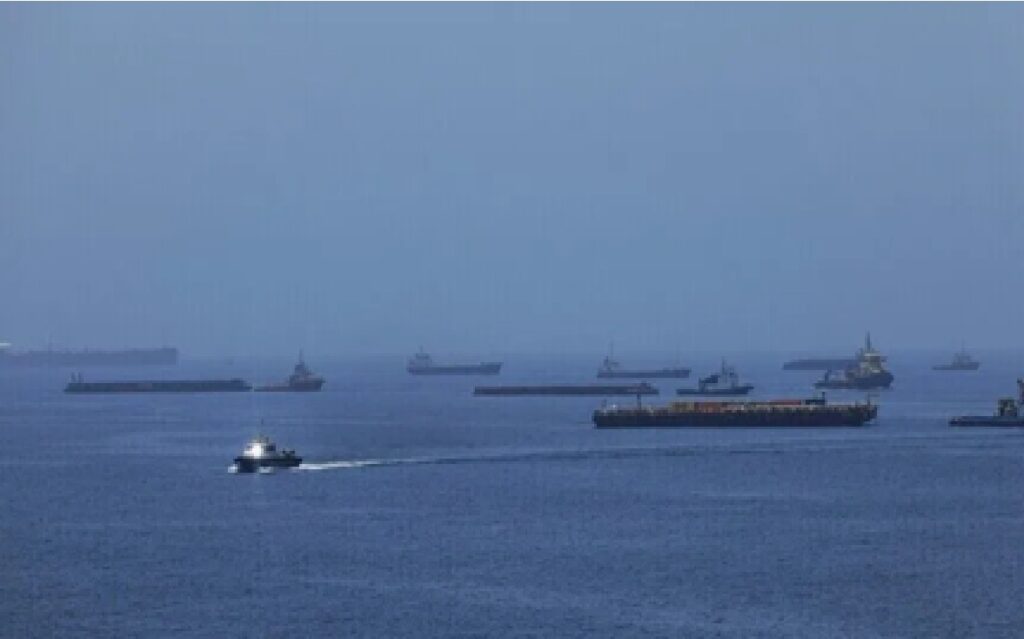
Meanwhile, the brand-new supertanker New Explorer, flying a Saudi crude cargo to Singapore, came to a complete halt in the central Red Sea, its AIS transponder flashing “not under command”, a status often used when a crew fears proceeding. Nearby, the Aframax Lahore also drifted to a stop after taking on its consignment. One tanker, the Xin Long Yang, initially reversed course but later resumed its voyage toward the strait, suggesting some owners are testing the waters, literally and figuratively. But the overall picture was one of gridlock.
The European Union’s naval force in the Red Sea, EUNAVFOR ASPIDES, hardened its threat assessment from “low” to “medium” on Tuesday. In a confidential advisory reviewed by Bloomberg, ASPIDES “recommends that merchant vessels linked to Israeli, U.S. or Saudi interests avoid transiting the Red Sea and Gulf of Aden until the threat level decreases.” The Joint Maritime Information Centre, a clearing house for military and shipping intelligence, warned that Houthi forces were now positioned to launch attacks from multiple points near the Bab el-Mandeb, including mobile anti-ship missile batteries and unmanned explosive boats. “The geometry of the strait makes evasion extremely difficult,” a JMIC briefing note cautioned. “With a width of only 16 nautical miles at its narrowest, shipping lanes are within range of shore‑based systems deployed on both the Yemeni coast and the island of Perim.”
‘Yanbu Is No Longer A Safe Haven’:
Rico Luman, senior transport and logistics economist at ING Group, told Anadolu that the Houthi declaration had “immediately increased the risks associated with crossing the Bab el-Mandeb Strait despite the absence of new attacks, while freight rates and insurance premiums had already surged, leading to higher costs.” He added a chilling observation: “This puts further pressure on oil markets, as the port of Yanbu is being used much more intensively as an alternative export hub for Saudi Arabia.” In other words, the strategic hedge that Riyadh had banked on, the ability to bypass Hormuz by piping oil west, has been neutralised by a guerrilla movement armed with Iranian anti-ship missiles and a demonstrated willingness to use them.
The implications for global oil markets are only beginning to be calculated. With Hormuz effectively closed to insurance-covered tanker traffic, the majority of Saudi, Iraqi, and Kuwaiti exports would typically be routed overland to Yanbu or through other Red Sea terminals. But if Yanbu itself is now under threat, the spare capacity to reroute again is almost nonexistent. “To circumvent the threat, sailing north around Africa through the Mediterranean would take much more time,” Luman explained. “For container shipping, this could be a reason to postpone resumption plans, as Maersk and Hapag-Lloyd have just resumed some services through the Red Sea, which could lead to prolonged detours around Africa.” Those detours, which added a million dollars in fuel costs per voyage during the Houthi campaign against Israel-linked shipping in 2024, could once again send container spot rates rocketing and suffocate the tentative recovery in global supply chains.
By Wednesday afternoon, Brent had surpassed $92, and insurance underwriters at Lloyd’s of London were quoting additional war risk premiums of up to 1% of hull value for any vessel still willing to transit the southern Red Sea, effectively making the journey commercially unviable for all but the most risk-tolerant (or militarily escorted) operators. Shares of major European shipping lines fell sharply in early trading.
A Human Catastrophe In The Making:
The real-world consequences are impacting the lives of ordinary Yemenis and the Horn of Africa, extending beyond trading floors and maritime operations centres. The Houthi blockade is ostensibly a response to the Saudi-led coalition’s long-standing air and sea embargo on Houthi-controlled areas, a siege that has been condemned by the United Nations as a major driver of what remains the world’s worst humanitarian crisis. “We are already in a situation where the Saudi coalition prevents food, medicine, and fuel from reaching our ports,” said Fatima al-Maswari, a relief worker with a Sana’a-based charity who asked to be identified only by her first name out of security fears. “Now this new escalation will make it even harder for humanitarian shipments to get through, because every aid agency will be terrified of being caught in the crossfire.” More than 20 million Yemenis depend on aid, much of it imported through Red Sea ports that are themselves blockaded by the coalition. The Houthi counter-blockade risks collapsing the fragile logistics chain that keeps the population alive.
In the Saudi port city of Jeddah, just north of the danger zone, authorities have put coastal defence units on high alert. Local media reported unusual movements of naval patrol craft, though the government declined to comment. Meanwhile, residents in the Yemeni coastal town of Mocha, a stone’s throw from the strait, described a tense calm punctuated by the rumble of unidentified aircraft overhead. “We have seen wars before, but the sea has always been our lifeline,” said Ahmed Saleh, a fisherman. “Now even the sea is closing in on us.”
An Investigative Lens: Bluff Or Strategy?
The critical question, asked quietly by diplomats and loudly by oil traders, is whether the Houthi blockade is a temporary political stunt designed to extract concessions an end to the Saudi air blockade, perhaps, or accelerated peace talks, or the new status quo in a region where state boundaries mean little and asymmetric naval power is being wielded with devastating effect. The Houthi record since November 2023, when they first began targeting commercial shipping in solidarity with Palestinians, suggests a capacity for sustained, unpredictable violence against civilian vessels that most governments, including those of Saudi Arabia and the UAE, have underestimated.
Western intelligence assessments obtained by this correspondent indicate that Iran has significantly upgraded the Houthis’ naval capabilities in the past year, supplying longer-range anti-ship cruise missiles, more sophisticated suicide drones, and real-time targeting intelligence via the IRGC’s network of spy vessels in the region. “What we are witnessing is the maturation of a truly disruptive maritime guerrilla strategy,” said Rear Admiral (Ret.) John Gumbleton, former deputy commander of U.S. Naval Forces Central Command, is now a fellow at a Washington think tank. “The Houthis have learned they can hold global trade hostage at a fraction of the cost it takes a navy to protect it. Hormuz and Bab el-Mandeb are not separate theatres; they are two ends of the same Iranian chokehold.”
That linkage is now explicit. In parallel with the Houthi declaration, Iran’s Revolutionary Guard kept up its “military exercises” in the Strait of Hormuz, boarding a Liberian-flagged tanker early Wednesday and diverting it to Bandar Abbas, according to a UK Maritime Trade Operations alert. The incident, the eighth such seizure in three weeks, underscored that Tehran is orchestrating both crises in tandem. “It’s a pincer movement,” a European diplomat told reporters on the sidelines of an emergency OPEC+ meeting that was hastily convened by videoconference on Tuesday night. “If you squeeze Hormuz and the Red Sea simultaneously, you starve the West and its Asian allies of energy, while still being able to deny direct responsibility for one of the two fronts. The Houthis give Tehran plausible deniability, barely.”
The View From Riyadh And Washington:
In Riyadh, Crown Prince Mohammed bin Salman has convened a crisis cell, but his options are limited. A full-scale military operation to dislodge Houthi coastal positions would require a ground invasion of a mountainous, heavily mined coastline, a bloody undertaking that the Saudi armed forces have largely failed to achieve in nearly a decade of war. Instead, the kingdom is scrambling to accelerate the expansion of its Yanbu-to-Mediterranean pipeline network and to secure alternative export agreements through Oman and the UAE’s Fujairah terminal, but neither can fully compensate. “The Saudi response has been a mixture of denial and frantic behind-the-scenes diplomacy,” an advisor to the Saudi energy ministry said, speaking on condition of anonymity. “They know Yanbu was their trump card, and they’ve just lost it.”
Washington’s position is equally vexing. The U.S. Fifth Fleet, based in Bahrain, has dispatched additional destroyers to the Gulf of Aden, but the vastness of the threat area and the sheer volume of commercial traffic, over 21,000 ships annually in peace-time, make meaningful protection impossible without a convoy system that would further slow trade to a crawl. The Biden administration’s successor, now in office, continues to call for de-escalation even as Congress clamours for retaliatory strikes against Houthi launch sites. “We are in direct contact with our Saudi and European partners to ensure freedom of navigation, but no one should mistake our posture: we will defend American interests,” White House Press Secretary Elena Rowe said Tuesday. She offered no specifics.
Media And Public Scrutiny:
Journalists seeking to verify Houthi claims have been denied access to the conflict zone, both by the rebels and by the Saudi-led coalition. Independent satellite imagery analysis conducted by a specialist open-source intelligence unit at a UK university reveals new earthworks and apparent missile storage bunkers on Perim Island, which commands the strait’s narrows, but could not confirm whether launch-ready missiles were present. International media have had to rely heavily on naval advisories, AIS data, and a handful of Yemeni citizen journalists who upload footage at great personal risk. “The fog of war is unusually thick, in part because all sides have an interest in manipulating the narrative,” said Layla Ahmed, a Middle East correspondent for Al-Monitor. “The Houthis want to project strength, the Saudis want to project calm, and the Americans want to project control. The truth is somewhere in the treacherous waters in between.”
What Comes Next?
As of late Wednesday, no major military action had yet been reported in the Bab el-Mandeb itself, but the shipping paralysis alone is a strategic victory for the Houthis and their Iranian patrons. The crisis has exposed the brittleness of the global maritime trade architecture, where a few thousand fighters armed with shore-based missiles can hold the world economy to ransom. Insurance markets, already traumatised by the Hormuz standoff, are beginning to price in a long-term “dual closure” scenario, with profound consequences for inflation, energy security, and the viability of just-in-time supply chains.
The next 48 hours are critical. If diplomatic back‑channels succeed in de-escalating, perhaps through an Omani or Chinese-mediated halt to Saudi air operations in exchange for a Houthi safe-passage corridor, oil prices could stabilise. If not, and a stray missile hits a civilian vessel, the region risks a broader conflagration that would dwarf the 2024 Red Sea crisis. As the Amazon and Gas King begin their lonely journeys north, and the lights on the New Explorer flicker in the Red Sea night, it is clear that the old map of safe passage has been ripped up, and a new, far more dangerous cartography is being drawn in its place.
Source:Veritas Press C.I.C. | Multi-News Agencies
Help Support Our Work By Donating
Readers who believe that truth still matters have power over popular information. When just a few more people step up to support this work, it means more lies exposed, more corruption uncovered, and more accountability where it’s long overdue.
Help Protect Independent Journalism, Which Is Currently Under Attack.
If you believe journalism should serve the public, not the powerful, and you’re able to help, becoming a regular DONOR or a PAID SUBSCRIBER truly makes a difference.
DONATION APPEAL: If you found this reporting valuable, please consider supporting independent journalism.
Your support fuels our fearless, truth-driven journalism. In unity, we endeavour to amplify marginalised voices and champion justice, irrespective of geographical location. We operate independently, with no financial backing from billionaires; our readers support us.
But it’s also extremely important. One of Veritas Press’s greatest assets is its reader-funded model.
1. Reader funding means we can cover what we like. We’re not beholden to the political whims of a billionaire owner. We are a small, independent and impartial organisation. No one can tell us what not to say or what not to report.
2. Reader funding means we don’t have to chase clicks and traffic. We’re not desperately seeking your attention for its own sake; we pursue the stories that our editorial team deems important and believes are worthy of your time.
3. Reader Funding: enables us to keep our website and other social media channels open, allowing as many people as possible to access quality journalism from around the world, particularly those in places where the free press is under threat.
We know not everyone can afford to pay for news, but if you’ve been meaning to support us, now’s the time.
Your donation goes a long way. It helps us:
Keep the lights on and sustain our day-to-day operations
Hire new, talented, independent reporters
Launch real-time live debates, community-focused shows, and on-the-ground reporting
Cover the issues that matter most to our communities, in real time, with depth and integrity
Without your support, independent voices like ours will be silenced.
Further, we have plans to expand our work, but we can’t do it without your support. Every contribution, no matter the size, helps us stay independent and build a truly people-powered media platform.
If you believe in journalism that informs, empowers, and reflects the communities we serve, please donate today.
Kamran Faqir is a volunteer investigative journalist and writer committed to exposing hidden truths and amplifying underreported stories. Driven by social justice, he brings sharp insight and fearless truth-telling to independent journalism. NUJ registered.
SEATTLE, TEHRAN — The U.S. Department of Homeland Security (DHS) will allow Iran’s national football team to enter the country 48 hours before their critical World Cup match against Egypt on Friday, a modest concession in a tournament where Team Melli’s travel conditions have sparked claims of oppression and competitive disadvantage.