Kamran Faqir is a volunteer investigative journalist and writer committed to exposing hidden truths and amplifying underreported stories. Driven by social justice, he brings sharp insight and fearless truth-telling to independent journalism. NUJ registered.
Article Date Published:
Article Date Modified:
10 minutes
Views:441
Listen to this article
Help support our mission, donate today and be the change. Every contribution goes directly toward driving real impact for the cause we believe in.
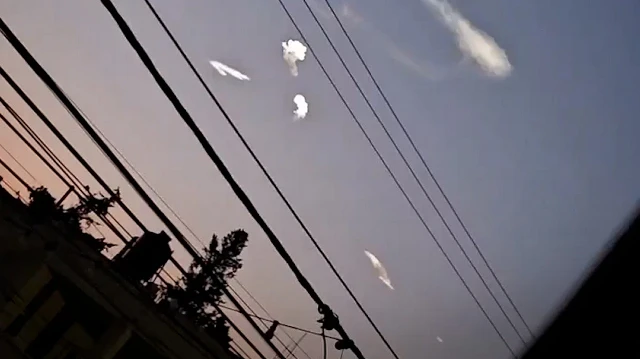
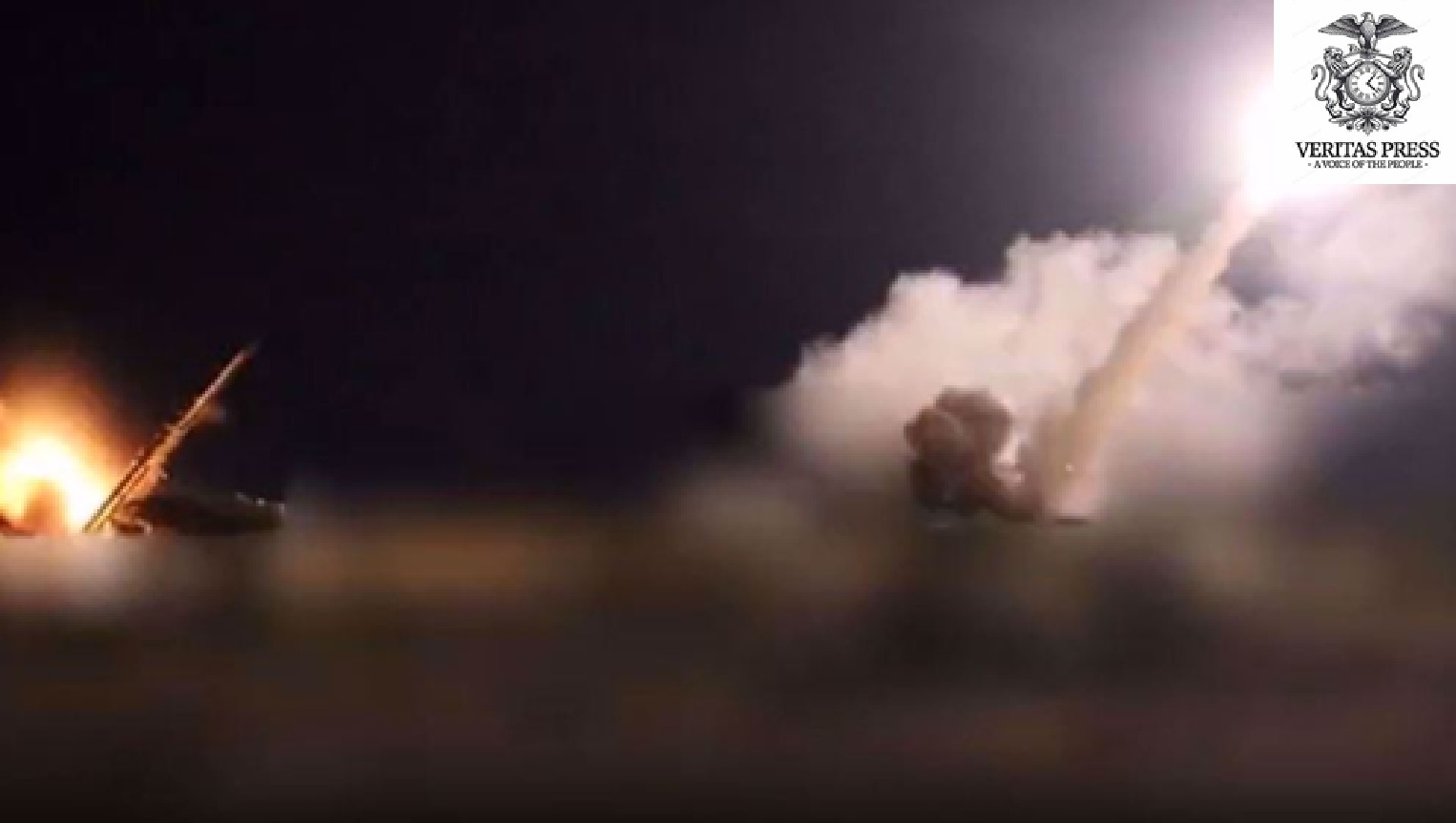
AMMAN / WASHINGTON / TEHRAN / MANAMA / DUBAI – The dusty desert surrounding Jordan’s strategically important Al-Azraq air base erupted before dawn on Thursday as Iranian ballistic missiles streaked across the region in one of the most dramatic escalations of the widening confrontation between Tehran and Washington.
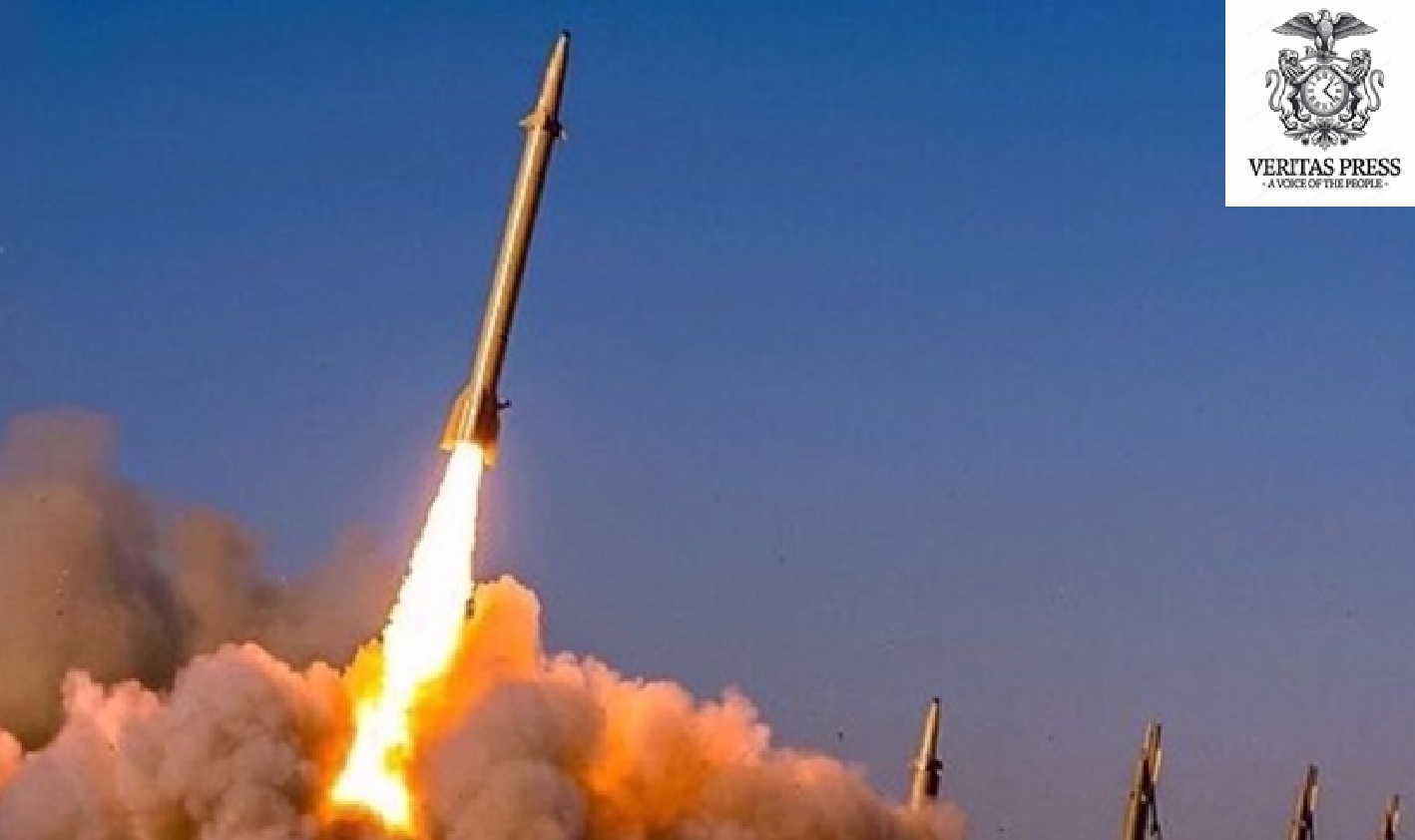
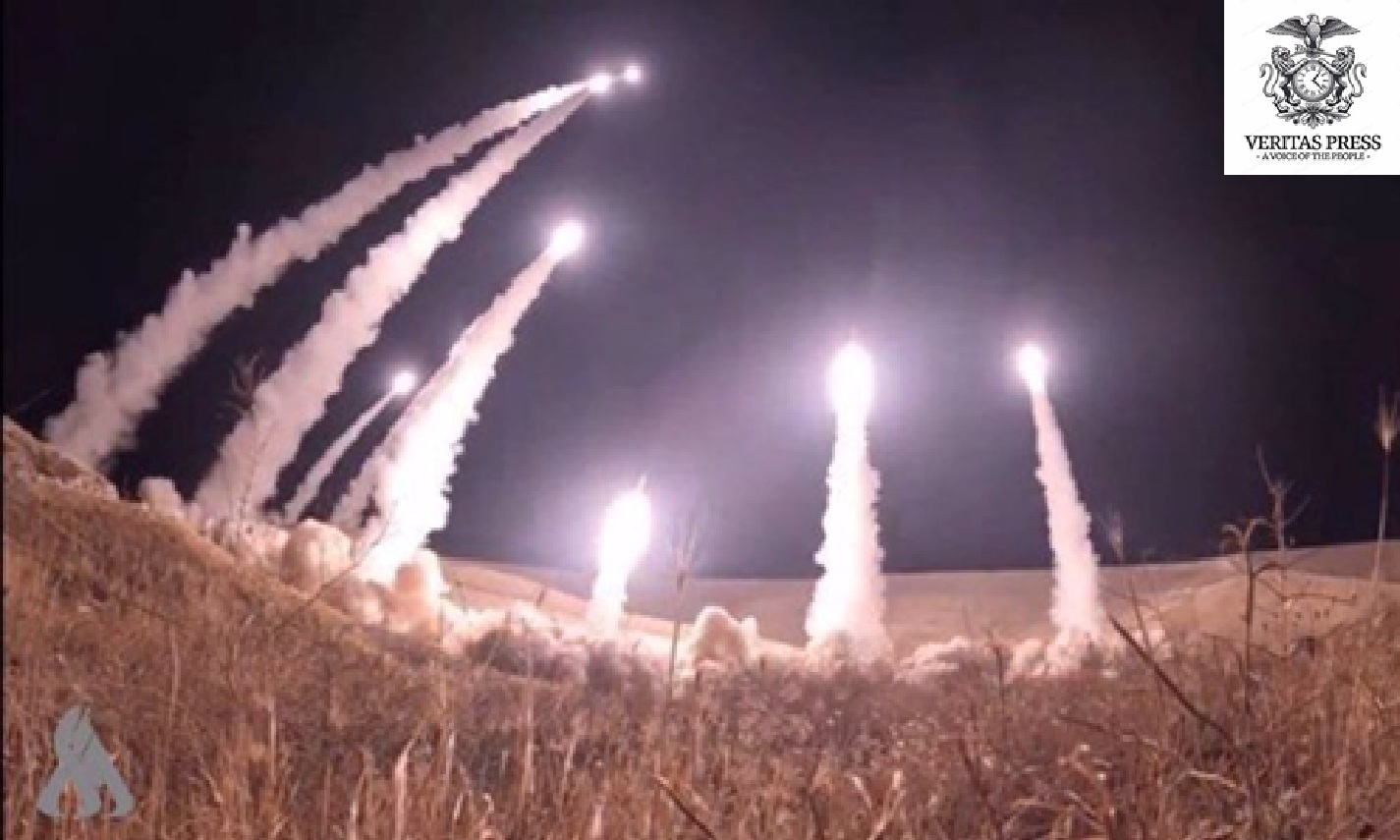
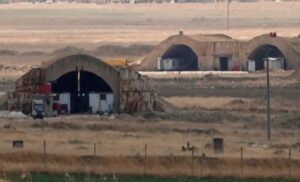
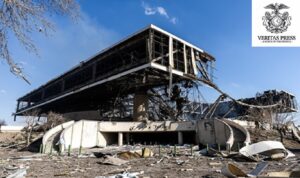
Iran’s Islamic Revolutionary Guard Corps (IRGC) announced that its Aerospace Force had launched 12 ballistic missiles at the US-operated facility in eastern Jordan, claiming the attack destroyed military infrastructure, a command-and-control centre, and a significant number of American fighter aircraft stationed at the base.
IRGC targets US fighter jet base in Jordan
The strike formed part of a coordinated wave of Iranian attacks targeting American military assets across the Gulf following fresh US missile strikes on Iranian territory ordered by President Donald Trump.
Yet within hours, sharply conflicting accounts emerged from Jordanian authorities, American military officials and independent analysts, exposing a widening gap between battlefield realities and wartime propaganda.
The competing narratives surrounding Al-Azraq have become emblematic of a conflict increasingly fought not only with missiles and drones but also through information warfare, strategic messaging and competing claims aimed at domestic and international audiences.
Iran Claims Destruction Of US Fighter Jets:
At approximately 04:17 local time, the IRGC issued a statement through state-affiliated Fars and Tasnim news agencies declaring that Al-Azraq Air Base had been struck by 12 ballistic missiles.
According to the statement, the facility hosted American F-35, F-15 and F-16 fighter aircraft as well as critical command-and-control infrastructure.
“The missile attack destroyed the base’s facilities and a large number of fighter jets,” the IRGC claimed.
The Guards described the operation as a direct response to American missile attacks on sites near Karaj, Nazarabad and other locations west of Tehran.
Iran’s Khatam al-Anbiya Central Headquarters, the country’s highest military operational command, simultaneously declared that Washington’s decision to halt some attacks against southern Iran reflected what it called the “powerful and crushing response” of Iranian armed forces.
The messaging was unmistakable.
Faced with mounting economic pressure, continuing sanctions and growing domestic frustrations, Iranian authorities sought to project an image of military resilience and strategic deterrence by portraying the attack as a major victory against the United States.
However, the claims quickly encountered challenges from multiple sources.
Jordan Rejects Iranian Account:
Jordan’s Armed Forces issued a detailed rebuttal, stating that air-defence systems intercepted incoming missiles before they reached their intended targets.
Military officials reported that approximately 20 incoming missile tracks were detected over the Azraq region and that defensive systems successfully engaged them.
“Falling shrapnel caused no casualties or material damage,” the military said, adding that violations of Jordanian airspace by any party would not be tolerated.
Residents in communities surrounding the base described hearing multiple explosions shortly before sunrise.
“We heard several very loud blasts,” said Ali al-Harbi, a municipal council member in Al-Azraq al-Janoubi.
“Then debris started falling. People are frightened because the war is no longer something they see on television. It is falling into our communities.”
The discrepancy between Iran’s claim of firing 12 ballistic missiles and Jordan’s report of intercepting 20 aerial threats may reflect the presence of decoys, booster fragments or multiple radar tracks generated during interceptions.
US officials, speaking anonymously to international media, later asserted that none of the missiles reached the base itself.
According to those officials, Jordanian Patriot batteries intercepted several incoming missiles, while additional threats were reportedly engaged by US naval assets operating in the region.
Satellite Imagery Challenges Irgc Claims:
Perhaps the strongest challenge to Tehran’s narrative came from commercial satellite imagery.
Images captured by Planet Labs and Maxar Technologies several hours after the attack were reviewed by independent geospatial analysts.
Those analysts reported no visible evidence of widespread destruction, no major runway craters and no signs of large-scale aircraft losses consistent with the destruction of multiple advanced fighter jets.
Dr Lina al-Khatib, an analyst specialising in Middle Eastern security affairs, noted that the destruction of several F-35 aircraft would likely leave unmistakable evidence visible from space.
“We see no such evidence,” she said.
US defence officials further stated that all aircraft present at the facility were accounted for and that no F-35 fighters were stationed at the base during the attack.
While wartime claims are often difficult to verify immediately, the available evidence currently casts significant doubt on Iran’s assertion that American fighter aircraft were destroyed.
Regional Conflict Expands:
The Al-Azraq attack was only one component of a much broader escalation.
Iran simultaneously announced operations against US military facilities in Bahrain and Kuwait.
The IRGC claimed strikes on Bahrain’s Sheikh Isa Air Base, Kuwait’s Ali Al Salem Air Base and Ahmad Al-Jaber Air Base, as well as installations linked to the US Fifth Fleet.
Authorities in Bahrain and Kuwait acknowledged air-defence activity and interceptions.
Bahraini officials reported that debris from intercepted drones injured an 11-year-old girl, damaged homes and burned several vehicles in residential areas.
The attacks demonstrated Tehran’s willingness to target American military infrastructure hosted by regional allies, significantly broadening the geographic scope of the conflict.
As Dr Sanam Vakil of Chatham House observed, the message directed at Gulf governments was clear.
“If you allow your territory to be used for attacks against Iran, Iran will seek to impose costs in return.”
US Airstrikes Inside Iran:
The Iranian retaliation followed renewed American military operations.
US Central Command announced a series of strikes on military surveillance systems, communications infrastructure and air-defence facilities inside Iran.
President Trump later stated that 49 Tomahawk missiles had been launched against Iranian targets.
Iranian media reported explosions in Karaj, Abyek, Bandar Abbas, Sirik, Jask, Qeshm Island and Kish Island.
Residents described damaged infrastructure, power disruptions and civilian injuries.
In Bandar Abbas, fisherman Hamid Reza described a deteriorating humanitarian situation.
“The water reservoirs in our district were hit. We have no drinking water. Electricity is cut. People are frightened every night.”
The reports raise serious questions regarding the impact of military operations on civilian infrastructure.
Human rights organisations have warned that attacks affecting water supplies, communications networks and essential services could violate international humanitarian law if military necessity cannot be clearly demonstrated.
Amnesty International Secretary General Agnès Callamard warned that civilian infrastructure remains protected under the laws of war.
“The law protects civilians even when missiles do not.”
Hormuz Crisis Deepens:
The military confrontation has increasingly centred on the Strait of Hormuz, through which a substantial portion of global energy supplies pass.
Iran declared the waterway closed “until further notice” and warned that vessels attempting passage could be targeted.
Reports emerged that commercial tankers operating near the strait were struck or damaged, although full details remain contested.
Shipping companies, insurers and energy markets reacted immediately.
Lloyd’s designated the Strait of Hormuz a war-risk zone, while several governments began reviewing emergency energy contingency plans.
Analysts caution that Iran may not possess the capability to permanently close the strait, but it retains significant capacity to disrupt maritime traffic through missile attacks, mines and drone operations.
Even limited disruptions have already begun affecting global oil prices, shipping costs and supply chains.
Diplomacy On Life Support:
The latest escalation has pushed already fragile diplomatic efforts closer to collapse.
Indirect negotiations involving US and Iranian representatives, reportedly facilitated by Pakistan, had sought to establish a framework for de-escalation and future discussions regarding Iran’s nuclear programme.
Those talks now appear increasingly endangered.
Pakistani Foreign Minister Bilawal Bhutto Zardari acknowledged the severity of the situation.
“The Islamabad track is not dead, but it is on life support.”
Meanwhile, Jordan closed its airspace, Bahrain requested emergency international consultations and the United Nations Security Council convened an urgent session to address the rapidly deteriorating situation.
UN Secretary-General António Guterres warned that continued escalation risks triggering a humanitarian and economic crisis extending far beyond the Middle East.
A War Of Missiles And Narratives:
The battle over Al-Azraq ultimately illustrates a broader reality.
Iran seeks to demonstrate that US military installations across the region are vulnerable and that American allies can no longer assume protection from retaliation.
Washington seeks to project military superiority while avoiding the perception that Iranian attacks have achieved meaningful operational success.
Caught between those narratives are millions of civilians across Iran, Jordan, Bahrain, Kuwait and the wider Gulf region.
For residents living beneath missile flight paths, questions about propaganda victories and strategic messaging are secondary.
What matters is that the conflict continues expanding geographically, the ceasefire is rapidly disintegrating, and the risk of a wider regional war is growing with each successive exchange of fire.
As smoke cleared above Al-Azraq and diplomats scrambled to prevent another escalation, one conclusion became increasingly difficult to ignore: the military confrontation between Iran and the United States has entered a far more dangerous phase, where a single miscalculation could transform a regional crisis into a much broader conflict.
For The Secure Submission Of Documentation, Testimonies, Or Exclusive Investigative Reports From Any Global Location, Please Utilise The Following Contact Details For Our Investigations Desk: enquiries@veritaspress.co.uk or editor@veritaspress.co.uk
Help Support Our Work:
Popular Information is powered by readers who believe that truth still matters. When just a few more people step up to support this work, it means more lies exposed, more corruption uncovered, and more accountability where it’s long overdue.
Help Protect Independent Journalism, Which Is Currently Under Attack.
If you believe journalism should serve the public, not the powerful, and you’re in a position to help, becoming a DONATOR or a PAID SUBSCRIBER truly makes a difference.
DONATION APPEAL: If You Found This Reporting Valuable, Please Consider Supporting Independent Journalism.
Help Support Our Work – We Know, We Know, We Know …
Seeing these messages is annoying. We know that. (Imagine what it’s like writing them … )
Your support fuels our fearless, truth-driven journalism. In unity, we endeavour to amplify marginalised voices and champion justice, irrespective of geographical location.
But it’s also extremely important. One of Veritas Press’s greatest assets is its reader-funded model.
1. Reader funding means we can cover what we like. We’re not beholden to the political whims of a billionaire owner. We are a small, independent and impartial organisation. No one can tell us what not to say or what not to report.
2. Reader funding means we don’t have to chase clicks and traffic. We’re not desperately seeking your attention for its own sake: we pursue the stories that our editorial team deems important and believe are worthy of your time.
3. Reader Funding: enables us to keep our website and other social media channels open, allowing as many people as possible to access quality journalism from around the world, particularly those in places where the free press is under threat.
We know not everyone can afford to pay for news, but if you’ve been meaning to support us, now’s the time.
Your donation goes a long way. It helps us:
Keep the lights on and sustain our day-to-day operations
Hire new, talented independent reporters
Launch real-time live debates, community-focused shows, and on-the-ground reporting
Cover the issues that matter most to our communities, in real time, with depth and integrity
We have plans to expand our work, but we can’t do it without your support. Every contribution, no matter the size, helps us stay independent and build a truly people-powered media platform.
If you believe in journalism that informs, empowers, and reflects the communities we serve, please donate today.
Kamran Faqir is a volunteer investigative journalist and writer committed to exposing hidden truths and amplifying underreported stories. Driven by social justice, he brings sharp insight and fearless truth-telling to independent journalism. NUJ registered.
SEATTLE, TEHRAN — The U.S. Department of Homeland Security (DHS) will allow Iran’s national football team to enter the country 48 hours before their critical World Cup match against Egypt on Friday, a modest concession in a tournament where Team Melli’s travel conditions have sparked claims of oppression and competitive disadvantage.