IRAN: The 40-Day War: A Fragile Truce, A Clash Of Narratives, And The Unanswered Questions Looming Over The Middle East – While Iran Declares ‘Historic Victory’ Over US.
IRAN: The 40-Day War: A Fragile Truce, A Clash Of Narratives, And The Unanswered Questions Looming Over The Middle East – While Iran Declares ‘Historic Victory’ Over US.
Kamran Faqir is a volunteer investigative journalist and writer committed to exposing hidden truths and amplifying underreported stories. Driven by social justice, he brings sharp insight and fearless truth-telling to independent journalism. NUJ registered.
Original Article Date Published:
Article Date Modified:
10 minutes
Views:256
Listen to this article
Help support our mission, donate today and be the change. Every contribution goes directly toward driving real impact for the cause we believe in.
TEHRAN / ISLAMABAD – The world exhaled on April 8, 2026, as the United States and Iran agreed to a last-minute, two-week ceasefire, pulling back from the precipice of what U.S. President Donald Trump had ominously warned would be the obliteration of an “entire civilisation.” Yet, beneath the veneer of a diplomatic breakthrough lies a far more complex and precarious reality. While both sides are claiming a resounding victory, the fragile truce, brokered by Pakistan in the final hour, has done little to settle the fundamental grievances that ignited the 40-day conflict, a war that began with a shock-and-awe campaign that decapitated Iran’s leadership and sent seismic shocks across the globe.
Part I: The Spark – An Assassination And A Declaration Of War
The war did not begin with a border skirmish but with a targeted assassination. On February 28, 2026, a joint U.S.-Israeli military operation killed Iran’s long-serving Supreme Leader, Ayatollah Seyyed Ali Khamenei, alongside top-ranking commanders. For Washington and its allies, it was a decapitation strike, a bold attempt to cripple the Islamic Republic’s command-and-control apparatus. The White House and Pentagon hailed the operation’s initial success, with President Trump taking to social media to announce the commencement of “major combat operations.”
For Iran, it was an act of war. The assassination plunged the nation into a leadership crisis. In a swift, state-managed transition, power was consolidated by Ayatollah Seyyed Mojtaba Khamenei, the late leader’s son. Reports, however, painted a picture of a regime in turmoil. Sources indicated the new Supreme Leader was initially “largely MIA” and communicated via runners passing notes, a stark indicator of the chaos and security fears that gripped the highest echelons of power in the war’s first days. The regime, its heart ripped out, faced its greatest existential threat since the Iran-Iraq war.
Part II: The 40-Day Battle – A War Of Attrition And Unleashed Proxies
What Washington expected to be a swift victory quickly devolved into a grinding, multi-front war of attrition. Iran, far from being paralysed, activated its “Axis of Resistance,” transforming the conflict from a bilateral war into a regional inferno.
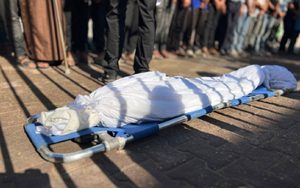
From the very first day, the war took a catastrophic toll on civilians. U.S. and Israeli airstrikes, targeting what they called military and energy infrastructure, resulted in a staggering humanitarian toll. Human rights groups reported over 3,500 total casualties, with at least 1,600 civilians among them, including hundreds of children. One particularly horrific incident on the war’s opening day saw over 170 children killed in an airstrike on an elementary school in the port city of Minab. These strikes, and Trump’s subsequent threats to destroy power plants and bridges, led Iranian and international legal experts to publicly denounce them as flagrant war crimes.
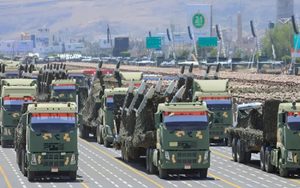
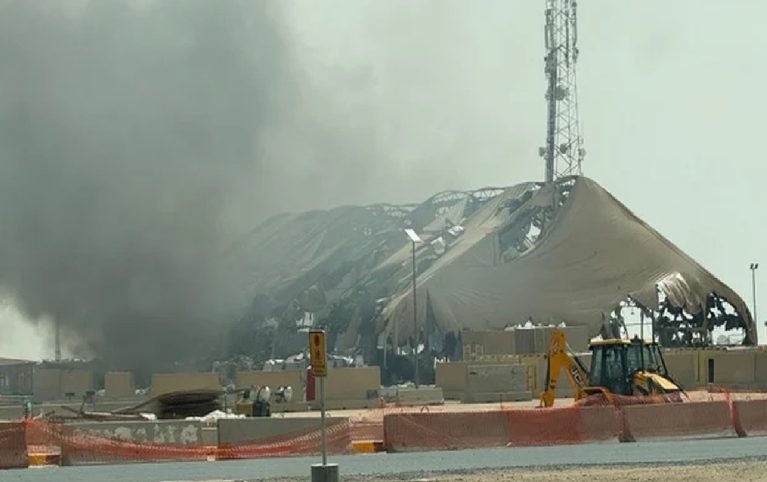
Simultaneously, the conflict’s front lines expanded dramatically. The Iranian-backed Lebanese militia Hezbollah opened a second front against Israel, launching devastating rocket barrages into northern Israel, inflicting what Israeli commanders later admitted were unexpectedly heavy casualties. Yemen’s Houthi movement, coordinating with Tehran, launched joint missile and drone strikes at Israeli targets, directly aligning their long-running campaign with Iran’s strategic objectives. In a direct challenge to Washington’s Gulf allies, Iran launched a sustained missile and drone barrage against the UAE, Bahrain, Saudi Arabia, and Qatar. While air defences intercepted many, debris caused casualties, shattering the Gulf monarchies’ long-held sense of invulnerability.
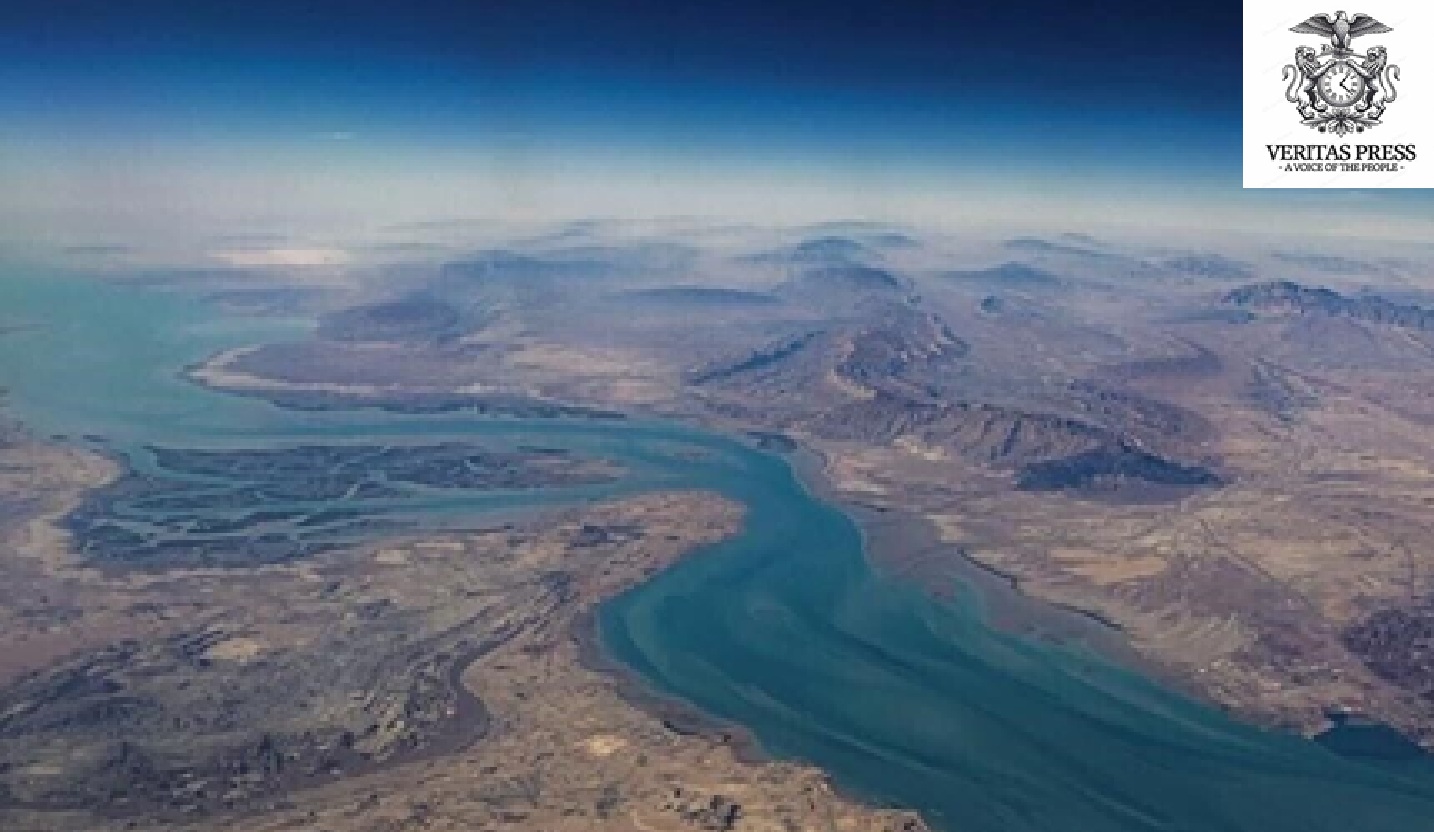
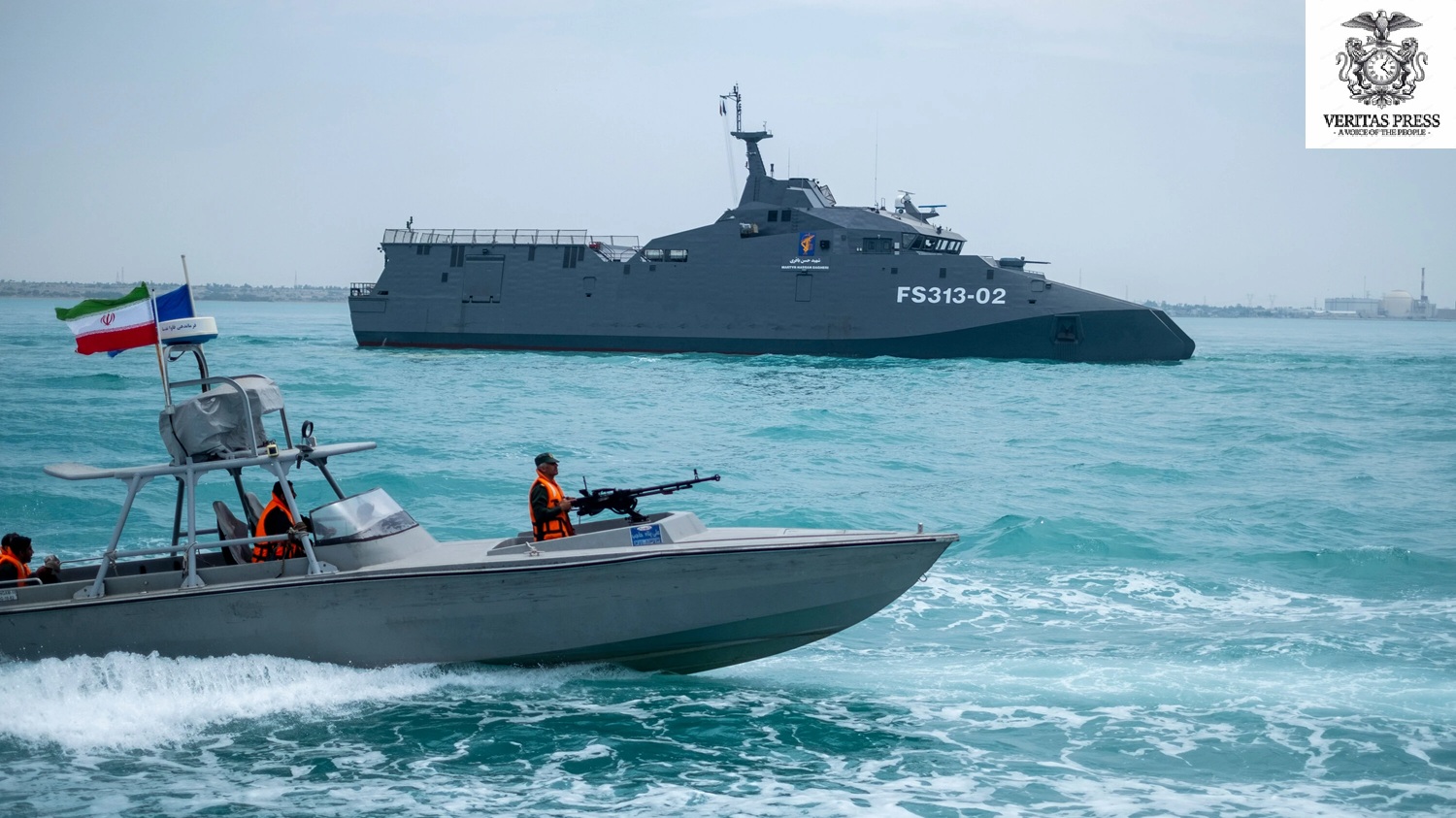
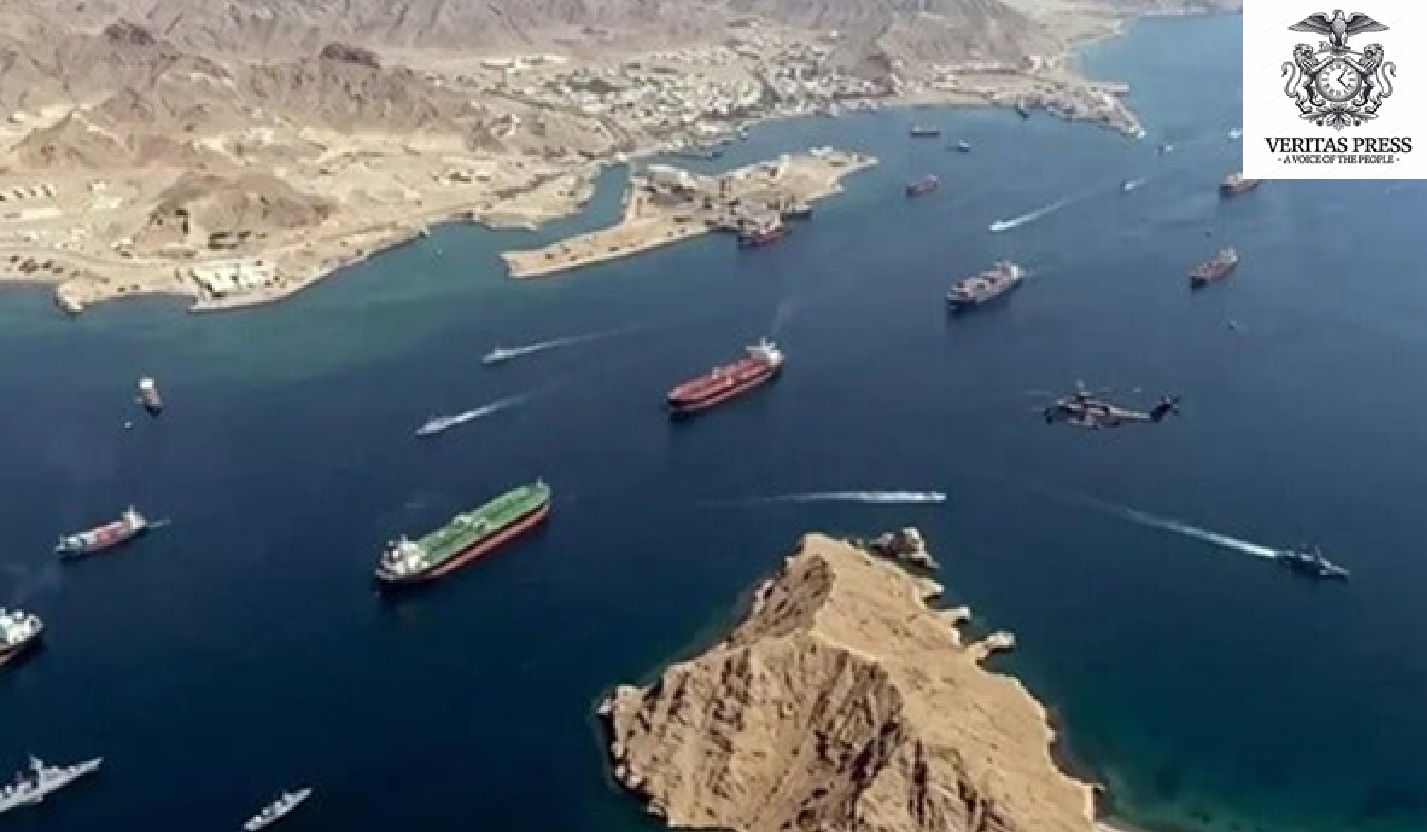
The economic warfare was just as potent. In a masterstroke, Iran effectively blockaded the Strait of Hormuz, the chokepoint for roughly one-fifth of the world’s oil. This single action sent global oil prices spiralling to a record $150 a barrel and triggered a worldwide economic shock. On the 40th day of war, the Pentagon confirmed a total of 373 U.S. service members had been wounded in the conflict. The “quick victory” narrative was in tatters.
Part III: The 11th-Hour Truce – Contrasting Claims Of Victory
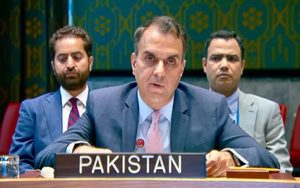
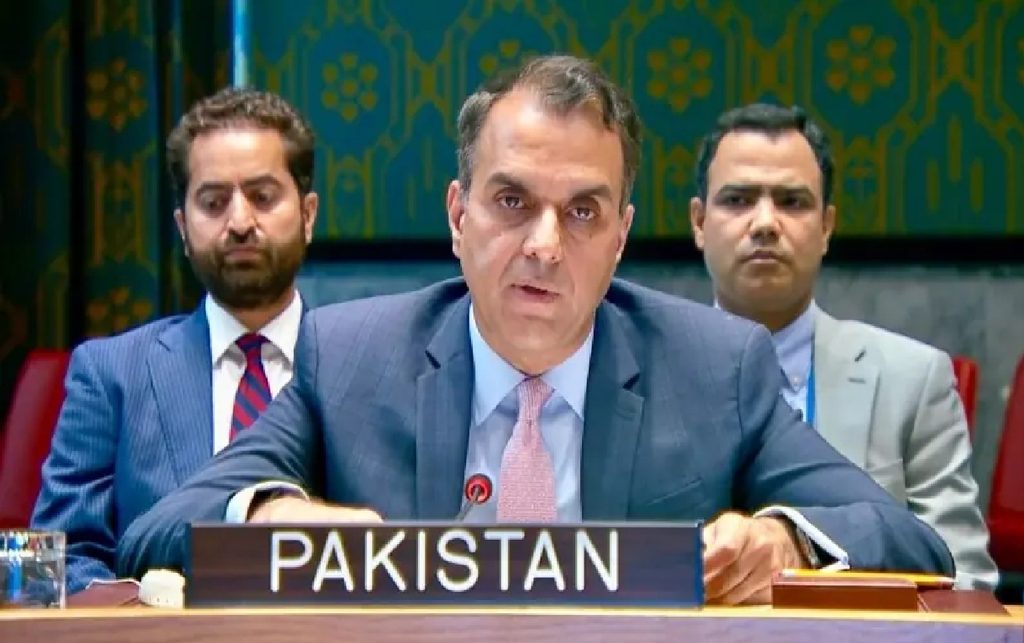
With Trump’s deadline looming, Pakistan stepped in as a frantic mediator, appealing to both sides to step back from the brink. Less than two hours before the deadline, Trump announced on Truth Social a “double-sided CEASEFIRE,” claiming the U.S. had already “met and exceeded all military objectives.”
But in Tehran, the narrative was a 180-degree reversal. Iran’s Supreme National Security Council declared a “historic and crushing defeat of the United States and the Israeli regime,” announcing that Washington had been forced to accept a 10-point Iranian proposal as the basis for the truce.
This 10-point plan is a maximalist document, representing a direct challenge to decades of U.S. foreign policy and hegemony. Its terms include a U.S. commitment to “no new aggression,” a guarantee of Iran’s “continued control over the Strait of Hormuz,” “acceptance of enrichment” (implying U.S. recognition of Iran’s nuclear program), the removal of all primary and secondary sanctions, the termination of all UN Security Council and Board of Governors resolutions, and the “withdrawal of US combat forces from the region.” By agreeing to negotiate on this basis, the U.S. has, at least on paper, conceded ground it has never before been willing to surrender. As an op-ed in ABC News put it, Trump was “ceding ground to Iran before negotiations even begin.”
Part IV: Islamabad’s High-Stakes Gambit
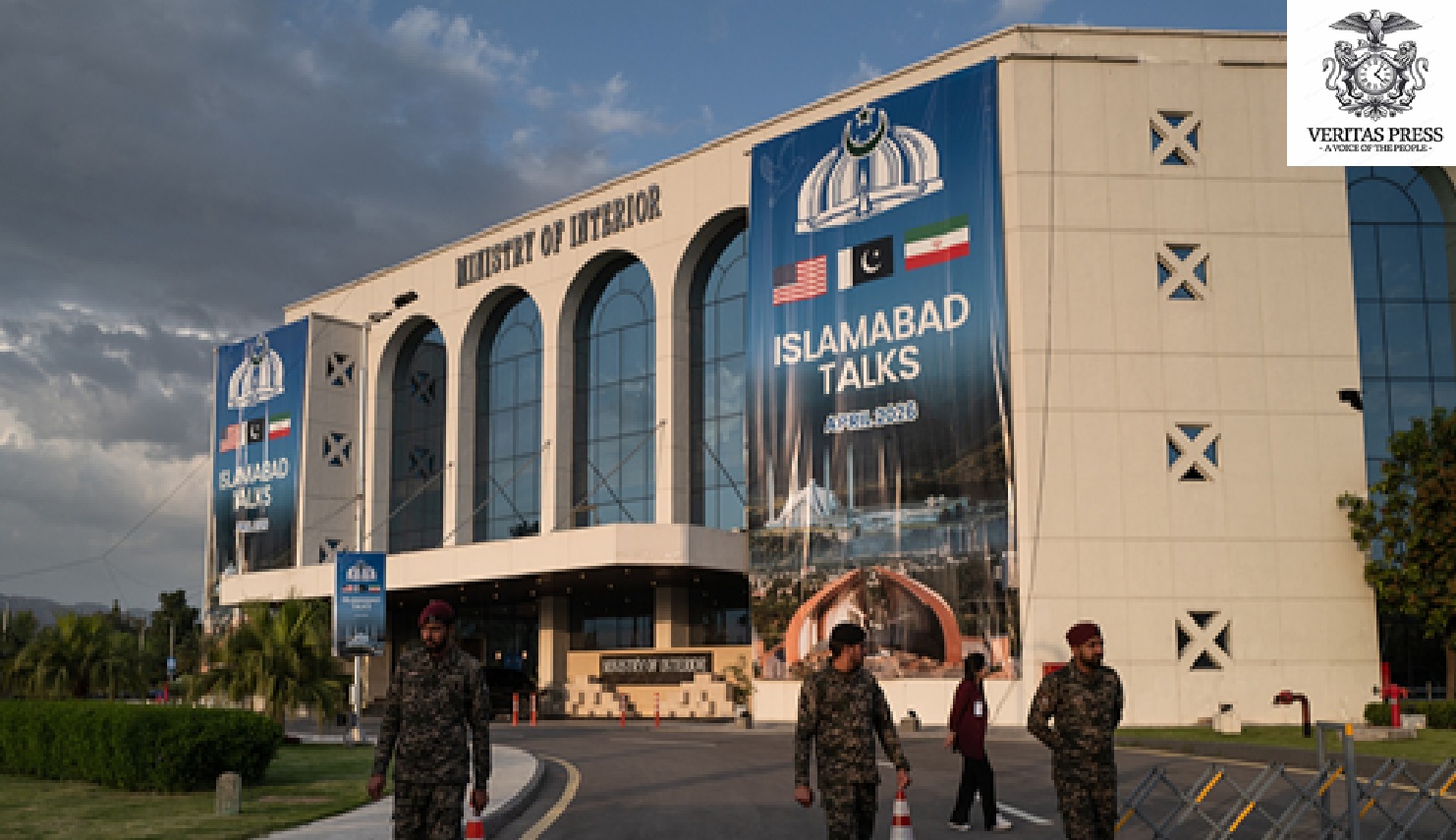
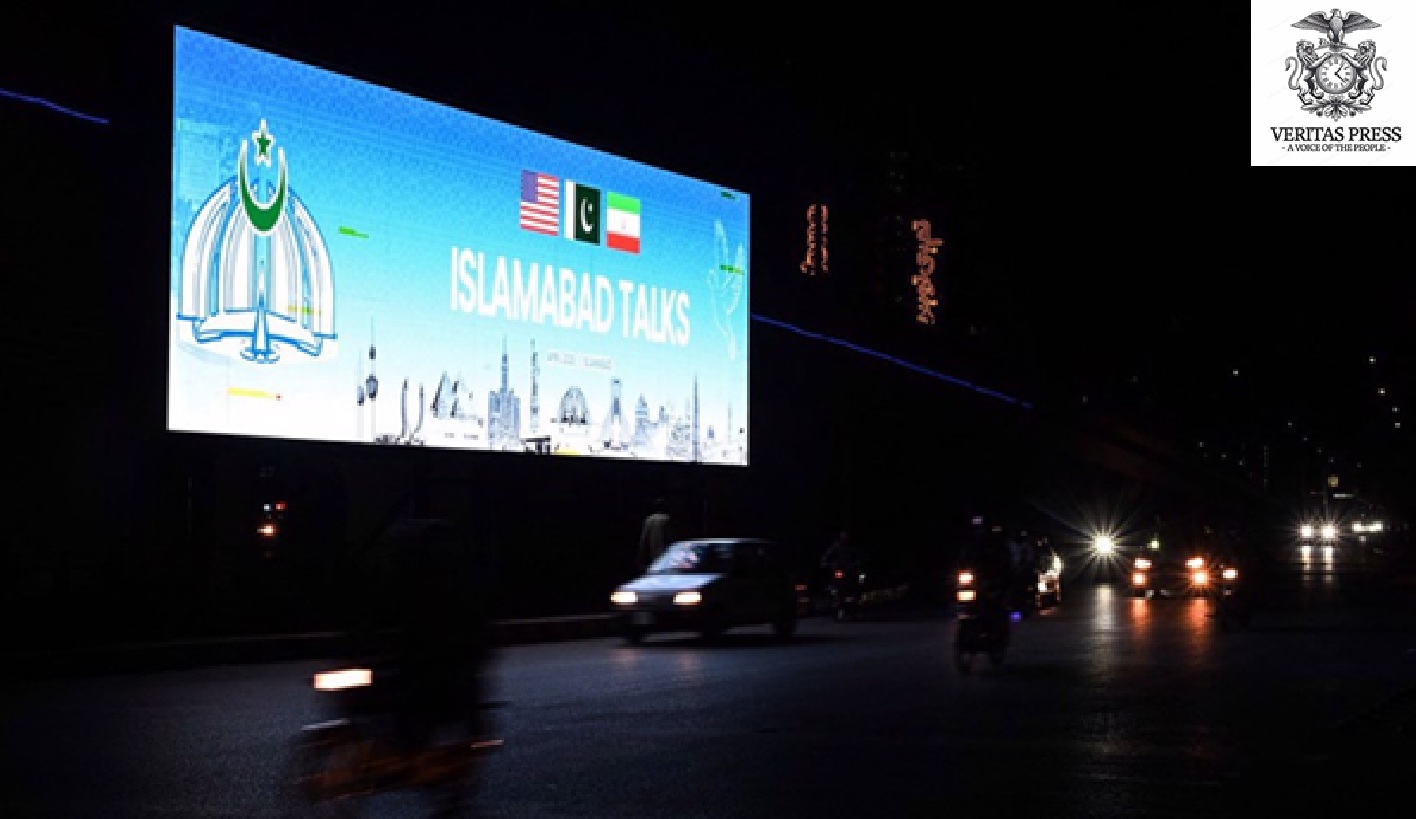
The agreed-upon venue for the next phase is Islamabad, with talks scheduled to begin on Friday. Both sides have entered these negotiations with maximalist positions and deep-seated distrust.
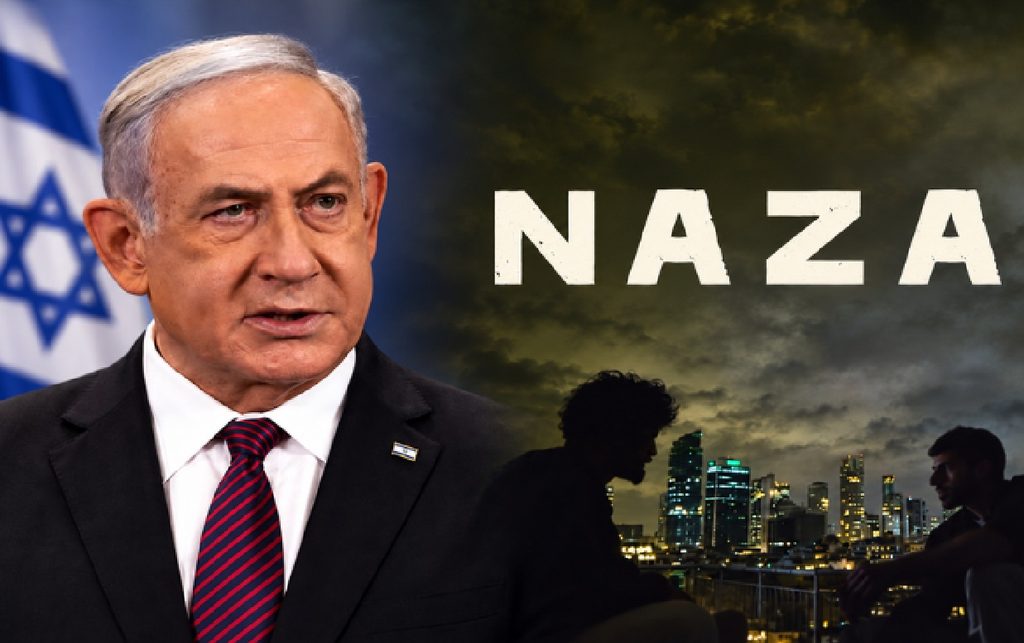
Washington views the ceasefire as a tactical pause to solidify its gains and reset its strategy. Prime Minister Netanyahu, while backing Trump’s decision, has already created a major fracture, declaring that the truce “does not include Lebanon,” signalling that the war against Hezbollah may continue regardless of the outcome in Islamabad. Hezbollah, for its part, has paused its attacks for now, leaving its formal position contingent on how the Lebanon issue is handled.
Tehran, however, is approaching the table from a position of perceived battlefield dominance. The Supreme National Security Council’s statement is a declaration of triumph, not a request for compromise. “If the enemy’s surrender on the battlefield is transformed into a decisive political achievement in the negotiations, we will celebrate this great historic victory together,” it read. “Otherwise, we will fight side by side on the battlefield until all the demands of the Iranian people are met. Our hands are on the trigger.” This is not the language of a party seeking a middle ground.
Part V: The Silence Of The World And The Human Cost
The international community’s response has been a study in paralysis and complicity. At the UN Security Council, a resolution to reopen the Strait of Hormuz was vetoed by Russia and China. The European Union, once a key party to the Iran nuclear deal, has been largely sidelined, criticised by analysts for giving the U.S. and Israel a “blank check for an illegal war.” When asked to comment on Trump’s threat to wipe out an “entire civilisation,” EU officials “shrugged it off,” declining to take the president’s remarks literally. This institutional silence in the face of threats widely condemned as genocidal has left a deep stain on the international order.
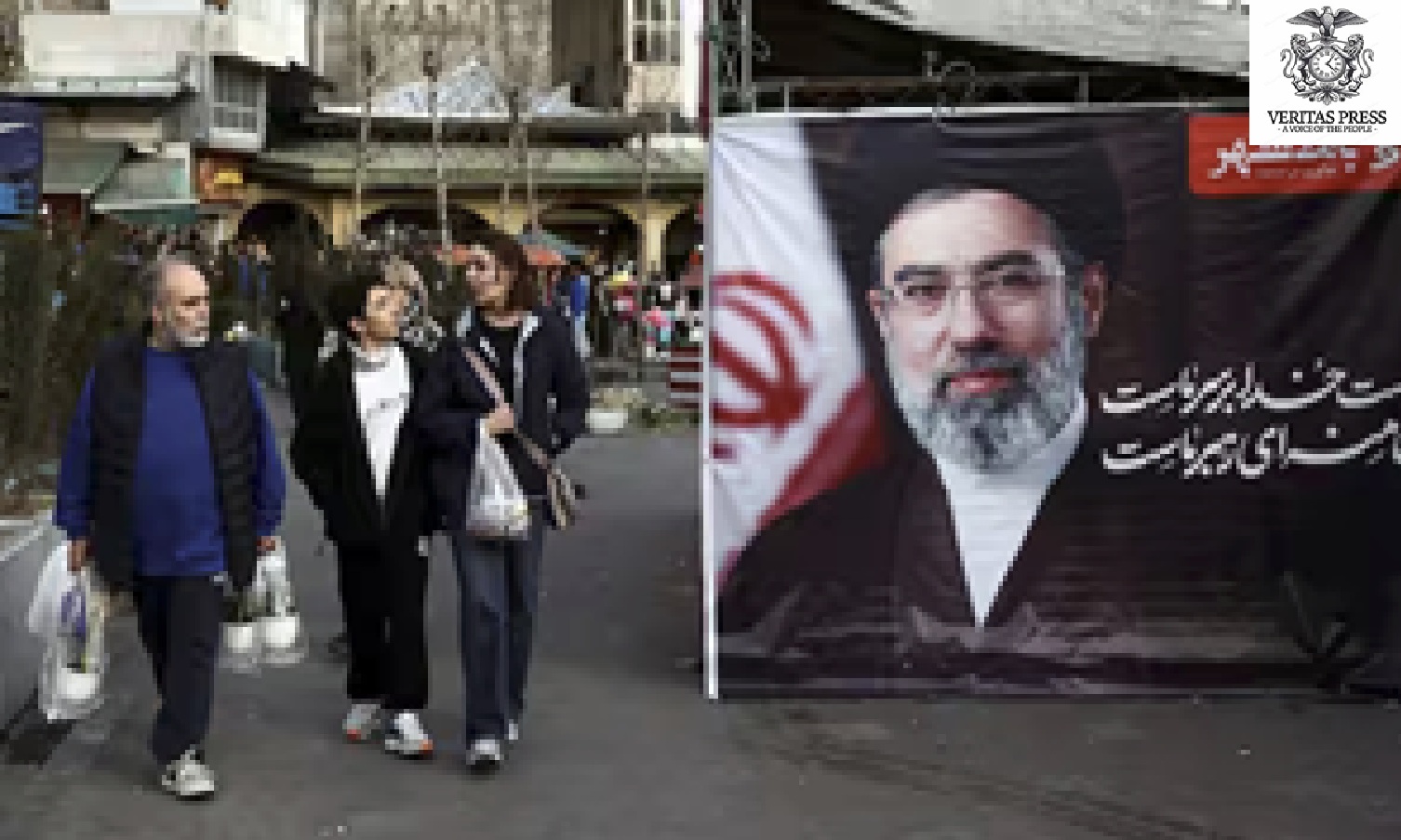
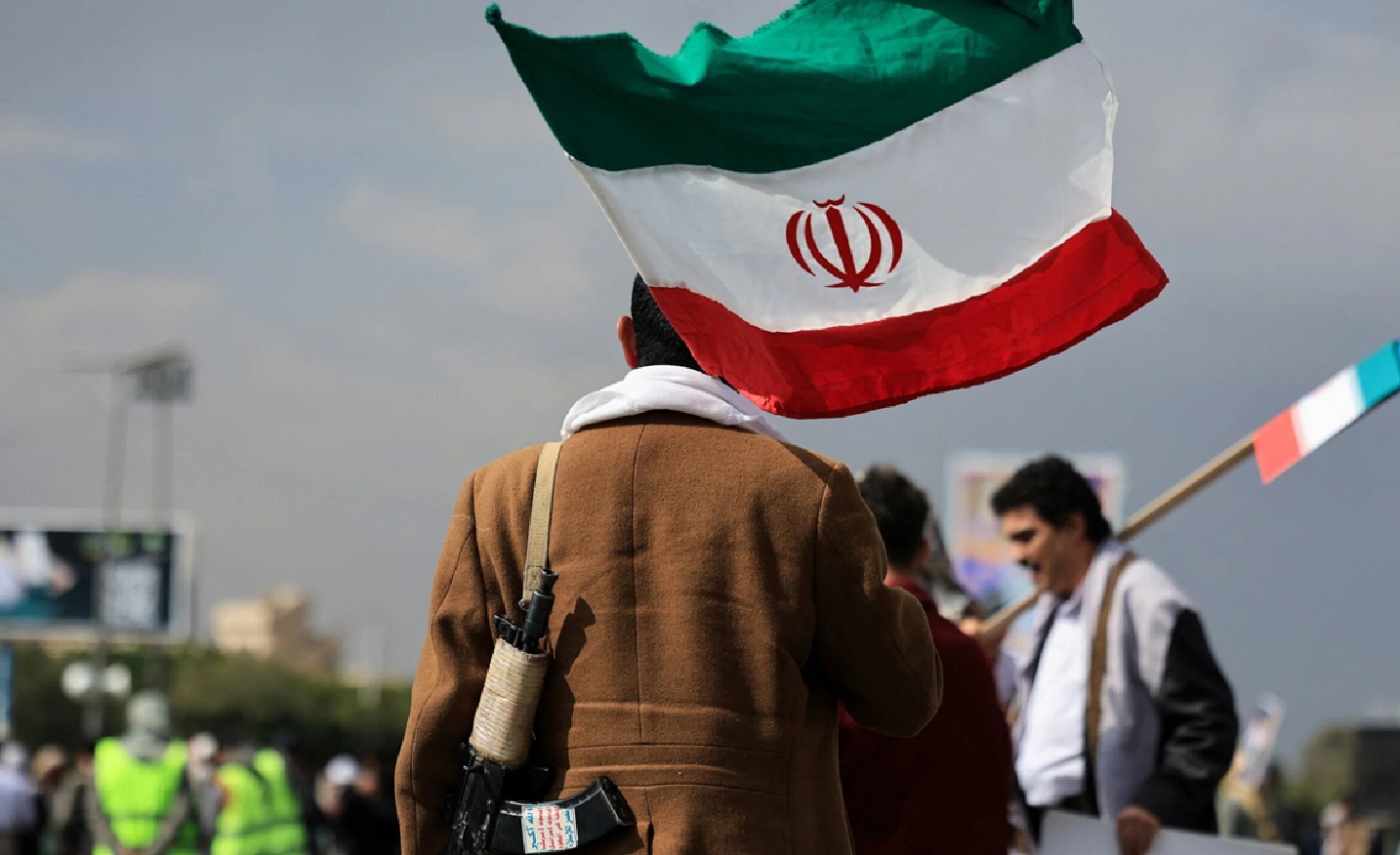
For the people caught in the crossfire, there is no victory, only survival. In Tehran, the reaction has been a nervous, fractured mix of relief and fury. Some citizens poured into Enghelab Square in the early hours of the morning, waving flags and celebrating that the bombing had stopped. One student, a 27-year-old named Metanat, told a reporter before the truce that she was “terrified and so should everyone else in the country.”
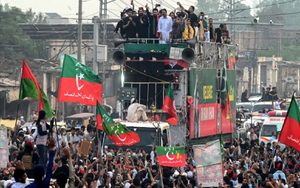
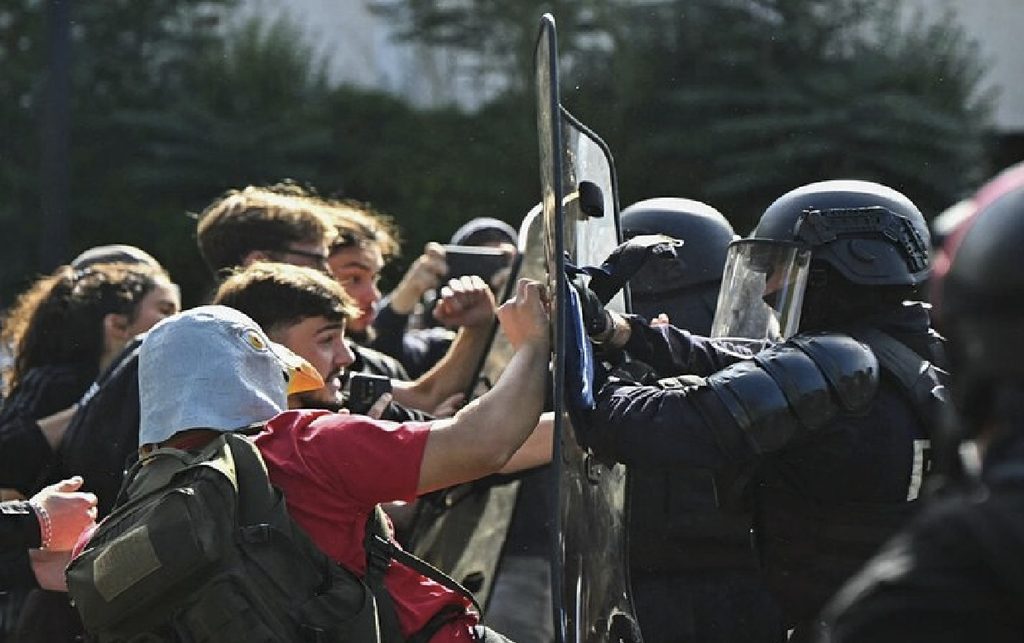
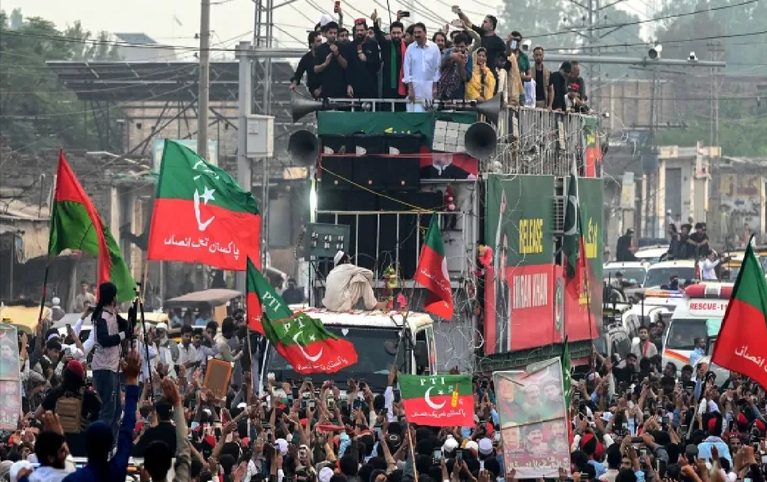
But simultaneously, large crowds of pro-government demonstrators filled the same streets, not in celebration, but in rage. Chanting “Death to America, death to Israel, death to compromisers!” they burned American and Israeli flags. The anger was not directed outward, but inward, at their own government for agreeing to negotiate with the “Great Satan” at all. The sight of Iranian protesters chanting against “compromisers” underscores the immense domestic pressure on Supreme Leader Mojtaba Khamenei. His legitimacy, inherited in a time of war, now hinges on delivering a tangible political victory that matches the regime’s rhetoric of military triumph.
Conclusion: A Pause, Not a Peace
The ceasefire in Islamabad is not an end, but a beginning of the most dangerous phase yet. The two-week window is a high-wire act with no safety net. Iran is demanding a complete restructuring of the regional order. The United States is seeking a dignified exit from a war it started with far different expectations. Israel is preparing to fight on alone in Lebanon. The world is watching, but its moral authority has been shattered by its own silence.
One thing is certain: the “historic victory” Iran proclaims and the “total success” Trump claims cannot both be true. The coming days will reveal who is bluffing, who is willing to return to the battlefield, and whether the fragile truce was a bridge to a new era or merely the calm before an even more devastating storm.
Source: Multiple News Agencies
Submissions:
For The Secure Submission Of Documentation, Testimonies, Or Exclusive Investigative Reports From Any Global Location, Please Utilise The Following Contact Details For Our Investigations Desk: enquiries@veritaspress.co.uk or editor@veritaspress.co.uk
Help Support Our Work:
Popular Information is powered by readers who believe that truth still matters. When just a few more people step up to support this work, it means more lies exposed, more corruption uncovered, and more accountability where it’s long overdue.
Help Protect Independent Journalism, Which Is Currently Under Attack.
If you believe journalism should serve the public, not the powerful, and you’re in a position to help, becoming a DONATOR or a PAID SUBSCRIBER truly makes a difference.
DONATION APPEAL: If You Found This Reporting Valuable, Please Consider Supporting Independent Journalism.
Help Support Our Work – We Know, We Know, We Know …
Seeing these messages is annoying. We know that. (Imagine what it’s like writing them … )
Your support fuels our fearless, truth-driven journalism. In unity, we endeavour to amplify marginalised voices and champion justice, irrespective of geographical location.
But it’s also extremely important. One of Veritas Press’s greatest assets is its reader-funded model.
1. Reader funding means we can cover what we like. We’re not beholden to the political whims of a billionaire owner. We are a small, independent and impartial organisation. No one can tell us what not to say or what not to report.
2. Reader funding means we don’t have to chase clicks and traffic. We’re not desperately seeking your attention for its own sake: we pursue the stories that our editorial team deems important and believe are worthy of your time.
3. Reader Funding: enables us to keep our website and other social media channels open, allowing as many people as possible to access quality journalism from around the world, particularly those in places where the free press is under threat.
We know not everyone can afford to pay for news, but if you’ve been meaning to support us, now’s the time.
Your donation goes a long way. It helps us:
Keep the lights on and sustain our day-to-day operations
Hire new, talented independent reporters
Launch real-time live debates, community-focused shows, and on-the-ground reporting
Cover the issues that matter most to our communities, in real time, with depth and integrity
We have plans to expand our work, but we can’t do it without your support. Every contribution, no matter the size, helps us stay independent and build a truly people-powered media platform.
If you believe in journalism that informs, empowers, and reflects the communities we serve, please donate today.
Kamran Faqir is a volunteer investigative journalist and writer committed to exposing hidden truths and amplifying underreported stories. Driven by social justice, he brings sharp insight and fearless truth-telling to independent journalism. NUJ registered.
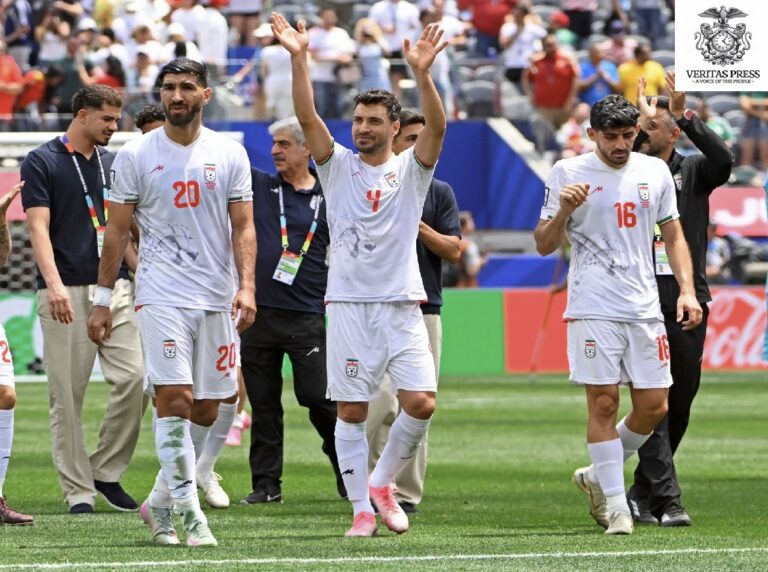
SEATTLE, TEHRAN — The U.S. Department of Homeland Security (DHS) will allow Iran’s national football team to enter the country 48 hours before their critical World Cup match against Egypt on Friday, a modest concession in a tournament where Team Melli’s travel conditions have sparked claims of oppression and competitive disadvantage.