Kamran Faqir is a volunteer investigative journalist and writer committed to exposing hidden truths and amplifying underreported stories. Driven by social justice, he brings sharp insight and fearless truth-telling to independent journalism. NUJ registered.
Article Date Published:
Article Date Modified:
15 minutes
Post Views:362
Listen to this article
Help support our mission, donate today and be the change. Every contribution goes directly toward driving real impact for the cause we believe in.
As Keir Starmer Exits Downing Street And The King Readies To Appoint Andy Burnham, The Insurgent Who Helped Force Him Out Is Unravelling Under The Weight Of Four Parliamentary Sleaze Probes, A £5 Million Gift From A Crypto Billionaire, An Undeclared Property Empire, And A String Of By-Election Defeats. Farage’s Cry Of An “Establishment Hit Job” Was Meant To Rally His Base — But Insiders Now Warn It May Have Talked Him Into A Harsher Punishment, While His Party Wonders If This Is Its Partygate Moment And The Comeback Kid’s Luck Has Finally Run Out.
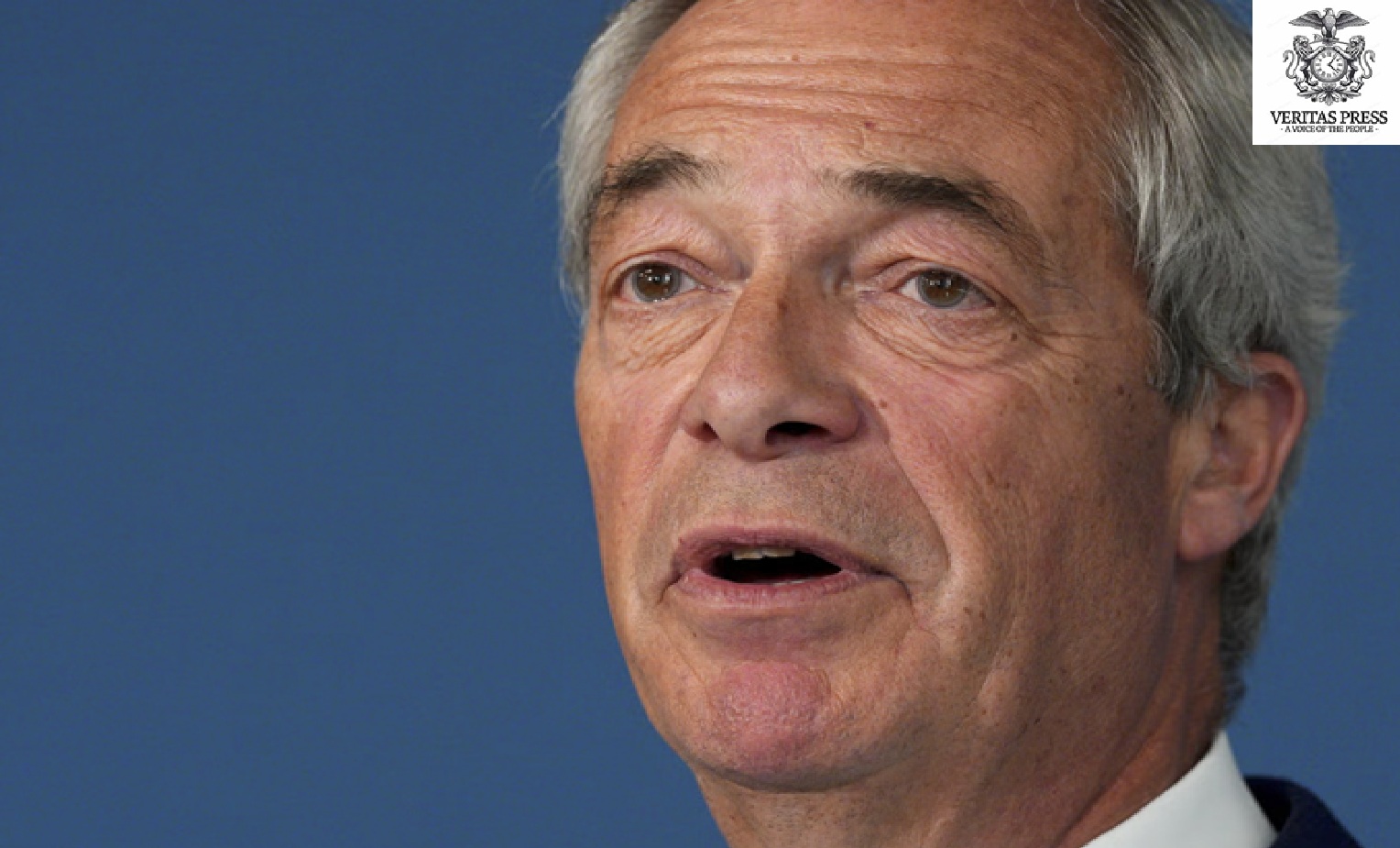
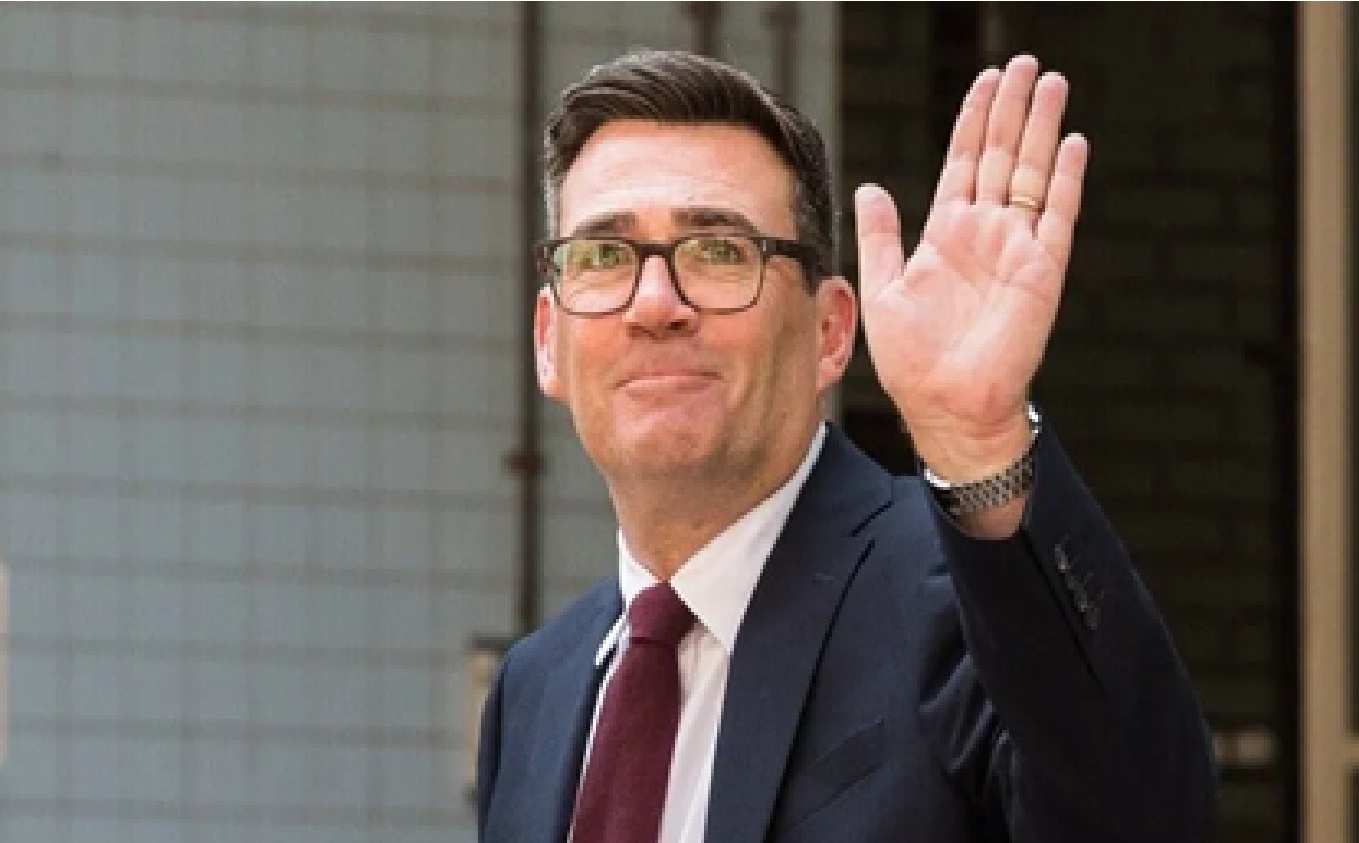
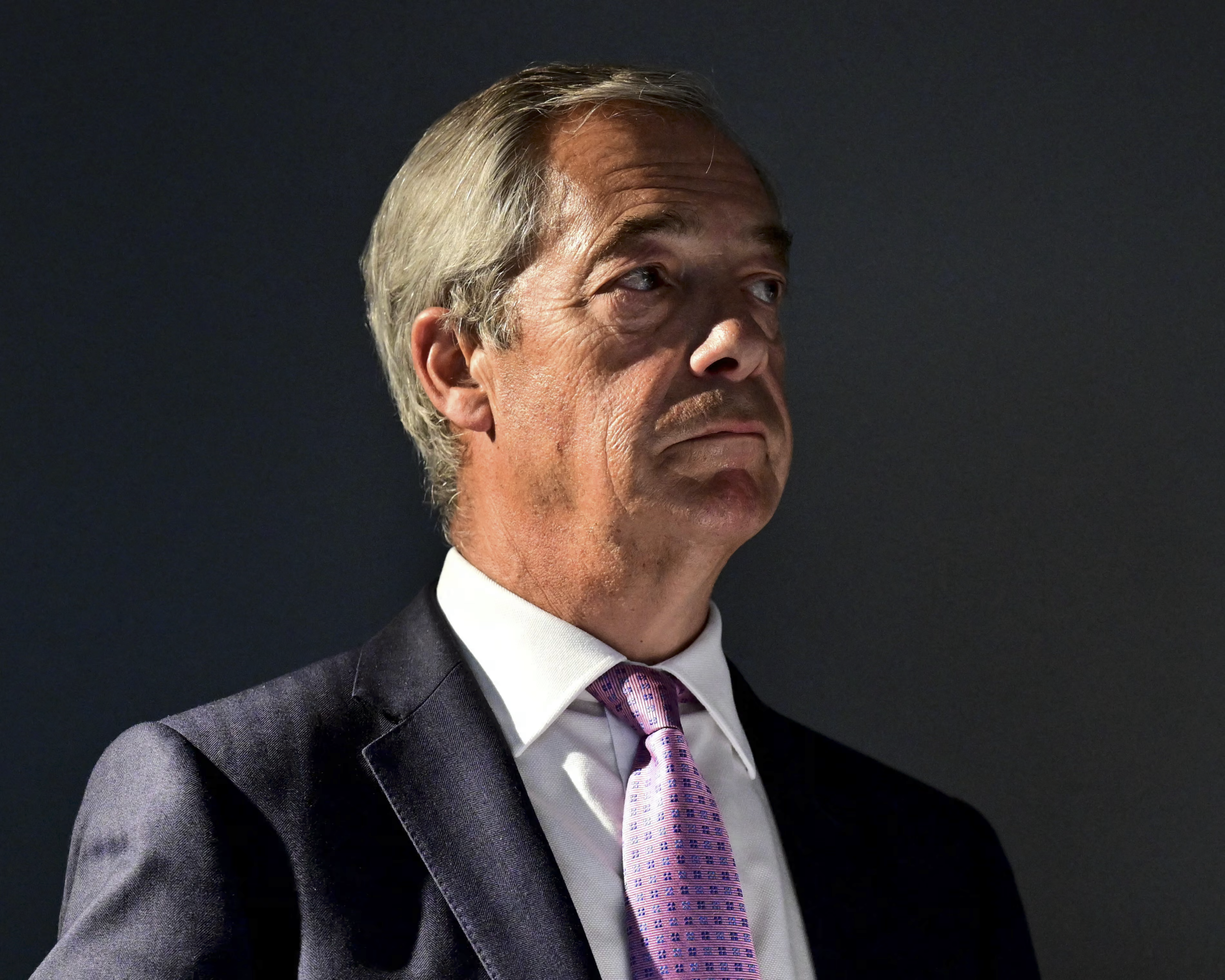
LONDON – Two weeks from today, barring a development in the totally unexpected category, Sir Keir Starmer has tendered his resignation as prime minister, and the King will invite Andy Burnham to form a government. Starmer has been forced out not simply by dire polling or internal Labour rancour, but by the spectre of a resurgent far‑right insurgency that promised to sweep away liberal democratic norms cherished by Labour MPs, and many others. The insurgent in question, Nigel Farage, had seemed poised to ride a wave of anti‑establishment fury all the way to Downing Street in 2029.
Reform UK MP and Treasury Spokesperson Robert Jenrick with Nigel Farage at a press conference at Heathrow Airport (Photo by Peter Nicholls/Getty Images)
Yet by a cruel twist of fate, Starmer is now on his way out just as the electoral threat from Farage is, while not disappearing, certainly crumbling. An extraordinary series of financial scandals, parliamentary probes, and by‑election disappointments has left the Reform UK leader fighting for his political life, and his party grappling with the possibility that the Farage era may be nearing its end.
This is the story of how Farage’s own “establishment hit job” defence may have made everything worse, how a cascade of revelations turned the great disrupter into a symbol of Westminster sleaze, and why even Reform insiders now whisper that their leader’s luck has finally run out.
The £5 Million Question That Started It All:
The unravelling can be traced to a single scoop. In May last year, The Guardian revealed that Farage had received a £5 million “gift” from Christopher Harborne, a Thailand‑based cryptocurrency billionaire, shortly before he announced his return to British politics and his successful run for Clacton. Parliamentary rules require new MPs to declare any gift worth more than £300 received in the previous 12 months if it could reasonably be thought to relate to their political activities. Farage did not declare it.
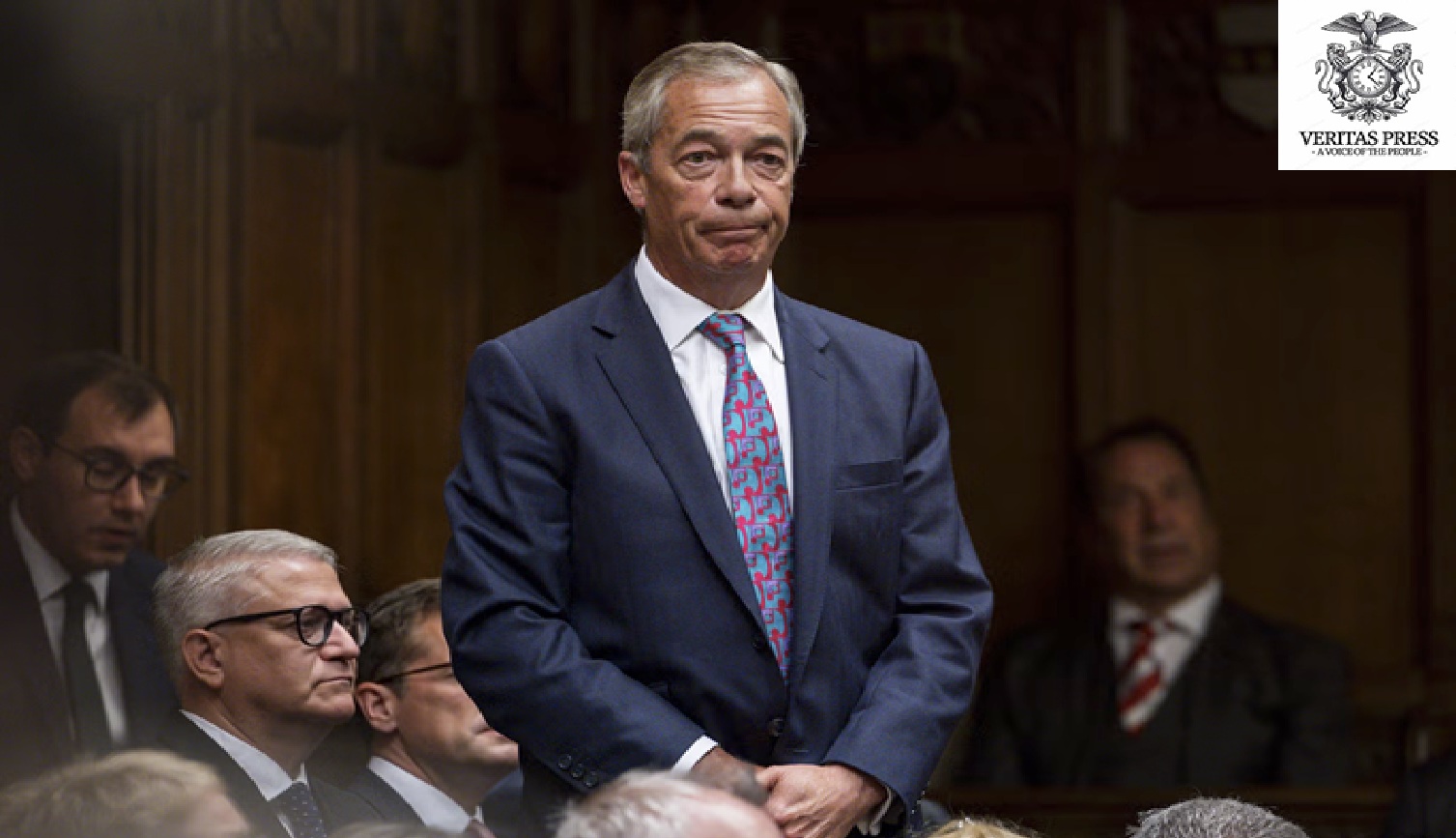
Standards Commissioner Daniel Greenberg launched a formal investigation. If the cross‑party Committee on Standards finds against Farage and recommends a suspension of more than ten sitting days, a recall petition could be triggered in Clacton, and the Commons’ ultimate insurgent would face a by‑election to save his seat.
Under sustained questioning, Farage’s story shifted repeatedly. He first claimed the money was for private security. Then he told interviewers it was an unconditional “reward” for his Brexit campaigning. Confronted by the Today programme’s Nick Robinson, he snapped: “I don’t think it’s any of your business, frankly. … Will you give your salary to charity?” On Good Morning Britain, when Ed Balls and Ranvir Singh pressed him, he hissed: “You care, but no one cares.” Pressed by LBC’s Nick Ferrari on what he spent the cash on, Farage boasted: “I can spend it on Ferraris if I want … I can put it on the horses.”
The bravado did not land. Exclusive Survation polling for the campaign group 38 Degrees, conducted just after the story broke, found that 68% of Britons believed the money gave Harborne “inappropriate influence” over Farage’s political decisions, including 50% of Reform voters themselves. Anna Turley, Labour chair, remarked that Farage had “the Midas touch when it comes to lining his pockets instead of doing his day job”.
‘Establishment Hit Job’, And Why It May Bring Harsher Punishment:
Farage’s instinct was to cry conspiracy. He branded the coverage “an establishment hit job” and claimed journalists were “Labour stooges”, even though the investigation was led by the right‑leaning Sunday Times and The Guardian’s respected City editor. His outrider Andy Wigmore, a fellow Brexiteer now on the board of Farage’s anti‑WHO pressure group, called it “[an] old story and irrelevant … the public don’t trust the media witch‑hunt against Farage … same playbook against Farage as we witnessed against Trump, didn’t work with Trump won’t work with Farage.”
But legal and parliamentary insiders warn that this line of attack may backfire catastrophically. A senior source familiar with the standards process said: “The Committee takes a dim view of members who dismiss legitimate scrutiny as a witch‑hunt. It can be seen as contempt, and that almost always pushes the recommended sanction up a notch. Farage may have talked himself into a longer suspension.”
That assessment is shared by Helen MacNamara, former deputy cabinet secretary, who said on the podcast In The Room: “Farage has survived more near‑death experiences than most people in modern politics. But the rules of the game change when you’re an MP. The ‘outsider maverick’ persona doesn’t work when you’re facing a formal standards probe, it just looks like evasion.”
Cleo Watson, a former No 10 special adviser, put it bluntly: “He’s realising that with great power comes great scrutiny. It’s very hard to argue yourself as an insurgent if two‑thirds of the public now see you as one of the main parties.”
Four Probes, Multiple Properties, And A Convicted Fraudster:
The Harborne gift was only the beginning. In the months that followed, the drip‑drip of revelations became a flood. Parliamentary records and investigative reporting now suggest Farage could be facing as many as four separate sleaze inquiries.
Second probe: Crypto lobbying allegations. Labour MP Phil Brickell wrote to the Commissioner asking him to investigate whether Farage broke paid‑lobbying rules by privately urging the Bank of England to drop a digital currency plan that would have inconvenienced Harborne’s business interests. “This is not simply a debate about cryptocurrency,” Brickell said. “It is about whether an MP who has received millions from one individual should be lobbying for policies that could increase the value and profitability of that donor’s investments.”
Third: Undisclosed property portfolio.The Times obtained Land Registry records showing Farage owns at least five mortgage‑free homes with his partner Laure Ferrari, spanning Surrey, Essex, and Kent. All but one were bought with cash in the six years since Brexit. Only two were declared in the MPs’ register. Reform MP Danny Kruger rushed to Farage’s defence, calling it a “transparent attempt by established power … to disable Reform”, but the optics-a man who built his brand on speaking for the left‑behind, sitting on a multi‑million‑pound property empire- were devastating.
Fourth: The George Cottrell connection.The Sunday Times revealed that convicted fraudster George Cottrell provided funding for Farage’s staffing, security, and the use of a London townhouse before Farage entered parliament. Cottrell, who pleaded guilty to wire fraud in the US in 2017, was spotted handing out business cards printed with the Reform UK logo and Farage’s official email address. Farage called the story “an establishment hit job” and threatened legal action. Lib Dem MP Josh Babarinde wrote to the Commissioner demanding an investigation, saying, “The public deserves to know why a convicted criminal is funding the leader of a major political party.”
Further deepening the picture of a man awash in cash despite his everyman schtick, Farage’s register of interests showed he earned £270,000 from gold bullion firm Direct Bullion for just 12 hours of work, an hourly rate of £22,500. He was also paid £91,200 by the same company in January, plus £18,402 from GB News for six hours of presenting.
The By‑Election Litmus Test: A Movement That Cannot Win Alone.
The scandals might have been survivable if Reform was turning polling leads into parliamentary gains. Instead, a string of by‑election failures has exposed the party’s structural weakness.
Andy Burnham’s thumping win in the Makerfield by‑election, a seat where Reform had cleaned up in council elections just weeks earlier, sent shockwaves through the party. In Aberdeen South, the Conservatives held on under Kemi Badenoch, reminding the right‑leaning electorate that tactical voting still mattered. The Greens’ Hannah Spencer defeated Reform’s Matt Goodwin in Gorton and Denton, and Plaid Cymru won the Caerphilly by‑election for the Welsh Senedd. Reform insiders now privately concede they will lose the Greater Manchester mayoral by‑election at the end of this month.
“They ought to have won some of these,” Watson observed. “They’ve taken on a load of what I would call Tory dross, former Conservative ministers, but as campaigners they are not running themselves that well. They should know how to declare things. This is basic stuff.”
A senior Reform source told HuffPost UK: “If Labour are smart, they’ll suspend Nigel for nine days, guilty but no by‑election. If they’re daft enough to suspend him longer, he’d easily win Clacton again, and he could just turn around and say voters don’t care. That’s the gamble.”
On the ground in Clacton, however, the mood is more ambivalent. I spent three days talking to locals last week. “He’s never here,” said a bus driver who voted Reform in 2024. “Both Starmer and Farage, I don’t see the point.” A woman who had backed Farage at the general election told me she was now leaning towards Rupert Lowe’s splinter party Restore: “Farage seems quite anti‑women; just little comments he makes.” The remark referred to Farage’s insistence that the party “should be unapologetic” about the Makerfield candidate’s sexist online posts, a stance his former spin doctor Gawain Towler had warned was “alienating” women.
Internal Divisions And The “Snake‑Like” Regeneration Myth:
Reform’s troubles are not only external. Tensions between senior figures have burst into the open. Home affairs spokesperson Zia Yusuf publicly slapped down Treasury spokesperson Robert Jenrick in May over the party’s own immigration plans. The episode was widely read as the opening salvo in a succession battle that would erupt should Farage’s position become untenable.
Former Reform chair David Bull told broadcasters earlier this month: “Nigel is not bigger than the party.” Few in Westminster believe that. One Reform insider, speaking on condition of anonymity, told me: “Nigel is tired and stressed. He needs to have a rest. But the party is for him. Without him, I don’t know what we’d be.”
Watson’s analysis of In The Room captured the paradox: “He’s the comeback kid. Nigel Farage has this snake‑like ability to keep shedding his skin. He gets tired of the latest iteration, whether that’s UKIP or Leave.eu, Brexit Party, Reform. And he shrugs it off, disappears, and then regenerates, and comes back a year or so later and says, ‘It’s me, I’m back. I’ve got great new skin.’”
But MacNamara added the crucial caveat: “They haven’t caught up with their own popularity yet. They still see themselves as these scrappy underdogs. But once you start to lead the polls, it is a different level in terms of what people expect of you. They’ve moved into a different level, and they haven’t quite internalised that yet.”
Is The Partygate Moment Here?
The comparison being drawn with increasing frequency, even by Reform’s own nervous backers, is to Boris Johnson’s Partygate. Just as the drip‑feed of lockdown‑breaking gatherings eroded Johnson’s carefully cultivated image as a loveable rogue, the accumulation of financial scandals is undermining Farage’s claim to be a man of the people who can sympathise with the cost‑of‑living struggles of millions.
“It’s not the money itself that damages him most,” said a former Conservative strategist who has worked closely with Reform defectors. “It’s that people see this as a ‘Westminster problem’. He looks like an insider. And for someone whose entire brand is being outside the tent pissing in, that’s fatal.”
The broadcaster Piers Morgan declared on the BBC last week: “Nigel Farage is dead in the water. He’s rattled, he’s changing his story, and the public can smell it.”
Farage’s allies, however, insist that the voters who matter don’t care. Richard Tice, Reform’s deputy leader, said in a statement: “This is the dying establishment throwing everything at the only man who threatens their cosy consensus. Our support will hold because the British people are tired of being told what to think by a media class that despises them.”
Yet the polls tell a different story. Since the start of the year, Reform has drifted to 25%, still competitive, but several points below the threshold for a parliamentary majority. The party’s local election success has failed to translate on a national stage, where tactical voting blocks its path. And the question of leadership, of whether a man facing four standards investigations, bankrolled by billionaires and convicted fraudsters, and seemingly losing his instinct for where the line lies, can take the party further, is now being asked openly.
A Midas Touch That Turns Dark:
Watson’s reference to the Midas touch is apt but, in a way she herself noted, is often forgotten. “What people forget with the Midas touch is that the story’s actually quite dark. Literally everything, including his wife and kids, turns to gold. He ends up sad and alone.”
Farage’s political superpower has always been his uncanny ability to channel anger, to present himself as the lone truth‑teller besieged by a corrupt elite. But when the questions are not about Brussels directives or immigration statistics but about Ferraris, gold bullion, and mortgage‑free mansions funded by a shadowy network of wealthy men, the magic dissipates.
“He’s done nothing wrong,” said a Reform councillor in Essex who wished to remain anonymous. “Followed the rules, as he says. But perception is everything. And the perception now is that he’s just another rich bloke on the make. That’s what kills you.”
For Starmer, the irony is bitter. His premiership is about to be ended in part by the force Farage represents, yet that force may itself be faltering. By the time Burnham enters Downing Street, the threat from the far‑right insurgency could look very different. The “establishment hit job” Farage warned about may turn out to be the establishment simply watching him self‑destruct, and deciding how hard to punish him for it.
As one Clacton pensioner told me on the seafront, squinting at the grey North Sea: “He said he’d shake things up. Looks like he shook himself to pieces.”
What Happens Next: The Standards Committee is expected to publish its report and recommended sanction before the summer recess. If a recall petition follows, Clacton could face a by‑election in the autumn, the ultimate test of whether Farage’s voters care about the scandals, or whether the great survivor can, once again, shed his skin and come back.
Popular Information is powered by readers who believe that truth still matters. When just a few more people step up to support this work, it means more lies exposed, more corruption uncovered, and more accountability where it’s long overdue.
Help Protect Independent Journalism, Which Is Currently Under Attack.
If you believe journalism should serve the public, not the powerful, and you’re in a position to help, becoming a DONOR or a PAID SUBSCRIBER truly makes a difference.
DONATION APPEAL: If You Found This Reporting Valuable, Please Consider Supporting Independent Journalism.
Your support fuels our fearless, truth-driven journalism. In unity, we endeavour to amplify marginalised voices and champion justice, irrespective of geographical location. We operate independently, without any financial backing from billionaires.
But it’s also extremely important. One of Veritas Press’s greatest assets is its reader-funded model.
1. Reader funding means we can cover what we like. We’re not beholden to the political whims of a billionaire owner. We are a small, independent and impartial organisation. No one can tell us what not to say or what not to report.
2. Reader funding means we don’t have to chase clicks and traffic. We’re not desperately seeking your attention for its own sake: we pursue the stories that our editorial team deems important and believes are worthy of your time.
3. Reader Funding: enables us to keep our website and other social media channels open, allowing as many people as possible to access quality journalism from around the world, particularly those in places where the free press is under threat.
We know not everyone can afford to pay for news, but if you’ve been meaning to support us, now’s the time.
Your donation goes a long way. It helps us:
Keep the lights on and sustain our day-to-day operations
Hire new, talented independent reporters
Launch real-time live debates, community-focused shows, and on-the-ground reporting
Cover the issues that matter most to our communities, in real time, with depth and integrity
We have plans to expand our work, but we can’t do it without your support. Every contribution, no matter the size, helps us stay independent and build a truly people-powered media platform.
If you believe in journalism that informs, empowers, and reflects the communities we serve, please donate today.
Submissions:
For The Secure Submission Of Documentation, Testimonies, Or Exclusive Investigative Reports From Any Global Location, Please Utilise The Following Contact Details For Our Investigations Desk: enquiries@veritaspress.co.uk or editor@veritaspress.co.uk
Kamran Faqir is a volunteer investigative journalist and writer committed to exposing hidden truths and amplifying underreported stories. Driven by social justice, he brings sharp insight and fearless truth-telling to independent journalism. NUJ registered.
SEATTLE, TEHRAN — The U.S. Department of Homeland Security (DHS) will allow Iran’s national football team to enter the country 48 hours before their critical World Cup match against Egypt on Friday, a modest concession in a tournament where Team Melli’s travel conditions have sparked claims of oppression and competitive disadvantage.