Kamran Faqir is a volunteer investigative journalist and writer committed to exposing hidden truths and amplifying underreported stories. Driven by social justice, he brings sharp insight and fearless truth-telling to independent journalism. NUJ registered.
Original Article Date Published:
Article Date Modified:
9 minutes
Views:367
Listen to this article
Help support our mission, donate today and be the change. Every contribution goes directly toward driving real impact for the cause we believe in.
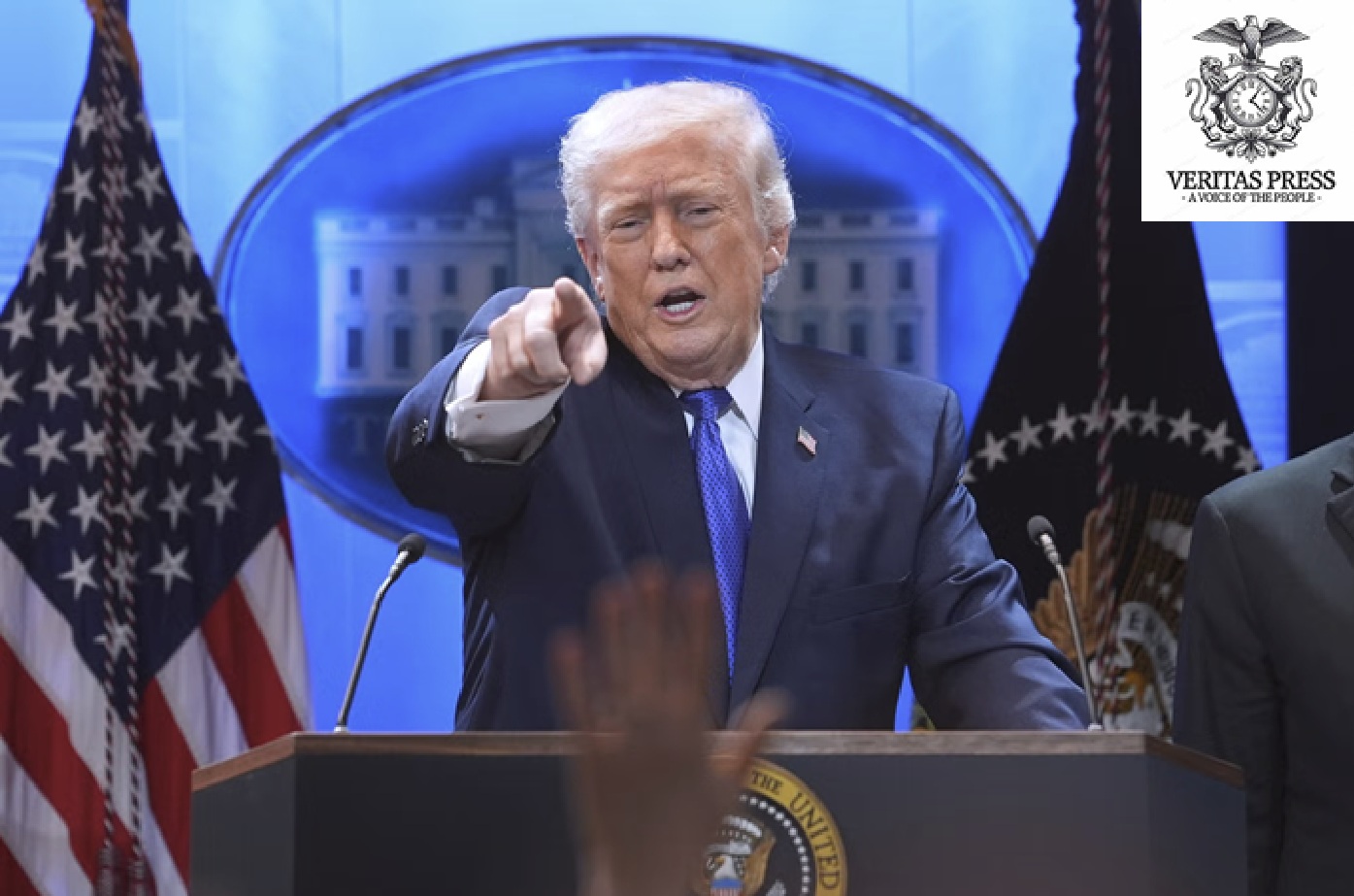
WASHINGTON / HAVANA – In the fluorescent-lit corridors of the Pentagon, far from the chaotic endgame of the U.S.-Israeli war against Iran, a quiet but ominous machinery has been set in motion. As President Donald Trump signals that his appetite for military intervention remains unsated, the Department of Defence is intensively drafting contingency plans for a potential military operation against Cuba, according to multiple sources familiar with the directives. The planning, described as a direct order from the White House to “ramp up” preparations, marks a perilous shift from six decades of economic siege to the brink of direct armed conflict. It is a move that threatens to turn the 90-mile stretch of the Florida Straits into the next front in an increasingly unbounded U.S. foreign policy.
The Blueprint For Invasion:
The scope of the Pentagon’s planning remains shrouded in the familiar fog of classified operations and plausible deniability. Officials at U.S. Southern Command (SOUTHCOM) have publicly deflected, stating they are “not actively rehearsing or planning for a takeover of Cuba”. Yet, the standard boilerplate from the Department of Defence that it “plans for a range of contingencies and remains prepared to execute the president’s orders as directed” has taken on a more urgent, and far more specific, meaning in recent days. Sources told USA Today and the left-leaning outlet Zeteo that the directives are not merely routine war-gaming but a clear escalation tied to Trump’s explicit threats.
This strategic pivot appears rooted in the administration’s declared “Donroe Doctrine,” a modern, muscular reinterpretation of the 19th-century policy asserting U.S. dominance over the Western Hemisphere. Following the U.S. raid that captured Venezuelan President Nicolás Maduro on January 3, an operation that resulted in the death of 32 Cuban military personnel guarding the leader, the administration has treated the Caribbean basin as a theatre for regime change. For months, Washington has been scrutinising Havana’s ties to Moscow, alleging that Cuba has contributed thousands of fighters to Russia’s war effort in Ukraine. While Cuba denies any connection to U.S.-designated terrorist organisations, the Trump administration maintains the island poses an “unusual and extraordinary threat” to national security.
“We May Stop By Cuba”: The President’s Itinerary Of Intervention.
Trump’s rhetoric has evolved from vague bellicosity to something resembling a morbid travel itinerary. On Monday, with the embers of the Iran war still cooling amid a fragile two-week ceasefire, the president told reporters, “We may stop by Cuba after we’re finished with this,” dismissing the nation of 11 million as a “failing nation”. This follows earlier statements where he mused about having “the honour of taking Cuba” and boasted he “can do anything I want with it”. At the “Shield of the Americas Summit” in Miami, he predicted the Cuban government was in its “last moments of life”.
This is not the language of diplomacy; it is the lexicon of acquisition. The president’s narrative is bolstered by a hardline faction in South Florida. A recent poll conducted for the Miami Herald reveals that 79% of Cuban Americans in the region support U.S. military intervention in Cuba, with many rejecting any economic deal that leaves the current government in place. “What the community is saying here is they’re giving a green light to the Trump administration to go in militarily,” pollster Fernand Amandi observed. For a president who thrives on the adoration of his base, this is a potent political accelerant.
Strangulation As Strategy: The Economic Chokehold.
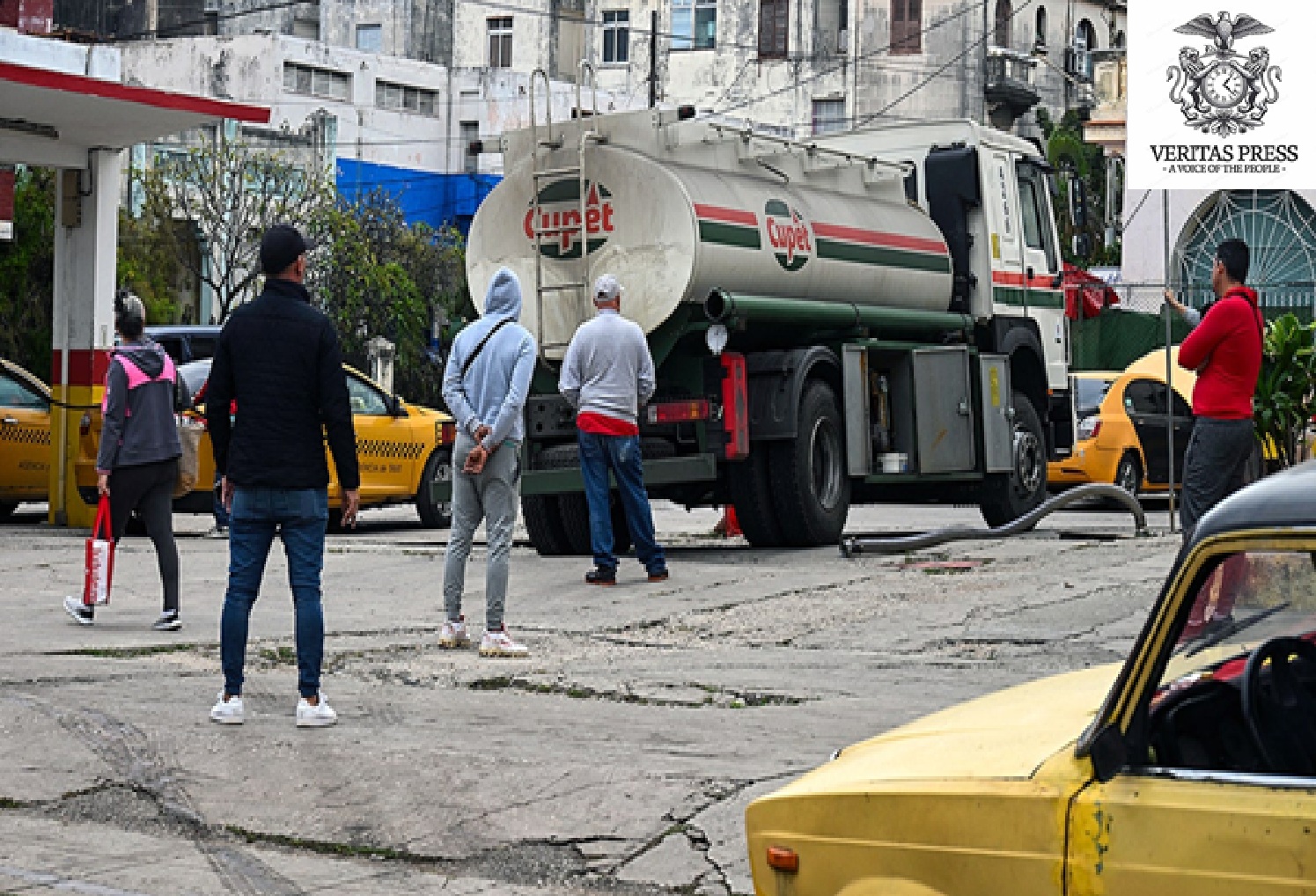
Before the first shot is fired, a war of attrition is already being waged. Since January, the U.S. has implemented a de facto fuel blockade, threatening secondary tariffs on any nation or entity that supplies oil to Cuba. The strategy, described by analysts as a “domino effect” designed to trigger internal collapse, has been devastatingly effective. The capture of Maduro severed Cuba’s primary lifeline of subsidised Venezuelan crude, while the threat of U.S. reprisal forced Mexico to halt its shipments.
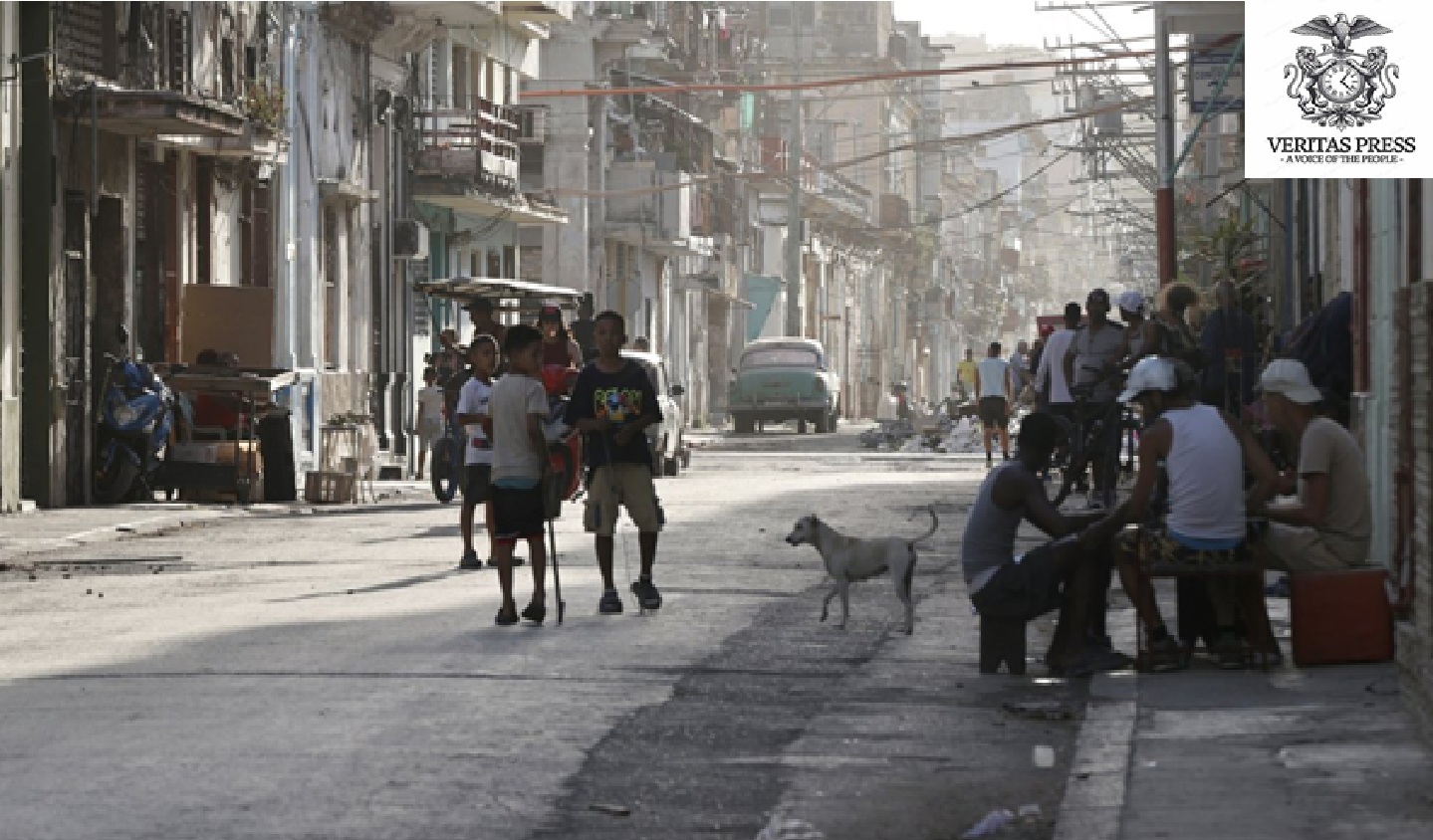
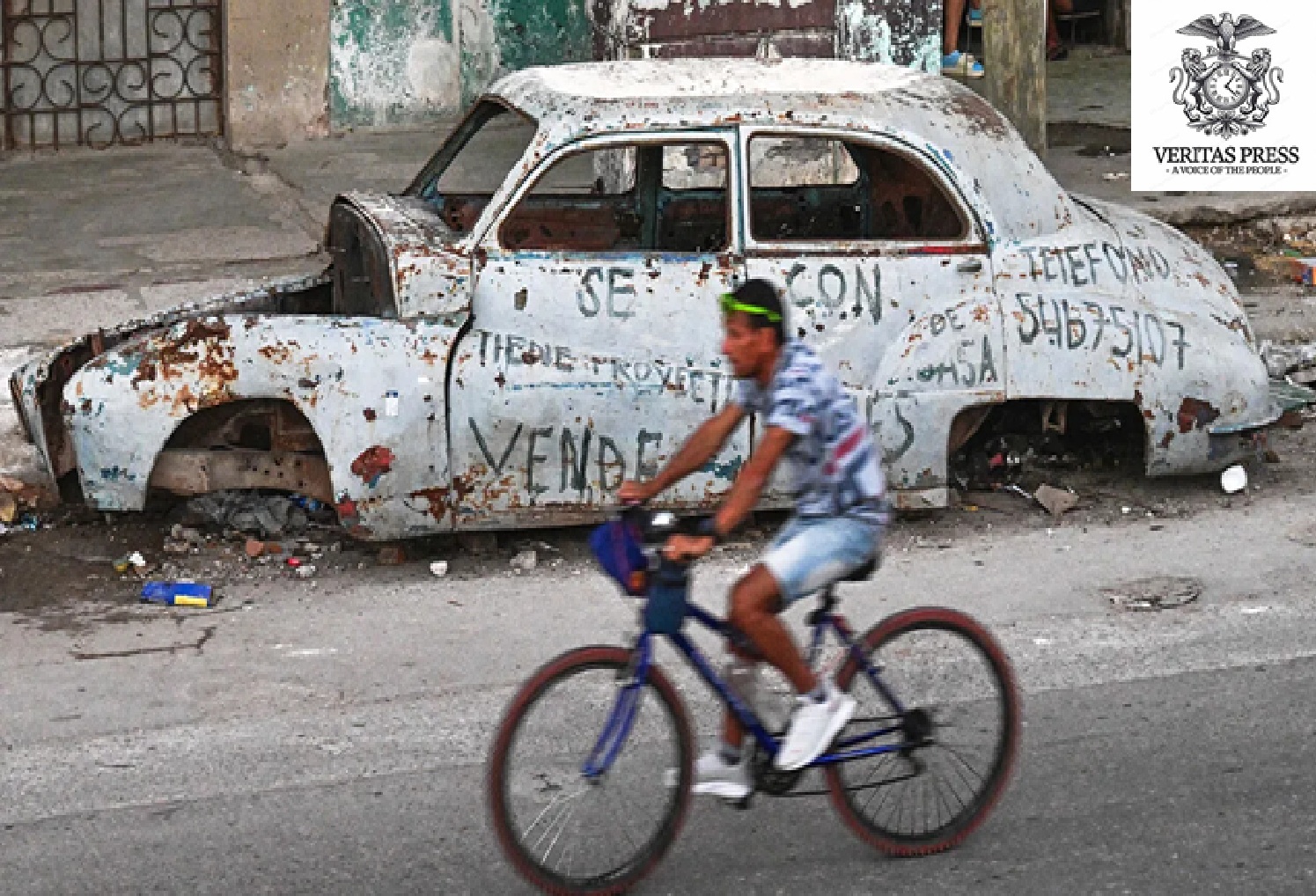
The result is a humanitarian catastrophe unfolding in slow motion. Island-wide blackouts have become a grim routine, crippling hospitals, public transport, and the economy. GDP is projected to shrink by 7.2% in 2026, while the average state salary languishes around $20 per month. In a cruel twist of geopolitical irony, Russia has stepped into the breach. The tanker Anatoly Kolodkin recently delivered 730,000 barrels of crude to Matanzas, a shipment the U.S. reluctantly allowed on “humanitarian grounds”, and a second vessel is already en route. “Cuba is in a total blockade; it’s been cut off. A Russian vessel broke through the blockade,” Russian Energy Minister Sergei Tsivilev declared, casting Moscow as the island’s last patron in a reprise of Cold War dynamics.
“Impregnable Resistance”: Havana’s Defiant Stand.
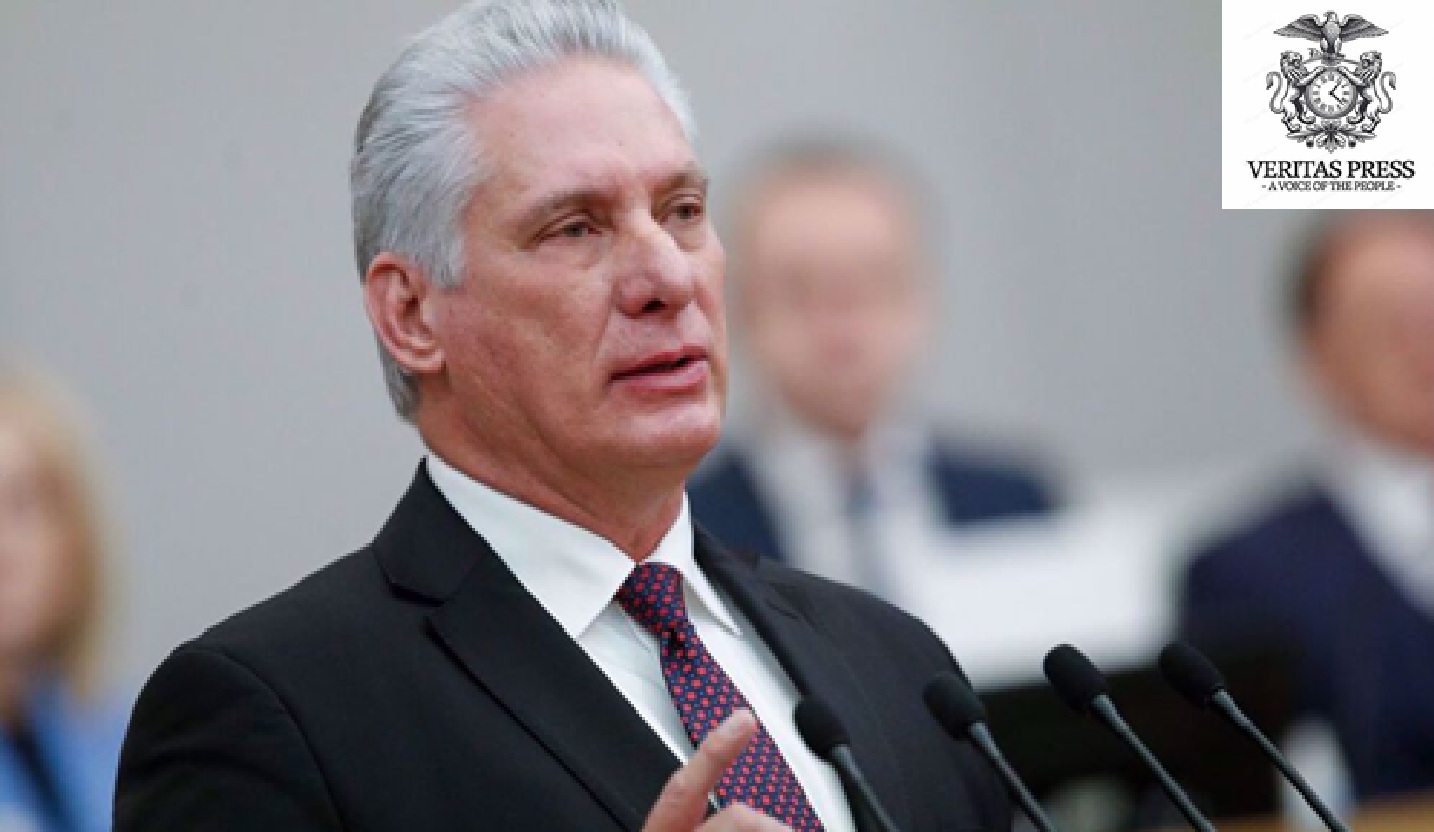
Faced with the spectre of a second Bay of Pigs, or worse, the Cuban government is projecting an image of stoic, albeit desperate, defiance. President Miguel Díaz-Canel, in his first interview with a U.S. news outlet since 2023, told Newsweek that while Cuba strives for peace, an attack would be met with a “war of all the people”. “We will battle, we will defend ourselves,” Díaz-Canel vowed. “And should we fall in battle, to die for the homeland is to live”. Deputy Foreign Minister Carlos Fernández de Cossío acknowledged that the military “is preparing these days for the possibility of military aggression,” adding, “We would be naive if, looking at what’s happening around the world, we would not do that”.
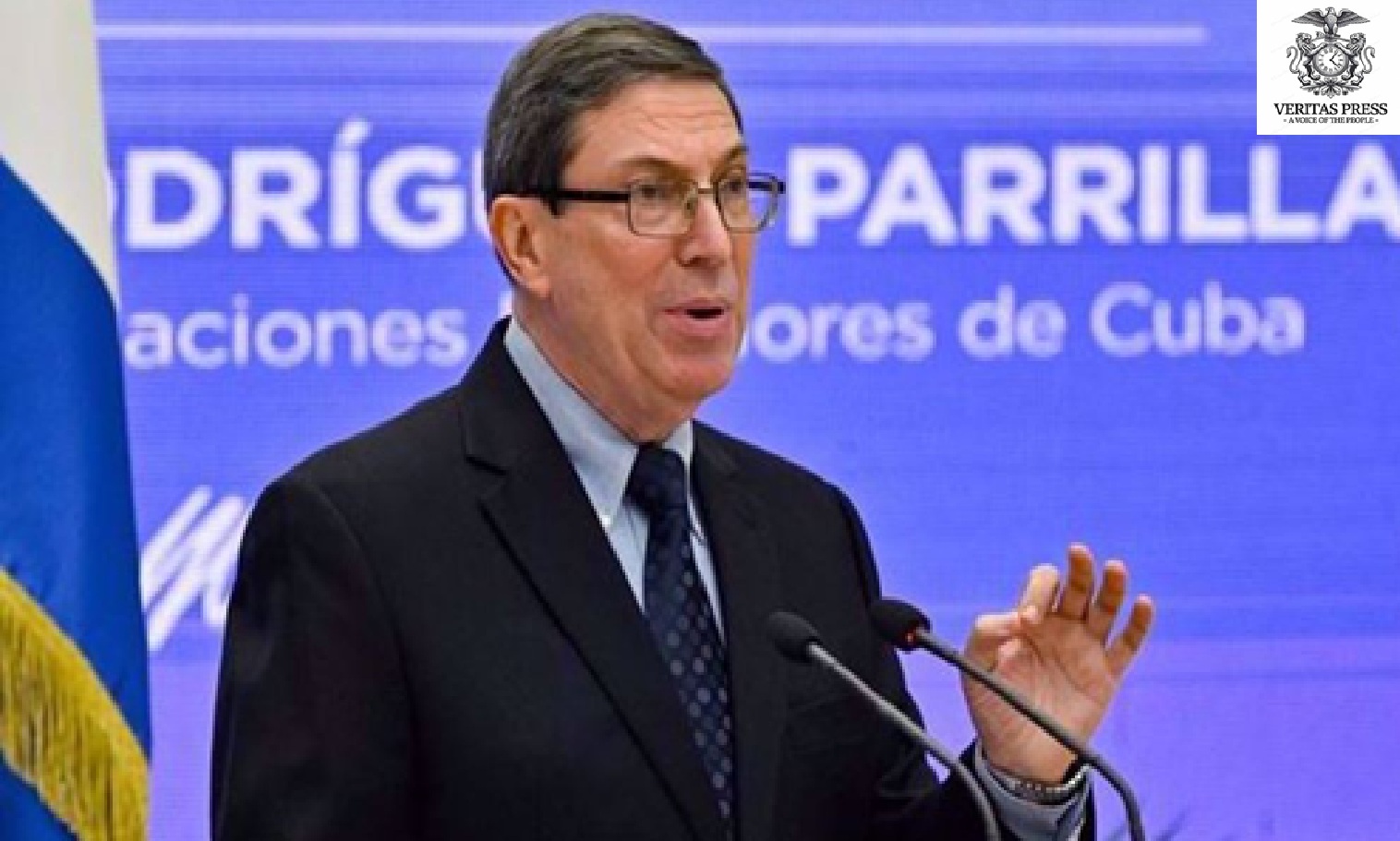
Despite the fiery rhetoric, Havana has left the door ajar for negotiation. Deputy Foreign Minister Anayansi Rodriguez Camejo told Anadolu Agency that Cuba is willing to discuss “a great number of issues of mutual interest,” including drug trafficking and security, but drew a hard red line: “The Cuban political system is not up for negotiation”. This is a delicate tightrope walk, offering dialogue to placate international observers while preparing the trenches for a guerrilla-style campaign that Díaz-Canel warns would “result in immense losses for both nations”.
A Legal And Moral Rubicon:
As the Pentagon fine-tunes its options, the international community is watching with a mixture of alarm and impotence. The United Nations and various international foundations have condemned the U.S. fuel blockade as a violation of the UN Charter and international law, accusing Washington of seeking to “inflict suffering on the Cuban population”. The Hugo Chavez International Foundation decried the measures as “unprecedented” acts of war.
Yet, the moral and legal compass in Washington appears to have been recalibrated around the whims of a president who has already ordered military operations in Venezuela, Ecuador, Nigeria, Somalia, and Iran during his second term. The question hanging over the Caribbean is not whether the U.S. can topple a government already on its knees, but whether it should, and at what cost. The last time the Pentagon drew up serious plans for Cuba was during a nuclear standoff that brought the world to the edge of annihilation. This time, the crisis is slower, fueled by oil sanctions and political bluster, but the potential for a catastrophic miscalculation remains eerily the same. For the people of Cuba, caught between the cold reality of U.S. warships and the desperate promises of Russian tankers, the horizon has rarely looked so dark.
Source: Multiple News Agencies
Submissions:
For The Secure Submission Of Documentation, Testimonies, Or Exclusive Investigative Reports From Any Global Location, Please Utilise The Following Contact Details For Our Investigations Desk: enquiries@veritaspress.co.uk or editor@veritaspress.co.uk
Help Support Our Work:
Popular Information is powered by readers who believe that truth still matters. When just a few more people step up to support this work, it means more lies exposed, more corruption uncovered, and more accountability where it’s long overdue.
Help Protect Independent Journalism, Which Is Currently Under Attack.
If you believe journalism should serve the public, not the powerful, and you’re in a position to help, becoming a DONATOR or a PAID SUBSCRIBER truly makes a difference.
DONATION APPEAL: If You Found This Reporting Valuable, Please Consider Supporting Independent Journalism.
Help Support Our Work – We Know, We Know, We Know …
Seeing these messages is annoying. We know that. (Imagine what it’s like writing them … )
Your support fuels our fearless, truth-driven journalism. In unity, we endeavour to amplify marginalised voices and champion justice, irrespective of geographical location.
But it’s also extremely important. One of Veritas Press’s greatest assets is its reader-funded model.
1. Reader funding means we can cover what we like. We’re not beholden to the political whims of a billionaire owner. We are a small, independent and impartial organisation. No one can tell us what not to say or what not to report.
2. Reader funding means we don’t have to chase clicks and traffic. We’re not desperately seeking your attention for its own sake: we pursue the stories that our editorial team deems important and believe are worthy of your time.
3. Reader Funding: enables us to keep our website and other social media channels open, allowing as many people as possible to access quality journalism from around the world, particularly those in places where the free press is under threat.
We know not everyone can afford to pay for news, but if you’ve been meaning to support us, now’s the time.
Your donation goes a long way. It helps us:
Keep the lights on and sustain our day-to-day operations
Hire new, talented independent reporters
Launch real-time live debates, community-focused shows, and on-the-ground reporting
Cover the issues that matter most to our communities, in real time, with depth and integrity
We have plans to expand our work, but we can’t do it without your support. Every contribution, no matter the size, helps us stay independent and build a truly people-powered media platform.
If you believe in journalism that informs, empowers, and reflects the communities we serve, please donate today.
Kamran Faqir is a volunteer investigative journalist and writer committed to exposing hidden truths and amplifying underreported stories. Driven by social justice, he brings sharp insight and fearless truth-telling to independent journalism. NUJ registered.
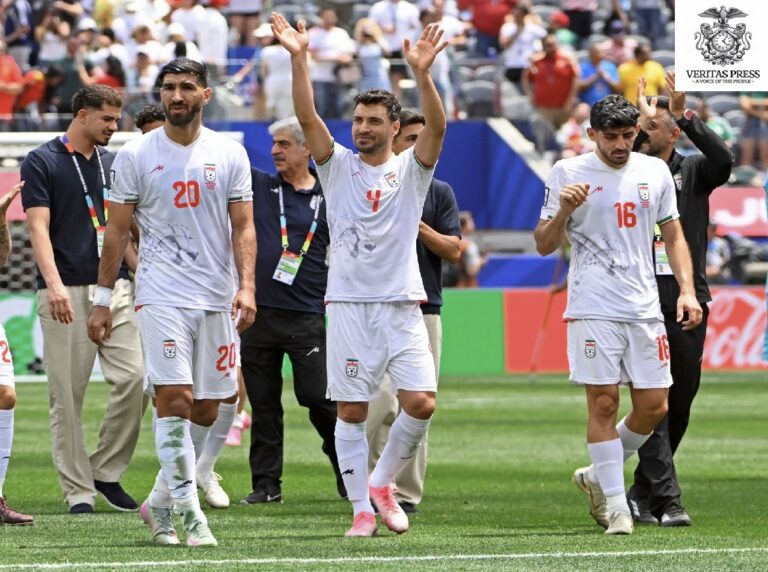
SEATTLE, TEHRAN — The U.S. Department of Homeland Security (DHS) will allow Iran’s national football team to enter the country 48 hours before their critical World Cup match against Egypt on Friday, a modest concession in a tournament where Team Melli’s travel conditions have sparked claims of oppression and competitive disadvantage.