Kamran Faqir is a volunteer investigative journalist and writer committed to exposing hidden truths and amplifying underreported stories. Driven by social justice, he brings sharp insight and fearless truth-telling to independent journalism. NUJ registered.
Article Date Published:
Article Date Modified:
12 minutes
Views:611
Listen to this article
Help support our mission, donate today and be the change. Every contribution goes directly toward driving real impact for the cause we believe in.
The IRGC Claims Battlefield Experience Has Made It Stronger, But Regional Dynamics, Domestic Pressures, And A New War Of Words With Washington Tell A More Complicated Story.
TEHRAN, IRAN – Two months after a shaky ceasefire halted the most intense direct military confrontation between Iran and a U.S.-Israeli coalition in decades, the Islamic Republic is broadcasting a message of unshakable military readiness, fortified resolve, and zero tolerance for perceived violations. In a coordinated series of statements over the past week, senior commanders, diplomats, and the country’s supreme leader have woven a narrative of hard-won strength, while simultaneously warning that any return to hostilities would trigger a far more painful and expansive response. Now, a fresh exchange of threats between Tehran and former U.S. President Donald Trump, the man who unilaterally declared the truce on April 7, is exposing the fragility of the pause and raising fears that Lebanon could become the tripwire for a wider conflagration.
‘We Are Better Prepared Than Before’
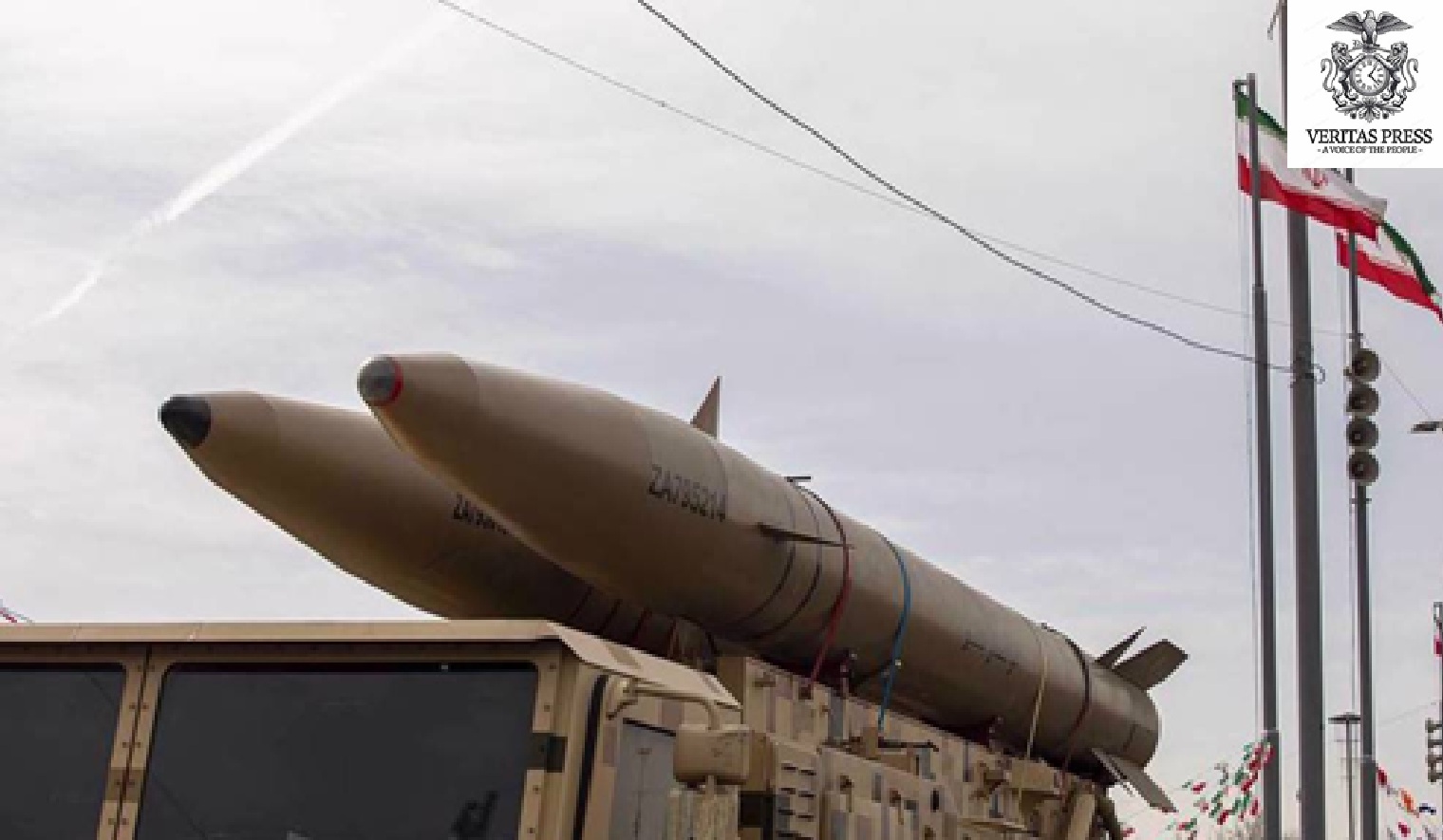
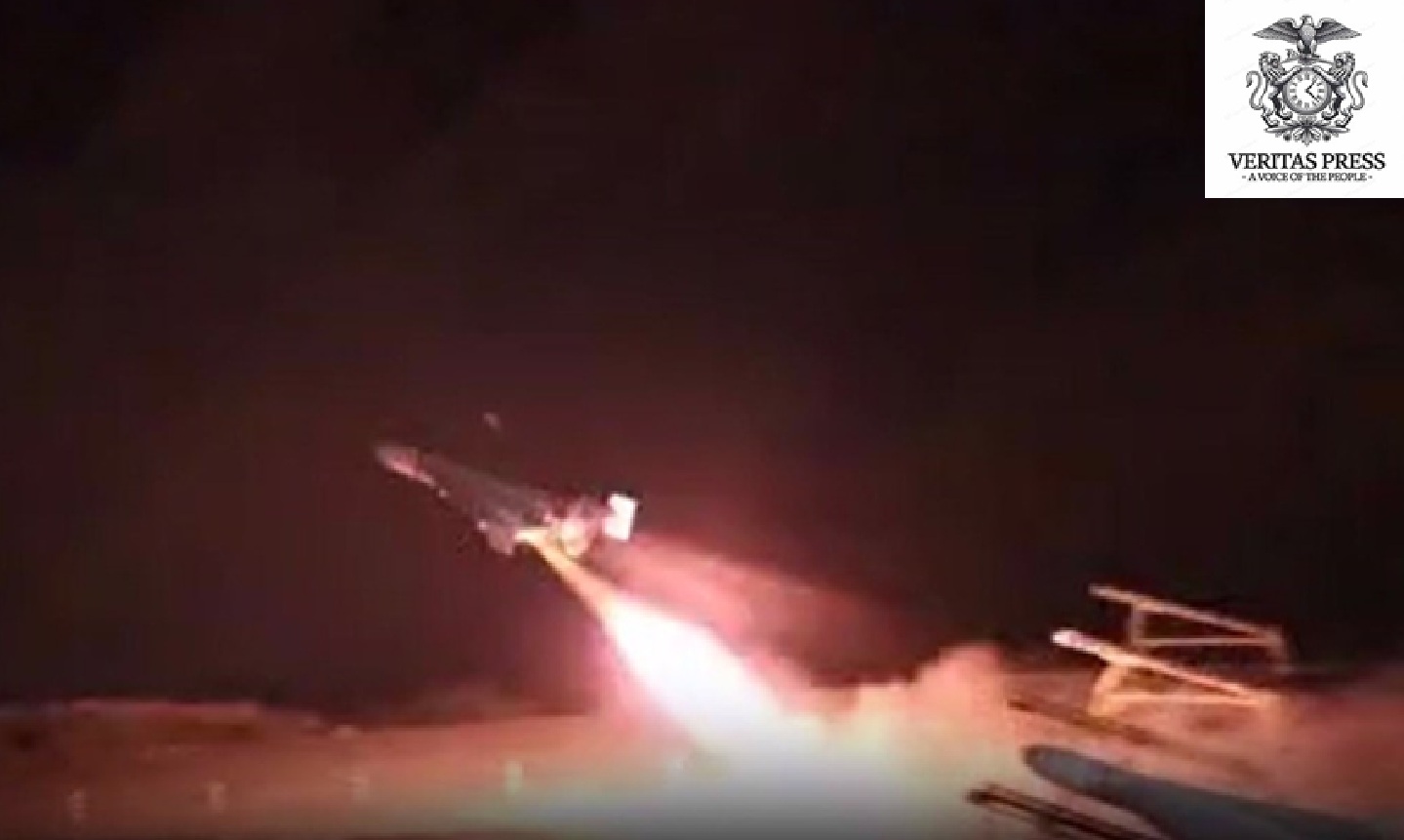
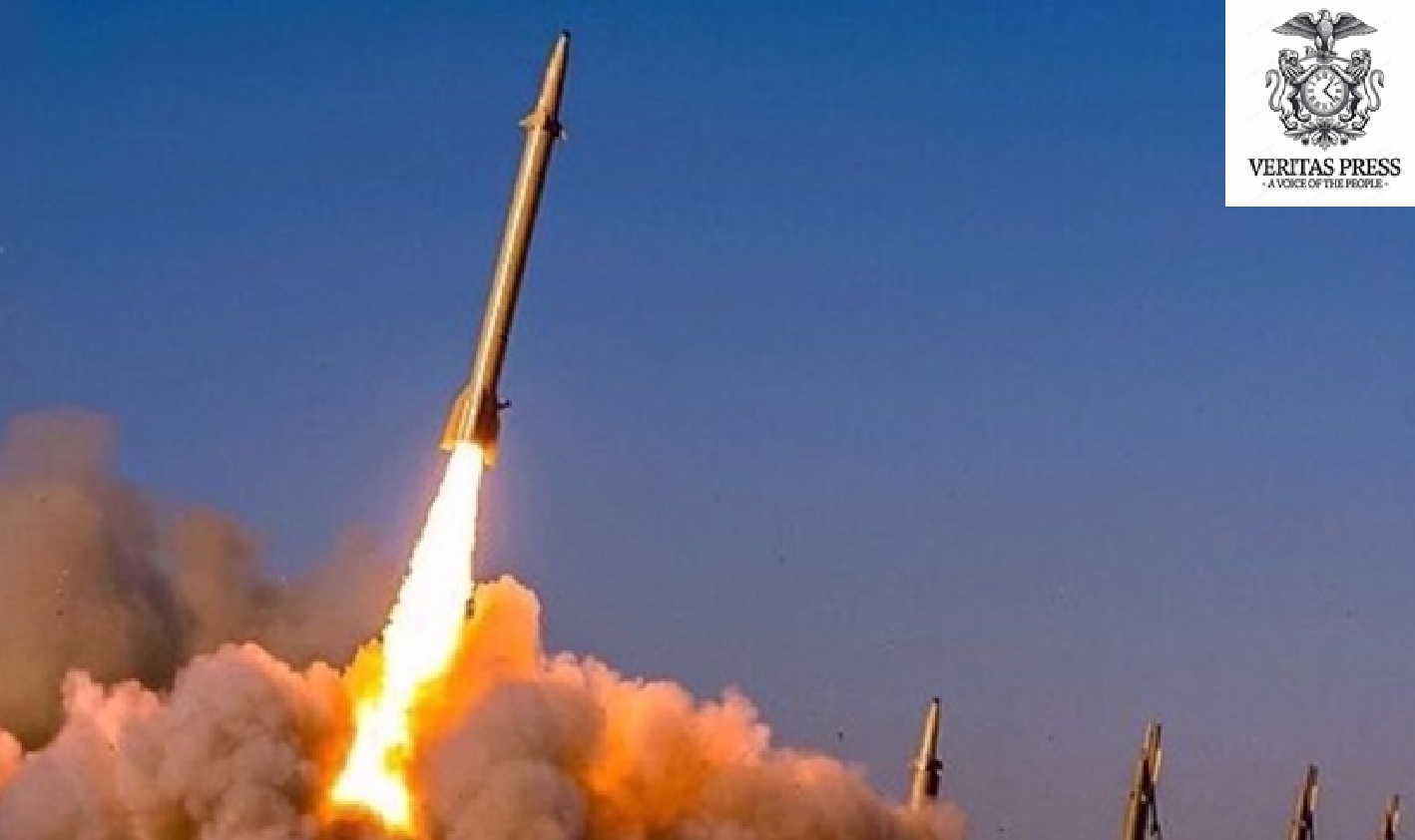
The headline assertion came from Brigadier General Hossein Mohebbi, spokesman for the Islamic Revolution Guards Corps (IRGC), who told the semiofficial Fars News Agency that Iran’s armed forces have leveraged the post-ceasefire period not merely to repair damage but to elevate their operational capabilities. “If the enemy returns to the military arena, the nature of the operations, the geography of the battlefield, and even the types of weapons used will be different,” Mohebbi said.
“The IRGC Is Fully Prepared For All Possible Scenarios.”
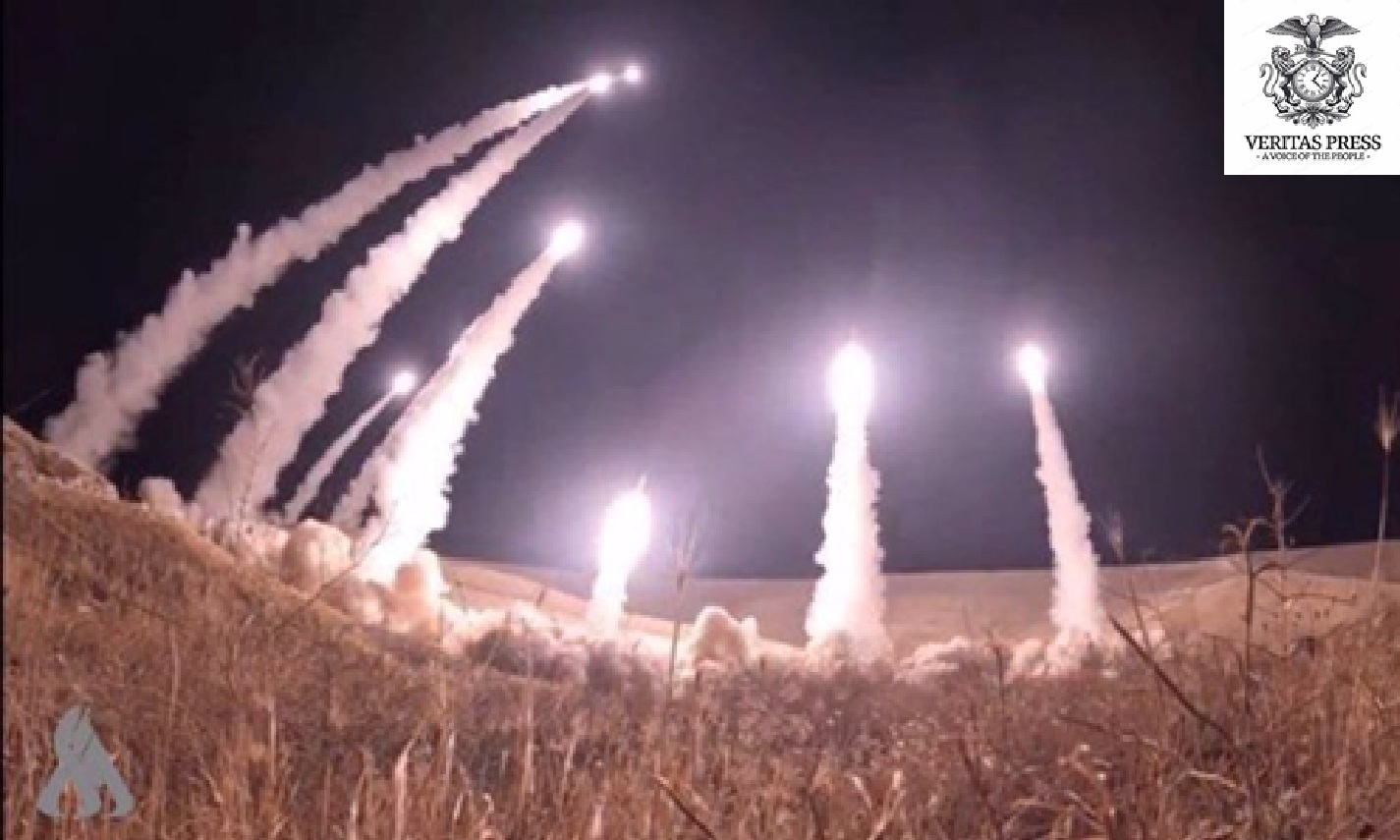
Mohebbi’s remarks, echoed the same day by IRGC Tehran Commander Hassan Zadeh, are the most explicit acknowledgement yet that Iran believes it has gained valuable intelligence and tactical advantages from the 40-day conflict, referred to officially as the “third Sacred Defence”, that began on February 28 and was paused by Trump’s ceasefire announcement. According to the IRGC narrative, more than 100 waves of retaliatory strikes by Iran against U.S. and Israeli bases across the region forced Washington to back down, leaving Iran’s military infrastructure bruised but its strategic posture intact.
Crucially, Mohebbi claimed that the confrontation transformed Tehran’s understanding of its adversaries from theoretical intelligence assessments into direct battlefield familiarity. “Today, our understanding of the enemy, its offensive and defensive equipment, its deception tactics, and the nature of its operations is much clearer than before,” he said, while rejecting Western and Israeli claims that Iran’s naval and missile capabilities had been significantly degraded. He pointed to Iran’s continued control over the Strait of Hormuz, a vital artery for global oil shipments, as proof that U.S. attempts to neutralise Tehran’s maritime leverage failed.
These claims, however, are difficult to independently verify. A Western military attaché based in the Gulf, speaking on condition of anonymity, cast doubt on the extent of Iranian learning. “There is no question that any force gains experience from combat, but we assess that Iran’s air defence network and naval assets absorbed severe punishment. What they are doing now is classic information warfare, spinning survival as victory.”
A Ceasefire Under Strain, And A Direct Threat To Washington And Tel Aviv:
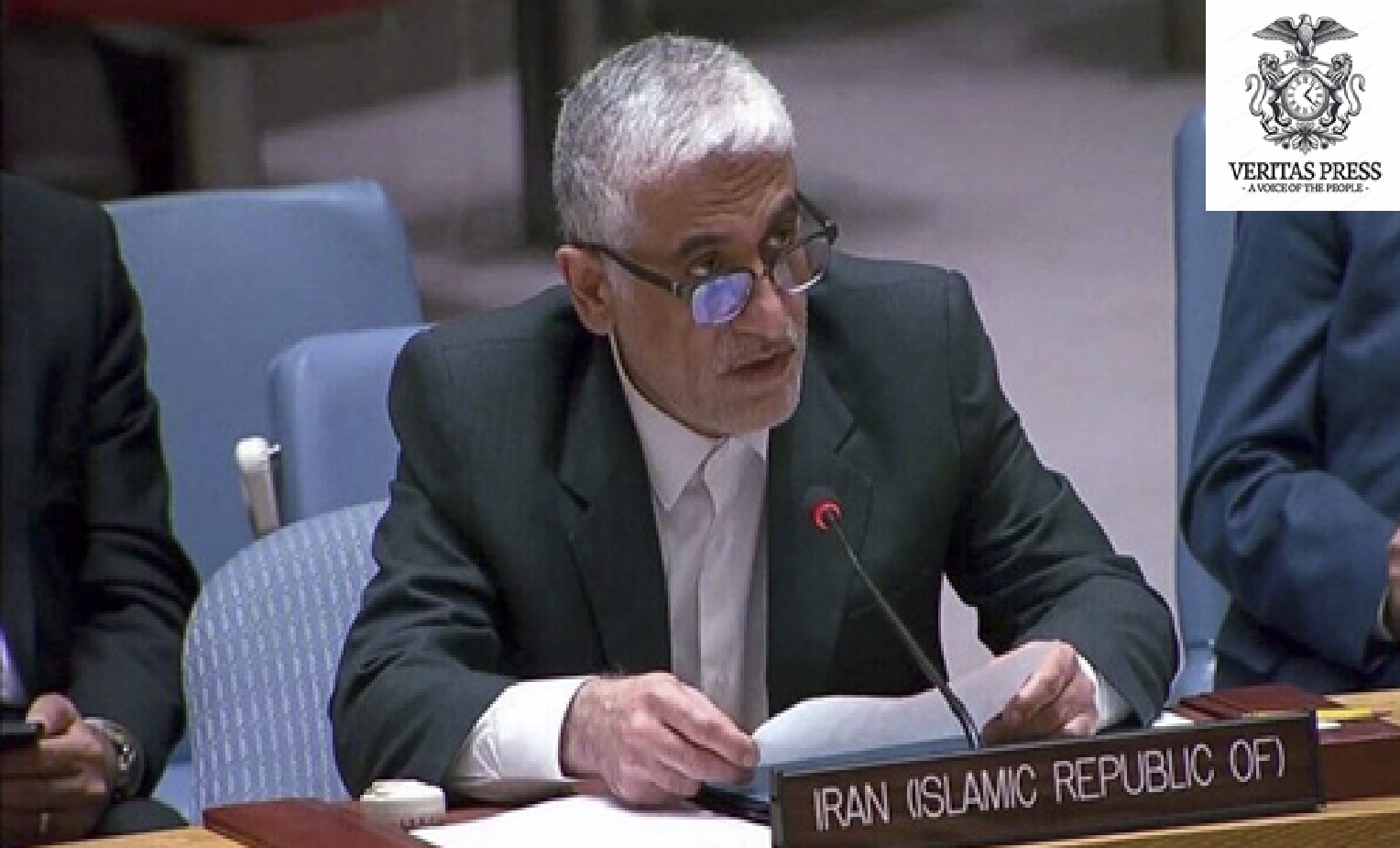
The IRGC’s messaging is inseparable from a broader narrative emanating from Tehran: that the April ceasefire is being systematically violated by the United States and Israel, and that Iran will eventually be compelled to respond unless the breaches cease. On Monday, the Foreign Ministry issued a bluntly worded statement warning that “the violation of the ceasefire on any one of the fronts constitutes a violation of it on all fronts.” The ministry accused Washington of continuing to harass Iranian commercial shipping and held the U.S. directly responsible for what it described as ongoing Israeli atrocities in Lebanon.
But Iranian officials are now going further, explicitly tying an end to the U.S.-Israeli campaign in Lebanon to the survival of the truce. In a separate, sharply worded statement released late Monday by the IRGC’s operations command, Brigadier General Mohebbi delivered an unambiguous ultimatum:
“Let there be no misunderstanding: if the U.S.-Israeli coalition does not end its aggression against Lebanon immediately, Iran will not sit idly by. Our response will be decisive and will extend beyond the current battlefield. The coalition must choose: end the war in Lebanon or face the consequences on all fronts.”
The statement marks the first time a senior IRGC commander has so directly conditioned the ceasefire’s continuation on a halt to Israeli military operations in Lebanon, moving the proxy conflict to the centre of the main U.S.-Iran confrontation. It comes as Israeli forces have pressed on with operations in southern Lebanon that have, according to Lebanese health authorities cited by Iran, resulted in thousands of casualties and the displacement of nearly two million people. Israel maintains its actions target Hezbollah infrastructure and rocket-launching sites, but for Tehran, the Lebanese front is inextricably linked to its own security architecture.
Parliament Speaker Mohammad Baqer Qalibaf, who also heads Iran’s negotiating team, reinforced the message in a telephone call with Lebanese Parliament Speaker Nabih Berri, warning that Iran “will not only suspend the ongoing talks with the US but will also stand against the Israeli regime” if attacks on Lebanon persist.
This linkage transforms every Israeli airstrike on Lebanese soil into a potential trigger for a wider regional war. “Tehran is effectively erasing the distinction between a separate Israeli-Hezbollah confrontation and the larger U.S.-Iranian ceasefire agreement,” said Dr. Lina Khatib, a Middle East security analyst at Chatham House, reached by phone in London. “By defining any Israeli violation in Lebanon as an American violation against Iran, and now threatening retaliation specifically against the ‘U.S.-Israeli coalition,’ the IRGC is constructing a legal and political framework for a multi-front response that could drag the entire region back into a far more severe conflict.”
Trump Fires Back: ‘I Will Finish What I Started’
Iran’s threats have not gone unanswered in Washington. Former President Donald Trump, who has remained deeply involved in foreign policy messaging since the ceasefire he brokered, used a Truth Social post early Tuesday to issue a blistering retort.
“Iran knows that if they step out of line again, I will finish what I started, and this time there will be no ceasefire. We will not allow them to use Lebanon as an excuse to strike American interests. Our military is the strongest in the world, and they saw just a small taste of it. If they want the real thing, they can have it,” Trump wrote.
A senior administration official, speaking on condition of anonymity, later tempered Trump’s remarks, telling reporters that Washington “remains committed to the ceasefire framework and expects all parties to honour their commitments,” and that diplomatic channels were still open. But the former President’s language underscored the deep uncertainty surrounding U.S. intentions. In an earlier interview with Fox News, Trump had acknowledged the difficulty of enforcing the ceasefire but insisted that “Iran got the message” and that “we are watching every move they make.”
Trump’s statements, while reflecting his characteristic style, have raised concerns among European allies who fear that such rhetoric could be interpreted in Tehran as a prelude to renewed American strikes. A European diplomat involved in the Geneva talks told reporters on background that “the Iranian delegation is essentially reading from the same script we hear in the IRGC statements, the talks are constantly overshadowed by the situation in Lebanon and the shipping incidents. Trump’s words just add fuel to that fire.”
Whispers Of Domestic Fragility:
Amid the martial rhetoric and transatlantic threats, Supreme Leader Ayatollah Seyyed Mojtaba Khamenei struck a different, more introspective tone in a message marking the anniversary of the first post-revolution parliament. He appealed for national unity, warning that the U.S. and Israel, having failed militarily, were now plotting to “sow discord and social fragmentation to compensate for their military defeats and bring the nation to its knees.” He called on intellectual and political elites, especially lawmakers, to avoid “hollow political disputes” and to prioritise economic reconstruction, inflation control, and the “total eradication of poverty.”
The leader’s words reflect an acute awareness of mounting domestic pressures. Iran’s currency, the rial, has lost nearly 30% of its value since the February war began, and the government has struggled to fund reconstruction in Khuzestan and Bushehr provinces, where U.S. strikes reportedly damaged critical infrastructure. “We hear the speeches about strength and unity, but when I go to the market, all I see is prices rising and my customers disappearing,” said Reza, a 52-year-old fabric merchant in Tehran’s Grand Bazaar, a historic barometer of economic discontent. He asked that his full name not be used for fear of reprisal.
Human rights activists outside the country point to what they describe as a widening gulf between official triumphalism and public sentiment. “The regime is using the external threat to justify a new crackdown on dissent at home,” said Fatemeh Hosseini, a spokesperson for the Paris-based Justice for Iran organisation. “While the IRGC talks of new weaponry and battlefield knowledge, ordinary Iranians are grappling with power cuts, medicine shortages, and the fear that another round of fighting will erase whatever is left of their livelihoods.”
What Comes Next?
Military analysts say the IRGC’s warnings of a “different” and “decisive” response should be taken seriously, not as empty bluster. The reference to altered geography and new weapon systems is widely interpreted as a signal that Iran may target U.S. assets beyond the immediate Gulf region, potentially activating proxy networks in Syria, Iraq, and Yemen on a coordinated scale, or employing previously unused missile and drone technologies. When coupled with the explicit demand that the U.S.-Israeli coalition halt its Lebanon operations, the threat becomes both specific and open-ended. “They are telling us, ‘next time, we won’t just strike bases; the battlefield will be everywhere, and Lebanon is the red line,’” said a senior European intelligence official briefed on the matter. “That is a significant escalation risk, especially when Trump is publicly daring them to act.”
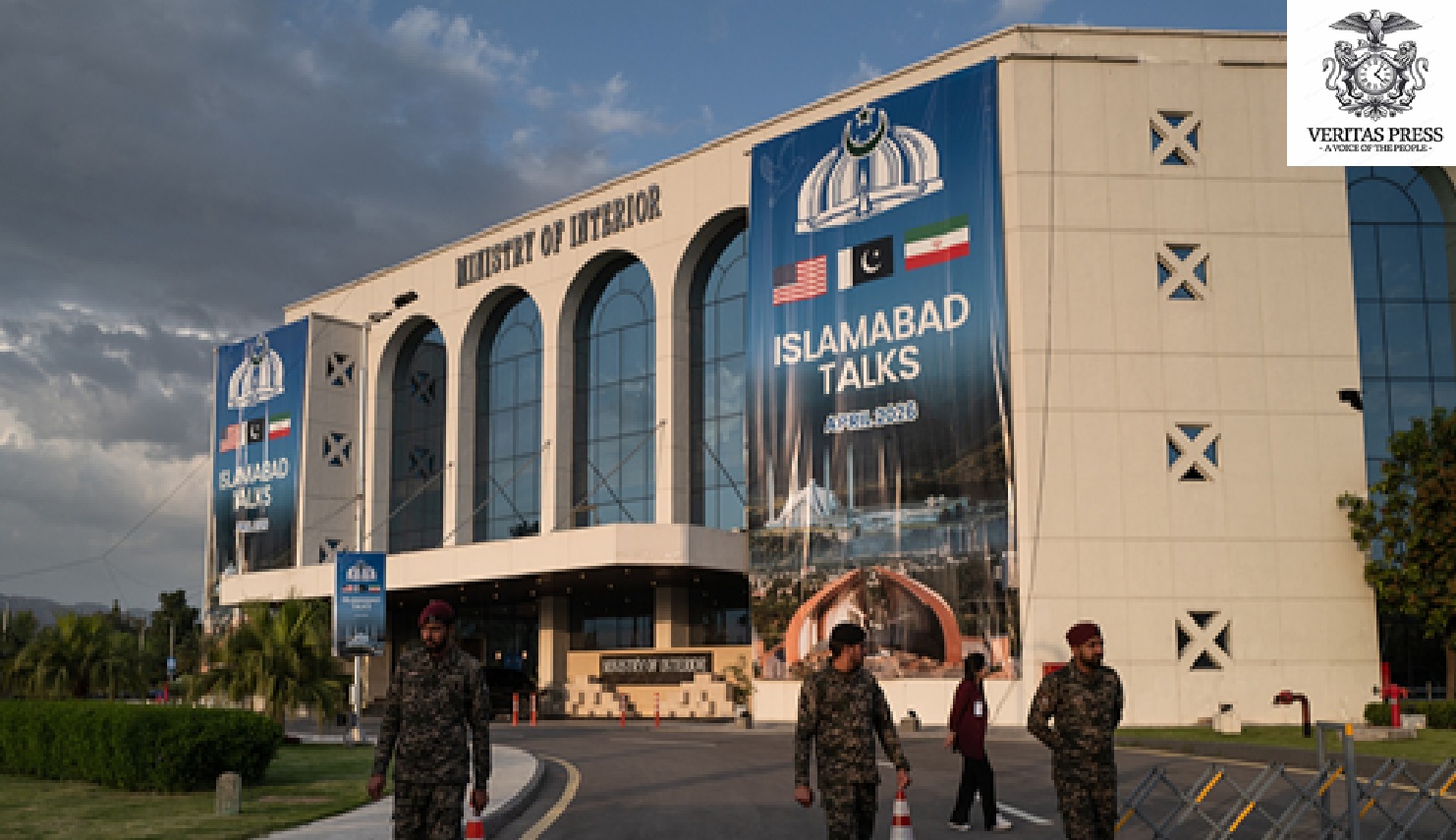
At the same time, the diplomatic track remains alive, if barely. Indirect U.S.-Iranian talks, brokered by Oman and Switzerland, have continued sporadically in Geneva but have yielded no tangible progress on a longer-term de-escalation framework. With Trump’s latest outburst, diplomats fear that the space for quiet negotiation is rapidly shrinking.
For the millions of Lebanese caught in the crossfire, the new linkage is particularly alarming. “We hear Iranian officials say they will defend us, but what that actually means on the ground is that our villages become a permanent battleground in a much bigger war,” said Umm Hassan, a 67-year-old resident of Nabatieh, reached by phone as artillery fire echoed in the distance. “We want the bombing to stop, not to become a pretext for another front.”
Conclusion: A Fragile Standoff.
Two months after Trump’s ceasefire announcement, the pause is increasingly resembling an interlude rather than a resolution. Iran’s military establishment has emerged from the fight claiming heightened readiness and invaluable experience, yet its threats of an escalated response risk miscalculation in a region bristling with weaponry and unresolved grievances. The regime’s simultaneous calls for domestic unity hint at underlying anxieties that the nation’s social fabric may not withstand prolonged confrontation. Now, with Tehran explicitly conditioning the ceasefire on an end to the U.S.-Israeli campaign in Lebanon, and Trump vowing to “finish what I started,” the space between war and peace has rarely felt so thin, and the language coming out of both capitals suggests that if the shooting resumes, the pain will be shared far more widely than before.
Source:Veritas Press C.I.C. | Multi News Agencies
Submissions:
For The Secure Submission Of Documentation, Testimonies, Or Exclusive Investigative Reports From Any Global Location, Please Utilise The Following Contact Details For Our Investigations Desk: enquiries@veritaspress.co.uk or editor@veritaspress.co.uk
Popular Information is powered by readers who believe that truth still matters. When just a few more people step up to support this work, it means more lies exposed, more corruption uncovered, and more accountability where it’s long overdue.
Help Protect Independent Journalism, Which Is Currently Under Attack.
If you believe journalism should serve the public, not the powerful, and you’re in a position to help, becoming a DONATOR or a PAID SUBSCRIBER truly makes a difference.
DONATION APPEAL: If You Found This Reporting Valuable, Please Consider Supporting Independent Journalism.
Help Support Our Work – We Know, We Know, We Know …
Seeing these messages is annoying. We know that. (Imagine what it’s like writing them … )
Your support fuels our fearless, truth-driven journalism. In unity, we endeavour to amplify marginalised voices and champion justice, irrespective of geographical location.
But it’s also extremely important. One of Veritas Press’s greatest assets is its reader-funded model.
1. Reader funding means we can cover what we like. We’re not beholden to the political whims of a billionaire owner. We are a small, independent and impartial organisation. No one can tell us what not to say or what not to report.
2. Reader funding means we don’t have to chase clicks and traffic. We’re not desperately seeking your attention for its own sake: we pursue the stories that our editorial team deems important and believe are worthy of your time.
3. Reader Funding: enables us to keep our website and other social media channels open, allowing as many people as possible to access quality journalism from around the world, particularly those in places where the free press is under threat.
We know not everyone can afford to pay for news, but if you’ve been meaning to support us, now’s the time.
Your donation goes a long way. It helps us:
Keep the lights on and sustain our day-to-day operations
Hire new, talented independent reporters
Launch real-time live debates, community-focused shows, and on-the-ground reporting
Cover the issues that matter most to our communities, in real time, with depth and integrity
We have plans to expand our work, but we can’t do it without your support. Every contribution, no matter the size, helps us stay independent and build a truly people-powered media platform.
If you believe in journalism that informs, empowers, and reflects the communities we serve, please donate today.
Kamran Faqir is a volunteer investigative journalist and writer committed to exposing hidden truths and amplifying underreported stories. Driven by social justice, he brings sharp insight and fearless truth-telling to independent journalism. NUJ registered.
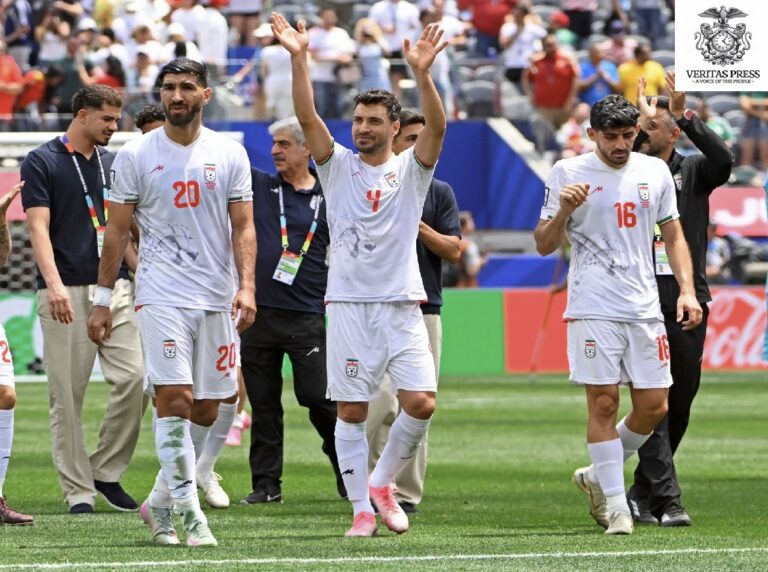
SEATTLE, TEHRAN — The U.S. Department of Homeland Security (DHS) will allow Iran’s national football team to enter the country 48 hours before their critical World Cup match against Egypt on Friday, a modest concession in a tournament where Team Melli’s travel conditions have sparked claims of oppression and competitive disadvantage.