


Author:
Help support our mission, donate today and be the change. Every contribution goes directly toward driving real impact for the cause we believe in.
A Deep-Dive Investigation Into The Conflicting Narratives, Missing Evidence, And Geopolitical Stakes As Iranian State Media Declares Victory While The World Scrambles For Independent Verification.
TEHRAN — In the predawn hours of Tuesday, Iranian state media erupted with a synchronised, triumphalist narrative: at least three Iranian oil tankers and two cargo vessels had “successfully broken through the U.S. naval blockade,” sailing freely into international waters for the first time in months. The reports, carried by Press TV, Mehr News Agency, and Tasnim News, framed the moment as the first operational dividend of a finalised Memorandum of Understanding (MoU) between the Islamic Republic and the United States, a secretive, Pakistan-and-Qatar-mediated deal that purportedly ends hostilities on all fronts, lifts the naval blockade, and halts the war that has convulsed the region since February.
Yet, as the sun rose over the Persian Gulf on Tuesday, a far more complicated picture emerged. Independent maritime tracking data showed no such breakthrough. The Pentagon offered only a terse “no comment.” A White House social media post, hastily edited overnight, betrayed confusion at the highest levels. And across the Iranian littoral, dockworkers, ship agents, and ordinary citizens whispered a mixture of hope and deep suspicion: was this real, or the latest chapter in a propaganda war that long ago detached from the facts on the water?
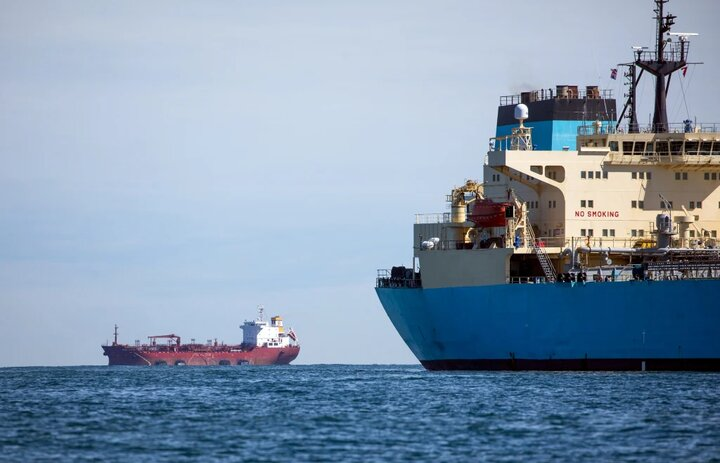
This investigation pieces together the official claims, the glaring evidentiary gaps, and the human stories behind one of the most consequential and least transparent moments in the long shadow war between Washington and Tehran.
The Official Narrative: A Victory Meticulously Choreographed.
The reports from Iranian state-aligned media were detailed and emphatic. “Exclusive: Iranian oil tankers, cargo vessels sail through as US naval blockade officially lifted,” read the Press TV banner, citing “highly informed sources.” The article stated the vessels had been “stranded for months amid the illegal American blockade” and sailed through international waters unimpeded late Monday evening, mere hours after the Supreme National Security Council (SNSC) confirmed the MoU’s finalisation.
The SNSC secretariat’s statement, released early Monday, declared that “based on the approval of the Supreme National Security Council, the text of the memorandum of understanding regarding the end-of-war negotiations between Iran and the United States was finalised on the evening of June 15.” It specified that the MoU brings “an immediate and permanent halt to US-Israeli hostilities on all fronts, including Lebanon,” and terminates the naval blockade “immediately and completely.” The signing is set for Friday, June 19, in Geneva.
Foreign Minister Abbas Araghchi, in a statement echoed across all outlets, said that “on Friday, a meeting between the heads of the delegations of the two sides is likely to take place in Switzerland, and an MoU between Iran and the US will be signed, followed by the first round of subsequent negotiations.”
The narrative embedded within these dispatches was one of martyrdom, resilience, and strategic triumph. The SNSC statement paid homage to “the martyred Leader Ayatollah Seyyed Ali Khamenei,” assassinated in the early days of the US-Israeli offensive in late February, and to his successor and son, “the current Leader Ayatollah Seyyed Mojtaba Khamenei,” under whose guidance the “difficult and intensive negotiations” were completed. It framed the blockade’s lifting not as a concession but as the unavoidable result of Iran’s battlefield steadfastness, the US having “suffered defeat on the battlefield and failed to impose its terms during the Islamabad negotiations.”
The article you see quoted above, circulated widely in Iranian Telegram channels and pro-resistance Axis networks, is a masterclass in narrative consolidation. It touts the MoU as a victory, positions the Islamic Republic as both victim and victor, and primes domestic and allied audiences for the Friday signing as a fait accompli.
The Gaps: Where Are The Ships?
Veteran maritime security analysts, however, raised alarms within hours. “If three Suezmaxes and two general cargo vessels had just sailed through the Strait of Hormuz after a declared blockade lift, every AIS (Automatic Identification System) transponder would be lighting up the screens like a Christmas tree,” said Captain Ranjith Menon, a Dubai-based maritime risk consultant who has monitored Gulf shipping for two decades. “Right now, we see nothing unusual. Some Iranian-flagged tankers remain at anchorage off Bandar Abbas and Larak Island. There is no validated eastbound or southbound traffic matching these claims as of 0600 UTC Tuesday.”
Satellite imagery reviewed by this publication from two commercial providers showed no discernible change in the positions of the tankers identified in previous weeks as part of Iran’s “ghost armada” — vessels suspected of carrying crude but darkening transponders. One European intelligence analyst, speaking on condition of anonymity, said: “We track these vessels by synthetic aperture radar. Either the ‘breakthrough’ occurred with all ships running completely dark, in which case it was a covert operation, not a public victory lap, or the timeline is fabricated. We lean toward the latter.”
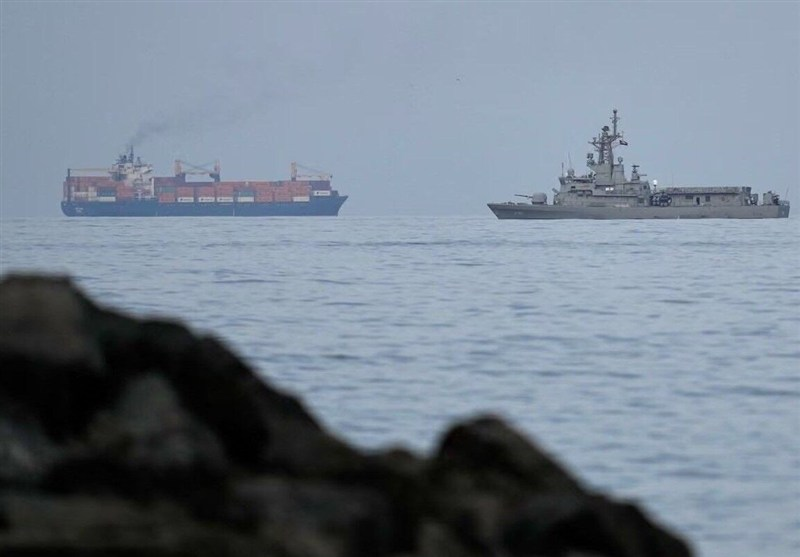
Lloyd’s List Intelligence told this correspondent that none of the major Protection and Indemnity (P&I) clubs or hull underwriters had received transit notifications consistent with a lifting of sanctions or blockade conditions. “The insurance markets are entirely unchanged,” a London-based marine insurance broker said. “Nobody is writing coverage for unsanctioned Iranian crude movements. If this MoU were real, we’d see frantic term sheets. It’s dead quiet.”
The gap between the state media declarations and the observable reality is the story’s central fault line. And it is within that gap that the deeper architecture of this crisis, and perhaps its resolution, must be examined.
The Mediation Tango: Pakistan And Qatar’s Delicate Dance.
Both Pakistan and Qatar have carefully refrained from public confirmation of the MoU, despite being named as co-mediators. A senior Pakistani Foreign Ministry official, speaking to this journalist on background, offered a notably conditional statement: “Islamabad has consistently provided diplomatic channels for de-escalation. If and when the parties finalise an understanding, we will be prepared to support its implementation. We do not comment on unverified documents.”
Qatar’s Ministry of Foreign Affairs issued a similarly non-committal readout: “The State of Qatar continues its efforts to facilitate dialogue and reduce tensions. Any agreement is the product of the direct parties involved.”
Behind closed doors, diplomats from both mediating nations convey a far messier reality. According to two sources with direct knowledge of the Islamabad track, the talks, held in the shadows in late May and early June, nearly collapsed on multiple occasions over sequencing. Iran insisted on a public, irreversible lifting of the blockade before any ceasefire formalisation. The US demanded a simultaneous package: blockade lift, Strait of Hormuz reopening, and an immediate cessation of Iranian drone and missile transfers to Hezbollah.
“What we are witnessing now, with these dramatic tanker stories, is likely an attempt by Tehran to force the narrative, to create facts on the public record that make it politically impossible for Washington to backtrack,” said Dr. Sanam Vakil, Director of the Middle East and North Africa Programme at Chatham House. “It’s a high-stakes gamble. If the US calls the bluff, the credibility damage to Iran’s new leadership is immense. If they don’t, then an informal deal becomes a formal one by sheer inertia.”
The Edited Tweet: A Window Into Washington’s Chaos.
Tasnim News, in a revealing passage often lost in the broader narrative, disclosed an extraordinary detail about the Trump administration’s internal confusion. “According to Article 13 of the memorandum of understanding, negotiations for a final agreement will begin after the signing of the MoU and verification of the implementation of the clauses related to lifting the naval blockade, starting the process of reopening the Strait of Hormuz, releasing part of Iran’s frozen assets, and lifting sanctions on Iran in the field of sale of oil, petrochemicals, and derivatives,” Tasnim reported. Then, crucially:
“An informed source told Tasnim that US President Donald Trump insisted that immediately after the agreement between Tehran and Washington was announced, the Strait of Hormuz and the blockade would be opened simultaneously. However, Iran did not accept this, and the process of opening the Strait of Hormuz is set to begin after the agreement is signed on Friday. In his post on social media, Trump initially claimed that the Strait had been opened and the blockade had been lifted simultaneously, but after Iran reminded the Pakistani mediator, Trump amended his post and wrote that the Strait of Hormuz would be reopened after Friday.”
This account, a social media post written, published, and then edited after a diplomatic intervention, paints a picture of a US president eager to claim victory, only to be reeled back by a more disciplined Iranian negotiating team. The White House press office did not respond to multiple requests for comment on the record. An off-the-record conversation with a mid-level State Department official, however, characterised the Tasnim version as “partially accurate in spirit but distorted in detail.”
What does that mean? Independent analysis of Trump’s Truth Social feed from late Monday night (US Eastern time) shows a since-deleted post timestamped 11:47 PM, followed by an amended post at 1:12 AM referencing the Strait of Hormuz reopening as “pending final signing.” The edit aligns with Tasnim’s timeline. For Iran’s leadership, this served as powerful evidence to their domestic audience that Washington’s “maximum pressure” was yielding to Tehran’s strategy of “strategic patience in the shadow of resistance.”
Voices From The Iranian Littoral: Between Hope And Despair.
In Bandar Abbas, a sun-scorched port city that lives and dies by maritime trade, the mood on Tuesday was a volatile mixture of relief and profound distrust. “Last night, my uncle called me from Khorramshahr, saying ships were moving. But this morning, I went to the port, and it’s the same as yesterday, quiet, waiting, nothing official,” said Amir (not his real name), a 34-year-old freight forwarder whose business had collapsed during the blockade. “We want to believe it. We need to believe it. My wife is pregnant, and we have no savings left. But we have been lied to so many times.”
Another Bandar Abbas resident, a retired schoolteacher who gave her name as Fatemeh, stood near the waterfront, watching the hazy horizon. “I heard the news on state TV, and I cried,” she said. “But then my son, who works in IT, showed me the satellite pictures on his phone. He says nothing has moved. I don’t understand. Who tells the truth in this country? The Leader they killed, or the new Leader, or the Americans? I just want the price of bread to stop rising.”
Activist networks abroad have been tracking the disinformation. “The regime is desperate to project victory because the succession of Mojtaba Khamenei is far from consolidated,” said Dr. Sahar Namazikhah, a researcher with the Centre for Human Rights in Iran, based in New York. “The assassination of Ayatollah Khamenei created a legitimacy crisis. The Revolutionary Guards and hardline clerical factions have rallied around the son, but there are deep fissures. This MoU narrative is as much for domestic elite consumption as international.”
Amnesty International’s regional researcher, who asked not to be identified for security reasons, was blunt: “We have documented severe human rights violations throughout this conflict, including the indiscriminate targeting of civilian infrastructure and the use of starvation tactics through blockade. Any agreement must include accountability mechanisms. Celebrating the movement of oil tankers while political prisoners languish and disappeared protesters remain unaccounted for is a hollow spectacle.”
The Assassination And The Succession: The Unspoken Subtext.
The original article posted by Press TV and MNA references the assassination of Ayatollah Seyyed Ali Khamenei as a foundational trauma underpinning the current moment. The war, it states, began with an “unprovoked and illegal” US-Israeli offensive in late February, amid ongoing Geneva negotiations, which killed Khamenei and top military commanders.
That assassination, an act that would represent one of the most audacious targeted killings in modern history, has never been officially confirmed by any Western government. The US Department of Defence has neither acknowledged nor denied involvement, maintaining a posture of “ambiguity” that many analysts describe as de facto confirmation.
The elevation of Seyyed Mojtaba Khamenei, a figure who had long operated in the shadows of his father’s office, was swift but not uncontested. Within the Assembly of Experts, reports of heated debates and at least one walkout have leaked out via diaspora networks. Mojtaba lacks the charisma and clerical authority of his father, and his heavy reliance on the Islamic Revolutionary Guard Corps (IRGC) for legitimacy has shifted the Islamic Republic’s internal power balance further toward military rule.
“This MoU is as much about stabilising Mojtaba’s position as it is about ending the war,” said Professor Ali Ansari, an Iran historian at the University of St. Andrews. “If he can deliver peace, a lifting of the blockade, and the unfreezing of assets, even partially, he buys the regime time. The narrative of the ‘victory’ in breaking the blockade, whether factually true or not, is the first bricks of a new foundation myth for his leadership.”
The Blockade: Reality Or Rhetoric?
To understand what is being “lifted,” one must understand what was imposed. The US naval blockade, announced in April after the collapse of earlier negotiations, was never a formal, UN-authorised blockade under international law. It was, in the view of many legal scholars, an act of aggression under customary international law, as it involved the interception of vessels outside US territorial waters. Yet its operational reality was devastatingly effective. Over 200 vessels were interdicted, searched, or turned away, according to commercial shipping databases. The Strait of Hormuz became a militarised chokepoint, with Iran closing it to “hostile vessels,” leading to a near-total collapse of its seaborne oil exports, a lifeline for the Iranian economy.
“The US blockade was illegal under the UN Charter, but so is Iran’s closure of the Strait,” said Dr. Jasmine Moussa, an international law expert at the American University in Cairo. “If an MoU regularises the situation, it does so in a legal grey zone, essentially a bilateral ceasefire codified through a diplomatic instrument of questionable status. Neither side wants to call it a treaty because of the domestic political consequences.”
The reference to “blatant maritime banditry and piracy” in the Iranian reporting is not merely propaganda. There have been multiple well-documented incidents of US naval forces seizing Iranian crude cargoes and transferring them to other tankers bound for international markets — a practice some former US officials have privately called “legalised theft.” A January 2026 report by the United Nations Special Rapporteur on unilateral coercive measures condemned the practice as “a grave violation of international norms of free navigation and the prohibition on pillage in armed conflict.” The report was largely ignored by Western media.
Journalists And Media: Manufacturing The Narrative.
As this investigation demonstrates, the Iranian state media ecosystem functioned with remarkable coordination on June 15-16. The Press TV exclusive, the MNA rephrasing, and the Tasnim addendum with the Trump tweet anecdote all served distinct roles: the first created the headline, the second amplified the official government line, and the third provided a layer of insider detail designed to signal authenticity to sceptical domestic elites.
But independent media and journalist organisations have been quick to flag the warning signs. The Committee to Protect Journalists (CPJ) noted in a statement: “The reliance on ‘highly informed sources’ without any verifiable evidence is a hallmark of state-directed disinformation. Journalists inside Iran who challenge these narratives face arrest and torture. The outside world must treat these reports with extreme scepticism unless corroborated by multiple independent open-source intelligence assessments.”
Christiane Amanpour, in a broadcast from CNN’s London bureau, cautioned: “We are in the fog of war here. We have a MoU that hasn’t been signed, a blockade that supposedly has been lifted, but we can’t see it, and a ceasefire that may or may not include Lebanon. Every statement from both sides is weaponised. Our job is to be the verification layer, not the echo chamber.”
Eliot Higgins, founder of Bellingcat, tweeted: “We’re scrubbing satellite data and marine traffic. As of now, zero evidence of the claimed tanker breakthrough. If this is a psyop, it’s a sophisticated one, but it’s on borrowed time. Open-source investigators will unravel it within 48 hours.”
The Latest Developments: As of June 16, 2026
By midday Tuesday, several new pieces fell into place:
- Oil Markets: Brent crude dropped $4.71 to $112.30 a barrel in early Asian trading on the “blockade lifted” rumours, then regained half the losses as scepticism spread. A lead trader at a Singapore-based oil derivatives desk told Reuters: “This market is trading on fiction. We need an official US statement or a physical cargo moving with full documentation.”
- UN Security Council: An emergency closed-door session was requested by France and the UK. The UN Secretary-General’s spokesperson said, “We are aware of the reports and are in contact with all parties. We urge restraint and call for verified implementation of any ceasefire arrangements.”
- The Straits: Iranian anti-ship missile batteries along the northern shore of the Strait of Hormuz remained at high readiness, according to two Western defence sources. “They haven’t stood down. That’s a factual indicator, if the blockade were truly lifted and the MoU done, we’d see a de-escalation of force posture,” one said.
- Mojtaba Khamenei’s Address: The Leader was scheduled to deliver a major televised speech Tuesday evening. Iranian state media teased it as “a historic address that will explain the fruits of our nation’s heroic resistance.” Analysts will parse every word for signals on the MoU’s exact terms and whether the regime acknowledges the verification gap.
- US Politics: Senator Tom Cotton (R-Ark.) issued a blistering statement: “Any agreement that allows the Iranian regime to export oil without dismantling its nuclear program and missile arsenal is an appeasement of terrorism. I will introduce legislation to block any funds transfer or sanctions relief until the administration comes clean.” Conversely, the Quincy Institute for Responsible Statecraft praised the “diplomatic breakthrough,” while noting that “the lack of transparency is deeply concerning for democratic accountability on all sides.”
Connecting The Threads: The Deeper Critique.
What we are witnessing is not the clean end of a conflict but the battle of narratives that will define its historiography. The Iranian state, shattered by the assassination of its supreme leader, battered by a punishing blockade, and facing domestic discontent it cannot fully suppress, is engaged in the oldest of wartime arts: claiming victory so loudly that the opponent cannot call the bluff without escalating.
The US, for its part, appears trapped between a president who wants a “deal” to sell for his legacy and a defence establishment that resents any perception of capitulation to the very “Axis of Evil” narrative it has sustained for decades. Pakistan and Qatar, the mediators, are acting as midwives to a peace of exhaustion, knowing full well that the text of the MoU, if it exists, may bear no resemblance to the triumphant press releases.
But the truest victims of this information war are the ordinary people: the sailor stranded on a tanker, unsure if he’s a hero or a hostage; the Bandar Abbas shopkeeper unable to afford rice; the Lebanese family in southern Beirut still sifting through rubble, told the war is “immediately and permanently ended” while drones hum overhead.
As Friday’s putative signing approaches, the world must demand one simple thing: verification. Independent monitors, open-source investigators, and a free press that refuses to be a mouthpiece for any belligerent. Without that, the MoU is just paper, and the tankers, whether they sailed or not, will remain ghosts on a horizon that none can truly see.
Source: Veritas Press C.I.C. | Multi News Agencies
Help Support Our Work By Donating
Popular Information is powered by readers who believe that truth still matters. When just a few more people step up to support this work, it means more lies exposed, more corruption uncovered, and more accountability where it’s long overdue.
Help Protect Independent Journalism, Which Is Currently Under Attack.
If you believe journalism should serve the public, not the powerful, and you’re in a position to help, becoming a DONATOR or a PAID SUBSCRIBER truly makes a difference.
DONATION APPEAL: If You Found This Reporting Valuable, Please Consider Supporting Independent Journalism.
Help Support Our Work – We Know, We Know, We Know …
Seeing these messages is annoying. We know that. (Imagine what it’s like writing them … )
Your support fuels our fearless, truth-driven journalism. In unity, we endeavour to amplify marginalised voices and champion justice, irrespective of geographical location.
But it’s also extremely important. One of Veritas Press’s greatest assets is its reader-funded model.
1. Reader funding means we can cover what we like. We’re not beholden to the political whims of a billionaire owner. We are a small, independent and impartial organisation. No one can tell us what not to say or what not to report.
2. Reader funding means we don’t have to chase clicks and traffic. We’re not desperately seeking your attention for its own sake: we pursue the stories that our editorial team deems important and believe are worthy of your time.
3. Reader Funding: enables us to keep our website and other social media channels open, allowing as many people as possible to access quality journalism from around the world, particularly those in places where the free press is under threat.
We know not everyone can afford to pay for news, but if you’ve been meaning to support us, now’s the time.
Your donation goes a long way. It helps us:
- Keep the lights on and sustain our day-to-day operations
- Hire new, talented independent reporters
- Launch real-time live debates, community-focused shows, and on-the-ground reporting
- Cover the issues that matter most to our communities, in real time, with depth and integrity
We have plans to expand our work, but we can’t do it without your support. Every contribution, no matter the size, helps us stay independent and build a truly people-powered media platform.
If you believe in journalism that informs, empowers, and reflects the communities we serve, please donate today.
Help By Donating Today:
Submissions:
For The Secure Submission Of Documentation, Testimonies, Or Exclusive Investigative Reports From Any Global Location, Please Utilise The Following Contact Details For Our Investigations Desk: enquiries@veritaspress.co.uk or editor@veritaspress.co.uk
GENEVA — A United Nations fact-finding mission has concluded there are “reasonable grounds to believe”
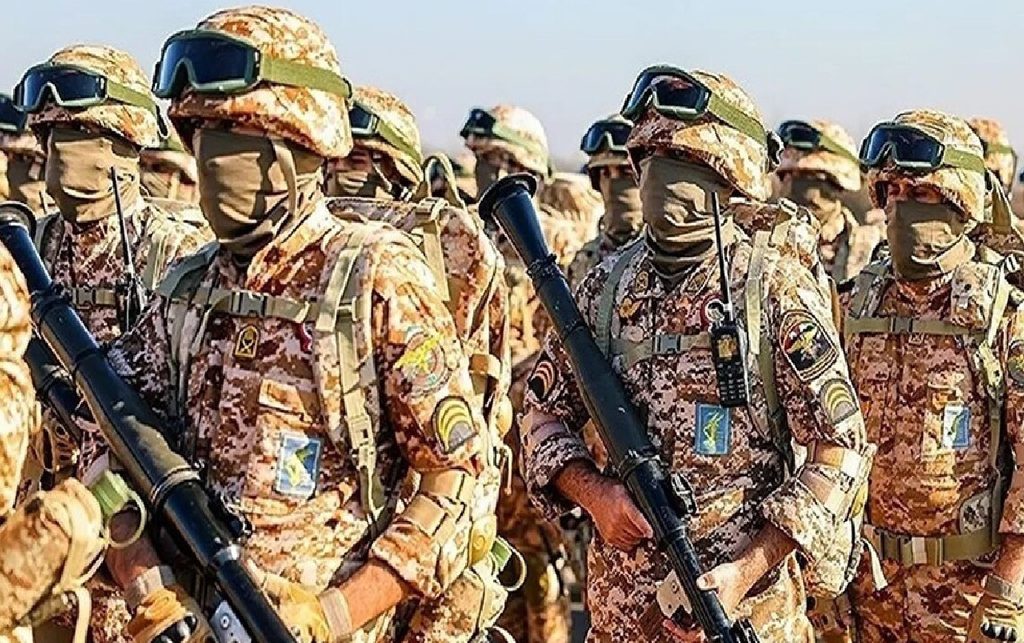
Iran’s GDP is projected to contract by 5.4 to 6.1% in 2026, its worst performance
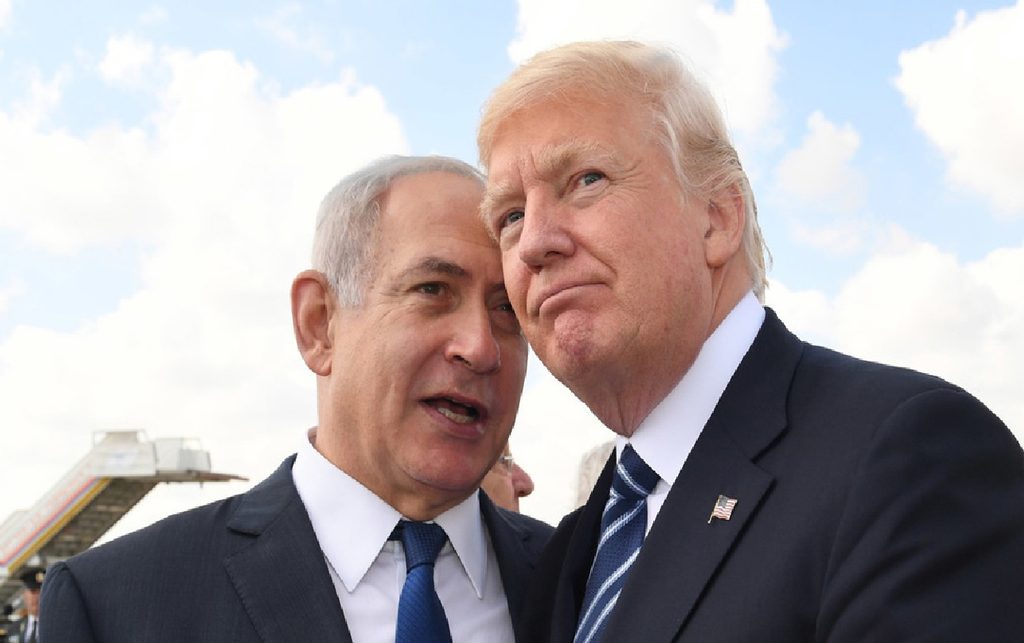
The Trump administration is preparing a $2.8 billion weapons package for Israel containing 40,000 2,000-pound
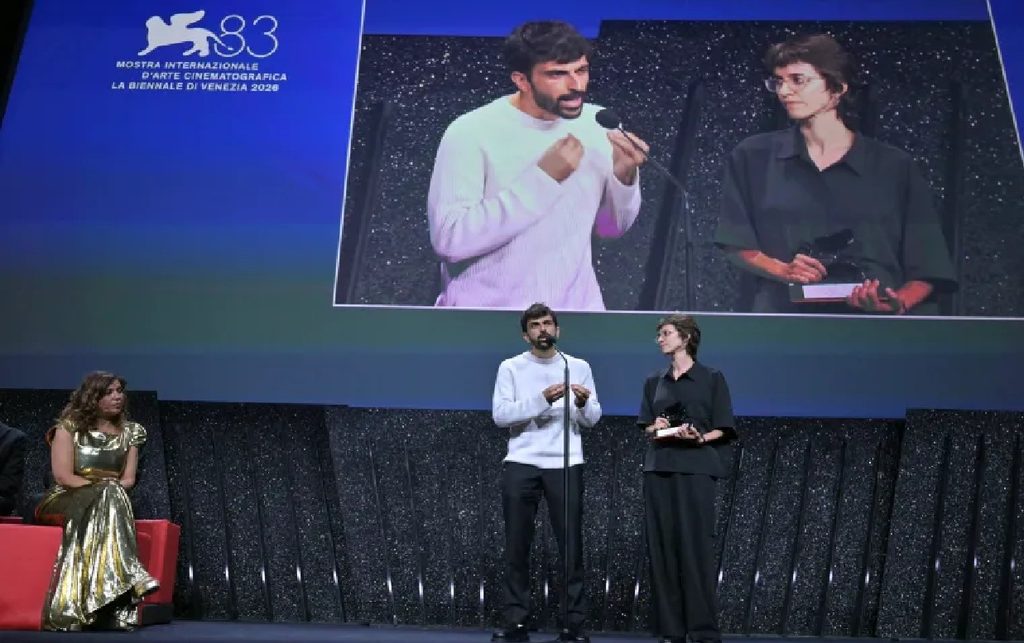
Film alleges mass civilian deaths are routinely built into military decisions amid Israel’s genocidal war
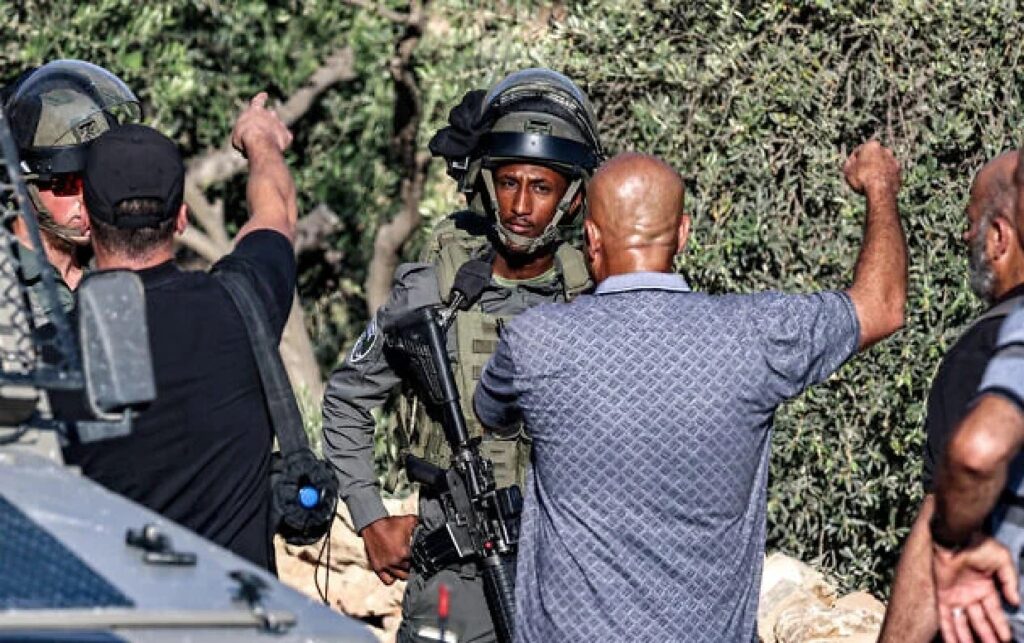
The Israeli rights group says violence, displacement, economic strangulation, and settlement expansion form part of

Houthi forces have captured the historic Red Sea port of Mocha and are advancing on
London’s historic sanctions against Israeli settlements mark a watershed moment in UK foreign policy, but
With 95% of Gaza’s population now wholly dependent on aid and more than 90% stripped
India calls for Kashmir and Ladakh to appear only on its official map after a
ISLAMABAD – In the high-stakes political theatre of Pakistan, the battleground has shifted from the