Kamran Faqir is a volunteer investigative journalist and writer committed to exposing hidden truths and amplifying underreported stories. Driven by social justice, he brings sharp insight and fearless truth-telling to independent journalism. NUJ registered.
Original Article Date Published:
Article Date Modified:
9 minutes
Views:327
Listen to this article
Help support our mission, donate today and be the change. Every contribution goes directly toward driving real impact for the cause we believe in.
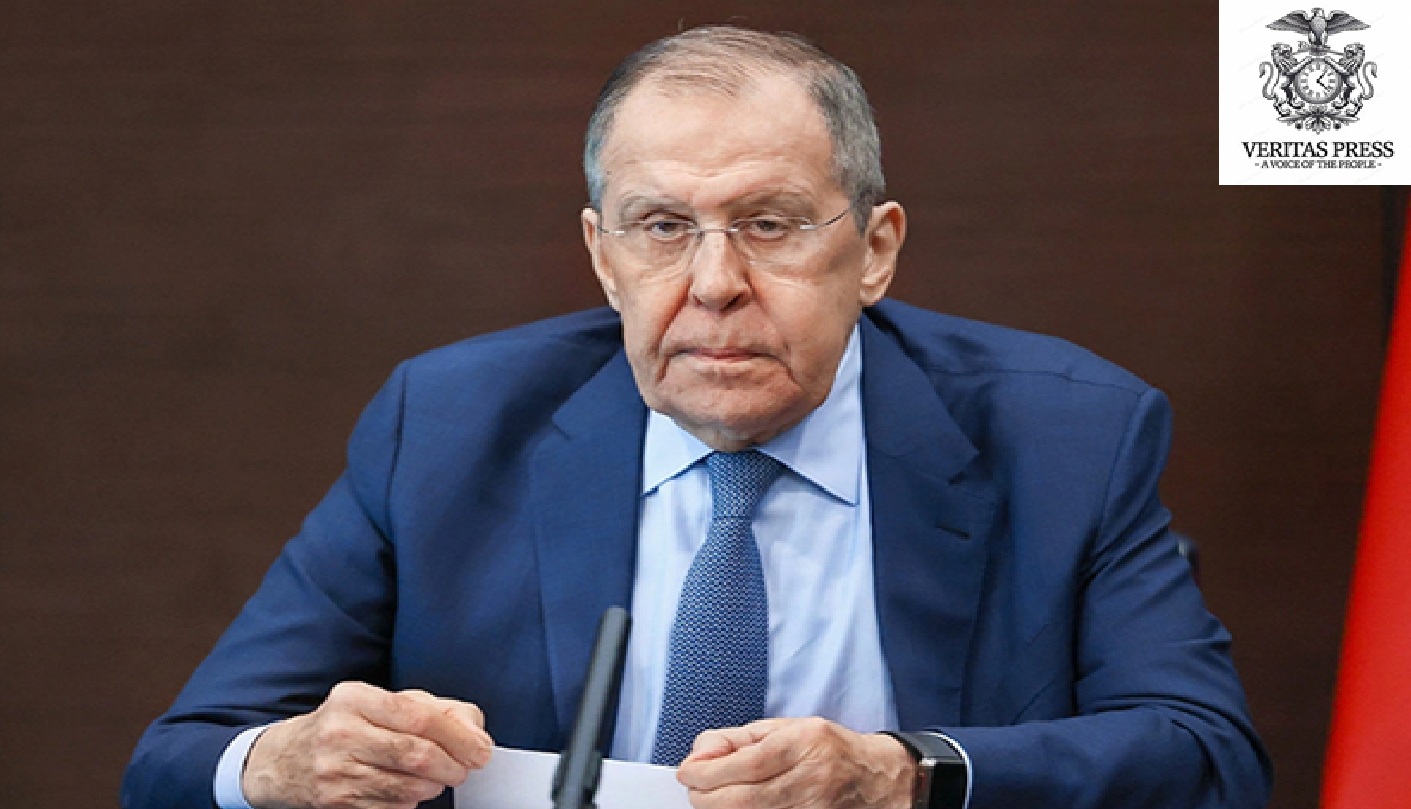
MOSCOW – Russian Foreign Minister Sergey Lavrov has once again placed Moscow at the centre of a rapidly escalating geopolitical confrontation, forcefully defending Iran’s “inalienable right” to uranium enrichment while positioning Russia as both guarantor and broker in a deepening nuclear and regional crisis.
Speaking in Beijing following high-level talks with Xi Jinping, Lavrov’s remarks were not merely diplomatic rhetoric; they signalled a coordinated Russia-China alignment on Iran, a direct challenge to US-led efforts to impose “zero enrichment,” and a broader reconfiguration of global power structures amid intensifying conflict across West Asia.
What emerges is not simply a dispute over nuclear policy, but a layered geopolitical confrontation, where law, war, energy, and global power are increasingly intertwined.
A Legal Right Or A Political Red Line?
At the heart of Lavrov’s doctrine lies a contested interpretation of the Nuclear Non-Proliferation Treaty (NPT). Iran, as a signatory, maintains that it is entitled to develop nuclear energy for peaceful purposes, an interpretation Russia now emphatically defends as universal.
Lavrov stated:
“The right to enrich uranium for civilian purposes is an inalienable right of the Islamic Republic of Iran.”
This framing shifts the debate away from technical concerns over enrichment levels toward a broader question of sovereignty and legal equality.
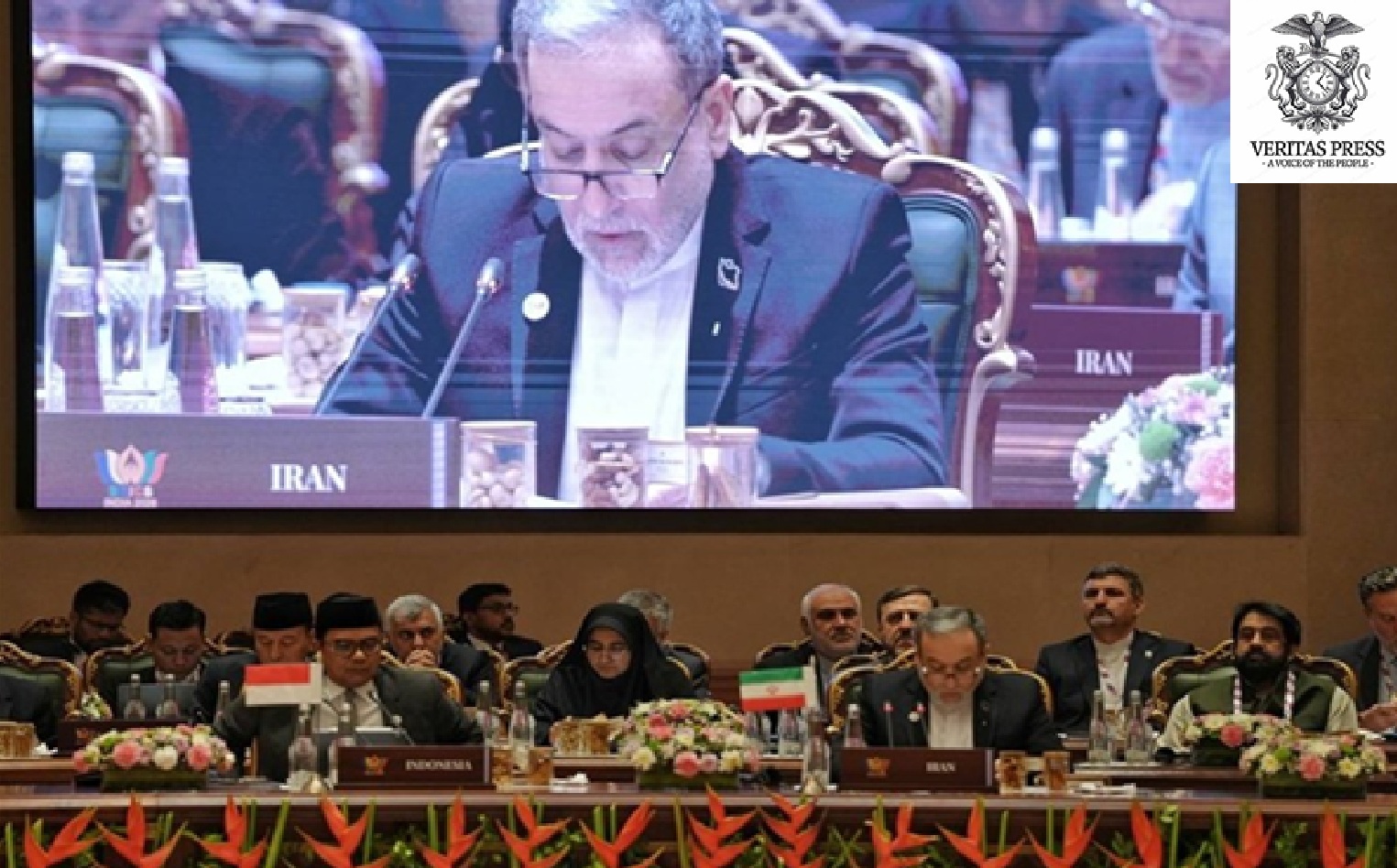
Iranian Foreign Minister Abbas Araghchi reinforced this position in Moscow, insisting Tehran “will not forgo its rights,” casting the dispute as resistance to Western coercion rather than a matter of compliance.
Yet this legal framing remains deeply contested. Western powers, particularly under Donald Trump, continue to demand “zero enrichment,” transforming what was once a negotiable technical issue into a rigid political red line.
The Collapse Of Trust And The JCPOA Legacy:
Lavrov’s intervention repeatedly returns to the obliteration of the Joint Comprehensive Plan of Action (JCPOA), which Moscow portrays as a functioning diplomatic framework dismantled by Washington.
Under the agreement, strict monitoring by the International Atomic Energy Agency ensured oversight of Iran’s nuclear activities. Lavrov emphasised that:
The JCPOA contained “everything necessary” to prevent weaponisation
The IAEA found no evidence of diversion toward military objectives
Its collapse followed the unilateral US withdrawal in 2019
“The United States destroyed this program… a sad fact of modern world history,” Lavrov said.
For Tehran, this collapse is not historical; it is foundational. Iranian officials argue that any future agreement must address what they see as a fundamental asymmetry: Western powers can abandon commitments, while Iran is expected to remain bound.
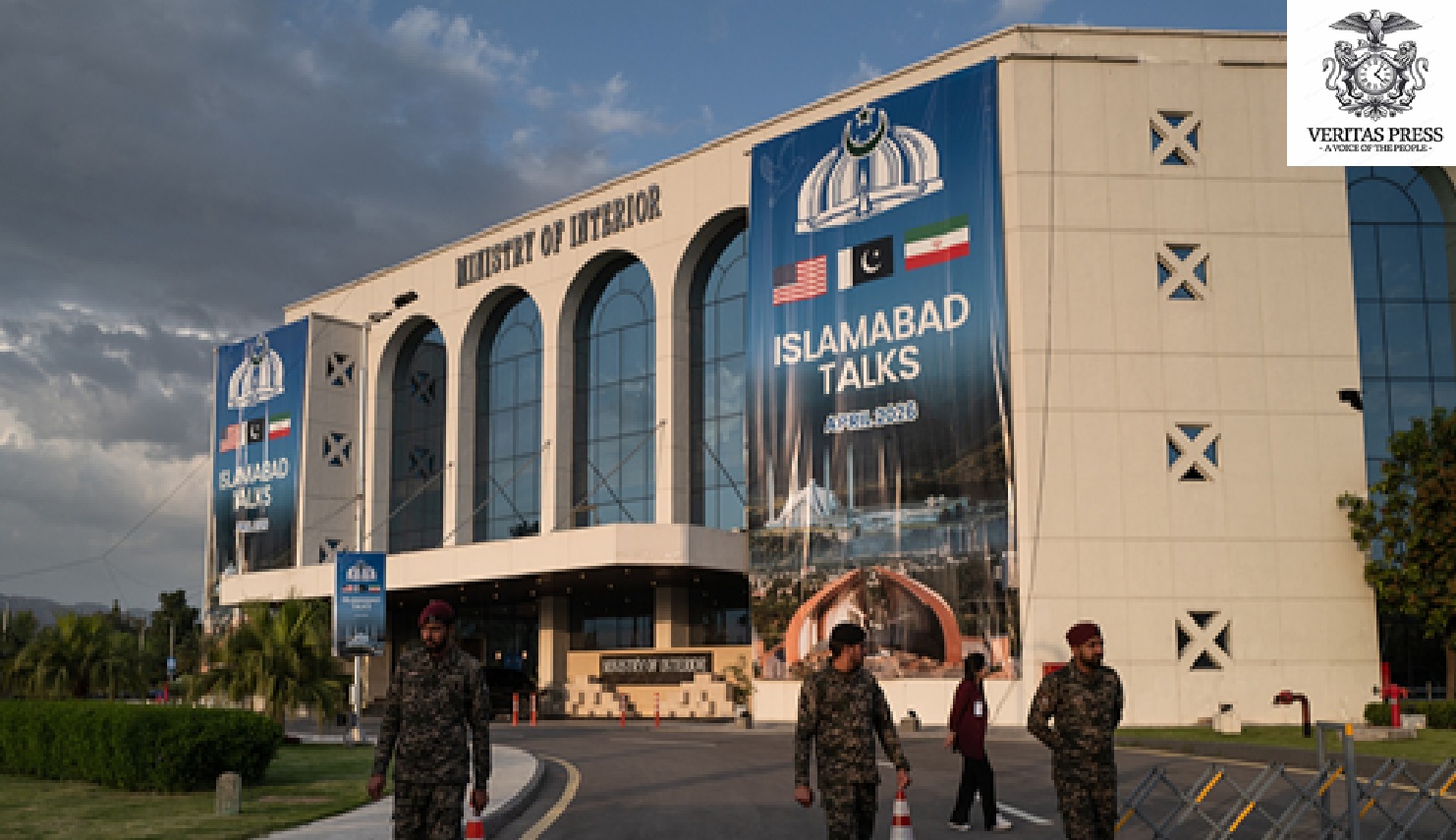
This distrust shaped the latest failed negotiations in Islamabad, where Iranian negotiators rejected proposals perceived as one-sided, citing a “lack of trust” in US guarantees.
Russia’s Return As Nuclear Broker, Or Strategic Actor?
Lavrov’s proposal that Russia could once again manage Iran’s enriched uranium, through reprocessing or storage, revives mechanisms used under the JCPOA. Kremlin spokesperson Dmitry Peskov confirmed that such an offer remains “on the table.”
On the surface, this appears to be a technical confidence-building measure. But beneath it lies a deeper strategic calculation.
Russia is positioning itself simultaneously as:
A mediator in nuclear negotiations
A guarantor of compliance
A geopolitical counterweight to US dominance
Unlike 2015, however, Moscow now operates within an openly adversarial global framework, aligned closely with China, sanctioned by the West, and actively contesting the US-led order.
This raises a critical question: is Russia facilitating diplomacy, or restructuring it on new geopolitical terms?
War, Retaliation, And The Militarisation Of Diplomacy:
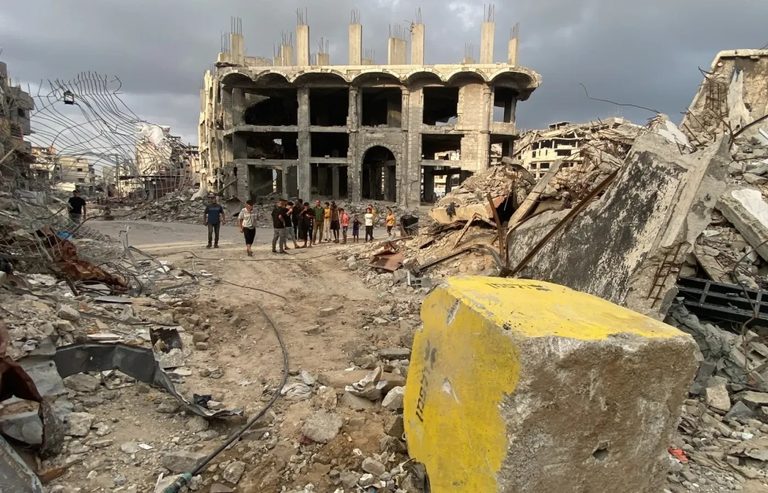
Lavrov’s remarks cannot be separated from the wider war that has engulfed the region.
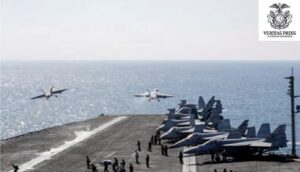
Following what Iran describes as a large-scale US-Israeli campaign, including assassinations of senior leadership figures such as Ali Khamenei, Tehran launched more than 40 days of retaliatory missile and drone strikes against US and Israeli assets.
A fragile ceasefire brokered on April 8 has failed to resolve underlying tensions.
Recent developments underscore the escalation:
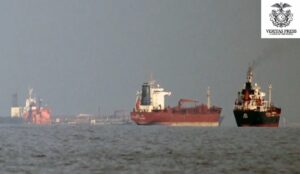
The US has imposed a naval blockade around the Strait of Hormuz
Iran has threatened to disrupt global shipping routes
Negotiations in Islamabad collapsed after 21 hours without an agreement
Lavrov described the situation as a “crisis knot,” arguing that Iranian actions are reactive:
“Iran would not have taken certain steps… if not for Washington and Israel’s aggression.”
This framing is increasingly echoed by analysts across the Global South, who view the crisis less as nuclear defiance and more as a cycle of provocation and retaliation.
Arab States And The Politics Beneath Public Alignments:
In a striking assertion, Lavrov claimed that Gulf Arab states privately acknowledge that Iran’s escalation is a response to external pressure rather than inherent expansionism.
“They cannot object to the thesis,” he said, referencing ongoing discussions with regional counterparts.
This suggests a widening gap between public alliances and private assessments. While Gulf states remain formally aligned with US security structures, they face mounting concerns over:
The risk of a wider regional war
Economic fallout from disrupted energy flows
The unpredictability of US policy
Energy analysts warn that even limited disruption in the Strait of Hormuz could trigger global price shocks, amplifying economic instability far beyond the region.
The China-Russia-Iran Axis And The Multipolar Turn:
Lavrov’s visit to Beijing underscores a broader strategic alignment. Alongside Xi Jinping, he reaffirmed joint support for negotiations, but only those grounded in “legitimate rights” and international law.
This alignment reflects a growing bloc that:
Opposes unilateral sanctions
Advocates of multipolar governance
Challenges to Western dominance in global institutions
Araghchi framed the stakes starkly:
“Reliance on force instead of law could push the world toward a law of the jungle.”
Beyond nuclear diplomacy, the Iran-Russia partnership is deepening:
A 2025 strategic agreement has expanded defence and economic ties
Bilateral trade has increased significantly
Infrastructure projects such as the North-South transport corridor are advancing
This is not merely cooperation; it is the consolidation of an alternative geopolitical architecture.
Sanctions, Sovereignty, And Competing Narratives Of Law:
For Iran, the nuclear dispute is inseparable from sanctions and sovereignty.
Officials argue that:
Western sanctions are politically motivated and legally questionable
Europe failed to uphold its JCPOA commitments
Current demands amount to coercion rather than negotiation
Lavrov echoed these criticisms, accusing European powers of selective enforcement, demanding compliance while failing to challenge US withdrawal from prior agreements.
At stake is not only Iran’s nuclear program, but the credibility of international law itself.
Voices From The Ground: The Human Cost Of Geopolitics.
Amid strategic calculations, the consequences for ordinary people are profound.
Across Iran and the wider region:
Inflation and economic hardship are intensifying under sanctions
The threat of renewed war looms over civilian populations
Humanitarian organisations warn of cascading regional crises
Activists argue that the nuclear dispute has become detached from its human impact.
A Tehran-based analyst, quoted in regional media, captured the broader sentiment:
“This is no longer just about uranium. It’s about whether international law applies equally, or only to some.”
A System Under Strain:
Lavrov’s intervention ultimately exposes a deeper structural breakdown.
The institutions that once governed nuclear diplomacy, the NPT, the IAEA, and multilateral agreements, are no longer operating within a shared framework of trust.
Instead:
Legal interpretations are fragmented
Agreements are increasingly fragile
Military pressure is replacing sustained diplomacy
The core divide remains unresolved:
The US insists on zero enrichment
Iran asserts non-negotiable rights
Russia and China support that position
Conclusion: A Fault Line In The Global Order.
The Iran nuclear issue is no longer a contained dispute; it is a fault line in a rapidly transforming world order.
Lavrov’s doctrine reflects a broader shift:
From unipolar enforcement to contested legality
From negotiated compromise to hardened red lines
From diplomatic frameworks to geopolitical blocs
Russia’s offer to mediate may provide a technical pathway forward. But without trust, even the most sophisticated arrangements risk collapse.
As tensions mount and negotiations stall, the trajectory is increasingly clear: the future of Iran’s nuclear program will not be decided solely in negotiation rooms, but in the shifting balance of global power, where law, force, and influence collide.
Source: Multiple News Agencies
Submissions:
For The Secure Submission Of Documentation, Testimonies, Or Exclusive Investigative Reports From Any Global Location, Please Utilise The Following Contact Details For Our Investigations Desk: enquiries@veritaspress.co.uk or editor@veritaspress.co.uk
Help Support Our Work:
Popular Information is powered by readers who believe that truth still matters. When just a few more people step up to support this work, it means more lies exposed, more corruption uncovered, and more accountability where it’s long overdue.
Help Protect Independent Journalism, Which Is Currently Under Attack.
If you believe journalism should serve the public, not the powerful, and you’re in a position to help, becoming a DONATOR or a PAID SUBSCRIBER truly makes a difference.
DONATION APPEAL: If You Found This Reporting Valuable, Please Consider Supporting Independent Journalism.
Help Support Our Work – We Know, We Know, We Know …
Seeing these messages is annoying. We know that. (Imagine what it’s like writing them … )
Your support fuels our fearless, truth-driven journalism. In unity, we endeavour to amplify marginalised voices and champion justice, irrespective of geographical location.
But it’s also extremely important. One of Veritas Press’s greatest assets is its reader-funded model.
1. Reader funding means we can cover what we like. We’re not beholden to the political whims of a billionaire owner. We are a small, independent and impartial organisation. No one can tell us what not to say or what not to report.
2. Reader funding means we don’t have to chase clicks and traffic. We’re not desperately seeking your attention for its own sake: we pursue the stories that our editorial team deems important and believe are worthy of your time.
3. Reader Funding: enables us to keep our website and other social media channels open, allowing as many people as possible to access quality journalism from around the world, particularly those in places where the free press is under threat.
We know not everyone can afford to pay for news, but if you’ve been meaning to support us, now’s the time.
Your donation goes a long way. It helps us:
Keep the lights on and sustain our day-to-day operations
Hire new, talented independent reporters
Launch real-time live debates, community-focused shows, and on-the-ground reporting
Cover the issues that matter most to our communities, in real time, with depth and integrity
We have plans to expand our work, but we can’t do it without your support. Every contribution, no matter the size, helps us stay independent and build a truly people-powered media platform.
If you believe in journalism that informs, empowers, and reflects the communities we serve, please donate today.
Kamran Faqir is a volunteer investigative journalist and writer committed to exposing hidden truths and amplifying underreported stories. Driven by social justice, he brings sharp insight and fearless truth-telling to independent journalism. NUJ registered.
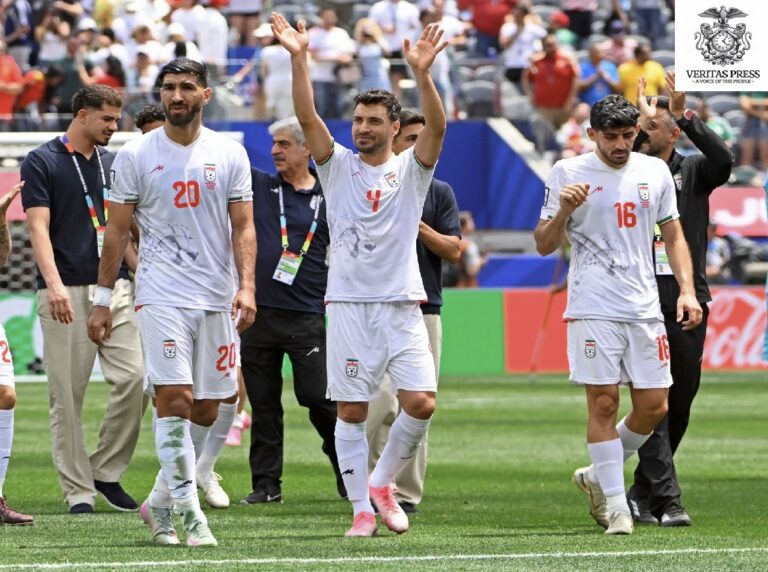
SEATTLE, TEHRAN — The U.S. Department of Homeland Security (DHS) will allow Iran’s national football team to enter the country 48 hours before their critical World Cup match against Egypt on Friday, a modest concession in a tournament where Team Melli’s travel conditions have sparked claims of oppression and competitive disadvantage.