Kamran Faqir is a volunteer investigative journalist and writer committed to exposing hidden truths and amplifying underreported stories. Driven by social justice, he brings sharp insight and fearless truth-telling to independent journalism. NUJ registered.
Original Article Date Published:
Article Date Modified:
13 minutes
Views:283
Listen to this article
Help support our mission, donate today and be the change. Every contribution goes directly toward driving real impact for the cause we believe in.
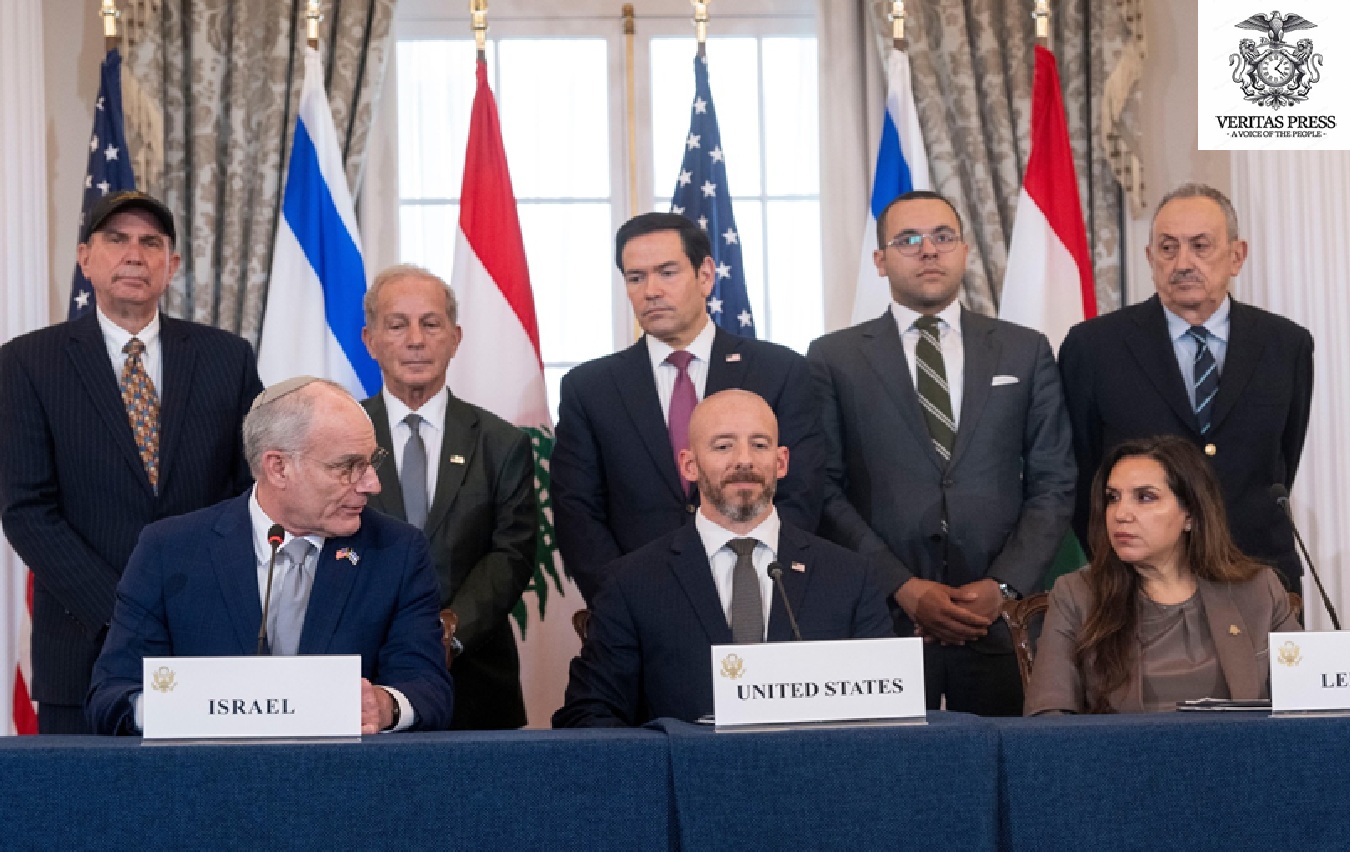
BEIRUT/ISLAMABAD — The ink had barely dried on a historic, last-minute ceasefire agreement between the United States and Iran when the skies over Beirut filled with the thunder of Israeli warplanes. In a devastating display of military force, Israel launched its heaviest and most coordinated assault on Lebanon since the conflict began, transforming a fragile diplomatic breakthrough into a smoking ruin of humanitarian catastrophe and geopolitical betrayal. The timing of the attack, mere hours after the ceasefire’s announcement, was no accident; it was a deliberately calculated move that laid bare the deep fractures and dangerous ambiguities at the heart of a peace process that was, in reality, never meant to be comprehensive.
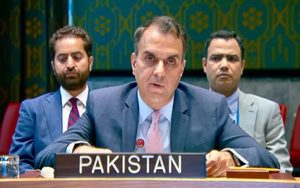
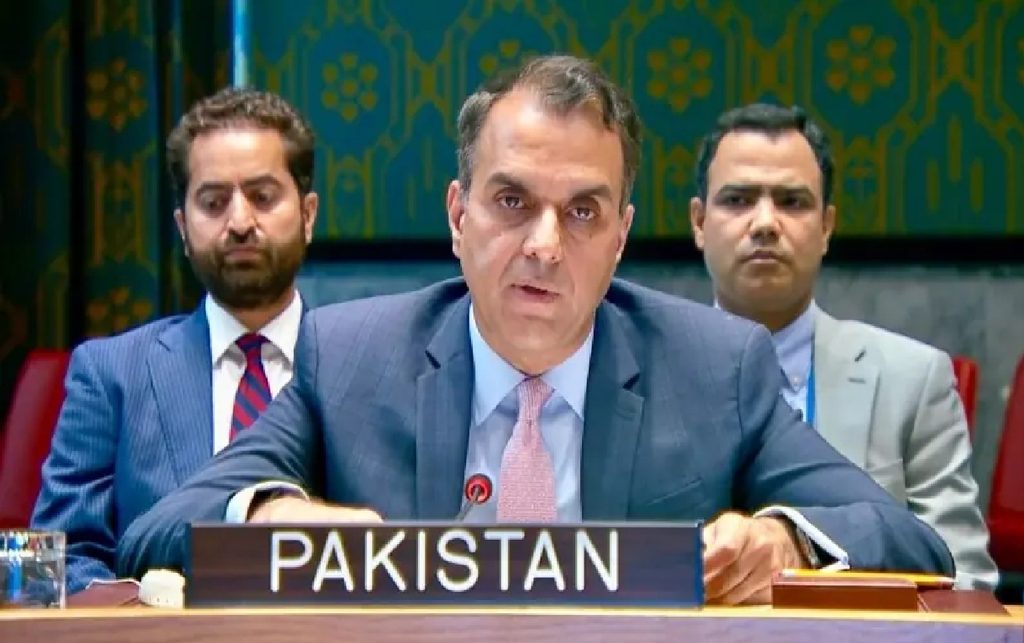
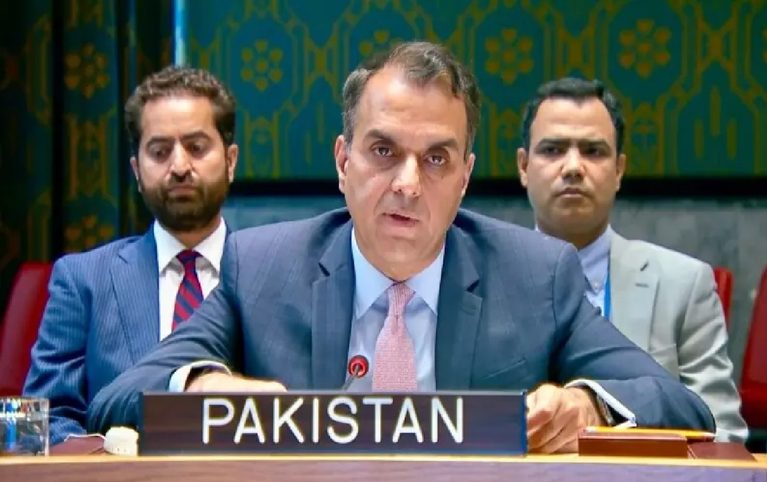
At the centre of this diplomatic maelstrom is Pakistan, a nation that has found itself cast in the unlikely, and highly contested, role of a regional peace broker. Islamabad’s strong condemnation of Israel’s “aggression” has been as swift as it has been predictable, yet it is the story behind the ceasefire itself, and Pakistan’s part in it, that demands a deeper, more critical investigation.
The “Messenger” And The “Peacemaker”
On Tuesday, as the clock ticked down on US President Donald Trump’s apocalyptic ultimatum to “obliterate” Iran’s civilisation, the world breathed a sigh of relief. A two-week ceasefire was announced, framed as a triumph of Pakistani diplomacy, with Prime Minister Shehbaz Sharif declaring an “immediate ceasefire everywhere, including Lebanon”. However, a narrative has quickly emerged that paints a far less flattering picture of Pakistan’s role.
A crucial declaration by Pakistan’s Prime Minister, Shehbaz Sharif, whose administration facilitated the ceasefire agreement, is at the core of this apparent inconsistency. In announcing the deal, Sharif made it clear that the ceasefire was intended to halt all hostilities “everywhere, including Lebanon and other regions, effective immediately.” That framing directly challenges subsequent claims by Washington and Tel Aviv that Lebanon was never part of the arrangement.
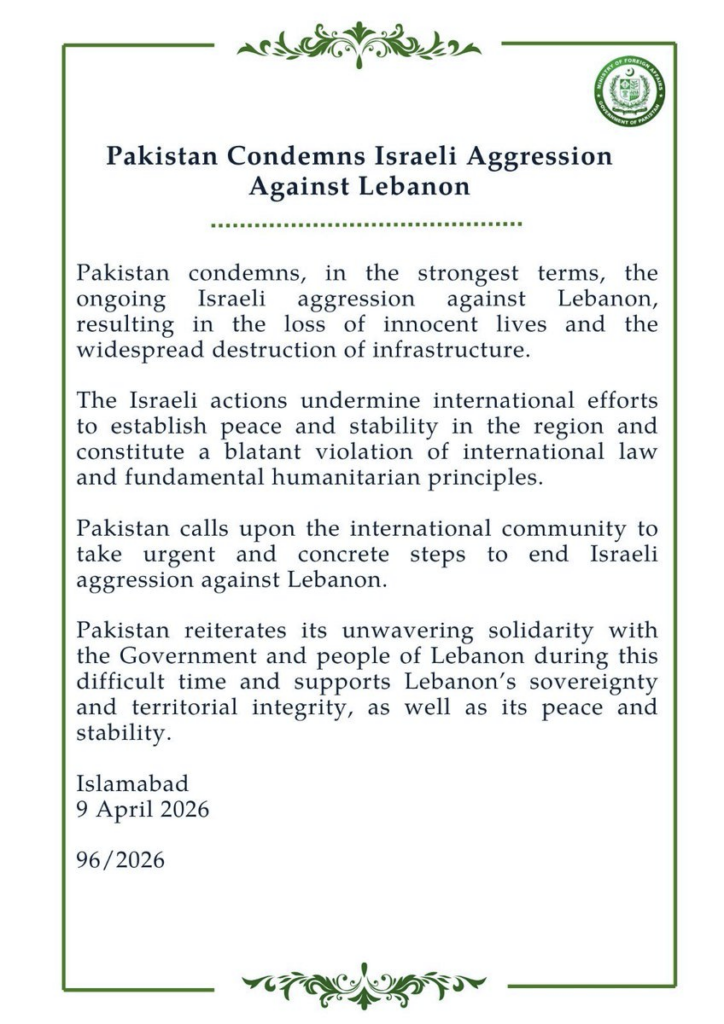
Ministry of Foreign Affairs – Pakistan @ForeignOfficePk 🔊PR No.9️⃣6️⃣/2️⃣0️⃣2️⃣6️⃣
Pakistan Condemns Israeli Aggression Against Lebanon
Investigative reports, most notably from the Financial Times, suggest that Pakistan was less a neutral mediator and more a convenient “messenger” for the White House. According to sources familiar with the talks, the US, worried about surging oil prices and surprised by a resilient Iranian regime, leaned heavily on Islamabad to present Washington’s proposal to Tehran. The strategic calculus was simple: Iran would be “more likely to accept the US-backed offer if it was delivered by a Muslim-majority neighbour state”. The fact that the proposal was a US-drafted initiative, not an original Pakistani peace plan, fundamentally undermines the official narrative of Islamabad as an impartial broker. Prime Minister Sharif’s own haste to claim credit spectacularly backfired when a social media post was published with the embarrassing subject line: "draft, Pakistan's PM message on X", a gaffe that exposed the limited control and pre-packaged nature of his “initiative.” While Sharif played the public role, it was reportedly Army Chief Field Marshal Asim Munir who held the crucial back-channel discussions with US officials, including Trump, Vice President J.D. Vance, and envoy Steve Witkoff.
A Ceasefire With A Fatal Loophole:
The catastrophic flaw in the ceasefire was exposed almost immediately. While Pakistan and Iran insisted the truce was comprehensive and included Lebanon, both the United States and Israel emphatically declared it did not. “Lebanon is not part of the ceasefire,” White House Press Secretary Karoline Leavitt stated bluntly, a message that was “relayed to all parties involved”. Israeli Prime Minister Benjamin Netanyahu’s office was equally clear, saying the two-week truce “does not include Lebanon”. The disconnect was deliberate. As Israeli Foreign Minister Gideon Sa’ar stated, “Lebanon is not Iranian territory”.
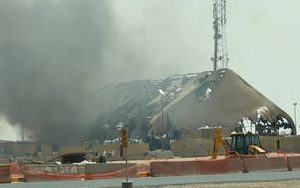
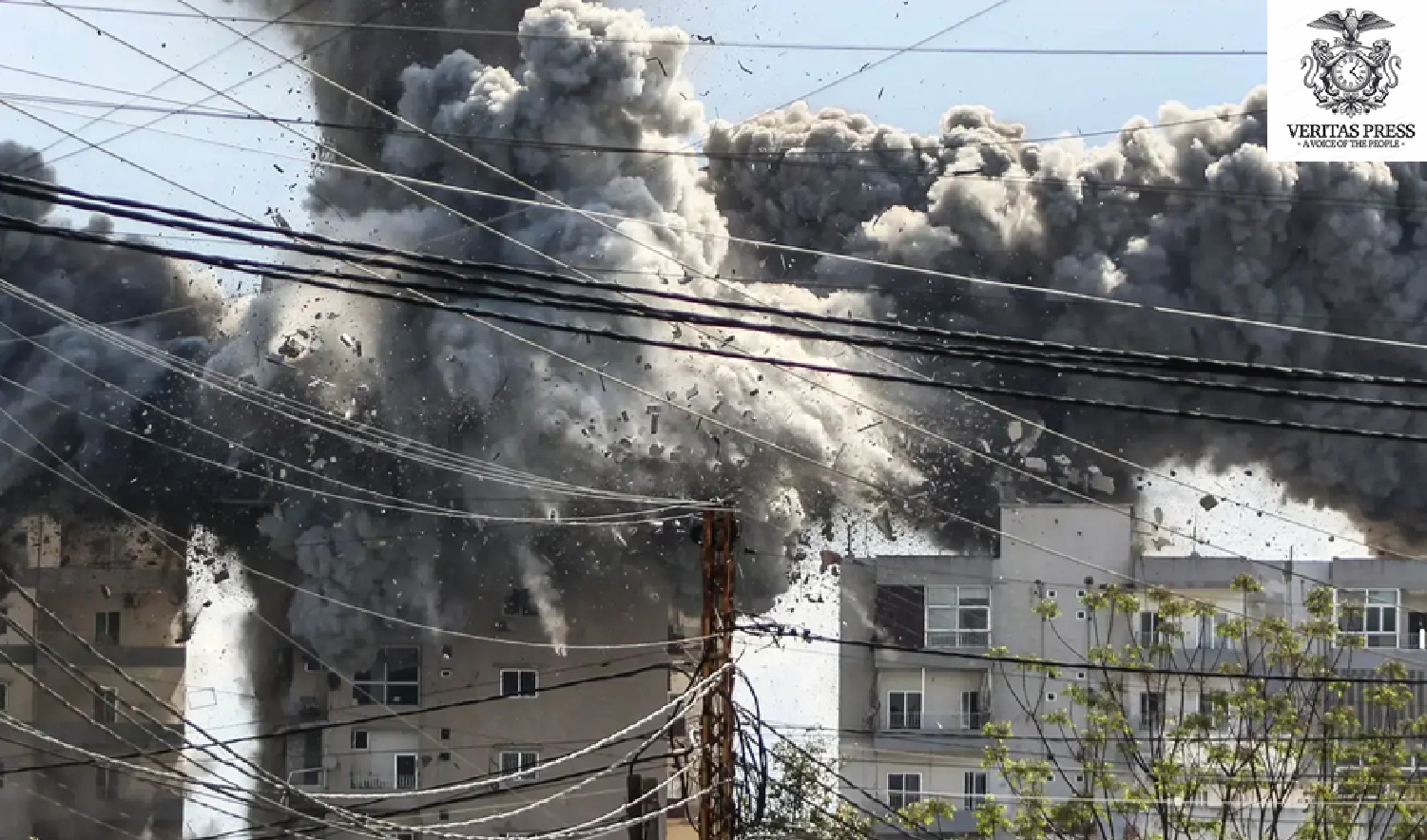
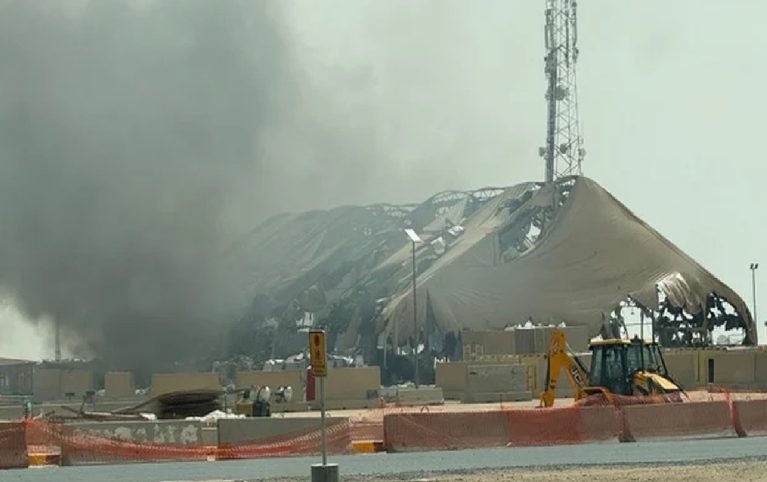
This semantic, and deadly, dispute gave Israel the green light to continue what it described as a “separate skirmish” against Hezbollah, the Iran-backed militant group operating along its northern border. The result was the pre-dawn assault on Wednesday. In a stunning display of firepower, the Israeli military struck over 100 sites “within 10 minutes” across Beirut, the Bekaa Valley, and southern Lebanon, in what it called the “largest coordinated strike” since the conflict’s start. The bombs fell as Hezbollah, according to sources close to the group, had paused its own attacks, believing the ceasefire to be inclusive.
“A National Day Of Mourning” And A City In Ruins:
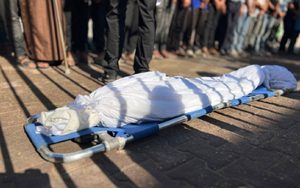
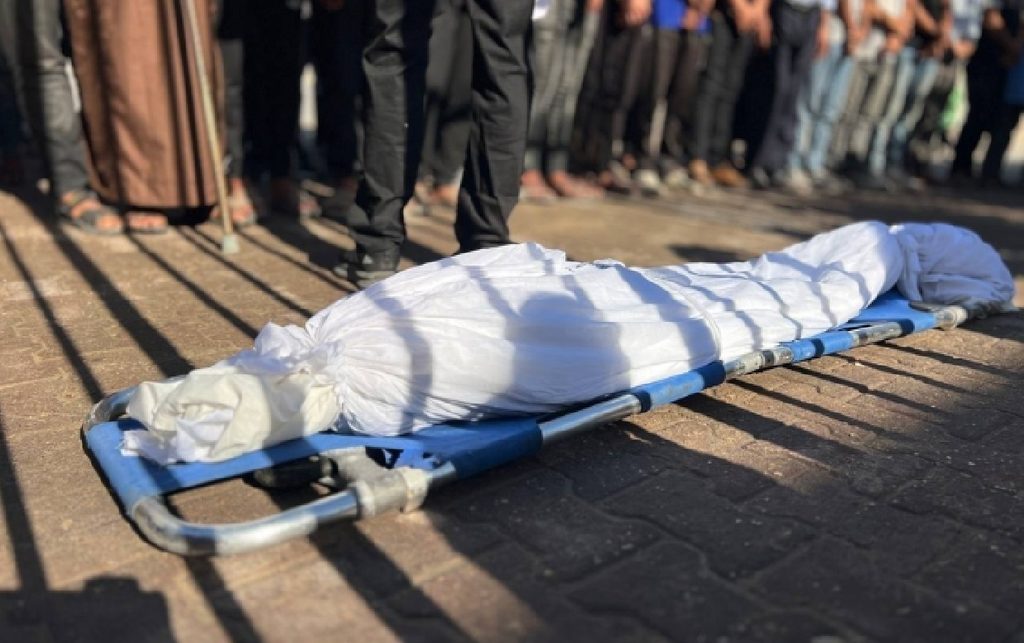
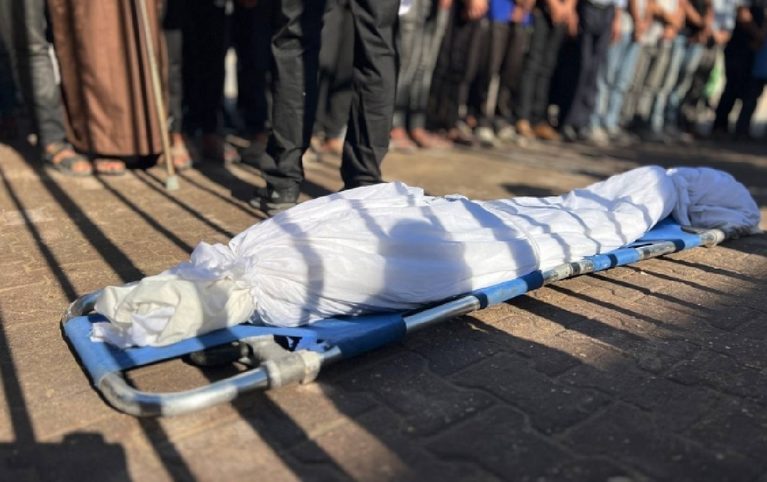
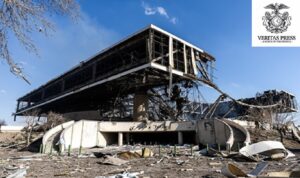
The human cost is staggering and continues to rise. Lebanese Civil Defence authorities reported that the strikes killed at least 254 people and wounded over 1,165 others. In the densely populated neighbourhoods of Beirut, rescuers scrambled through the rubble, pulling the dead and wounded from collapsed buildings. Lebanese Prime Minister Nawaf Salam declared Thursday a “national day of mourning for the martyrs and wounded of the Israeli attacks that targeted hundreds of innocent, defenceless civilians”. Flags flew at half-mast as the nation reeled from its bloodiest day since the war’s outbreak.
Local journalist Rami Khouri, reporting from a devastated street in central Beirut, told DawnNews: “This is not a ‘skirmish.’ This is a massacre of an entire neighbourhood. The international community watches and issues statements while we dig bodies out of the concrete. The ceasefire was a lie told to us while the bombs were being loaded.”
The scenes were apocalyptic. Reuters reporters described people on motorcycles ferrying the wounded to overwhelmed hospitals. The head of Lebanon’s doctor syndicate issued an urgent plea for all physicians to report to work, and major hospitals made desperate appeals for blood donations. “Tonight I’m not going to sleep because I’m going to be afraid that it’s happening again,” said Naim Chebbo, a 51-year-old Beirut resident, as he swept shattered glass from his home. “I’m living a nightmare”. The United Nations condemned the “horrific” scale of civilian casualties, noting that an overnight strike near Hiram Hospital in Al-Aabbassiye reportedly killed four people and damaged the facility itself.
Hezbollah’s Response And The Collapsing Truce:
The ceasefire, already on life support, was further battered hours later. Hezbollah, which had initially shown restraint, claimed responsibility for firing rockets at the Israeli settlement of Manara. In a statement, the group said the attack was “in response to the enemy’s violation of the ceasefire agreement” and vowed its response would continue “until the US-Israeli aggression against our country and our people stops”. Air raid sirens wailed across northern Israel’s Galilee panhandle as the region was dragged back to the brink.
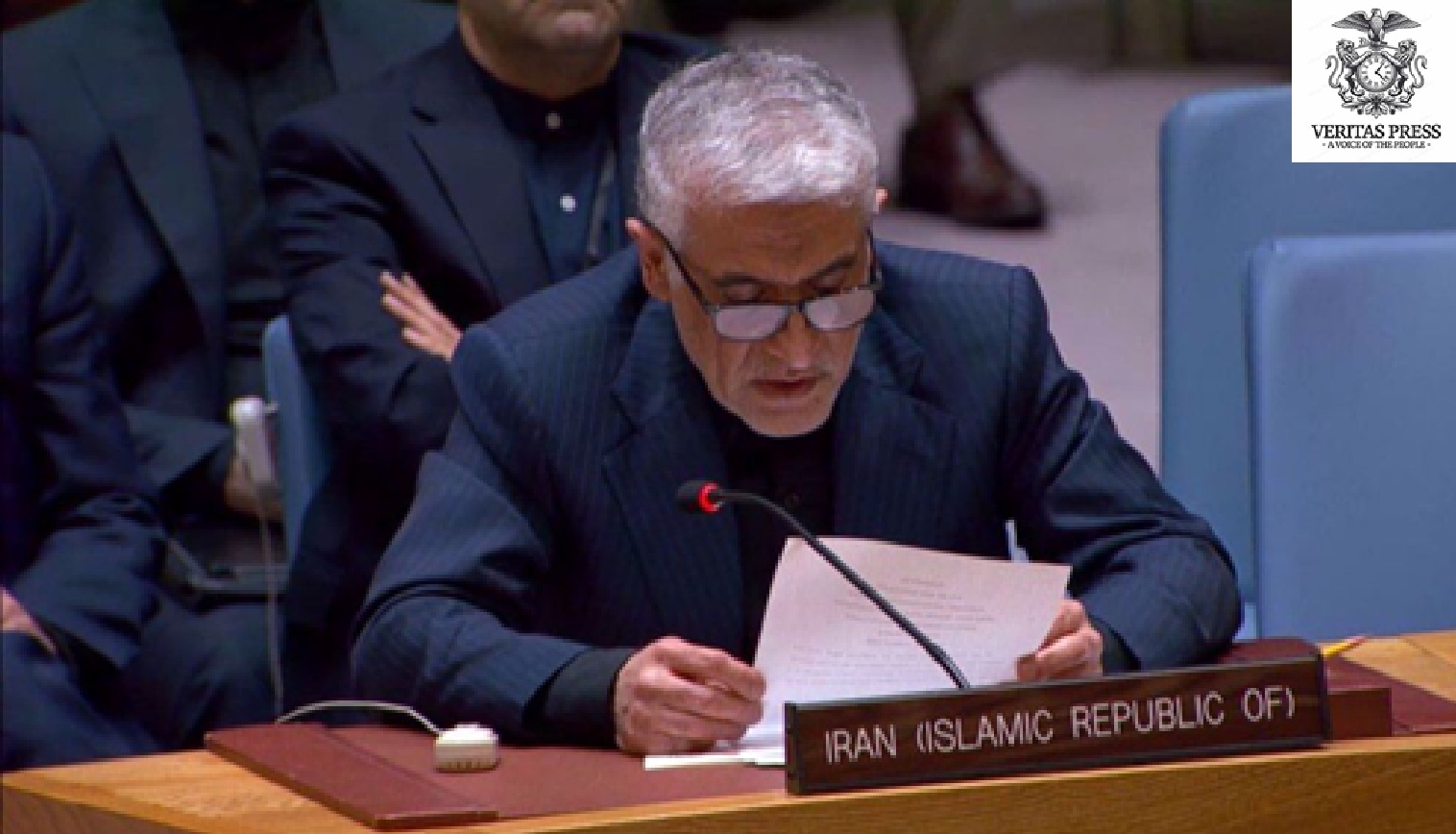
Iran, the linchpin of the fragile agreement, reacted with fury. The Islamic Revolutionary Guard Corps (IRGC) warned the US and Israel of a “regret-inducing response” if the attacks on Lebanon did not immediately cease. Adding to the pressure, Iran reportedly closed the strategic Strait of Hormuz again in protest, threatening to strangle global oil supplies. Iranian Foreign Minister Seyed Abbas Araghchi issued a stark ultimatum on social media: “The Iran-US ceasefire terms are clear and explicit: the US must choose – ceasefire or continued war via Israel. It cannot have both”. A senior Iranian source told the semi-official Tasnim News Agency that Tehran was prepared to “withdraw from the truce” if Israel persisted.
International Condemnation And The West’s Dilemma:
The international reaction was swift, but its effectiveness remains questionable. The United Nations “strongly condemns the strikes by Israel across Lebanon that resulted in significant civilian casualties,” said UN deputy spokesperson Farhan Haq. France’s President Emmanuel Macron condemned the “indiscriminate strikes” in the “strongest possible terms” and emphasised that “Lebanon must be fully covered” by the ceasefire.
European nations with troops in the UN Interim Force in Lebanon (UNIFIL) reacted with particular anger. Italy summoned the Israeli ambassador after Israeli forces fired warning shots at a convoy of Italian peacekeepers. “The continued Israeli attacks in Lebanon, which have already caused too many deaths and an unacceptable number of displaced people, must cease immediately,” said Italian Prime Minister Giorgia Meloni. Spain also summoned Israel’s envoy after a Spanish UNIFIL soldier was briefly arrested by the Israeli army. Yet, these diplomatic protests ring hollow in the face of continued US support. Vice President J.D. Vance, who is set to lead the US delegation for talks in Islamabad, dismissed the Lebanese situation as a “legitimate misunderstanding” but placed the onus squarely on Iran, saying it “would be dumb” for Tehran to let the negotiation fall apart “over Lebanon, which has nothing to do with them”.
A Deeper Critique: The Architects Of Disaster
The events of the past 48 hours are not a failure of diplomacy; they are the logical outcome of a diplomatic framework designed to fail. The US-Israel strategy appears to be one of strategic compartmentalisation: secure a truce on one front to de-escalate a direct confrontation with Iran, while simultaneously giving Israel free rein to continue its objective of dismantling Hezbollah on another. As Brigadier General Effie Defrin, an Israeli military spokesman, made clear, “Disarming Hezbollah is a top objective” for Israel. This dual-track policy, far from creating peace, has only created a more volatile and dangerous landscape. It has exposed Pakistan’s diplomatic ambitions as a mirage, revealed the hollowness of international condemnations, and, most tragically, given a license for mass slaughter in Lebanon.
The American activist group CODEPINK issued a statement saying, “This is the ugly face of US ‘diplomacy.’ It provides cover for Israel’s war crimes. The Trump warmongering consensus has reached its logical, bloody conclusion. The world is not fooled by a ceasefire that was designed with a kill switch for Lebanon.”
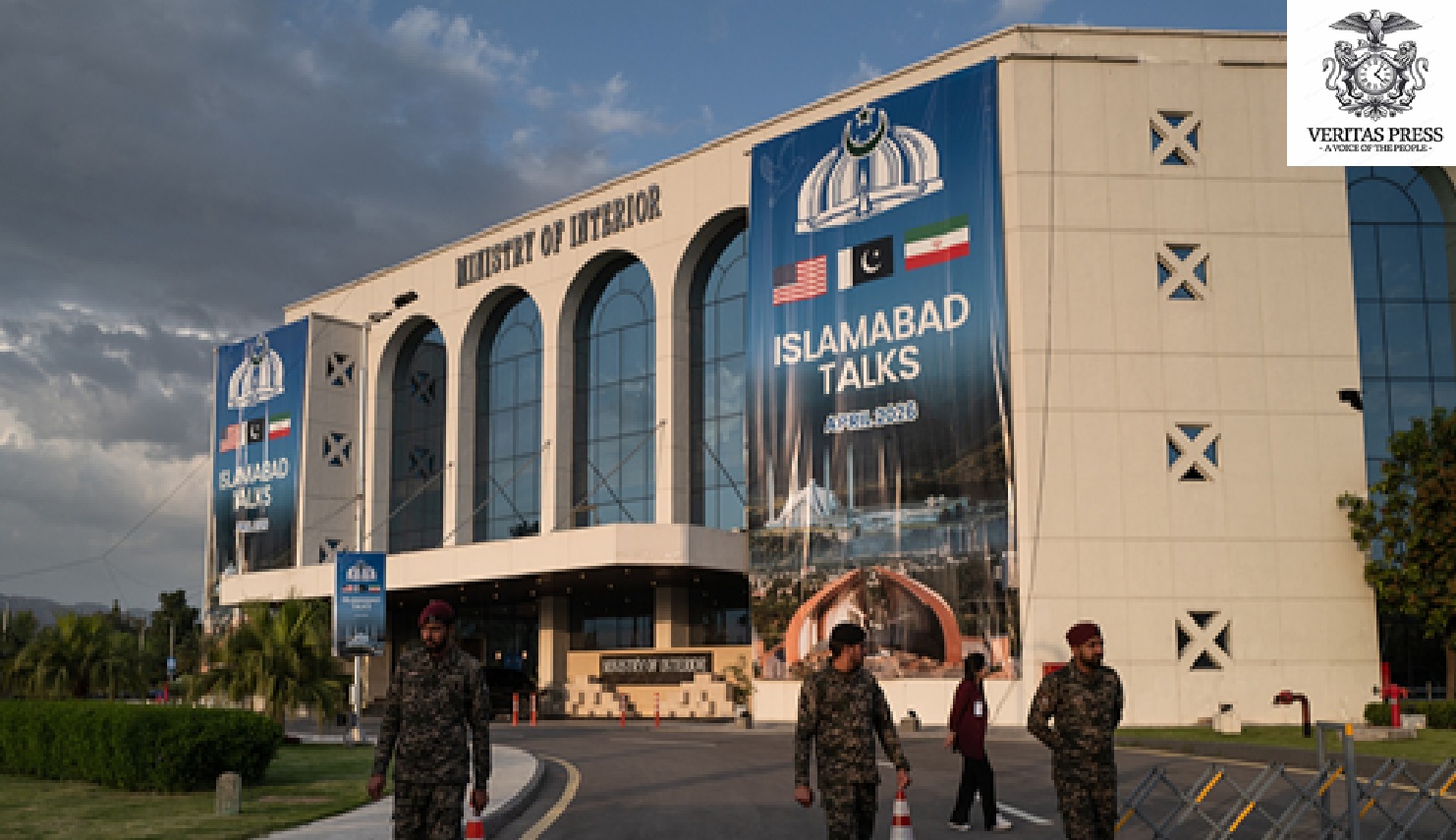
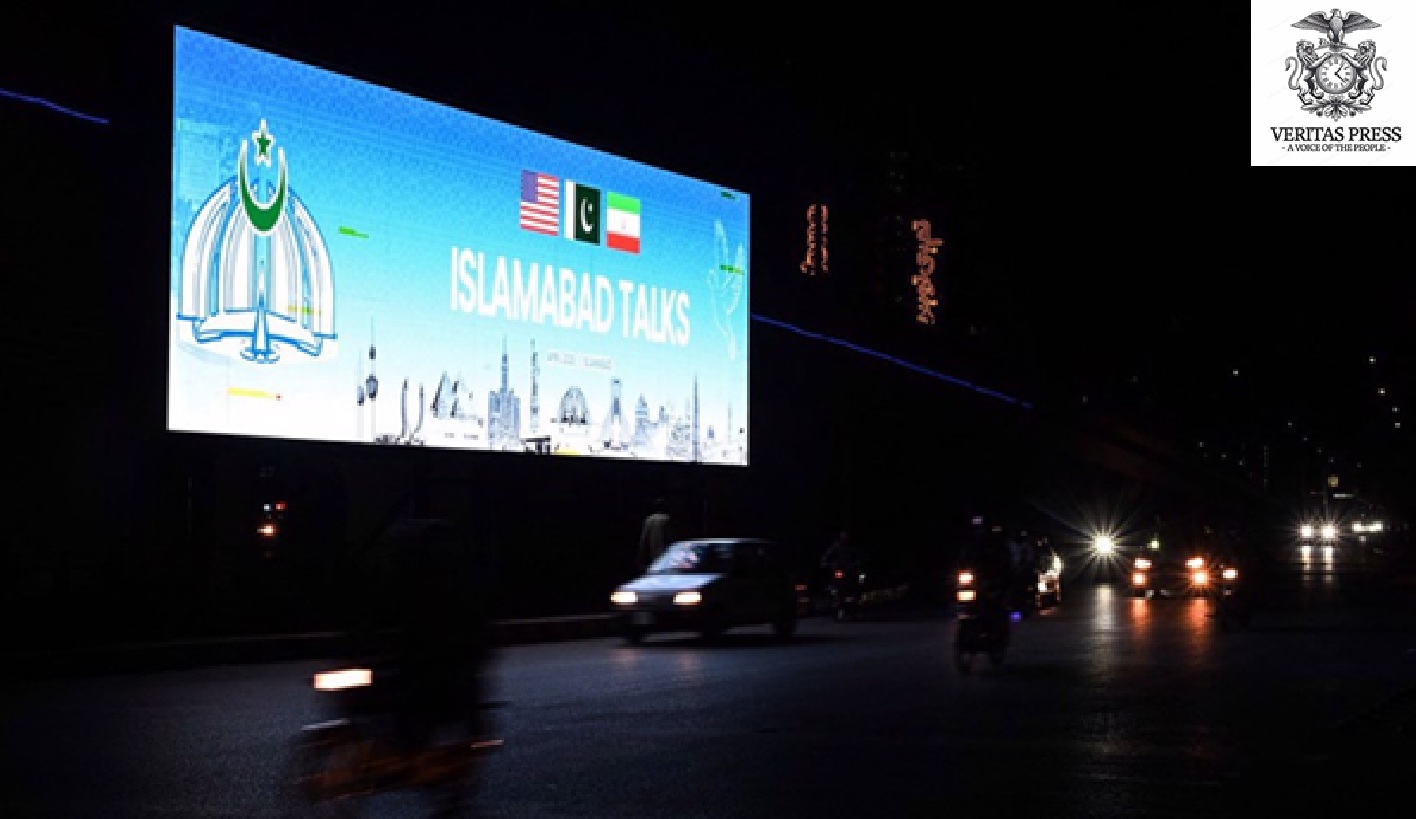
For the people of Lebanon, the “ceasefire” is a cruel joke. “We are told there is peace, but our children are being pulled from the rubble,” said a woman weeping over the body of her son at a Beirut hospital morgue. “Who will be held accountable for this lie?” The answer, for now, is lost in the smoke rising over a shattered city, and in the cynical calculations of powers who have once again prioritised geopolitical chess over human life. As the US and Iran prepare for talks in Islamabad this weekend, they will do so against the backdrop of a fresh graveyard in Beirut, a stark monument to the deadly consequences of a peace that never was.
A Trap Disguised As A Truce: The Cynical Architecture Of The “Pakistani” Agreement.
Buried beneath the rubble of Beirut and the diplomatic platitudes of Islamabad lies a far more sinister reality: the ceasefire that Pakistan so proudly claimed to have brokered was, by design, a strategic ruse manufactured in Washington and Jerusalem to ensnare Tehran in an impossible bind. Investigative scrutiny of the timeline and the explicit carve-outs for Lebanon reveals this was less a peace accord and more a geopolitical mousetrap. According to a regional intelligence source speaking on condition of anonymity, the US-Israel strategy hinged on a brutal, zero-sum logic: “Offer Iran a golden bridge out of direct war, something they desperately needed to avoid Trump’s civilisation-ending ultimatum, but lace that bridge with dynamite named Lebanon. Either Iran accepts the ceasefire and tacitly permits the dismemberment of Hezbollah, thereby signaling its own strategic impotence to its last remaining proxy army, or Iran protests, and the US-Israel axis paints Tehran as the spoiler of a peace it never truly intended to uphold.” By deliberately excluding Lebanon from the ceasefire’s fine print while publicly allowing Pakistani officials to boast of a “comprehensive” truce, the architects in the Pentagon and the Israeli Defense Ministry successfully weaponized ambiguity. They baited Iran into a false sense of diplomatic victory, only to expose the hollowness of that victory within hours with a storm of precision bombs. The result is a masterstroke of information warfare: the very act of Israel’s continued “aggression” in Lebanon is being reframed in Western diplomatic backrooms not as a violation of a truce, but as proof that the truce itself, and by extension, Iran’s influence, was weak and unenforceable from the start. The Pakistani leadership, whether wittingly complicit or naively deployed as a messenger for a poisoned chalice, has lent its moral and diplomatic credibility to a charade designed to legitimise the degradation of Hezbollah under the cover of a ceasefire that never applied to the people dying under it. In this cynical theatre, the collapse of peace was not an unfortunate consequence; it was the operational objective.
Source: Multiple News Agencies
Submissions:
For The Secure Submission Of Documentation, Testimonies, Or Exclusive Investigative Reports From Any Global Location, Please Utilise The Following Contact Details For Our Investigations Desk: enquiries@veritaspress.co.uk or editor@veritaspress.co.uk
Help Support Our Work:
Popular Information is powered by readers who believe that truth still matters. When just a few more people step up to support this work, it means more lies exposed, more corruption uncovered, and more accountability where it’s long overdue.
Help Protect Independent Journalism, Which Is Currently Under Attack.
If you believe journalism should serve the public, not the powerful, and you’re in a position to help, becoming a DONATOR or a PAID SUBSCRIBER truly makes a difference.
DONATION APPEAL: If You Found This Reporting Valuable, Please Consider Supporting Independent Journalism.
Help Support Our Work – We Know, We Know, We Know …
Seeing these messages is annoying. We know that. (Imagine what it’s like writing them … )
Your support fuels our fearless, truth-driven journalism. In unity, we endeavour to amplify marginalised voices and champion justice, irrespective of geographical location.
But it’s also extremely important. One of Veritas Press’s greatest assets is its reader-funded model.
1. Reader funding means we can cover what we like. We’re not beholden to the political whims of a billionaire owner. We are a small, independent and impartial organisation. No one can tell us what not to say or what not to report.
2. Reader funding means we don’t have to chase clicks and traffic. We’re not desperately seeking your attention for its own sake: we pursue the stories that our editorial team deems important and believe are worthy of your time.
3. Reader Funding: enables us to keep our website and other social media channels open, allowing as many people as possible to access quality journalism from around the world, particularly those in places where the free press is under threat.
We know not everyone can afford to pay for news, but if you’ve been meaning to support us, now’s the time.
Your donation goes a long way. It helps us:
Keep the lights on and sustain our day-to-day operations
Hire new, talented independent reporters
Launch real-time live debates, community-focused shows, and on-the-ground reporting
Cover the issues that matter most to our communities, in real time, with depth and integrity
We have plans to expand our work, but we can’t do it without your support. Every contribution, no matter the size, helps us stay independent and build a truly people-powered media platform.
If you believe in journalism that informs, empowers, and reflects the communities we serve, please donate today.
Kamran Faqir is a volunteer investigative journalist and writer committed to exposing hidden truths and amplifying underreported stories. Driven by social justice, he brings sharp insight and fearless truth-telling to independent journalism. NUJ registered.
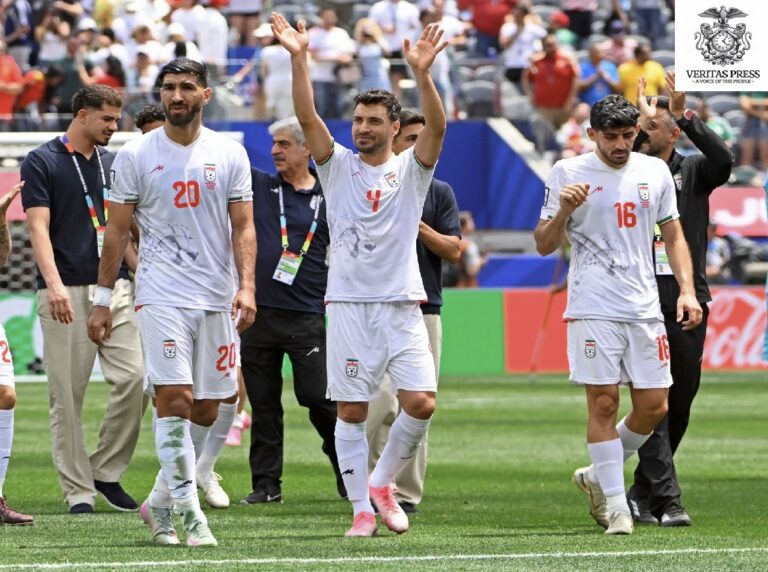
SEATTLE, TEHRAN — The U.S. Department of Homeland Security (DHS) will allow Iran’s national football team to enter the country 48 hours before their critical World Cup match against Egypt on Friday, a modest concession in a tournament where Team Melli’s travel conditions have sparked claims of oppression and competitive disadvantage.