Kamran Faqir is a volunteer investigative journalist and writer committed to exposing hidden truths and amplifying underreported stories. Driven by social justice, he brings sharp insight and fearless truth-telling to independent journalism. NUJ registered.
Original Article Date Published:
Article Date Modified:
Listen to this article
Help support our mission—donate today and be the change. Every contribution goes directly toward driving real impact for the cause we believe in.
AFRICA/DARFUR – Clashes erupted over the weekend in the strategic border town of Tina (also spelt El Tina) in North Darfur, as the Sudanese Armed Forces and allied joint forces claimed to have repelled a large-scale assault by the paramilitary Rapid Support Forces (RSF).
The fighting, which reportedly included a drone strike and cross-border incursions into neighbouring Chad, underscores how Sudan’s nearly three-year war is increasingly destabilising the wider Sahel region.
But beyond the battlefield claims and counterclaims, the events in Tina reveal deeper patterns: contested territorial narratives, regional entanglement, and a humanitarian collapse in Darfur that is accelerating under conditions of siege warfare and proxy conflict.
A Strategic Border Town In The Crosshairs:
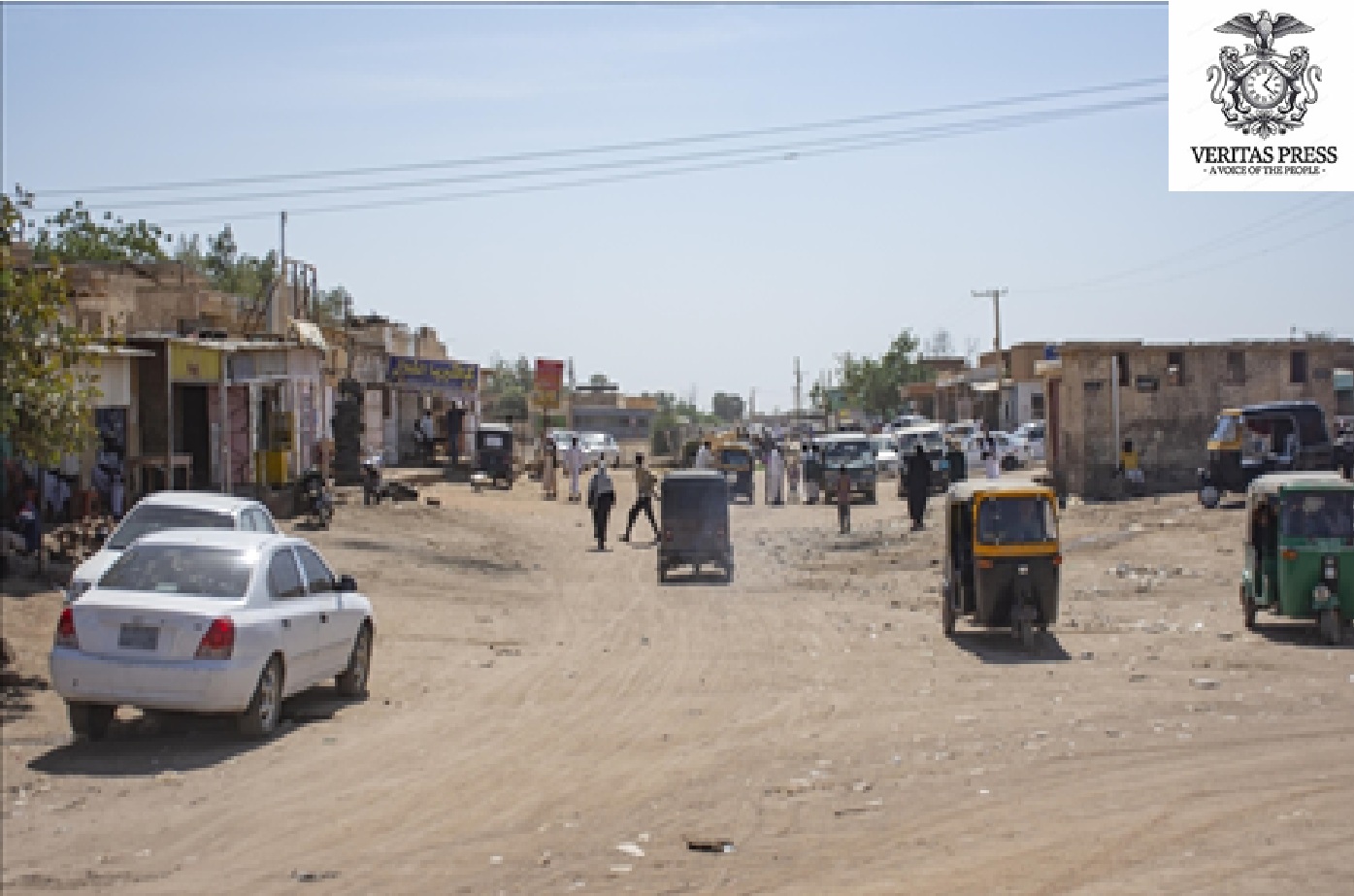
Tina sits directly on the Sudan–Chad border, a key corridor for trade, arms flows, refugee movements, and military logistics. In a war increasingly defined by control over supply routes and border crossings, Tina’s strategic value cannot be overstated.
On Saturday, the RSF announced via its Telegram channels that it had seized the town, sharing footage purportedly showing its fighters outside the local government headquarters. Hours later, army-aligned sources and the Joint Force of armed movements allied with the military circulated counter-footage showing destroyed RSF vehicles, captured equipment, and detainees.
According to military sources cited by Sudanese media, the RSF launched a surprise ground assault following a drone strike that targeted army and Joint Force positions at the former UNAMID mission camp and local administrative offices. Initial reports suggested that the army and allied forces withdrew temporarily into Chadian territory before regrouping and launching a counter-offensive that retook the town.
The Coordination of Resistance Committees in El Fasher stated that RSF fighters infiltrated Tina but retreated shortly after clashes began. However, independent verification remains difficult amid information blackouts and propaganda campaigns by both sides.
Darfur regional governor Minni Arko Minawi, a former rebel leader now aligned with the army, described the RSF assault as “criminal behaviour targeting unarmed civilians.” He posted videos on Facebook purporting to show joint forces seizing RSF vehicles and weapons.
The RSF, for its part, has not publicly acknowledged losing control after claiming victory.
Cross-Border Escalation And Chadian Casualties:
Perhaps most alarming were reports that the clashes coincided with an RSF incursion into Chadian territory. Military sources claimed RSF elements attacked a Chadian army outpost, resulting in deaths and injuries among Chadian soldiers.
As of this writing, there has been no official confirmation from N’Djamena, and the claims remain unverified. However, this would not be the first such incident.
The RSF has repeatedly crossed into Chad during the conflict. In January, a previous incursion prompted diplomatic tension before the RSF issued what it described as an “unintentional” apology.
Chad has struggled to contain the fallout from Sudan’s war. It hosts hundreds of thousands of Sudanese refugees fleeing violence in Darfur. Any sustained cross-border fighting risks dragging Chad directly into the conflict or forcing it to recalibrate its delicate balancing act between Sudan’s rival power centres.
The borderlands are porous, heavily militarised, and entangled with tribal networks that span both countries. Escalation in Tina thus represents not merely a tactical skirmish but a potential flashpoint in a widening regional crisis.
The War’s Territorial Fragmentation:
Of Sudan’s 18 states, the RSF now controls all five Darfur states in the west except parts of North Darfur that remain under army control, including El Fasher. The military retains most other regions, including the capital Khartoum and the eastern states.
Darfur accounts for roughly one-fifth of Sudan’s 1.8 million square kilometres. Yet territorial control does not neatly translate into population control. The majority of Sudan’s estimated 50 million people live in areas nominally under army control, while Darfur has been transformed into a patchwork of RSF strongholds, besieged towns, and contested corridors.
Control of Tina would have further consolidated the RSF’s grip over western supply routes and cross-border trade, potentially strengthening its logistical lifelines.
The battle, therefore, carries symbolic and strategic weight. For the army and its allied armed movements, preventing the RSF from claiming total dominance over Darfur is central to preserving political leverage in any future negotiations.
Drone Warfare And Escalation Tactics:
The reported drone strike preceding the ground assault signals an evolution in the war’s tactics. Both sides have increasingly relied on drones and loitering munitions to target command centres, supply hubs, and troop concentrations.
The targeting of the former UNAMID camp, once a symbol of international peacekeeping presence, is especially telling. The withdrawal of the United Nations-African Union Mission in Darfur (UNAMID) in 2020 left a vacuum that neither Sudan’s transitional authorities nor international actors effectively filled. That vacuum is now being filled by militarised competition and lawlessness.
Drone warfare adds another layer of unpredictability, increasing civilian risk in densely populated or displacement-heavy areas.
A Humanitarian Catastrophe Deepens:
The war that erupted in April 2023 between the Sudanese Armed Forces and the Rapid Support Forces has killed tens of thousands and displaced approximately 13 million people, according to UN agencies. Famine conditions have been declared or are looming in parts of Darfur and other regions.
North Darfur, including El Fasher and its surrounding towns, has been a focal point of siege warfare. Aid access remains severely restricted. Armed groups have been accused of looting humanitarian convoys and obstructing cross-border relief routes.
For civilians in Tina and across Darfur, shifting frontlines translate into repeated displacement, food shortages, and exposure to retaliatory violence. Residents often find themselves trapped between rival armed actors competing for dominance.
Minawi’s accusation that the RSF targeted unarmed civilians echoes broader allegations levelled against the paramilitary force throughout the conflict, particularly in Darfur, where ethnically targeted violence has been documented by human rights organisations. The RSF denies systematic abuses and accuses the army and allied militias of similar violations.
In practice, accountability mechanisms are almost absent.
Competing Narratives And The Information War:
As in many battles during this conflict, Tina has become a theatre not only of armed confrontation but of digital narrative warfare.
RSF platforms rapidly disseminated footage claiming control of the town. Hours later, army-aligned groups circulated counter-footage showing captured vehicles and detainees.
With independent journalists largely unable to access frontline zones, verification remains elusive. Social media has become the primary battlefield for shaping perceptions, domestically and internationally, of momentum and legitimacy.
This war of narratives matters. Territorial claims influence recruitment, morale, external backing, and potential diplomatic leverage.
A Conflict Entrenched and Spreading:
Nearly three years into the war, neither side appears capable of decisive victory. Instead, Sudan has fractured into rival spheres of influence, with Darfur functioning as both a humanitarian epicentre and a geopolitical fault line.
The Tina clashes reveal three dangerous trajectories:
Territorial entrenchment in Darfur: The RSF’s attempt to consolidate border towns signals a strategy of deepening western control.
Regional spillover: Cross-border incidents with Chad risk internationalising the conflict.
Technological escalation: The increasing use of drones intensifies civilian vulnerability.
For civilians, the immediate outcome, whether Tina remains under army control or shifts again, may matter less than the broader reality: sustained instability, shrinking humanitarian space, and impunity for armed actors.
Absent meaningful diplomatic pressure and accountability, the battle for Tina is unlikely to be the last border flashpoint in a war that has already reshaped Sudan’s political and humanitarian landscape and now threatens to destabilise its neighbours.
October 8, 2026 | Author : Kamran Faqir | Categories: Americas & North America, Asia, The South Pacific & Oceania, World News
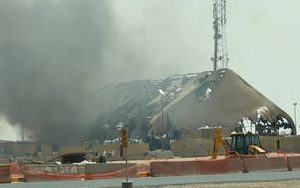
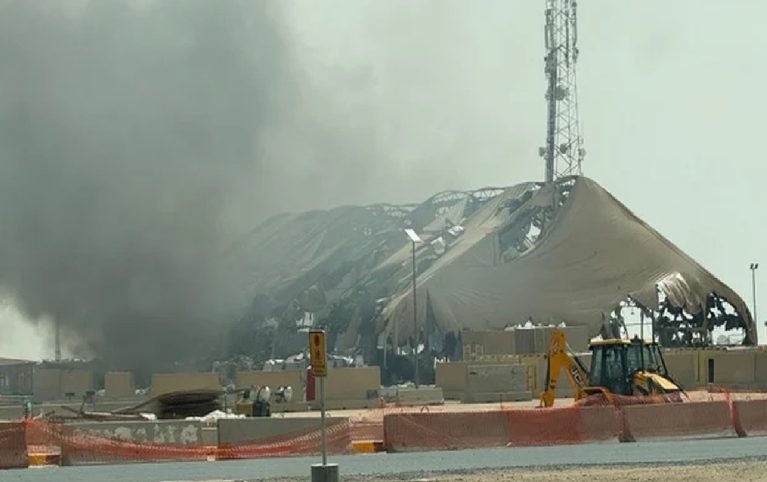
Exclusive videos and witness accounts expose how Iranian missiles, drones, and F-5 fighter jets overwhelmed Camp Buehring, leaving American forces critically low on ammunition and raising questions about why no
October 8, 2026 | Author : Kamran Faqir | Categories: Human Rights, Middle East, World News
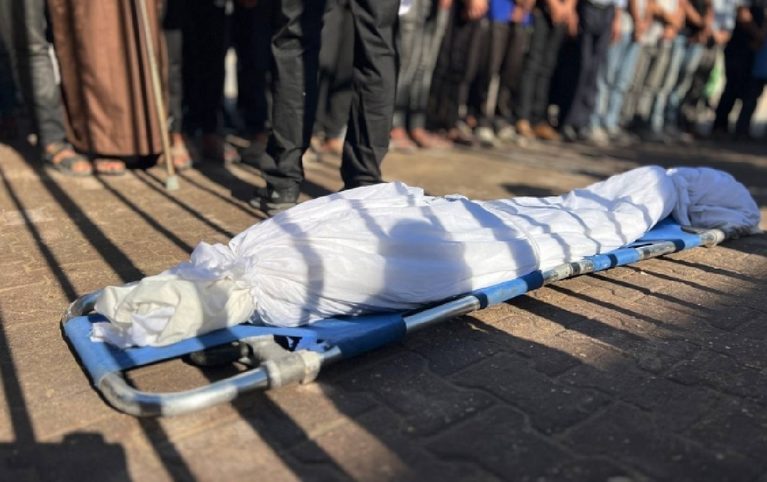
A year of documented violations, blocked aid, forced displacement, and failed mediation has turned the Gaza ceasefire into a mechanism of impunity: 1,467 killed, 5,355 violations, and a population confined
October 7, 2026 | Author : Kamran Faqir | Categories: Asia, The South Pacific & Oceania, Europe, Human Rights, World News
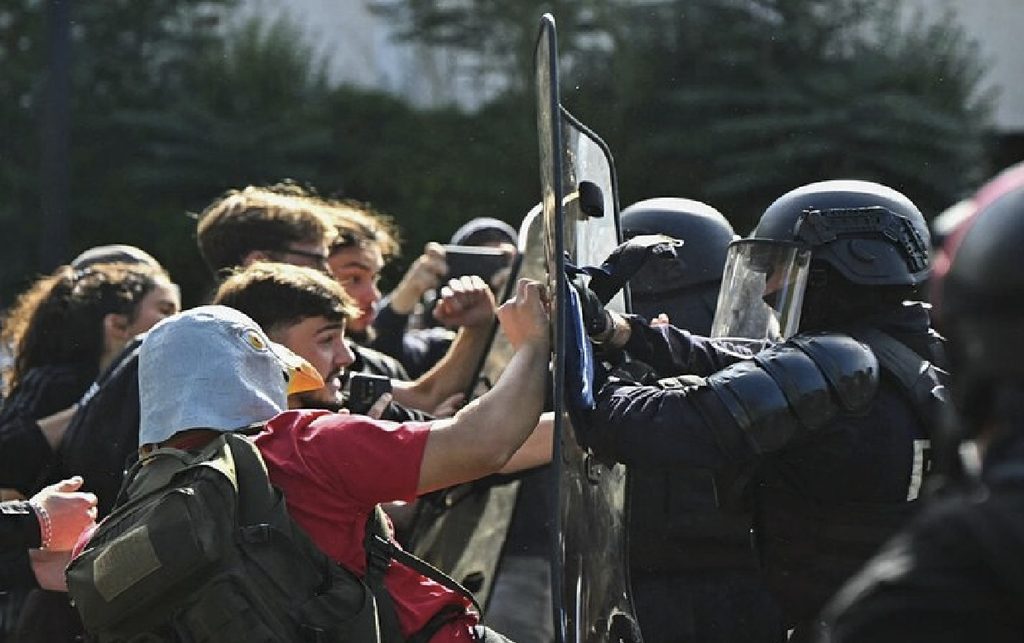
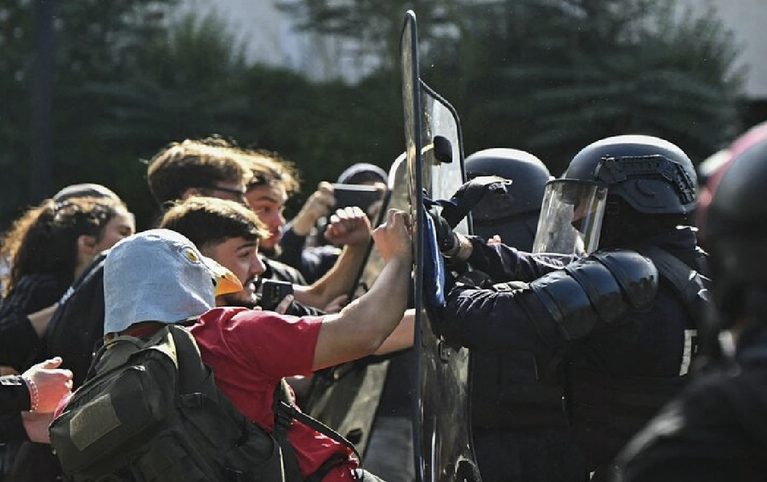
Iran has questioned France’s response to the nationwide student protests, accusing Paris of applying double standards to the right to protest and human rights.
October 7, 2026 | Author : Kamran Faqir | Categories: Asia, The South Pacific & Oceania, Business & Finance, Climate Change, Oceania, Public Opinion, United Nations, World News
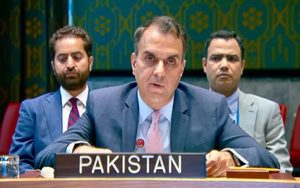
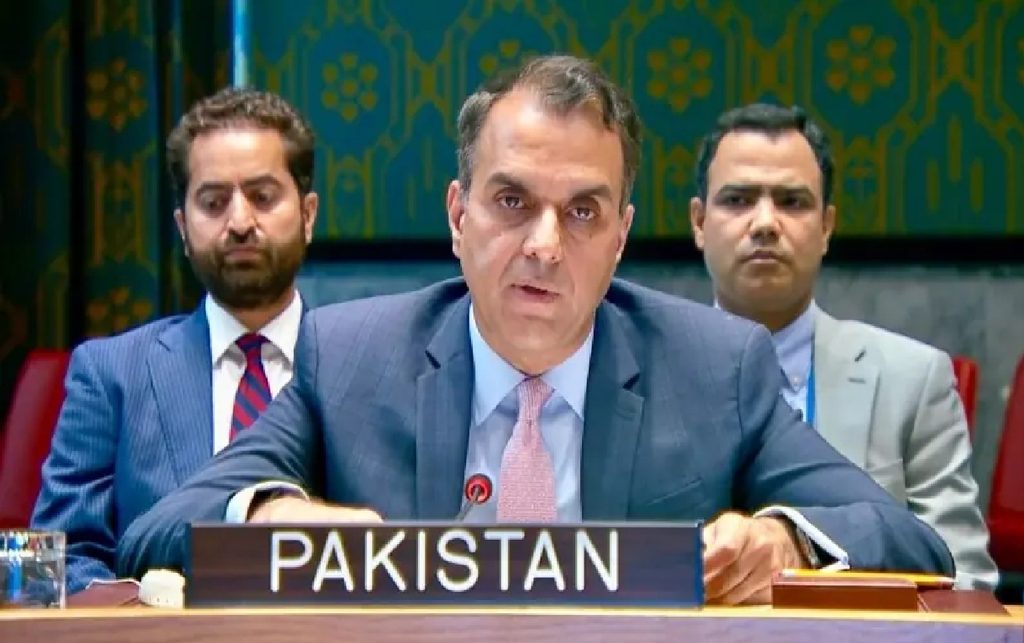
At the UN, Islamabad confronts a gathering crisis, and an increasingly assertive India.
October 6, 2026 | Author : Kamran Faqir | Categories: Americas & North America, Business & Finance, Immigration News, World News
A federal judge in Boston on Monday blocked the Trump administration from imposing civil fines of up to $1.8 million on migrants who fail to leave the United States after
October 6, 2026 | Author : Kamran Faqir | Categories: Middle East, World News
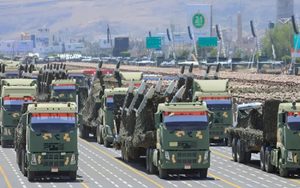
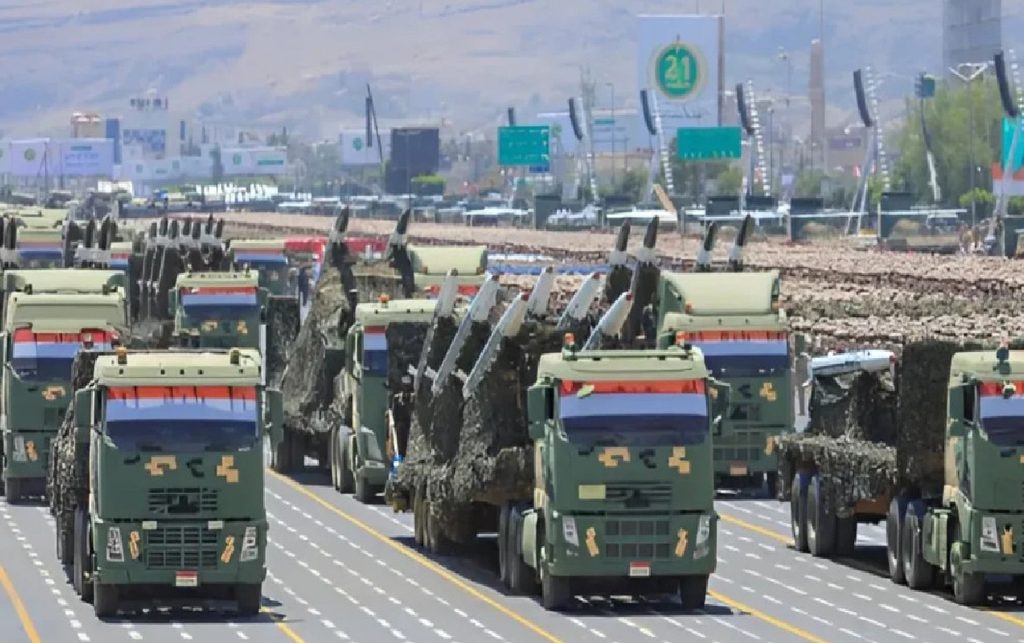
In a dramatic escalation that reverberated through global energy markets and raised urgent questions about Saudi Arabia’s defensive capabilities, Yemeni Armed Forces announced a series of coordinated missile and drone
October 5, 2026 | Author : Kamran Faqir | Categories: Business & Finance, Health Insights, UK News, World Health Organisation, World News
NEWCASTLE UPON TYNE — Health authorities have confirmed two separate cases of Hepatitis A among pupils at two primary schools in Newcastle, triggering urgent letters to parents and raising uncomfortable
October 5, 2026 | Author : Kamran Faqir | Categories: Middle East, World News
Serbian Orthodox leader’s unprecedented intervention exposes the systematic erosion of Christianity’s oldest continuous community, and the silence of a world that claims to cherish the Holy Land
September 17, 2026 | Author : Kamran Faqir | Categories: Americas & North America, Investigations, United Nations, World News
GENEVA — A United Nations fact-finding mission has concluded there are “reasonable grounds to believe” that U.S. forces committed war crimes during two airstrikes in Iran in February, strikes that
Kamran Faqir is a volunteer investigative journalist and writer committed to exposing hidden truths and amplifying underreported stories. Driven by social justice, he brings sharp insight and fearless truth-telling to independent journalism. NUJ registered.
SEATTLE, TEHRAN — The U.S. Department of Homeland Security (DHS) will allow Iran’s national football team to enter the country 48 hours before their critical World Cup match against Egypt on Friday, a modest concession in a tournament where Team Melli’s travel conditions have sparked claims of oppression and competitive disadvantage.






































bmi7f4
w9skf2
k85c34
01hxkh
8grkr8
q0c36v
bx4hwi
g1rdcr