Kamran Faqir is a volunteer investigative journalist and writer committed to exposing hidden truths and amplifying underreported stories. Driven by social justice, he brings sharp insight and fearless truth-telling to independent journalism. NUJ registered.
Article Date Published:
Article Date Modified:
11 minutes
Post Views:289
Listen to this article
Help support our mission, donate today and be the change. Every contribution goes directly toward driving real impact for the cause we believe in.
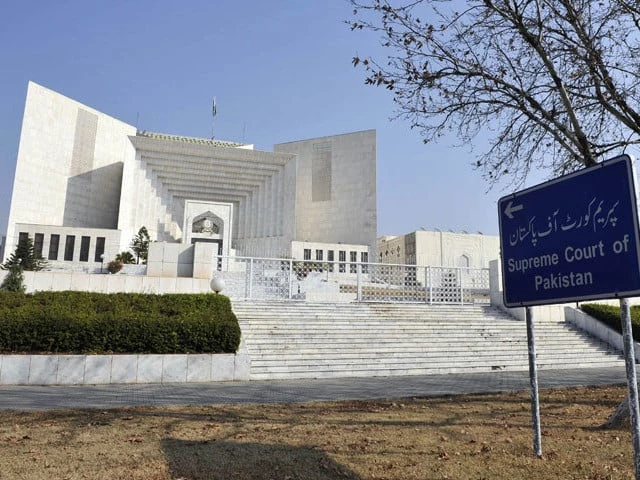
ISLAMABAD – In the high-stakes political theatre of Pakistan, the battleground has shifted from the streets to the sterile corridors of hospitals and the hallowed halls of the Supreme Court. At the centre of the storm is not a policy or an election, but the physical body of a jailed former prime minister, Imran Khan. The legal skirmish over where the Pakistan Tehreek-e-Insaf (PTI) founder receives medical treatment has transformed into a profound constitutional crisis, testing the limits of executive power against the writ of the judiciary.
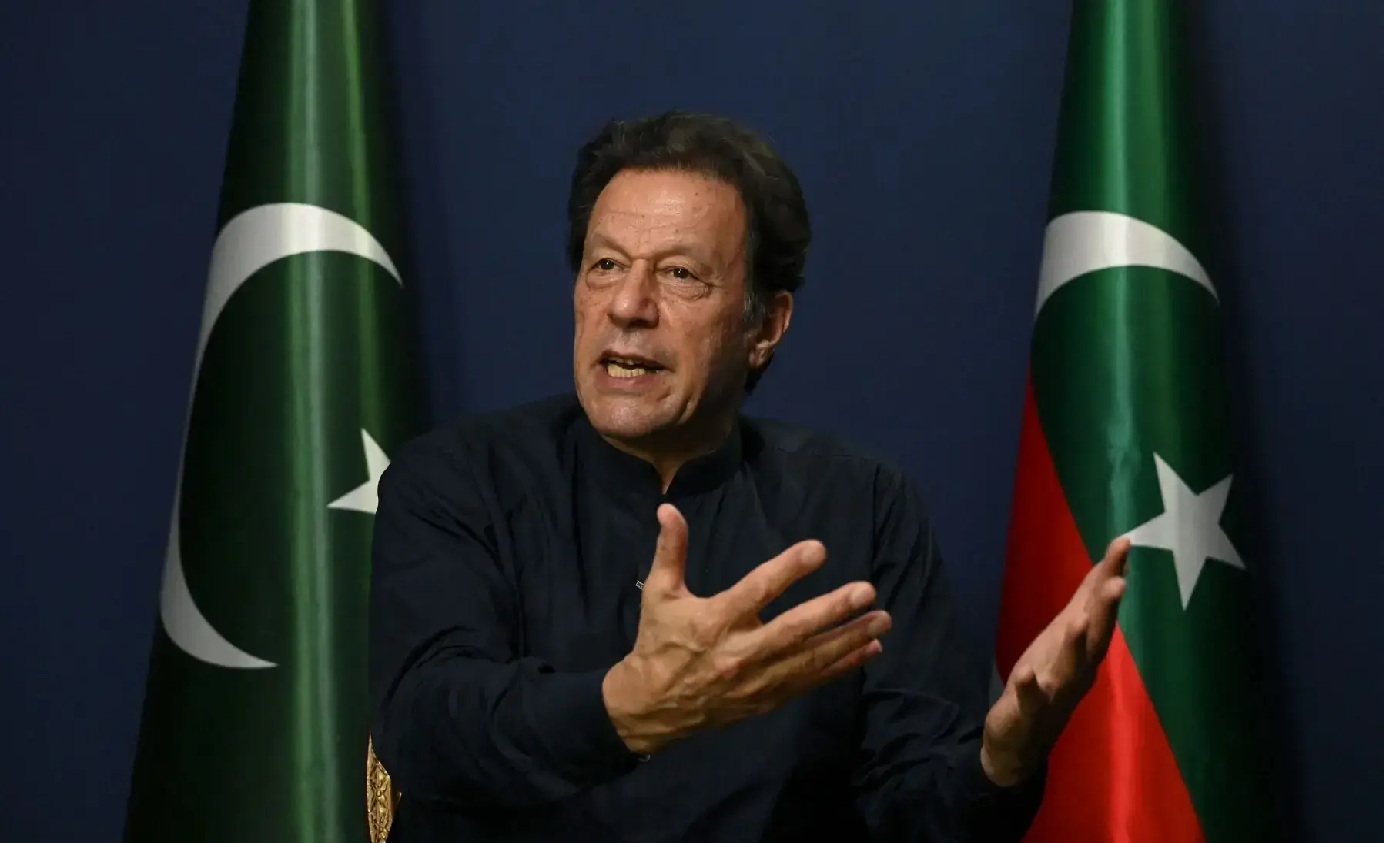
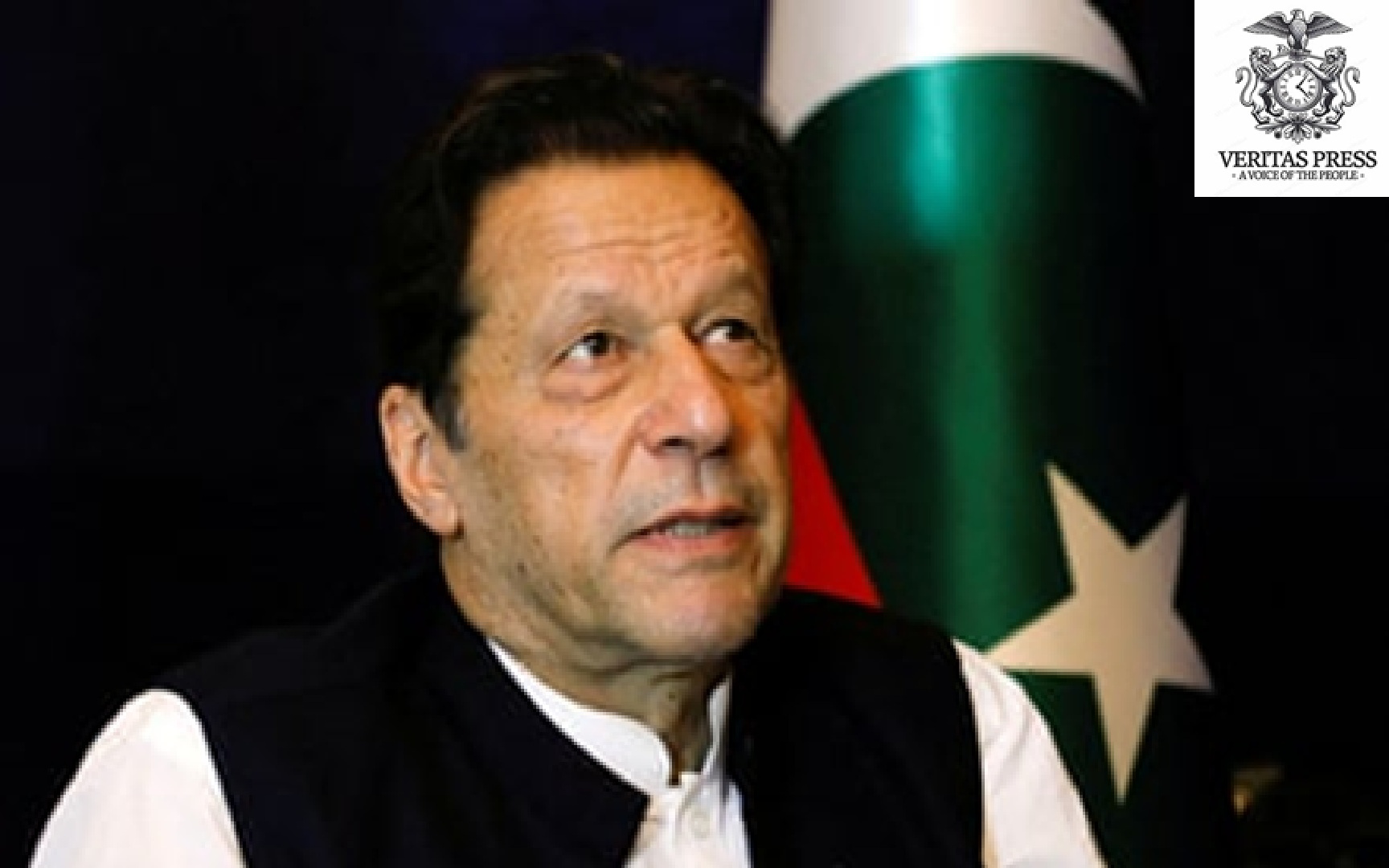
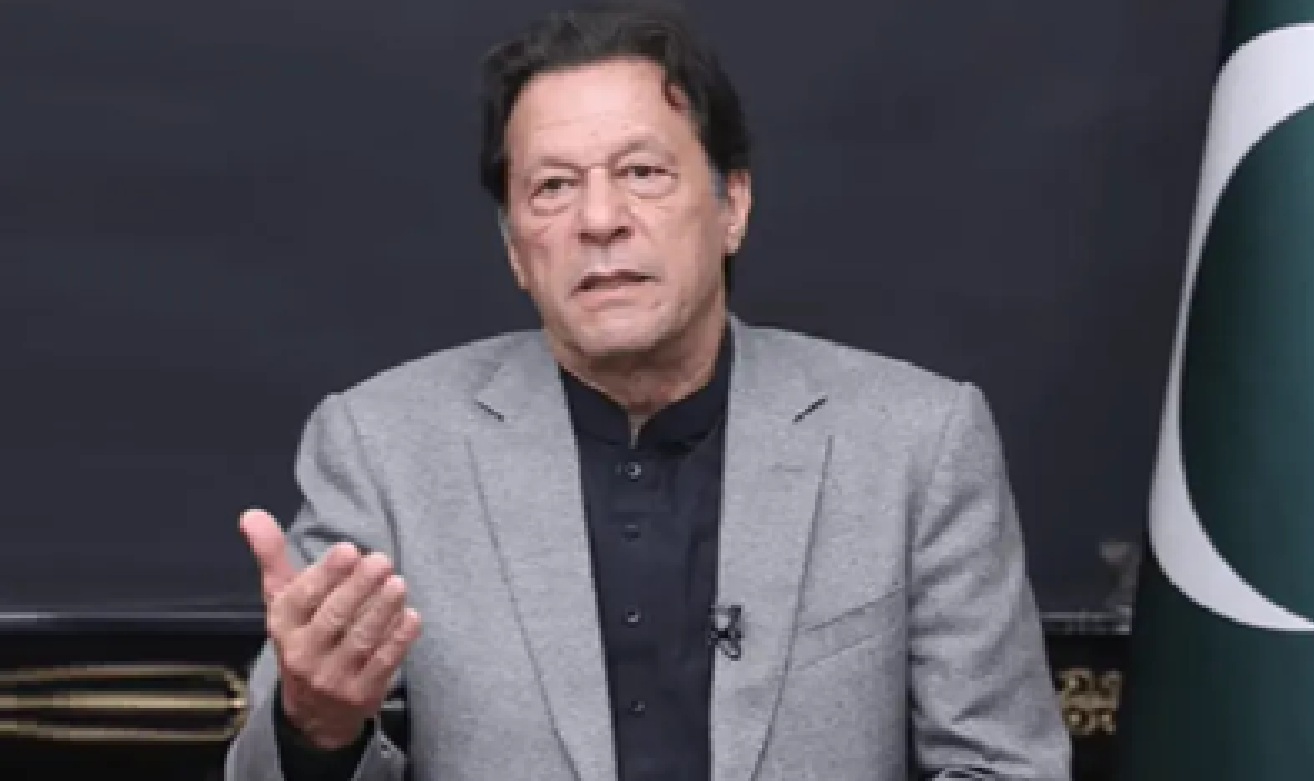
Former prime minister Imran Khan gestures as he speaks during an interview with AFP at his residence in Lahore on May 18, 2023. — AFP/File
On Tuesday, the PTI resubmitted a contempt of court petition to the Supreme Court (SC), a move that came just hours after the court’s registrar returned the original filing with technical objections. The petition, filed by Khan’s sister, Dr. Uzma Khan, alleges a “wilful, deliberate and contumacious disobedience” of the SC’s August 18 order, which mandated Khan’s transfer from Adiala Jail to Shifa International Hospital, a private facility.
This procedural back-and-forth, the returning of a petition, its resubmission, and the frantic pleas for an early hearing, is far more than legal housekeeping. It is a microcosm of a deeper struggle: a contest over who controls the narrative and the physical reality of Imran Khan, a figure who remains the singular fulcrum of Pakistani opposition politics despite being incarcerated since August 2023.
A Labyrinth Of Legal Loopholes And Executive Defiance
The genesis of the current crisis lies in the SC’s August 18 order. In a move seen by Khan’s supporters as a rare judicial victory, the court directed the government to shift Khan to Shifa International Hospital for a comprehensive medical examination by a multidisciplinary board, specifically citing concerns over his health.
Instead, in the early hours of August 21, authorities diverted Khan to the government-run Pakistan Institute of Medical Sciences (PIMS). The government’s justification was immediate and singular: security. Information Minister Attaullah Tarar claimed that the security situation created by PTI workers en route to Shifa necessitated the change of plan. “Imran’s security was the priority, which is why the decision was made,” echoed Federal Minister for Parliamentary Affairs Tariq Fazal Chaudhry on Geo News.
PTI leadership met this explanation with incredulity. “Have people not stayed at Ziauddin Hospital before? Do people not stay at Shifa International Hospital? Has the government never done this before?” a visibly frustrated PTI Chairman Barrister Gohar Ali Khan asked reporters. He pointed to a glaring inconsistency: “He [Imran’s physician, Dr. Faisal Sultan] was taken properly to Shifa International, but Imran Khan was not brought there. So, on what grounds was he detained for five hours?”
The government’s action ignited a firestorm of legal challenges. Dr. Uzma Khan’s initial contempt petition named a litany of high-ranking officials, including Prime Minister Shehbaz Sharif, Law Minister Azam Nazeer Tarar, Information Minister Attaullah Tarar, the Islamabad Chief Commissioner, and the Adiala Jail Superintendent. The petition argued that the state’s failure to follow the court’s directive “leaves no manner of doubt” that the respondents had consciously chosen to disregard the top court’s authority.
However, the legal path has been anything but smooth. The SC registrar returned the petition, with PTI’s Gohar stating one of the key objections was the failure to provide a list of charges against the respondents. While this was quickly rectified and the petition resubmitted (now bearing case number 8/2026), the episode highlights the bureaucratic hurdles facing the opposition.
Simultaneously, the government has opened a second front, filing a review petition against the August 18 order itself. The government’s central argument is that the order is “discriminatory in nature,” a principle that raises a complex question: does a specific judicial directive for one high-profile prisoner set a precedent that undermines the principle of equality before the law for all prisoners? While legally novel, critics argue this is a cynical attempt to mask non-compliance with a veneer of legal process. The government even went so far as to request an early hearing of its review, a request the SC did not grant, adding another layer of uncertainty.
The Spectre Of A “Deal” And The Politics Of Health
Underpinning the entire saga is the persistent and often-poisonous speculation of a “deal.” The SC’s August 18 order, which also included directives for weekly family meetings, sparked immediate rumours that a back-channel understanding between Khan and the military establishment was in the works, potentially paving the way for his release.
PTI Chairman Gohar brusquely dismissed these rumours. “The PTI founder did not make deals; otherwise, he would not have spent three years in prison,” he said. Yet, the speculation persists, fuelled by the government’s apparent apprehension about Khan being treated at a private hospital outside its direct control. The state insists on PIMS, which allows for tighter management of procedures and access. This insistence suggests a deep-seated anxiety about the optics and potential political activity that could emanate from a private facility.
This brings the debate to a fundamental, darker question: Is this a battle over healthcare, or is it a battle over the image of healthcare? The PTI maintains that Khan’s health is deteriorating and that Uzma Khan’s application for an early hearing states his life is in jeopardy. The application poignantly argues that “Every further delay may cause serious and irreparable harm.”
Yet, a prior statement from Uzma herself claiming Khan was “fit” has been used by critics to question the urgency of the PTI’s narrative. Gohar sought to clarify this, explaining that appearing physically well was distinct from receiving the medical care recommended by doctors. “We are moving forward according to the doctor’s instructions,” he said. The PTI demands that Imran’s sister and his personal physician join his medical board. This request highlights their deep distrust of state-managed healthcare.
PTI resubmits contempt plea over Imran’s hospital transfer after removing SC objections
The Deeper Critique: Human Rights And The Erosion Of Judicial Writ
Beyond the immediate political manoeuvring, the case throws a harsh light on the state of human rights and the rule of law in Pakistan. Khan’s detention and the conditions of his confinement have been a point of international concern. His party and family have consistently alleged that his treatment violates fundamental rights, including those enshrined in international instruments to which Pakistan is a signatory.
The PTI argues that the denial of a private hospital, the alleged restriction on family visits for nearly ten months, and the control over his medical consultations constitute a violation of Imran Khan’s human rights under the Human Rights Act 1998 and the 1948 Universal Declaration of Human Rights. This framing elevates the case from a domestic political dispute to an international human rights issue.
At its core, however, the most severe implication is the potential erosion of the Supreme Court’s authority. When a government chooses to interpret an order in its own way, or to pursue a review while simultaneously appearing to contradict the original directive, it tests the very foundations of the constitutional order. The PTI’s legal argument in the early hearing plea is unequivocal: “The filing or pendency of any review petition… does not, by itself, suspend or dilute the binding force of the order unless its operation is expressly stayed by the Supreme Court.”
This is the crux of the matter. The government’s actions, justified by “security,” were a unilateral reinterpretation of a clear judicial order. The subsequent legal manoeuvring, the objections raised by the registrar, the review petition, appears to critics as an attempt to run down the clock and dilute the impact of the court’s intervention. The message sent by such actions, whether intended or not, is that compliance with the judiciary is negotiable, subject to the exigencies of the executive.
The Human Cost: A Prisoner’s Dignity And The Wait For Justice
As lawyers trade arguments and the state apparatus moves with its familiar opacity, the central figure remains Imran Khan, a 73-year-old man in a jail cell, whose health and dignity have become a political football. The PTI has called the situation “a humanitarian crisis,” and Gohar’s plea was stark: “Please arrange meetings between the PTI founder and his family members.”
The legal battle is now poised on a knife’s edge. The PTI is pushing for the same bench that issued the August 18 order to hear the contempt case on an urgent basis, hoping for a swift reaffirmation of judicial supremacy. The government, meanwhile, is seeking to have the order itself reviewed, a process that could take weeks or months.
The outcome will have profound implications. A finding of contempt against senior government officials, including the Prime Minister, would be an unprecedented political earthquake. Conversely, if the court does not act decisively, it risks signalling that its orders can be defied with impunity, a precedent that would reverberate through Pakistan’s fragile democracy for years to come.
For now, the nation watches a tense standoff. It is a battle of narratives, a battle of legal wills, a battle of human integrity, and a battle over the very definition of justice. And at its heart lies a simple, urgent question that the courts must ultimately answer: In Pakistan, is the law powerful enough to protect even one man’s health, or will it be consumed by the political firestorm that surrounds him?
The petition is numbered. The objections are cleared. The stage is set for a judicial showdown that will define the boundaries of power in Pakistan. The health of a former leader and national hero hangs in the balance, but so too does the health of the nation’s constitutional order.
Veritas Press Investigative Analysis Independent journalism examining global affairs, power, diplomacy, and accountability.
Source:Veritas Press C.I.C. | Multi-News Agencies
APPEAL: Help Support Our Work By Donating
Readers who believe that truth still matters have power over popular information. When just a few more people step up to support this work, it means more lies exposed, more corruption uncovered, and more accountability where it’s long overdue.
Help Protect Independent Journalism, Which Is Currently Under Attack.
If you believe journalism should serve the public, not the powerful, and you’re able to help, becoming a regular DONOR or a PAID SUBSCRIBER truly makes a difference.
DONATION APPEAL: If you found this reporting valuable, please consider supporting independent journalism.
Your support fuels our fearless, truth-driven journalism. In unity, we endeavour to amplify marginalised voices and champion justice, irrespective of geographical location. We operate independently, with no financial backing from billionaires; our readers support us.
But it’s also extremely important. One of Veritas Press’s greatest assets is its reader-funded model.
1. Reader funding means we can cover what we like. We’re not beholden to the political whims of a billionaire owner. We are a small, independent and impartial organisation. No one can tell us what not to say or what not to report.
2. Reader funding means we don’t have to chase clicks and traffic. We’re not desperately seeking your attention for its own sake; we pursue the stories that our editorial team deems important and believes are worthy of your time.
3. Reader Funding: enables us to keep our website and other social media channels open, allowing as many people as possible to access quality journalism from around the world, particularly those in places where the free press is under threat.
We know not everyone can afford to pay for news, but if you’ve been meaning to support us, now’s the time.
Your donation goes a long way. It helps us:
Keep the lights on and sustain our day-to-day operations
Hire new, talented, independent reporters
Launch real-time live debates, community-focused shows, and on-the-ground reporting
Cover the issues that matter most to our communities, in real time, with depth and integrity
Without your support, independent voices like ours will be silenced.
Furthermore, we have plans to expand our work, but we can’t do it without your support. Every contribution, no matter the size, helps us stay independent and build a truly people-powered media platform.
If you believe in journalism that informs, empowers, and reflects the communities we serve, please donate today.
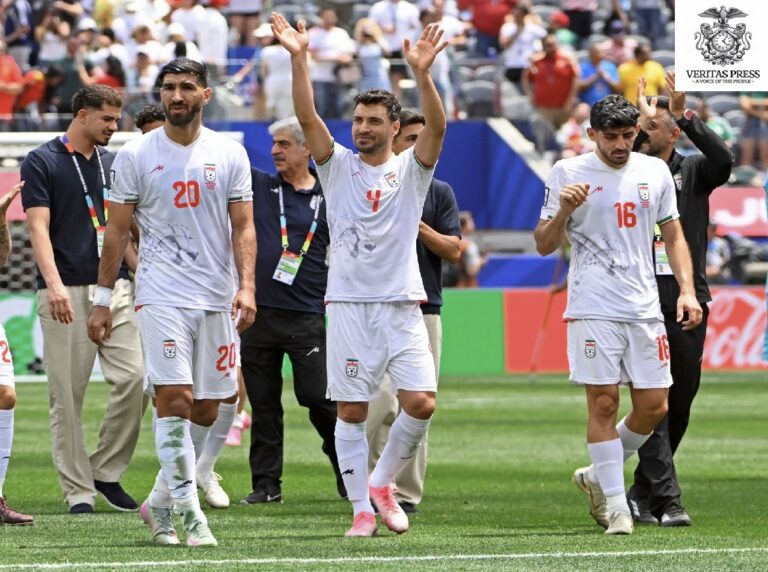
SEATTLE, TEHRAN — The U.S. Department of Homeland Security (DHS) will allow Iran’s national football team to enter the country 48 hours before their critical World Cup match against Egypt on Friday, a modest concession in a tournament where Team Melli’s travel conditions have sparked claims of oppression and competitive disadvantage.