Kamran Faqir is a volunteer investigative journalist and writer committed to exposing hidden truths and amplifying underreported stories. Driven by social justice, he brings sharp insight and fearless truth-telling to independent journalism. NUJ registered.
Article Date Published:
Article Date Modified:
20 minutes
Views:348
Listen to this article
Help support our mission, donate today and be the change. Every contribution goes directly toward driving real impact for the cause we believe in
A Comprehensive Analysis Of The Cascading Threats, Suspended Negotiations, And Settler-Driven Displacement Reshaping The Middle East Conflict.
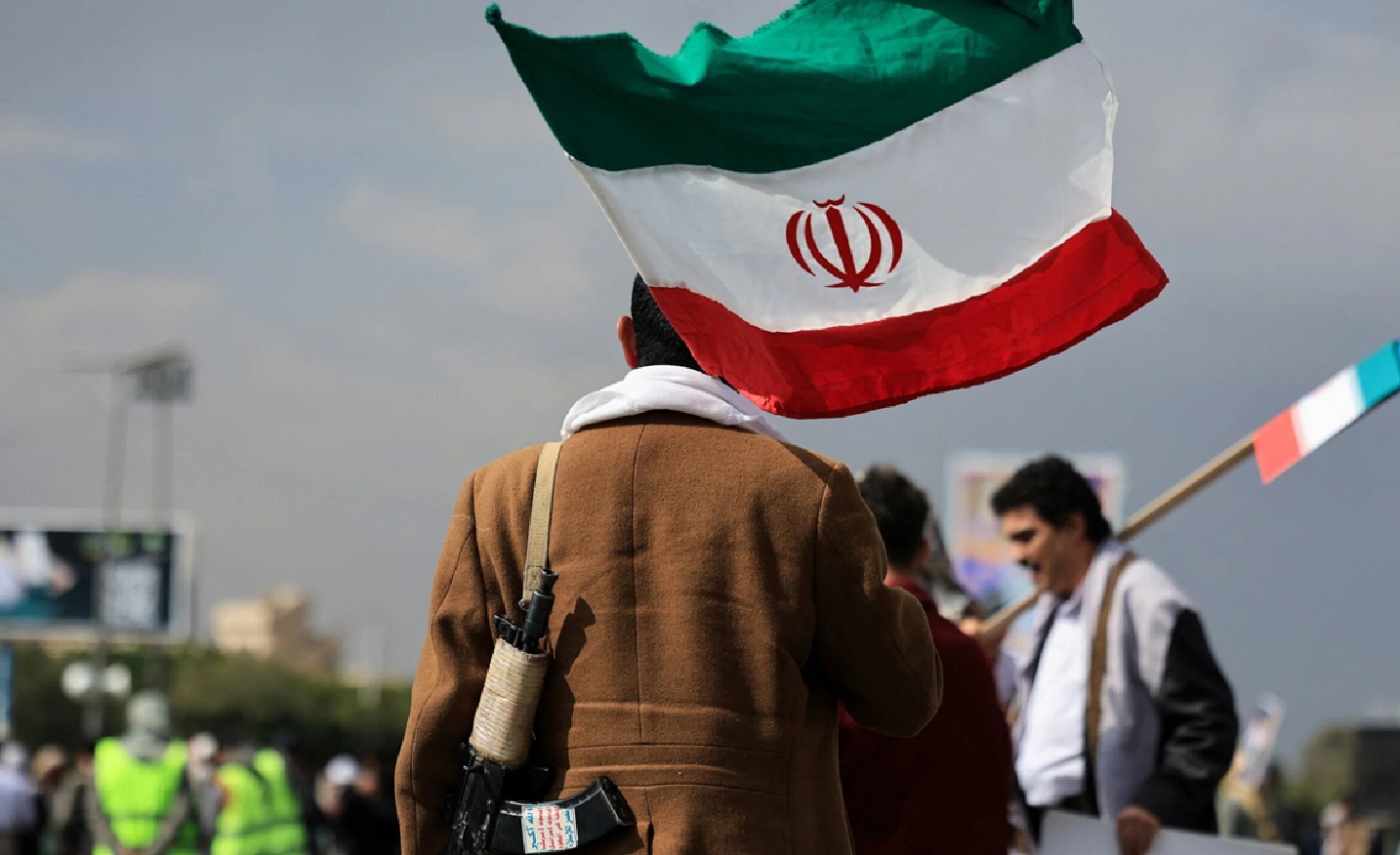
BEIRUT / TEHRAN / JERUSALEM — On a day of rapidly multiplying threats and diplomatic ruptures, the headquarters of the Central Prophets in Iran, a shadowy command node linked to the Islamic Revolutionary Guard Corps’ strategic messaging apparatus, issued a direct and chilling warning to civilians in northern Israel and the occupied settlements. The statement, broadcast across Iranian state media and disseminated via Telegram channels aligned with the Axis of Resistance, called on residents of those areas to “leave the region immediately” should Israel continue its military escalation and repeated violations of the fragile ceasefire in Lebanon.
The warning, unprecedented in its specificity, was layered with a retaliatory logic that Tehran has refined over months of regional conflagration. “Israeli Prime Minister Benjamin Netanyahu has threatened to bomb the southern suburbs of Beirut,” the statement read. “These threats will be met with similar warnings to the population in the targeted areas. Any carrying out of the strikes would put the residents of the northern areas and settlements in immediate danger.”
The message marked a rhetorical shift from abstract threats of “crushing responses” toward a doctrine of urban mirroring, explicitly tying the fate of Beirut’s Dahiyeh quarter to that of Haifa, Kiryat Shmona, and the settlements of the Upper Galilee. Within hours, Israeli Defence Minister Israel Katz, acting on orders from Netanyahu, authorised fresh strikes on Dahiyeh, triggering displacement orders from the Israeli military’s Arabic-language spokesperson. The cyclical nightmare has acquired its own syntax.
The Suspension: Iran Walks Away From The Table.
Against this backdrop, Iran’s Tasnim news agency, which functions as the semi-official mouthpiece of the IRGC, reported that Tehran had decided to halt all indirect talks and the exchange of messages with the United States through intermediaries. The decision, attributed to “continued Israeli military operations in Lebanon,” effectively freezes a negotiation channel that, however tenuous, had prevented the war from spiralling into an all-out regional inferno since the April ceasefire.
“The resumption of any negotiating process depends on the cessation of military operations and the withdrawal of Israeli forces from the occupied Lebanese territories,” Tasnim stated, framing the suspension not as a permanent rupture but as a conditional pause.
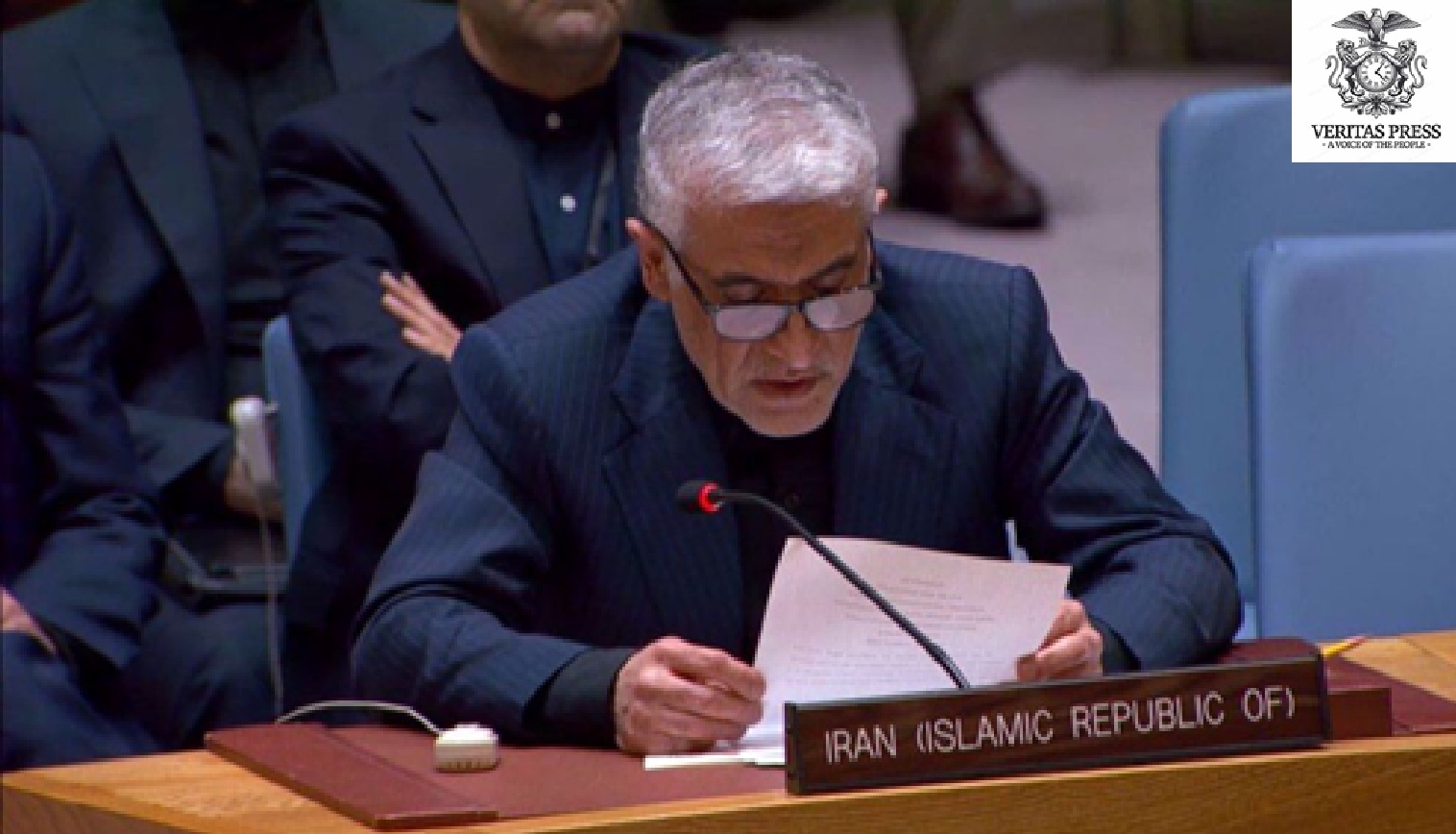
Iranian Foreign Minister Abbas Araghchi, speaking from Tehran, insisted on the indivisibility of the conflict. “Any ceasefire is supposed to be comprehensive on all fronts, including Lebanon,” he said, explicitly linking the regional files that Washington has spent months trying to decouple. “The ceasefire between Iran and the US is unequivocally a ceasefire on all fronts, including in Lebanon.”
But perhaps the most significant expansion of Iranian demands came through a revelation by Israel’s Channel 15 Hebrew news, which reported that Tehran had now broadened its conditions for any political or negotiating understandings to include Gaza. According to the report, Iran stipulated that negotiations could only resume once what it described as “Israeli military operations in Gaza and Lebanon together” were halted. The integration of Gaza into the negotiating framework, long resisted by both Washington and Tel Aviv, signalled that Iran was not merely posturing but seeking to reshape the entire diplomatic architecture of the conflict.
The Escalation Spiral: Lebanon Bleeds While Washington Temporises.
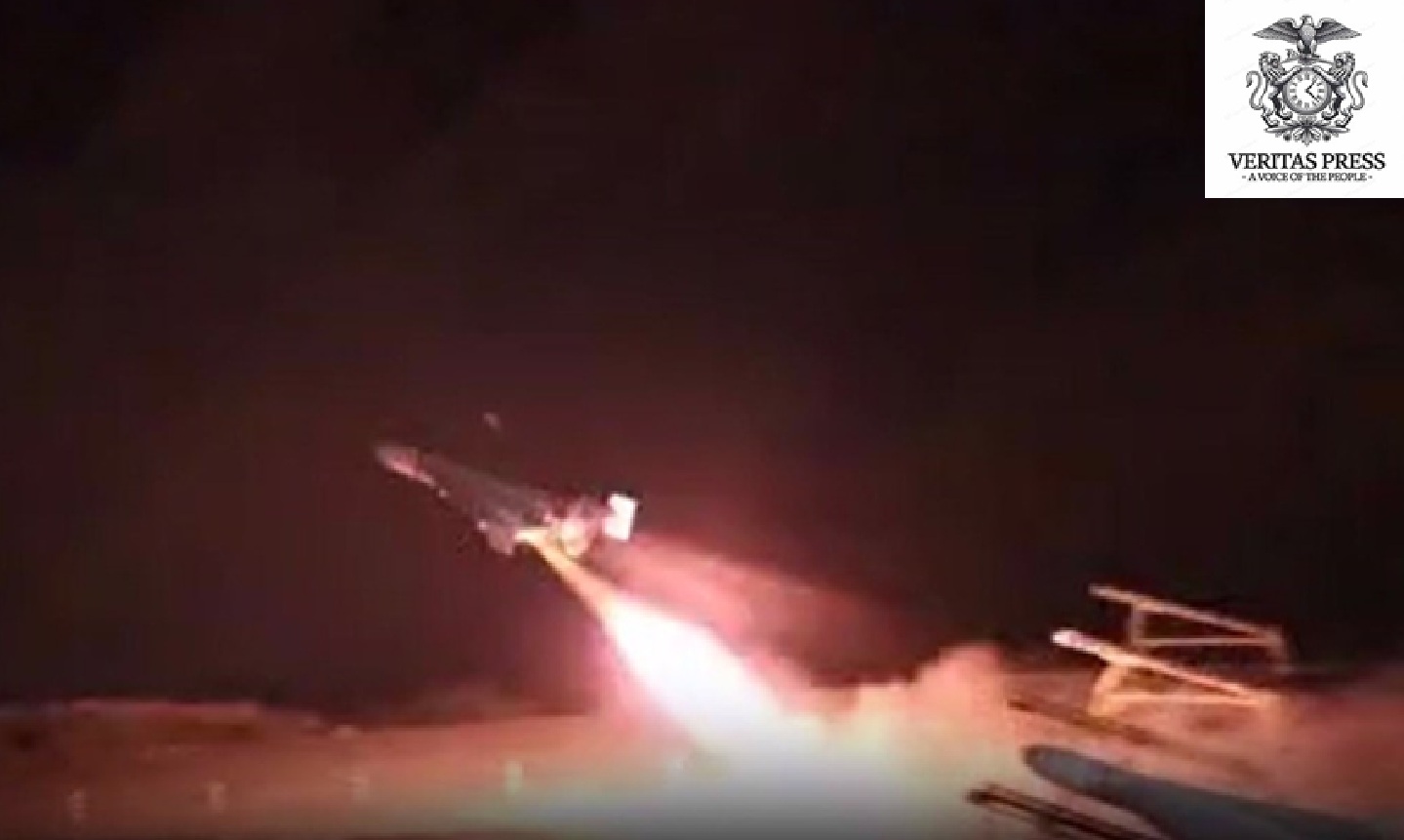
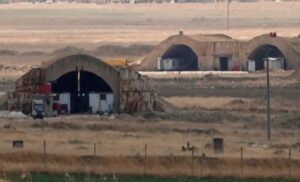
The suspension of talks came as the United States and Iran exchanged their heaviest strikes since the April ceasefire came into effect. Over the weekend, US Central Command confirmed it had struck radar and drone sites in eastern Syria and western Iraq that it claimed were used by Iran-backed militias. In response, Iran’s Quds Force commander, Esmaeil Qaani, oversaw a drone and missile assault on a US military installation in Kuwait, causing significant damage and casualties that both sides have refused to detail publicly.
The exchanges shattered the illusion of a holding pattern. The US had repeatedly asserted that the Iranian ceasefire was distinct from the Lebanon front; Iran, through words and now through suspended diplomacy, was demonstrating that this compartmentalisation was a fiction.
On Monday, Israeli strikes in southern Lebanon killed at least six people, including two paramedics, according to the Lebanese Health Ministry. The Israeli military said it was targeting Hezbollah positions after projectiles were fired into northern Israel. But the strikes also landed perilously close to civilian infrastructure in Tyre and Nabatieh, prompting the Lebanese government to appeal to the UN Security Council for an emergency session, scheduled for Wednesday.
Meanwhile, in a bizarre turn of events that underscored the historical-symbolic dimensions of the ground war, Israeli forces captured a Crusader-era castle near the Zaharani River during their advance, the deepest Israeli military incursion into Lebanon in a quarter century. The castle, a relic of medieval European invasions, was immediately weaponised in propaganda: Hezbollah’s Al-Manar TV called it “a new occupation of our history,” while Israeli social media accounts posted videos of soldiers raising the Israeli flag atop its ramparts.
Netanyahu and Katz, in a joint statement, ordered the Israeli military to prepare for a prolonged campaign in southern Lebanon, including the clearing of villages north of the Litani River. The displacement order for Beirut’s southern suburbs, issued simultaneously, signalled that the logic of collective punishment had returned with full force.
A Partial Ceasefire That Was Never Whole:
The events of Monday were made all the more bewildering by the announcement, just hours earlier, of what was described as a “partial ceasefire” between Israel and Hezbollah. The agreement, first disclosed by US President Donald Trump in a characteristically unstructured media appearance, was supposed to halt Israeli strikes on Beirut and its Hezbollah-controlled suburbs in exchange for Hezbollah halting its attacks on northern Israel.
“Hezbollah, through intermediaries, pledged not to attack Israel,” Trump said, without clarifying which intermediaries or what mechanism for verification existed. It is worth noting that no US president has ever spoken directly with Hezbollah, a designated terrorist organisation under American law. The claim of “intermediaries” raised immediate questions about the backchannel architecture, with Lebanese parliamentary speaker Nabih Berri widely assumed to be the conduit.
Trump also stated that Netanyahu had agreed to “pull back any troops preparing to attack Beirut.” But within hours, Netanyahu contradicted the premise of the deal, declaring that Israel would continue military operations in southern Lebanon regardless of what was announced. Hezbollah lawmaker Hassan Fadlallah said the militia would support a full ceasefire across all of Lebanon only as a precursor to the full withdrawal of Israeli troops. He did not say whether the group would stop its strikes on Israeli territory. The group maintains that its operations are strictly defensive, aimed at protecting southern Lebanon from Israeli aggression and what it terms a creeping annexation of Lebanese land, a claim that resonates with many residents in the border villages who have witnessed repeated Israeli incursions and occupations over the decades.
The “partial ceasefire” unravelled before it could take root. On Tuesday morning, the Israeli military confirmed it had intercepted two projectiles fired from Lebanon into northern Israel. No injuries were reported, but the message was clear: the tempo of violence had not diminished.
Lebanon’s embassy in Washington issued a statement clarifying that the agreement “would not end the conflict in that country” and that hostilities in the south continued. The Lebanese government, led by caretaker Prime Minister Najib Mikati, announced it would seek to expand the ceasefire in direct talks with Israel in Washington on Wednesday. The prospect of a Lebanese-Israeli bilateral negotiation, even at a technical level, marked a significant departure from the long-standing paradigm of third-party mediation.
The Quds Force Threatens New Fronts:
The most ominous signals, however, came from the IRGC itself. Brigadier General Mohammad Bagher Ghalibaf, Iran’s parliament speaker and a former IRGC aerospace commander who has played a prominent negotiating role, accused the United States of breaching the ceasefire by greenlighting Israel’s expanded war in Lebanon.
“The naval blockade and escalation of war crimes in Lebanon by the genocidal Zionist regime are clear evidence of US noncompliance with the ceasefire,” Ghalibaf wrote on X. “Every choice has a price, and the bill comes due. It will all fall into place.”
That cryptic threat was expanded by the IRGC’s intelligence organisation, which issued a statement carried by state media warning that “Iran considers crossing the red lines in Lebanon and Gaza to mean direct war. In return, it is determined to carry out defensive operations by taking meaningful actions and opening new fronts, in addition to preserving the Strait of Hormuz equation.”
The reference to “new fronts” sent analysts scrambling. Iranian Armed Forces spokesperson Abolfazl Shekarchi added that “the continuation of the brutal crimes in Lebanon is something the Iranian Armed Forces cannot tolerate,” and warned that any violation of a ceasefire on one front constituted a violation on all fronts, holding both the US and Israel responsible for the consequences.
Qaani, in a speech to Quds Force commanders, threatened to expand the blockade of the Strait of Hormuz, which has already sent global oil prices spiking 4% on Monday alone, to the Bab el-Mandeb Strait, the critical chokepoint at the mouth of the Red Sea. Such a move would effectively box in maritime traffic from both the Persian Gulf and the Suez Canal, a strategic escalation that could draw in extra-regional navies and cripple global energy markets.
“The equation of Hormuz is no longer the only equation,” Qaani said. “The enemy will see that we have the capability to close multiple maritime arteries simultaneously.”
Oil markets reacted immediately. Brent crude surged past $130 a barrel, with traders citing the unprecedented nature of a simultaneous dual-strait threat.
The Forgotten Front: Surging Settler Terror And Ethnic Cleansing.
While the world’s attention has been riveted by the Lebanon escalation and the Hormuz threats, a parallel catastrophe has continued to unfold in the occupied West Bank and East Jerusalem with little international intervention. On Monday, a team of 14 UN experts, including the special rapporteur for the occupied Palestinian territories, Francesca Albanese, issued what they described as a “stark warning about surging Israeli settler terror” and “the existential risk it poses to Palestinian communities’ presence on the land.”
The experts’ statement, released in Geneva, cited a sharp increase in Palestinian casualties from settler attacks, noting that at least 13 Palestinians had been killed and close to 500 injured in the first five months of the year alone. “Relentless attacks by the settler-colonial movement, carried out with the support and acquiescence of the Israeli State, have become a daily terror in Palestinian lives, sowing fear, uncertainty and profound insecurity that inevitably compels the forcible displacement of the indigenous population,” the statement read.
The language was unusually blunt for a UN document, using terms like “settler-colonial movement” and “ethnic cleansing”, language that has historically triggered fierce Israeli and American pushback. “The escalating violence, carried out with full impunity, serves as an instrument of coercion in the hands of the occupying power, facilitating ethnic cleansing,” the experts concluded.
Albanese, in a separate briefing with journalists, said the recent escalation of regional hostilities had drawn international attention away from the realities in the occupied territories. “The displacement of people has slipped further from sight,” she said. “We are witnessing a slow-motion Nakba, accelerated by the cover of a regional war.”
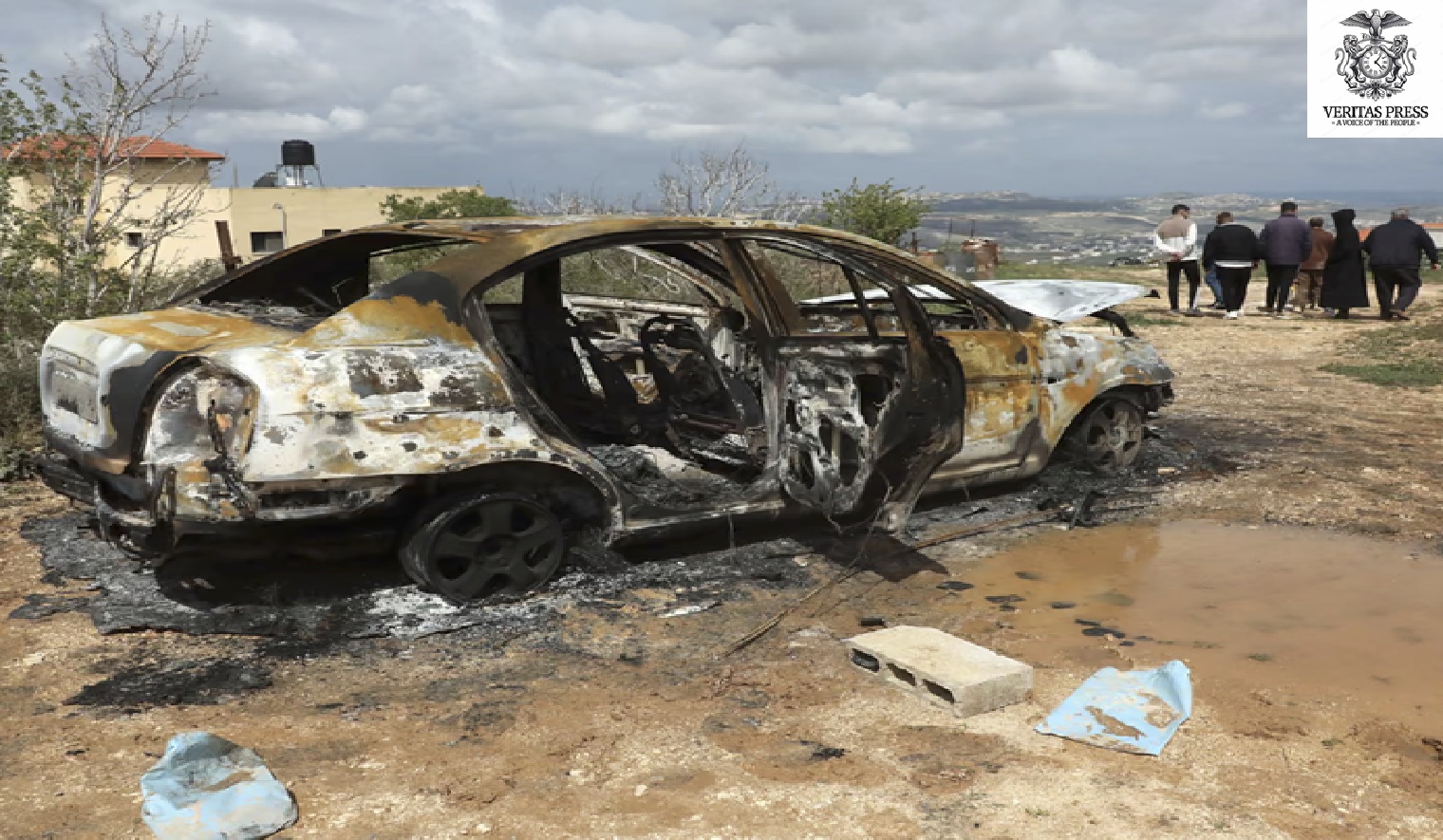
Palestinian residents of villages in the South Hebron Hills and the Jordan Valley described to this correspondent a pattern of daily terror: armed settlers, often accompanied by Israeli soldiers, entering villages, setting fire to olive groves, and physically assaulting families. In the village of Umm al-Khair, local activist Mahmoud Hathaleen said: “They come at night with dogs and guns. They tell us to leave. The army watches. There is no one to complain to. The world is looking at Beirut, not at us.”
On the same day the UN experts issued their warning, Israeli reservists who served in Gaza during the brief and now-shattered ceasefire told Drop Site News that they had received standing orders to shoot to kill anyone approaching their positions, regardless of whether they posed an identifiable threat. “The rules of engagement were simple: if you see movement, you shoot. It didn’t matter if it was a child or an old woman. The command was clear, no one approaches, period,” one reservist told Drop Site’s reporting team, which has shaken up the San Francisco congressional race with its unflinching coverage of the war.
The American Political Dimension: Primaries, Smear Campaigns, And The Israel Lobby.
The war is not only being fought in the streets of Beirut and the hills of the West Bank; it is also being contested in the political trenches of the United States. Tuesday’s primary elections saw an extraordinary influx of spending by pro-Israel groups, particularly in key California races where candidates critical of the Israeli government faced well-funded opponents.
The American Israel Public Affairs Committee (AIPAC) and its allied super PACs poured millions into advertising campaigns targeting progressive candidates who have called for conditioning military aid to Israel. In one closely watched race, a candidate who had described the Israeli campaign in Gaza as a “genocide” was defeated after a barrage of attack ads accused her of being “soft on terror.” Pro-Israel groups are also playing big in New Jersey, where retired Army doctor Adam Hamawy, who volunteered in Gaza and later testified about the targeting of medical infrastructure, faced a last-minute smear campaign questioning his credibility and patriotism.
Hamawy, who served multiple tours in Iraq and Afghanistan, told The Intercept that the attacks were “straight out of a playbook designed to silence anyone who bears witness to what’s happening in Gaza.” His campaign manager said the pro-Israel groups’ spending in the district had exceeded $3 million in the final two weeks.
In a related development, the UK government announced a ban on progressive media figures Cenk Uygur and Hasan Piker ahead of their scheduled appearances at SXSW London, citing “public order concerns” and their criticism of Israeli military operations. Civil liberties groups condemned the move as a politically motivated suppression of pro-Palestinian voices.
Regional Ripples: From Sudan To Myanmar.
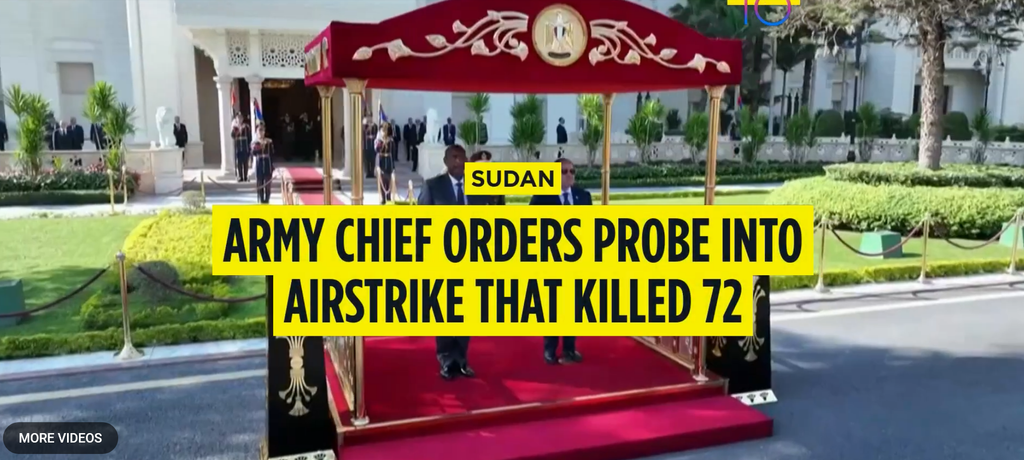
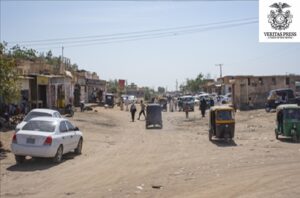
The Middle Eastern crisis has continued to generate shockwaves far beyond its immediate geography. In Sudan, a drone strike by the Sudanese army on a market in West Kordofan killed ten civilians, underscoring the degree to which the world’s attention has been diverted from other conflicts. The World Health Organization’s director-general, Tedros Adhanom Ghebreyesus, visited the epicentre of an Ebola outbreak in the Democratic Republic of the Congo, where confirmed cases have nearly doubled as health resources are stretched thin by competing crises.
In Ukraine, drone strikes targeted Russian energy infrastructure across multiple regions, a continuation of the grinding war of attrition that now competes with the Middle East for Western military supplies. An ammunition depot explosion in northeast Myanmar killed 39 people, a reminder that the catalogue of human suffering has expanded well beyond the front pages.
And in a tragedy linked directly to the broader regional instability, a truck carrying Afghan refugees fleeing Pakistan overturned in Balochistan, killing 18 people, including children. The refugees were part of a growing exodus triggered by Pakistan’s crackdown on undocumented Afghans, a policy driven in part by the deteriorating security situation in the border regions.
Investigative Critique: The Architecture Of Impunity And The Failure Of Decoupling.
The suspension of US-Iran talks, the collapse of the partial ceasefire, and the expansion of settler violence are not disconnected phenomena. They are the logical outcomes of a diplomatic architecture that has consistently privileged Israeli military objectives over the stated goal of de-escalation.
Washington’s insistence on “decoupling” the Lebanon and Gaza fronts from the broader US-Iran ceasefire has been revealed as a strategic fiction. Iran, Hezbollah, and the broader Axis of Resistance have always treated the conflict as a unified theatre. By demanding a comprehensive ceasefire that includes Gaza, Tehran is not making an unreasonable demand so much as articulating the reality that the United States has refused to acknowledge: that the war against Hezbollah is inextricably linked to the war against Hamas, and that both are proxy expressions of a longer struggle over Iranian influence in the region.
The Israeli government, for its part, has exploited the decoupling fiction to escalate on multiple fronts simultaneously. The capture of a Crusader castle, the bombardment of Dahiyeh, and the deepening incursion in southern Lebanon are all aimed at reshaping the strategic balance before any comprehensive ceasefire can take hold. Netanyahu’s political survival depends on the continuation of the war, and he has been given every incentive to continue it.
The portrayal of Hezbollah as merely a defensive actor resisting land annexation is, of course, contested fiercely in Western and Israeli circles. But it remains a powerful narrative among Lebanon’s Shia population and across the broader region, where Israel’s repeated military incursions into Lebanese territory, including the occupation that lasted from 1982 to 2000, are cited as historical justification for armed resistance. For many in southern Lebanon, the current fighting is not an abstract geopolitical struggle but the latest chapter in a century-long battle to hold onto their land.
The settler violence in the West Bank, meanwhile, operates with total impunity because the international community has effectively deprioritised it. The UN experts’ warning, however stark, will not translate into action. There is no enforcement mechanism. There is no will. And the United States, the one power capable of restraining Israel, has shown no inclination to do so.
The question now is whether the suspension of talks represents a temporary Iranian negotiating tactic or a genuine pivot toward military escalation. Qaani’s threat to expand the blockade to Bab el-Mandeb is not bluster; it is a capacity that Iran has been building for years through its Houthi allies in Yemen. If carried out, it would constitute a declaration of maritime war with global consequences.
Oil prices are already reflecting the market’s assessment that the situation is spiralling. The 4% jump on Monday will be followed by steeper rises if the straits are effectively closed. Central banks, already grappling with inflation, will face renewed price pressures. The global economy, still recovering from successive shocks, will be thrust once again into uncertainty.
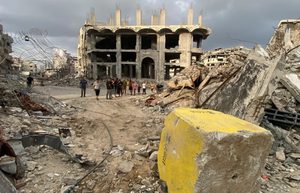
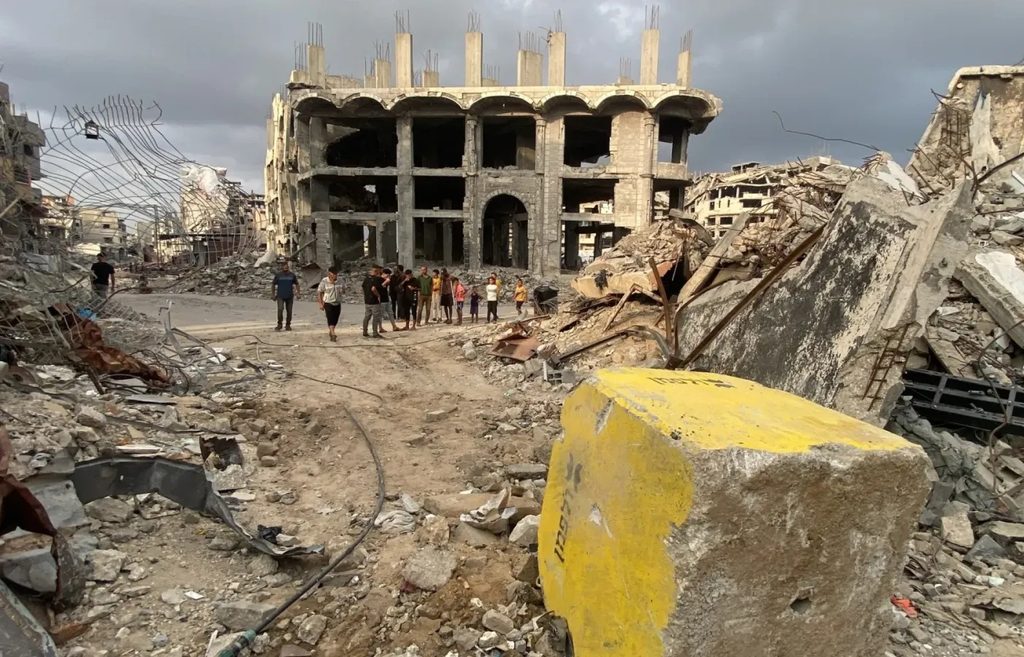
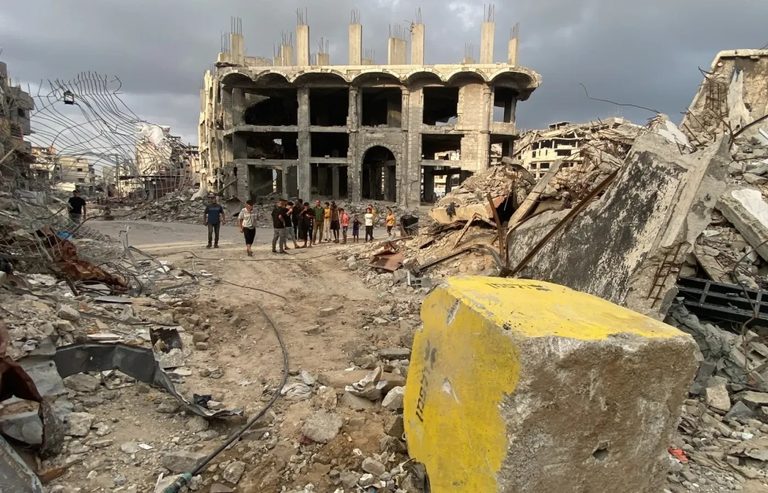
But beyond the macroeconomic indicators, the human toll continues to mount. In Lebanon, families are fleeing their homes for the third or fourth time in a year. In Gaza, the rubble shifts but does not settle. In the West Bank, entire communities are being erased, village by village, under the cover of a war that has consumed all the oxygen.
Iranian Foreign Ministry spokesperson Esmaeil Baghaei, at his weekly press conference on Monday, summed up the state of affairs with a candour rarely heard in diplomatic language. “Israel is seeking to escalate tensions in a bid to shut down a diplomatic resolution to the conflict,” he said. “We are closely monitoring the situation in Lebanon and will not hesitate to take any steps we consider necessary to defend our national security.”
The room for diplomacy is narrowing. The “Central Prophets” warning may yet prove to be a bluff, a piece of psychological warfare designed to rattle Israeli civilians and extract concessions. But in a region where red lines have been repeatedly crossed, and the logic of deterrence has frayed, no warning can be dismissed as mere rhetoric.
The residents of northern Israel and the settlements now face a choice that no civilian population should have to make: stay and risk the consequences, or flee and acknowledge the failure of the state to protect them. The same choice has already been forced upon the residents of Dahiyeh, of southern Lebanon, of Gaza, and of countless Palestinian villages in the West Bank.
The tragedy is that all of this was predictable. The diplomatic failure was not inevitable. It was the product of choices, choices to temporise, to compartmentalise, to indulge the maximalist ambitions of one side while offering only symbolic restraint. The bill, as Iranian parliament speaker Ghalibaf put it, comes due.
And as the Security Council prepares to meet in emergency session, as oil prices climb, as the settler attacks intensify, and as the sirens sound across the Upper Galilee, one thing is certain: the architecture of the April ceasefire is in ruins, and what replaces it may well be far worse.
Source:Veritas Press C.I.C. | Multi News Agencies
Submissions:
For The Secure Submission Of Documentation, Testimonies, Or Exclusive Investigative Reports From Any Global Location, Please Utilise The Following Contact Details For Our Investigations Desk: enquiries@veritaspress.co.uk or editor@veritaspress.co.uk
Help Support Our Work:
Popular Information is powered by readers who believe that truth still matters. When just a few more people step up to support this work, it means more lies exposed, more corruption uncovered, and more accountability where it’s long overdue.
Help Protect Independent Journalism, Which Is Currently Under Attack.
If you believe journalism should serve the public, not the powerful, and you’re in a position to help, becoming a DONATOR or a PAID SUBSCRIBER truly makes a difference.
DONATION APPEAL: If You Found This Reporting Valuable, Please Consider Supporting Independent Journalism.
Help Support Our Work – We Know, We Know, We Know …
Seeing these messages is annoying. We know that. (Imagine what it’s like writing them … )
Your support fuels our fearless, truth-driven journalism. In unity, we endeavour to amplify marginalised voices and champion justice, irrespective of geographical location.
But it’s also extremely important. One of Veritas Press’s greatest assets is its reader-funded model.
1. Reader funding means we can cover what we like. We’re not beholden to the political whims of a billionaire owner. We are a small, independent and impartial organisation. No one can tell us what not to say or what not to report.
2. Reader funding means we don’t have to chase clicks and traffic. We’re not desperately seeking your attention for its own sake: we pursue the stories that our editorial team deems important and believe are worthy of your time.
3. Reader Funding: enables us to keep our website and other social media channels open, allowing as many people as possible to access quality journalism from around the world, particularly those in places where the free press is under threat.
We know not everyone can afford to pay for news, but if you’ve been meaning to support us, now’s the time.
Your donation goes a long way. It helps us:
Keep the lights on and sustain our day-to-day operations
Hire new, talented independent reporters
Launch real-time live debates, community-focused shows, and on-the-ground reporting
Cover the issues that matter most to our communities, in real time, with depth and integrity
We have plans to expand our work, but we can’t do it without your support. Every contribution, no matter the size, helps us stay independent and build a truly people-powered media platform.
If you believe in journalism that informs, empowers, and reflects the communities we serve, please donate today.
Kamran Faqir is a volunteer investigative journalist and writer committed to exposing hidden truths and amplifying underreported stories. Driven by social justice, he brings sharp insight and fearless truth-telling to independent journalism. NUJ registered.
SEATTLE, TEHRAN — The U.S. Department of Homeland Security (DHS) will allow Iran’s national football team to enter the country 48 hours before their critical World Cup match against Egypt on Friday, a modest concession in a tournament where Team Melli’s travel conditions have sparked claims of oppression and competitive disadvantage.