Kamran Faqir is a volunteer investigative journalist and writer committed to exposing hidden truths and amplifying underreported stories. Driven by social justice, he brings sharp insight and fearless truth-telling to independent journalism. NUJ registered.
Article Date Published:
Article Date Modified:
16 minutes
Views:481
Listen to this article
Help support our mission, donate today and be the change. Every contribution goes directly toward driving real impact for the cause we believe in.
TEHRAN/WASHINGTON/ISLAMABAD — In the fog of a war that was supposed to have ended, the most dangerous sound is not the screech of an incoming drone but the silence of a promise broken. Across the Persian Gulf, from the churning waters of the Strait of Hormuz to the darkened corridors of power in Tehran, a single accusation is crystallising into an undisputed fact among Iran’s leadership: Donald Trump has, for the third time, strangled diplomacy in its cradle and replaced it with the language of ultimatums, blockades, and bombs.
That charge, levelled with surgical precision on Saturday by Mohsen Rezaei, the former commander of the Islamic Revolution Guards Corps (IRGC) and now the most prominent military adviser to Iran’s newly anointed Supreme Leader, reverberates far beyond the echo chamber of Iranian state media. It lands in a geopolitical landscape already shattered by the confirmed death of Ayatollah Ali Khamenei in a massive US-Israeli strike one week ago, the subsequent succession of his son Mojtaba, and a world oil market in free‑fall.
“As predicted, the US President is betraying diplomacy for the third time,” Rezaei wrote on X. “By continuing the naval blockade and making excessive demands in negotiations, he has proven more than ever that he is not a man of negotiation and is pursuing other goals.”
This “third betrayal” is not rhetorical hyperbole. It is a meticulously documented timeline of diplomatic wreckage that has pushed the Middle East to the edge of a generalised war.
Anatomy Of A Treachery: The Three Betrayals.
The first betrayal, as Tehran counts it, occurred in June 2025. At the height of indirect nuclear talks in Muscat, Israel launched a sustained bombing campaign against Iranian nuclear and military infrastructure. The strikes, which Washington initially claimed to have “no prior operational knowledge” of, were later revealed by a US intelligence leak to have been coordinated through a back channel between Tel Aviv and senior White House officials. Diplomacy collapsed; Iran accelerated enrichment to 90%.
The second betrayal came on 28 February 2026. With negotiations once again limping forward in Geneva, the United States and Israel launched a combined assault on Iranian air-defence sites and IRGC command centres. Over 1,200 people were killed. Trump, speaking from the Oval Office, called it “the price of intransigence” while still insisting the door to talks remained open.
Now, the third betrayal is crystallising in real time. A ceasefire, unilaterally announced by Trump in early April, was supposed to halt all kinetic operations. Instead, on 13 April, Washington declared the continuation of a “maritime security framework,” a de facto naval blockade of Iranian ports. The blockade, according to US Treasury estimates quoted by Trump, costs Iran $500 million daily. For a nation already haemorrhaging under sanctions, it is a slow strangulation.
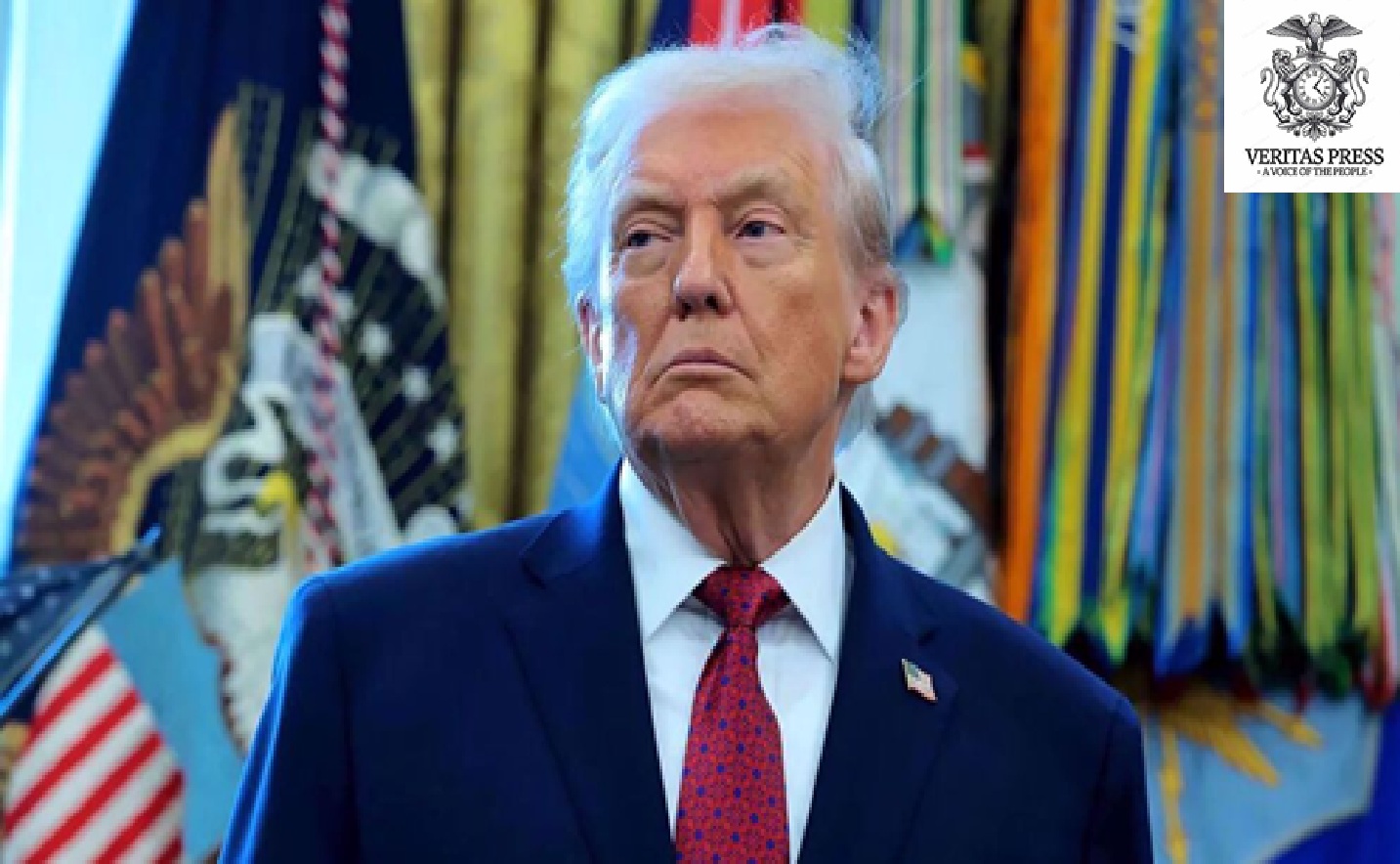
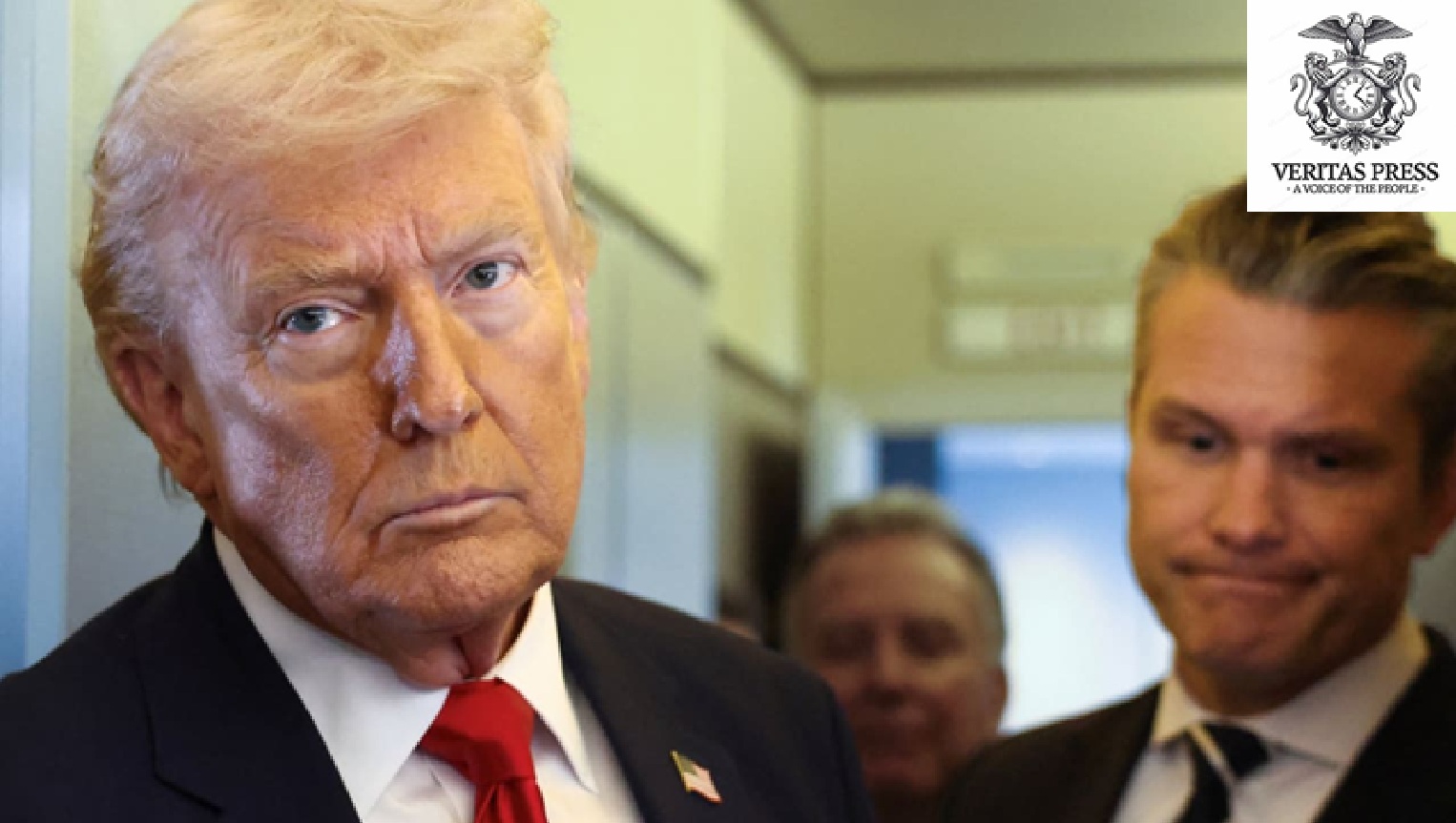
On Friday, Trump appeared to extend an olive branch. “The blockade will now be lifted,” he declared from the White House Rose Garden, as he laid down his non‑negotiable red lines: Iran must never possess a nuclear weapon; it must fully reopen the Strait of Hormuz and remove all mines; and it must verifiably destroy every gram of its enriched uranium stockpile. “We’re very close to a deal,” Trump said, the practised grin of the real-estate mogul hanging over the proceedings.
By Saturday morning, Iranian sailors speaking to the IRGC‑affiliated Tasnim News Agency reported that nothing had changed. The US Navy’s Fifth Fleet maintained its cordon. The blockade, they said, was “still in place.”
Rezaei’s condemnation thus landed not as a diplomatic protest but as an indictment of a pattern. “By continuing the maritime blockade and making excessive demands in negotiations, he has proven more than ever that he is not inclined toward negotiation and is pursuing other objectives,” he wrote on X, a platform now rife with both state propaganda and genuine panic among ordinary Iranians.
“Bombing The Negotiation Table Out Of Spite”:
The diplomatic veneer had already been torn apart days earlier by Iran’s Foreign Minister, Abbas Araghchi. In a searing post on X, Araghchi accused Trump not merely of bad faith but of a fundamental contempt for the very concept of statecraft.
“When complex nuclear negotiations are treated like a real estate transaction, and when big lies cloud realities, unrealistic expectations can never be met,” Araghchi wrote. “The consequence of this was bombing the negotiation table out of spite. Mr. Trump betrayed diplomacy and the Americans who elected him.”
The foreign minister’s reference to “bombing the negotiation table” was no metaphor. It was a direct allusion to the events of Saturday, 23 May, when US and Israeli forces launched a strike of unprecedented scale on Iranian territory. The attack, which American officials described as a “decapitation operation against the military leadership,” killed nearly 800 people. Among the dead, confirmed on 25 May by Tehran’s own state funeral rites, was Supreme Leader Ayatollah Ali Khamenei.
The succession was swift. Within 48 hours, the Assembly of Experts elevated Khamenei’s son, Seyyed Mojtaba, to the position of Vali‑e‑Faqih. A figure long in his father’s shadow, Mojtaba Khamenei immediately signalled continuity by retaining Rezaei as a senior military adviser and by sanctioning a retaliatory barrage of drones and missiles against Israel and Gulf states hosting US assets. The cycle of violence had consumed the one figure who, for all his intransigence, had maintained a strategic patience born of decades in power.
Now, with a new, less tested Supreme Leader and a military establishment thirsting for vengeance, the “negotiation table” Araghchi speaks of is not a place of compromise but a trapdoor.
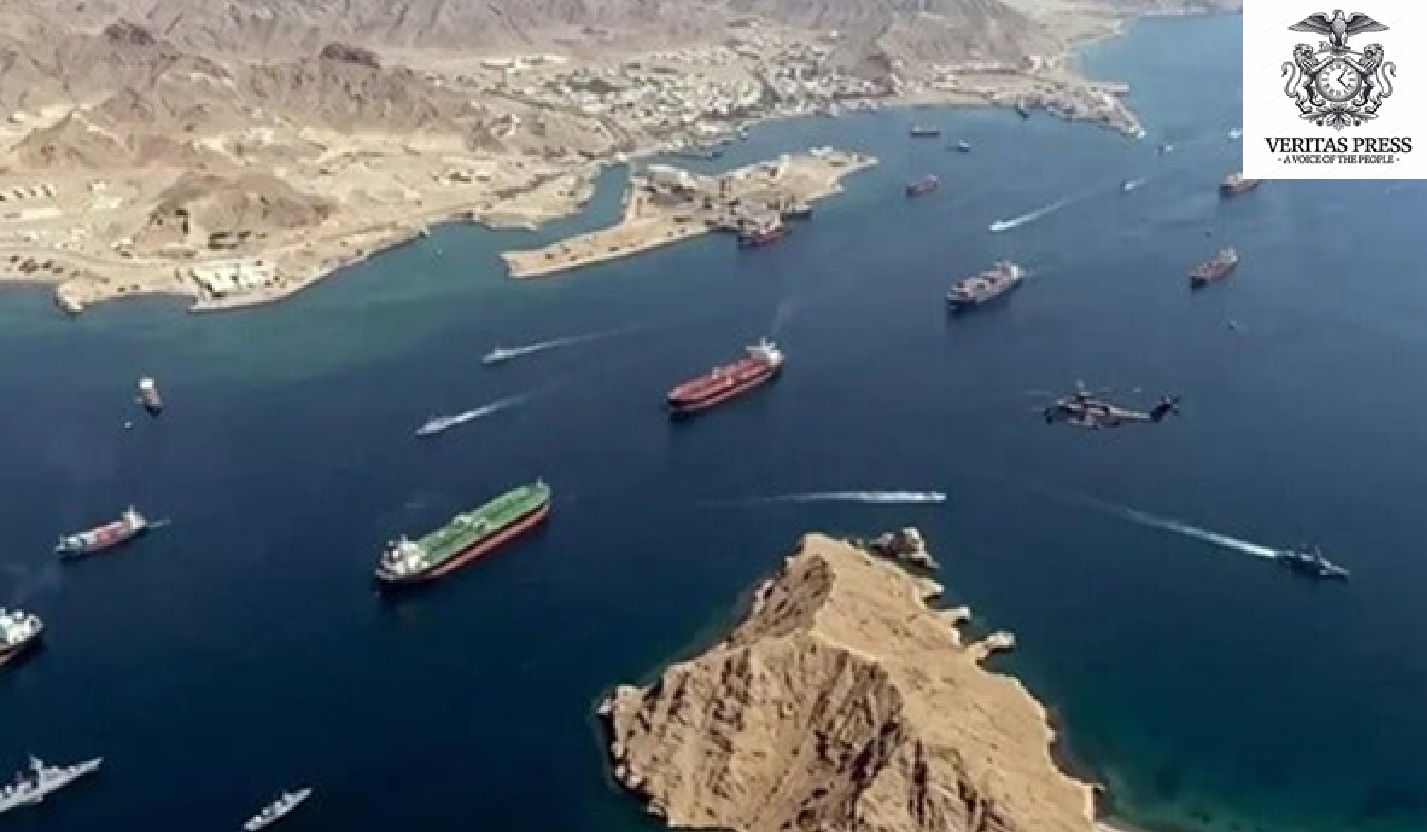
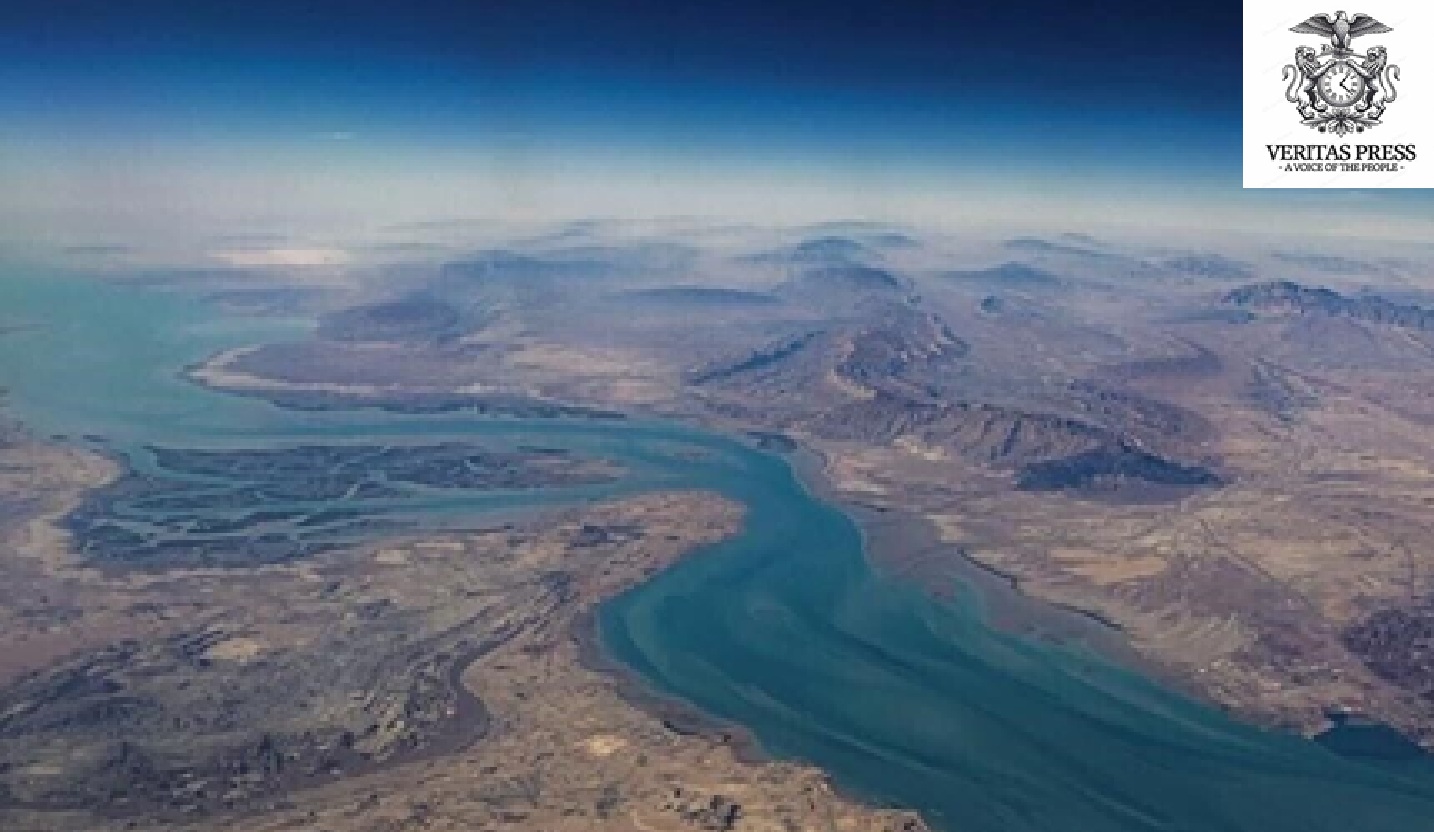
The Strait Of Hormuz: A Chokepoint Held Hostage.
The immediate flashpoint is the waterway through which 20% of the world’s oil passes. In late February, following the second US-Israeli assault, Iran began mining the Strait of Hormuz and imposing its own inspection regime on commercial traffic. The move caused crude prices to spike above $140 per barrel, triggering a global economic shudder.
The US responded with its naval blockade. Trump boasted that the “beautiful, powerful blockade” was strangling Iran’s economy. But on the water, the reality is messier.
“Every day we wake up not knowing if the corridor is open or closed,” Captain Rashid Al‑Balushi, a UAE-flagged tanker master, told this correspondent via satellite phone from anchorage near Fujairah. “The Americans tell us one thing, the Iranian patrol boats tell us another. Yesterday, a Revolutionary Guard craft pulled alongside us and demanded we reroute to Bandar Abbas for inspection. We refused. They warned they would use force. The US Navy was forty nautical miles away. They did nothing.”
The US Navy issued a fresh maritime warning on Saturday, describing the security situation in the Strait of Hormuz and adjacent waters as “critical.” It advised all commercial vessels to “exercise extreme caution” and to coordinate transit with naval authorities due to “heightened mine and small-boat threats.”
The advisory is a startling admission: for all Washington’s insistence that it controls the seas, the IRGC has effectively disrupted the free flow of commerce. “America is coming toward us in darkness,” Rezaei told China’s CGTN network earlier this month, “while we monitor their every move.”
The Mediation Mirage:
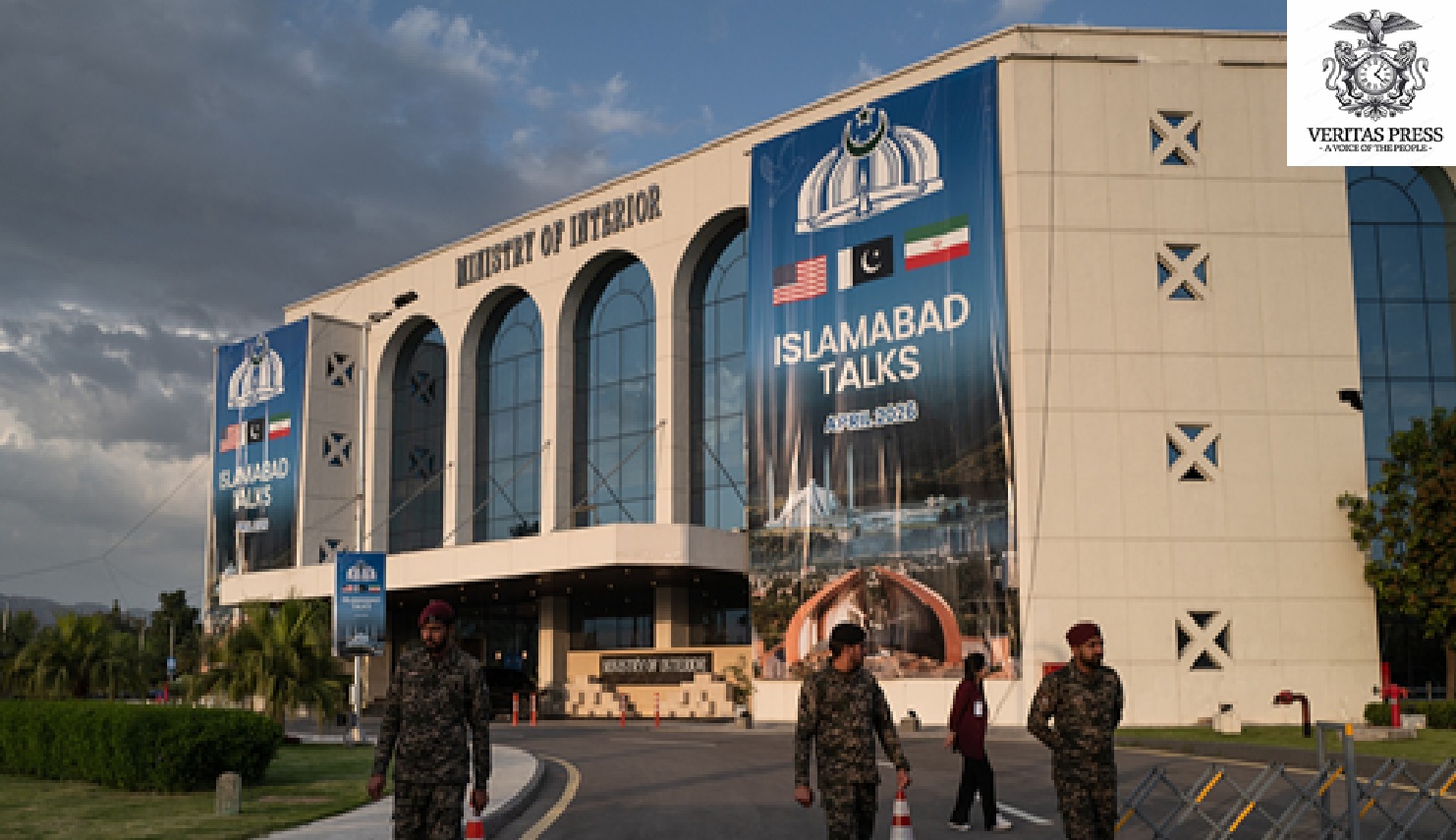
Since the February strikes, Pakistan has served as the official mediator, a role that began with fanfare in Islamabad in early April. The first round of talks collapsed within hours. Since then, proposals have shuttled between the two sides like poison‑pen letters. Tehran calls Washington’s demands “excessive and colonial”; Washington dubs Tehran’s counter‑offers “fantasy.”
A Pakistani diplomatic source, speaking on condition of anonymity, described the process as “a theatre of the absurd.” “The Americans say, ‘These are our red lines, accept them or else.’ The Iranians say, ‘Lift the blockade first, then we talk.’ Both sides know the other will not move. And yet they keep the channel open because no one wants to be seen as the one who shut it down.”
That channel is now further constricted by the Iranian succession. “Mojtaba Khamenei cannot be seen as the man who surrendered to the Americans who killed his father,” the source added. “His survival depends on projecting strength. The blockade gives him the perfect enemy.”
Trump’s red lines, never a nuclear weapon, total reopening of Hormuz, destruction of all enriched uranium, are, from Tehran’s perspective, a demand for unilateral disarmament under the guns of a foreign fleet. Iran’s stockpile of 60% enriched uranium, enough to make several bombs’ worth of weapons-grade material, remains its only remaining strategic card.
“They ask us to destroy what we have built under the heaviest sanctions in history, while they can strike us again at will,” an Iranian nuclear official, speaking anonymously, said. “Would any sovereign state accept this?”
“A Very Dark Tunnel”: The View From Iran’s Streets.
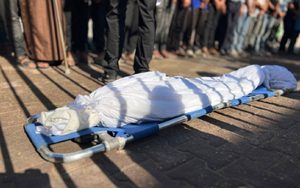
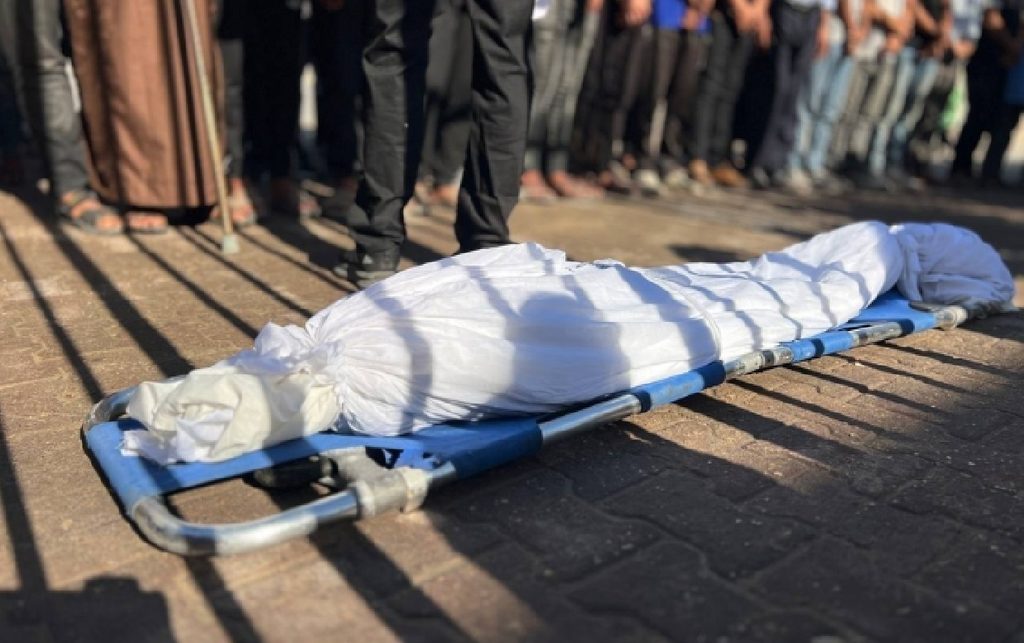
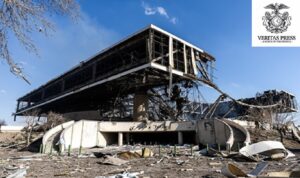
Beyond the leadership’s bellicose pronouncements, the human cost is coming into focus. The 23 May attack did not just kill a supreme leader. It levelled residential blocks in Tehran’s Narmak district and a cultural centre in Isfahan. Morgues overflowed. Hospitals, already gutted by sanctions, turned away the wounded.
“I am not a supporter of the regime, but what the Americans did was a massacre,” said Maryam, a 34‑year‑old graphic designer in Tehran, her face pale with exhaustion. “They killed Ali Khamenei, and now they say they want peace? With a blockade that is starving us? My father needs heart medication that we cannot find. My brother died in the strike. What peace is this?”
Amnesty International stated on Friday, calling for an independent investigation into the 23 May strike, citing “serious evidence of indiscriminate attacks and potential war crimes.” The US dismissed the call, with Secretary of State Marco Rubio retorting that “Amnesty should be more concerned about the IRGC’s reign of terror.”
Meanwhile, a constellation of Iran‑backed militias across the region has been placed on high alert. In Iraq, Kata’ib Hezbollah warned that “all American bases are now legitimate targets.” In Yemen, Ansarallah resumed missile launches toward Saudi Arabia. The regionalisation of the conflict, once a spectre, is now a daily occurrence.
The Hegseth Doctrine: Readiness To “Resume” War.
In Singapore, where defence ministers gathered for the Shangri‑La Dialogue, US Secretary of Defence Pete Hegseth delivered a speech that was part sales pitch, part ultimatum. The United States, he said, was “more than capable” of resuming major combat operations if talks failed.
“Our military readiness has not diminished one iota,” Hegseth told reporters. “We are fully prepared, alongside our Israeli partners, to degrade and destroy the Iranian threat. The president’s preference is peace, but his patience is finite.”
Pressed on the apparent contradiction between Trump’s announcement of a lifted blockade and the IRGC’s insistence that it remains in place, Hegseth was curt: “The blockade will be adjusted as Iran complies. Compliance first.”
This sequencing, Iranian capitulation before any relief, is the nub of the betrayal narrative. For Tehran, it echoes the worst fears of the JCPOA era, where sanctions relief was always conditional, always delayed, always reversible. Now, with bombs having spoken, trust is a foreign currency.
Connecting The Dots:
What emerges from the patchwork of official statements, on‑the‑ground reports, and diplomatic whispers is a deliberate strategy of controlled escalation masked as diplomacy. The pattern is unmistakable: a ceasefire is announced, providing political cover; the blockade is maintained, bleeding Iran; maximalist conditions are unveiled, designed to be rejected; and when rejection comes, as it must, the blame is shifted, and military action is positioned as the only remaining option.
This is not diplomacy; it is entrapment. Rezaei’s “third betrayal” is thus an accurate accounting of a sequence: June 2025 (bombing during talks), February 2026 (bombing during talks), and now May 2026 (blockade and diktat during talks). Each time, the United States has treated the negotiating table as an antechamber to the war room.
“The Americans have no choice but to negotiate,” Rezaei told CGTN in April, “and continuing this war would lead them into a very dark tunnel.” The remark was prophetic. Today, that tunnel is lined with the bodies of 800 Iranians, including a supreme leader, and lit only by the flares of naval standoffs.
The Atlantic Council’s Iran analyst, Dr. Haleh Esfandiari, told this reporter: “What we are witnessing is the collapse of coercive diplomacy into pure coercion. The White House believes it can bomb Iran into submission, decapitate its leadership, and then dictate terms. That is a fantasy. What it is actually doing is creating a martyrdom narrative that will fuel Iranian resistance for a generation, and is galvanising a new leader who has nothing to lose.”
Indeed, Mojtaba Khamenei’s first public address as Supreme Leader, delivered on Thursday, was devoid of the elliptical phrasing his father favoured. “The blood of the martyrs,” he intoned, “has anointed the path to victory. We will not bow. We will break the siege by any means necessary.” Rezaei’s earlier warning to CGTN, that Iran “will break the blockade either through negotiation or, if not, through direct action,” has now become official state doctrine.
The Third Betrayal: Beyond Rhetoric.
The phrase “betraying diplomacy for the third time” is not merely an Iranian talking point; it is a lens for understanding the architecture of failure. The first betrayal, the June 2025 Israeli strikes, revealed that the US could not or would not restrain its ally, making any agreement reliant on Washington’s good faith worthless. The second betrayal, the February joint assault, demonstrated that the US itself was willing to bomb during active talks, rendering the very concept of a ceasefire contingent not on mutual agreement but on unilateral American forbearance. The third betrayal, the blockade‑and‑ultimatum, strips away any remaining pretence: the “negotiation” is a demand for surrender, with the economic noose tightened until the enemy either chokes or lunges.
A European diplomat involved in the early rounds of the crisis, who spoke on condition of anonymity, offered a bleak assessment: “The Trump administration’s approach is fundamentally transactional, but a nuclear standoff is not a Manhattan property deal. You cannot simply put an adversarial state into receivership and impose your conditions. The repeated betrayals have destroyed any domestic constituency for compromise inside Iran. The hardliners who always argued that the US only understands force have been vindicated.”
The betrayal narrative also resonates domestically for the Iranian leadership. By framing each diplomatic collapse as an act of American treachery, the regime can channel the public’s anger outward, away from its own mismanagement. The killing of Ali Khamenei, however, has introduced an unpredictable variable. The father was a known quantity, a strategist who had survived an eight‑year war with Iraq, decade‑long sanctions, and multiple assassination attempts. The son inherits a crisis without the same well of personal authority. To prove his mettle, Mojtaba Khamenei must deliver not just survival, but a tangible victory, and that likely means forcing the blockade’s end, by whatever means.
What Next? A Dark Tunnel, No Exit.
As of Saturday, 30 May, the gap between rhetoric and reality is a chasm. Trump says the blockade is being lifted. Iranian sailors say it is not. The IRGC says it will break the blockade by negotiation or action. The Pentagon says it is ready to resume strikes. Mediators shuttle between the sides, but the core demands, total Iranian nuclear capitulation versus total lifting of the blockade, remain irreconcilable.
The Strait of Hormuz remains a tinderbox. A miscalculation by a young IRGC speedboat commander, a US Navy captain misreading a radar blip, a mine breaking free of its moorings, any of these could ignite a full‑scale maritime war that drags in the Gulf states and beyond. Oil markets, already jittery, are pricing in a disruption premium that economists warn could tip the global economy into recession.
Back in Tehran, Rezaei’s words from April echo with haunting prescience: “America is coming toward us in darkness, while we monitor their every move.” The darkness is now mutual. The world watches, hoping for a flicker of light, but steeling itself for the inferno.
Source:Veritas Press C.I.C. | Multi News Agencies
Submissions:
For The Secure Submission Of Documentation, Testimonies, Or Exclusive Investigative Reports From Any Global Location, Please Utilise The Following Contact Details For Our Investigations Desk: enquiries@veritaspress.co.uk or editor@veritaspress.co.uk
Help Support Our Work:
Popular Information is powered by readers who believe that truth still matters. When just a few more people step up to support this work, it means more lies exposed, more corruption uncovered, and more accountability where it’s long overdue.
Help Protect Independent Journalism, Which Is Currently Under Attack.
If you believe journalism should serve the public, not the powerful, and you’re in a position to help, becoming a DONATOR or a PAID SUBSCRIBER truly makes a difference.
DONATION APPEAL: If You Found This Reporting Valuable, Please Consider Supporting Independent Journalism.
Help Support Our Work – We Know, We Know, We Know …
Seeing these messages is annoying. We know that. (Imagine what it’s like writing them … )
Your support fuels our fearless, truth-driven journalism. In unity, we endeavour to amplify marginalised voices and champion justice, irrespective of geographical location.
But it’s also extremely important. One of Veritas Press’s greatest assets is its reader-funded model.
1. Reader funding means we can cover what we like. We’re not beholden to the political whims of a billionaire owner. We are a small, independent and impartial organisation. No one can tell us what not to say or what not to report.
2. Reader funding means we don’t have to chase clicks and traffic. We’re not desperately seeking your attention for its own sake: we pursue the stories that our editorial team deems important and believe are worthy of your time.
3. Reader Funding: enables us to keep our website and other social media channels open, allowing as many people as possible to access quality journalism from around the world, particularly those in places where the free press is under threat.
We know not everyone can afford to pay for news, but if you’ve been meaning to support us, now’s the time.
Your donation goes a long way. It helps us:
Keep the lights on and sustain our day-to-day operations
Hire new, talented independent reporters
Launch real-time live debates, community-focused shows, and on-the-ground reporting
Cover the issues that matter most to our communities, in real time, with depth and integrity
We have plans to expand our work, but we can’t do it without your support. Every contribution, no matter the size, helps us stay independent and build a truly people-powered media platform. If you believe in journalism that informs, empowers, and reflects the communities we serve, please donate today
Kamran Faqir is a volunteer investigative journalist and writer committed to exposing hidden truths and amplifying underreported stories. Driven by social justice, he brings sharp insight and fearless truth-telling to independent journalism. NUJ registered.
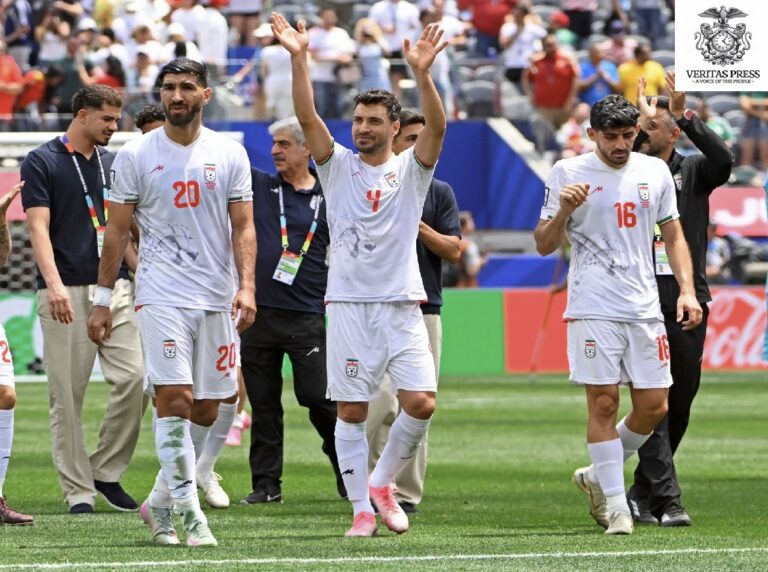
SEATTLE, TEHRAN — The U.S. Department of Homeland Security (DHS) will allow Iran’s national football team to enter the country 48 hours before their critical World Cup match against Egypt on Friday, a modest concession in a tournament where Team Melli’s travel conditions have sparked claims of oppression and competitive disadvantage.