



Help support our mission, donate today and be the change. Every contribution goes directly toward driving real impact for the cause we believe in.
TEHRAN, IRAN – As the sun rose over a shattered Middle East on the 16th day of the US-Israeli war on Iran, the Islamic Revolutionary Guard Corps (IRGC) did not merely announce a new wave of missile strikes. It issued a fatwa-like vow that transcended the battlefield, plunging the conflict into the shadowy realm of personal vengeance and high-stakes psychological warfare.
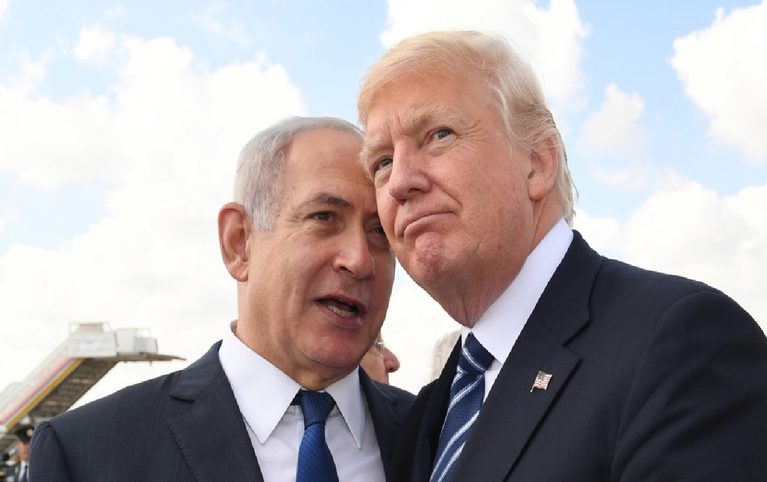
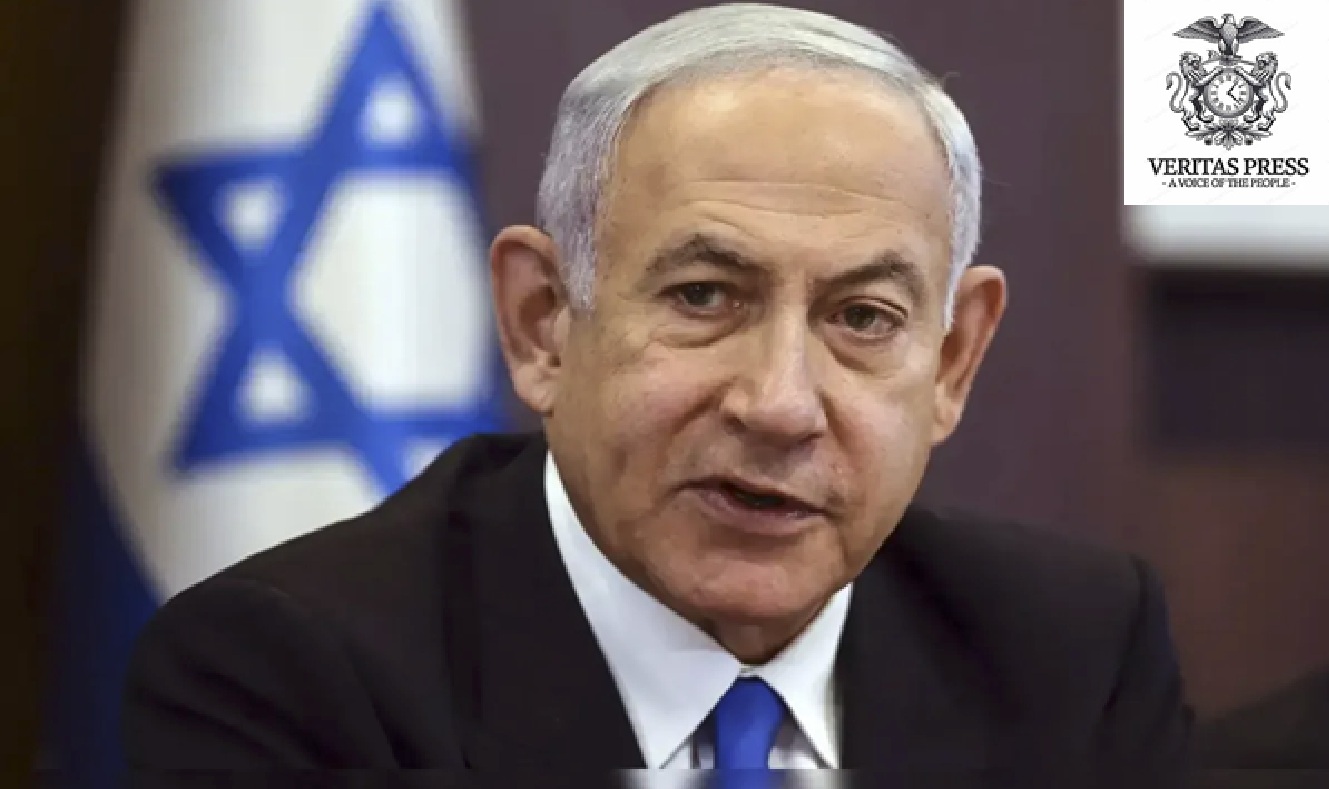
“If this child-killing criminal is alive, we will continue to pursue and kill him with full force,” the IRGC declared on its Sepah News website, referring to Israeli Prime Minister Benjamin Netanyahu. The statement, published amid the thunder of the 52nd wave of “Operation True Promise 4,” was as much a strategic communiqué as it was an assassination threat, reflecting Tehran’s intent to make the Israeli leadership feel as vulnerable as its own citizens have felt under relentless bombardment.
This is not merely a war of territory or even regional hegemony; it has mutated into a war of survival for the political architects on both sides. The IRGC’s ultimatum lands in an information vacuum filled with the static of rumours, AI-generated disinformation, and the very real wail of ambulance sirens from Tel Aviv to Tehran.
The Netanyahu Enigma: Fact, Fiction, And The Six-Fingered Glitch.
The Iranian threat was deliberately timed to exploit a growing fog of uncertainty surrounding the Israeli Prime Minister. For days, social media has been ablaze with speculation about Netanyahu’s fate. Has he been killed in an Iranian strike? Has he fled the occupied territories with his family?
The Prime Minister’s Office in Jerusalem has been forced into an unprecedented cycle of denial, dismissing the chatter as “fake news” and insisting the premier is “fine”. But the denials have done little to quell the theories, which were ignited by a seemingly minor technical anomaly: a video address posted on Netanyahu’s X account appeared to show his hand with six fingers, a classic telltale sign of AI-generated imagery.
Digital forensic experts who analysed the clip suggest it may have been a glitchy frame from a legitimate recording, but the damage was done. “In a conflict where information is a weapon, the perception of vulnerability becomes a reality,” says Dr. Elias Khoury, a media warfare analyst. “By questioning whether the leader is alive or a digital ghost, the narrative shifts from Israeli invincibility to Israeli fragility.”
The IRGC pounced on this ambiguity, framing the uncertainty as proof of a “crisis and the faltering situation of the Zionists”. The message to Israel’s populace and its military was clear: your leader may already be gone, or he is next.
Operation True Promise 4: The 52 Waves Of Revenge.
The threat against Netanyahu is the rhetorical spearhead of a much broader military escalation. Iran has now officially declared the launch of the 52nd wave of retaliatory strikes, codenamed “Ya Zeinab (SA),” targeting what it describes as the “terrorist US-Israeli criminals”.
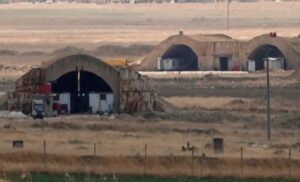
According to the IRGC, these waves have systematically degraded US and Israeli military infrastructure across the region. Following waves that struck the Al Kharj Air Base in Saudi Arabia, a hub for F-35 and F-16 fighter jets, the latest phase focused on three critical US installations. The IRGC claims to have destroyed “troop assembly centres” at the Harir Air Base in Erbil, Iraq, and delivered devastating blows to the Ali Al Salem Air Base and Camp Arifjan in Kuwait using “powerful Iranian missiles and drones”.
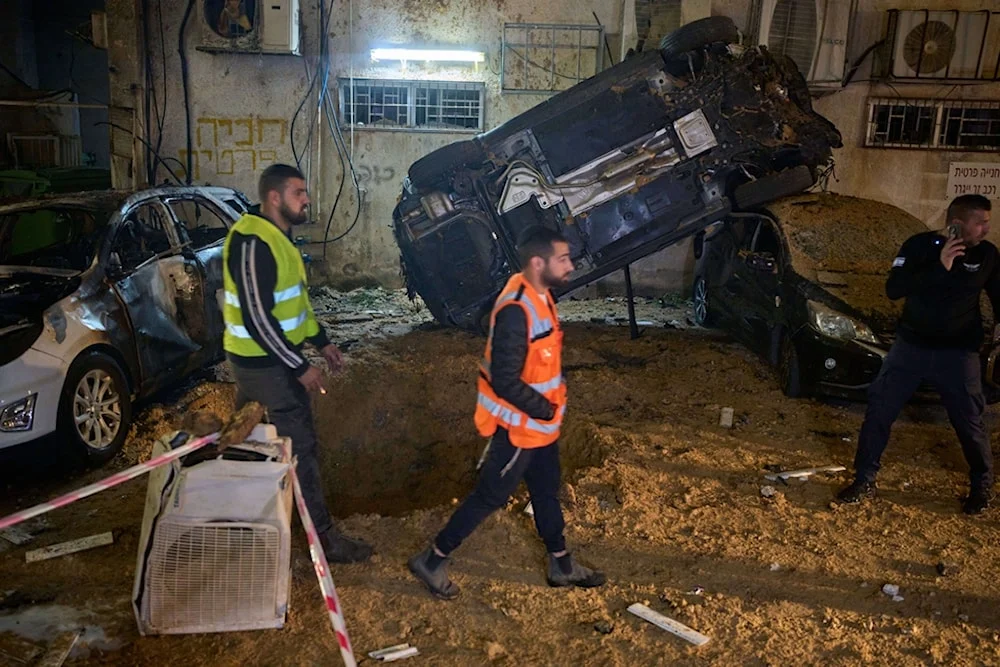
“Continuous ambulance sirens and the confession of the Zionist entities to the increasing number of casualties exposed the impact of the IRGC’s heavy missiles on Tel Aviv’s industrial sectors,” the IRGC stated, painting a picture of an Israeli home front in chaos.
Yet, these claims exist in a battlespace of competing narratives. While Iran boasts of precision strikes, US Central Command has downplayed the effectiveness of some attacks, even as it confirms hits on facilities. The fog of war is deliberately thickened by both sides to maintain morale and project strength.
The Unravelling Home Front: ‘Black Rain’ And Broken Cities.
While the world watches the duelling missile barrages, a slower, more insidious disaster is unfolding on the Iranian civilian population. International health officials have raised alarms over a phenomenon now being called “black rain.”
Following US-Israeli airstrikes on Iranian oil facilities and refineries, targets that Washington initially claimed were purely military, clouds of toxic smoke have mixed with precipitation, falling back to Earth as dark, oily droplets. Residents in Tehran have reported burning eyes and difficulty breathing.
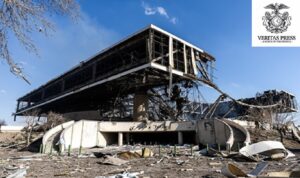
“We are seeing the environmentalization of the conflict,” warns a spokesperson for the International Red Crescent, which reports that more than 24,500 civilian structures in Iran have been damaged. This includes nearly 20,000 homes, 4,500 businesses, and 69 schools. “When you hit fuel depots and industrial zones, you are not just damaging military infrastructure; you are poisoning the water table and the air that millions breathe.”
The IRGC has seized on this, accusing the US and Israel of shifting to “cowardly attacks on civilian industries” after failing to overcome Iran’s armed forces. They specifically mention workers being “martyred while fasting” during the holy month, a potent cultural and religious rallying cry.
The Regional Tinderbox: From Dubai To The Strait Of Hormuz.
The war is no longer contained within the borders of Iran and Israel. It has engulfed the entire Gulf region. In a startling revelation, Iranian Foreign Minister Abbas Araghchi claimed that US attacks on Iran’s Kharg Island were launched using “short-range rockets launched from two bases in the UAE, including one close to Dubai”.
This accusation turns Gulf states from bystanders into potential co-belligerents in the eyes of Tehran. Iran has warned that oil tankers and commercial vessels belonging to “aggressors and their allies” will not be allowed to pass through the Strait of Hormuz, through which a fifth of the world’s oil flows.
The response from Gulf capitals has been one of panic and pragmatism. Dubai International Airport, the world’s busiest for international travel, has been repeatedly disrupted by drone debris and interceptions. Kuwait’s National Guard shot down five Iranian drones in a single 24-hour period, while the UAE reported intercepting over 1,300 drones since the war began.
US President Donald Trump has called on world powers, including South Korea and Japan, to send warships to secure the shipping lane. The response has been tepid. “I regard the threshold as extremely high,” a senior Japanese policy adviser stated, exposing the reluctance of global powers to be dragged into a widening Middle Eastern war.
A Deeper Investigative Critique: The Logic Of Elimination.
The IRGC’s vow to “kill” Netanyahu represents a dangerous evolution in modern warfare: the official designation of a sitting head of government as a military asset to be liquidated. This moves beyond the shadow war of assassinating nuclear scientists or commanders in Damascus. It is a direct challenge to the Westphalian norms of sovereignty.
But why issue such a threat publicly? Strategically, it serves multiple purposes. First, it forces Netanyahu into a security bubble, isolating him from the public and disrupting the functioning of the Israeli government. Second, it is a mobilising tool for the Iranian hardline base, unifying them behind a vendetta that justifies any economic or military sacrifice.
However, the intelligence failure implied by the IRGC’s conditional phrasing, “if he is still alive”, is striking. It suggests that despite its network of proxies and intelligence assets, the IRGC is as much in the dark about Netanyahu’s whereabouts as the rest of the world, relying on social media rumours and AI glitches for confirmation.
“This is asymmetric psychological warfare,” explains a former Western intelligence officer. “Iran knows it cannot destroy Israel’s military. But it can make its leaders paranoid. It can force them to look over their shoulder. A leader worried about a bunker-buster is a leader not focused on winning the war.”
Conclusion: A War Without Horizon.
As the 52nd wave of missiles arcs through the night sky, the conflict shows no signs of de-escalation. Israel’s military has begun what it calls a “wide-scale” wave of strikes on western Iran, targeting the infrastructure of the “Iranian terror regime”.
Ukraine watches with bated breath, fearing the diversion of US military support. China, reliant on the Strait of Hormuz for 45% of its oil, is calling for talks. And amidst it all, the people of the region, from the schools of Tehran to the synagogues of Jerusalem, wait in shelters, listening for the sound of sirens, or the silence that might signal the fall of black rain.
The IRGC has promised to hunt Netanyahu “until he receives his punishment.” Whether that punishment comes from a missile, a drone, or a viral rumour that finally sticks, one thing is certain: in this war, no one, not even the most protected leader, is safe from the hunt.
Source: Multiple News Agencies
Submissions:
For The Secure Submission Of Documentation, Testimonies, Or Exclusive Investigative Reports From Any Global Location, Please Utilise The Following Contact Details For Our Investigations Desk: enquiries@veritaspress.co.uk or editor@veritaspress.co.uk
Help Support Our Work:
Popular Information is powered by readers who believe that truth still matters. When just a few more people step up to support this work, it means more lies exposed, more corruption uncovered, and more accountability where it’s long overdue.
Help Protect Independent Journalism, Which Is Currently Under Attack.
If you believe journalism should serve the public, not the powerful, and you’re in a position to help, becoming a DONATOR or a PAID SUBSCRIBER truly makes a difference.
DONATION APPEAL: If You Found This Reporting Valuable, Please Consider Supporting Independent Journalism.
Help Support Our Work – We Know, We Know, We Know …
Seeing these messages is annoying. We know that. (Imagine what it’s like writing them … )
Your support fuels our fearless, truth-driven journalism. In unity, we endeavour to amplify marginalised voices and champion justice, irrespective of geographical location.
But it’s also extremely important. One of Veritas Press’s greatest assets is its reader-funded model.
1. Reader funding means we can cover what we like. We’re not beholden to the political whims of a billionaire owner. We are a small, independent and impartial organisation. No one can tell us what not to say or what not to report.
2. Reader funding means we don’t have to chase clicks and traffic. We’re not desperately seeking your attention for its own sake: we pursue the stories that our editorial team deems important and believe are worthy of your time.
3. Reader Funding: enables us to keep our website and other social media channels open, allowing as many people as possible to access quality journalism from around the world, particularly those in places where the free press is under threat.
We know not everyone can afford to pay for news, but if you’ve been meaning to support us, now’s the time.
Your donation goes a long way. It helps us:
- Keep the lights on and sustain our day-to-day operations
- Hire new, talented independent reporters
- Launch real-time live debates, community-focused shows, and on-the-ground reporting
- Cover the issues that matter most to our communities, in real time, with depth and integrity
We have plans to expand our work, but we can’t do it without your support. Every contribution, no matter the size, helps us stay independent and build a truly people-powered media platform.
If you believe in journalism that informs, empowers, and reflects the communities we serve, please donate today.
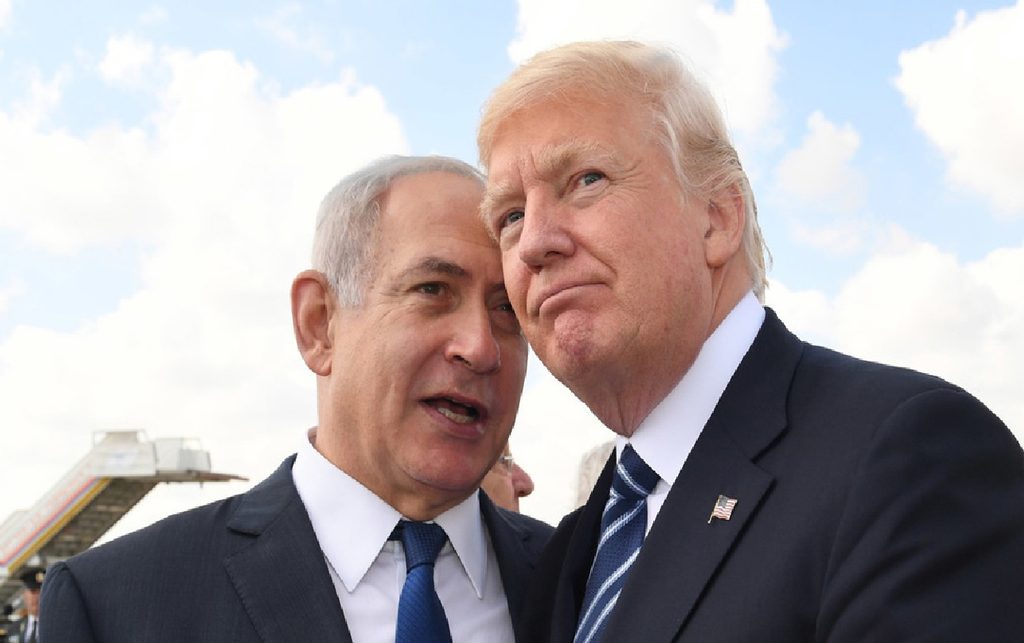
The Trump administration is preparing a $2.8 billion weapons package for Israel containing 40,000 2,000-pound

Film alleges mass civilian deaths are routinely built into military decisions amid Israel’s genocidal war
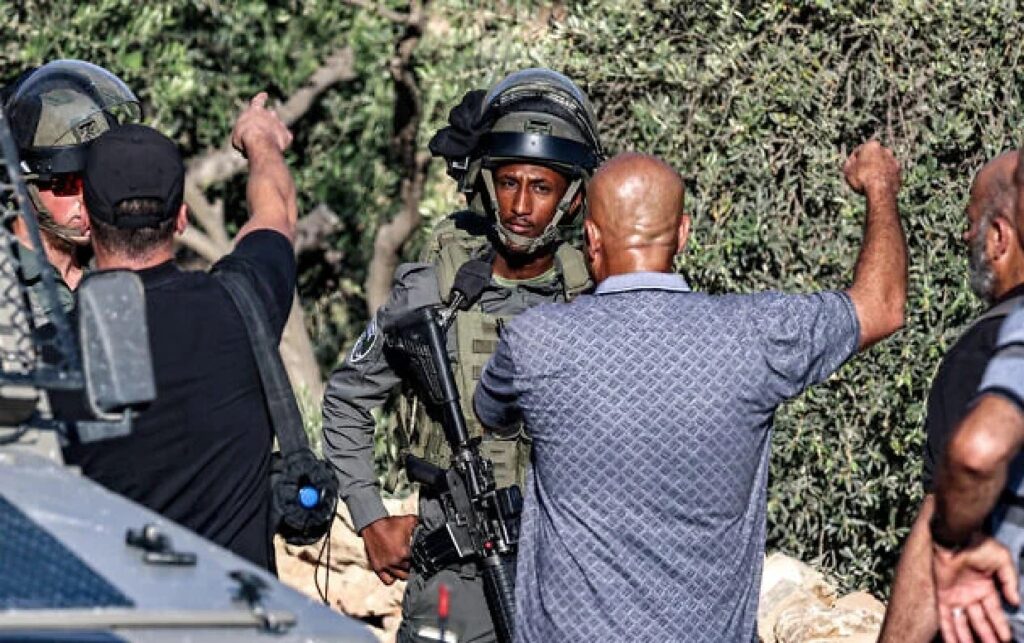
The Israeli rights group says violence, displacement, economic strangulation, and settlement expansion form part of

Houthi forces have captured the historic Red Sea port of Mocha and are advancing on
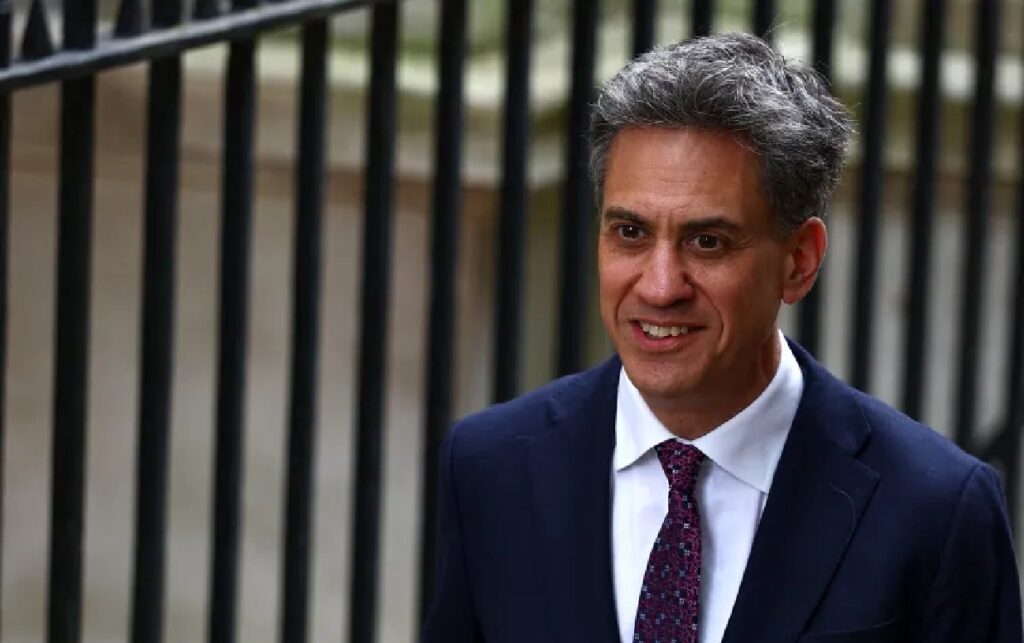
London’s historic sanctions against Israeli settlements mark a watershed moment in UK foreign policy, but
With 95% of Gaza’s population now wholly dependent on aid and more than 90% stripped
India calls for Kashmir and Ladakh to appear only on its official map after a
ISLAMABAD – In the high-stakes political theatre of Pakistan, the battleground has shifted from the
Francesca Albanese says third states have an ICJ-mandated obligation to end Israel’s occupation. But with
As Israeli jets bomb a Syrian air base over alleged Turkish deployment plans, Ankara, Washington