Kamran Faqir is a volunteer investigative journalist and writer committed to exposing hidden truths and amplifying underreported stories. Driven by social justice, he brings sharp insight and fearless truth-telling to independent journalism. NUJ registered.
Article Date Published:
Article Date Modified:
9 minutes
Views:257
Listen to this article
Help support our mission, donate today and be the change. Every contribution goes directly toward driving real impact for the cause we believe in.
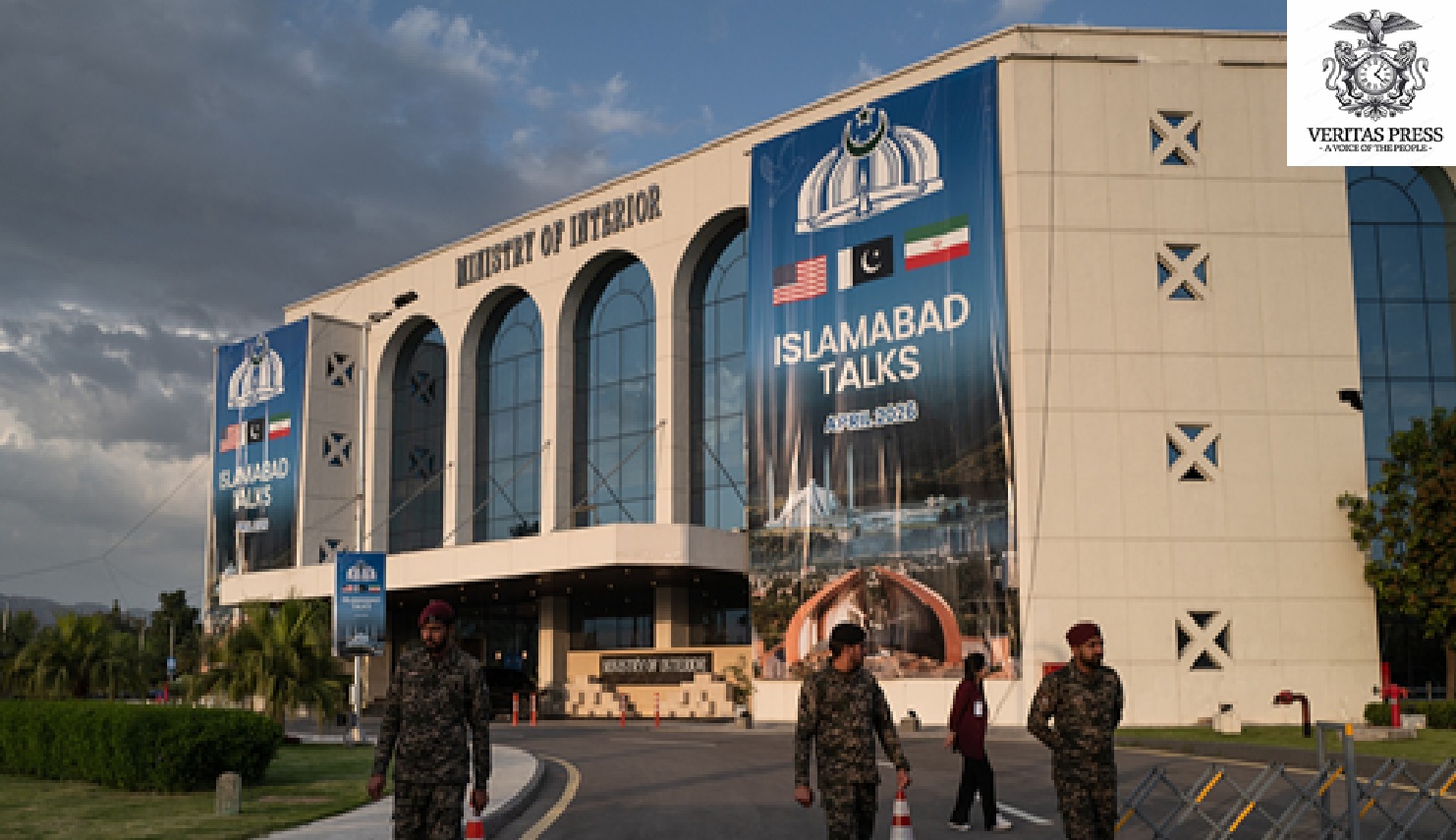
The sky over the Arabian Peninsula lit up not with the summer sun, but with the ominous glow of interceptions and impact detonations on Sunday, as the fragile architecture of a month-old memorandum of understanding (MoU) between the United States and Iran collapsed into the most severe kinetic conflict the Middle East has witnessed in decades. What began as a calculated dance of diplomacy has spiralled into a multi-front war, with Iran launching audacious three-phase retaliatory strikes on US military infrastructure across five Gulf Cooperation Council (GCC) states, while simultaneously slamming the doors of the global economy shut by mining and closing the Strait of Hormuz.
This is not merely an escalation; it is a fundamental reordering of the regional security paradigm. An investigative analysis of events on the ground, pieced together from official statements, military communiqués, and terrified local testimonies, reveals a conflict driven by the fatal ambiguities of a peace deal, the ghost of a slain Supreme Leader, and a miscalculation that an era of unilateral military action could proceed without cataclysmic blowback.
The Trigger: Ambiguity In The Waterway.
To understand how the world arrived at the brink, one must look not at the missile silos, but at the fine print of the MoU. Signed amid much fanfare, the accord contained a gaping structural flaw: it failed to definitively resolve the mechanism for freedom of navigation in the Strait of Hormuz. Iran insisted on a “verified transit corridor” managed exclusively by Tehran and Muscat, while the U.S. and the GCC demanded unrestricted passage.
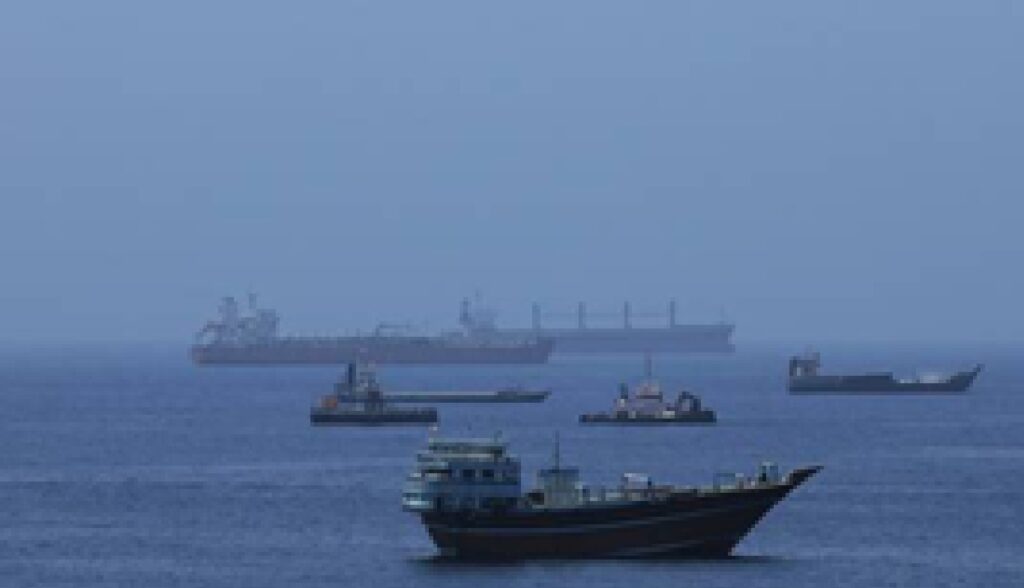
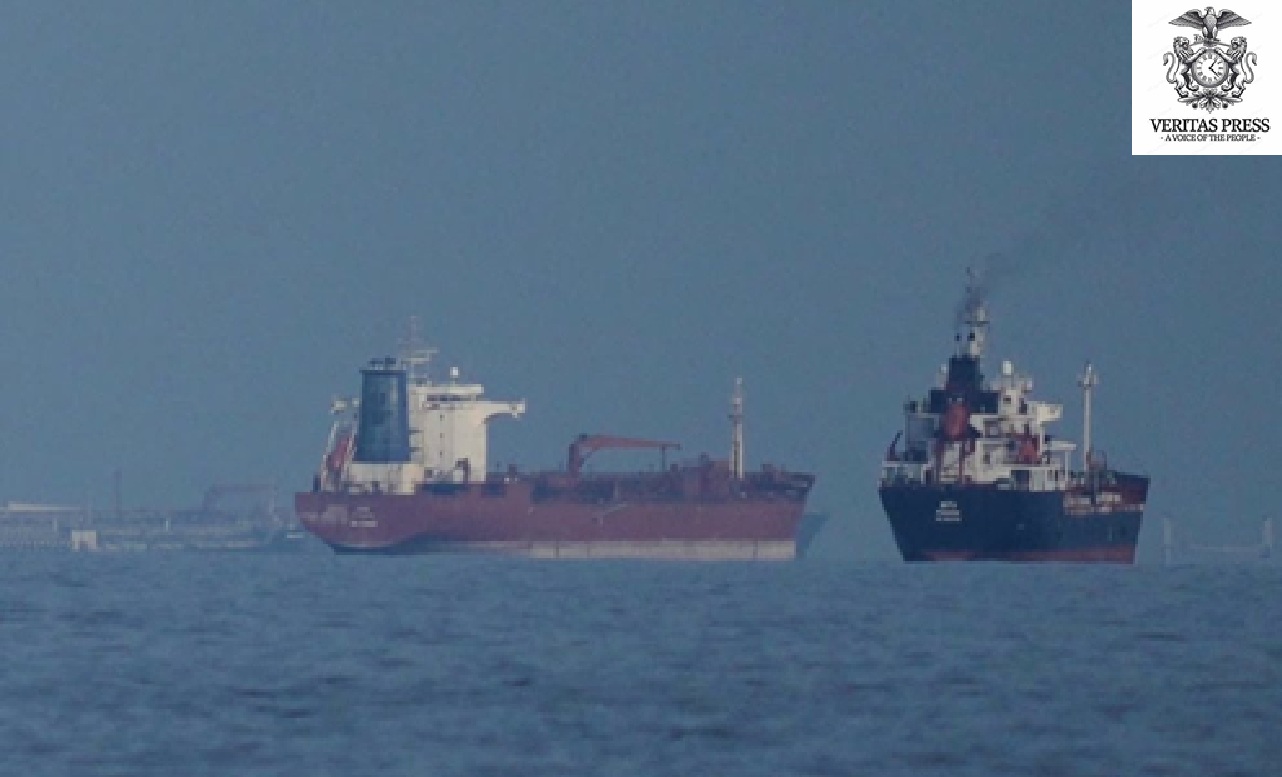
The loophole was a bomb waiting to detonate. It exploded last Monday when Iran’s Islamic Revolutionary Guard Corps (IRGC) Navy struck three commercial vessels, including a Qatari LNG tanker, off the Omani coast. The IRGC claimed the ships were using an “unapproved route.” CENTCOM called it unprovoked maritime terrorism.
“This was always the risk,” a European diplomat familiar with the negotiations told this investigation on condition of anonymity. “The MoU was a band-aid on a haemorrhage. There was no technical agreement on vessel inspections or lane enforcement. Both sides signed it, assuming they could impose their interpretation on the other by force later. That ‘later’ is now here.”
Decapitation And Revenge: The Khamenei Factor.
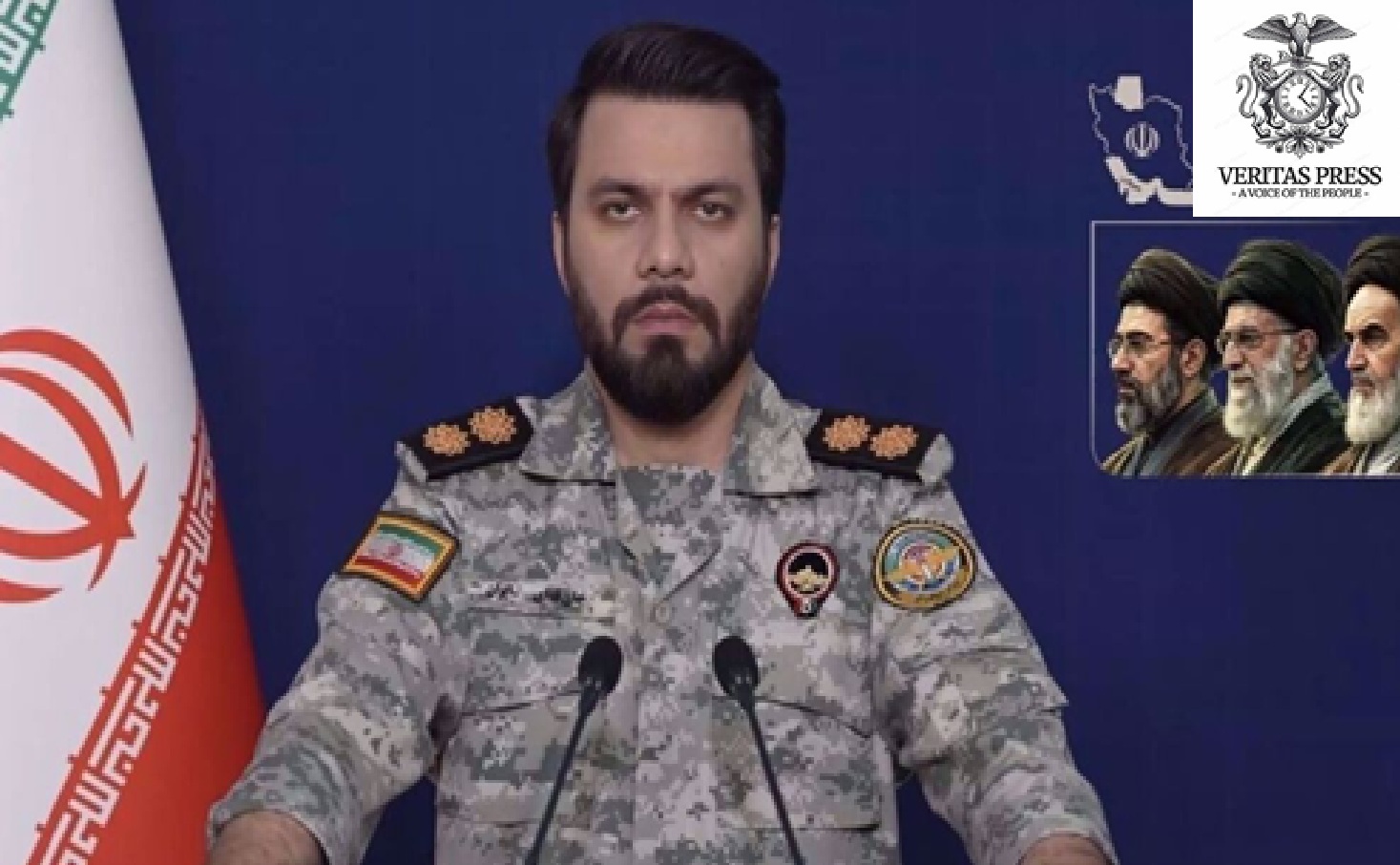
The political context is inescapably personal. The US-Israeli strikes on February 28 killed Supreme Leader Ali Khamenei. His son, Mojtaba Khamenei, ascended to power cloaked in the cult of martyrdom. In his first public statement since the funeral, broadcast on Saturday night just as the third wave of U.S. strikes began, Mojtaba framed the conflict as a blood feud.
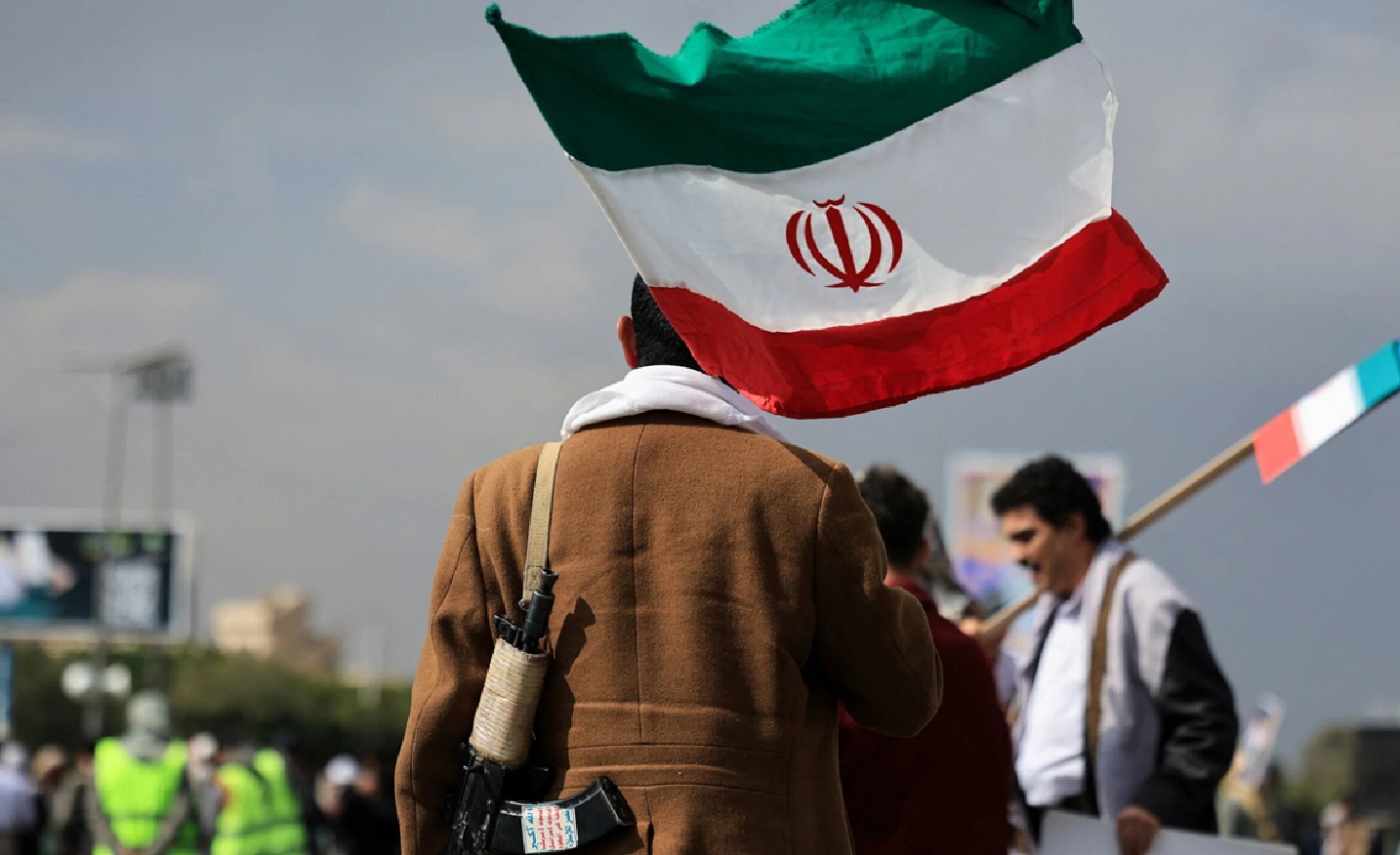
“Revenge for the assassination of the Leader of the Revolution will most certainly be carried out,” the Supreme Leader’s statement read, setting a tone of existential, non-negotiable escalation that makes de-escalation virtually impossible. When the new leader speaks of vengeance, the IRGC listens. It is not a policy directive; it is an operating system.
Sunday’s Anatomy: A Three-Phase Declaration Of War.
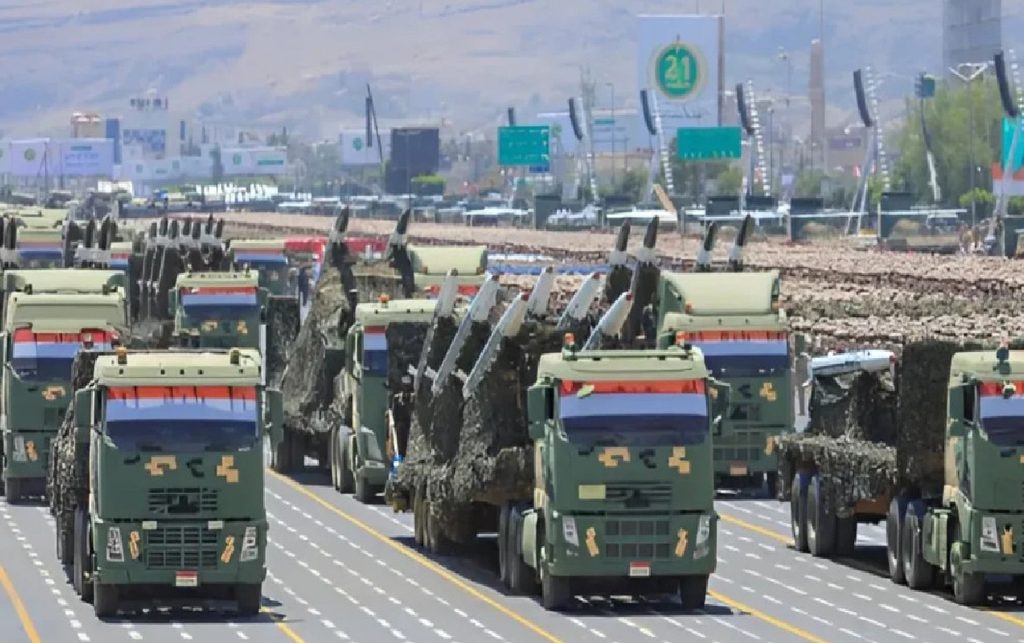
As CENTCOM jets struck 140 targets across southern Iran’s coastal cities, hitting radar systems, missile batteries, and ammunition depots in Bushehr, Asaluyeh, and Lorestan, Iran executed a sophisticated, simultaneous, three-phase counter-strike designed to overwhelm GCC defences and humiliate Washington.
Iranian Parliament Speaker and key negotiator Mohammad Bagher Ghalibaf signalled the shift in doctrine on X, posting an image of Article 5 of the defunct MoU with the caption: “The era of one-sided deals is over. We told you: keep your word or pay the price. Reality is knocking.”
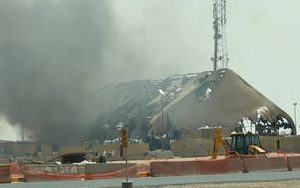
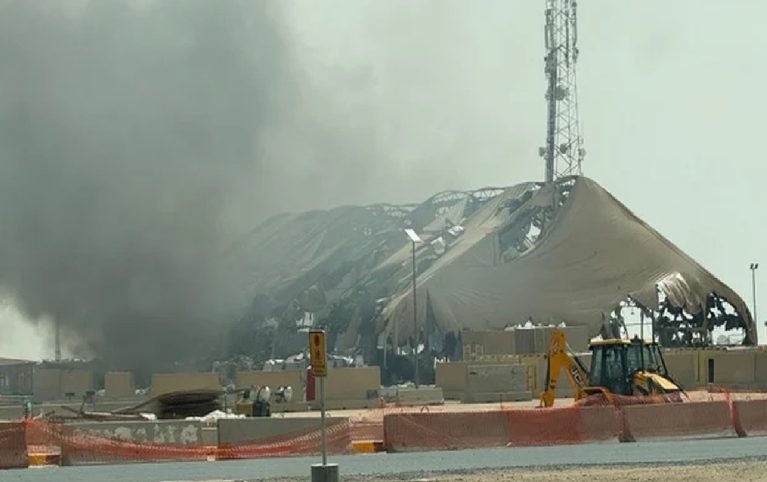
Phase One: Jordan. The IRGC Aerospace Force fired a salvo of advanced Emad and Kheibar Shekan ballistic missiles at Prince Hassan Air Base. “The command-and-control centre and MQ-9 drone hangars were completely destroyed,” an IRGC statement claimed. The Jordanian government reported three missiles landed, causing “minor material damage,” but the psychological impact was massive. It signalled that no US ally, no matter how distant or historically cautious, was safe from Tehran’s reach.
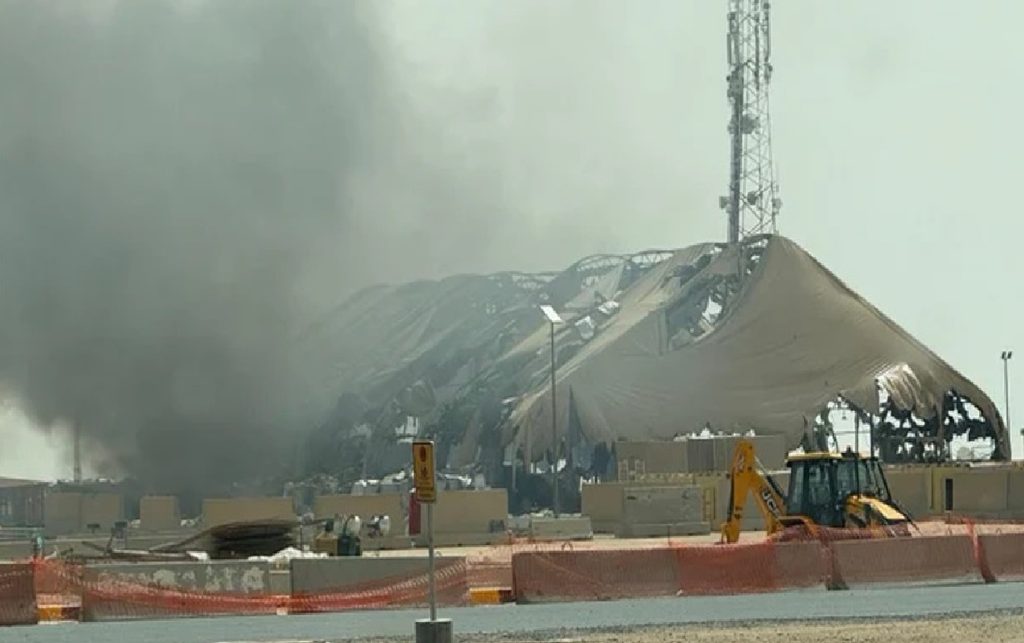
Phase Two: The Gulf Core. The attack expanded to Al Udeid Air Base in Qatar, the largest US military facility in the region. Iran claimed it destroyed a fighter maintenance centre and a C2 hub. “We heard the sirens, and then the sky cracked open,” said a Filipino expatriate worker in Doha, via a shaky phone call. “Three people, including a child, were wounded by falling shrapnel. We are hiding in the bathroom.” Qatar’s Interior Ministry declared a high threat level, urging residents to stay indoors.
Phase Three: The Logistics Kill Chain. Striking the Port of Duqm in Oman represented a critical escalation. The IRGC targeted logistics support centres and refuelling platforms used by US aircraft carriers. An Omani government statement condemned the “blatant attack,” but the strike served Iran’s strategic narrative: if Iran’s coastline burns, the facilities enabling the attacks will burn too.
Simultaneously, Iranian Army drones bypassed or overwhelmed Patriot systems in Kuwait and Bahrain, hitting a radar site and a communications centre. “The sounds of explosions you hear are our defence systems intercepting hostile targets,” the Kuwaiti army announced, a phrase that offered little comfort as videos of fiery debris raining from the sky circulated on social media.
The Hormuz Ultimatum: Economic Siege.
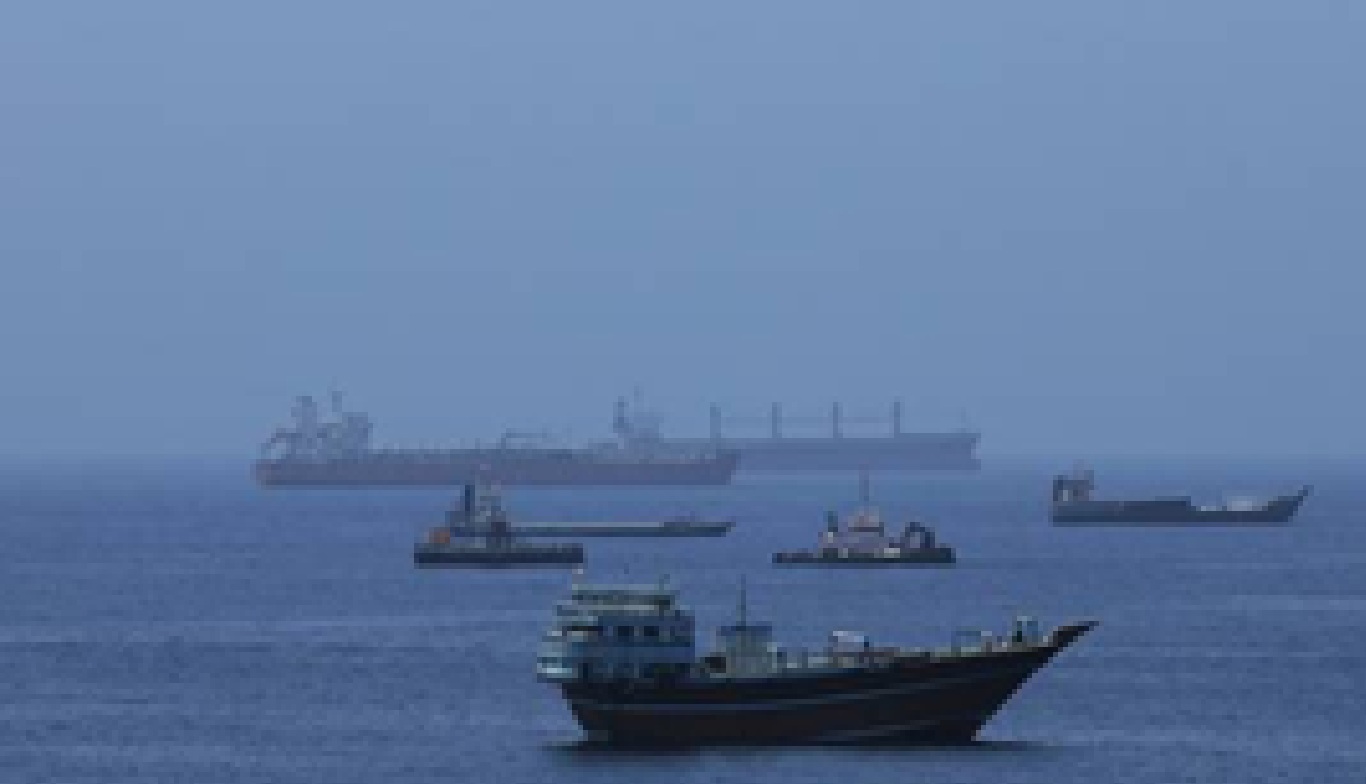
Parallel to the missile salvos, the IRGC Navy enacted the ultimate leverage point: a complete maritime blockade. “The Strait of Hormuz is closed until the end of US interference in this region,” the Guard announced. To enforce the closure, the IRGC stated it disabled a second vessel on Sunday after firing a warning shot that struck a Cyprus-flagged container ship, the GFS Galaxy, leaving one Indian national missing.
“We are in uncharted waters, literally,” Captain Ranjit Singh, a maritime security analyst based in Singapore, told this publication. “Iran isn’t just threatening passage; they are boarding and striking vessels to physically obstruct the lane. They are daring the US Navy to come and break it.”
The blockade immediately sent energy futures into chaos. With 20% of the world’s oil and LNG flow halted, analysts project gasoline prices could double within weeks, a political time bomb for the Trump administration ahead of the November midterms.
Investigative Critique: A Coalition Of Consequence.
This investigation has found that the Gulf states, while publicly hosting US bases, have been internally terrified of precisely this scenario. A Qatari official, speaking off the record, expressed fury: “We mediated the MoU. We were struck last night anyway. Iran has made it clear that neutrality is not an option. If you host American power projection, you are a target. Our airspace was used against them; now our capital is in the crosshairs.”
The Emirati and Saudi silence is deafening. While the UAE engaged defence systems to intercept missiles that flew toward its territory, and Oman condemned the strike, the traditional aggressive rhetoric against Iran is muted. The Gulf monarchies are realising that in a total war between the US and Iran, their cities are the frontline, and their glass skyscrapers are the targets.
The Diplomatic Void:
Even as the bombs fall, the ghost of the MoU lingers. Iranian Foreign Minister Abbas Araghchi was actually in Oman discussing “safe passage mechanisms” with Omani and Qatari delegations when the US third-round strikes hit Iran. The diplomatic whiplash suggests either a total breakdown in communication or a bad-faith exploitation of negotiation timelines by military planners.
“Ghalibaf’s ‘reality is knocking’ line is key,” notes Dr. Leila Ebrahimi, a Tehran-based political analyst. “Iran feels it signalled its red line, navigational sovereignty, clearly. The US thought it could bomb Iran back into a different, weaker agreement. The US administration miscalculated the ‘Mojtaba factor.’ You cannot bomb a nation mourning a slain father and expect them to capitulate. Now, there is no longer any backchannel that can stop this, because the targets have expanded beyond military sites to the global economy itself.”
As of Sunday evening, the Strait of Hormuz remains a burning chokepoint, the skies over five nations are active battlefields, and the word “ceasefire” has been replaced by the vocabulary of unconditional surrender. The MoU is dead. The region is paying its blood price.
Source:Veritas Press C.I.C. | Multi News Agencies
Help Support Our Work By Donating
Popular Information is powered by readers who believe that truth still matters. When just a few more people step up to support this work, it means more lies exposed, more corruption uncovered, and more accountability where it’s long overdue.
Help Protect Independent Journalism, Which Is Currently Under Attack.
If you believe journalism should serve the public, not the powerful, and you’re in a position to help, becoming a DONOR or a PAID SUBSCRIBER truly makes a difference.
DONATION APPEAL: If You Found This Reporting Valuable, Please Consider Supporting Independent Journalism.
Your support fuels our fearless, truth-driven journalism. In unity, we endeavour to amplify marginalised voices and champion justice, irrespective of geographical location. We operate independently, without any financial backing from billionaires.
But it’s also extremely important. One of Veritas Press’s greatest assets is its reader-funded model.
1. Reader funding means we can cover what we like. We’re not beholden to the political whims of a billionaire owner. We are a small, independent and impartial organisation. No one can tell us what not to say or what not to report.
2. Reader funding means we don’t have to chase clicks and traffic. We’re not desperately seeking your attention for its own sake: we pursue the stories that our editorial team deems important and believes are worthy of your time.
3. Reader Funding: enables us to keep our website and other social media channels open, allowing as many people as possible to access quality journalism from around the world, particularly those in places where the free press is under threat.
We know not everyone can afford to pay for news, but if you’ve been meaning to support us, now’s the time.
Your donation goes a long way. It helps us:
Keep the lights on and sustain our day-to-day operations
Hire new, talented independent reporters
Launch real-time live debates, community-focused shows, and on-the-ground reporting
Cover the issues that matter most to our communities, in real time, with depth and integrity
We have plans to expand our work, but we can’t do it without your support. Every contribution, no matter the size, helps us stay independent and build a truly people-powered media platform.
If you believe in journalism that informs, empowers, and reflects the communities we serve, please donate today.
Submissions:
For The Secure Submission Of Documentation, Testimonies, Or Exclusive Investigative Reports From Any Global Location, Please Utilise The Following Contact Details For Our Investigations Desk: enquiries@veritaspress.co.uk or editor@veritaspress.co.uk
Kamran Faqir is a volunteer investigative journalist and writer committed to exposing hidden truths and amplifying underreported stories. Driven by social justice, he brings sharp insight and fearless truth-telling to independent journalism. NUJ registered.
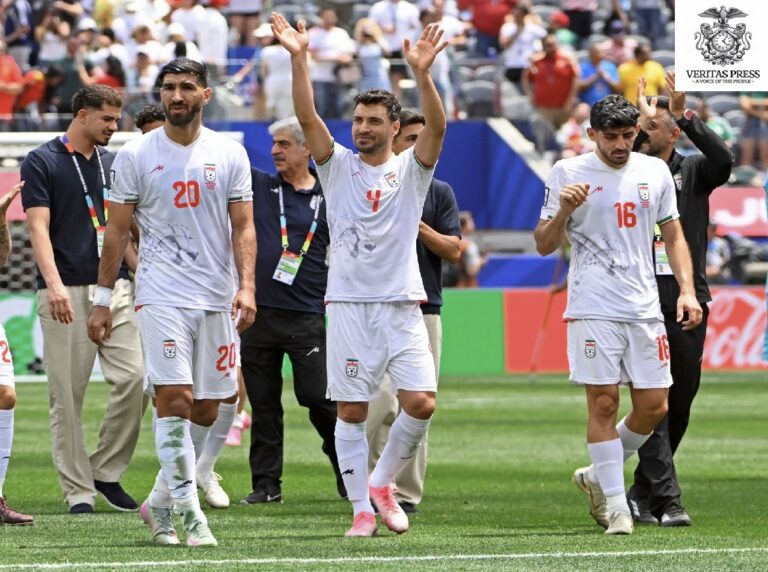
SEATTLE, TEHRAN — The U.S. Department of Homeland Security (DHS) will allow Iran’s national football team to enter the country 48 hours before their critical World Cup match against Egypt on Friday, a modest concession in a tournament where Team Melli’s travel conditions have sparked claims of oppression and competitive disadvantage.