Kamran Faqir is a volunteer investigative journalist and writer committed to exposing hidden truths and amplifying underreported stories. Driven by social justice, he brings sharp insight and fearless truth-telling to independent journalism. NUJ registered.
Article Date Published:
Article Date Modified:
10 minutes
Views:746
Listen to this article
Help support our mission, donate today and be the change. Every contribution goes directly toward driving real impact for the cause we believe in.
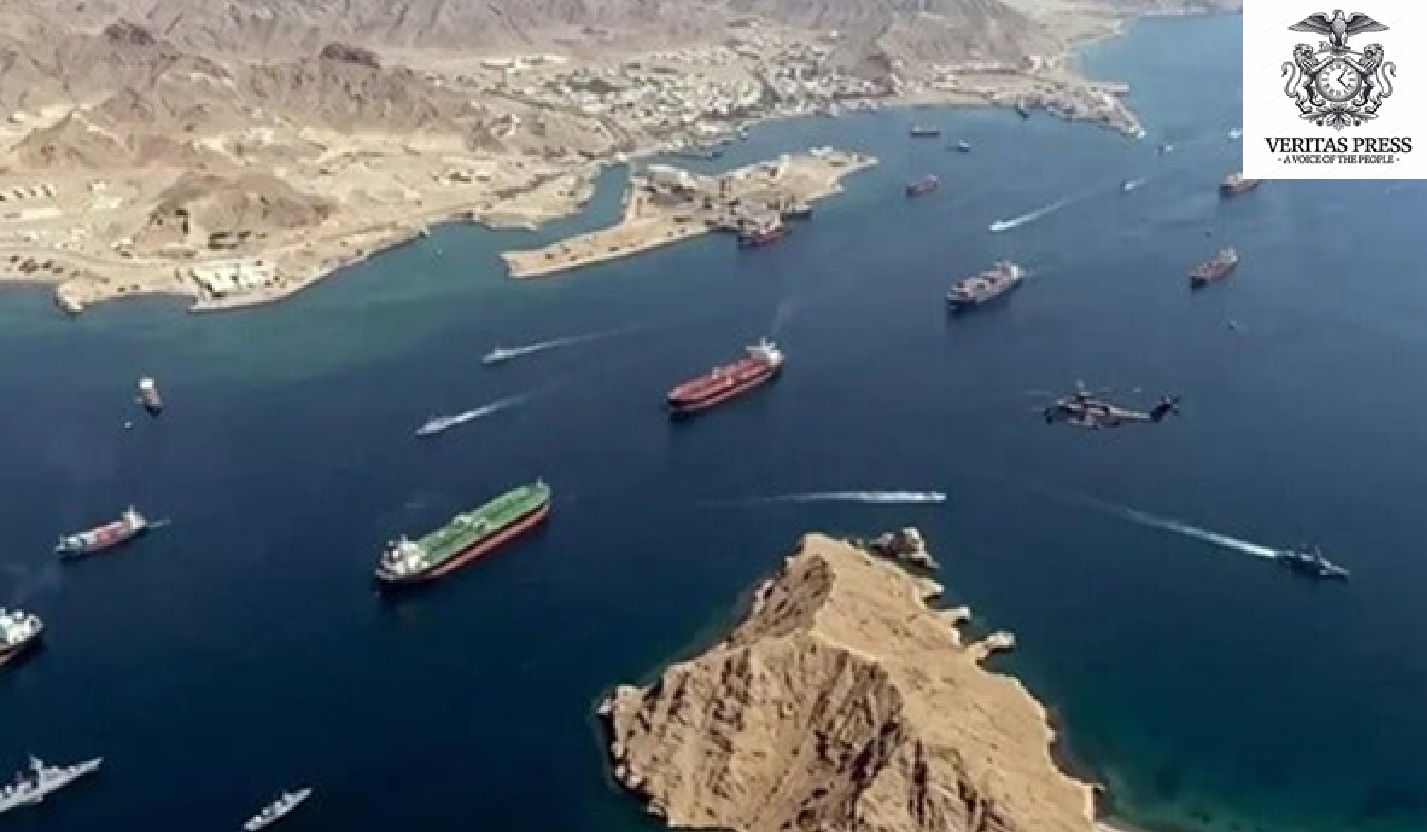
WASHINGTON, OMAN— The diplomatic ink had barely dried on the draft proposals in Muscat before the Strait of Hormuz choked on fire and missile exhaust. In a rapid, three-night campaign that has fundamentally altered the security architecture of the Middle East, the United States Central Command (CENTCOM) has completed a third and devastating round of strikes against Iranian military targets, a retaliation that has spiralled far beyond the initial spark: a single, disputed attack on a commercial cargo vessel.
The narrative from Washington is one of calibrated punishment. The reality, stitched together from terrified mariners, air raid sirens in Gulf capitals, and a cascade of Iranian counter-strikes, suggests the threshold for a full-scale, non-linear regional war has been crossed.
The Butterfly Effect In The Strait
The sequence of catastrophe began with the Cyprus-flagged M/V GFS Galaxy. According to US military reports, the vessel was struck by a missile fired by the Islamic Revolutionary Guard Corps (IRGC) Navy while transiting the Strait. One civilian crew member is missing, presumed killed, and the ship was left disabled by a raging fire. “It was a direct hit, not a ricochet, not a warning. They targeted the superstructure,” a maritime security source monitoring the situation told this journalist, requesting anonymity as they are not authorised to speak on intelligence matters.
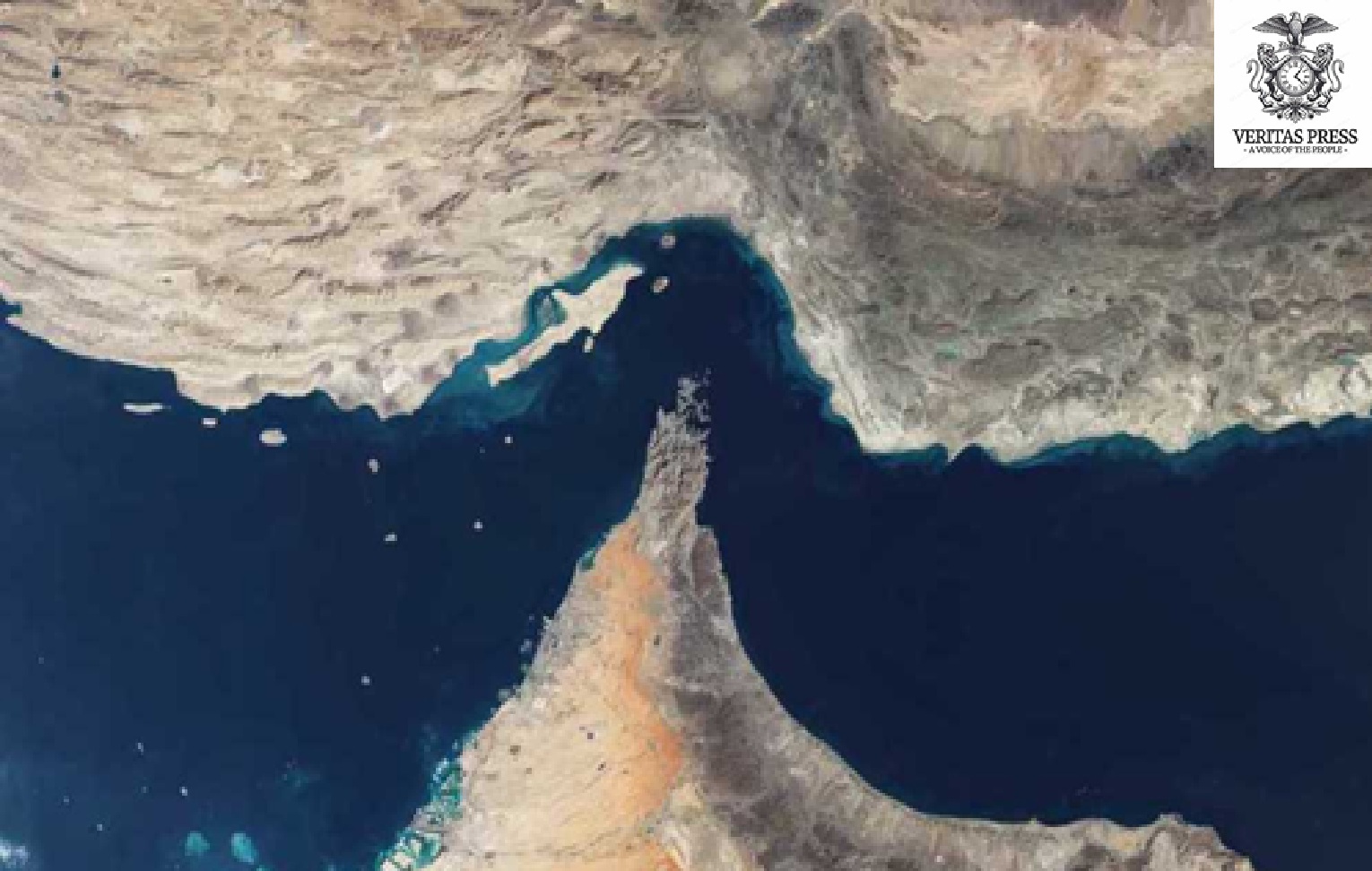
The IRGC’s counter-narrative, that they fired only a “warning shot” after the Galaxy failed to alter course, collapsed under the weight of the satellite imagery and CENTCOM’s immediate military response. However, Iran’s subsequent declaration to close the Strait of Hormuz “until further notice” and “until the end of U.S. interference in this region” transformed a rescue-and-recovery operation into a global economic chokehold.
“This isn’t about a single vessel. Iran has de facto announced a blockade of the world’s most critical energy artery,” says Dr. Anahita Malek, a maritime law and security expert at the Gulf Research Institute. “A ‘warning shot’ doesn’t cause mass casualties and a fire, and it certainly doesn’t justify closing a strait to 20% of the world’s oil supply. This was a strategic decision dressed in a tactical veneer.”
A Three-Act Military Escalation
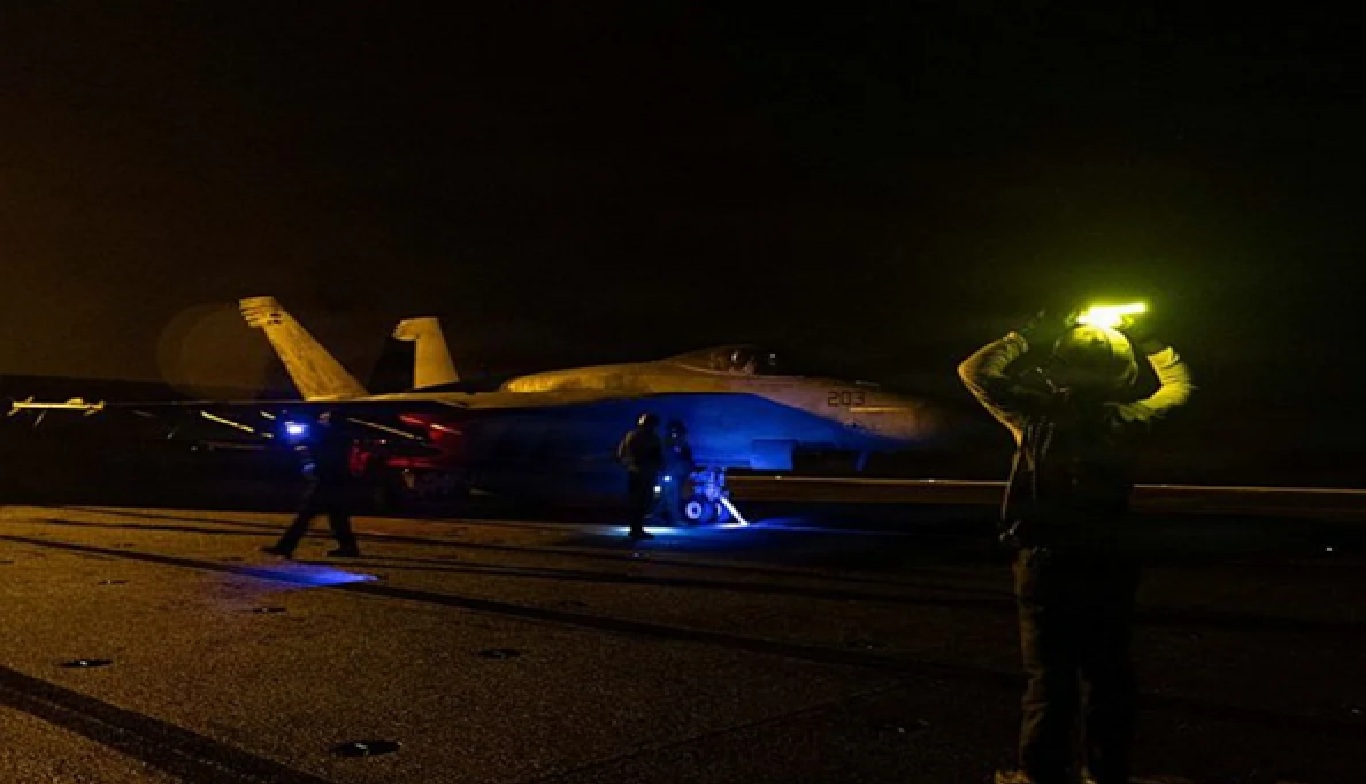
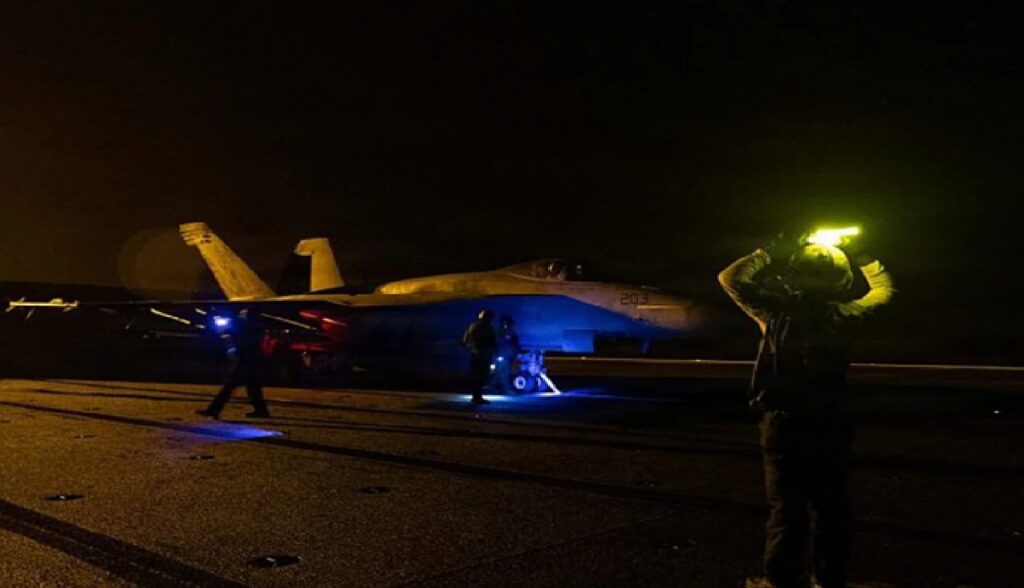
The US response was immediate and, in the span of a week, historically significant. Over three consecutive nights, CENTCOM unleashed a multi-domain assault on Iran’s military infrastructure. The final wave, completed late Saturday, July 11, struck approximately 140 targets, bringing the total for the week to over 300, according to CENTCOM’s official statements.
“During three nights of strikes this week, CENTCOM has struck more than 300 targets at the direction of the Commander in Chief to degrade Iran’s ability to attack civilian mariners and commercial vessels freely transiting the strait,” CENTCOM’s statement read, emphasising that commercial shipping continues to move despite operations. They noted that since early May, US forces have shepherded over 800 commercial vessels carrying 400 million barrels of crude through the waterway, a statistic meant to underscore both the strait’s vitality and American resolve.
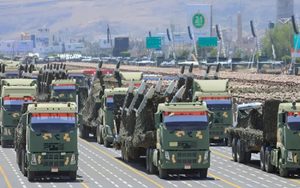
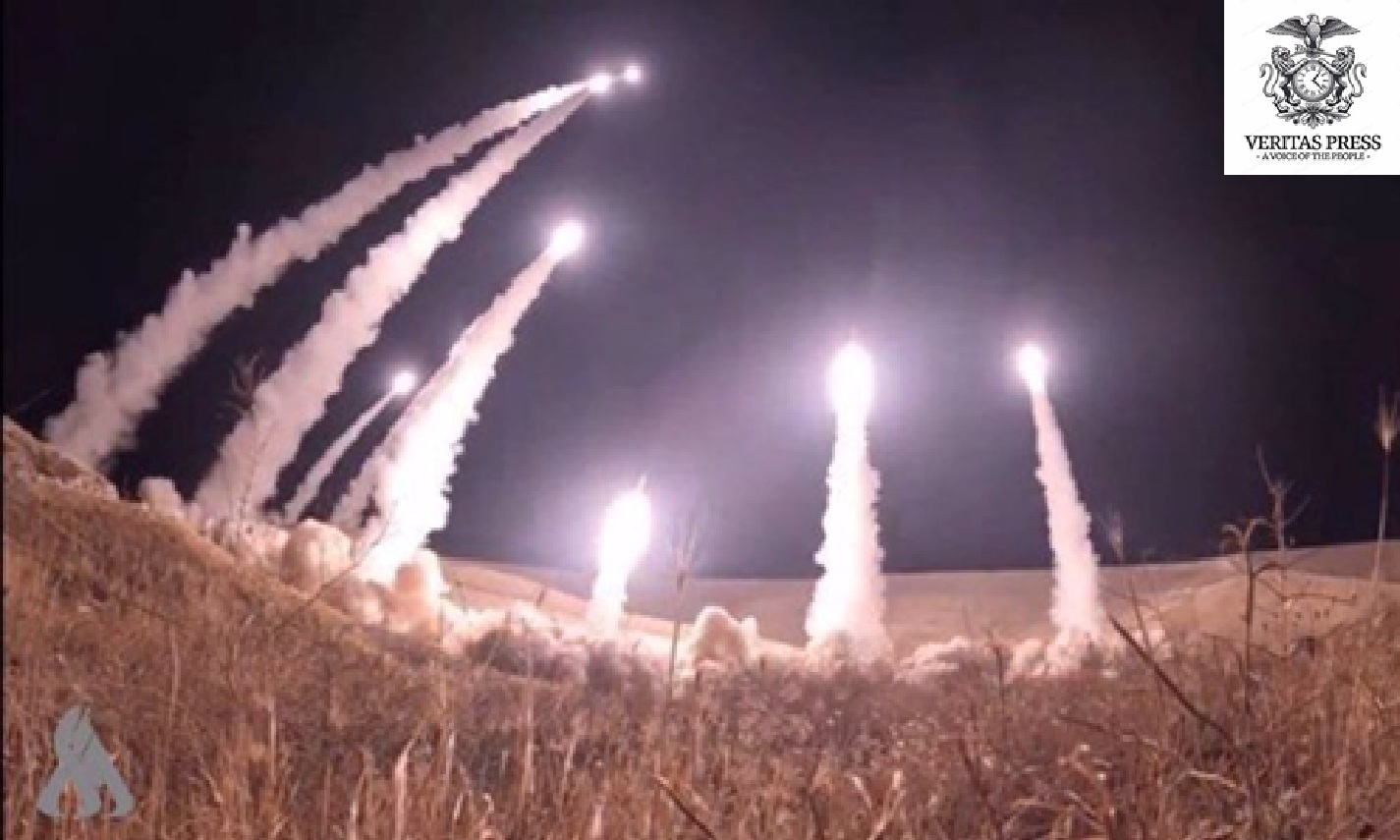
The targeting package was systematic. “U.S. forces hit approximately 140 Iranian military targets with precision munitions launched by land- and sea-based fighter aircraft, drones, and naval vessels,” a follow-up statement detailed. The targets spanned missile and drone sites, naval capabilities, ammunition storage, communication networks, and coastal surveillance positions—a deliberate dismantling of the IRGC Navy’s eyes, ears, and fists along the coast.
Yet, this clinical language masks a deeply escalatory reality. A senior defence official, briefing reporters on condition of anonymity, stated, “We are not just plinking radars and launchers. We are surgically removing the command-and-control nodes that allow Iran to orchestrate asymmetric warfare in the littorals. The aim is strategic paralysis.” Critics argue such a campaign amounts to an undeclared war, stretching the definition of self-defence under Article II of the UN Charter to its breaking point.
The Collapse Of Diplomacy And The Rise Of Counter-Strikes:
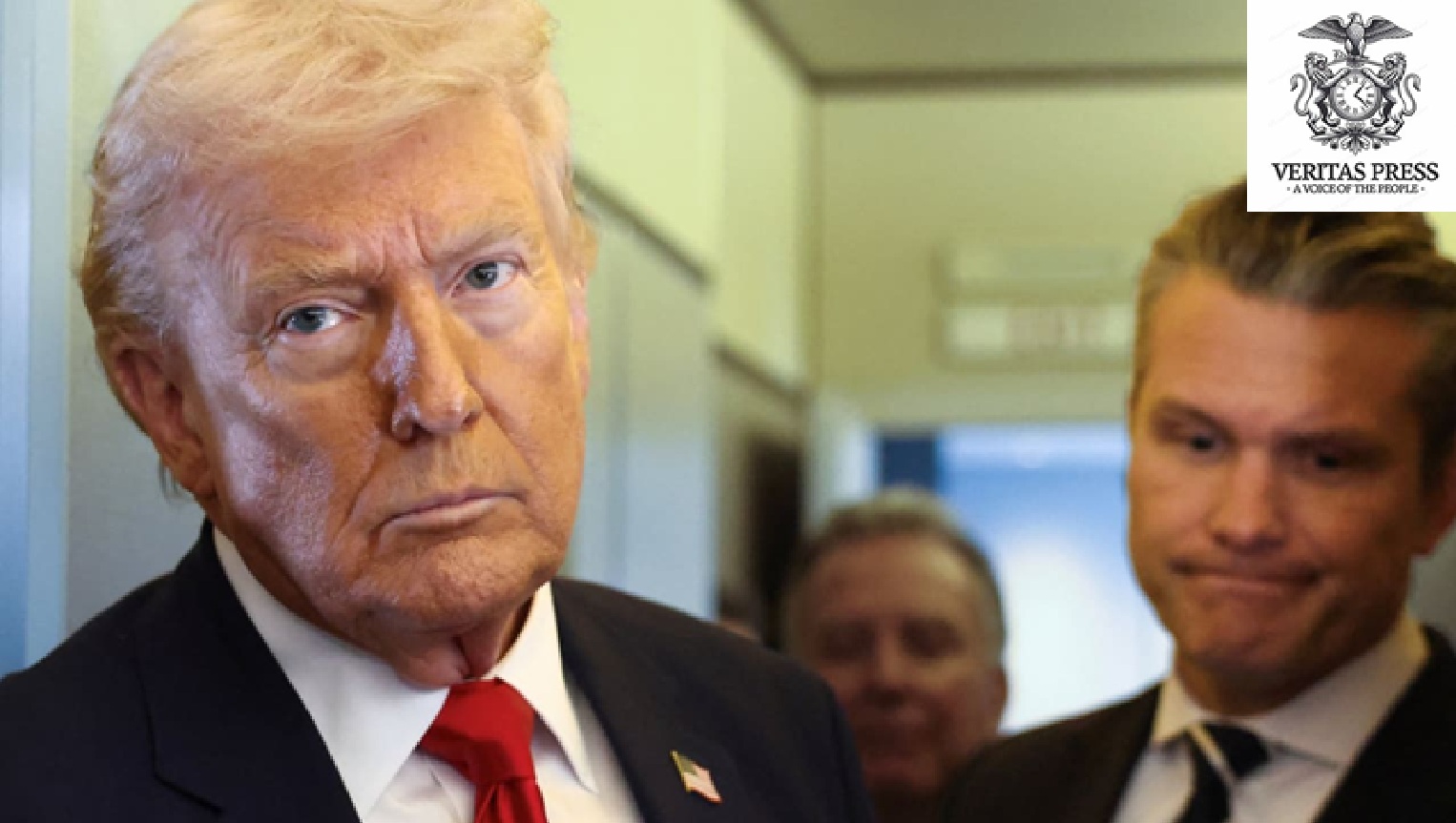
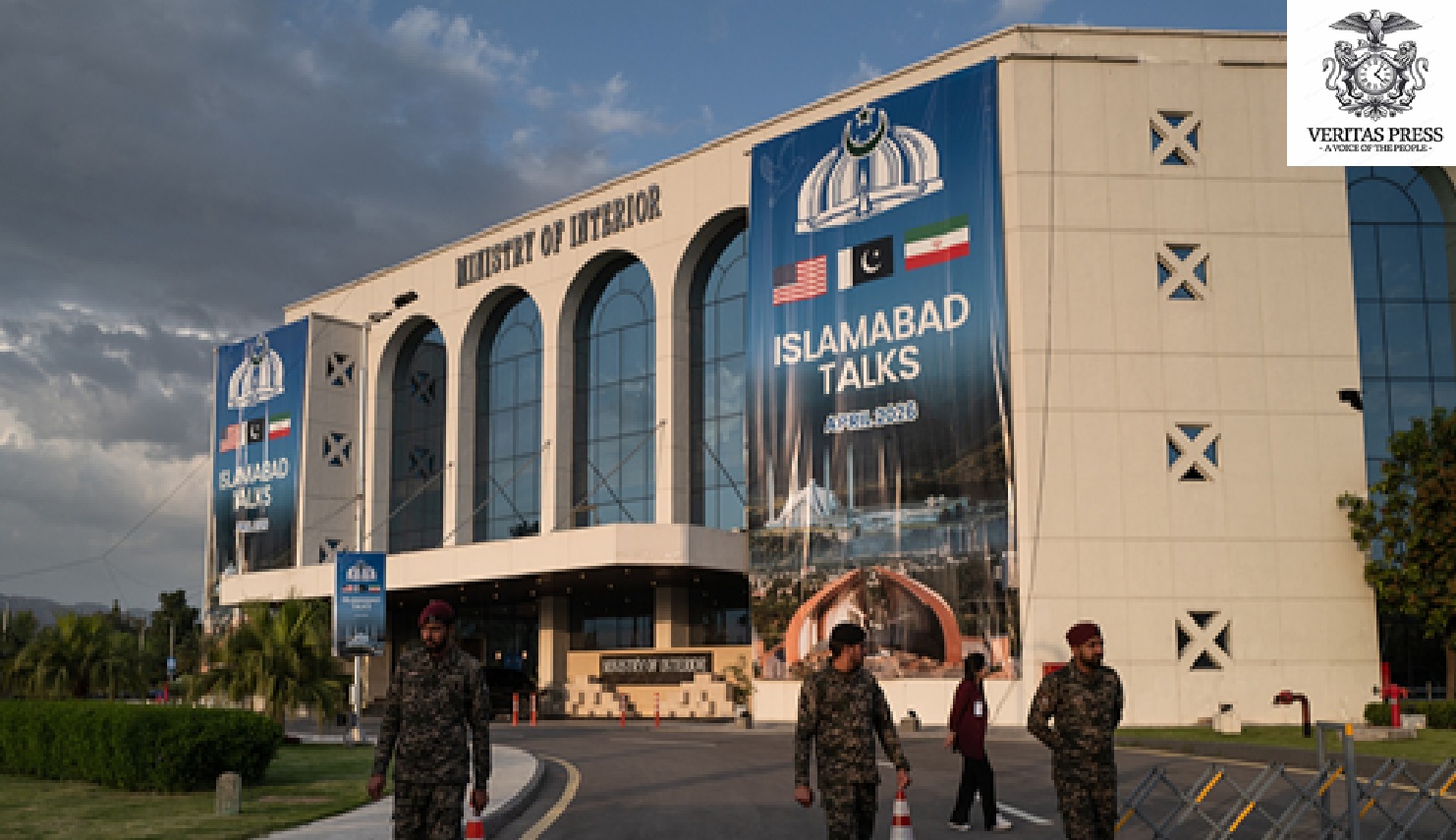
The tempo of the air campaign overwhelmed a parallel, faltering diplomatic track in Muscat. Mediated by Oman and Qatar, negotiations for a renewed Memorandum of Understanding (MoU) on maritime security were effectively vaporised by the third night of strikes. President Trump declared the MoU nullified, demanding Iran’s unconditional reopening of the strait. “Iran was provided yet another opportunity to demonstrate adherence to the Memorandum of Understanding after being held accountable for earlier attacks on commercial vessels but has again failed,” CENTCOM stated grimly.
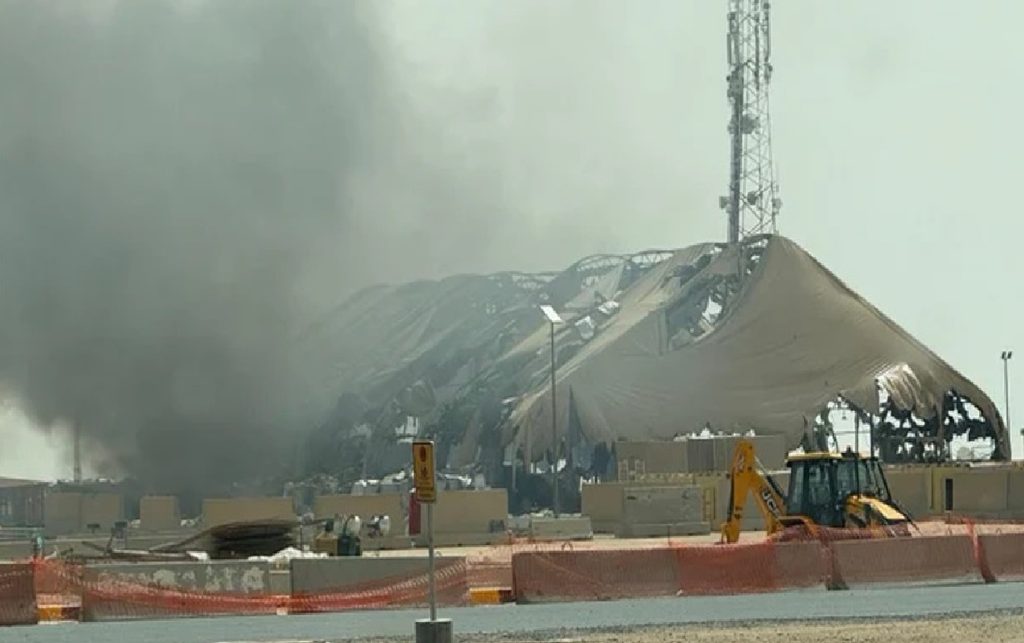
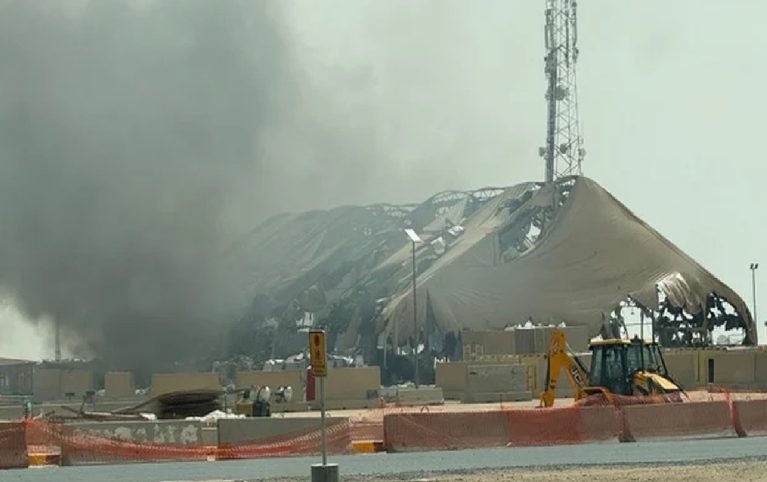
Iran’s response was not just rhetorical. The regional contagion that analysts feared has materialised. The war is no longer confined to the waters off Iran. In a stunning announcement, the IRGC claimed it launched a series of strikes against U.S. targets across the Middle East, stating it had “destroyed a command and control centre and drone hangars at the Prince Hassan air base in Jordan.”
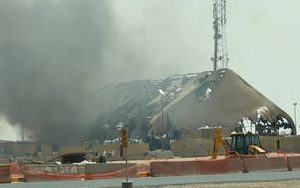
The aftershocks are being felt across the Gulf. In the early hours of Sunday morning, the Qatari Ministry of Interior issued a rare public alert, raising the security threat level twice within hours and urging residents to “remain indoors, stay away from glass windows, avoid unnecessary movement and follow safety instructions.” Explosions were heard in Doha. Simultaneously, missile alert sirens pierced the night in Bahrain, home to the U.S. Navy’s 5th Fleet, as reports surfaced that the United Arab Emirates and Qatar had come under attack.
“This is the nightmare scenario,” explains retired General Mark Kimmitt, a former senior CENTCOM strategist. “Iran cannot take on the U.S. Navy symmetrically, so their doctrine, should a conflict start, is to immediately set the entire region ablaze. They are targeting U.S. allies, bases, and energy infrastructure to exact a collective punishment and break the coalition. The attacks on Jordan, Qatar, and the UAE are not collateral; they are the main event.”
On The Ground: Panic, Defiance, And A Missing Mariner.
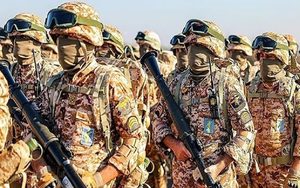
In the southern Iranian cities hit by US strikes, state-controlled Press TV reported “explosions rocking several cities,” while painting a picture of national defiance. “The people are resilient and prepared for the cost of confronting the Great Satan,” an IRGC commander in Bushehr stated on television, a backdrop of anti-aircraft tracer fire flickering behind him.
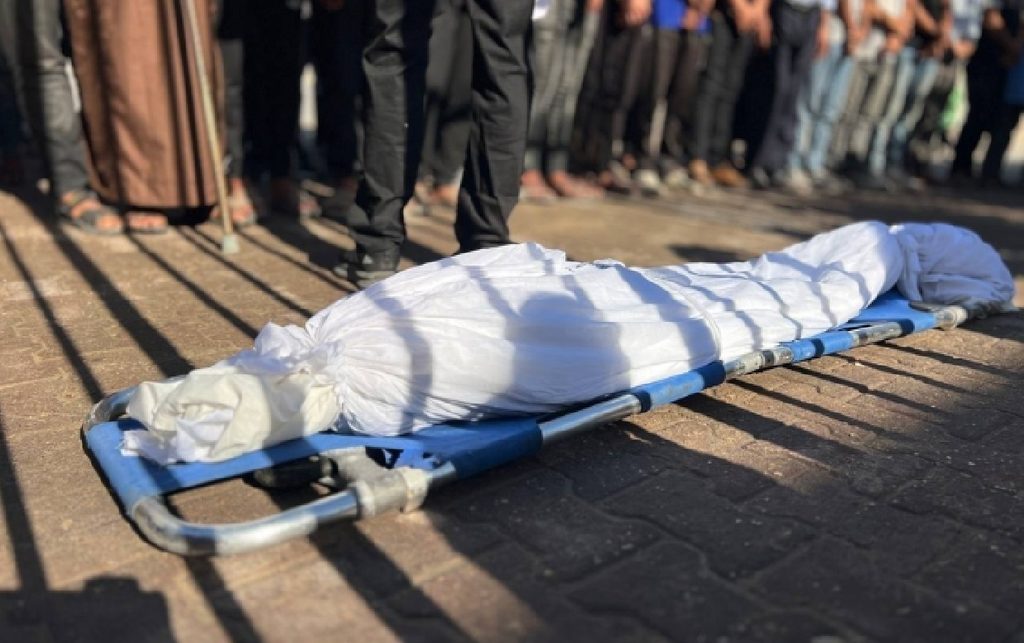
The human cost, however, is often lost in the geostrategic calculus. For the crew of the M/V GFS Galaxy, it is devastatingly personal. “One missing, and the rest are traumatised. They sailed out for a paycheck, not a war,” said a spokesperson for the International Transport Workers’ Federation (ITF). The Federation has issued an urgent call for a de-escalation corridor, a plea that has been met with silence by the belligerents.
The economic dimension is already haemorrhaging. While CENTCOM highlights the 400 million barrels it helped move, insurance premiums for hulls and cargo transiting Hormuz have skyrocketed to effectively uninsurable levels. A Greek shipping magnate, speaking from his office in Athens, stated flatly: “The strait is not closed by law, but it is closed by risk. I will not send my tankers and my men into a shooting gallery where a ‘warning shot’ can be a missile strike. The global energy market is about to hit a brick wall the likes of which we haven’t seen since 1973.”
A Fractured International Response:
The international community, convened in emergency sessions, remains paralysed. China and Russia have condemned the US strikes as “flagrant aggression” and called for restraint, while scrambling to assess the impact on their energy imports. European allies, reliant on Gulf transit, are caught between condemning Iran’s initial attack and fearing an open-ended American bombing campaign.
“The U.S. has a legitimate right to respond to attacks on commercial shipping,” a senior European diplomat texted, reflecting the private but unstated position of many. “But destroying over 300 targets in three days and triggering a cross-border missile war is a catastrophic escalation without a clear endgame. What is the off-ramp when Iran’s response is to hit our strategic partners in Doha and Amman?”
There is no off-ramp in sight. The US, having shredded the diplomatic framework in Muscat, now appears committed to a maximalist campaign to completely degrade the IRGC’s naval and missile forces. Iran, for its part, with the Strait of Hormuz formally declared closed “until the end of U.S. interference,” has shown it will absorb the strikes while externalising the cost to every American ally within range of its vast missile arsenal.
As dawn broke over a smouldering region, the M/V GFS Galaxy continued to burn off the coast of Oman, a pyre for the corpse of diplomacy. The third round of strikes is complete, but the fourth wave of Iranian retaliation has just begun, and the world’s arteries are seizing shut. The question is no longer who fired the first shot, but who can afford to fire the last.
Source:Veritas Press C.I.C. | Multi News Agencies
Help Support Our Work By Donating
Popular Information is powered by readers who believe that truth still matters. When just a few more people step up to support this work, it means more lies exposed, more corruption uncovered, and more accountability where it’s long overdue.
Help Protect Independent Journalism, Which Is Currently Under Attack.
If you believe journalism should serve the public, not the powerful, and you’re in a position to help, becoming a DONOR or a PAID SUBSCRIBER truly makes a difference.
DONATION APPEAL: If You Found This Reporting Valuable, Please Consider Supporting Independent Journalism.
Your support fuels our fearless, truth-driven journalism. In unity, we endeavour to amplify marginalised voices and champion justice, irrespective of geographical location. We operate independently, without any financial backing from billionaires.
But it’s also extremely important. One of Veritas Press’s greatest assets is its reader-funded model.
1. Reader funding means we can cover what we like. We’re not beholden to the political whims of a billionaire owner. We are a small, independent and impartial organisation. No one can tell us what not to say or what not to report.
2. Reader funding means we don’t have to chase clicks and traffic. We’re not desperately seeking your attention for its own sake: we pursue the stories that our editorial team deems important and believes are worthy of your time.
3. Reader Funding: enables us to keep our website and other social media channels open, allowing as many people as possible to access quality journalism from around the world, particularly those in places where the free press is under threat.
We know not everyone can afford to pay for news, but if you’ve been meaning to support us, now’s the time.
Your donation goes a long way. It helps us:
Keep the lights on and sustain our day-to-day operations
Hire new, talented independent reporters
Launch real-time live debates, community-focused shows, and on-the-ground reporting
Cover the issues that matter most to our communities, in real time, with depth and integrity
We have plans to expand our work, but we can’t do it without your support. Every contribution, no matter the size, helps us stay independent and build a truly people-powered media platform.
If you believe in journalism that informs, empowers, and reflects the communities we serve, please donate today.
Submissions:
For The Secure Submission Of Documentation, Testimonies, Or Exclusive Investigative Reports From Any Global Location, Please Utilise The Following Contact Details For Our Investigations Desk: enquiries@veritaspress.co.uk or editor@veritaspress.co.uk
Kamran Faqir is a volunteer investigative journalist and writer committed to exposing hidden truths and amplifying underreported stories. Driven by social justice, he brings sharp insight and fearless truth-telling to independent journalism. NUJ registered.
SEATTLE, TEHRAN — The U.S. Department of Homeland Security (DHS) will allow Iran’s national football team to enter the country 48 hours before their critical World Cup match against Egypt on Friday, a modest concession in a tournament where Team Melli’s travel conditions have sparked claims of oppression and competitive disadvantage.