




Author:
Help support our mission, donate today and be the change. Every contribution goes directly toward driving real impact for the cause we believe in.
As Pakistan Brokers A Breakthrough US–Iran Deal To Reopen The Strait Of Hormuz, The Devil Lurks In The Details No One Has Seen, And The War’s Other Belligerent, Israel, Hasn’t Signed A Thing.
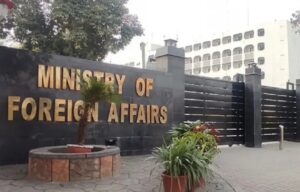
ISLAMABAD / WASHINGTON / TEHRAN — With three electronic signatures and a carefully staged ceremony in Islamabad, the world’s most dangerous maritime standoff came to an abrupt and uneasy halt Thursday. The Islamabad Memorandum of Understanding, a document whose full text remains secret, entered into force “with immediate effect,” according to Pakistani Prime Minister Shehbaz Sharif, reopening the Strait of Hormuz and lifting a US naval blockade that had paralysed global energy shipments for over two months.
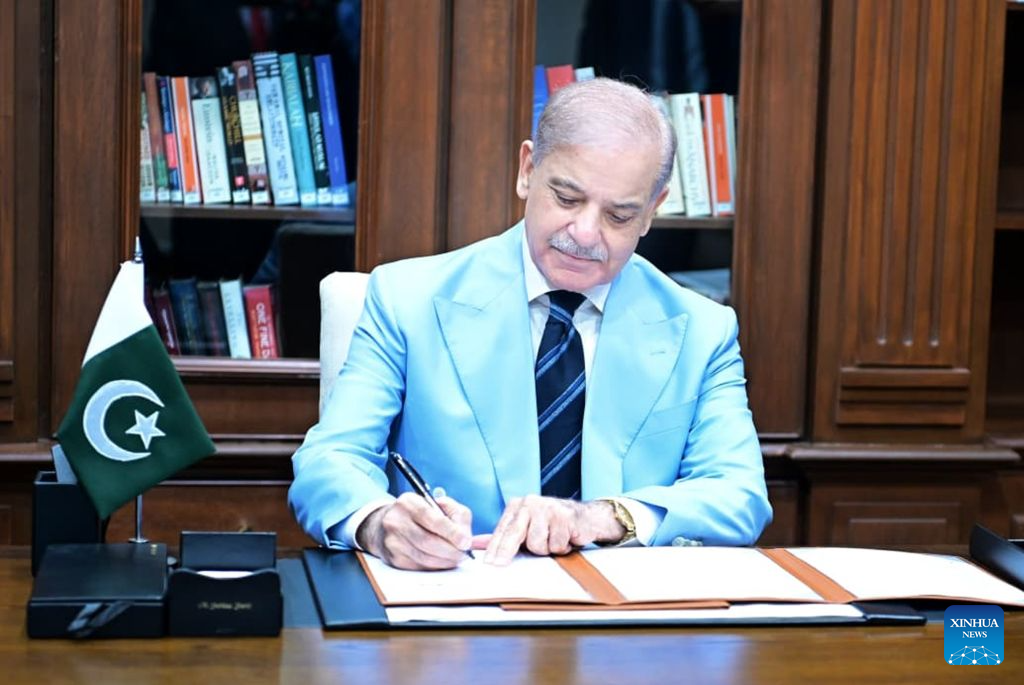
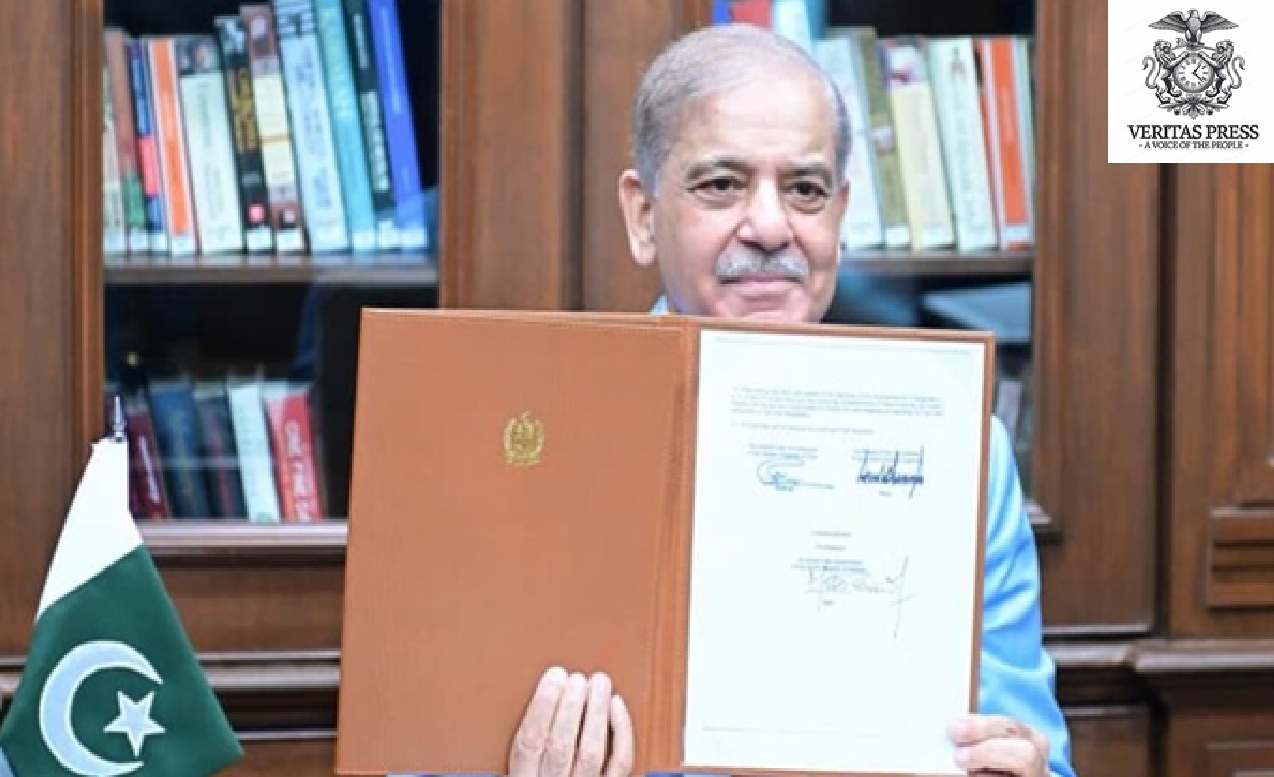
The agreement, mediated by Pakistan after weeks of backchannel diplomacy and two days of historic face-to-face talks in Islamabad in April, represents the first direct written accord between American and Iranian leaders since the 1979 Islamic Revolution severed diplomatic ties. US President Donald Trump and Iranian President Masoud Pezeshkian signed the MoU electronically overnight, Sharif announced on X, before adding his own signature Thursday morning as “mediator”, a role that elevates Pakistan’s diplomatic standing but also places it squarely in the crosshairs of regional powers deeply suspicious of the deal.
“The signing of the agreement at the highest level of the respective governments demonstrates the commitment of both sides to a diplomatic resolution of the conflict,” Sharif said. “As a first step, Iran will instantly reopen the Strait of Hormuz and the United States will immediately lift the naval blockade.”
For global markets, the immediate relief was palpable. Brent crude futures dropped over 12% within hours on anticipation of resumed tanker traffic through the narrow channel that carries roughly a fifth of the world’s oil consumption. Shipping giants Maersk and Mediterranean Shipping Company signalled they were “evaluating” a return to Gulf routes. But beneath the surface, diplomats, analysts, and civil society voices across three continents warn that the MoU may be little more than a ceasefire dressed in the language of peace, one that leaves unresolved the underlying military confrontation that began on February 28 when the United States and Israel launched coordinated operations against Iranian nuclear and military infrastructure.
The War That Led To The Table:
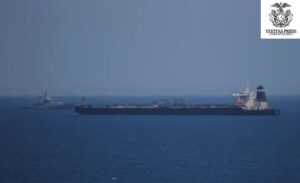
The conflict, still undeclared in any formal sense by Washington, erupted with air and cyber strikes attributed to a US-Israeli coalition, targeting Iran’s Natanz enrichment facility and IRGC command centres. Iran retaliated with missile barrages toward Israeli cities and US bases in the Gulf. Within days, Tehran made good on a long-standing threat: it mined and closed the Strait of Hormuz, detaining several foreign-flagged vessels. On April 13, the US Navy’s Fifth Fleet imposed a de facto blockade on Iranian ports, turning the Persian Gulf into a militarised no-man’s-land where commercial insurance became unobtainable.
It was Pakistan, walking a tightrope between its long-standing Saudi and American partnerships and its shared border with Iran, that broke the deadlock. Islamabad secured an initial ceasefire on April 8, and on April 12 and 13 hosted Iranian Foreign Minister Abbas Araghchi and US Special Envoy for Iran (a position hurriedly revived) for talks at a heavily guarded diplomatic enclave in the capital. The result, five weeks later, is the MoU now celebrated by Sharif and cautiously welcomed by some in the international community.
A Signing Without Precedent And Without Detail:
Sharif’s announcement, made first on the US-owned social media platform X, was heavy on symbolism but light on substance. “The MoU shall enter into force with immediate effect,” he posted, yet no government in Islamabad, Washington, or Tehran has released the actual text. The Prime Minister’s Office followed up with a statement calling the accord a “landmark,” while the White House and the Iranian Foreign Ministry issued near-identical lines expressing hope for “de-escalation.”
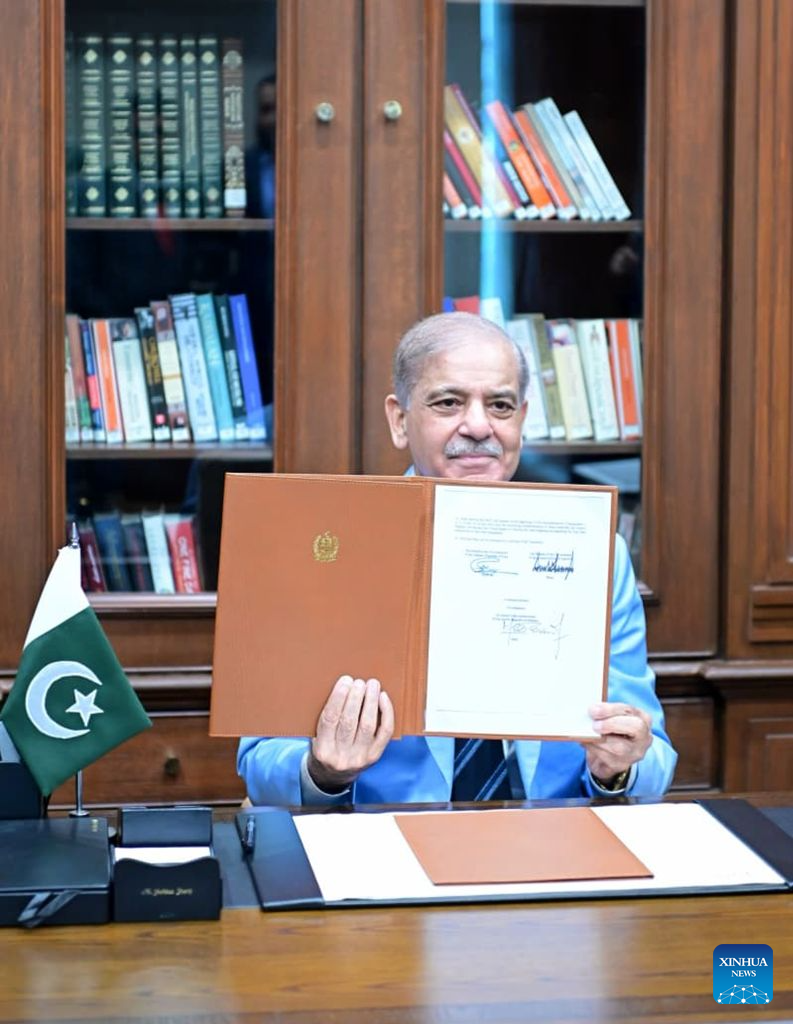
Legal experts immediately questioned the enforceability of an agreement signed electronically by heads of state without clear legislative backing. In Washington, senior congressional aides told The Diplomatic Wire that the Trump administration had not briefed the Senate Foreign Relations Committee in advance, and that the agreement appeared to be an executive memorandum rather than a treaty. “If the President is committing to lift sanctions or alter naval deployments without congressional consultation, we’re in constitutionally murky territory,” said a Democratic committee staffer who requested anonymity because they were not authorised to speak publicly.
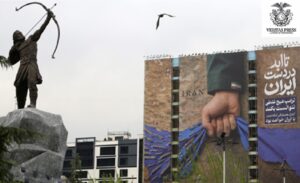
In Tehran, the optics are equally complex. President Pezeshkian, a reformist who campaigned on engagement with the West, signed off on the MoU after securing the Supreme Leader’s tacit approval, according to a source close to the administration. But hardline parliamentarians demanded an emergency closed-door session to scrutinise the deal. MP Hamid Rasaei, a vocal critic, tweeted that “the enemy’s warships will not leave the Persian Gulf just because of an electronic signature, we must see the colour of their withdrawal before celebrating.” The powerful Islamic Revolutionary Guard Corps, which controls much of Iran’s naval operations in the Gulf, issued no public statement on Thursday, a silence that regional analysts interpreted as ominous.
Rouhani’s Olive Branch And Araghchi’s Hope:
The only senior Iranian figure to offer an unvarnished welcome was former President Hassan Rouhani, the architect of the 2015 nuclear deal that the first Trump administration unilaterally abandoned in 2018. “Since the agreement, every Iranian in every corner of the world takes pride in their Iranian identity,” Rouhani said in a post on X. He praised the nation’s leaders for managing “the unity of the nation with firmness, wisdom, and prudence,” while adding a warning: “The achievements of the initial agreement must be safeguarded… we must remain alert against the enemy’s plots and breaches of promise.” Rouhani’s reference to “military defeat”, “the armed forces left the enemy with the bitter regret of military defeat in their hearts”, may rankle in Washington, but it is clearly designed to sell the MoU to a domestic audience still reeling from Israeli strikes.
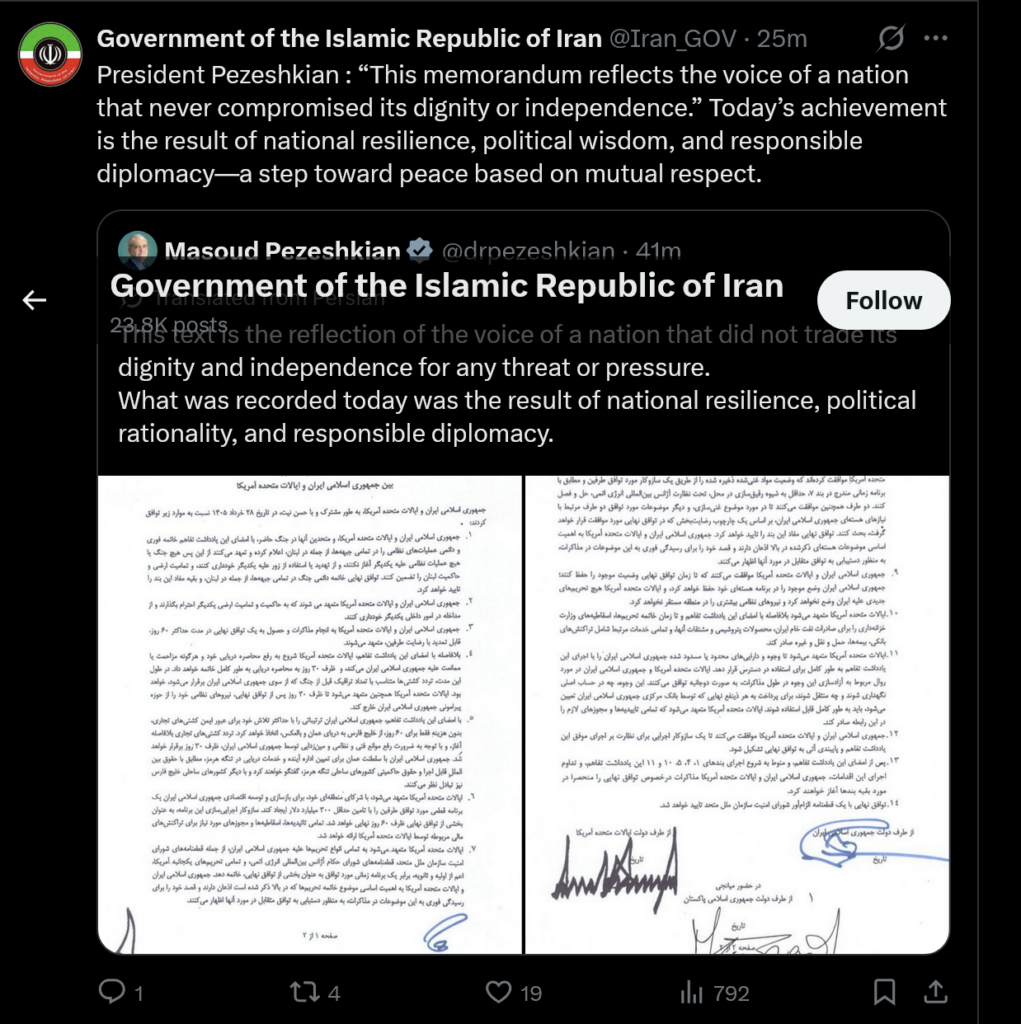
Foreign Minister Araghchi struck a more forward-looking tone in a phone call with his Cypriot counterpart, Constantinos Kombos, expressing hope that the MoU will “open a new chapter of international engagement and expand economic cooperation.” Cyprus, a key node in Eastern Mediterranean energy geopolitics, could play a role in any future restructuring of trade routes if the Gulf remains volatile.
The Blockade’s Human Cost:
For the people who live and work along the Strait, the agreement cannot come soon enough. Fishermen in Bandar Abbas, the Iranian port city at the mouth of the strait, had been stranded ashore for weeks. “My family of eight has been living on dried dates and government rations,” said Abbas Moradi, a 47-year-old boat owner reached by phone. “Even if the Americans go, the mines must be cleared. It will be months before we can fish safely again.” Local activists in Oman, which overlooks the strait and depends heavily on shipping, reported surging prices for imported food and fuel during the blockade. “We were caught between two giants, and our government could only watch,” said Salma al-Hinai, an Omani economist and women’s rights advocate. “Any deal that stops the bleeding is welcome, but we need a permanent framework, not just an MoU.”
In the US, anti-war groups cautiously applauded the deal but demanded transparency. “Americans have seen too many secret agreements that prolong conflict under the guise of peace,” said Sarah Lazare, a spokesperson for the anti-militarism coalition Ceasefire Now. “We need full public disclosure of the terms, and we need to know whether this means an end to all US military operations against Iran, or just a pause.”
Israel: The Missing Signatory.
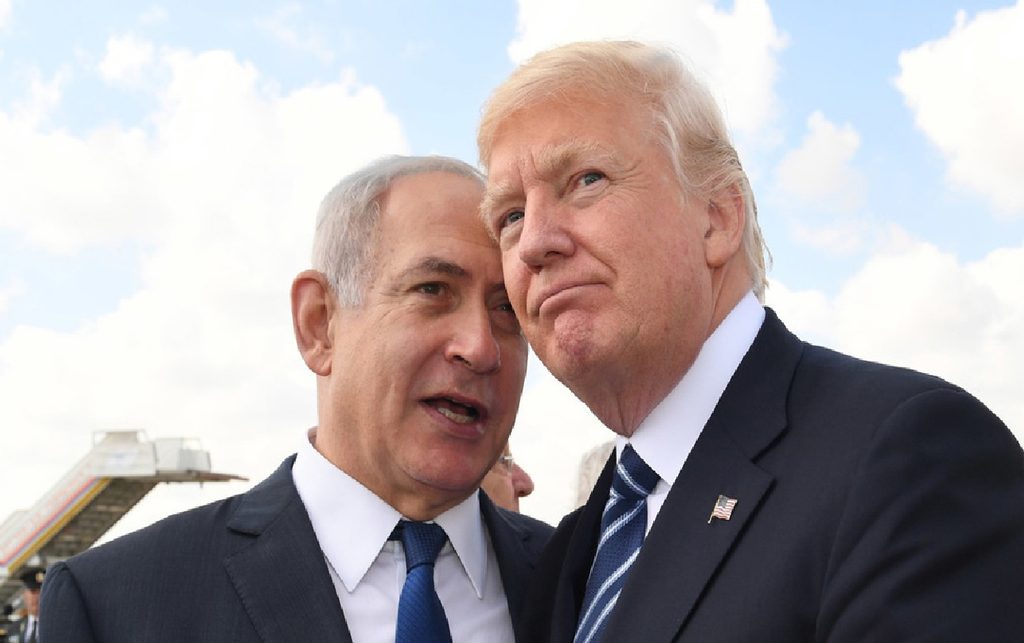
Perhaps the most glaring gap in the MoU framework is Israel. The February 28 offensive was explicitly a joint US-Israeli undertaking, yet the Israeli government was not party to the Islamabad talks and has not endorsed the memorandum. Prime Minister Benjamin Netanyahu’s office issued a terse statement Thursday afternoon saying Israel “reserves the right to act independently against existential threats posed by Iran’s nuclear programme.” Israeli military correspondents reported that the IAF’s level of alert remained unchanged, and a senior defence official told Haaretz on background that “the only thing that has changed is the location of American ships.”
This schism between Washington and Jerusalem could unravel the agreement within days. If Israel judges that the MoU leaves Iran’s nuclear breakout capability intact, it may continue low-intensity strikes or escalate. The US would then face the choice of restraining its ally or watching the MoU dissolve into recrimination.
Pakistan’s Mediator Role: Triumph And Tightrope.
For Pakistan, the MoU signing is a diplomatic coup, positioning the country as an indispensable bridge between adversaries. But it comes with acute risks. Pakistan’s army chief, General Asim Munir, reportedly held separate meetings with Iranian and US military attachés ahead of the final signing, ensuring that the armed forces backed the political agreement. “Pakistan has a vested interest in a stable Gulf; our energy imports, our diaspora remittances, and our Balochistan border all hang in the balance,” said defence analyst Ayesha Siddiqa. “But being the mediator means we own part of this deal’s success or failure. If it collapses, we’ll be blamed by both sides.”
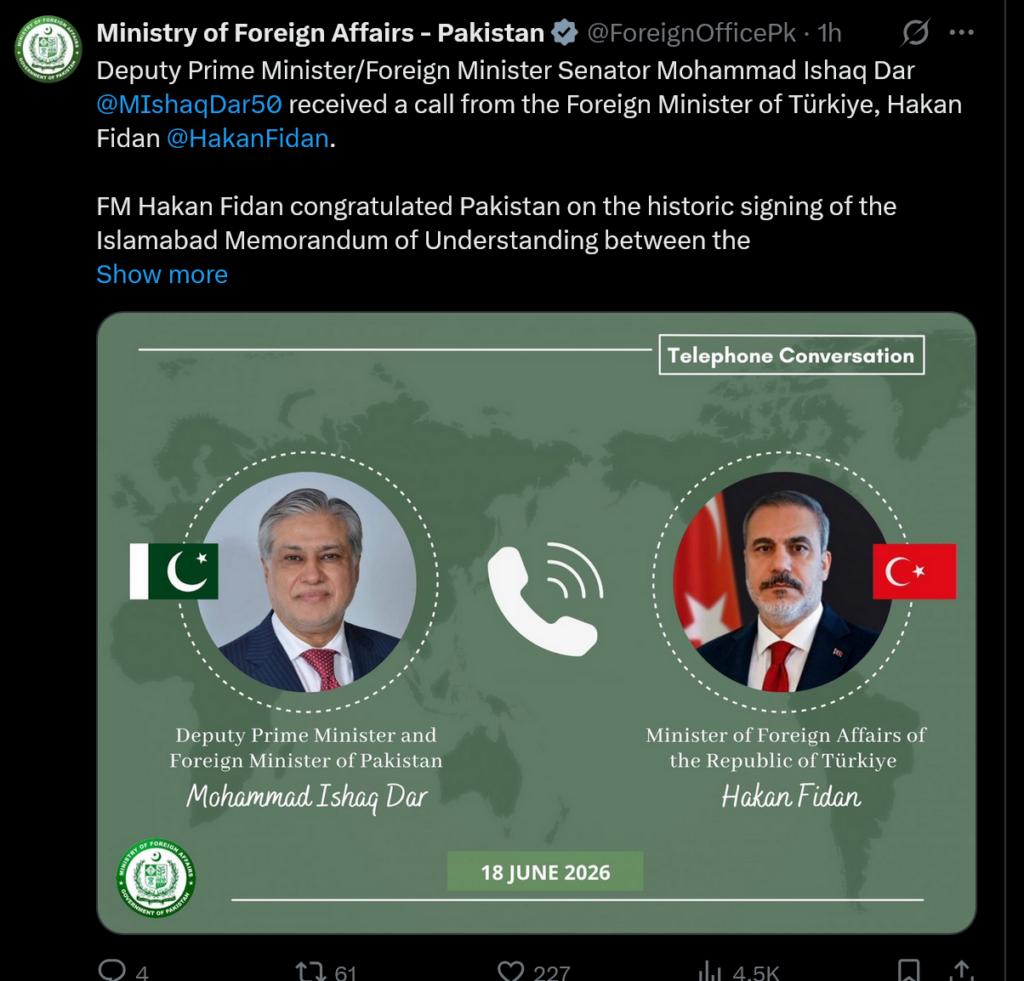
Already, voices within Pakistan’s religious right have condemned the MoU as “selling out” to America, while pro-Iran elements in Balochistan have reportedly organised small protests. In the port city of Gwadar, near the Iranian border, local trader Ghulam Qadir expressed hope for revived commerce: “We used to send rice and fruit to the Gulf every day. If the ships return, so will our livelihoods.” But, he added, “peace should not be just on paper.”
What Next? The Unwritten Chapters.
Under the MoU’s initial implementation steps, Iran must immediately reopen the strait, a complex process involving demining, clearing wreckage, and restoring navigation aids, while the US Navy withdraws its carrier strike groups beyond the 12-nautical-mile exclusion zones. A joint US-Iran-Pakistan commission, based in Muscat, is to monitor compliance, according to a Pakistani official speaking on condition of anonymity. But the agreement does not address the status of sanctions, the fate of Iran’s nuclear enrichment programme, or the withdrawal of Israeli forces from forward positions. It is, at best, a crisis management tool.
International reaction has been a cacophony of relief and scepticism. The UN Secretary-General welcomed the “initial steps towards de-escalation” but called for a comprehensive peace framework. The European Union’s foreign policy chief praised Pakistan’s role but noted the MoU’s “fragility.” China and Russia, both strategic partners of Iran, issued guarded statements supporting regional initiatives while warning against “outside interference”, a coded critique of the US naval presence.
Iranian civil society figures fear the deal will be used to tighten internal controls. Nobel Peace Prize laureate Narges Mohammadi, imprisoned in Evin, managed to relay a statement through her family: “We welcome any reduction in military conflict, but a government that cannot feed its people because of mismanagement should not use this deal as a shield against accountability.” Meanwhile, American families of service members deployed in the Gulf expressed cautious optimism. “My son is on a destroyer out there,” said Maria Gonzalez of San Diego. “I just want him home, and I don’t care if the deal is perfect.”
The MoU also holds implications for the global nuclear order. With the 2015 JCPOA in tatters and Iran’s enrichment levels at near-weapons grade, any diplomatic opening could lead to wider negotiations. But a senior Western diplomat involved in non-proliferation talks told this correspondent: “The Trump administration is in a paradoxical position. They’ve just signed an agreement with a country whose government they still officially describe as a state sponsor of terror. If this leads to sanctions relief without verified nuclear rollback, it will split the Republican Party and alarm Sunni Gulf states.”
An Investigative Critique: The Illusion Of Permanence.
Scrutinising the available statements, timelines, and political contexts, several troubling undercurrents emerge:
- The Secrecy Problem: An MoU negotiated in the shadows, signed via unverifiable electronic means, and withheld from public scrutiny invites conspiracy and sabotage. “Electronic signatures by heads of state are not inherently binding under international law unless accompanied by exchange of instruments and clear intention,” said Dr. Huma Baqai, an international law scholar at Karachi’s IBA. “We don’t even know if it contains dispute resolution mechanisms.”
- Unilateral Expectations: The US has committed to lifting a naval blockade it never officially acknowledged as a blockade (the Pentagon referred to “enhanced maritime security operations”). Iran has pledged to reopen a strait it closed in self-declared retaliation. Both steps rely on military chains of command that may be reluctant or fragmented. A single stray mine or a US patrol boat straying into contested waters could reignite confrontation.
- The Israeli Factor: No peace between the US and Iran can hold while Israel remains in an active state of belligerency with Tehran. The MoU is silent on Israeli operations, and the White House has not stated whether it will restrain its ally. This omission is a structural flaw that could prove fatal.
- Domestic Hurdles: In Iran, the IRGC’s silence is deafening. In the US, the absence of congressional involvement raises the spectre of a legal challenge or a reversal under a future administration. Pakistan’s own political turbulence, with elections due within a year, makes the mediator’s continuity uncertain.
- The Ghosts of Deals Past: The 2015 JCPOA collapsed after the US unilaterally withdrew. The current MoU’s lack of parliamentary ratification on any side makes it even more fragile. “We’ve seen this film before,” said Sanam Vakil, director of the Middle East and North Africa programme at Chatham House. “Without a binding Security Council resolution or treaties, these executive-level understandings live and die with the leaders who sign them.”
Conclusion: A Peace Built on Sand
As dusk fell over Islamabad on Thursday, workers were still cleaning up the red carpet at the Prime Minister’s Office. The Strait of Hormuz remained closed as mine-clearance divers prepared for their first sorties at dawn. The US Navy had not yet issued a formal withdrawal order, though ship-tracking data showed carrier strike groups repositioning. In the bazaars of Tehran, the mood was one of cautious relief mixed with wariness. “Let them show us the ships are truly gone,” said shopkeeper Reza Karimi. “Then I’ll believe we have peace.”
The Islamabad Memorandum of Understanding is, for now, a paper bridge over a chasm of distrust. Its architects deserve credit for pulling the world back from a catastrophic regional war. But without transparency, inclusivity, and durable legal foundations, it risks becoming yet another monument to diplomatic wishful thinking, a ceasefire mistaken for a settlement, until the first missile breaks the silence.
Source: Veritas Press C.I.C. | Multi News Agencies
Help Support Our Work By Donating
Popular Information is powered by readers who believe that truth still matters. When just a few more people step up to support this work, it means more lies exposed, more corruption uncovered, and more accountability where it’s long overdue.
Help Protect Independent Journalism, Which Is Currently Under Attack.
If you believe journalism should serve the public, not the powerful, and you’re in a position to help, becoming a DONATOR or a PAID SUBSCRIBER truly makes a difference.
DONATION APPEAL: If You Found This Reporting Valuable, Please Consider Supporting Independent Journalism.
Your support fuels our fearless, truth-driven journalism. In unity, we endeavour to amplify marginalised voices and champion justice, irrespective of geographical location. We operate independently, without any financial backing from billionaires.
But it’s also extremely important. One of Veritas Press’s greatest assets is its reader-funded model.
1. Reader funding means we can cover what we like. We’re not beholden to the political whims of a billionaire owner. We are a small, independent and impartial organisation. No one can tell us what not to say or what not to report.
2. Reader funding means we don’t have to chase clicks and traffic. We’re not desperately seeking your attention for its own sake: we pursue the stories that our editorial team deems important and believe are worthy of your time.
3. Reader Funding: enables us to keep our website and other social media channels open, allowing as many people as possible to access quality journalism from around the world, particularly those in places where the free press is under threat.
We know not everyone can afford to pay for news, but if you’ve been meaning to support us, now’s the time.
Your donation goes a long way. It helps us:
- Keep the lights on and sustain our day-to-day operations
- Hire new, talented independent reporters
- Launch real-time live debates, community-focused shows, and on-the-ground reporting
- Cover the issues that matter most to our communities, in real time, with depth and integrity
We have plans to expand our work, but we can’t do it without your support. Every contribution, no matter the size, helps us stay independent and build a truly people-powered media platform.
If you believe in journalism that informs, empowers, and reflects the communities we serve, please donate today.
Help By Donating Today
Submissions:
For The Secure Submission Of Documentation, Testimonies, Or Exclusive Investigative Reports From Any Global Location, Please Utilise The Following Contact Details For Our Investigations Desk: enquiries@veritaspress.co.uk or editor@veritaspress.co.uk
The Trump administration is preparing a $2.8 billion weapons package for Israel containing 40,000 2,000-pound bombs, according to US officials cited by The Washington Post, Reuters and the Associated Press.

Film alleges mass civilian deaths are routinely built into military decisions amid Israel’s genocidal war on Gaza
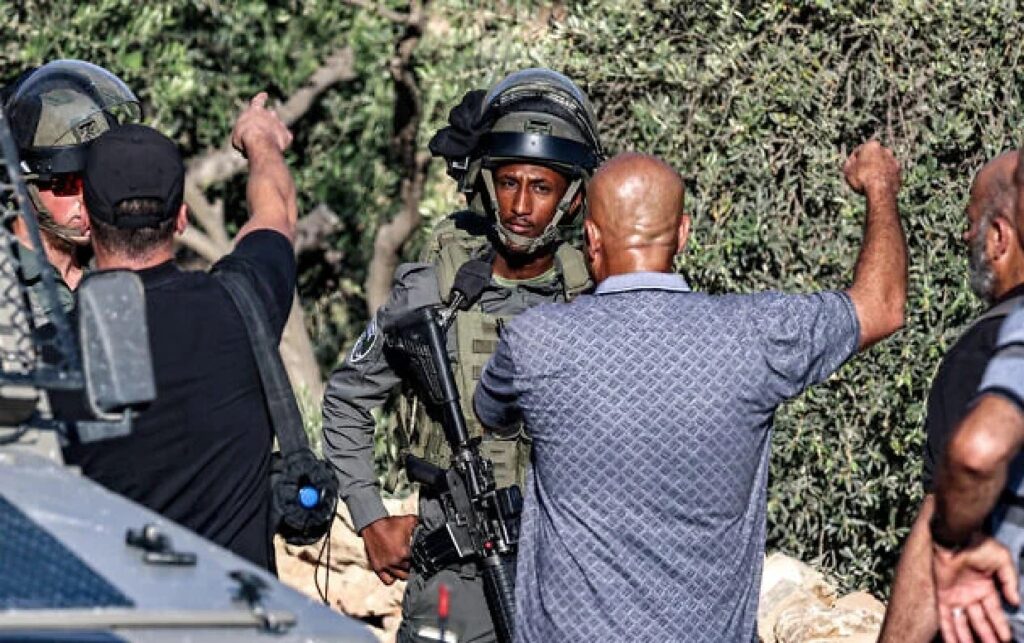
The Israeli rights group says violence, displacement, economic strangulation, and settlement expansion form part of a single project (The Elimination Project), transforming the occupied West Bank. Drawing on 2,000 testimonies and three decades of documentation, the report arrives amid escalating settler attacks, record settlement approvals, and a growing international sanctions push that stops short of the action B’Tselem demands.

Houthi forces have captured the historic Red Sea port of Mocha and are advancing on Dhubab, positioning themselves to control the 20-kilometre-wide Bab el-Mandeb Strait with artillery alone, a strategic prize that, combined with Iran’s effective closure of the Strait of Hormuz, would give the axis of resistance simultaneous leverage over both of the Middle East’s critical maritime chokepoints, threatening to isolate Gulf oil producers, add 0.7 percentage points to global core inflation, displace nearly 20,000 Yemenis in a single week, and shatter a fragile four-year truce that UN mediators had hoped to transform into a political settlement, as Saudi
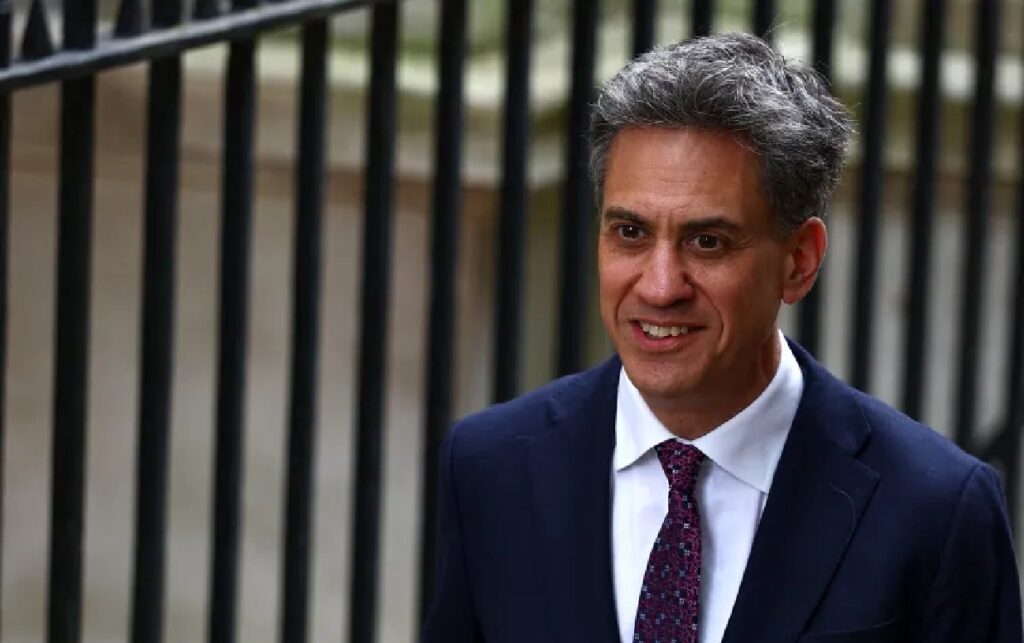
London’s historic sanctions against Israeli settlements mark a watershed moment in UK foreign policy, but Israeli diplomats privately concede the diplomatic framework Britain seeks to save no longer exists.
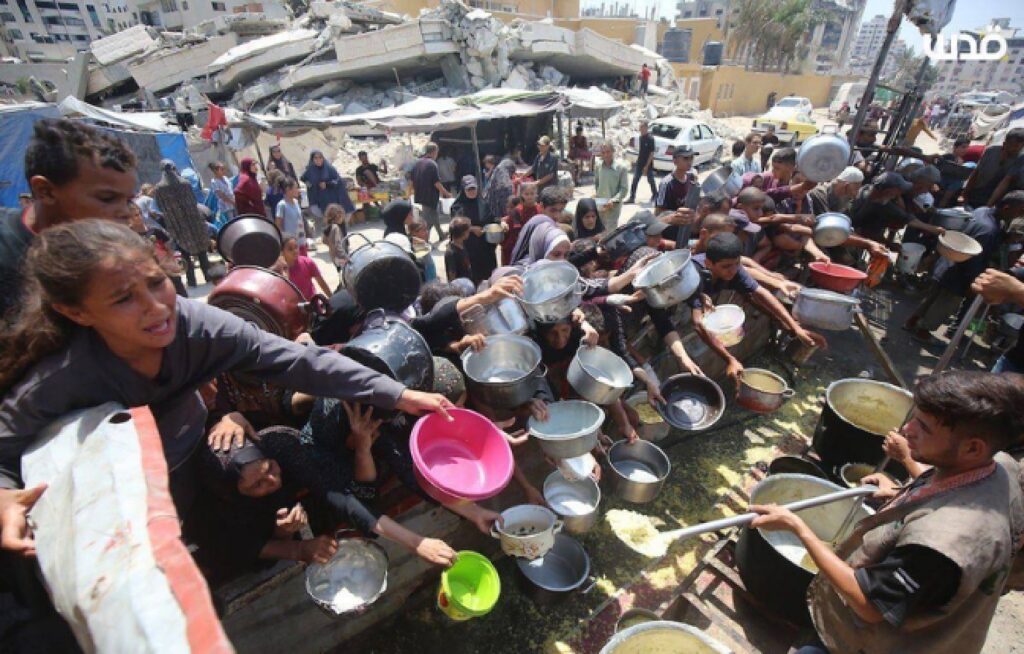
With 95% of Gaza’s population now wholly dependent on aid and more than 90% stripped of purchasing power, Palestinian officials allege that Israel is waging a calculated campaign of “silent starvation.” Under the ceasefire, 198,000 aid trucks should have entered in 330 days; only 69,387 did. As spoiled food is weaponised as proof of abundance, the real story lies in the crossing points, the collapsed economy, and the slow bureaucratic erasure of Palestinian survival.
India calls for Kashmir and Ladakh to appear only on its official map after a UN cartography vote, prompting Pakistan to warn that “unilateral claims of sovereignty have no bearing” on the disputed territory, reigniting a legal and rhetorical battle over borders, self-determination, and the credibility of international institutions.
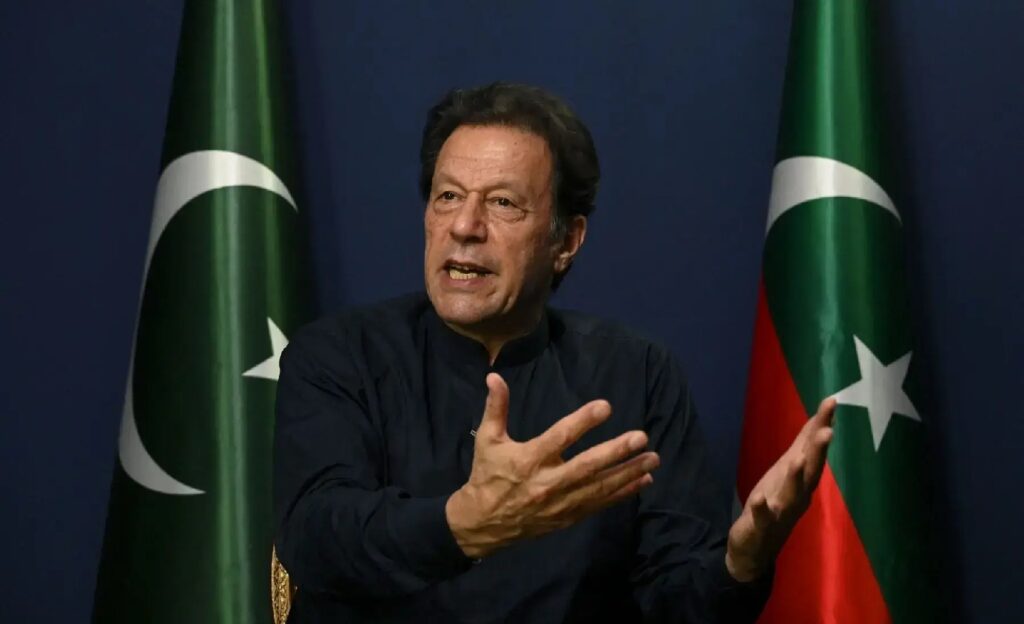
ISLAMABAD – In the high-stakes political theatre of Pakistan, the battleground has shifted from the streets to the sterile corridors of hospitals and the hallowed halls of the Supreme Court. At the centre of the storm is not a policy or an election, but the physical body of a jailed former prime minister, Imran Khan.
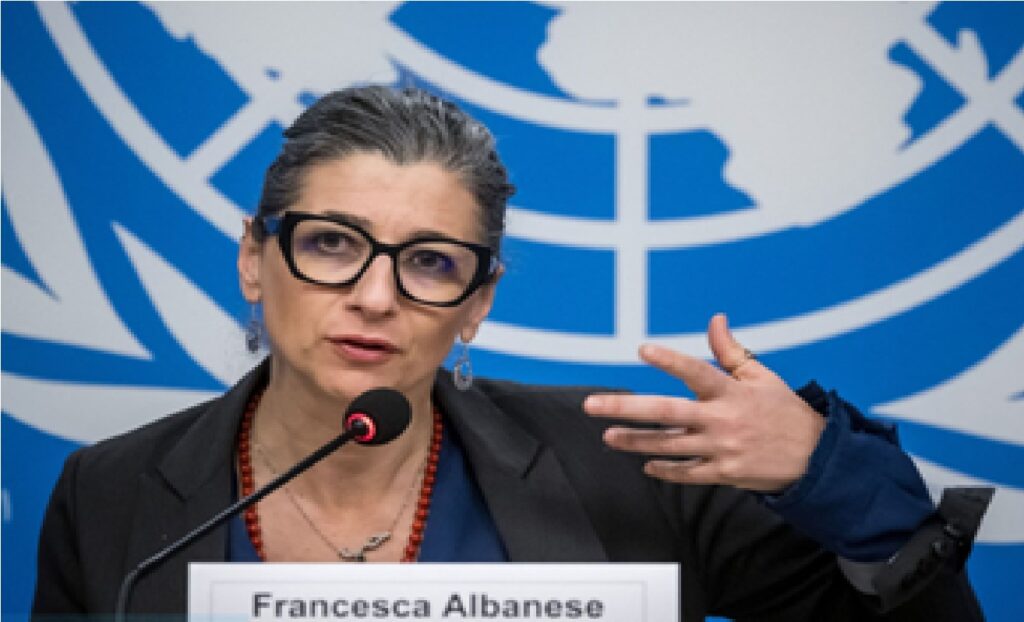
Francesca Albanese says third states have an ICJ-mandated obligation to end Israel’s occupation. But with US vetoes blocking the Security Council, Europe, Asia and the Middle East issuing condemnations without action, Palestinians are left without protection amid record settler violence and a Gaza shelter crisis.
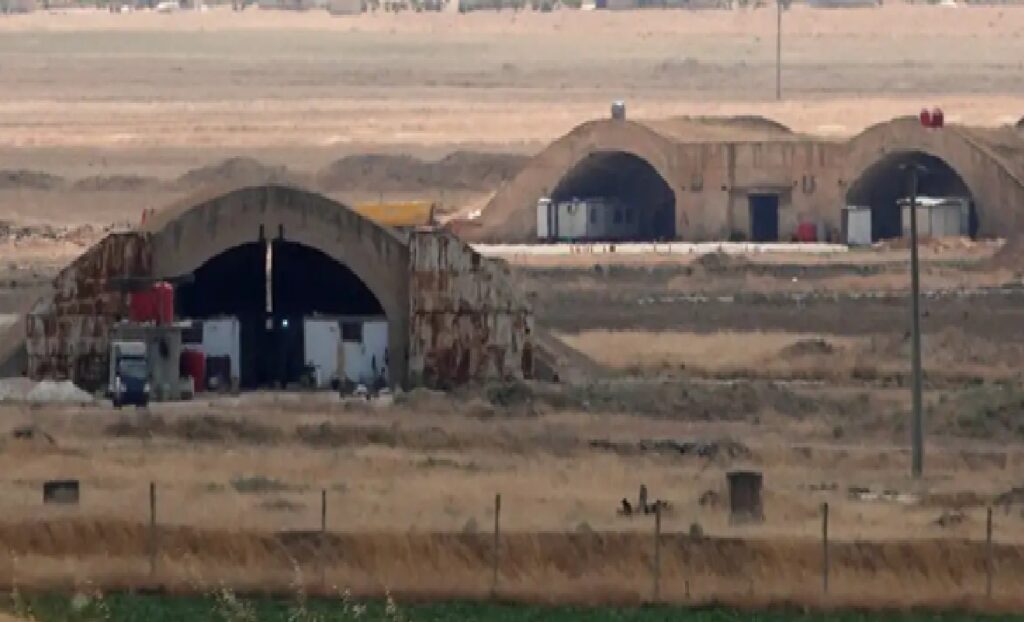
As Israeli jets bomb a Syrian air base over alleged Turkish deployment plans, Ankara, Washington and Damascus are scrambling to prevent a direct Israel-NATO confrontation. But critics across the region say the strike was never just about security; it was about maps, sovereignty and an expansionist project Israel refuses to name.















9rel9l
zj0i4i