Kamran Faqir is a volunteer investigative journalist and writer committed to exposing hidden truths and amplifying underreported stories. Driven by social justice, he brings sharp insight and fearless truth-telling to independent journalism. NUJ registered.
Original Article Date Published:
Article Date Modified:
9 minutes
Views:376
Listen to this article
Help support our mission, donate today and be the change. Every contribution goes directly toward driving real impact for the cause we believe in.
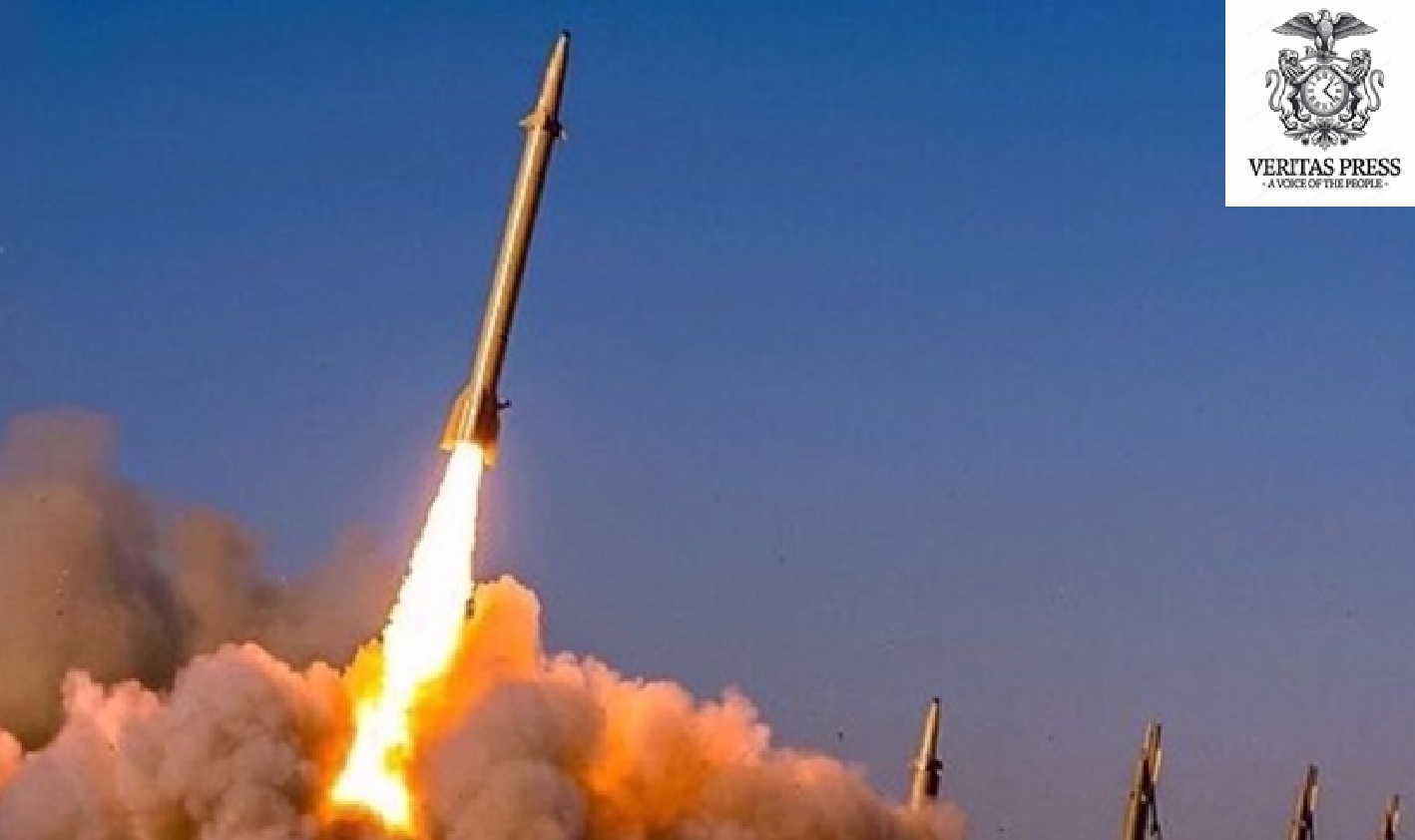
The Islamic Revolution Guards Corps (IRGC) has pounded US-owned petrochemical sites in the Wave 99 of its sweeping retaliatory strikes, warning the invading US-Zionist coalition and its regional partners that any further attacks on Iranian infrastructure will be met with zero restraint.
As the final hours of President Donald Trump’s ultimatum ticked down, the Middle East stood on the precipice of a war without modern precedent. The 39th day of the US-Israeli onslaught against Iran has birthed a terrifying new paradigm: one where civilian energy grids, petrochemical complexes, and even the mechanics of global shipping have been transformed into legitimate military targets.
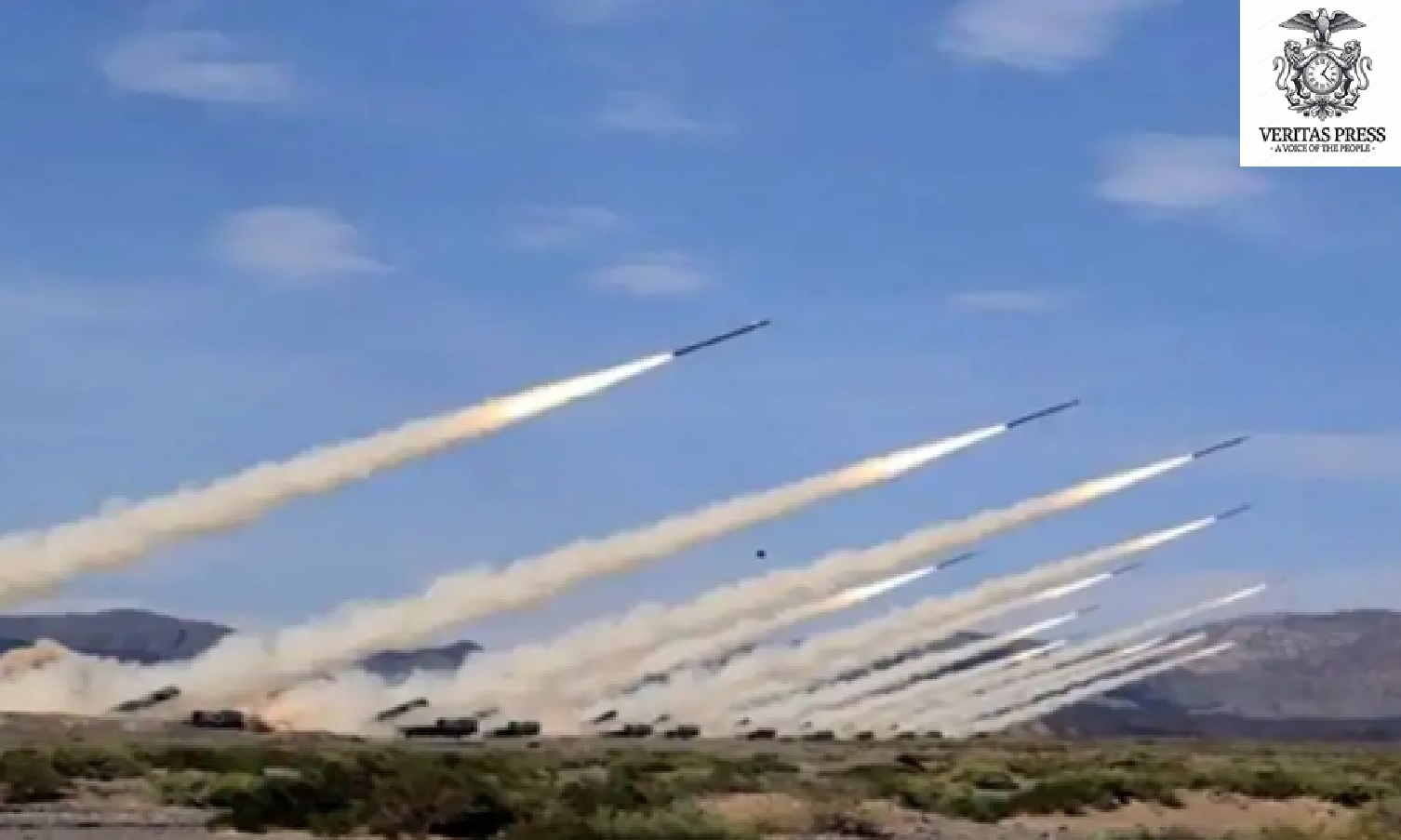
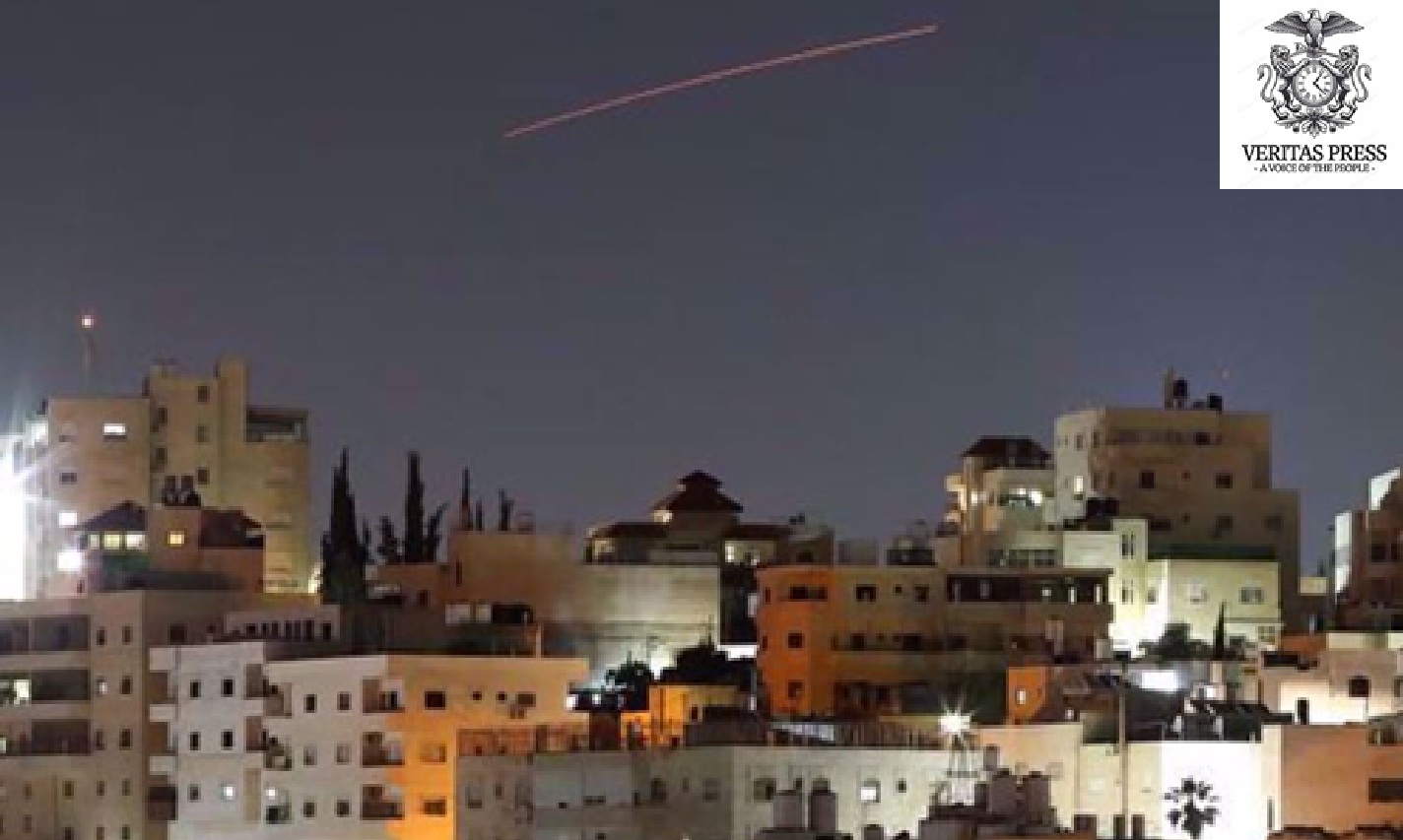
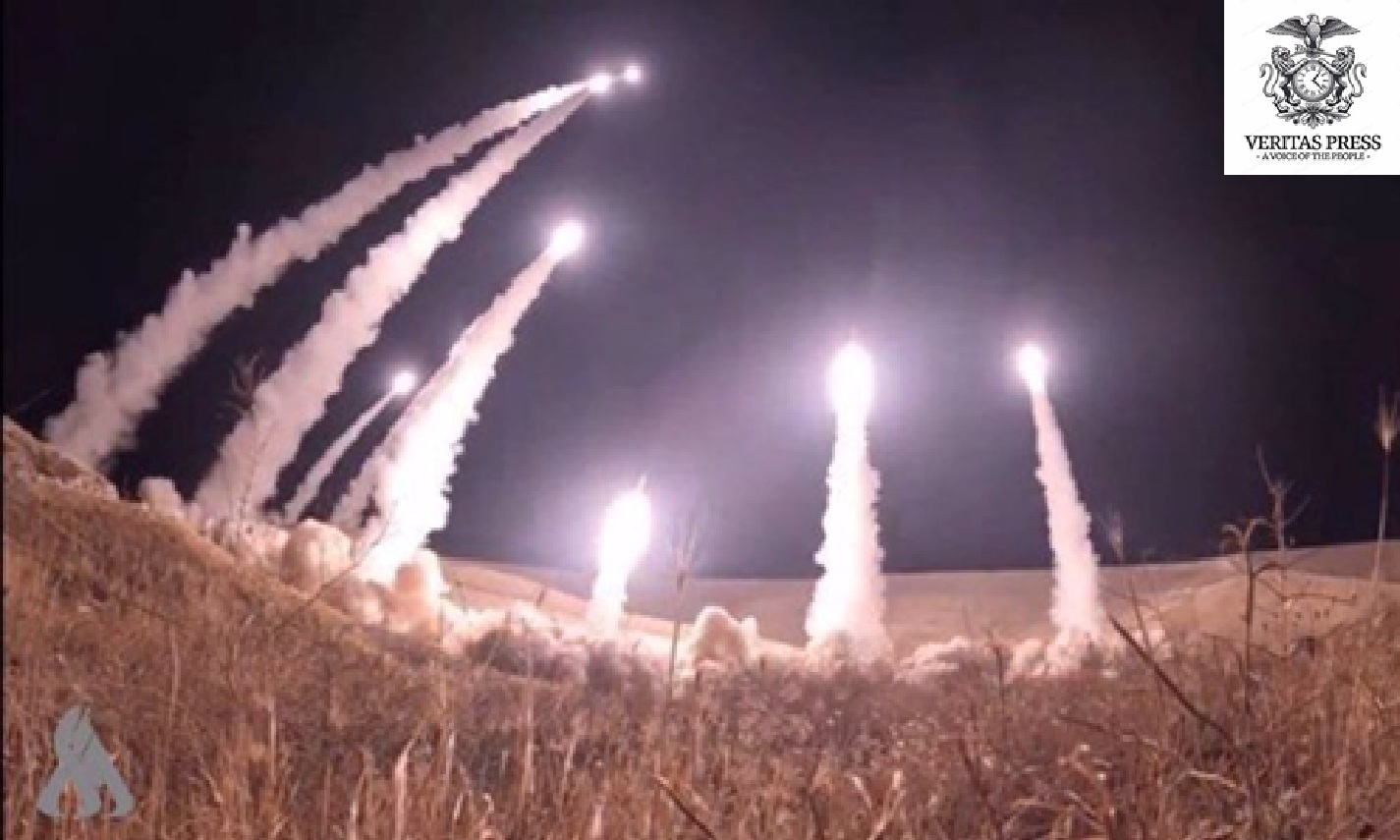
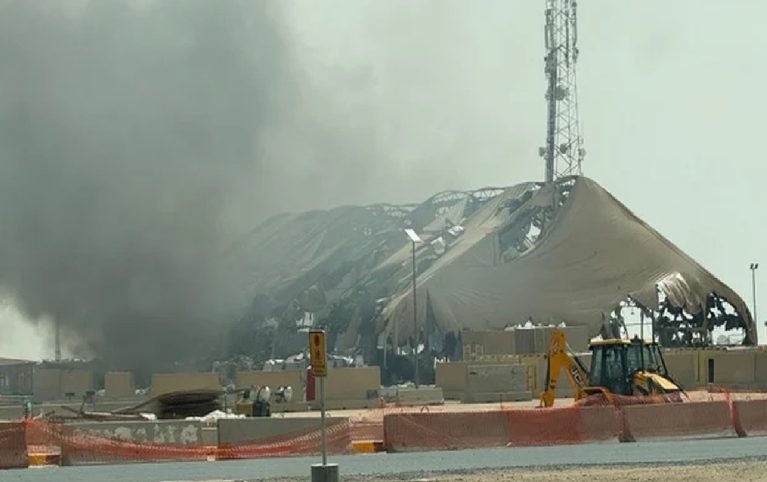
In a significant escalation on Tuesday, Iran’s Islamic Revolutionary Guard Corps (IRGC) launched the 99th wave of “Operation True Promise 4.” The coordinated dawn assault pounded US-owned petrochemical sites in Saudi Arabia, struck an Israeli-linked cargo ship in the UAE, and claimed to have targeted the USS Abraham Lincoln (CVN-72) carrier group in the Indian Ocean.
However, in a departure from the standard fog of war, Iran has issued a chilling warning that transcends tactical military gains. Declaring an end to its “restraint,” Tehran has vowed to convert the energy wealth of the Persian Gulf into a weapon, threatening to deprive America and its allies of regional oil and gas “for years”.
Strategic Reckoning: The End Of “Good Neighbourliness”
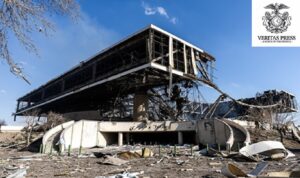
The immediate trigger for Wave 99 was the recent US-Israeli assault on Iran’s civilian infrastructure, specifically the petrochemical plants in Asaluyeh and the strategic oil loading terminal at Kharg Island. But the language used by the IRGC in its official statement signals a strategic shift.
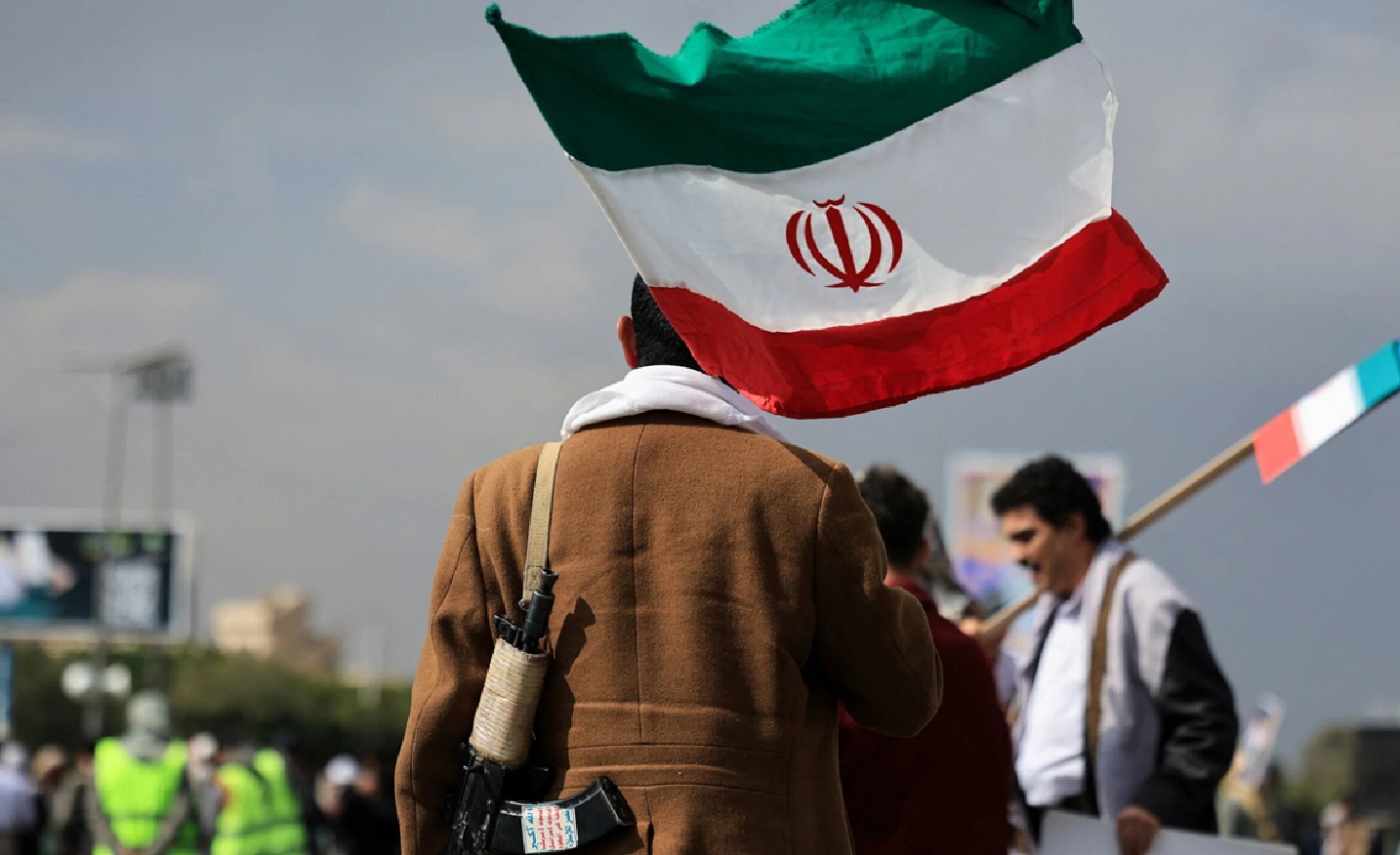
“The regional partners of America must also know that until today, out of good neighbourliness, we have exercised immense restraint and maintained considerations in selecting targets for retaliation,” the IRGC statement read. “But from now on, all these considerations have been removed”.
This is not merely a threat of retaliation; it is a direct warning to Saudi Arabia, the UAE, and Kuwait, nations hosting US military assets and American corporate energy interests. By striking the Sadara complex (a $20 billion joint venture between Saudi Aramco and Dow) and facilities linked to ExxonMobil and Chevron Phillips in Jubail, Iran is sending a clear message: host American capital, and your soil becomes a battlefield.
“They are telling the Gulf monarchies that the era of being a safe haven for US assets is over,” said a former European intelligence official who requested anonymity due to the sensitivity of the crisis. “By removing ‘considerations,’ Iran is stating that any Gulf state allowing the US to use its territory will have its own economic crown jewels, its energy sector, treated as a hostile military target.”
The Trump Ultimatum And The “Genocide” Warning
The military escalation coincides with President Trump’s most extreme rhetoric to date. With an 8:00 PM Eastern Time deadline looming for Iran to reopen the Strait of Hormuz, Trump warned that “a whole civilisation will die tonight” if his demands are not met.
“I mean complete demolition by 12 o’clock, and it will happen over a period of four hours, if we wanted to,” Trump said, describing plans to strike all of Iran’s bridges and power plants.
The stark brutality of the language, threatening to destroy the very fabric of a nation’s civil society, has shocked international observers. “We have moved past ‘shock and awe’ into ‘shock and genocide’ rhetoric,” said a Middle East analyst based in Beirut, speaking to this reporter. “When a US president threatens to kill a civilisation, he is normalising the destruction of water, power, and hospitals for 90 million people as a tool of diplomacy.”
Kharg Island: The Blackout
As the rhetoric intensified, so did the physical destruction. On Tuesday, US and Israeli warplanes carried out a wave of strikes on Iran’s Kharg Island, the country’s primary oil export terminal. According to reports citing US and Iranian media, more than 50 military targets on the island were bombed, resulting in a complete power cut.
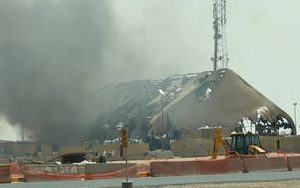
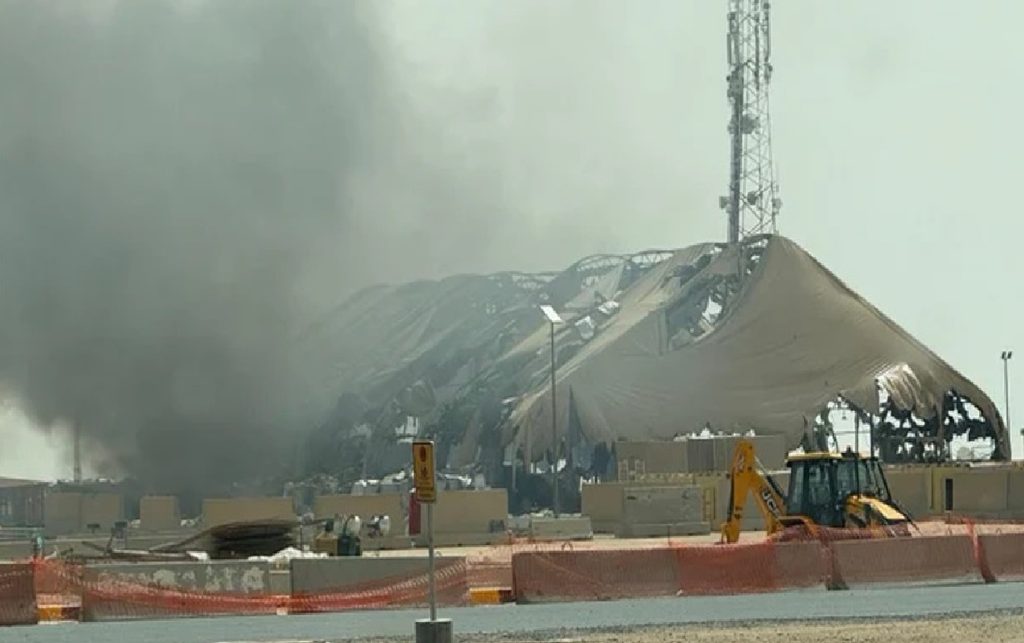
Video footage from the island showed massive clouds of smoke rising from the strategic facility. The attack represents a direct hit on the engine of the Iranian economy, raising questions about whether the US is now systematically dismantling Iran’s ability to generate revenue.
A Multi-Front Battlefield
The conflict has now fractured into distinct theatres. Beyond the strikes on the Saudi mainland, the IRGC confirmed it hit a container ship linked to Israel at the port of Khor Fakkan in the UAE.
The vessel was reportedly attempting to bypass the Strait of Hormuz, currently under de facto Iranian control, by landing military equipment in the UAE for overland transport to Israel. By destroying the ship, Tehran has signalled that the entire maritime supply chain of the Gulf is now a target zone.
Simultaneously, the Iranian Army announced its own drone strikes, including attacks on a power generation unit near Israel’s Dimona nuclear facility, a US Navy maintenance centre at Dubai’s Jebel Ali Port, and radar systems at the Ahmad al Jaber Air Base in Kuwait.
The “Energy War” Doctrine
Perhaps the most destabilising development is the formal articulation of what military strategists are calling the “Energy War Doctrine.” The IRGC has explicitly stated that if the US attacks Iranian infrastructure, it will retaliate by targeting energy assets in a way that “deprives America and its allies of the region’s oil and gas for years”.
“We will deal with the infrastructure of America and its partners in such a way that America and its allies will be deprived of the region’s oil and gas for years,” the IRGC statement read.
This is not a hollow threat. Iran has already demonstrated its ability to strike deep inside Saudi Arabia with precision. If Tehran were to widen its target set to include offshore platforms, pipelines, or loading terminals across the Gulf, the result would be an immediate, multi-year spike in global energy prices and a severe recession in Western economies.
“This is Iran’s ultimate deterrent,” a Gulf energy consultant explained. “The US can destroy Iran’s economy, but Iran can collapse the global economy. That is the balance of terror we are looking at.”
A “New Phase Of War”
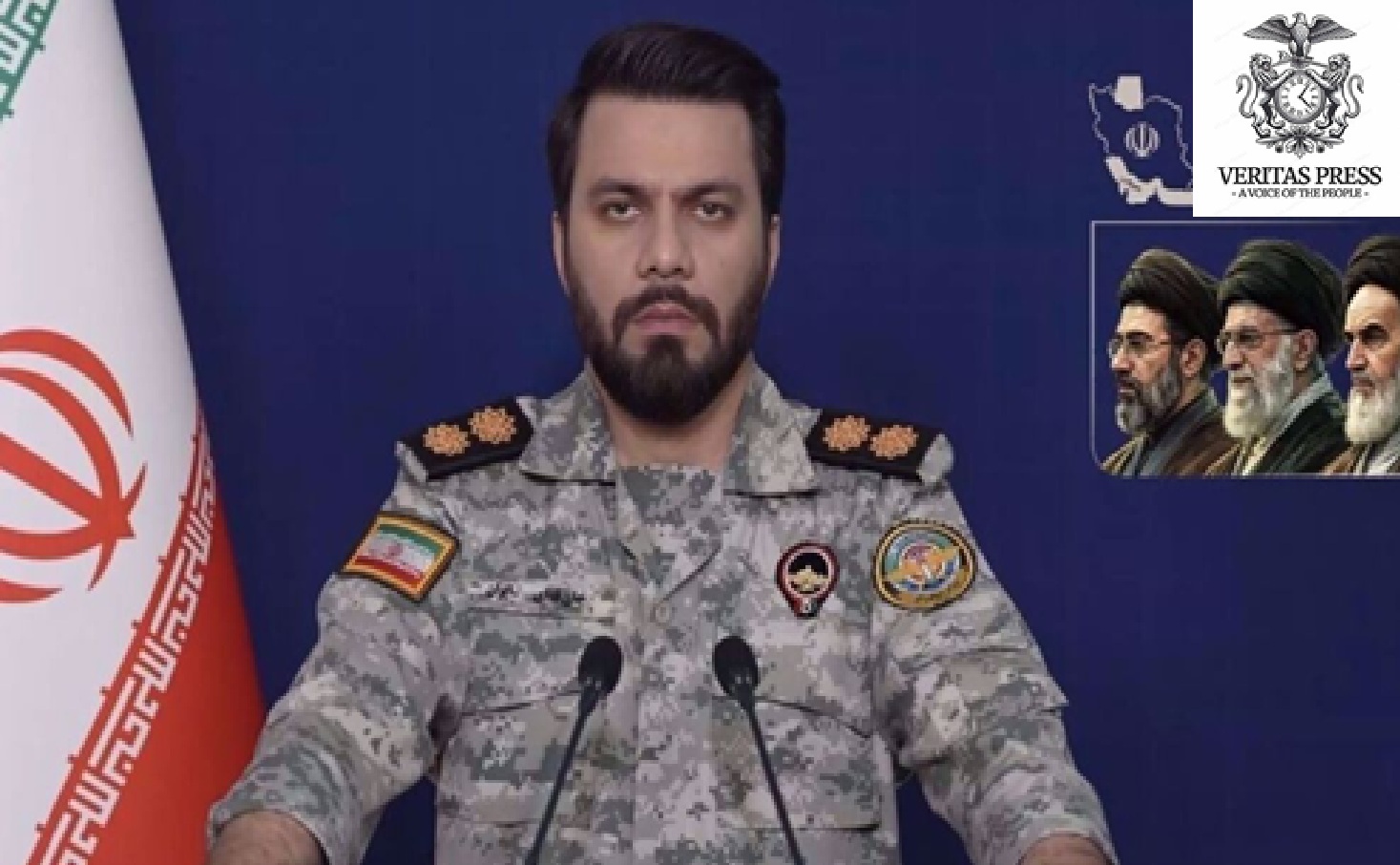
In a video posted to his social media account, IRGC Aerospace Force Commander Brigadier General Majid Mousavi announced the start of the second phase of Wave 99, stating, “The war has entered a new phase with the introduction of twin slot launchers, each capable of independently firing pairs of Fateh and Kheibar Shekan missiles”.
This technological upgrade suggests that Iran is moving from singular retaliation to sustained, industrial-scale strikes. As the clock ticks toward Trump’s Tuesday deadline, the world holds its breath. But regardless of whether the bombs fall or the deal is signed, the rules of war in the Middle East have been irrevocably rewritten.
Conclusion:
The events of April 7, 2026, represent a watershed moment in modern conflict. The traditional “red lines” protecting civilian infrastructure have been erased. In their place, we have a naked doctrine of mutual economic and civilian annihilation.
As the people of Iran sit in the dark on Kharg Island, and as the smoke clears over the petrochemical fields of Jubail, one fact remains indisputable: this is no longer a war about borders or ideology. At its core, this is a conflict to decide who will hold the power to access and control the vital resources that define the 21st century. And for now, the answer is no one.
Source: Multiple News Agencies
Submissions:
For The Secure Submission Of Documentation, Testimonies, Or Exclusive Investigative Reports From Any Global Location, Please Utilise The Following Contact Details For Our Investigations Desk: enquiries@veritaspress.co.uk or editor@veritaspress.co.uk
Help Support Our Work:
Popular Information is powered by readers who believe that truth still matters. When just a few more people step up to support this work, it means more lies exposed, more corruption uncovered, and more accountability where it’s long overdue.
Help Protect Independent Journalism, Which Is Currently Under Attack.
If you believe journalism should serve the public, not the powerful, and you’re in a position to help, becoming a DONATOR or a PAID SUBSCRIBER truly makes a difference.
DONATION APPEAL: If You Found This Reporting Valuable, Please Consider Supporting Independent Journalism.
Help Support Our Work – We Know, We Know, We Know …
Seeing these messages is annoying. We know that. (Imagine what it’s like writing them … )
Your support fuels our fearless, truth-driven journalism. In unity, we endeavour to amplify marginalised voices and champion justice, irrespective of geographical location.
But it’s also extremely important. One of Veritas Press’s greatest assets is its reader-funded model.
1. Reader funding means we can cover what we like. We’re not beholden to the political whims of a billionaire owner. We are a small, independent and impartial organisation. No one can tell us what not to say or what not to report.
2. Reader funding means we don’t have to chase clicks and traffic. We’re not desperately seeking your attention for its own sake: we pursue the stories that our editorial team deems important and believe are worthy of your time.
3. Reader Funding: enables us to keep our website and other social media channels open, allowing as many people as possible to access quality journalism from around the world, particularly those in places where the free press is under threat.
We know not everyone can afford to pay for news, but if you’ve been meaning to support us, now’s the time.
Your donation goes a long way. It helps us:
Keep the lights on and sustain our day-to-day operations
Hire new, talented independent reporters
Launch real-time live debates, community-focused shows, and on-the-ground reporting
Cover the issues that matter most to our communities, in real time, with depth and integrity
We have plans to expand our work, but we can’t do it without your support. Every contribution, no matter the size, helps us stay independent and build a truly people-powered media platform.
If you believe in journalism that informs, empowers, and reflects the communities we serve, please donate today.
Kamran Faqir is a volunteer investigative journalist and writer committed to exposing hidden truths and amplifying underreported stories. Driven by social justice, he brings sharp insight and fearless truth-telling to independent journalism. NUJ registered.
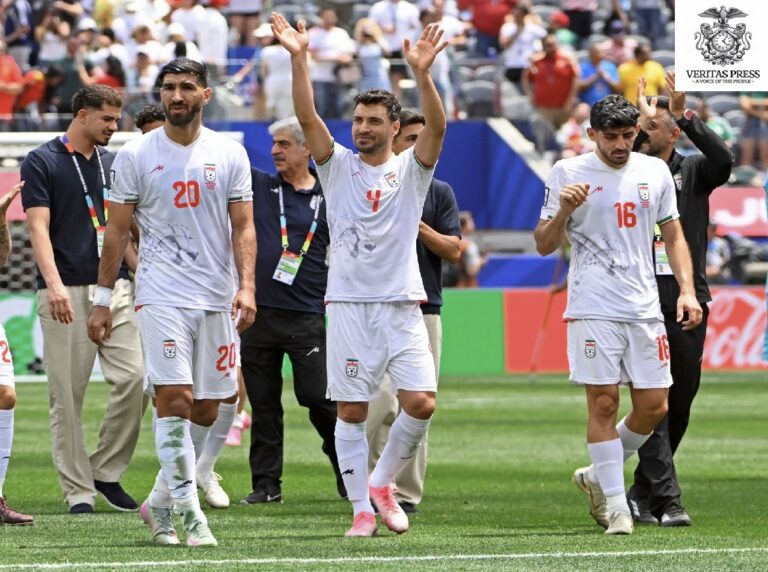
SEATTLE, TEHRAN — The U.S. Department of Homeland Security (DHS) will allow Iran’s national football team to enter the country 48 hours before their critical World Cup match against Egypt on Friday, a modest concession in a tournament where Team Melli’s travel conditions have sparked claims of oppression and competitive disadvantage.